


























Social media recommendation algorithms are AI systems that influence what content users see. The article describes a direct link between these algorithms pushing harmful self-harm and suicide-related content to a vulnerable 13-year-old, which led to her death. This is a clear case of harm to a person caused by the use of an AI system, meeting the criteria for an AI Incident. The mother's call for regulation highlights the systemic nature of the harm caused by these AI-driven content recommendation systems.[AI generated]

AIM: AI Incidents and Hazards Monitor
Automated media discourse monitor of AI incidents and hazards (Beta)
AI-related legislation is gaining traction, and effective policymaking needs evidence, foresight and international cooperation. The OECD AI Incidents and Hazards Monitor (AIM) documents AI incidents and hazards to help policymakers, AI practitioners, and all stakeholders worldwide gain valuable insights into the risks and harms of AI systems. Over time, AIM will help to show risk patterns and establish a collective understanding of AI incidents and hazards and their multifaceted nature, serving as an important tool for trustworthy AI. AI incidents seem to be getting more media attention lately, but they've actually gone down as a share of all AI news (see chart below!).
The information displayed in the AIM should not be reported as representing the official views of the OECD or of its member countries.
Advanced Search Options
As percentage of total AI events
Show summary statistics of AI incidents & hazards

AI-Driven Social Media Algorithms Linked to B.C. Teen's Death
A 13-year-old girl in British Columbia died after social media algorithms repeatedly exposed her to harmful self-harm and suicide content. Her mother, Chelsey Whittingham, is calling for regulation and oversight of these AI-driven recommendation systems, highlighting their role in endangering vulnerable minors despite parental controls.[AI generated]
AI principles:
Industries:
Affected stakeholders:
Harm types:
Business function:
Autonomy level:
AI system task:
Why's our monitor labelling this an incident or hazard?

CIA Director Compares Advanced AI to Digital Nuclear Weapons, Prompting US Export Controls
CIA Director John Ratcliffe publicly compared advanced AI models to nuclear weapons, highlighting their potential risks. In response, the US government imposed export controls on Anthropic's powerful AI models, Mythos 5 and Fable 5, to prevent misuse. The CIA is also accelerating AI and quantum technology adoption for national security.[AI generated]
AI principles:
Industries:
AI system task:
Why's our monitor labelling this an incident or hazard?
The article centers on the strategic and security implications of advanced AI models, including government-imposed export controls and comparisons to nuclear weapons, indicating a credible risk of significant harm if misused. However, it does not report any actual harm or incident caused by AI systems. Therefore, it fits the definition of an AI Hazard, as it describes circumstances where AI development and use could plausibly lead to significant harm, but no harm has yet occurred.[AI generated]

UK Tests and Invests in AI-Enabled Autonomous Military Drones
The UK military, including the Royal Navy and Army, is expanding testing and investment in AI-enabled autonomous drones and uncrewed systems, such as the Nyan One Way Effector strike drone. Trials at sea and in Canada aim to accelerate deployment of lethal autonomous weapons, raising credible risks of future harm.[AI generated]
AI principles:
Industries:
Affected stakeholders:
Harm types:
Autonomy level:
AI system task:
Why's our monitor labelling this an incident or hazard?
The Nyan One Way Effector is an AI system as it autonomously navigates and executes strike missions. The event involves the use and testing of this AI system. Although no harm has yet occurred during the trials, the system's intended use as an autonomous weapon capable of lethal strikes presents a credible risk of future harm, including injury or death, disruption of military operations, and broader conflict-related harms. The article emphasizes the strategic military implications and the potential for these drones to be used in high-intensity conflicts, which aligns with the definition of an AI Hazard. There is no indication of realized harm or incident in this specific event, so it is not an AI Incident. The event is not merely complementary information or unrelated, as it directly concerns the deployment and capabilities of an AI system with significant risk potential.[AI generated]

AI-Generated Deepfakes Target Bondi Beach Attack Survivor
Arsen Ostrovsky, a Jewish lawyer injured in the Bondi Beach attack in Sydney, Australia, discovered AI-generated deepfake images falsely portraying him as an actor faking his injuries. These misleading images proliferated online, causing reputational harm and distress, and were revealed during a federal royal commission inquiry.[AI generated]
AI principles:
Industries:
Affected stakeholders:
Harm types:
Autonomy level:
AI system task:
Why's our monitor labelling this an incident or hazard?
The article explicitly mentions AI-generated deepfakes used maliciously to distort the victim's image and falsely accuse him of faking injuries. This is a clear case where AI use has directly led to harm, including violation of rights and harm to communities through misinformation and hate content. The harm is realized and ongoing, as the manipulated images remain online. Therefore, this event qualifies as an AI Incident under the definitions provided, specifically under violations of human rights and harm to communities.[AI generated]
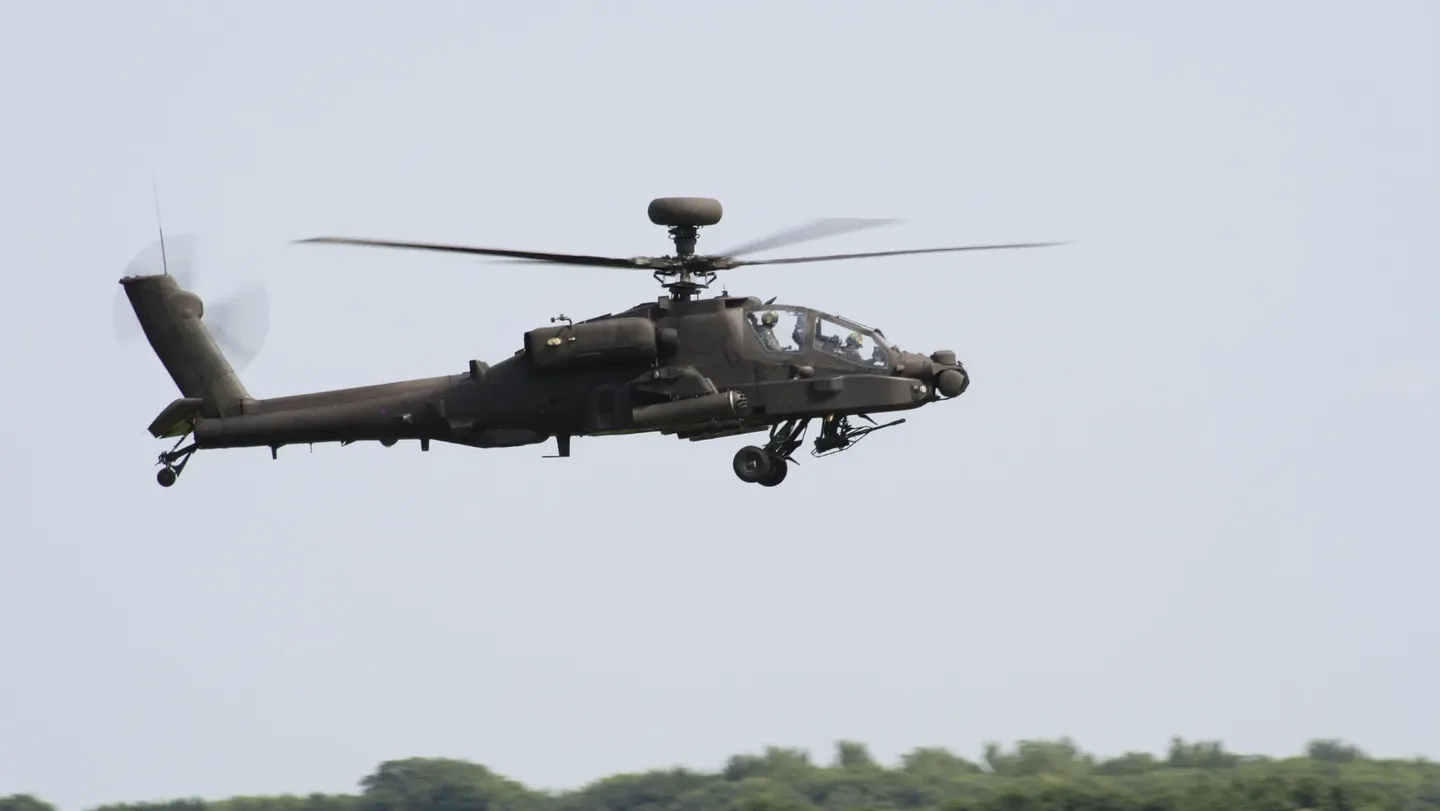
Russia Develops AI-Based Air Defense to Counter Ukrainian Drones
Russian Defense Minister Andrey Belousov announced that Russia is developing AI-powered air defense systems, including AI-assisted decision-making and unmanned drone units, to counter increasing Ukrainian drone attacks. The systems, expected by November, aim to enhance military effectiveness but raise concerns about potential risks of AI use in warfare.[AI generated]
AI principles:
Industries:
Affected stakeholders:
Harm types:
Autonomy level:
AI system task:
Why's our monitor labelling this an incident or hazard?
The article explicitly mentions the development and planned deployment of an AI system for military air defense against drones in the context of the ongoing conflict in Ukraine. The AI system is intended to assist decision-making in combat operations, which inherently involves risks of harm. Since the system is not yet deployed or causing harm but is scheduled for deployment soon, it constitutes a plausible future risk of harm. This fits the definition of an AI Hazard, as the AI system's use could plausibly lead to injury, disruption, or other harms related to military conflict. There is no indication of realized harm or incident at this stage, so it is not an AI Incident. The event is not merely complementary information or unrelated, and it is not a beneficial use since the AI is used as a military weapon system, not solely as a countermeasure to external harm without introducing new harm.[AI generated]
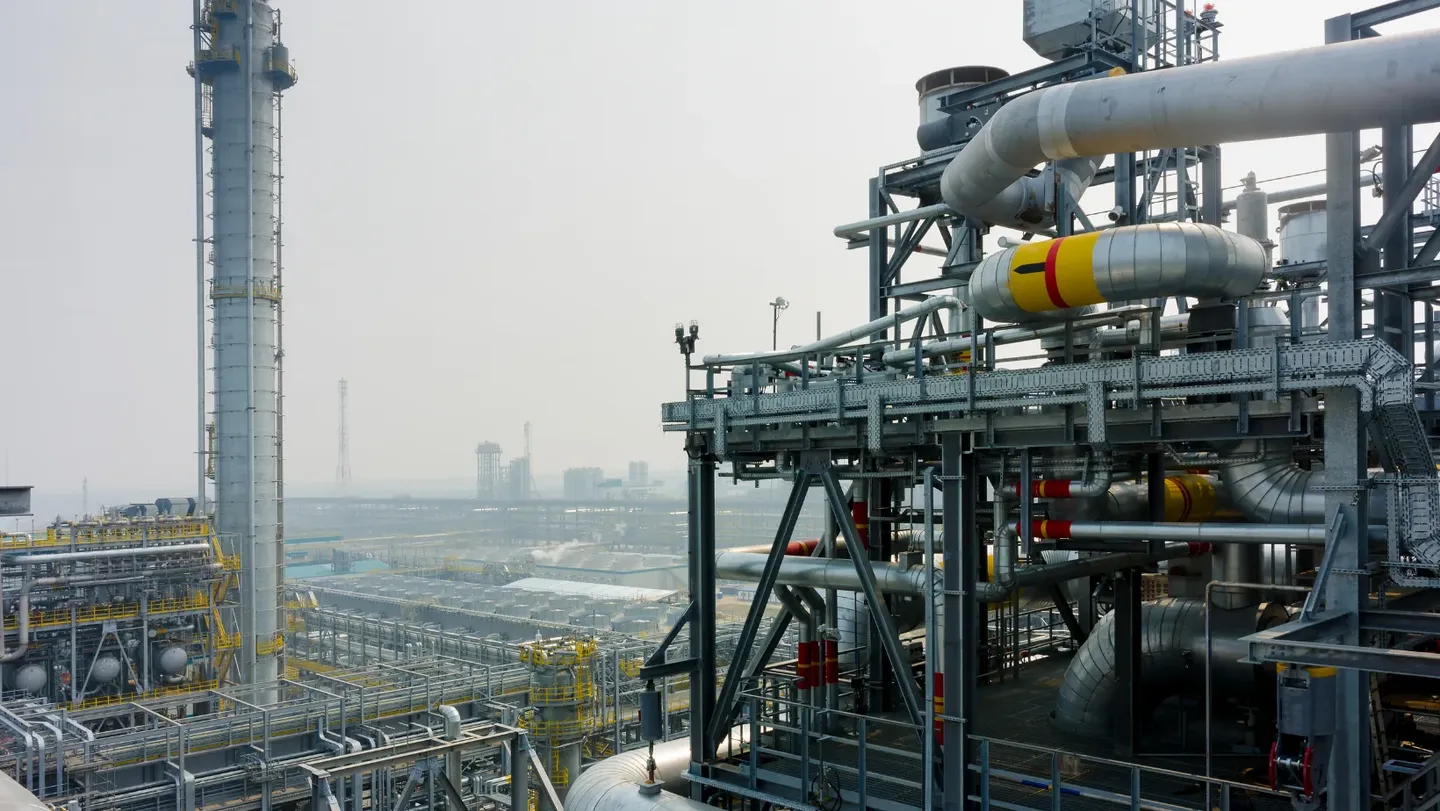
Community Concerns Over Proposed AI Data Centre in North Devon
Xlinks plans to build a massive AI data centre and battery storage site near Great Torrington, Devon, sparking local opposition. Residents and farmers fear loss of farmland, environmental harm, water shortages, and noise. The project, intended to run AI models, has not yet caused harm but raises plausible risks.[AI generated]
AI principles:
Industries:
Affected stakeholders:
Harm types:
AI system task:
Why's our monitor labelling this an incident or hazard?
The article explicitly mentions the AI data centre's role in running AI models, confirming AI system involvement. The event is about planned construction, so no AI system malfunction or use has yet caused harm. The concerns about noise, water use, environmental impact, and community disruption are plausible harms that could arise from the data centre's operation, fitting the definition of an AI Hazard. Since no harm has yet materialized, and the event is about future potential risks, it does not qualify as an AI Incident. It is not Complementary Information because it is not an update or response to a prior incident, nor is it Beneficial Use or Unrelated. Thus, AI Hazard is the appropriate classification.[AI generated]

AI-Powered Child Safety Features on Social Media Platforms Fail to Protect Minors
A study by researchers at NYU and Northeastern University found that over half of AI-driven child safety features on Instagram, Snapchat, TikTok, and YouTube do not work as advertised. These failures expose minors to harmful content and unsafe interactions, leading to lawsuits and documented harm to children's wellbeing.[AI generated]
AI principles:
Industries:
Affected stakeholders:
Harm types:
Business function:
Autonomy level:
AI system task:
Why's our monitor labelling this an incident or hazard?
The social media platforms employ AI systems for content recommendation, moderation, and user interaction controls, which are explicitly mentioned or reasonably inferred given the nature of the platforms and described features. The study found that these AI-driven safety features are broken, missing, or easily bypassed, leading to direct harms such as exposure of children to adult strangers, harmful content, and ineffective time limits. These harms constitute violations of children's rights and harm to their health and well-being. Since the AI systems' malfunction or ineffective deployment directly led to these harms, this event meets the criteria for an AI Incident. The article does not merely discuss potential risks or responses but documents realized harms caused by AI system failures.[AI generated]

AI Chatbots May Harm Teen Relationship Development, Study Warns
Researchers from Arizona State University warn that teenagers increasingly relying on AI chatbots like ChatGPT, Replika, Claude, and Character.AI for emotional support may hinder their development of essential relationship skills, potentially increasing mental health risks. The study calls for safeguards and further research to address these concerns.[AI generated]
AI principles:
Industries:
Affected stakeholders:
Harm types:
Autonomy level:
AI system task:
Why's our monitor labelling this an incident or hazard?
The event involves AI systems (chatbots like ChatGPT, Replika, Claude, Character.AI) used by teenagers for emotional and relational support. The researchers warn that such use could plausibly lead to harms such as impaired development of relationship skills, increased vulnerability to mental health issues, and unhealthy relationship patterns. These are potential harms, not realized incidents. The article does not report any direct or indirect harm caused by AI use so far but focuses on the plausible future risks and the need for safeguards and further study. Therefore, this qualifies as an AI Hazard rather than an AI Incident or Complementary Information.[AI generated]

Georgian Authorities Use Russian AI Facial Recognition to Target Protesters
Georgia's Interior Ministry has used the Russian-made Polyface facial recognition system, developed by sanctioned firm Papillon AO, to identify, fine, and detain anti-government protesters in Tbilisi. The AI-driven surveillance, detailed by AlgorithmWatch, raises concerns over human rights violations, mass surveillance, and potential Russian access to Georgian citizens' biometric data.[AI generated]
AI principles:
Industries:
Affected stakeholders:
Harm types:
Autonomy level:
AI system task:
Why's our monitor labelling this an incident or hazard?
The event explicitly involves an AI system (facial recognition with deep learning) used by a government to identify protesters, leading to detentions and fines, which constitute harm to individuals and communities and violations of rights. The AI system's role is pivotal in enabling mass surveillance and identification, which directly causes these harms. Hence, this qualifies as an AI Incident under the framework, specifically under violations of human rights and harm to communities.[AI generated]

AI-Generated Fake Biometric Photos Used in Exam Cheating Scheme in Turkey
Turkish police conducted operations across five provinces, including Mardin, targeting a group that used AI-generated fake biometric photos, spy cameras, and earpieces to cheat in driving license exams. Forty-four suspects face legal action, and authorities seized weapons and digital materials related to the scheme.[AI generated]
AI principles:
Industries:
Affected stakeholders:
Harm types:
Autonomy level:
AI system task:
Why's our monitor labelling this an incident or hazard?
The article explicitly mentions the use of AI technology to create fake biometric photos, which is an AI system's misuse in the context of cheating on official exams. This misuse has directly led to harm by enabling fraudulent behavior that undermines the integrity of the licensing process, which is a violation of legal rights and obligations. The involvement of AI in producing fake biometric data is central to the incident, meeting the criteria for an AI Incident rather than a hazard or complementary information.[AI generated]
AI-Driven Blackmail Ring Uses Fake Content to Extort Chinese Entertainment Industry
A criminal group in China used AI tools to fabricate and spread negative content about celebrities and TV shows, coercing production companies and artists into paying for 'protection' services to remove damaging posts. Police arrested 12 suspects across multiple provinces, exposing the AI-enabled extortion scheme's widespread harm to the entertainment industry.[AI generated]
AI principles:
Industries:
Affected stakeholders:
Harm types:
Business function:
Autonomy level:
AI system task:
Why's our monitor labelling this an incident or hazard?
The article explicitly states that the criminal group used AI technology to generate or assist in fabricating negative content to extort money from entertainment industry stakeholders. This use of AI directly caused harm by enabling coercion, reputational damage, and economic harm. The involvement of AI in the malicious use and the resulting harm to individuals and the industry meets the criteria for an AI Incident. The event is not merely a potential risk or a general update but a concrete case of harm caused by AI misuse.[AI generated]
Researchers Exploit AI Role Confusion to Generate Harmful Outputs
MIT-affiliated researchers demonstrated that large language models (LLMs) can be manipulated via prompt injection attacks, bypassing safety controls by faking internal reasoning. This structural flaw enabled AI systems to produce harmful outputs, including cocaine synthesis instructions and leaked credentials, highlighting significant security and safety risks.[AI generated]
AI principles:
Industries:
Affected stakeholders:
Harm types:
Autonomy level:
AI system task:
Why's our monitor labelling this an incident or hazard?
The article explicitly involves AI systems (LLMs) and their malfunction or misuse through prompt injection attacks. The researchers' demonstration that LLMs can be tricked into providing illicit drug synthesis instructions shows direct harm to communities and potential violation of laws. The AI system's role is pivotal as it is the source of the harmful output due to its insecure role-based input processing. Therefore, this event qualifies as an AI Incident because the AI system's use has directly led to harm through dissemination of dangerous information.[AI generated]
Dutch Military Deploys AI-Enabled Unmanned Weapons Systems
The Dutch Ministry of Defence is investing heavily in AI-powered unmanned weapons systems, including drones and autonomous vehicles, aiming for half of military operations to be conducted remotely by 2031. These AI systems are already used in conflict zones, contributing to lethal effects and operational disruption.[AI generated]
AI principles:
Industries:
Affected stakeholders:
Harm types:
AI system task:
Why's our monitor labelling this an incident or hazard?
The article clearly involves AI systems or AI-enabled technologies, inferred from the emphasis on remotely operated weapons like drones and the need for rapid information processing and decision-making, which typically involve AI. However, no actual harm or incident is reported; the article focuses on future plans and investments. Given the potential for these AI-enabled systems to lead to harm in military contexts, this constitutes a plausible future risk, fitting the definition of an AI Hazard rather than an AI Incident or Complementary Information. It is not unrelated because AI involvement is reasonably inferred, and it is not Complementary Information because it does not provide updates or responses to past incidents but rather outlines new strategic directions.[AI generated]

Expert Warns of AI-Induced Economic and Social Crisis
Carson Block, head of Muddy Waters Research, warns that rapid AI development could replace up to 15% of US knowledge sector jobs within a few years, leading to mass unemployment, reduced consumption, dramatic stock market crashes, and a breakdown of the current social contract. The scenario is forecasted, not yet realized.[AI generated]
AI principles:
Industries:
Affected stakeholders:
Harm types:
Why's our monitor labelling this an incident or hazard?
The article centers on a prediction of potential future harms stemming from AI's impact on labor markets and economic systems, including a possible financial crash and social upheaval. Since these harms have not yet occurred but are plausibly forecasted, the event fits the definition of an AI Hazard. There is no indication of an ongoing or past AI Incident, nor is the article focused on responses, updates, or beneficial uses of AI. Therefore, the classification as AI Hazard is appropriate.[AI generated]
Erin Brockovich Leads Campaign Against Environmental Harms from AI Data Centers
Erin Brockovich has launched a campaign targeting the rapid, unregulated expansion of AI data centers in the United States, particularly in Central Texas. She highlights significant environmental and community harms, including resource depletion, noise, and pollution, caused by these centers, which are essential infrastructure for AI systems.[AI generated]
AI principles:
Industries:
Affected stakeholders:
Harm types:
Why's our monitor labelling this an incident or hazard?
The article clearly involves AI systems indirectly through the data centers that support them. The harms described are environmental and community harms (noise pollution, energy consumption, wildlife disruption), which fall under harm to communities and the environment. However, these harms arise from the physical infrastructure and its operation, not from AI system malfunction, misuse, or outputs. There is no direct or indirect harm caused by the AI systems themselves, but the rapid proliferation of AI data centers with minimal oversight plausibly leads to significant harms. Thus, the event is best classified as an AI Hazard, reflecting credible potential for harm linked to AI system infrastructure expansion, rather than an AI Incident or Complementary Information. It is not unrelated or beneficial use, as the harms are real and linked to AI infrastructure.[AI generated]

Finland Plans Full AI Integration in Public Sector, Raising Job Displacement Concerns
The Finnish government announced plans to fully integrate AI into its public sector by 2031, aiming to boost productivity by 20%. This transition is expected to impact around 700,000 employees, raising concerns about job losses and social disruption due to AI-driven automation and workforce reduction.[AI generated]
AI principles:
Industries:
Affected stakeholders:
Harm types:
AI system task:
Why's our monitor labelling this an incident or hazard?
The event involves the planned use of AI systems in the public sector, which will directly impact a large number of employees through job displacement. However, the article does not describe any realized harm or incidents caused by AI yet; rather, it outlines a future scenario where AI adoption could plausibly lead to significant social and economic harms. Therefore, this qualifies as an AI Hazard because it highlights credible risks stemming from the development and use of AI systems in government operations, with potential for harm to employment and communities in the future.[AI generated]

AI Data Centres Threaten Housing Development in Scotland
Construction industry leaders warn that massive AI data centres proposed in Scotland, backed by US tech firms, could freeze property development due to their enormous electricity demands. The strain on the local grid risks delaying housing projects, prompting government consideration of planning guidance to address the issue.[AI generated]
AI principles:
Industries:
Affected stakeholders:
Harm types:
Business function:
Why's our monitor labelling this an incident or hazard?
The event involves AI systems indirectly through the operation of large AI data centres requiring enormous electricity. The concern is about plausible future harm—specifically, disruption to housing development and strain on the electricity grid—due to the energy demands of these AI data centres. No direct harm has yet occurred, but the risk is credible and significant. Therefore, this qualifies as an AI Hazard because it describes a plausible future harm stemming from the use of AI systems in data centres impacting critical infrastructure and community well-being.[AI generated]

AI-Driven Cheating Scandal Uncovered at Brown University
At Brown University, Professor Roberto Serrano uncovered that at least 50 students used ChatGPT to cheat on a take-home mathematical economics exam, marking the largest known AI-enabled academic fraud in Ivy League history. The incident highlights the growing challenge of AI misuse undermining academic integrity at elite U.S. universities.[AI generated]
AI principles:
Industries:
Affected stakeholders:
Harm types:
Autonomy level:
AI system task:
Why's our monitor labelling this an incident or hazard?
The AI system was used in a way that directly caused harm by facilitating cheating, which undermines the integrity of academic assessments and harms the educational community. The cheating scandal is a direct consequence of AI use, fulfilling the criteria for an AI Incident due to violation of rights and harm to the community. The event involves actual realized harm, not just potential harm, and the AI system's role is pivotal in enabling the cheating.[AI generated]
AI-Powered Sports Betting Scams Lead to Financial and Privacy Harms in China
Criminals in China used AI-based sports prediction models, marketed as highly accurate, to lure users via social media into illegal online gambling platforms. Victims suffered financial losses, personal data breaches, and legal risks. Experts warn that AI cannot guarantee betting outcomes and caution against such deceptive schemes.[AI generated]
AI principles:
Industries:
Affected stakeholders:
Harm types:
Autonomy level:
AI system task:
Why's our monitor labelling this an incident or hazard?
The event involves AI systems explicitly described as providing 'AI predictions' and 'high-accuracy algorithms' for sports betting. These AI systems are used by malicious actors to lure users into illegal online gambling, resulting in direct financial harm, personal data breaches, and legal consequences. The harms are realized and directly linked to the AI system's use, fulfilling the criteria for an AI Incident. The article does not merely warn of potential harm but documents ongoing harm caused by the AI-enabled deceptive practices.[AI generated]

AR Game Data Collection Raises Military and Privacy Risks
A well-known AR game’s AI company covertly collected nearly 30 billion user environment scans to train spatial recognition AI models, with potential military applications due to ties with a foreign defense industry. This large-scale, hidden data gathering poses significant privacy, ethical, and national security risks, prompting official warnings in China.[AI generated]
AI principles:
Industries:
Affected stakeholders:
Harm types:
AI system task:
Why's our monitor labelling this an incident or hazard?
The event involves an AI system (AR-based AI models trained on user-collected spatial data) whose development and use could plausibly lead to harm, specifically national security risks and privacy violations. The article does not report actual realized harm but warns of potential misuse of the data for military purposes, which fits the definition of an AI Hazard. The involvement of AI in processing and interpreting the spatial data is explicit, and the potential for harm is credible and significant. Hence, the classification as AI Hazard is appropriate.[AI generated]