


























The event involves AI systems explicitly through the creation and circulation of AI-generated deepfake videos and synthetic media that impersonate Kangana Ranaut without authorization. The misuse of AI-generated content has directly led to harm in the form of violations of personality rights, potential reputational damage, and misleading the public, which falls under violations of human rights and breach of legal protections. The court's intervention and orders to remove such content confirm that harm has materialized. Therefore, this qualifies as an AI Incident because the AI system's use has directly led to harm through digital impersonation and identity misuse.[AI generated]

AIM: AI Incidents and Hazards Monitor
Automated media discourse monitor of AI incidents and hazards (Beta)
AI-related legislation is gaining traction, and effective policymaking needs evidence, foresight and international cooperation. The OECD AI Incidents and Hazards Monitor (AIM) documents AI incidents and hazards to help policymakers, AI practitioners, and all stakeholders worldwide gain valuable insights into the risks and harms of AI systems. Over time, AIM will help to show risk patterns and establish a collective understanding of AI incidents and hazards and their multifaceted nature, serving as an important tool for trustworthy AI. AI incidents seem to be getting more media attention lately, but they've actually gone down as a share of all AI news (see chart below!).
The information displayed in the AIM should not be reported as representing the official views of the OECD or of its member countries.
Advanced Search Options
As percentage of total AI events
Show summary statistics of AI incidents & hazards

Delhi High Court Orders Removal of AI-Generated Deepfakes Targeting Indian Actors
The Delhi High Court granted interim relief to actors Kangana Ranaut and Vijay Deverakonda, ordering the removal of AI-generated deepfakes, manipulated videos, and impersonations that violated their personality rights. Social media platforms and websites were directed to take down infringing content within 72 hours, addressing reputational and rights-based harm caused by AI misuse.[AI generated]
AI principles:
Industries:
Affected stakeholders:
Harm types:
Autonomy level:
AI system task:
Why's our monitor labelling this an incident or hazard?

Protests Over Grab's AI-Driven Acquisition of Foodpanda Raise Data and Security Concerns in Taiwan
Grab's proposed acquisition of Foodpanda in Taiwan has sparked protests from labor unions, civil groups, and academics. Concerns center on potential AI-enabled data leakage, national security risks, reduced market competition, and exploitation of workers, especially due to Grab's AI partnerships and research centers in China. Regulatory review is ongoing.[AI generated]
AI principles:
Industries:
Affected stakeholders:
Harm types:
Why's our monitor labelling this an incident or hazard?
The event involves AI systems implicitly through Grab's use of AI technologies in mapping, data analytics, and service optimization. The concerns are about the potential misuse or unauthorized transfer of sensitive data enabled by AI capabilities, which could plausibly lead to violations of privacy rights and national security harms. Since no actual harm has occurred yet, but the risk is credible and significant, the event fits the definition of an AI Hazard. It is not an AI Incident because no realized harm is reported, nor is it Complementary Information or Beneficial Use. The focus is on plausible future harm from AI system use and data management practices.[AI generated]

Meta Ray-Ban Smart Glasses Record Conversations Without Consent, Causing Privacy Breach
Meta's Ray-Ban smart glasses were found to record and transcribe users' conversations without activation or consent, even when privacy settings were enabled. The AI malfunction led to unauthorized audio and transcript storage in the Meta AI app. Meta confirmed the issue and claims it has been fixed.[AI generated]
AI principles:
Industries:
Affected stakeholders:
Harm types:
AI system task:
Why's our monitor labelling this an incident or hazard?
The Meta Ray-Ban smart glasses use AI systems to manage voice activation and recording. The bug caused the AI system to malfunction by initiating audio recordings without the user's consent or activation phrase, leading to unauthorized surveillance and privacy violations. This constitutes a direct harm to users' rights and privacy, fulfilling the criteria for an AI Incident. The company's subsequent fix and statements are responses to the incident but do not negate the occurrence of harm.[AI generated]
AI Inventory Robots in LA Grocery Stores Raise Worker and Shopper Concerns
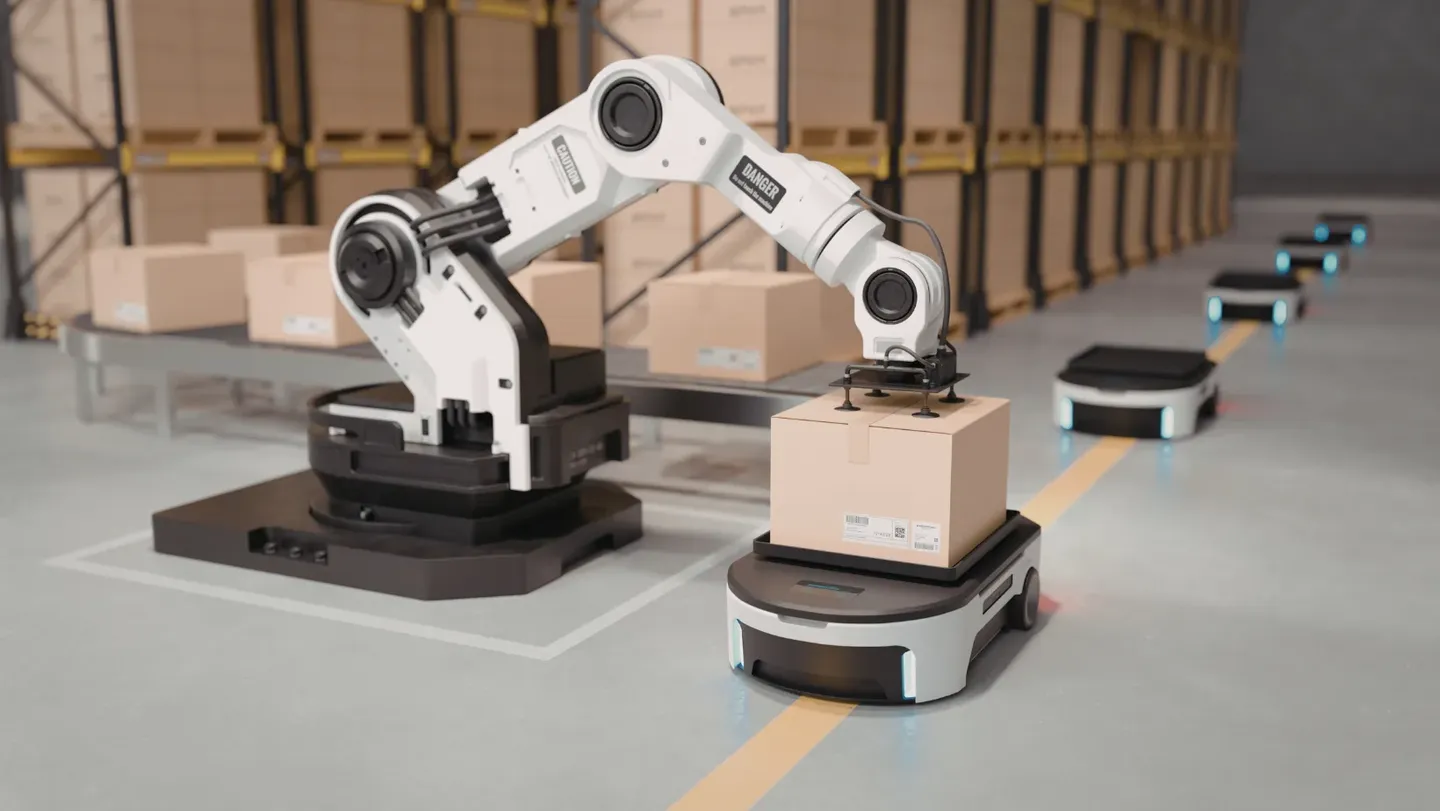
Kroger has deployed Simbe Robotics' AI-powered Tally robots in Los Angeles Ralphs stores to autonomously scan shelves and report inventory issues. While the robots aim to improve efficiency, workers and unions express concerns about potential job losses, reduced work hours, and privacy risks, highlighting possible future harms from AI adoption.[AI generated]
AI principles:
Industries:
Affected stakeholders:
Harm types:
Business function:
Autonomy level:
AI system task:
Why's our monitor labelling this an incident or hazard?
The AI system (inventory robot) is explicitly mentioned and is in active use. The concerns raised by employees and unions about job losses and reduced human interactions indicate potential future harms related to labor rights and social well-being. However, the article does not report any actual incidents of harm caused by the AI system. The harms are potential and plausible, not realized. Thus, the event fits the definition of an AI Hazard rather than an AI Incident or Complementary Information. It is not unrelated or beneficial use, as the AI system is not solely a countermeasure to external harm but a source of potential labor and social harm.[AI generated]
GM Plans AI-Driven Eyes-Off, Hands-Off Driving by 2028
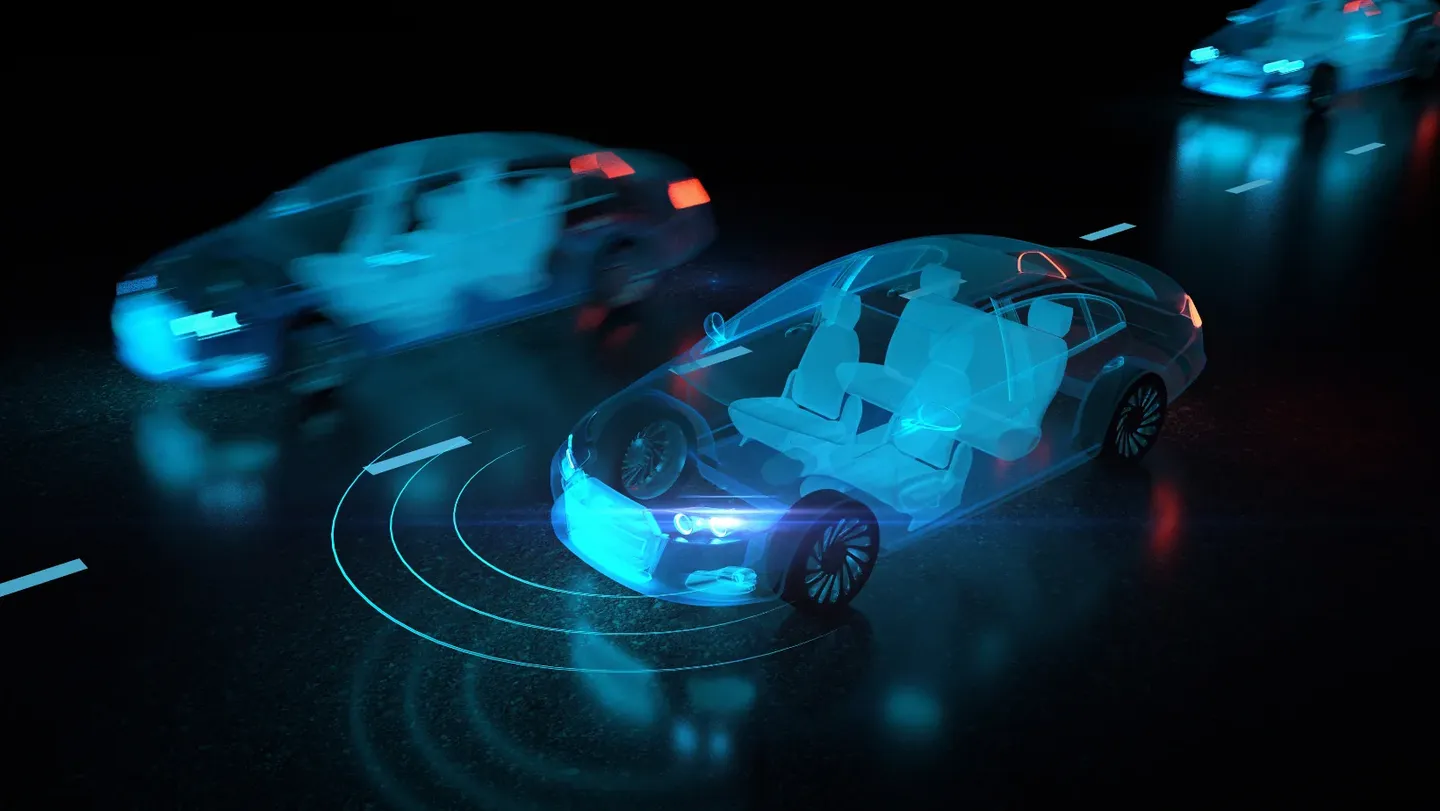
General Motors (GM) is developing an AI-powered driver-assistance system enabling eyes-off, hands-off driving, targeted for 2028 in the Cadillac Escalade IQ. The system aims to let drivers engage in activities like texting while driving, raising concerns about potential safety risks if the AI malfunctions or is misused.[AI generated]
AI principles:
Industries:
Affected stakeholders:
Harm types:
Business function:
Autonomy level:
AI system task:
Why's our monitor labelling this an incident or hazard?
The event involves an AI system explicitly described as enabling eyes-off, hands-off driving on highways, which directly affects vehicle control and driver attention. Although the system is planned for release in 2028 and no incidents have occurred yet, the potential for harm is significant, including injury or death from accidents if the AI system malfunctions or drivers misuse the technology by engaging in distracting activities like texting. This aligns with the definition of an AI Hazard, as the development and intended use of the AI system could plausibly lead to an AI Incident involving injury or harm to persons. The article does not describe any realized harm or incident, so it cannot be classified as an AI Incident. It is not Complementary Information because the article focuses on the planned deployment and capabilities of the AI system rather than responses to past incidents. It is not Beneficial Use because the AI system itself is the source of potential harm, not solely a countermeasure to external harm. Therefore, the correct classification is AI Hazard.[AI generated]
GM Defense Unveils Autonomous Military Silverado for Battlefield Logistics
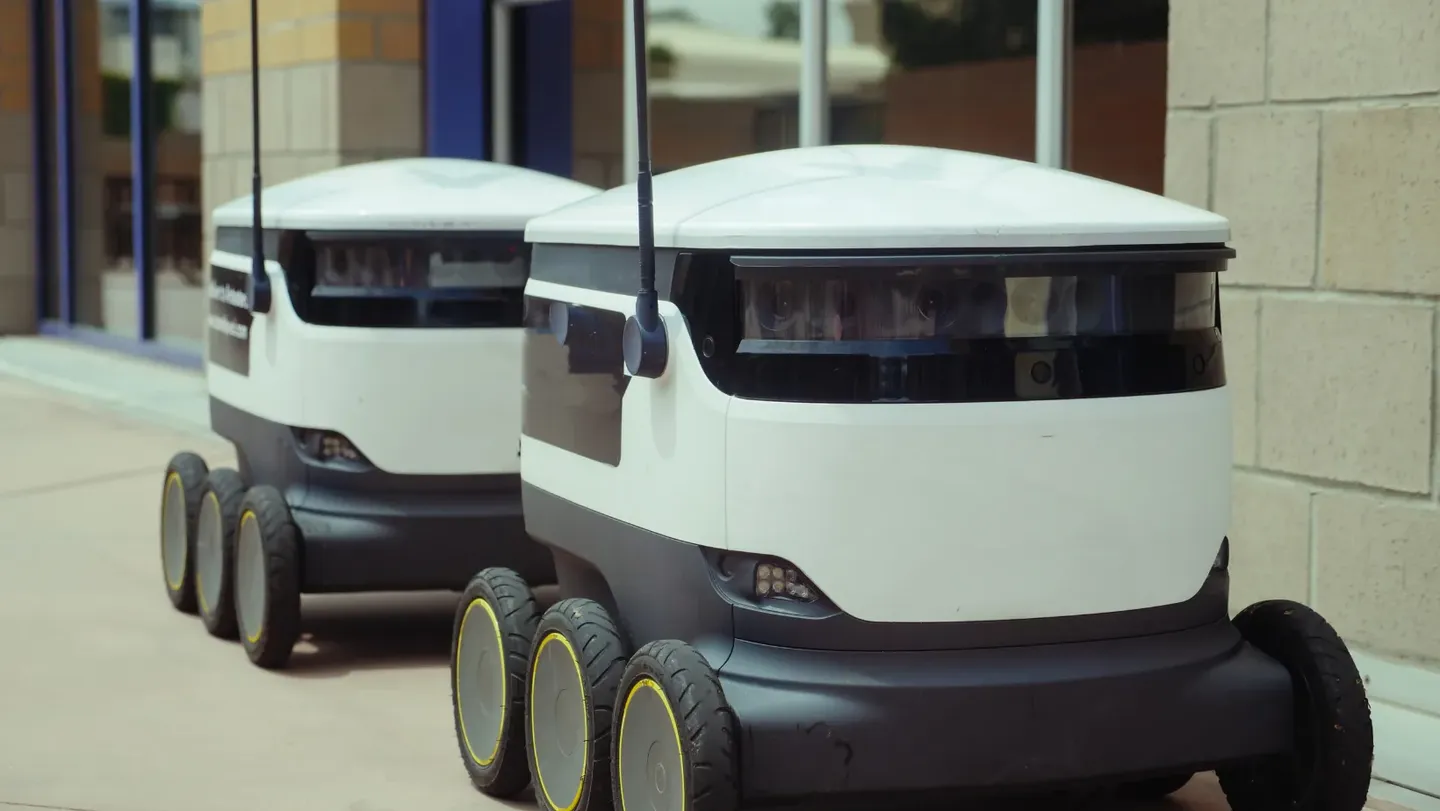
GM Defense, a subsidiary of General Motors, has developed an autonomous Unmanned Ground Vehicle (UGV) based on the Chevrolet Silverado 3500HD for military use. Powered by Scout AI's navigation system, the driverless truck is designed for logistics and casualty evacuation, with functional trials planned in the United States starting in 2027.[AI generated]
Industries:
Business function:
Autonomy level:
AI system task:
Why's our monitor labelling this an incident or hazard?
The article details the unveiling of an AI-enabled autonomous military logistics vehicle still in the prototype and demonstration phase, with no reported incidents or harms. The AI system is involved in the vehicle's autonomous driving capabilities, but the event does not describe any realized harm or malfunction. Given the military context and the autonomous nature of the vehicle, there is a plausible risk of future harm if the system is deployed and malfunctions or is misused. Therefore, this event fits the definition of an AI Hazard, as it could plausibly lead to an AI Incident in the future, but no incident has yet occurred.[AI generated]

US Navy and International Partners Fund AI-Piloted X-BAT Fighter Jet Development
Shield AI, with $150 million in new US Navy funding and international partnerships, is developing the X-BAT, an AI-powered, runway-independent fighter jet using its Hivemind autonomy software. The project, involving US, Polish, and Greek entities, raises concerns over the potential risks of autonomous lethal military drones.[AI generated]
AI principles:
Industries:
Business function:
Autonomy level:
AI system task:
Why's our monitor labelling this an incident or hazard?
The event involves an AI system explicitly described as an autonomous lethal drone with AI-based flight autonomy and combat mission capabilities. The development and use of such AI-powered weapons systems inherently carry a high risk of causing injury or death and geopolitical harm. While the article does not report an actual incident of harm, it emphasizes the plausible future harm and national danger posed by the deployment and production of these AI-enabled lethal drones in Greece. This fits the definition of an AI Hazard, as the AI system's development and intended use could plausibly lead to an AI Incident involving injury, harm, or disruption. The event is not an AI Incident because no realized harm is reported, nor is it Complementary Information or Beneficial Use. It is not Unrelated because the AI system and its risks are central to the report.[AI generated]

Getty Images Files for Bankruptcy Protection Amid Generative AI Competition
Getty Images, a leading global photo and video content provider, has filed for bankruptcy protection in the US after facing severe financial distress. The rapid adoption of generative AI tools for image creation has intensified competition, eroding Getty's traditional business and contributing to its economic collapse and delisting.[AI generated]
Industries:
Affected stakeholders:
Harm types:
Business function:
Autonomy level:
AI system task:
Why's our monitor labelling this an incident or hazard?
The article explicitly links the proliferation of AI-generated images to increased competition that has materially harmed Getty Images' business, leading to bankruptcy protection and delisting. The AI system's use in generating images is a direct factor causing economic harm, which falls under harm to property and economic interests. This is a realized harm, not just a potential risk, thus qualifying as an AI Incident rather than a hazard or complementary information. The event is not unrelated or beneficial use, as the AI-generated content is the source of harm, not a countermeasure.[AI generated]

AI-Driven Cyberattacks Cause Major Personal Data Breaches in Japan
A surge in AI-enabled cyberattacks has led to large-scale personal data breaches in Japan, affecting companies like Times Car and Yakiniku King. Malicious use of generative AI has made unauthorized access and data theft easier, resulting in millions of individuals' sensitive information being leaked and increasing risks of identity theft.[AI generated]
AI principles:
Industries:
Affected stakeholders:
Harm types:
AI system task:
Why's our monitor labelling this an incident or hazard?
The article describes actual data breaches caused by unauthorized access, with AI technology possibly used to facilitate these attacks. The breaches have already occurred, causing harm to individuals whose personal data was leaked. This fits the definition of an AI Incident because the AI system's use or misuse has directly or indirectly led to harm (violation of privacy and potential legal rights). The harm is materialized, not just potential, and the AI involvement is more than speculative, as it is explicitly mentioned as a factor in the attacks.[AI generated]
Tesla's AI-Driven Vehicles Face U.S. Safety Scrutiny Over School Zone Speeding
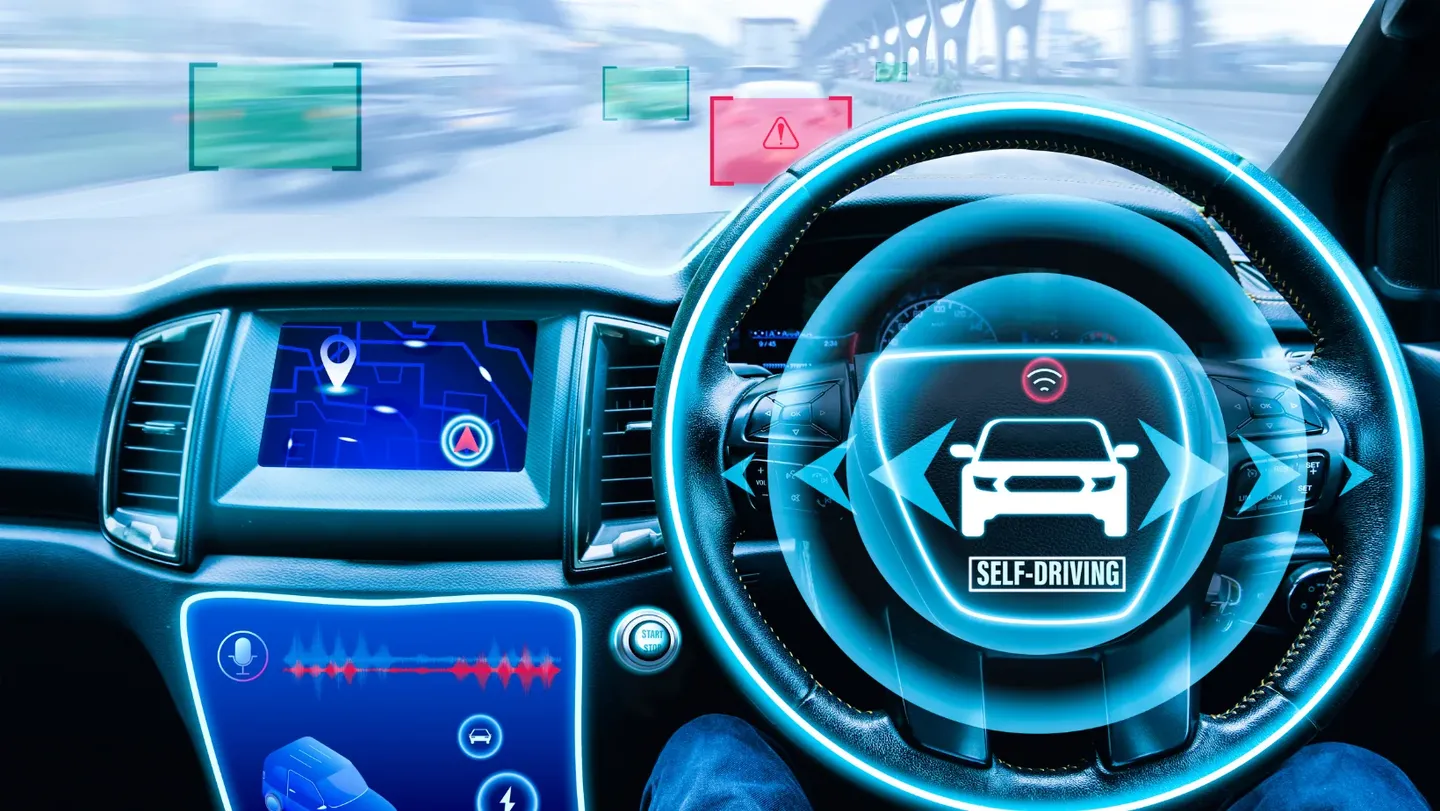
Tesla's autonomous vehicles, including the Model Y and Cybercab, are under U.S. regulatory review after complaints that their AI-driven systems failed to slow down in active school zones. The NHTSA is assessing a defect petition and a specific incident, raising concerns about the safety of Tesla's Full Self-Driving technology.[AI generated]
AI principles:
Industries:
Affected stakeholders:
Harm types:
Autonomy level:
AI system task:
Why's our monitor labelling this an incident or hazard?
The event explicitly involves AI systems in Tesla's robotaxis controlling driving behavior, specifically speed regulation in school zones. The NHTSA's review is a defect petition review, not yet an investigation, indicating potential but not confirmed harm. No crashes or injuries have been reported, so no realized harm exists yet. However, speeding in school zones by autonomous vehicles is a credible risk that could lead to injury or harm to persons, fulfilling the criteria for an AI Hazard. The event does not describe a realized incident but a plausible future risk due to AI system behavior. Hence, it is classified as an AI Hazard rather than an AI Incident or other category.[AI generated]

AI-Driven Bots Used to Influence Mexican Elections
Claudia Sheinbaum accused digital strategist Fernando Cerimedo of using AI-powered bots and influencers to distort public debate and interfere in Mexico's presidential elections. The coordinated digital attacks aimed to manipulate voter perceptions and outcomes, raising concerns about AI's role in undermining democratic processes.[AI generated]
AI principles:
Industries:
Affected stakeholders:
Harm types:
AI system task:
Why's our monitor labelling this an incident or hazard?
The article explicitly mentions the use of bots and coordinated digital attacks to distort the public debate and influence electoral outcomes. Bots and influencer manipulation typically involve AI or algorithmic systems that generate or amplify content automatically. The harm caused is the distortion of democratic processes and public discourse, which is a clear harm to communities. Therefore, this event meets the criteria for an AI Incident due to the direct involvement of AI systems in causing harm through election interference.[AI generated]

Man Deceived by AI-Generated Persona Travels Over 2,000 km for Fake Relationship

Edimar Rocha Martins, a 49-year-old man, traveled over 2,000 km to Belo Horizonte, Brazil, to meet a woman he believed he was in a relationship with online. Upon arrival, he discovered the woman was an AI-generated persona, resulting in emotional distress and financial hardship.[AI generated]
AI principles:
Industries:
Affected stakeholders:
Harm types:
Autonomy level:
AI system task:
Why's our monitor labelling this an incident or hazard?
An AI system was used to create a fictional character ('Jéssica') that misled the man into believing he was in a genuine relationship. The AI's involvement directly led to emotional and financial harm to the individual. The harm is realized and directly linked to the AI system's use, meeting the criteria for an AI Incident rather than a hazard or complementary information.[AI generated]

Police Use AI Tool Raven to Identify Homes from Interior Photos, Raising Privacy Concerns
Graylark Technologies' AI tool Raven enables police to identify home locations from interior photos, even without metadata. Used by agencies like LAPD and Miami-Dade, Raven's capabilities have led to privacy violations and stalking risks, raising concerns about misuse and human rights infringements in the United States.[AI generated]
AI principles:
Industries:
Affected stakeholders:
Harm types:
Business function:
Autonomy level:
AI system task:
Why's our monitor labelling this an incident or hazard?
The AI system Raven is explicitly mentioned and is used by police forces, indicating AI system involvement. Its use in identifying home locations from interior photos directly impacts privacy rights and has been linked to misuse such as stalking, which is a violation of human rights. The system's reliance on scraping data from platforms without consent further breaches intellectual property and privacy laws. These factors demonstrate direct and indirect harm caused by the AI system's use, fulfilling the criteria for an AI Incident. The article also highlights societal backlash and legal concerns, reinforcing the classification as an incident rather than a mere hazard or complementary information.[AI generated]

AI Threatens Entry-Level Job Opportunities for Graduates, Global Leaders Warn
At the 2026 IMF and World Bank meetings in Bangkok, Singapore President Tharman Shanmugaratnam and IMF Managing Director Kristalina Georgieva warned that AI is reducing entry-level job opportunities for fresh graduates, especially in AI-exposed sectors. They urged governments to partner with the private sector and reform education to address this risk.[AI generated]
AI principles:
Industries:
Affected stakeholders:
Harm types:
Why's our monitor labelling this an incident or hazard?
The event involves AI systems as a contextual factor influencing job markets and economic structures, but no specific AI system is reported to have directly or indirectly caused harm yet. The discussion centers on plausible future risks and necessary policy responses, which aligns with the definition of an AI Hazard. There is no indication of an actual AI Incident, Complementary Information about a past incident, Beneficial Use, or unrelated content. Therefore, the classification as an AI Hazard is appropriate because it highlights credible potential future harms from AI's impact on employment and the economy.[AI generated]

Mexico Proposes Law to Combat AI-Generated Fraud
Mexican President Claudia Sheinbaum clarified that a proposed reform targets the use of AI-generated images and videos for fraudulent impersonation, not the censorship of memes or political expression. The legislation aims to penalize scams involving deepfakes, particularly those impersonating public officials to deceive citizens for financial gain.[AI generated]
AI principles:
Industries:
Affected stakeholders:
Harm types:
AI system task:
Why's our monitor labelling this an incident or hazard?
The article centers on a legislative initiative to address the potential misuse of AI-generated content for fraudulent purposes. While it acknowledges the risk of harm from AI-generated impersonations used in scams, it does not describe any realized harm or incident caused by AI systems. The AI system involvement is clear (AI-generated manipulated videos/images), and the harm is potential fraud and deception. Since no actual harm has been reported yet, and the event concerns a plausible risk and a governance response, this fits the definition of an AI Hazard rather than an AI Incident or Complementary Information. It is not unrelated or beneficial use, as the AI is the source of potential harm, not a countermeasure.[AI generated]

AI-Driven Personalized Pricing in Retail Leads to Consumer Harm
Retailers in the US and UK have used AI systems for dynamic and personalized pricing, resulting in some consumers paying more than others for identical groceries. Investigations revealed that companies like Instacart trialed such practices, leading to economic harm and fairness concerns. Instacart has since ceased the practice following public scrutiny.[AI generated]
AI principles:
Industries:
Affected stakeholders:
Harm types:
Business function:
Autonomy level:
AI system task:
Why's our monitor labelling this an incident or hazard?
The event involves the use of AI systems for personalized pricing, which directly leads to economic harm to consumers by charging different prices for the same goods based on personal data. This constitutes a violation of consumer rights and harms communities by undermining fairness and predictability in pricing. The article provides evidence of realized harm (price disparities causing financial impact) and ongoing use or testing of such AI systems, fulfilling the criteria for an AI Incident. The AI system's role is pivotal as it enables the granular, individualized pricing that causes the harm. The event is not merely a potential risk (hazard) or a response or update (complementary information), nor is it unrelated or solely beneficial use.[AI generated]
Privacy Risks Raised by Always-Listening AI App Ambi
Peter Mo, former Plaud executive, raised $26 million for Mistlabs to launch Ambi, an AI app that continuously listens in the background to provide real-time insights. The system's always-on nature raises significant privacy and data security concerns, including risks of unauthorized recording and potential data breaches.[AI generated]
AI principles:
Industries:
Affected stakeholders:
Harm types:
AI system task:
Why's our monitor labelling this an incident or hazard?
The AI system is explicitly described as continuously listening and capturing ambient data, which involves AI-powered speech recognition and context-aware assistance. The concerns about privacy and data security, including the possibility of recording conversations without consent, represent a plausible risk of harm to individuals' privacy rights and potentially violations of applicable laws protecting such rights. Since no actual harm or incident is reported, but the potential for harm is credible and significant, this event qualifies as an AI Hazard rather than an AI Incident. It is not Complementary Information because the article's main focus is on the new AI system and its associated risks, not on responses or updates to prior incidents. It is not Beneficial Use because the AI system itself is the source of the potential harm, not a countermeasure to an external harm.[AI generated]
Russia Deploys AI Neural Networks to Control Military Drones in Ukraine
The Russian Ministry of Defense has developed and deployed AI-powered neural networks to operate military drones autonomously in the Ukrainian conflict. Over 40 organizations are involved, using combat data to train these systems, which are actively used in warfare, raising concerns about autonomous lethal decision-making and human rights implications.[AI generated]
AI principles:
Industries:
Affected stakeholders:
Harm types:
Autonomy level:
AI system task:
Why's our monitor labelling this an incident or hazard?
The article explicitly mentions the creation and use of AI neural networks to operate military drones in an active war zone, which involves an AI system. While no specific harm or incident is reported, the use of AI in military drones in warfare plausibly leads to harm such as injury or death, destruction of property, and violations of human rights. The event is about the development and deployment of this AI system, which could plausibly lead to an AI Incident. Hence, it fits the definition of an AI Hazard rather than an AI Incident or other categories.[AI generated]
Draganfly Invests in AI-Powered Autonomous Defense Systems for Ukraine
Draganfly has made a strategic investment in DoD Solution, an Estonian-Ukrainian defense tech firm developing the AURA AI platform for autonomous navigation, targeting, and guidance in unmanned military systems. The AI system's deployment in defense applications presents credible future risks of harm, classifying this as an AI hazard.[AI generated]
AI principles:
Industries:
Affected stakeholders:
Harm types:
Business function:
Autonomy level:
AI system task:
Why's our monitor labelling this an incident or hazard?
The article explicitly mentions an AI system designed for autonomous navigation and targeting in defense drones, which qualifies as an AI system. However, there is no indication that this AI system has caused any direct or indirect harm yet. The investment and development of such autonomous defense technologies imply a plausible future risk of harm, such as misuse or accidents involving autonomous weapons. According to the definitions, the mere development or offering for sale of AI-enabled systems with high potential for misuse, like autonomous weapons, constitutes an AI Hazard. Hence, the event is best classified as an AI Hazard rather than an AI Incident or other categories.[AI generated]

AI-Generated Deepfake Used to Defame Political Candidate in Taiwan
An AI-generated deepfake image falsely depicting Taipei mayoral candidate Shen Boyang with a nude woman and drugs was widely circulated online, causing reputational harm. The image, created and spread via social media, led to a defamation lawsuit. The main distributor admitted guilt and received a suspended prosecution. Authorities traced the original creator's IP to China.[AI generated]
AI principles:
Industries:
Affected stakeholders:
Harm types:
Autonomy level:
AI system task:
Why's our monitor labelling this an incident or hazard?
The event clearly involves AI systems in the form of deepfake generation technology used to create false and harmful images, which were then disseminated on social media, causing reputational damage and violation of rights. This meets the criteria for an AI Incident as the AI system's use directly led to harm (defamation and violation of personal rights). The legal response and admission of guilt confirm the harm has materialized. Therefore, this is classified as an AI Incident.[AI generated]