

























The event involves the use of AI systems (NETRA, BIFA, ADVAIT) in the detection of fraudulent tax activities, which has directly led to the identification of tax evasion cases and arrests of fraudsters. This constitutes harm in the form of violation of financial and legal regulations, and the AI systems' use is central to uncovering these harms. Therefore, this qualifies as an AI Incident due to the direct link between AI system use and realized harm (tax evasion and fraud).[AI generated]

AIM: AI Incidents and Hazards Monitor
Automated media discourse monitor of AI incidents and hazards (Beta)
AI-related legislation is gaining traction, and effective policymaking needs evidence, foresight and international cooperation. The OECD AI Incidents and Hazards Monitor (AIM) documents AI incidents and hazards to help policymakers, AI practitioners, and all stakeholders worldwide gain valuable insights into the risks and harms of AI systems. Over time, AIM will help to show risk patterns and establish a collective understanding of AI incidents and hazards and their multifaceted nature, serving as an important tool for trustworthy AI. AI incidents seem to be getting more media attention lately, but they've actually gone down as a share of all AI news (see chart below!).
The information displayed in the AIM should not be reported as representing the official views of the OECD or of its member countries.
Advanced Search Options
As percentage of total AI events
Show summary statistics of AI incidents & hazards
AI Tools Uncover Massive GST Tax Evasion in India
Indian GST officials used AI systems like NETRA, BIFA, and ADVAIT to detect 14,597 tax evasion cases and Rs 18,000 crore in fake input tax credits between April and December 2023, leading to 98 arrests. The AI tools were central in identifying and acting against fraudulent taxpayers.[AI generated]
Industries:
Business function:
Autonomy level:
AI system task:
Why's our monitor labelling this an incident or hazard?

Philadelphia Sheriff’s Campaign Removes AI-Generated Fake News Stories
Philadelphia Sheriff Rochelle Bilal’s campaign removed over 30 fake news stories from its website after admitting they were generated by ChatGPT. The AI-created articles, presented as legitimate news, misled the public and raised concerns about misinformation and erosion of trust in democratic processes.[AI generated]
AI principles:
Industries:
Affected stakeholders:
Harm types:
Business function:
Autonomy level:
AI system task:
Why's our monitor labelling this an incident or hazard?
The campaign used ChatGPT to create fake news articles that were presented as real, which misled the public and local news outlets could not verify these stories. This misinformation can erode public trust and threaten democracy, which is a clear harm to communities. The AI system's outputs were pivotal in causing this harm, fulfilling the criteria for an AI Incident. The event is not merely a potential risk or a complementary update but a realized harm caused by AI-generated misinformation.[AI generated]

Tesla Drivers Use Apple Vision Pro Headset While Driving, Prompting Safety Warnings
Multiple viral videos show Tesla drivers wearing the Apple Vision Pro AR/VR headset while using autonomous driving features, despite explicit warnings from Apple and Tesla. Authorities, including the U.S. Secretary for Transportation, have condemned the practice, citing significant safety risks due to impaired driver attention, though no accidents have been reported.[AI generated]
AI principles:
Industries:
Affected stakeholders:
Harm types:
Autonomy level:
AI system task:
Why's our monitor labelling this an incident or hazard?
The Vision Pro headset qualifies as an AI system due to its mixed reality capabilities involving spatial computing and real-time environment interaction. The article highlights scenarios where the headset's use could plausibly lead to harm, such as road accidents caused by impaired attention while driving. Since no actual harm has occurred but there is a credible risk of injury or death, this situation fits the definition of an AI Hazard rather than an AI Incident. The article's focus is on potential future harm and the need for precautionary measures, not on a realized incident.[AI generated]

MadRadar Hack Causes Self-Driving Cars to Hallucinate Phantom Vehicles
Researchers demonstrated the MadRadar hack, which manipulates AI-driven radar systems in self-driving cars to create false perceptions—making vehicles appear or disappear. This can cause cars to swerve dangerously or ignore real threats, exposing a critical vulnerability that could lead to accidents or harm if exploited.[AI generated]
AI principles:
Industries:
Affected stakeholders:
Harm types:
Autonomy level:
AI system task:
Why's our monitor labelling this an incident or hazard?
The event involves the use of an AI-related system (MadRadar) that manipulates automotive radar systems, which are AI-enabled for driver assistance. The research shows the ability to cause radar hallucinations that could mislead adaptive cruise control and other safety systems. Although no harm has yet occurred, the article explicitly states that such attacks could lead to accidents or other harms in the future. Therefore, this constitutes an AI Hazard because it plausibly could lead to injury or harm to persons due to malfunction or misuse of AI systems in vehicles. It is not an AI Incident because no actual harm has been reported. It is not Complementary Information because the article focuses on the new risk demonstrated, not on responses or updates to prior incidents. It is not Unrelated because the event clearly involves AI systems and potential harm.[AI generated]
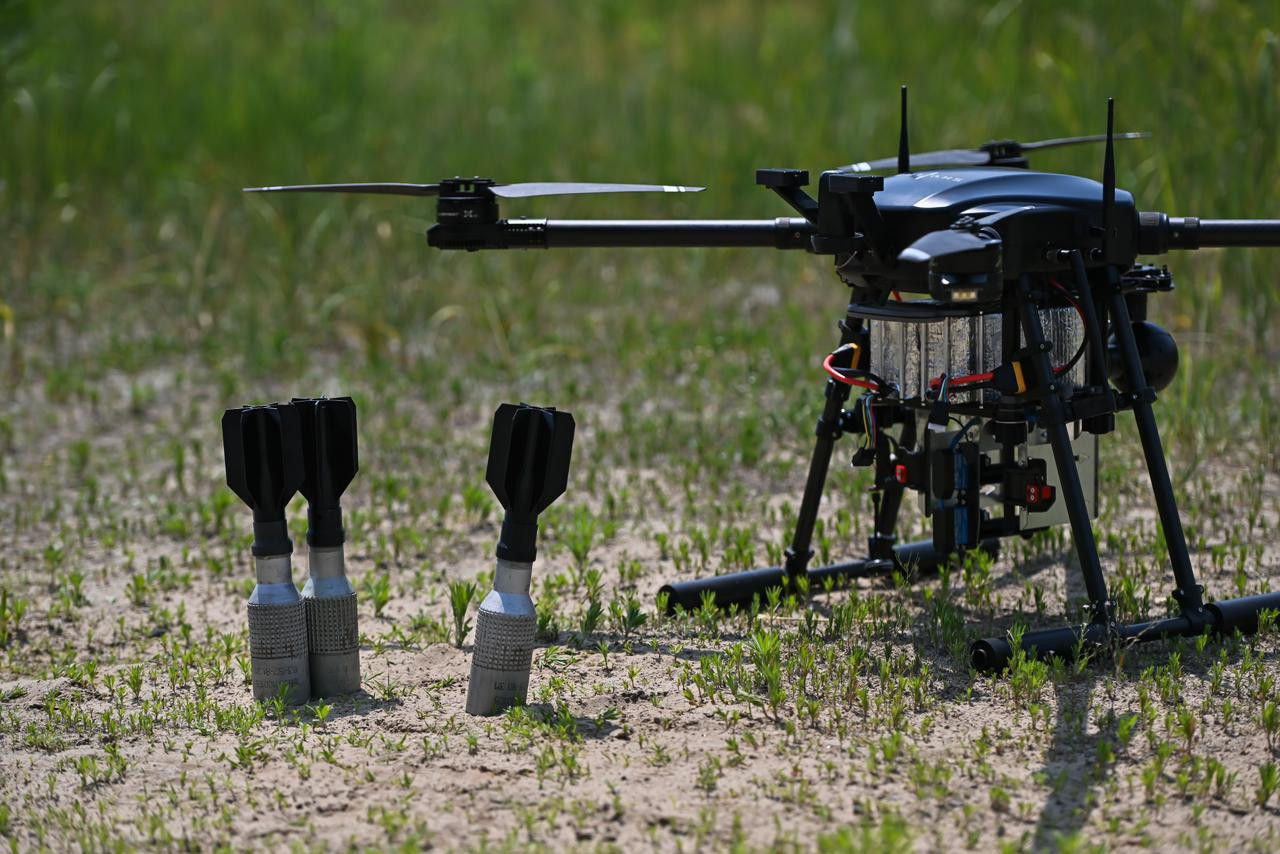
Ukrainian Military Deploys AI-Enabled Shoolika mk6 Strike Drone
Ukrainian developers at SkyLab UA have created and deployed the Shoolika mk6, a strategic military drone with AI-driven autonomous mission and target acquisition capabilities. Already tested and used by defense forces, the drone's AI system enables precise strikes, raising concerns about potential harm in military operations.[AI generated]
AI principles:
Industries:
Affected stakeholders:
Harm types:
Business function:
Autonomy level:
AI system task:
Why's our monitor labelling this an incident or hazard?
The event involves an AI system (the drone with AI for autonomous missions and target detection). Although no harm has yet occurred or been reported, the deployment of an AI-enabled strategic strike drone inherently carries a plausible risk of harm (injury or death, damage to property) due to its intended use in military operations. Therefore, this qualifies as an AI Hazard rather than an AI Incident, as the harm is potential and not yet realized according to the article.[AI generated]

AI-Generated Fake IDs Bypass Crypto Exchange KYC Checks

The AI service OnlyFake uses neural networks to generate highly realistic fake IDs, enabling users to bypass identity verification (KYC) on major cryptocurrency exchanges. This has facilitated fraud, undermined regulatory compliance, and poses significant risks to financial security and anti-money laundering efforts.[AI generated]
AI principles:
Industries:
Affected stakeholders:
Harm types:
Autonomy level:
AI system task:
Why's our monitor labelling this an incident or hazard?
The article explicitly mentions the use of neural networks (an AI system) to generate fake IDs that are used to successfully bypass identity verification on a cryptocurrency exchange known for criminal use. This directly facilitates fraud and money laundering, which are harms to property and communities. The AI system's development and use are central to the harm described, meeting the criteria for an AI Incident.[AI generated]

Rio de Janeiro Deploys Facial Recognition AI for Carnival Security
The Rio de Janeiro government will use facial recognition AI for the first time during Carnival 2024 to monitor crowds and identify fugitives, with real-time image transmission to a central command center. Over 12,000 police will be deployed, raising concerns about potential privacy violations and wrongful identification.[AI generated]
AI principles:
Industries:
Affected stakeholders:
Harm types:
Business function:
Autonomy level:
AI system task:
Why's our monitor labelling this an incident or hazard?
The use of facial recognition technology constitutes the deployment of an AI system for law enforcement monitoring. However, the article does not report any realized harm or incidents resulting from this use, such as privacy violations, wrongful identification, or other negative consequences. It mainly describes the planned operational use of AI for public safety and security during the carnival. Therefore, this is a case of potential future risk or concern related to AI use, but no harm or incident has yet occurred or been reported. Hence, it qualifies as an AI Hazard, as the deployment of facial recognition AI could plausibly lead to harms such as privacy violations or wrongful arrests, but no such harm is described as having happened yet.[AI generated]

AUKUS Nations Test AI-Enabled Autonomous Military Vehicles in Electronic Warfare Trial
Australia, the UK, and the US conducted the TORVICE trial to test AI-powered autonomous ground vehicles in contested electronic warfare environments. The exercise aimed to identify vulnerabilities and improve system resilience, but no harm or malfunction occurred, as the vehicles were unarmed and the trial was controlled.[AI generated]
Industries:
Autonomy level:
AI system task:
Why's our monitor labelling this an incident or hazard?
The event involves AI systems (autonomous robotic vehicles) being tested, which fits the definition of AI systems. However, there is no mention of any injury, violation of rights, disruption, or harm caused by these tests. The article discusses ongoing development and testing, with a focus on future deployment. Therefore, the event is best classified as an AI Hazard because the autonomous vehicles could plausibly lead to harm in the future if deployed or misused, but no harm has yet occurred. It is not an AI Incident since no harm has materialized, nor is it Complementary Information or Unrelated.[AI generated]

Concerns Over Bias in Amazon's AI Shopping Assistant Rufus
Amazon's new AI assistant, Rufus, is designed to guide shoppers, but concerns have arisen about potential bias and advertising-driven recommendations. Critics and regulators worry Rufus may favor Amazon's own products or advertisers, potentially harming consumer choice and market fairness, though no direct harm has yet been reported.[AI generated]
AI principles:
Industries:
Affected stakeholders:
Harm types:
Business function:
AI system task:
Why's our monitor labelling this an incident or hazard?
An AI system (Rufus) is explicitly mentioned as being used to guide shoppers. The article highlights concerns about potential bias in recommendations that could favor Amazon's interests over consumers' best choices, which could plausibly lead to harm such as unfair consumer manipulation or violation of consumer rights. However, no actual harm or incident is reported; the concerns are about the potential impact and trustworthiness of the AI system. Therefore, this is best classified as an AI Hazard rather than an AI Incident or Complementary Information.[AI generated]

TikTok's AI Algorithms Enable Spread of Antisemitic and Hateful Content Among Youth
The Bildungsstätte Anne Frank criticizes TikTok for enabling the rapid spread of antisemitic, racist, and conspiratorial content among young users through its AI-driven recommendation and moderation systems. AI-generated images and hate speech are widely disseminated, contributing to the radicalization and harm of vulnerable communities.[AI generated]
AI principles:
Industries:
Affected stakeholders:
Harm types:
Business function:
Autonomy level:
AI system task:
Why's our monitor labelling this an incident or hazard?
TikTok's AI-powered recommendation system is directly involved in distributing harmful content that radicalizes young users and spreads antisemitic misinformation. The use of AI-generated images further implicates AI in the creation and spread of harmful content. This has led to realized harm to communities and potentially violates rights, meeting the criteria for an AI Incident. The article reports on ongoing harm rather than a potential or future risk, so it is not an AI Hazard or Complementary Information.[AI generated]

Amnesty International Warns of AI-Driven Human Rights Violations in Migration Systems
Amnesty International reports that governments in the US, UK, EU, and elsewhere are deploying AI systems—such as facial recognition, emotion recognition, AI lie detectors, and algorithmic decision-making—in migration and asylum processes, leading to discrimination, unlawful surveillance, and other human rights violations against refugees and migrants.[AI generated]
AI principles:
Industries:
Affected stakeholders:
Harm types:
Business function:
Autonomy level:
AI system task:
Why's our monitor labelling this an incident or hazard?
The event describes the use of AI systems in migration and asylum processes that have directly led to violations of human rights, including discrimination and unlawful surveillance, which are harms under the AI Incident definition (violations of human rights). The AI systems' development and use have caused these harms, making this an AI Incident rather than a hazard or complementary information. The briefing documents realized harms linked to AI system deployment, not just potential risks or responses.[AI generated]

Taiwanese LLM Generates Controversial Political Content, Prompting Government Investigation
A Taiwanese large language model developed by Academia Sinica generated politically biased content, including identifying Xi Jinping as Taiwan's leader, sparking public controversy. The model was quickly taken offline, and the government launched an official investigation into the risks, data sources, and oversight of generative AI systems in Taiwan.[AI generated]
AI principles:
Industries:
Affected stakeholders:
Harm types:
Autonomy level:
AI system task:
Why's our monitor labelling this an incident or hazard?
The article discusses concerns about the potential negative impacts of generative AI and LLMs in Traditional Chinese, including bias, misinformation, and misuse, but does not describe any realized harm or incident. Instead, it focuses on the challenges and the intention to investigate government policies and preparedness. This fits the definition of an AI Hazard, as it plausibly could lead to AI incidents if not properly managed, but no direct or indirect harm has yet occurred according to the article.[AI generated]

AI-Generated Deepfake Images of Taylor Swift Originate from 4Chan Challenge
A challenge on the 4Chan forum encouraged users to bypass AI safeguards and create explicit deepfake images of Taylor Swift using generative AI tools. These non-consensual images were widely disseminated on social media, causing reputational and emotional harm, and highlighting the misuse of AI for generating harmful content.[AI generated]
AI principles:
Industries:
Affected stakeholders:
Harm types:
AI system task:
Why's our monitor labelling this an incident or hazard?
The event involves the use of AI generative tools to create manipulated images (deepfakes) that impersonate a real person without consent, leading to harm to the individual's reputation and privacy, which constitutes a violation of rights. The AI system's use directly led to the harm through the generation and distribution of false and damaging content. Therefore, this qualifies as an AI Incident under the framework, as the harm to the individual and community is realized and directly linked to the AI system's use.[AI generated]

Canadian AI Pioneer Warns of Looming AI Hazards and Urges Immediate Regulation
AI expert Yoshua Bengio warned Canadian lawmakers about imminent risks from AI, including deepfake-driven disinformation, social manipulation, and potential cyberattacks. He urged Parliament to pass AI legislation quickly, even if imperfect, to address these hazards and protect democracy and critical infrastructure from advanced AI misuse.[AI generated]
AI principles:
Industries:
Affected stakeholders:
Harm types:
Why's our monitor labelling this an incident or hazard?
The article centers on the potential risks and future harms that AI systems could cause if unregulated, such as disinformation campaigns, cyberattacks, and misuse of powerful AI technologies. It involves AI systems conceptually and discusses their development and use, but no actual harm or incident has occurred yet. Therefore, it qualifies as an AI Hazard because it plausibly points to future harms from AI, not an AI Incident. It is not Complementary Information since it is not updating or responding to a past incident but rather advocating for proactive regulation. It is not Unrelated because it clearly involves AI and its societal implications.[AI generated]

Chinese Users Report Widespread Harm from Algorithmic Recommendations
Over 70% of Chinese users report being troubled by AI-driven recommendation algorithms, citing harms such as privacy violations, discriminatory pricing, addictive content, and the creation of information cocoons. These AI systems, used by commercial platforms to maximize profit, often disregard user well-being and fairness, leading to significant societal concerns.[AI generated]
AI principles:
Industries:
Affected stakeholders:
Harm types:
Business function:
Autonomy level:
AI system task:
Why's our monitor labelling this an incident or hazard?
The article explicitly describes AI systems (algorithms) used for personalized content and price recommendations that have directly led to harms including violation of consumer rights (e.g., price discrimination), harm to communities (information cocoons and manipulation), and privacy breaches. The harms are ongoing and realized, not just potential. Therefore, this qualifies as an AI Incident under the framework because the AI system's use has directly led to significant harms. The article also discusses regulatory and societal responses, but the main focus is on the harms caused by algorithmic use, not just complementary information or general AI news.[AI generated]

China Plans AI-Driven Autonomous Drones for Military Special Operations by 2035
China's People's Liberation Army is developing advanced AI-powered drones and robotic agents to replace human operatives in high-risk military missions by 2035. These autonomous systems are intended for espionage, sabotage, and covert operations, raising credible future risks of harm, including potential loss of life and escalation of military conflicts.[AI generated]
AI principles:
Industries:
Affected stakeholders:
Harm types:
Autonomy level:
AI system task:
Why's our monitor labelling this an incident or hazard?
The event involves the development and intended use of AI-enabled autonomous drones for military operations, which are AI systems by definition due to their autonomous navigation, decision-making, and lethal engagement capabilities. The described use case involves direct potential harm to human life and military conflict escalation, fulfilling the criteria for harm to persons and communities. Although the scenario is hypothetical and set in the future, the development and deployment plans indicate a credible risk of AI-driven harm. Therefore, this constitutes an AI Hazard, as the AI system's use could plausibly lead to significant harm in military conflict contexts. There is no indication that harm has yet occurred, so it is not an AI Incident. The article is not merely complementary information or unrelated news, as it focuses on the risks and strategic implications of these AI systems.[AI generated]

Ukraine's Suicide Drones Spark Fears of Autonomous AI Killer Swarms
Ukraine's military has deployed small FPV suicide drones that track and kamikaze Russian soldiers, causing lethal battlefield casualties. British chiefs warn that integrating AI autonomy and facial recognition could evolve these into independent killer swarms, escalating a 'terrifying' arms race with novel autonomous lethal systems.[AI generated]
AI principles:
Industries:
Affected stakeholders:
Harm types:
Autonomy level:
AI system task:
Why's our monitor labelling this an incident or hazard?
The article explicitly describes the use of FPV suicide drones controlled remotely by humans, which are AI-related systems used in warfare causing direct lethal harm to soldiers, fulfilling the criteria for an AI Incident (harm to persons). It also highlights military concerns about the future integration of AI enabling autonomous drone swarms with facial recognition and independent lethal action, which could plausibly lead to large-scale harm and new weapons of mass destruction, meeting the definition of an AI Hazard. Since actual harm is occurring, the primary classification is AI Incident, with the future risk also noted.[AI generated]

Senate Hearing Blasts Facebook AI for Fueling Youth Mental Health Crisis
At its 20th anniversary, Facebook founder Mark Zuckerberg faced a US Senate hearing where lawmakers accused the platform’s AI-driven recommendation algorithms of prioritizing profit over user safety, fueling youth mental health crises, misinformation spread, and societal polarization. Senators warned these design decisions have “blood on your hands.”[AI generated]
AI principles:
Industries:
Affected stakeholders:
Harm types:
Business function:
Autonomy level:
AI system task:
Why's our monitor labelling this an incident or hazard?
Facebook and similar social media platforms use AI systems extensively for content curation, user profiling, and targeted advertising. The article details how these AI-driven systems have directly or indirectly led to significant harms: mental health deterioration among children and youth, societal polarization, manipulation of democratic processes, and privacy violations. These harms align with the definitions of AI Incident, as the AI systems' use has directly or indirectly caused injury to groups of people (mental health harm), harm to communities (societal polarization and election interference), and violations of rights (privacy breaches). Therefore, the event qualifies as an AI Incident rather than a hazard or complementary information.[AI generated]
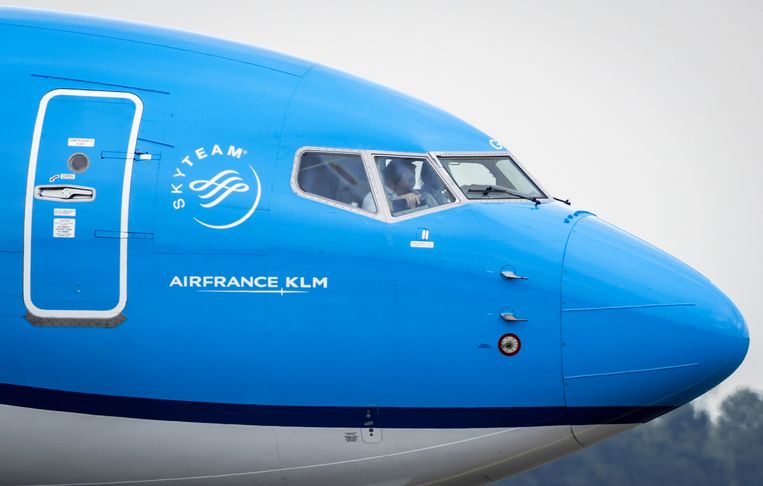
Dutch Pilots Protest AI-Driven Single-Pilot Cockpit Plans
Dutch pilots, led by the VNV union, are protesting plans by aircraft manufacturers like Airbus to use AI and automation to reduce cockpit crews to one pilot. They argue the technology is unproven and poses significant safety risks, urging independent research before implementation to prevent potential harm.[AI generated]
AI principles:
Industries:
Affected stakeholders:
Harm types:
Autonomy level:
AI system task:
Why's our monitor labelling this an incident or hazard?
The event involves AI or automation systems in aviation (automated flight systems potentially replacing one pilot), and the concerns raised relate to plausible future safety risks if single-pilot operations are allowed. Since no harm has yet occurred but there is a credible risk that the use of AI/automation in this way could lead to safety incidents, this qualifies as an AI Hazard. The article does not report any realized harm or incident, nor does it primarily focus on governance responses or complementary information, but rather on the potential risk and debate around the technology's safety.[AI generated]

Generative AI Sparks Job Cuts in Film and Animation
CVL Economics surveyed 300 C-suite and senior managers across six entertainment sectors, finding 75% have used generative AI to eliminate, reduce, or consolidate film and animation jobs. Sound designers, music editors, and audio technicians are most at risk, prompting union warnings of widespread industry layoffs.[AI generated]
AI principles:
Industries:
Affected stakeholders:
Harm types:
Business function:
AI system task:
Why's our monitor labelling this an incident or hazard?
The article explicitly involves generative AI systems impacting employment in entertainment sectors, which constitutes harm to labor rights and employment security. The job losses and consolidations already occurring indicate realized harm, qualifying as an AI Incident under violations of labor rights. The strike by major entertainment unions further underscores the direct impact of AI on workers' rights and job security. Therefore, this event meets the criteria for an AI Incident due to realized harm linked to AI use.[AI generated]