














The event involves AI systems explicitly used for voice cloning, which have directly led to harms including violation of intellectual property and labor rights, emotional harm, and potential job loss for voice actors. The unauthorized replication of actors' voices without consent is a breach of rights and identity theft, fitting the definition of an AI Incident. The article describes actual harms occurring, not just potential risks, and thus it is classified as an AI Incident.[AI generated]

AIM: AI Incidents and Hazards Monitor
Automated media discourse monitor of AI incidents and hazards (Beta)
AI-related legislation is gaining traction, and effective policymaking needs evidence, foresight and international cooperation. The OECD AI Incidents and Hazards Monitor (AIM) documents AI incidents and hazards to help policymakers, AI practitioners, and all stakeholders worldwide gain valuable insights into the risks and harms of AI systems. Over time, AIM will help to show risk patterns and establish a collective understanding of AI incidents and hazards and their multifaceted nature, serving as an important tool for trustworthy AI. AI incidents seem to be getting more media attention lately, but they've actually gone down as a share of all AI news (see chart below!).
The information displayed in the AIM should not be reported as representing the official views of the OECD or of its member countries.
Advanced Search Options
As percentage of total AI events
Show summary statistics of AI incidents & hazards

Baldur's Gate 3 Voice Actors Suffer Harm from Unauthorized AI Voice Cloning
Baldur's Gate 3 voice actors, including Amelia Tyler, report unauthorized use of AI voice cloning to replicate their voices, sometimes for disturbing content. This misuse has caused emotional distress and violated their rights, with actors describing it as theft of both their jobs and identities.[AI generated]
AI principles:
Industries:
Affected stakeholders:
Harm types:
Business function:
Autonomy level:
AI system task:
Why's our monitor labelling this an incident or hazard?

Wall Street Banks Cut Analyst Hiring Due to AI Adoption
Major Wall Street banks, including Goldman Sachs and Morgan Stanley, are reportedly reducing new analyst hires by up to two-thirds and lowering salaries as AI systems automate tasks previously done by junior staff. This shift, driven by increased reliance on AI, raises concerns about job displacement and labor rights in the financial sector.[AI generated]
AI principles:
Industries:
Affected stakeholders:
Harm types:
Business function:
AI system task:
Why's our monitor labelling this an incident or hazard?
The article describes the potential for AI to replace human analysts and reduce employment and salaries in investment banking, which is a plausible future harm related to AI use. However, it does not report any actual incident of harm or violation caused by AI, nor any malfunction or misuse. Therefore, it fits the definition of an AI Hazard, as it plausibly could lead to significant harm (job loss, economic impact) but no harm has yet occurred according to the article.[AI generated]

US-China AI Drone Swarm Arms Race Raises Global Security Risks
US and Chinese militaries are developing AI-powered drone swarms capable of autonomous, coordinated attacks, raising concerns about future warfare escalation and global instability. The technology's ease of proliferation could enable rogue actors to acquire lethal autonomous weapons, posing significant risks despite no reported incidents yet.[AI generated]
AI principles:
Industries:
Affected stakeholders:
Harm types:
Business function:
Autonomy level:
AI system task:
Why's our monitor labelling this an incident or hazard?
The event involves AI systems explicitly (AI-equipped drone swarms) whose development and intended use in warfare pose a credible risk of causing significant harm (death, conflict, instability). Since the article discusses the current development and arms race without reporting actual harm yet, it fits the definition of an AI Hazard. The potential for these AI systems to cause injury, disruption, and harm to communities is clearly articulated and plausible, making this a classic example of an AI Hazard rather than an Incident or Complementary Information.[AI generated]
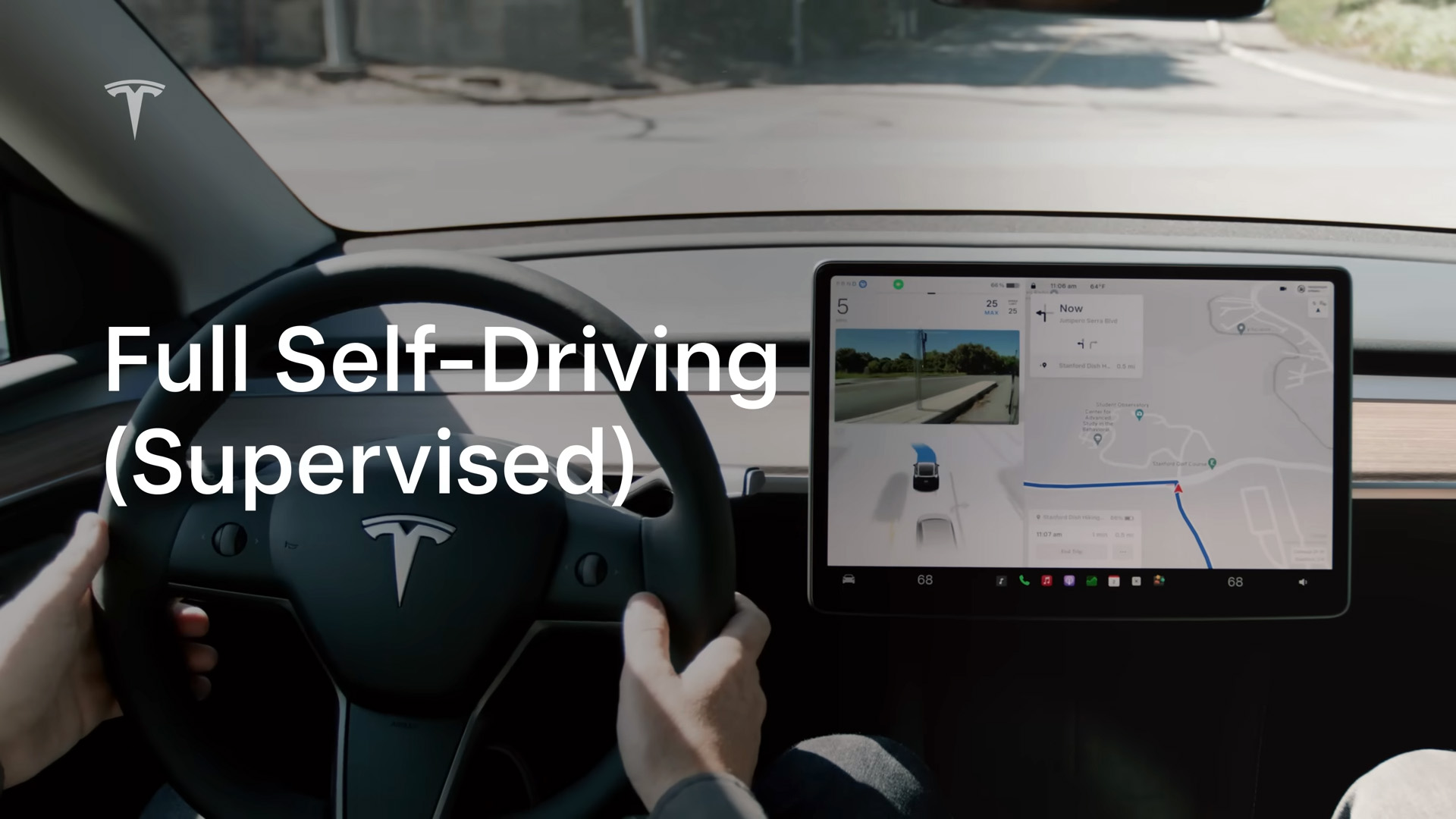
Tesla Full Self-Driving AI Saves Life but Also Causes Property Damage
Tesla's Full Self-Driving (FSD) AI system autonomously drove a man with a medical emergency to a hospital, likely saving his life. However, multiple users have reported the same FSD software causing vehicles to hit curbs, resulting in wheel and tire damage, highlighting both life-saving potential and safety concerns.[AI generated]
AI principles:
Industries:
Affected stakeholders:
Harm types:
Autonomy level:
AI system task:
Why's our monitor labelling this an incident or hazard?
The Tesla Full Self-Driving feature is an AI system capable of autonomous navigation. In this case, the AI system was used in a real emergency to transport a person to medical care without human intervention, directly contributing to saving the person's life. This constitutes an AI Incident because the AI system's use directly led to harm prevention and injury avoidance (harm to health was averted). The event involves the use of an AI system and a direct link to health-related harm, fitting the definition of an AI Incident.[AI generated]

AI Deepfake Voice Used in Failed Phishing Attack on LastPass Employee

Scammers used AI-generated deepfake audio to impersonate LastPass CEO Karim Toubba in a phishing attempt targeting a company employee via WhatsApp. The employee recognized the scam due to suspicious communication methods and reported it, preventing any harm. The incident highlights the growing threat of AI-enabled social engineering attacks.[AI generated]
AI principles:
Industries:
Affected stakeholders:
Harm types:
Autonomy level:
AI system task:
Why's our monitor labelling this an incident or hazard?
The event involves the use of AI-generated deepfake audio to impersonate a CEO, which is a clear AI system involvement. The use of this AI system was malicious and aimed at causing harm (fraud), but the harm was averted because the employee did not fall for the scam. Therefore, this event is best classified as an AI Hazard, as it plausibly could lead to harm (fraud, financial loss) if successful, but no actual harm occurred in this case.[AI generated]

YouTuber Cyprien Targeted by AI-Generated Deepfake Scam Ads
AI-generated deepfake videos featuring YouTuber Cyprien and news anchor Anne-Claire Coudray falsely promoted a non-existent casino app, misleading viewers and damaging reputations. The deepfakes, widely circulated on social media, prompted Cyprien to file a legal complaint against the creators for identity theft and fraud.[AI generated]
AI principles:
Industries:
Affected stakeholders:
Harm types:
Business function:
Autonomy level:
AI system task:
Why's our monitor labelling this an incident or hazard?
The event involves AI systems generating realistic fake videos and audio (deepfakes) to deceive people into believing false endorsements for a casino app. This use of AI directly leads to harm by facilitating scams and fraud, which can cause financial and reputational damage to individuals and communities. Therefore, it qualifies as an AI Incident due to realized harm from malicious AI use.[AI generated]

Proliferation of Deepfake AI Tools Fuels Fraud and Security Threats
Cybersecurity firms report a surge in the use of AI-powered deepfake tools, widely available on darknet markets, enabling fraud, identity theft, blackmail, and misinformation. These generative AI systems have led to significant real-world harms for individuals, businesses, and governments, including large-scale scams and reputational damage.[AI generated]
AI principles:
Industries:
Affected stakeholders:
Harm types:
Autonomy level:
AI system task:
Why's our monitor labelling this an incident or hazard?
The article explicitly mentions AI systems (deepfake technology) being used by malicious actors to perpetrate fraud, identity theft, misinformation, and impersonation, which are harms to individuals and communities. It provides examples of realized harm, such as political manipulation in Pakistan and scams targeting employees. The AI system's use directly leads to these harms, fulfilling the criteria for an AI Incident. The article does not merely warn about potential future harm but documents ongoing misuse and impact, distinguishing it from an AI Hazard or Complementary Information.[AI generated]

AI Deepfakes Fuel Election Misinformation and Non-Consensual Pornography Crisis
Generative AI tools are increasingly used to create deepfake images, audio, and videos, leading to widespread misinformation in elections and a surge in non-consensual deepfake pornography. These AI-generated fakes harm individuals’ rights, distort democratic processes, and present significant challenges for detection and prevention.[AI generated]
AI principles:
Industries:
Affected stakeholders:
Harm types:
Autonomy level:
AI system task:
Why's our monitor labelling this an incident or hazard?
The article explicitly mentions AI systems generating deepfake content (images, audio, video) that is being disseminated on social media and flagged as false, indicating realized harm. The use of AI-generated deepfakes in political contexts can mislead voters and distort democratic processes, constituting harm to communities. The AI systems' development and use have directly contributed to this harm. Although some content is labeled as parody, the broader phenomenon of AI deepfakes spreading misinformation is a clear AI Incident under the OECD framework, as it involves violations of rights to truthful information and harms communities. The article does not merely warn about potential future harm but documents ongoing issues and examples, confirming it as an AI Incident rather than a hazard or complementary information.[AI generated]
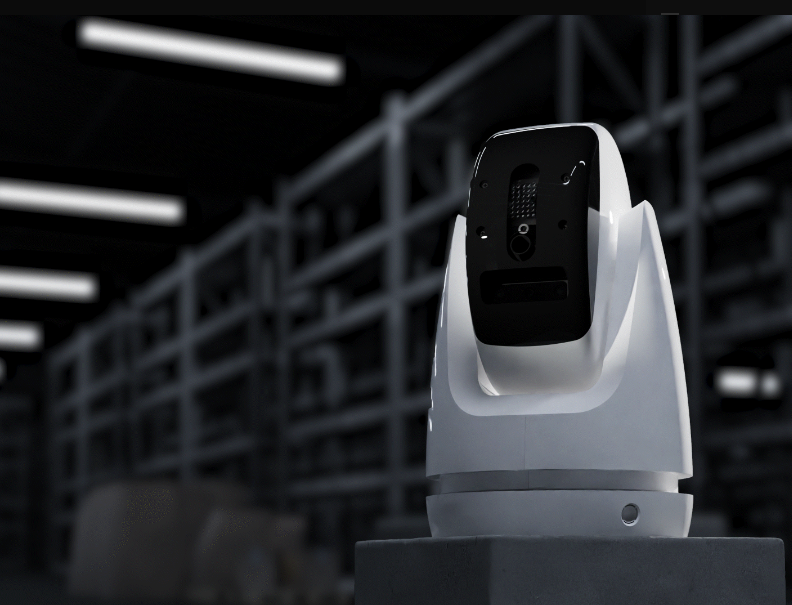
AI-Powered Security Camera PaintCam Eve Raises Safety and Ethics Concerns
Slovenian startup PaintCam launched Eve, an AI-driven home security camera that uses facial recognition and autonomous decision-making to identify intruders and can fire paintballs or tear gas. While no harm has been reported, experts warn of significant risks of injury or misuse due to the system's automated use of force.[AI generated]
AI principles:
Industries:
Affected stakeholders:
Harm types:
Business function:
Autonomy level:
AI system task:
Why's our monitor labelling this an incident or hazard?
The AI system (facial recognition and automated deterrent) is clearly involved. The article discusses the system's development and use, and the potential for harm including injury from tear gas or paintballs, misidentification, and privacy violations. No actual harm or incident is reported, only plausible future risks. The mention of past incidents with Ring provides context but does not indicate a current incident with Eve. Thus, the event fits the definition of an AI Hazard rather than an AI Incident or Complementary Information.[AI generated]

AI-Generated Nude Images of Minors Cause Harm in US Schools
A 13-year-old girl at Aliso Viejo Middle School became a victim when a classmate used AI software to create and share fake nude images of her, leading to harassment and emotional distress. The incident highlights how AI misuse is causing harm to minors, leaving schools and legal systems unprepared.[AI generated]
AI principles:
Industries:
Affected stakeholders:
Harm types:
Autonomy level:
AI system task:
Why's our monitor labelling this an incident or hazard?
The event involves the use of AI systems (AI software generating realistic nude images) to create harmful deepfake content targeting minors. This use has directly led to harm, including harassment, psychological harm, and violations of rights, fulfilling the criteria for an AI Incident. The article describes realized harm rather than potential harm, and the AI system's role is pivotal in enabling the creation and dissemination of the harmful images. Therefore, this is classified as an AI Incident.[AI generated]

AI-Driven Targeted Ads Spark Privacy Concerns Over Excessive Data Collection in China
Chinese users report receiving eerily accurate targeted ads after private conversations, raising suspicions of phone eavesdropping. Investigations reveal AI-powered recommendation algorithms and user profiling, fueled by extensive personal data collection and sharing, have led to privacy violations and regulatory scrutiny for over-collection and misuse of user information.[AI generated]
AI principles:
Industries:
Affected stakeholders:
Harm types:
Business function:
Autonomy level:
AI system task:
Why's our monitor labelling this an incident or hazard?
The event involves AI systems in the form of recommendation algorithms and user profiling technologies that process large amounts of personal data to deliver targeted advertising. The harms described include violations of privacy and personal data rights due to over-collection and sharing of user information without adequate consent or transparency. These harms have materialized as users experience invasive advertising that feels like 'mind reading,' indicating direct or indirect harm to user privacy and rights. The article also discusses regulatory responses and legal frameworks addressing these issues, but the primary focus is on the realized harms caused by AI-driven data collection and profiling practices. Hence, this qualifies as an AI Incident because the development and use of AI systems have directly led to violations of fundamental rights related to personal data and privacy.[AI generated]

Tesla Sued After Toddler Starts Model X, Injures Pregnant Mother Due to Alleged AI Design Flaw
Mallory Harcourt sued Tesla after her two-year-old son was able to start their Model X, causing it to hit her and result in serious injuries and premature birth. The lawsuit alleges a design flaw in Tesla's AI-driven control system allowed the incident, raising concerns about inadequate safety features.[AI generated]
AI principles:
Industries:
Affected stakeholders:
Harm types:
Business function:
Autonomy level:
AI system task:
Why's our monitor labelling this an incident or hazard?
The Tesla Model X uses AI-based control systems for vehicle operation. The incident resulted in serious injury due to the toddler's ability to start and drive the vehicle, which is linked to alleged design faults in the AI-driven control system. This constitutes direct harm caused by the AI system's malfunction or inadequate safety design, fitting the definition of an AI Incident.[AI generated]

AI-Powered Scams Cause Rising Financial Losses Globally
Criminals are increasingly using AI technologies, such as chatbots and voice cloning, to deceive consumers into transferring money, resulting in significant financial losses. Visa's 2024 report highlights the growing sophistication and organization of these AI-enabled scams, despite efforts to prevent fraud and billions of dollars invested in security measures.[AI generated]
AI principles:
Industries:
Affected stakeholders:
Harm types:
AI system task:
Why's our monitor labelling this an incident or hazard?
The event involves the use of AI systems (AI chatbots, voice cloning) by criminals to deceive consumers into transferring money, which directly causes financial harm to individuals. The harm is realized and significant, as evidenced by billions of dollars in fraud prevented and increasing losses. Therefore, this qualifies as an AI Incident due to direct harm caused by the use of AI in fraudulent activities.[AI generated]

Apple Warns Users in 92 Countries of AI-Driven Spyware Attacks
Apple issued threat notifications to users in 92 countries, warning of targeted attacks by mercenary spyware—AI-enabled surveillance tools like Pegasus—used by state actors to remotely infiltrate iPhones. The attacks compromise privacy and security, especially for journalists, activists, and officials, prompting Apple to recommend enhanced security measures.[AI generated]
AI principles:
Industries:
Affected stakeholders:
Harm types:
Business function:
Autonomy level:
AI system task:
Why's our monitor labelling this an incident or hazard?
The article explicitly mentions spyware attacks targeting iPhones and Apple IDs, which are likely to involve AI systems for remote intrusion and surveillance. The harm involves violation of user privacy and security, which is a breach of fundamental rights. Apple has issued warnings to affected users, indicating the threat is active and credible. The event describes realized or ongoing harm rather than a potential future risk, qualifying it as an AI Incident rather than a hazard or complementary information.[AI generated]

X's AI Algorithms Amplify and Monetize Hate Speech Amid Israel-Gaza Conflict
A study by the Center for Countering Digital Hate found that X's AI-driven recommendation and monetization systems have amplified and financially rewarded hate speech targeting Jews and Muslims since the Israel-Gaza war began. Ten accounts posting such content grew rapidly in followers and profits, highlighting AI's role in spreading and incentivizing harmful content.[AI generated]
AI principles:
Industries:
Affected stakeholders:
Harm types:
Business function:
Autonomy level:
AI system task:
Why's our monitor labelling this an incident or hazard?
The event explicitly involves AI systems in the form of X's algorithmic content moderation, recommendation, and ranking systems that amplify hateful content and enable monetization. The harm is realized as hate speech targeting minority communities is being spread and rewarded, causing harm to communities and violating rights. The AI system's development and use directly contribute to this harm by promoting and financially incentivizing hateful content. Therefore, this qualifies as an AI Incident under the framework, as the AI system's use has directly led to harm to communities and violations of rights.[AI generated]

US Blacklists Chinese Firms Over AI Chip Supply to Military
The US Commerce Department blacklisted several Chinese companies, including Linkzol, Xi'an Like, Beijing Anwise, and SITONHOLY, for allegedly supplying AI chips to China's military and aiding military modernization. The move aims to prevent US technology from supporting potential military threats, though no direct harm has yet occurred.[AI generated]
AI principles:
Industries:
Affected stakeholders:
Harm types:
Why's our monitor labelling this an incident or hazard?
The article describes the US government's action to blacklist companies supplying AI chips for military use, which involves AI systems in a context that could plausibly lead to harm (e.g., military conflict, escalation, or misuse of AI-enabled weapons). There is no indication that harm has already occurred directly from these AI systems, but the potential for harm is credible and significant. Hence, the event is best classified as an AI Hazard rather than an AI Incident or Complementary Information.[AI generated]

AI-Generated Deepfake Influencers Promote Far-Right Politics on TikTok
AI-generated deepfake profiles resembling relatives of French far-right politicians Marine Le Pen and Marion Maréchal have amassed large followings on TikTok. These fictitious influencers spread sexualized images and political messages supporting the Rassemblement National, misleading users and manipulating public opinion, raising concerns about AI-driven misinformation in democratic processes.[AI generated]
AI principles:
Industries:
Affected stakeholders:
Harm types:
Business function:
AI system task:
Why's our monitor labelling this an incident or hazard?
The event explicitly involves AI systems generating deepfake videos that impersonate political figures to spread misleading political content. The use of AI-generated deepfakes in this context directly leads to harm to communities by spreading misinformation and manipulating political opinions, which can disrupt democratic processes and violate rights related to truthful information and fair political participation. The harm is occurring as the videos have been widely viewed and are influencing public discourse. Hence, this is an AI Incident rather than a hazard or complementary information.[AI generated]

AI-Generated Pornographic Images of Minors Investigated in Mallorca
Three minors in Mallorca are under investigation for using AI tools to create and share manipulated pornographic images of their classmates, aged 14, by extracting photos from social media. The incident highlights the misuse of AI for generating explicit fake content, causing harm to minors and raising legal and privacy concerns.[AI generated]
AI principles:
Industries:
Affected stakeholders:
Harm types:
Autonomy level:
AI system task:
Why's our monitor labelling this an incident or hazard?
The article explicitly states that AI was used to generate realistic fake sexual images of minors, which were then spread massively, causing harm to the victims. This constitutes a violation of rights (including privacy and protection of minors) and harm to communities. The involvement of AI in creating these images and the resulting harm meets the criteria for an AI Incident, as the AI system's use directly led to significant harm.[AI generated]

Prince Harry and Meghan Markle Launch Campaign to Combat AI Deepfake Misinformation Ahead of US Election
Prince Harry and Meghan Markle, through their Archewell Foundation and in partnership with Hollywood and The Future US, are launching a bipartisan campaign to prepare US voters for potential AI-generated deepfake misinformation during the 2024 presidential election. The initiative aims to proactively counter the threat of AI-driven election disinformation.[AI generated]
AI principles:
Industries:
Affected stakeholders:
Harm types:
Autonomy level:
AI system task:
Why's our monitor labelling this an incident or hazard?
The event involves AI systems in the form of generative AI capable of producing deepfake videos and images, which could be used to spread misinformation. However, the article describes ongoing efforts to combat and prepare for these potential harms rather than reporting any realized harm or incident caused by AI. Therefore, this is a credible AI Hazard, as the use of AI deepfakes could plausibly lead to significant harm in the upcoming election, but no direct or indirect harm has yet occurred according to the article.[AI generated]