


























The article explicitly mentions the use of AI-supported fake investment sites to perpetrate fraud, which directly led to financial harm to victims. The AI system's use in creating or supporting these fraudulent sites is a direct factor in causing harm (financial loss) to individuals, fitting the definition of an AI Incident under harm to persons or communities. Therefore, this event qualifies as an AI Incident.[AI generated]

AIM: AI Incidents and Hazards Monitor
Automated media discourse monitor of AI incidents and hazards (Beta)
AI-related legislation is gaining traction, and effective policymaking needs evidence, foresight and international cooperation. The OECD AI Incidents and Hazards Monitor (AIM) documents AI incidents and hazards to help policymakers, AI practitioners, and all stakeholders worldwide gain valuable insights into the risks and harms of AI systems. Over time, AIM will help to show risk patterns and establish a collective understanding of AI incidents and hazards and their multifaceted nature, serving as an important tool for trustworthy AI. AI incidents seem to be getting more media attention lately, but they've actually gone down as a share of all AI news (see chart below!).
The information displayed in the AIM should not be reported as representing the official views of the OECD or of its member countries.
Advanced Search Options
As percentage of total AI events
Show summary statistics of AI incidents & hazards

AI-Powered Deepfake Investment Scam Exposed
Authorities in Turkey dismantled an organized crime network that used AI to generate deepfake audio and video of notable figures to promote fake investment schemes. The group defrauded victims of approximately $500 million through 41 shell companies, with 72 suspects apprehended in operations across 28 provinces.[AI generated]
AI principles:
Industries:
Affected stakeholders:
Harm types:
Business function:
Autonomy level:
AI system task:
Why's our monitor labelling this an incident or hazard?
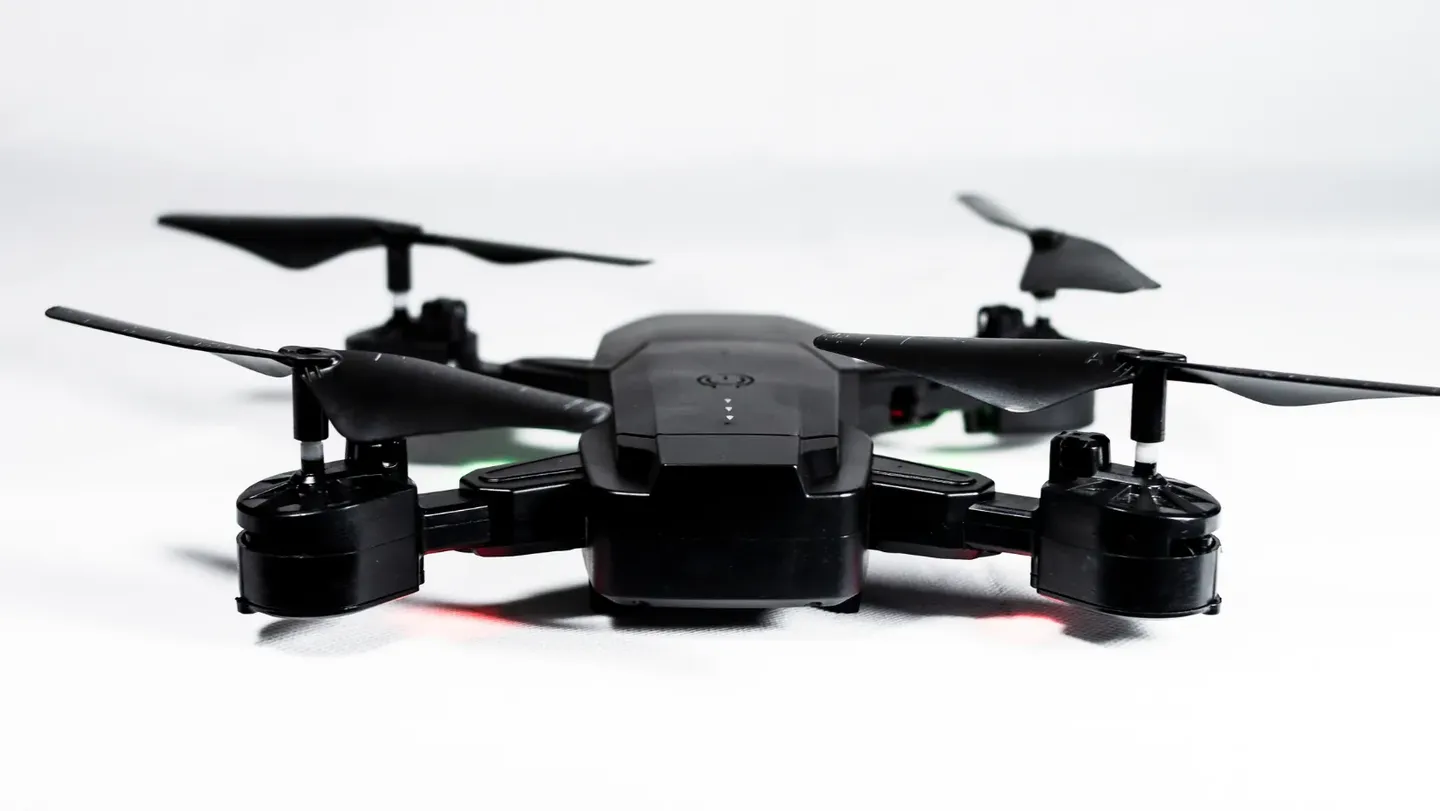
Domestic FPV Kamikaze Drone KarguFPV Successfully Tests AI Targeting
STM's domestically developed KarguFPV drone, equipped with AI-based image processing and autonomous targeting, successfully hit its intended target in a live test. The demonstration, led by CEO Özgür Güleryüz, marks a significant advance in Turkey's independent defense capabilities with potential future combat applications.[AI generated]
AI principles:
Industries:
Affected stakeholders:
Harm types:
Business function:
Autonomy level:
AI system task:
Why's our monitor labelling this an incident or hazard?
The event involves an AI system explicitly described as having autonomous and AI-supported image processing capabilities used in a kamikaze drone designed to strike targets with precision. The use of AI in autonomous targeting and attack directly relates to potential harm to persons or groups, fulfilling the criteria for an AI Incident. The article reports a successful test firing with a direct hit, indicating realized operational capability rather than a mere hazard or future risk. Therefore, this is classified as an AI Incident due to the AI system's role in enabling lethal autonomous operations.[AI generated]
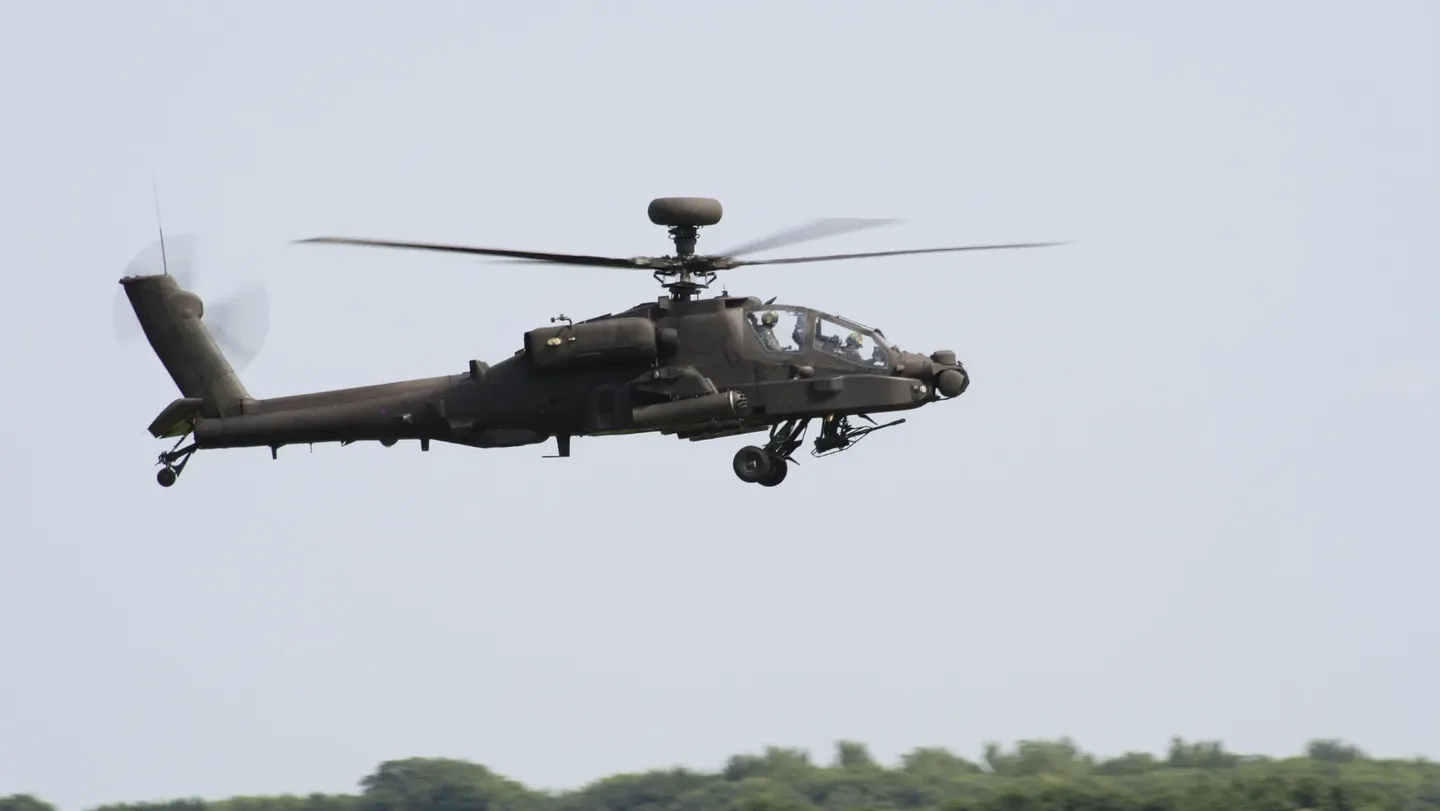
Microsoft Provides AI Services to Israeli Military Amid Gaza Conflict
Microsoft supplied advanced AI and cloud computing services to the Israeli military during the Gaza conflict, aiding efforts such as locating hostages. The company denies any evidence that its technology was used to target or harm civilians, though its role in military applications raises potential concerns.[AI generated]
AI principles:
Industries:
Harm types:
Business function:
Autonomy level:
AI system task:
Why's our monitor labelling this an incident or hazard?
The event involves the use of AI systems by the Israeli military in active conflict, where significant harm to civilians has occurred. The AI systems provided by Microsoft are directly involved in intelligence gathering, translation, and AI-enabled targeting, which have contributed to military actions causing loss of life. Although Microsoft denies direct evidence of AI misuse, the AI's role in the conflict and the resulting civilian casualties constitute indirect harm caused by AI use. Therefore, this qualifies as an AI Incident due to the direct or indirect link between AI system use and harm to people and communities.[AI generated]

Spotify’s AI Failures Expose Harm: Drug-Podcasts, Poor Playlists and AI-Generated Music
Spotify’s machine learning tools failed to flag fake drug-selling podcasts, delivered irrelevant ambient tracks instead of new releases, and flooded playlists with AI-generated songs, frustrating millions of users and displacing real artists.[AI generated]
AI principles:
Industries:
Affected stakeholders:
Harm types:
Business function:
Autonomy level:
AI system task:
Why's our monitor labelling this an incident or hazard?
The article explicitly describes AI and algorithmic systems used by Spotify to generate and promote music content that is not created by real artists but by companies or AI, which displaces real musicians and harms their income. This constitutes a violation of intellectual property rights and labor rights, as well as harm to the music community and culture. The harm is realized, not just potential, as artists have been financially devastated and playlists have been taken over by AI-generated or machine-produced content. Hence, this qualifies as an AI Incident under the OECD framework because the AI system's use has directly led to significant harm to communities and rights.[AI generated]

Students Use AI-Faked Minor Profile to Trap and Assault Teacher
In Chalkida, students used AI to create a fake profile of a 17-year-old to lure a teacher suspected of inappropriate behavior. The teacher, deceived by the profile, exchanged explicit content and agreed to a meeting where he was physically assaulted, resulting in significant harm.[AI generated]
AI principles:
Industries:
Affected stakeholders:
Harm types:
Autonomy level:
AI system task:
Why's our monitor labelling this an incident or hazard?
The students used AI-generated content to create a deceptive profile, which directly contributed to the teacher being lured into a trap and physically assaulted. The AI system's use in fabricating the profile was pivotal in enabling the harm. Therefore, this qualifies as an AI Incident due to the direct harm caused to a person through the misuse of AI-generated content.[AI generated]
AI Deepfake on TikTok Spreads Medical Misinformation
Deepfake videos created using AI impersonate Dr. Roberto Burioni on TikTok, spreading inaccurate medical advice about cortisol levels and Moringa. The misleading content has led to confusion among viewers, prompting them to seek clarifications directly from Dr. Burioni, raising concerns over impersonation and potential public health risks.[AI generated]
AI principles:
Industries:
Affected stakeholders:
Harm types:
Autonomy level:
AI system task:
Why's our monitor labelling this an incident or hazard?
The event involves AI systems used to create deepfake videos that impersonate a real person to promote false medical advice and products, leading to direct harm by misleading and potentially defrauding viewers. This fits the definition of an AI Incident because the AI-generated content has directly led to harm (people being scammed or misled about health remedies). The presence of AI is explicit in the creation of manipulated videos, and the harm includes violation of rights and harm to communities through misinformation and fraud. Therefore, this is classified as an AI Incident.[AI generated]

AI Misconduct in Matura Exam at Francisco Josephinum
A student at Francisco Josephinum in Wieselburg used ChatGPT during the German Matura exam, breaching strict exam protocols. Although 24 students bypassed internet restrictions, only one is confirmed to have used the AI tool, raising concerns over academic integrity and adherence to examination rules.[AI generated]
AI principles:
Industries:
Affected stakeholders:
Harm types:
Autonomy level:
AI system task:
Why's our monitor labelling this an incident or hazard?
The event describes the unauthorized use of AI (ChatGPT) by students during an exam, which is a misuse of an AI system. This misuse directly leads to harm in the form of violation of examination rules and academic integrity, which falls under violations of rights. The AI system's role is pivotal as it was the tool used to gain unfair advantage. Hence, this is an AI Incident rather than a hazard or complementary information.[AI generated]

Pioneering AI Clinic in Saudi Arabia Raises Future Safety Concerns
Shanghai-based Synyi AI, in partnership with Almoosa Health Group, has launched a clinic in Saudi Arabia where the AI system 'Dr. Hua' diagnoses patients and prescribes treatments under human oversight. While early testing shows low error rates, the approach poses future risks if misdiagnoses or privacy issues occur.[AI generated]
AI principles:
Industries:
Affected stakeholders:
Harm types:
Business function:
Autonomy level:
AI system task:
Why's our monitor labelling this an incident or hazard?
The AI system is explicitly involved as it autonomously diagnoses and prescribes treatment, which directly impacts patient health. While no harm is reported yet, the use of AI in this critical medical role plausibly could lead to injury or harm to patients if errors occur. Therefore, this event constitutes an AI Hazard, as it could plausibly lead to harm but no incident has yet been reported.[AI generated]

Deepfake-Enabled Political Scam in Romania
Bitdefender has warned of an AI-driven scam employing deepfake technology to create fake videos of presidential candidates Nicușor Dan and George Simion. The fraudsters falsely promote a bogus investment opportunity under the name Neptun Deep, promising lucrative returns to deceive the public.[AI generated]
AI principles:
Industries:
Affected stakeholders:
Harm types:
Autonomy level:
AI system task:
Why's our monitor labelling this an incident or hazard?
The article explicitly mentions the use of AI deepfake technology to create manipulated videos of political candidates, which are then used to promote a fraudulent investment scheme. This has already led to harm as people are being misled and potentially scammed, fulfilling the criteria for an AI Incident due to harm to communities and individuals. The AI system's use in generating deepfake videos is central to the incident, and the harm is realized, not just potential.[AI generated]
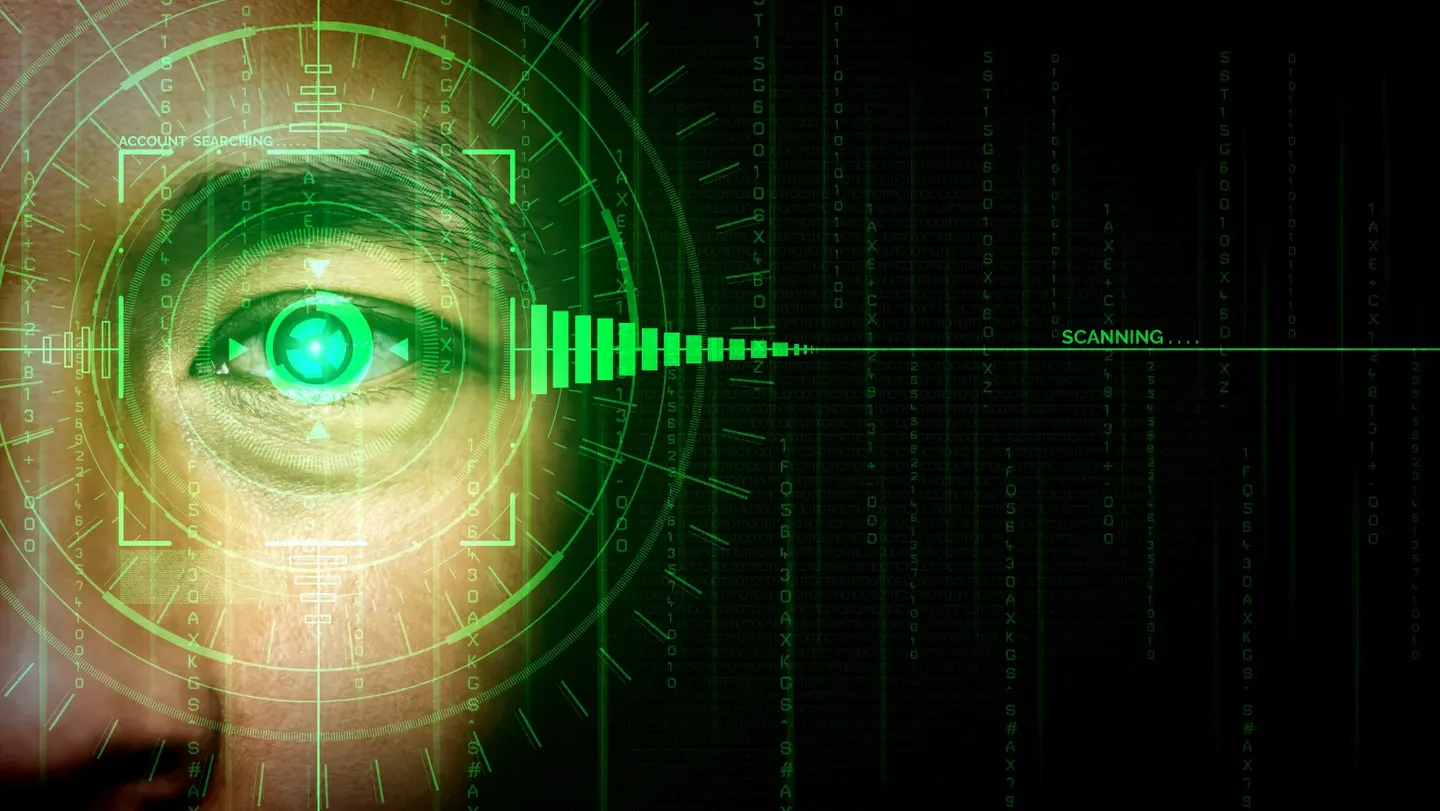
New Orleans Police Face Backlash Over Secret AI Facial Recognition Use

New Orleans police covertly used facial recognition AI on over 200 live camera feeds, managed by nonprofit Project NOLA, to identify suspects over two years. The unauthorized use, bypassing a city ordinance and proper oversight, has raised significant privacy and civil rights concerns, prompting legal and public scrutiny.[AI generated]
AI principles:
Industries:
Affected stakeholders:
Harm types:
Business function:
Autonomy level:
AI system task:
Why's our monitor labelling this an incident or hazard?
The article explicitly describes the deployment and use of AI-powered facial recognition systems for live surveillance and suspect identification, which has directly resulted in arrests and raised significant concerns about privacy violations, legal noncompliance, and wrongful arrests. These outcomes align with harms defined under AI Incidents, including violations of human rights and potential harm to individuals through wrongful arrests. The involvement of AI in the development and use phases is clear, and the harms are realized, not merely potential. Therefore, this event qualifies as an AI Incident rather than a hazard or complementary information.[AI generated]
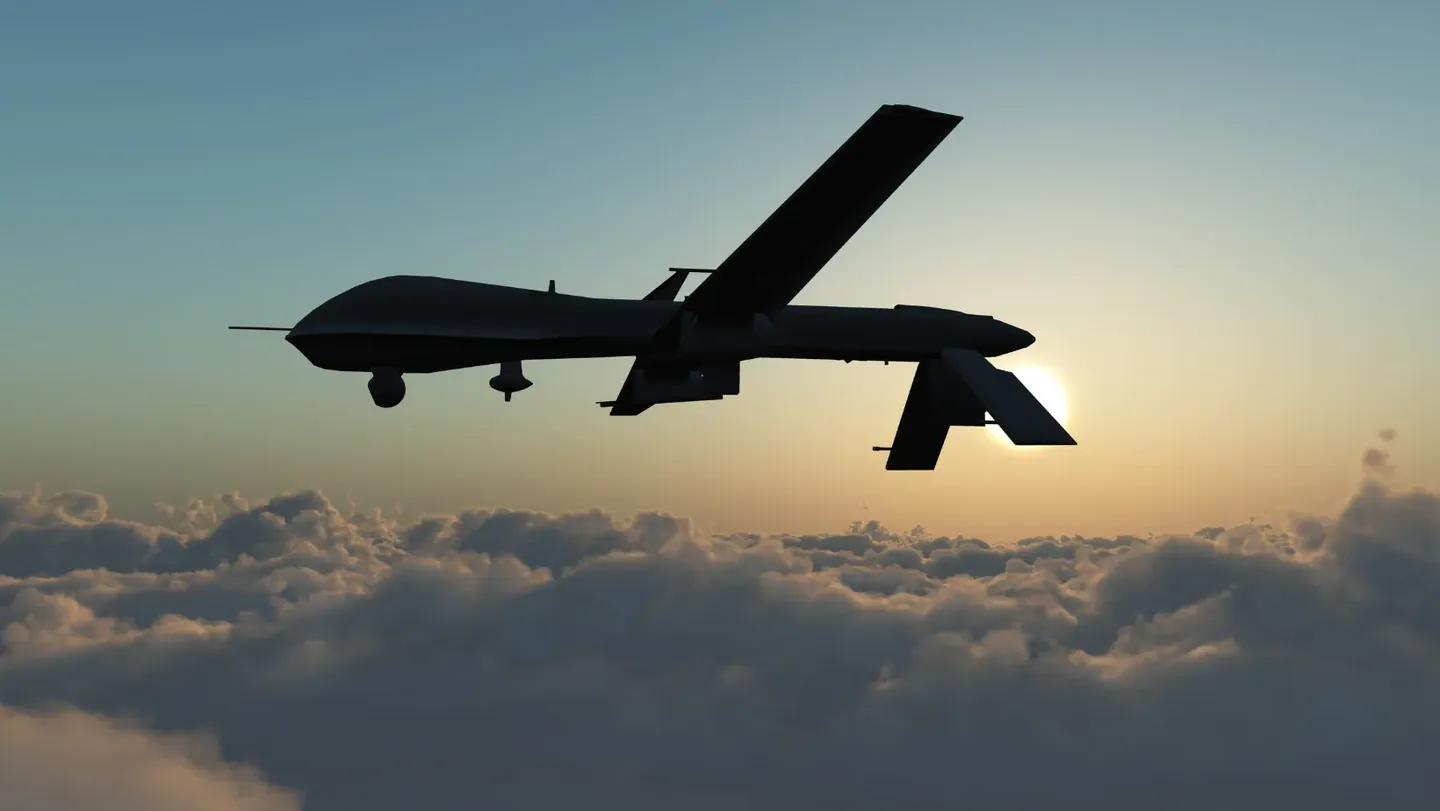
Amazon Drone Incident: AI Misinterpretation Causes Crashes
During December test flights in Oregon, two Amazon Prime Air drones crashed due to an AI malfunction. Faulty LiDAR sensor readings misinterpreted rain as ground contact, triggering a mid-air shutdown of the propellers. The removal of backup sensors contributed to the error, leading to the destruction of the drones.[AI generated]
AI principles:
Industries:
Affected stakeholders:
Harm types:
Business function:
Autonomy level:
AI system task:
Why's our monitor labelling this an incident or hazard?
The drones are autonomous AI systems relying on sensor inputs and software to make real-time decisions. The software update increased sensor sensitivity, and the removal of a physical fail-safe sensor led to incorrect altitude readings, causing the drones to shut down mid-flight and crash. This malfunction directly caused harm to property (the drones themselves) and disrupted the operation of the delivery system, which is critical infrastructure for Amazon's logistics. The event involves the use and malfunction of AI systems leading to realized harm, fitting the definition of an AI Incident rather than a hazard or complementary information.[AI generated]

Romanian Presidential Candidate Targeted by AI-Driven Disinformation Campaign
Romanian pro-European candidate Nicusor Dan is under a coordinated disinformation attack using AI-powered bots and manipulated media. False documents and altered videos, spread on TikTok, Facebook, and X, aim to defame him and potentially undermine electoral fairness, raising alarms about AI’s role in election interference.[AI generated]
AI principles:
Industries:
Affected stakeholders:
Harm types:
Autonomy level:
AI system task:
Why's our monitor labelling this an incident or hazard?
The event involves AI systems explicitly through the use of AI-generated deepfake videos and social media algorithms that amplify extremist content. These AI systems are used maliciously to spread disinformation and manipulate public opinion, which constitutes harm to communities and a violation of political rights. The disinformation campaign is active and ongoing, directly impacting the election process and the candidate's reputation. Therefore, this qualifies as an AI Incident because the AI's use has directly led to significant harm in the political and social domain.[AI generated]

Fortnite AI Incident: Darth Vader's Vulgar Dialogue Hotfixed
Fortnite's AI-powered Darth Vader, using James Earl Jones' voice likeness, was found using profanity and slurs during player interactions. After viral clips and public concern over inappropriate language, Epic Games swiftly hotfixed the issue, ensuring the character's dialogue met community standards.[AI generated]
AI principles:
Industries:
Affected stakeholders:
Harm types:
Business function:
Autonomy level:
AI system task:
Why's our monitor labelling this an incident or hazard?
The AI system (Google's Gemini 2.0 Flash model for text generation and ElevenLabs' model for audio) is explicitly involved in generating harmful content (offensive language and racist slurs) that players have experienced. This constitutes an AI Incident because the AI's use has directly led to harm to communities (exposure to offensive and racist language) and reputational harm. The harm is realized, not just potential. The company's mitigation efforts are a response but do not negate the incident classification.[AI generated]
Toei Animation’s AI Plans Spark Fan Outcry
Toei Animation announced new AI initiatives for storyboard creation, coloring, genga correction and background generation, backed by funding to Preferred Networks. Fans and animators express confusion and fear over style replication and job losses, sparking social media backlash despite no AI deployment or concrete incidents yet.[AI generated]
AI principles:
Industries:
Affected stakeholders:
Harm types:
Business function:
Autonomy level:
AI system task:
Why's our monitor labelling this an incident or hazard?
The article explicitly mentions the planned use of AI in animation production but does not report any harm or negative outcomes resulting from this use. The concerns expressed by fans and artists are about possible implications, such as AI replicating art styles and affecting jobs, but these are speculative and not realized harms. Hence, the event fits the definition of an AI Hazard, as the use of AI could plausibly lead to harms (e.g., to artists' rights or employment), but no incident has occurred yet.[AI generated]
TikTok AI-Generated Videos Target Romanian Diaspora in Election Influence Campaign
Refute detected an international TikTok campaign deploying 32,500 AI-generated and duplicated videos promoting populist candidates George Simion and Călin Georgescu to Romanian expatriates. Coordinated inauthentic accounts drove 40 million interactions—48% from abroad—threatening electoral integrity by manipulating diaspora voters ahead of the presidential runoff.[AI generated]
AI principles:
Industries:
Affected stakeholders:
Harm types:
Business function:
Autonomy level:
AI system task:
Why's our monitor labelling this an incident or hazard?
The event involves the use of AI systems to create and disseminate false videos on TikTok, which directly leads to harm by manipulating voters and potentially affecting election outcomes. This constitutes a violation of democratic rights and harms communities through misinformation. Therefore, it qualifies as an AI Incident due to realized harm caused by AI-generated disinformation actively influencing voters.[AI generated]

AI-generated videos amplify pro-Traoré propaganda
Since 2024, social media accounts have leveraged AI-generated videos to amplify pro-Ibrahim Traoré propaganda, falsely attributing policies and infrastructure projects to Burkina Faso’s coup leader. Analysis by CableCheck using Meltwater highlights this AI-driven misinformation campaign shaping public perception.[AI generated]
AI principles:
Industries:
Affected stakeholders:
Harm types:
Autonomy level:
AI system task:
Why's our monitor labelling this an incident or hazard?
The article explicitly mentions AI-generated videos being used to spread false claims and propaganda. The AI system's use in generating misleading content has directly led to harm in the form of misinformation and manipulation of public perception, which constitutes harm to communities. Therefore, this qualifies as an AI Incident because the AI system's use has directly led to significant harm through disinformation campaigns.[AI generated]

AI Safety Camera Detects Spectators to Boost Motorsport Safety
Croatian company Calirad, with University of Zagreb’s FER and the FIA, launched AISC—an AI Safety Camera using onboard cameras and machine learning to spot spectators in hazardous zones during rally races. Real-time alerts let security teams intervene quickly, significantly boosting safety for spectators and drivers worldwide.[AI generated]
AI principles:
Industries:
Harm types:
Business function:
Autonomy level:
AI system task:
Why's our monitor labelling this an incident or hazard?
The article explicitly mentions an AI system developed to recognize spectators in dangerous positions during rally races, which is actively used and tested in real conditions. The system's purpose is to prevent harm to spectators by enabling timely intervention, thus directly addressing safety risks. Since the AI system's use is linked to preventing injury or harm to people, this qualifies as an AI Incident under the definition of harm to health of persons resulting from the use of an AI system.[AI generated]
Tesla Robotaxi Launch at Risk Due to Incomplete Autonomous Testing
Tesla plans to launch its AI-driven Robotaxi service in Austin this June using a limited fleet with remote assistance. However, key safety tests without human drivers have not been conducted, raising potential risks for the autonomous system's safe deployment.[AI generated]
AI principles:
Industries:
Affected stakeholders:
Harm types:
Business function:
Autonomy level:
AI system task:
Why's our monitor labelling this an incident or hazard?
Tesla's Robotaxi service relies on AI systems for autonomous driving. The article states that the critical safety test for fully driverless operation has not yet started, but the launch is imminent. This indicates a plausible risk that the AI system could lead to harm if deployed prematurely. No actual harm is reported yet, so it is not an AI Incident. The potential for injury or disruption from autonomous vehicles without completed testing fits the definition of an AI Hazard. The article does not focus on responses or updates to past incidents, so it is not Complementary Information. It is directly related to AI systems and their potential risks, so it is not Unrelated.[AI generated]

South Korea privacy watchdog flags AI digital textbook shortcomings
South Korea’s Personal Information Protection Commission inspected the AI Digital Textbook (AIDT), finding missing disclosures on data items, purposes, and retention periods, alongside security gaps. It recommended KERIS and the Education Ministry update consent forms and privacy policies, obtain ISMS-P certification, conduct privacy impact assessments, and strengthen data safeguards.[AI generated]
AI principles:
Industries:
Affected stakeholders:
Harm types:
AI system task:
Why's our monitor labelling this an incident or hazard?
The AI digital textbook system collects and processes sensitive student personal data, including learning histories and performance, which involves an AI system providing personalized content. The report highlights deficiencies in legal basis, transparency, and security measures for handling this data. Although no actual harm or data breach is reported, the insufficient protections and unclear data processing policies create a credible risk of privacy violations and potential harm to students. The regulatory authority's recommendations aim to mitigate these risks. Hence, this event fits the definition of an AI Hazard, reflecting plausible future harm due to the AI system's current privacy shortcomings.[AI generated]
Meta faces scrutiny over AI energy, privacy and data practices
U.S. Senator Sheldon Whitehouse and environmental groups are probing Meta’s plan to power a new AI training data center with natural gas, citing carbon emissions. Meanwhile, privacy advocates and EU watchdog noyb accuse Meta of infringing privacy via unrevealed facial-recognition glasses and nonconsensual user data use for AI training, risking GDPR fines.[AI generated]
AI principles:
Industries:
Affected stakeholders:
Harm types:
Business function:
AI system task:
Why's our monitor labelling this an incident or hazard?
The event involves an AI system insofar as Meta uses AI training on user data. The core issue is Meta's use of personal data for AI training without explicit user consent, which is alleged to violate GDPR and thus constitutes a violation of legal rights protecting personal data (a form of human rights under applicable law). Although no actual harm such as fines or injunctions has yet occurred, the event centers on the ongoing use of AI systems trained on personal data in a way that allegedly breaches legal obligations, with potential for significant legal and financial consequences. This fits the definition of an AI Hazard because it plausibly could lead to an AI Incident (legal violations and associated harms) if Meta's practices continue or are enforced. Since the event does not describe realized harm but a credible legal threat and regulatory challenge related to AI use, it is best classified as an AI Hazard rather than an Incident or Complementary Information.[AI generated]