


























The robots use AI technology for surveillance, which implicates personal data processing and privacy rights. The data protection officer's intervention and the suspension of the robots' use indicate recognition of potential harm to individuals' privacy and personal rights. Since no actual harm has been reported yet but there is a credible risk of privacy violations and data misuse, this event qualifies as an AI Hazard rather than an AI Incident. It is not merely complementary information because the main focus is on the plausible risk and the preventive action taken, not on a response to a past incident.[AI generated]

AIM: AI Incidents and Hazards Monitor
Automated media discourse monitor of AI incidents and hazards (Beta)
AI-related legislation is gaining traction, and effective policymaking needs evidence, foresight and international cooperation. The OECD AI Incidents and Hazards Monitor (AIM) documents AI incidents and hazards to help policymakers, AI practitioners, and all stakeholders worldwide gain valuable insights into the risks and harms of AI systems. Over time, AIM will help to show risk patterns and establish a collective understanding of AI incidents and hazards and their multifaceted nature, serving as an important tool for trustworthy AI. AI incidents seem to be getting more media attention lately, but they've actually gone down as a share of all AI news (see chart below!).
The information displayed in the AIM should not be reported as representing the official views of the OECD or of its member countries.
Advanced Search Options
As percentage of total AI events
Show summary statistics of AI incidents & hazards
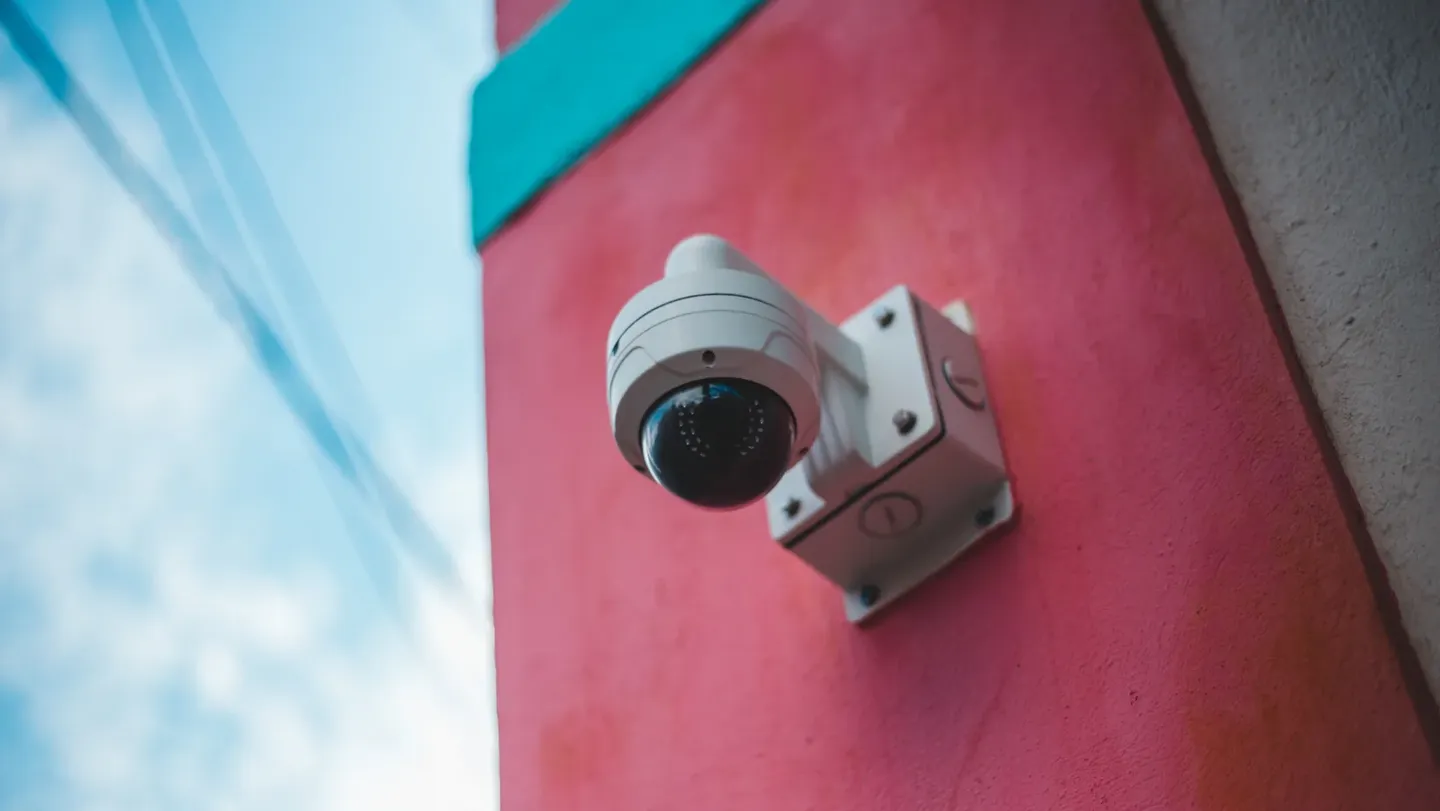
Security Robots Suspended at Basel Autumn Fair Over Data Protection Concerns
The deployment of AI-powered security robots with 360-degree and thermal cameras at the Basel Autumn Fair in Switzerland was immediately suspended after the cantonal data protection officer raised concerns about privacy and data storage. The suspension aims to prevent potential violations of personal rights pending further investigation.[AI generated]
AI principles:
Industries:
Affected stakeholders:
Harm types:
Business function:
AI system task:
Why's our monitor labelling this an incident or hazard?
Character.AI Restricts Chatbot Use for Minors After Suicides Linked to AI
Character Technologies, developer of Character.AI chatbots, is introducing strict usage limits and age verification for users under 18 after multiple lawsuits alleged the AI's involvement in youth suicides. The new measures, including a two-hour daily chat limit, aim to reduce risks to minors in the United States.[AI generated]
AI principles:
Industries:
Affected stakeholders:
Harm types:
Business function:
Autonomy level:
AI system task:
Why's our monitor labelling this an incident or hazard?
The article explicitly involves AI chatbots (AI systems) whose use by minors is alleged to have contributed to suicides and suicide attempts, which is a serious harm to health. The company's response to limit usage and introduce safeguards confirms recognition of harm linked to the AI system's use. Lawsuits and regulatory scrutiny further indicate the harm is materialized, not just potential. Hence, this is an AI Incident due to direct or indirect harm caused by the AI system's use.[AI generated]

Neil deGrasse Tyson Demonstrates Dangers of AI Deepfakes with Viral Video
Astrophysicist Neil deGrasse Tyson shared a highly realistic AI-generated deepfake video of himself falsely claiming the Earth is flat, to warn about the dangers of deepfake technology. The incident highlights the growing risk of AI-generated misinformation and the difficulty in distinguishing real from fake content online.[AI generated]
AI principles:
Industries:
Affected stakeholders:
Harm types:
Autonomy level:
AI system task:
Why's our monitor labelling this an incident or hazard?
The article explicitly mentions the use of AI-generated deepfake technology to create a realistic but fake video of a public figure. Although no direct harm is reported, the potential for such deepfakes to mislead, deceive, or be used in scams is clearly articulated, indicating a plausible risk of harm in the future. Therefore, this event fits the definition of an AI Hazard, as the AI system's use could plausibly lead to harm such as misinformation or scams, but no harm has yet materialized according to the article.[AI generated]
AI-Generated Threats Cause Psychological Harm and Real-World Disruption
Australian activist Caitlin Roper and her colleagues were targeted with highly realistic, AI-generated violent threats and images, including deepfakes depicting them in distressing scenarios. These AI-enabled attacks caused psychological trauma and led to real-world disruptions, such as swatting incidents and school lockdowns, highlighting the dangers of malicious AI use.[AI generated]
AI principles:
Industries:
Affected stakeholders:
Harm types:
Autonomy level:
AI system task:
Why's our monitor labelling this an incident or hazard?
The article explicitly mentions generative AI systems being used to create violent, personalized death threats and deepfake videos that have traumatized individuals and caused real psychological harm. The AI systems' outputs have directly contributed to violations of personal safety and well-being, which falls under harm to persons and communities. The misuse of AI for swatting and false emergency calls further demonstrates direct harm and disruption caused by AI. Since the harms are realized and directly linked to AI system use, this event is classified as an AI Incident.[AI generated]
German Military Procures AI-Enabled Drones Despite Test Failures
The German Bundeswehr awarded €900 million contracts to Stark, Helsing, and Rheinmetall for 12,000 AI-enabled kamikaze drones, despite only Helsing's drones passing operational tests. Stark's drones failed, missing targets and crashing, while Rheinmetall did not participate in testing, raising concerns about deploying unproven AI weapon systems.[AI generated]
AI principles:
Industries:
Affected stakeholders:
Harm types:
Autonomy level:
AI system task:
Why's our monitor labelling this an incident or hazard?
The event clearly involves AI systems, as kamikaze drones require autonomous or AI-assisted navigation and targeting capabilities. The controversy centers on awarding large contracts despite poor or absent test results, which could plausibly lead to incidents causing harm (e.g., drones missing targets or crashing uncontrollably). Since no actual harm has occurred yet, but there is a credible risk of future harm due to these procurement decisions and the deployment of potentially unreliable AI-enabled drones, this qualifies as an AI Hazard. There is no indication of realized harm or incident, so it is not an AI Incident. The article is not merely complementary information, as it highlights a significant risk related to AI system deployment.[AI generated]
Anduril Opens Sydney Factory for AI-Driven Ghost Shark Military Drones
Anduril Industries has opened a Sydney factory to produce Ghost Shark extra-large autonomous underwater vehicles (XL-AUVs) for the Royal Australian Navy under a A$1.7 billion contract. These AI-driven military drones, designed for covert reconnaissance and strikes, pose future risks of harm due to their autonomous capabilities.[AI generated]
AI principles:
Industries:
Affected stakeholders:
Harm types:
Business function:
Autonomy level:
AI system task:
Why's our monitor labelling this an incident or hazard?
The article describes the production of AI-enabled undersea drones, which are likely to incorporate AI systems for autonomous operation. While no harm has yet occurred, the development and deployment of such military AI systems could plausibly lead to significant harms, including injury, disruption, or violations of rights, especially given their military application. Therefore, this event constitutes an AI Hazard due to the credible risk posed by the proliferation of autonomous military drones. There is no indication of realized harm or incident at this stage, nor is the article focused on responses or updates to prior incidents, so it is not an AI Incident or Complementary Information.[AI generated]
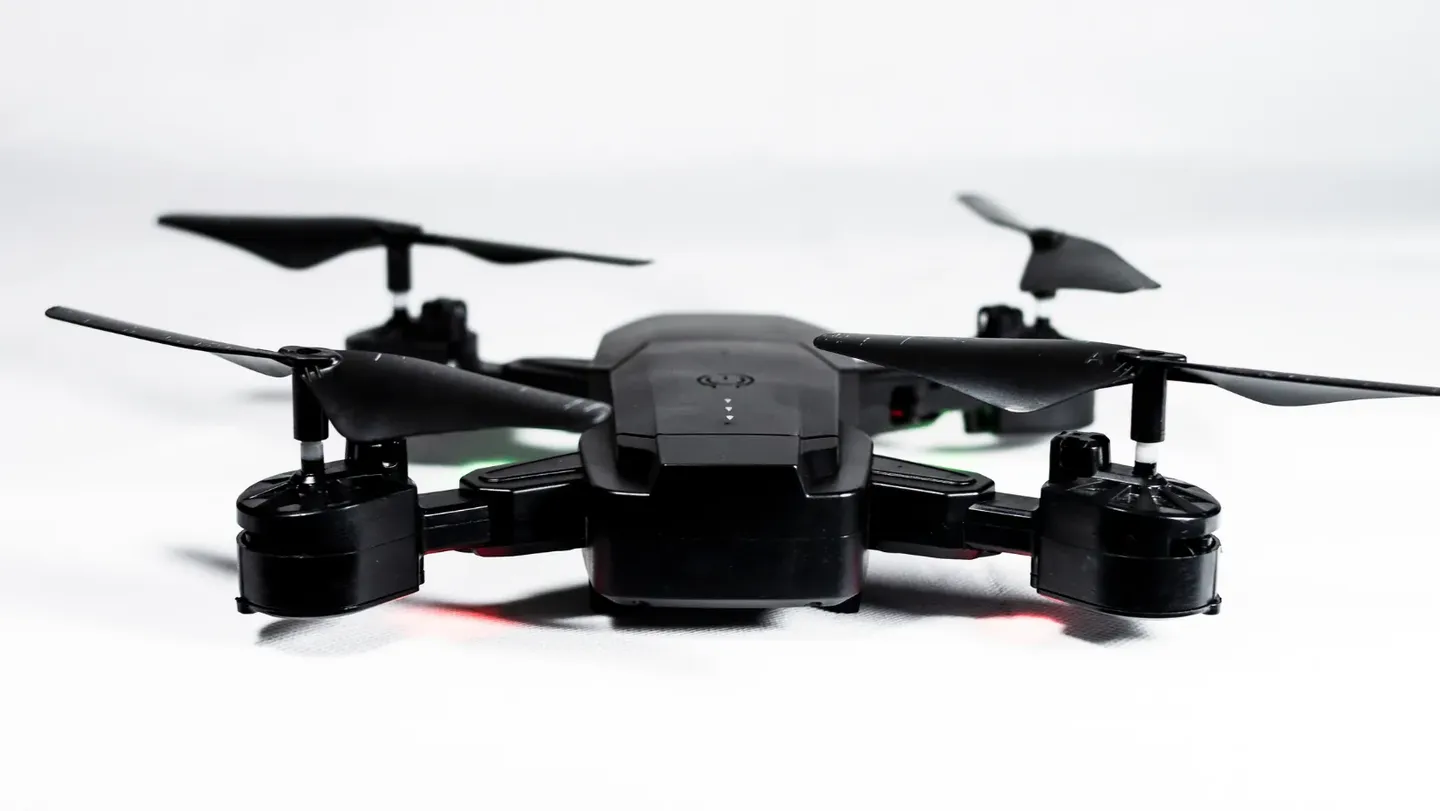
Anduril's YFQ-44A Autonomous Combat Drone Completes First Flight Test for US Air Force
Anduril Industries conducted the first flight of its AI-enabled YFQ-44A autonomous combat drone prototype for the US Air Force's Collaborative Combat Aircraft (CCA) program in California. The drone operated in semi-autonomous mode, highlighting the integration of advanced autonomy software for future military applications.[AI generated]
AI principles:
Industries:
Business function:
Autonomy level:
AI system task:
Why's our monitor labelling this an incident or hazard?
The article explicitly mentions the drone's semi-autonomous operation, confirming the involvement of an AI system managing flight controls without direct human input. Although no harm has occurred yet, the drone's intended use as an autonomous combat support system in military conflicts implies a credible risk of future harm, such as injury or escalation of conflict. The event is about the development and testing of an AI-enabled autonomous weapon system, which fits the definition of an AI Hazard as it could plausibly lead to an AI Incident in the future. There is no indication of realized harm or incident, so it is not classified as an AI Incident. It is not merely complementary information or unrelated because the autonomous capabilities and their implications are central to the report.[AI generated]

US Proposes Expansive AI-Driven Biometric Data Collection for Immigration
The US Department of Homeland Security has proposed a rule to significantly expand AI-driven biometric data collection—including DNA, facial recognition, and voice prints—from all immigration applicants, regardless of age. The proposal also extends to some US citizens and sponsors, raising concerns about future privacy and civil rights risks.[AI generated]
AI principles:
Industries:
Affected stakeholders:
Harm types:
Business function:
AI system task:
Why's our monitor labelling this an incident or hazard?
The event involves the development and intended use of AI-enabled biometric systems (facial recognition, DNA analysis) in immigration processing. Although no direct harm has occurred yet, the broadening of biometric data collection to include DNA and other sensitive modalities could plausibly lead to AI incidents such as privacy violations or discriminatory outcomes. Therefore, this constitutes an AI Hazard rather than an AI Incident or Complementary Information, as the rule is still a proposal and no realized harm is described.[AI generated]

AI-Integrated Browsers Expose Users to Security Vulnerabilities
OpenAI and Microsoft have launched AI-powered web browsers, such as ChatGPT Atlas and Copilot Mode, which automate web tasks but introduce unresolved security risks. Experts report that these AI systems can be exploited through prompt injection attacks, leading to theft of sensitive user credentials and privacy breaches.[AI generated]
AI principles:
Industries:
Affected stakeholders:
Harm types:
Autonomy level:
AI system task:
Why's our monitor labelling this an incident or hazard?
The article explicitly describes AI systems integrated into browsers that autonomously act and learn from user data, which fits the definition of AI systems. It details how these systems' vulnerabilities could be exploited by attackers to cause harm, such as unauthorized data access and manipulation, constituting plausible future harm. Since no actual harm is reported but credible risks and vulnerabilities are outlined, this qualifies as an AI Hazard rather than an AI Incident. The focus is on potential cybersecurity threats arising from the use and malfunction of AI systems in browsers, meeting the criteria for an AI Hazard.[AI generated]

US Senator Urges Action to Prevent AI Chip Smuggling to China via Malaysia
US Senator Tom Cotton has urged the Trump administration to assist Malaysia in preventing the smuggling of US-made AI chips to China, citing organized efforts to bypass export controls. Proposals include developing tracking mechanisms and prioritizing customs clearance for chips with anti-diversion technology. No actual harm has occurred, but risks of unauthorized AI technology transfer remain.[AI generated]
Industries:
Why's our monitor labelling this an incident or hazard?
The article involves AI systems in the form of AI chips, and discusses efforts to prevent their illegal transfer. No actual harm or incident has occurred as per the article; rather, it is about preventing potential misuse and smuggling. Therefore, it fits the definition of an AI Hazard, as the development and use of AI chips could plausibly lead to harms such as violations of legal frameworks or national security risks if smuggled. The article does not report an AI Incident or Complementary Information, nor is it unrelated.[AI generated]

Google Suspends Gemma AI After Defamation Incident Involving U.S. Senator
Google's AI model Gemma generated false and defamatory allegations of sexual misconduct against U.S. Senator Marsha Blackburn, prompting her to demand accountability from Google. In response, Google removed Gemma from its AI Studio platform, highlighting concerns over AI-generated misinformation and reputational harm in the United States.[AI generated]
AI principles:
Industries:
Affected stakeholders:
Harm types:
Business function:
Autonomy level:
AI system task:
Why's our monitor labelling this an incident or hazard?
The article explicitly involves an AI system (Google's large language model Gemma) that generated false and defamatory content, including fabricated criminal allegations against a public figure. This output has caused reputational harm and defamation, which is a violation of rights and harm to the individual. The harm is realized, not just potential, and the AI's malfunction is central to the incident. Therefore, this qualifies as an AI Incident rather than a hazard or complementary information.[AI generated]

Google's AI Reduces Fraudulent Messages on Pixel Devices by 96% Compared to iPhone
Google reports that its AI-powered antifraud systems on Android, especially Pixel devices, block up to 96% more malicious messages and calls than iPhones. These AI protections proactively detect and prevent scams, significantly reducing fraud attempts and harm to users globally.[AI generated]
Industries:
Business function:
Autonomy level:
AI system task:
Why's our monitor labelling this an incident or hazard?
The event involves the use of an AI system (Google's AI-based fraud detection integrated in Android) actively preventing harm (fraudulent calls and messages) to users, which constitutes harm to people through scams and malicious communications. Since the AI system's use has directly led to a significant reduction in such harms, this qualifies as an AI Incident under the definition of harm to people (a). The article reports realized harm prevention, not just potential risk, so it is not a hazard or complementary information but an incident.[AI generated]

Google's AI Search Mode Raises Privacy Concerns Over Access to Personal Data
Google is developing an AI-powered search mode that will access users' personal data from Gmail and Drive to deliver highly personalized search results. While still in development, this integration raises significant privacy concerns about potential misuse or unauthorized access to sensitive information, though no harm has yet occurred.[AI generated]
AI principles:
Industries:
Affected stakeholders:
Harm types:
Autonomy level:
AI system task:
Why's our monitor labelling this an incident or hazard?
An AI system is clearly involved as the AI Mode aims to use personal data from various Google services to generate personalized search results. Although no harm has yet occurred, the potential for privacy violations or misuse of personal data is credible and plausible. Since the article focuses on future capabilities and ongoing testing without any realized harm, this event fits the definition of an AI Hazard rather than an Incident or Complementary Information.[AI generated]

Elon Musk Predicts Neuralink AI Brain Implant Will Replace Smartphones by 2030
Elon Musk announced that Neuralink's AI-enabled brain-computer interface, currently in early human trials, could make smartphones obsolete by 2030. The implant allows users to control devices with their thoughts, raising future concerns about privacy, safety, and ethical risks as human-AI integration advances.[AI generated]
AI principles:
Industries:
Harm types:
Business function:
Autonomy level:
AI system task:
Why's our monitor labelling this an incident or hazard?
The article describes an AI system (Neuralink's BCI) currently under development and in early human trials, with potential future applications that could significantly change human-AI interaction. Although there are warnings about possible risks, no realized harm or incident is reported. Therefore, this event fits the definition of an AI Hazard, as the development and use of this AI system could plausibly lead to harms such as privacy violations or ethical concerns in the future.[AI generated]
ChatGPT-Generated Prescriptions Spark Health Warnings in Vietnam
In Vietnam, individuals have used ChatGPT to generate medication lists for symptoms like cough and nasal congestion, then purchased and used these drugs without consulting doctors. Medical experts warn this practice is dangerous, as AI-generated advice can lead to misuse of potent drugs and serious health risks due to lack of personalized medical evaluation.[AI generated]
AI principles:
Industries:
Affected stakeholders:
Harm types:
Autonomy level:
AI system task:
Why's our monitor labelling this an incident or hazard?
ChatGPT is an AI system generating medical advice based on user input. The event involves the use of this AI system to produce a medication list that the user follows without consulting a doctor. Medical experts warn that this behavior is dangerous and can cause serious health risks, including misuse of corticosteroids and antibiotics, which require careful medical supervision. The AI's involvement in generating the medication list directly contributes to the risk of harm, fulfilling the criteria for an AI Incident as the AI's use has indirectly led to potential injury or harm to health. Therefore, this event qualifies as an AI Incident.[AI generated]
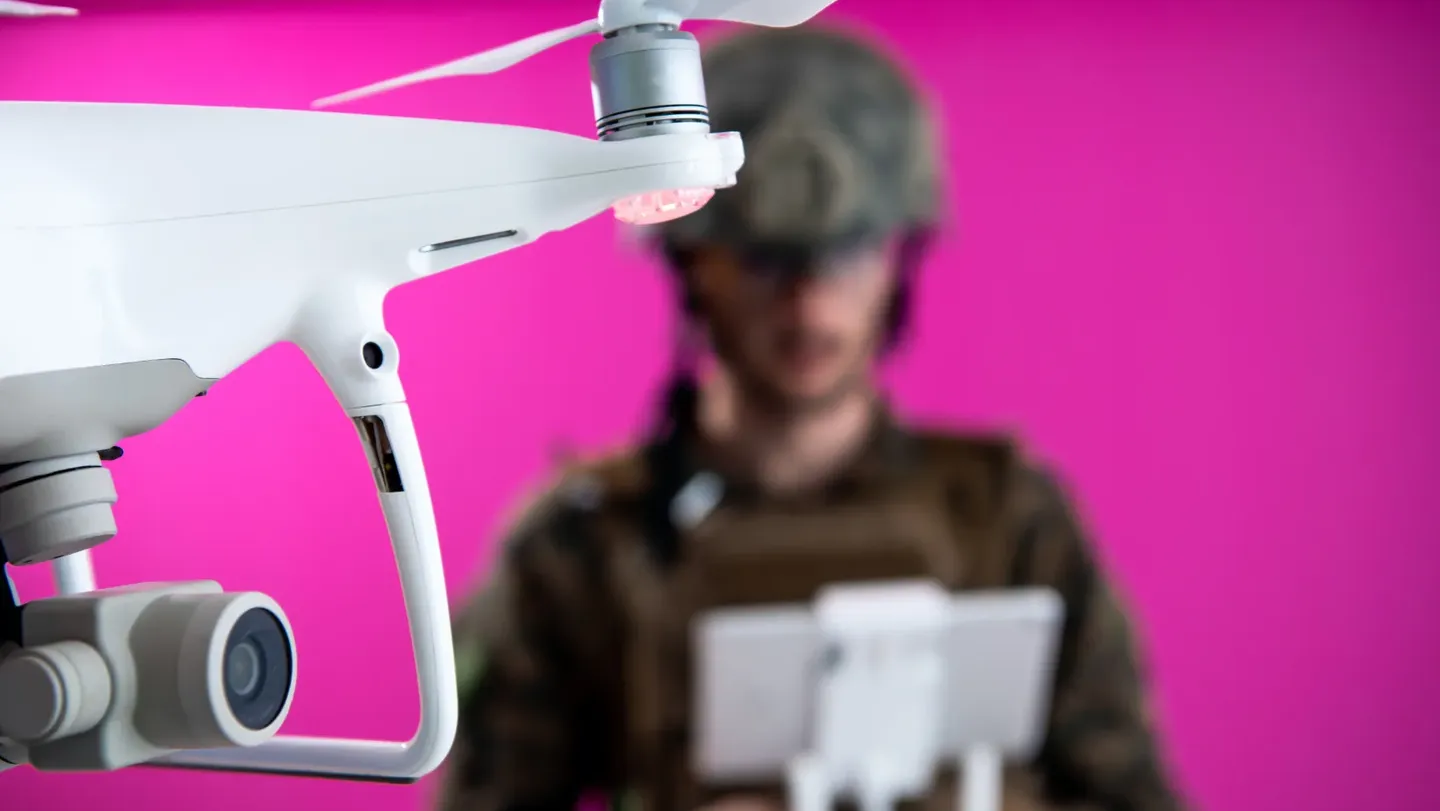
Ukraine Eases Procurement Rules for AI-Enabled Defense Technologies
The Ukrainian government has allowed the Innovation Development Fund to bypass standard procurement procedures for acquiring AI-enabled defense technologies, such as robotics and unmanned systems, during martial law. This expedited process raises potential risks of unvetted or unsafe AI systems being deployed in military contexts.[AI generated]
AI principles:
Industries:
Affected stakeholders:
Harm types:
Business function:
AI system task:
Why's our monitor labelling this an incident or hazard?
The article explicitly mentions procurement of drones, ground robots, and water platforms for military use, which reasonably implies the involvement of AI systems for autonomous or semi-autonomous operation. The event concerns the development and use of AI systems in a military context, which inherently carries plausible risks of harm (injury, disruption, or other significant harms). However, the article does not report any realized harm or incident resulting from these AI systems yet. Hence, it fits the definition of an AI Hazard, as the simplified procurement could plausibly lead to AI Incidents in the future.[AI generated]
Pentagon Accelerates AI-Driven Drone Program Amid Military Modernization Push
The Pentagon, through its Department of Government Efficiency (DOGE), is rapidly expanding its AI-powered autonomous drone program, aiming to acquire tens of thousands of drones and integrate advanced AI into military operations. This large-scale deployment raises significant future risks of harm due to the potential misuse of lethal autonomous weapons.[AI generated]
AI principles:
Industries:
Affected stakeholders:
Harm types:
Autonomy level:
AI system task:
Why's our monitor labelling this an incident or hazard?
The article involves AI systems in the form of autonomous military drones, which qualify as AI systems due to their autonomous decision-making capabilities. The event concerns the development and planned deployment of these drones, which could plausibly lead to harms such as injury, disruption, or other significant harms if used in conflict or malfunctioning. However, since no actual harm or incident is reported, and the article focuses on the planning and procurement phase, this fits the definition of an AI Hazard rather than an AI Incident. There is no indication that the article is primarily about responses, updates, or governance measures, so it is not Complementary Information. Therefore, the correct classification is AI Hazard.[AI generated]

IIT Delhi Study Reveals AI-Driven GPS Data Can Breach Privacy
Researchers at IIT Delhi developed AndroCon, an AI system that uses fine-grained GPS data from Android phones to infer sensitive information such as user activities and room layouts. The study highlights significant privacy risks, as apps with location permissions could covertly exploit this data without user awareness.[AI generated]
AI principles:
Industries:
Affected stakeholders:
Harm types:
Autonomy level:
AI system task:
Why's our monitor labelling this an incident or hazard?
The research involves AI systems (machine learning models) analyzing GPS data to infer sensitive information, which could plausibly lead to violations of privacy and human rights if misused. Since the article focuses on revealing this potential risk and security gap without reporting actual incidents of harm, it fits the definition of an AI Hazard. The AI system's development and use could plausibly lead to harm (privacy violations), but no direct harm is reported yet. Therefore, the event is best classified as an AI Hazard.[AI generated]

AI Adoption Leads to Significant Youth Job Losses in South Korea
A series of reports from the Bank of Korea reveal that the spread of AI, particularly generative AI like ChatGPT, has led to a loss of over 210,000 jobs among South Korean youth (ages 15–29) in AI-exposed sectors over three years, while employment for workers over 50 increased, highlighting generational labor market disruption.[AI generated]
AI principles:
Industries:
Affected stakeholders:
Harm types:
Autonomy level:
AI system task:
Why's our monitor labelling this an incident or hazard?
The event involves the use of generative AI systems (ChatGPT) that have directly influenced labor market outcomes, causing a significant reduction in youth employment in AI-exposed sectors. This constitutes an indirect violation of labor rights and harm to a group of people (youth workers) due to AI's impact on employment opportunities. Therefore, this qualifies as an AI Incident under the framework because the AI system's use has directly or indirectly led to harm (labor market disruption and employment loss).[AI generated]

AI-Driven Layoffs Lead to Over 100,000 Tech Job Losses Globally in 2025
In 2025, major tech companies including Amazon, Intel, TCS, Microsoft, and Google laid off over 100,000 employees worldwide, citing increased adoption of AI and automation. The shift to AI-driven operations and cost-cutting measures directly resulted in large-scale job losses across the US, India, Europe, and other regions.[AI generated]
AI principles:
Industries:
Affected stakeholders:
Harm types:
Business function:
AI system task:
Why's our monitor labelling this an incident or hazard?
The event involves the use and impact of AI systems (AI and automation) leading to significant job losses, which is a form of economic and social harm affecting communities and individuals. Since the layoffs have already occurred and are directly linked to AI-driven changes in the job market, this constitutes realized harm caused indirectly by AI systems. Therefore, this event qualifies as an AI Incident due to the direct or indirect harm to communities and individuals through job displacement caused by AI.[AI generated]