





















These tools and metrics are designed to help AI actors develop and use trustworthy AI systems and applications that respect human rights and are fair, transparent, explainable, robust, secure and safe.
AI Compliancy
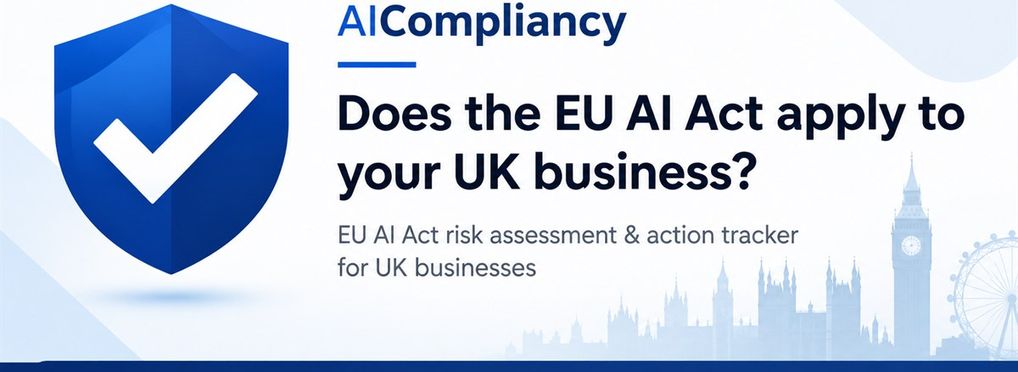
AI Compliancy is an online tool that helps small and medium-sized businesses (SMEs) in the United Kingdom prepare for the EU AI Act. The tool AI deployers understand their obligations and document their preparation. However, the tool serves as general guidance only and it does not certify compliance.
Users first answer a short questionnaire to check whether the Act applies to them. They then work through four steps. First, they build a library of the software their business uses; catalogued software comes with its AI features already documented. Second, they assess each AI tool by recording which features are switched on and what they are used for and answering questions that show which risk category each use falls into. Third, they work through the resulting obligations, recording what the business does against each one. Fourth, they generate a dated report showing their AI tools, how they are used and which obligations are complete or still open. Each obligation links to the relevant text of the Act. The site also offers a free 16-minute AI literacy training video for staff.
About the tool
You can click on the links to see the associated tools
Tool type(s):
Objective(s):
Impacted stakeholders:
Purpose(s):
Target sector(s):
Country/Territory of origin:
Lifecycle stage(s):
Type of approach:
Maturity:
Usage rights:
License:
Target groups:
Target users:
Stakeholder group:
Validity:
Geographical scope:
People involved:
Required skills:
Technology platforms:
Tags:
- ai governance
- transparency
- eu ai act
- ai literacy
- regulatory compliance
- risk assessment
- digital omnibus
- obligation
Use Cases
Would you like to submit a use case for this tool?
If you have used this tool, we would love to know more about your experience.
Add use case

 Partnership on AI