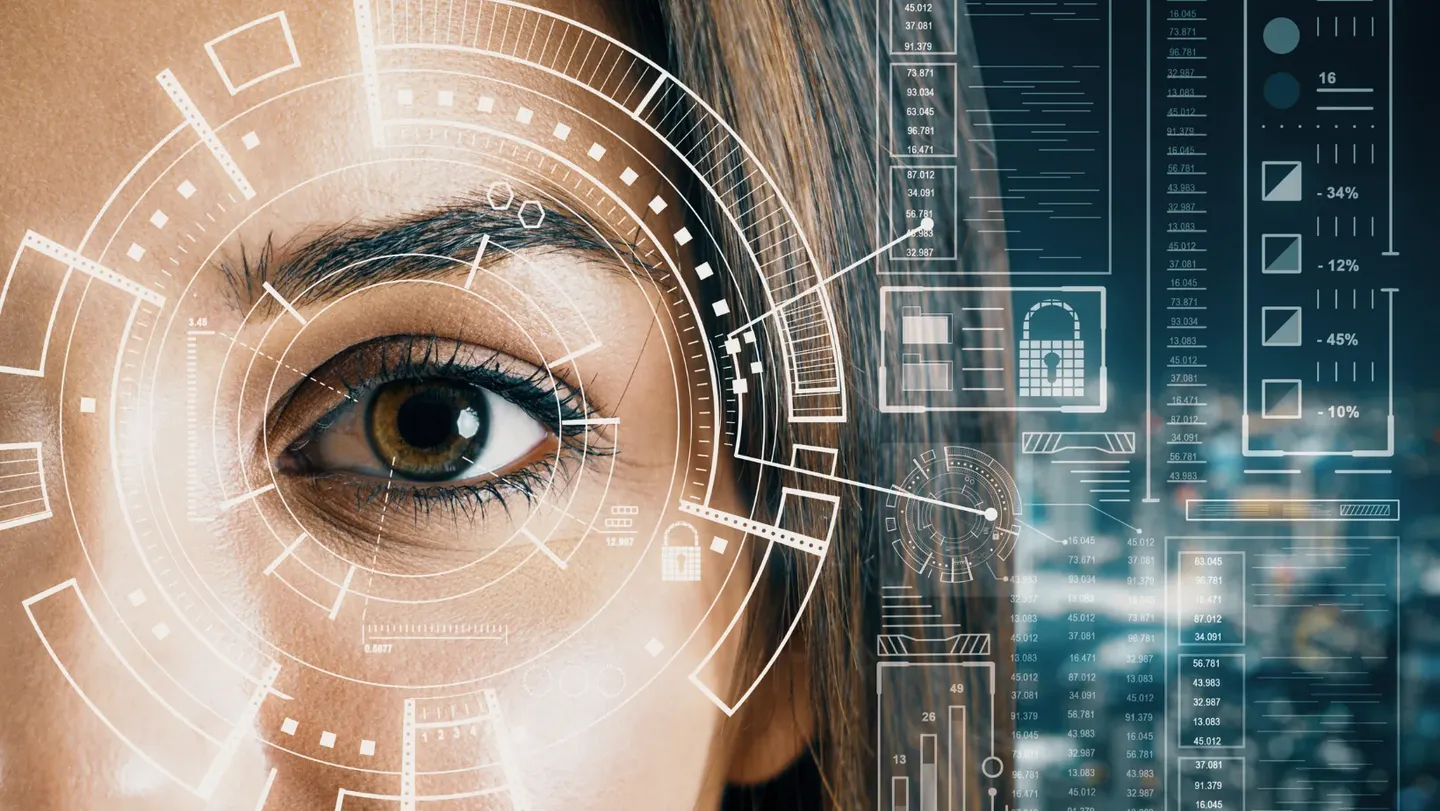
India Deploys AI Facial Recognition to Monitor Protesters, Raising Human Rights Concerns

Thumbnail Image

The information displayed in the AIM should not be reported as representing the official views of the OECD or of its member countries.

The Indian government, led by Prime Minister Narendra Modi, has deployed AI-powered facial recognition systems during protests and public events, including in Delhi. Critics warn this mass surveillance threatens privacy and suppresses dissent, especially amid ongoing protests against a controversial citizenship law, with at least 25 protest-related deaths reported.[AI generated]

Why's our monitor labelling this an incident or hazard?

The event involves the use of an AI system (automated facial recognition) in a context where it is actively used by police to identify and monitor individuals, including protesters, which has led to concerns about violations of privacy and human rights. The system's deployment is linked to real harms such as suppression of political dissent and potential misuse for social control. The lack of legal frameworks and oversight exacerbates these harms. Since the AI system's use has directly led to violations of fundamental rights and harm to communities, this fits the definition of an AI Incident rather than a hazard or complementary information.[AI generated]
AI principles
Privacy & data governanceRespect of human rightsTransparency & explainabilityDemocracy & human autonomyAccountability

Industries
Government, security, and defence

Affected stakeholders
General publicCivil society

Harm types
Human or fundamental rightsPublic interest

AI system task:
Recognition/object detection


Articles about this incident or hazard