The information displayed in the AIM should not be reported as representing the official views of the OECD or of its member countries.
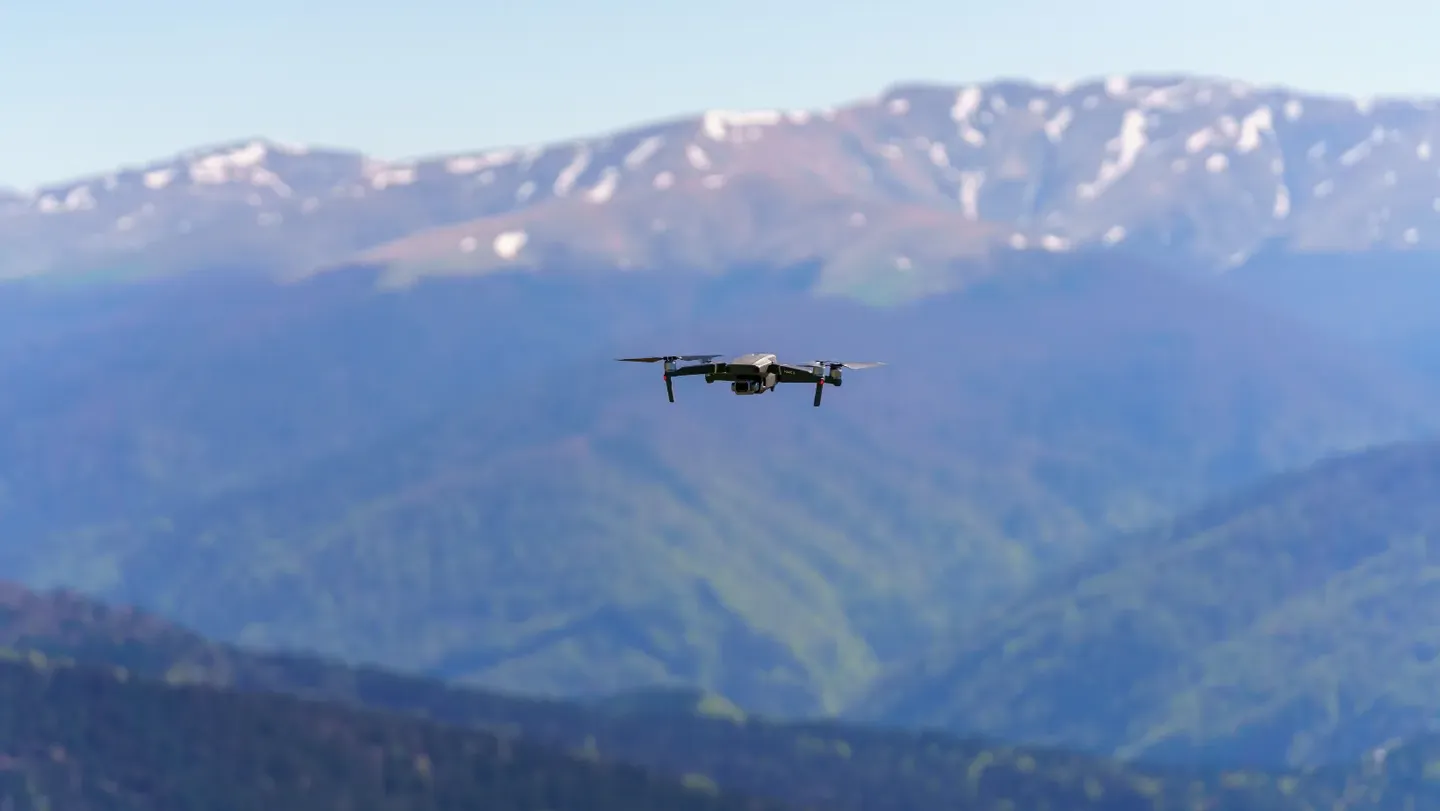
Police in Daytona Beach and Connecticut considered using AI-enabled drones to remotely detect fevers during the pandemic, but halted plans after civil liberties advocates raised concerns about privacy violations, data accuracy, and potential misuse of sensitive health information. No harm occurred, but significant risks of rights violations were highlighted.[AI generated]
Why's our monitor labelling this an incident or hazard?
The drones are AI systems capable of remote sensing and data processing, used or intended to be used for temperature surveillance. The event involves the use and potential misuse of these AI systems in ways that could violate privacy and constitutional rights, which are human rights violations under the framework. Although no direct harm has been realized because the plans were stopped or limited, the plausible future harm of intrusive surveillance and privacy violations is credible and significant. Hence, this is an AI Hazard. It is not an AI Incident because no actual harm has occurred yet, and it is not Complementary Information because the main focus is on the potential privacy risks and government use of AI surveillance technology, not on responses or updates to a prior incident. It is not Unrelated because AI systems are clearly involved and the event concerns their use and potential harm.[AI generated]


























