AI-Enabled Drones Used for Policing and Warfare Cause Privacy and Physical Harm Concerns

Thumbnail Image

The information displayed in the AIM should not be reported as representing the official views of the OECD or of its member countries.

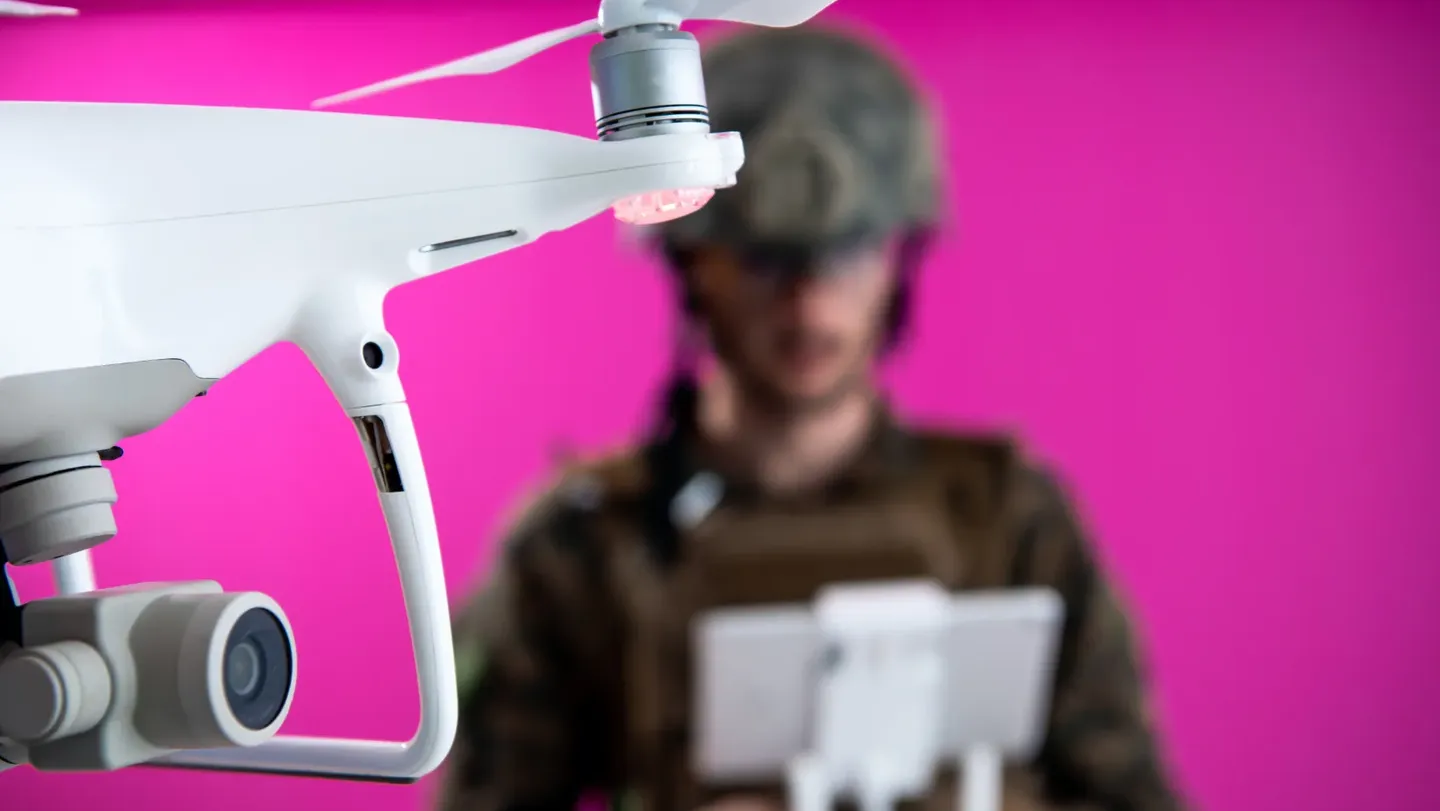
Elizabeth, New Jersey, deployed Chinese AI-powered drones to enforce social distancing, raising privacy and data-sharing concerns. Separately, military and terrorist use of autonomous drones has resulted in injuries, deaths, and infrastructure damage, highlighting the direct harms and risks associated with AI-driven drone technology in both civilian and combat contexts.[AI generated]

Why's our monitor labelling this an incident or hazard?

The article involves AI-enabled armed drones, which are AI systems capable of autonomous or semi-autonomous operation. However, no incident or harm has occurred yet; the discussion is about whether to purchase such drones and the ethical concerns involved. This constitutes a plausible future risk of harm if such drones are deployed, but no direct or indirect harm has materialized. Therefore, this event fits the definition of an AI Hazard, as the development and potential use of armed drones could plausibly lead to harms such as injury, violations of rights, or harm to communities.[AI generated]
AI principles
AccountabilityPrivacy & data governanceTransparency & explainabilityRespect of human rightsSafety

Industries
Government, security, and defenceRobots, sensors, and IT hardware

Affected stakeholders
General public

Harm types
Physical (injury)Physical (death)Economic/PropertyHuman or fundamental rights

Business function:
Compliance and justice

AI system task:
Recognition/object detectionGoal-driven organisation


Articles about this incident or hazard