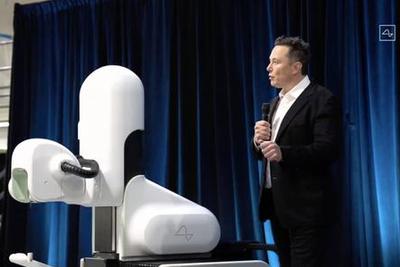
Neuralink and BrainOS Brain-Computer Interface Demonstrations Spark Debate on AI Risks and Potential

Thumbnail Image

The information displayed in the AIM should not be reported as representing the official views of the OECD or of its member countries.

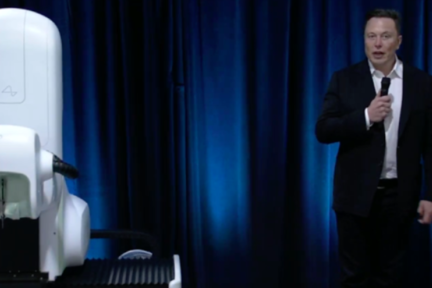
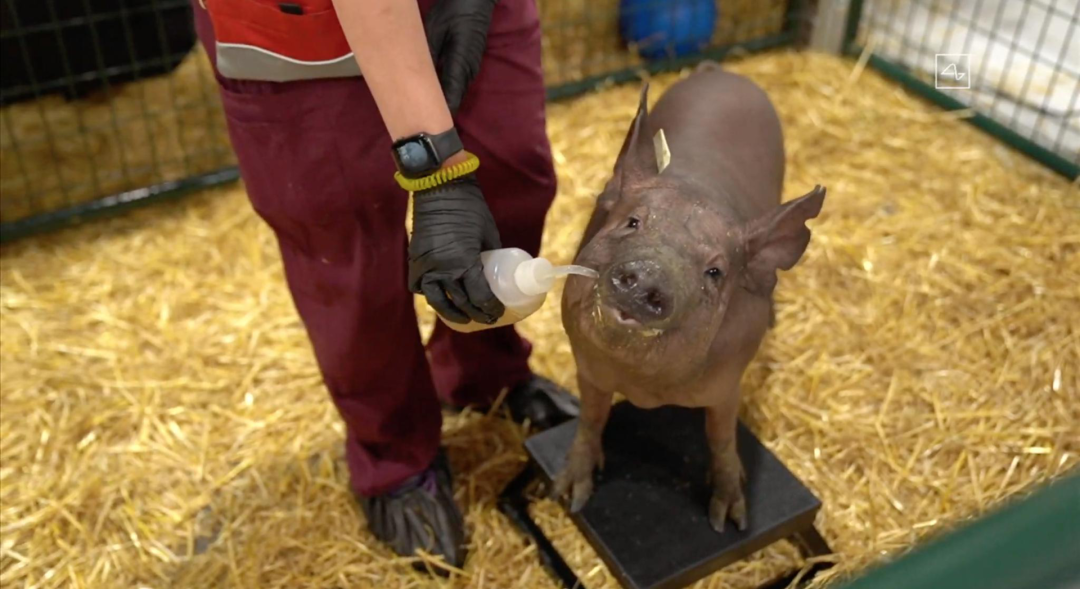
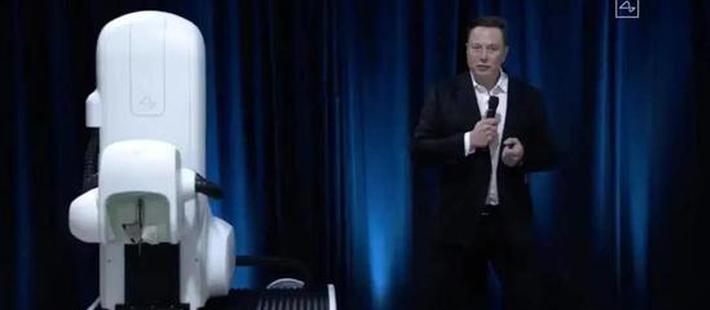
Recent demonstrations by Neuralink and BrainCo showcased advanced brain-computer interface (BCI) technologies capable of reading and transmitting brain signals. While these AI-driven systems promise medical breakthroughs, experts emphasize current limitations and highlight ongoing societal and ethical concerns about future risks, including behavioral manipulation and privacy.[AI generated]

Why's our monitor labelling this an incident or hazard?

The article discusses the development and potential use of an AI-enabled brain-machine interface system (Neuralink) and includes expert opinion warning about possible adverse effects if broadly applied. However, no actual harm or incident has occurred yet. The concerns relate to plausible future harm from the technology's use, fitting the definition of an AI Hazard rather than an AI Incident. There is no indication that the article is primarily about a response to a past incident or a general AI news update without risk implications, so it is not Complementary Information or Unrelated.[AI generated]
AI principles
Privacy & data governanceRespect of human rightsSafetyRobustness & digital securityTransparency & explainabilityAccountabilityDemocracy & human autonomy

Industries
Healthcare, drugs, and biotechnology

Affected stakeholders
ConsumersGeneral public

Harm types
Human or fundamental rightsPsychological

Severity
AI hazard

Business function:
Research and development

AI system task:
Recognition/object detectionForecasting/prediction


Articles about this incident or hazard

Thumbnail Image

脑机接口通信:争议与希望并存

2020-09-02
新华网
Why's our monitor labelling this an incident or hazard?
The event involves an AI system (Neuralink's brain-machine interface) and its development and use. However, the article does not describe any realized harm or incident resulting from the AI system's malfunction or misuse. It discusses potential risks and challenges but does not report any direct or indirect harm. Therefore, it does not qualify as an AI Incident or AI Hazard. The article provides complementary information about the state of the technology, its potential benefits, and societal concerns, fitting the definition of Complementary Information.
Thumbnail Image

新华视点|"脑机接口"火了,还有哪些难题待解?

2020-08-31
新华网
Why's our monitor labelling this an incident or hazard?
The article describes an AI-related technology (brain-machine interface) involving AI systems that interpret brain signals and enable interaction with external devices. However, it does not report any realized harm or incidents resulting from the development, use, or malfunction of such AI systems. Instead, it provides an overview of the technology's progress, challenges, and ethical considerations, which fits the definition of Complementary Information. There is no indication of direct or indirect harm, nor a specific plausible hazard event occurring at present.
Thumbnail Image

周鸿祎谈马斯克脑机接口 反对此技术广泛应用

2020-09-02
中关村在线
Why's our monitor labelling this an incident or hazard?
The article discusses the development and potential use of an AI-enabled brain-machine interface system (Neuralink) and includes expert opinion warning about possible adverse effects if broadly applied. However, no actual harm or incident has occurred yet. The concerns relate to plausible future harm from the technology's use, fitting the definition of an AI Hazard rather than an AI Incident. There is no indication that the article is primarily about a response to a past incident or a general AI news update without risk implications, so it is not Complementary Information or Unrelated.
Thumbnail Image

多位神经学家质疑马斯克脑机接口 马斯克回应:人类的不幸

2020-09-03
chinaz.com
Why's our monitor labelling this an incident or hazard?
The Neuralink device is an AI system as it processes neural signals and aims to influence or interpret brain activity. The criticisms and warnings from experts and public figures about safety risks and ethical concerns indicate plausible future harms related to the AI system's use. However, no actual injury, rights violation, or other harm has been reported as having occurred yet. Therefore, this event fits the definition of an AI Hazard, reflecting credible potential risks rather than an AI Incident or Complementary Information.
Thumbnail Image

周鸿祎强烈反对脑机接口广泛应用:应该用来帮助残障人士

2020-09-02
chinaz.com
Why's our monitor labelling this an incident or hazard?
The Neuralink device is an AI system that interfaces directly with the brain, enabling advanced functionalities such as memory upload/download and device control. Zhou Hongyi's warnings about the risks of widespread use, including brain hacking and privacy violations, indicate plausible future harms. Although the demonstration of the pig implant shows current development progress, no actual harm has been reported. The event thus represents a credible AI Hazard rather than an incident or complementary information, as it focuses on potential risks rather than realized harm or responses to past incidents.
Thumbnail Image

[评论]马斯克的"人机共生"是不是在玩火 - cnBeta.COM 移动版

2020-09-01
cnBeta.COM
Why's our monitor labelling this an incident or hazard?
The article explicitly involves an AI system (Neuralink's brain-machine interface) and discusses its development and potential use in humans. It outlines plausible future harms including physical injury from invasive implantation, ethical violations, loss of autonomy, and societal disruption due to enhanced or controlled individuals. These concerns fit the definition of an AI Hazard, as the AI system's use could plausibly lead to harms such as injury, violation of rights, and harm to communities. Since no actual harm is reported as having occurred yet, it does not qualify as an AI Incident. The article is not merely complementary information or unrelated news, but a reasoned discussion of potential risks and ethical issues associated with this AI technology.
Thumbnail Image

周鸿祎谈马斯克"脑机接口":强烈反对该技术广泛应用 - cnBeta.COM 移动版

2020-09-02
cnBeta.COM
Why's our monitor labelling this an incident or hazard?
The article does not describe any actual harm or incident caused by AI or brain-computer interfaces at present, nor does it report a specific event where such technology malfunctioned or was misused. Instead, it presents expert warnings about plausible future risks and challenges associated with the development and potential broad application of brain-computer interfaces, which can be reasonably inferred to involve AI systems. Therefore, this qualifies as an AI Hazard, as it plausibly could lead to harms such as violations of rights, privacy breaches, or security threats if the technology is widely adopted without proper safeguards.
Thumbnail Image

卡耐基梅隆大学教授谈马斯克脑机接口:没体现神经解码进展 - AI 人工智能 - cnBeta.COM

2020-09-01
cnBeta.COM
Why's our monitor labelling this an incident or hazard?
The event involves an AI-related system (brain-computer interface with AI-based neural decoding techniques) but does not describe any realized harm or direct risk of harm. The article is an expert assessment of the technology's current capabilities and limitations, focusing on engineering progress rather than neural decoding breakthroughs or any incident. There is no indication that the AI system's development, use, or malfunction has led or could plausibly lead to injury, rights violations, or other harms. Therefore, it does not meet the criteria for AI Incident or AI Hazard. Instead, it provides complementary information about the state of AI and BCI technology and expert perspectives, fitting the definition of Complementary Information.
Thumbnail Image

新闻分析:马斯克和他的“三只小猪”展示了什么

2020-09-01
东方财富网
Why's our monitor labelling this an incident or hazard?
The article centers on a public demonstration of brain-machine interface technology and discusses its potential, challenges, and risks without describing any realized harm or incident. The involvement of AI is implicit in the BMI technology's signal decoding and processing, but no direct or indirect harm has occurred. The article also highlights ethical and security concerns as future risks but does not report an event where these risks materialized. Therefore, the content is best classified as Complementary Information, providing context and updates on AI-related technological development and societal implications.
Thumbnail Image

解读Neuralink最新脑机接口设备,3年内实现"人机共生"真有可能?_详细解读_最新资讯_热点事件_36氪

2020-08-31
36氪:关注互联网创业
Why's our monitor labelling this an incident or hazard?
The article clearly involves an AI system, specifically an invasive brain-computer interface that uses AI to read and write neural signals. The development and use of such a system could plausibly lead to significant harms, including health risks from surgery, potential violations of human rights, or other harms if the technology is misused or malfunctions. However, the article does not describe any actual harm or incident resulting from the AI system's use or malfunction. It mainly reports on progress, technical details, and future plans, which aligns with the definition of an AI Hazard rather than an AI Incident or Complementary Information. The focus is on plausible future harm rather than realized harm or governance responses.
Thumbnail Image

马斯克的脑机生意:找找亮点,再泼一盆冷水

2020-09-02
tmtpost.com
Why's our monitor labelling this an incident or hazard?
The article describes the development and demonstration of an AI-related brain-computer interface system but does not report any realized harm or incident resulting from its use or malfunction. It discusses potential future applications and challenges but does not indicate any plausible immediate harm or hazard. The main focus is on informing and contextualizing the technology's status and potential, which fits the definition of Complementary Information rather than an AI Incident or AI Hazard.
Thumbnail Image

马斯克的发布会结束了,留给了我们一场梦

2020-09-01
tmtpost.com
Why's our monitor labelling this an incident or hazard?
The article describes the development and demonstration of an AI-related brain-machine interface system but does not report any realized harm or incident resulting from its use or malfunction. It highlights potential future concerns and societal debates but does not document any event where the AI system has directly or indirectly caused injury, rights violations, or other harms. Therefore, it does not meet the criteria for an AI Incident or AI Hazard. Instead, it serves as complementary information providing context, background, and societal perspectives on the evolving AI ecosystem related to brain-machine interfaces.
Thumbnail Image

马斯克的"人机共生"是不是在玩火

2020-09-02
凤凰网(凤凰新媒体)
Why's our monitor labelling this an incident or hazard?
The article explicitly involves an AI system—Neuralink's brain-machine interface device that reads and stimulates brain activity using AI technologies. The event centers on the development and testing of this invasive AI system in animals with the goal of human application. Although no direct harm to humans has occurred yet, the article outlines multiple plausible future harms such as physical injury from implantation, immune rejection, ethical violations, loss of autonomy, and societal inequality or control. These potential harms stem from the AI system's development and intended use. Since the harms are not yet realized but are credible and significant, the event fits the definition of an AI Hazard rather than an AI Incident. It is not merely complementary information because the focus is on the risks and ethical concerns of the AI system's deployment, not on responses or updates to past incidents.
Thumbnail Image

三只小猪一场“秀” 脑机研究再度走热

2020-09-01
赛迪网
Why's our monitor labelling this an incident or hazard?
The article clearly describes an AI system (Neuralink's brain implant and surgical robot) being developed and used in animal experiments. No direct harm or rights violations are reported; the pigs remain healthy and the system is FDA-recognized for safety at this stage. However, the technology's invasive nature, potential for human trials, and ethical considerations imply plausible future risks of harm or rights violations. Since no actual harm has occurred yet, but plausible future harm is credible, the event fits the definition of an AI Hazard rather than an AI Incident or Complementary Information. It is not unrelated because the AI system is central to the event.
Thumbnail Image

马斯克靠三只小猪掀起新一轮"脑机狂潮"

2020-09-01
和讯网
Why's our monitor labelling this an incident or hazard?
The article clearly involves an AI system (Neuralink's brain-machine interface) used in animal experiments. The use and development of the AI system are central to the event. However, there is no indication of injury, harm, rights violations, or other harms caused by the AI system. The article focuses on the demonstration of the technology, its potential applications, and the broader context of brain-machine interfaces, including ethical and societal challenges. Since no actual harm or plausible immediate harm is described, and the main focus is on providing detailed information and context about the AI system and its ecosystem, the event is best classified as Complementary Information.
Thumbnail Image

周鸿:强烈反对脑机接口技术广泛应用

2020-09-02
金融界网
Why's our monitor labelling this an incident or hazard?
The article centers on the potential risks and ethical challenges posed by the development and possible widespread use of brain-machine interfaces, which involve AI systems capable of interpreting and interacting with human brain signals. Although no actual harm or incident has occurred yet, the concerns raised about forced installation, continuous online connectivity, and cybersecurity threats represent credible risks that could plausibly lead to AI incidents in the future. Therefore, this qualifies as an AI Hazard rather than an AI Incident or Complementary Information.
Thumbnail Image

新华视点:“脑机接口”火了,还有哪些难题待解?

2020-09-01
扬子网(扬子晚报)
Why's our monitor labelling this an incident or hazard?
The article centers on the development and demonstration of a brain-machine interface system, which involves AI components for decoding brain signals and controlling external devices. However, it does not describe any direct or indirect harm caused by the AI system, nor does it report any incident or accident. The discussion of challenges and future potential risks is general and does not specify any imminent or plausible harm event. Therefore, the article is best classified as Complementary Information, as it provides context, expert analysis, and governance considerations related to AI technology without reporting a new AI Incident or AI Hazard.
Thumbnail Image

“脑机接口”火了,还有哪些难题待解?

2020-08-31
扬子网(扬子晚报)
Why's our monitor labelling this an incident or hazard?
The article explicitly involves an AI system in the form of a brain-computer interface that processes brain signals to generate outputs and commands. However, it does not describe any realized harm or incident resulting from the use or malfunction of this AI system. Nor does it describe a specific event where harm was narrowly avoided or a credible imminent risk. Instead, it focuses on the current technological progress, challenges, ethical concerns, and future prospects of BCI technology. This fits the definition of Complementary Information, as it provides context and updates on AI-related developments and governance without reporting a new AI Incident or AI Hazard.
Thumbnail Image

脑机接口人类智能操作系统 BrainOS发布

2020-09-01
杭州网
Why's our monitor labelling this an incident or hazard?
The event involves an AI system (BrainOS) that uses brain signals to control devices, which fits the definition of an AI system. However, the article focuses on the announcement and demonstration of the technology and its potential applications without reporting any actual harm, malfunction, or misuse. There is no indication that the system has caused injury, rights violations, disruption, or other harms, nor that it poses an immediate credible risk of such harms. Therefore, it does not qualify as an AI Incident or AI Hazard. The article primarily provides contextual and developmental information about the AI system and its ecosystem, which aligns with the definition of Complementary Information.
Thumbnail Image

04脑机接口新进展:漫谈马斯克的人机共...

2020-09-01
华商网
Why's our monitor labelling this an incident or hazard?
The article explicitly involves an AI-related system (brain-computer interface) that interacts with neural signals and has received FDA approval for human trials, indicating advanced AI integration. However, it does not report any realized harm, injury, rights violation, or disruption caused by the system. The discussion of potential future risks and ethical concerns is speculative and does not describe a specific plausible hazard event. Therefore, the content is best classified as Complementary Information, providing context and updates on AI technology and its societal implications without describing an AI Incident or AI Hazard.
Thumbnail Image

马斯克脑机接口走近现实 周鸿忧虑人脑数据安全

2020-09-02
金融界网
Why's our monitor labelling this an incident or hazard?
The event involves the development and potential use of an AI-related system (brain-computer interface technology) that could plausibly lead to significant harms such as violations of privacy, autonomy, and cybersecurity threats to human brain data. The concerns about forced installation, permanent online connectivity, and the consequences of service denial illustrate credible risks of harm to individuals and society. Since the harms are potential and not yet realized, this qualifies as an AI Hazard rather than an AI Incident. The article also discusses governance and security responses, but the main focus is on the plausible future harms from the technology's use.
Thumbnail Image

给小猪装上了脑机接口 这家公司究竟是咋回事?

2020-08-31
iask.ca
Why's our monitor labelling this an incident or hazard?
The article explicitly mentions AI-related brain-computer interfaces developed by Neuralink and similar companies, which qualify as AI systems due to their complex data processing and decision-making capabilities. However, no direct or indirect harm has occurred or is described as occurring. The article focuses on the technology's development, potential benefits, and societal implications, rather than any realized or imminent harm. Thus, it fits the definition of Complementary Information, providing supporting context and background on AI systems and their ecosystem.
Thumbnail Image

马斯克的脑机生意:大众“高潮”、业内平静

2020-09-02
Baidu.com
Why's our monitor labelling this an incident or hazard?
The event involves an AI system (Neuralink's brain-computer interface) in development and use (animal experiments and planned human trials). However, no actual harm or incident is reported. The article focuses on the technology's current status, potential, and expert views, without describing any realized injury, rights violation, or other harms. Therefore, it does not meet the criteria for an AI Incident or AI Hazard. Instead, it provides complementary information about the AI ecosystem, public perception, and industry responses.
Thumbnail Image

马斯克有了新宠!一只赛博朋克的小猪

2020-08-31
Sina
Why's our monitor labelling this an incident or hazard?
The article involves an AI system (Neuralink's brain-computer interface with AI components) and discusses its development and use. While it highlights plausible future harms such as hacking or loss of autonomy, no direct or indirect harm has yet occurred. Therefore, it fits the definition of an AI Hazard, as the technology could plausibly lead to incidents involving harm to individuals' health, rights, or autonomy in the future. The article also covers broader ethical and societal implications, but these do not constitute realized harm at this stage.
Thumbnail Image

周鸿祎强烈反对马斯克"脑机接口"技术广泛应用:会有人入侵你的大脑

2020-09-03
Sina
Why's our monitor labelling this an incident or hazard?
The article explicitly involves an AI-related system (Neuralink brain-machine interface) and discusses the potential for future harm, such as unauthorized brain access and privacy violations, which could lead to significant harm to individuals' rights and communities. However, no actual harm or incident is reported; the concerns are about plausible future risks. Therefore, this qualifies as an AI Hazard rather than an AI Incident or Complementary Information.
Thumbnail Image

马斯克的"人机共生"是不是在玩火

2020-09-02
Sina
Why's our monitor labelling this an incident or hazard?
The Neuralink device qualifies as an AI system because it involves advanced brain-computer interfacing with real-time neural data processing and stimulation, which is AI-enabled technology. The article focuses on the potential risks and ethical issues of implanting such AI systems in humans, including physical harm from invasive procedures and broader societal harms like control over consciousness and unfair enhancement. Since no actual harm has occurred yet but there is a credible risk of significant harm in the future, this event fits the definition of an AI Hazard rather than an AI Incident. The article does not report any realized injury or rights violations but discusses plausible future harms from the development and use of this AI system.
Thumbnail Image

潘多拉魔盒已打开?周鸿祎:强烈反对"脑机接口"技术广泛应用

2020-09-02
新浪财经
Why's our monitor labelling this an incident or hazard?
The event involves an AI-related system (brain-machine interface technology) that is currently in experimental use (implantation in pigs) and has potential future applications in humans. The article does not report any realized harm or injury caused by the AI system but raises significant concerns about the plausible future risks of widespread BMI adoption, including privacy violations, loss of autonomy, and cybersecurity threats. These concerns align with the definition of an AI Hazard, as the development and potential use of BMI technology could plausibly lead to harms such as violations of rights and harm to communities. Therefore, the event is best classified as an AI Hazard rather than an Incident or Complementary Information.
Thumbnail Image

马斯克的脑机生意:大众"高潮"、业内平静

2020-09-02
Sina
Why's our monitor labelling this an incident or hazard?
The event involves an AI system (Neuralink's brain-computer interface) in development and use (animal experiments and planned human trials). However, no actual harm or violation of rights has occurred or is reported. The article emphasizes the current stage of technology, the challenges ahead, and the potential future benefits, without indicating any direct or indirect harm. Therefore, it does not qualify as an AI Incident or AI Hazard. Instead, it serves as Complementary Information by providing detailed context, expert analysis, and industry insights about the AI system and its ecosystem.
Thumbnail Image

周鸿祎谈马斯克"脑机接口":强烈反对该技术广泛应用

2020-09-02
Sina
Why's our monitor labelling this an incident or hazard?
The article does not report any realized harm or incident caused by the AI system (brain-computer interface). Instead, it focuses on warnings and ethical concerns about the potential future widespread use of BCI technology and its implications for privacy, security, and societal impact. This fits the definition of an AI Hazard, as it plausibly could lead to harms such as violations of rights or security breaches if misused or unregulated. Therefore, the event is best classified as an AI Hazard.
Thumbnail Image

马斯克用猪展示脑机接口,军事潜能不可估量

2020-09-02
网易
Why's our monitor labelling this an incident or hazard?
The event involves an AI system (Neuralink's brain-machine interface) whose development and use could plausibly lead to significant harms, including violations of personal rights and military conflict escalation. Although the article does not report any realized harm or incident, it clearly outlines credible future risks and hazards associated with the technology's military and privacy implications. Therefore, this qualifies as an AI Hazard rather than an AI Incident or Complementary Information.
Thumbnail Image

脑机接口新进展:漫谈马斯克的人机共生与数字永生

2020-08-31
网易
Why's our monitor labelling this an incident or hazard?
The article focuses on the demonstration and future potential of Neuralink's brain-computer interface technology, which involves AI systems for neural signal processing. However, it does not describe any realized harm or incidents resulting from the technology's use or malfunction. The discussion of future possibilities such as digital immortality and human-AI symbiosis is speculative and aspirational, not indicating imminent or plausible harm. The FDA approval for human trials is a regulatory milestone, not an incident or hazard. Thus, the content fits the definition of Complementary Information, as it provides supporting context and updates on AI system development and societal responses without reporting an AI Incident or AI Hazard.
Thumbnail Image

人脑插上数据线会变成什么?科幻电影将成现实

2020-09-02
网易新闻中心
Why's our monitor labelling this an incident or hazard?
The article explicitly mentions AI involvement in brain-computer interfaces, particularly in signal decoding and control, which qualifies as AI system involvement. However, it does not describe any realized harm or direct or indirect incidents caused by these AI systems. It discusses potential future risks and ethical concerns but does not report any event where harm has occurred or is imminent. Thus, it does not meet the criteria for an AI Incident or AI Hazard. Instead, it provides contextual and background information on the technology, its applications, and societal responses, fitting the definition of Complementary Information.
Thumbnail Image

周鸿祎:马斯克"脑机接口"将带来人脑数据安全挑战

2020-09-02
网易科技
Why's our monitor labelling this an incident or hazard?
The article centers on the potential future harms and challenges related to the use of AI-enabled brain-computer interfaces, specifically the plausible risks to brain data security and societal control. However, it does not report any realized harm, malfunction, or misuse of such AI systems. The concerns are anticipatory and call for governance and ethical considerations, fitting the definition of an AI Hazard rather than an AI Incident or Complementary Information. It is not unrelated because it clearly involves AI-enabled brain-computer interface technology and its implications.
Thumbnail Image

算法、脑机...AI是否已打开了思维控制的潘多拉魔盒

2020-09-01
smartcity.zol.com.cn
Why's our monitor labelling this an incident or hazard?
The article involves AI systems in the form of brain-machine interfaces and recommendation algorithms. The brain implant demonstration is described as a technological milestone but without current capability to control or decode thoughts, so no direct harm or incident has occurred. The discussion about algorithms influencing human behavior points to indirect societal harms (e.g., behavioral manipulation leading to negative outcomes), but these are presented as ongoing influences rather than specific incidents with direct causation. Therefore, the event is best classified as an AI Hazard, reflecting plausible future harms from algorithmic influence on human behavior and the potential risks of brain-machine interfaces, rather than an AI Incident or Complementary Information.