


























The information displayed in the AIM should not be reported as representing the official views of the OECD or of its member countries.
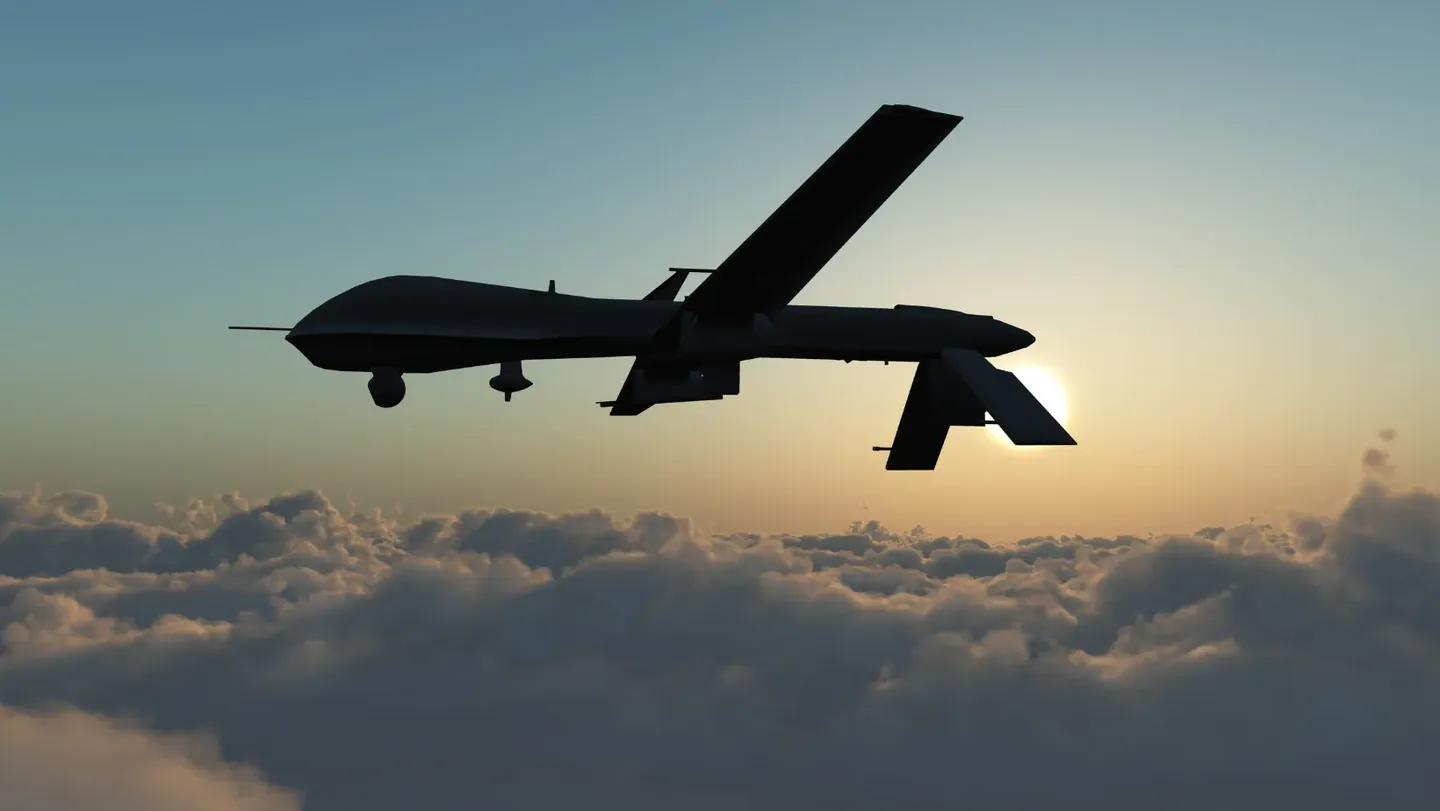
AI-powered drones are increasingly used in warfare and policing, with documented civilian casualties in conflicts like Yemen and Ukraine. Police use drones for surveillance and arrests, raising rights concerns. While new AI systems enhance drone threat mitigation and military exercises test drone swarms, the proliferation of autonomous drones poses ongoing risks and harm.[AI generated]
Why's our monitor labelling this an incident or hazard?
The event involves AI systems (drones with autonomous or semi-autonomous capabilities) used in military exercises with reconnaissance and strike functions. While no actual harm is reported, the use of AI-enabled drone swarms in warfare inherently carries a credible risk of injury, harm to people, and disruption in conflict scenarios. The article highlights ongoing research and testing of coordinated drone use, indicating a credible potential for future harm. Since no harm has yet occurred but plausible future harm is evident, the event is best classified as an AI Hazard rather than an AI Incident.[AI generated]