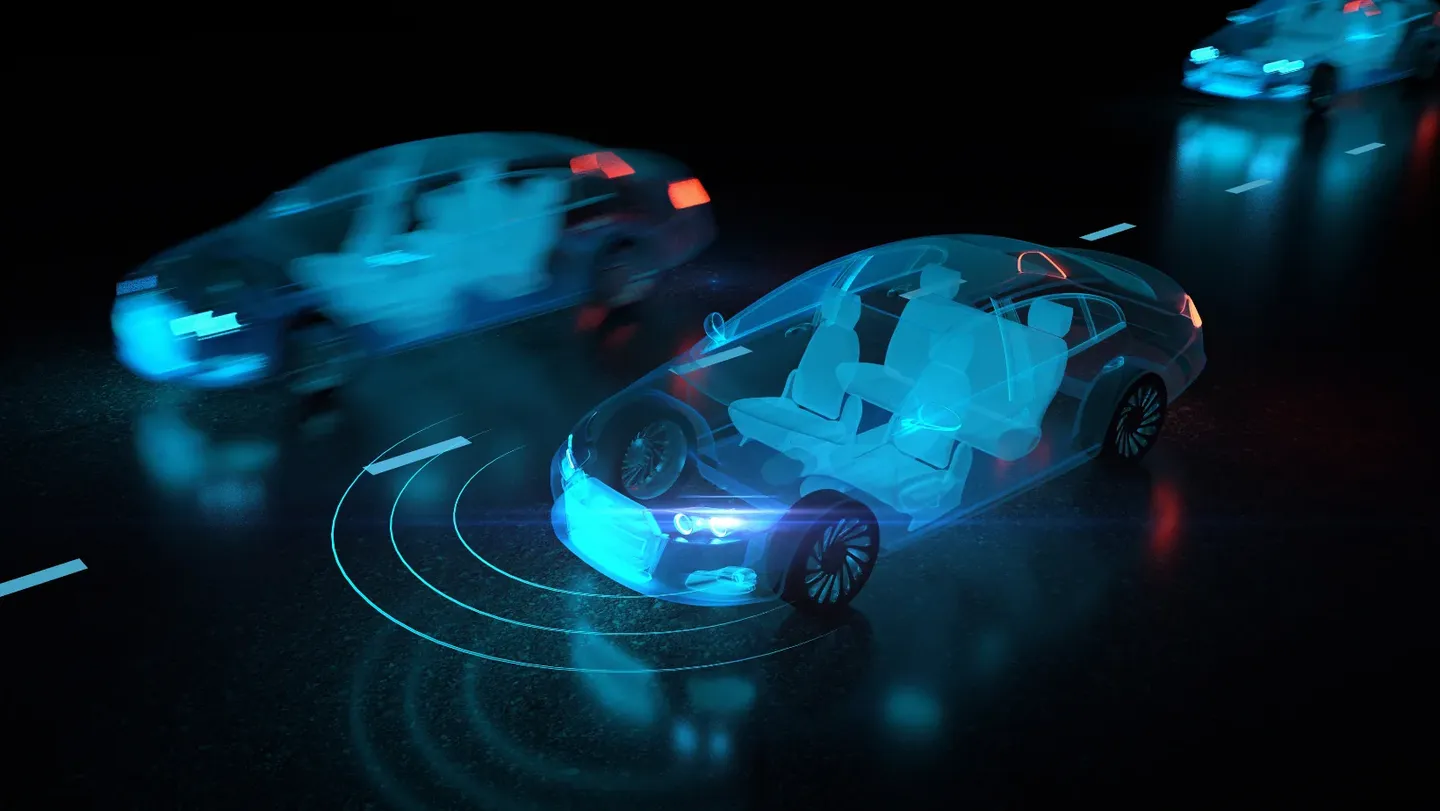
GM's Cruise and Waymo Receive Approval for Driverless Autonomous Vehicle Deployment in San Francisco

Thumbnail Image

The information displayed in the AIM should not be reported as representing the official views of the OECD or of its member countries.

General Motors' Cruise and Alphabet's Waymo have received regulatory approval to deploy fully autonomous vehicles without human drivers in San Francisco. While no incidents have occurred, the move raises potential safety concerns as these AI-driven vehicles begin operating on public roads without human oversight.[AI generated]

Why's our monitor labelling this an incident or hazard?

The event involves the use of an AI system (autonomous driving AI) in real-world testing without human drivers as backup, which could plausibly lead to incidents causing injury, property damage, or disruption. Since no actual harm is reported yet, but the potential for harm is credible given the nature of the system and environment, this qualifies as an AI Hazard rather than an AI Incident. The article does not describe any realized harm or legal or rights violations, nor is it primarily about responses or governance, so it is not Complementary Information.[AI generated]
AI principles
SafetyAccountability

Industries
Mobility and autonomous vehicles

Affected stakeholders
General public

Business function:
Other

AI system task:
Recognition/object detectionEvent/anomaly detectionForecasting/predictionGoal-driven organisationReasoning with knowledge structures/planning


Articles about this incident or hazard