The information displayed in the AIM should not be reported as representing the official views of the OECD or of its member countries.
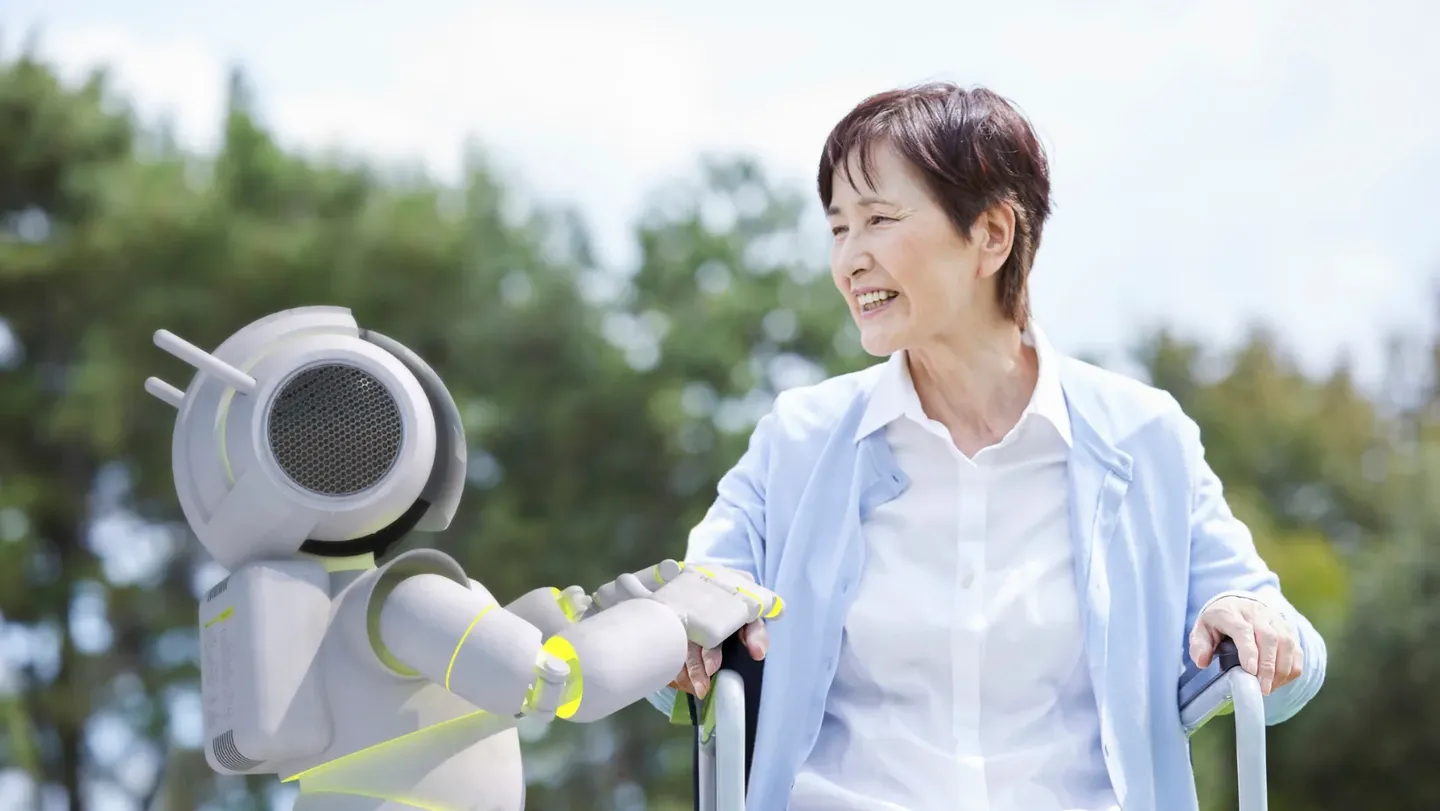
A study led by Dr. Yaniv Hanoch at the University of Southampton found that AI-powered robots can encourage humans to take greater risks in a simulated gambling task. The research, involving 180 students, highlights how AI systems can directly influence human decision-making, raising ethical and policy concerns.[AI generated]
Why's our monitor labelling this an incident or hazard?
The event involves an AI system in the form of a robot that interacts with humans and influences their behavior. The study shows that the robot's encouragement leads to increased risk-taking, which could plausibly lead to harm in real-world applications (e.g., health or safety risks). Since no actual harm has occurred in the study and the findings are about potential effects, this qualifies as an AI Hazard rather than an AI Incident. The study also discusses possible beneficial uses, but the main focus is on the potential for increased risk-taking harm.[AI generated]


























