The information displayed in the AIM should not be reported as representing the official views of the OECD or of its member countries.
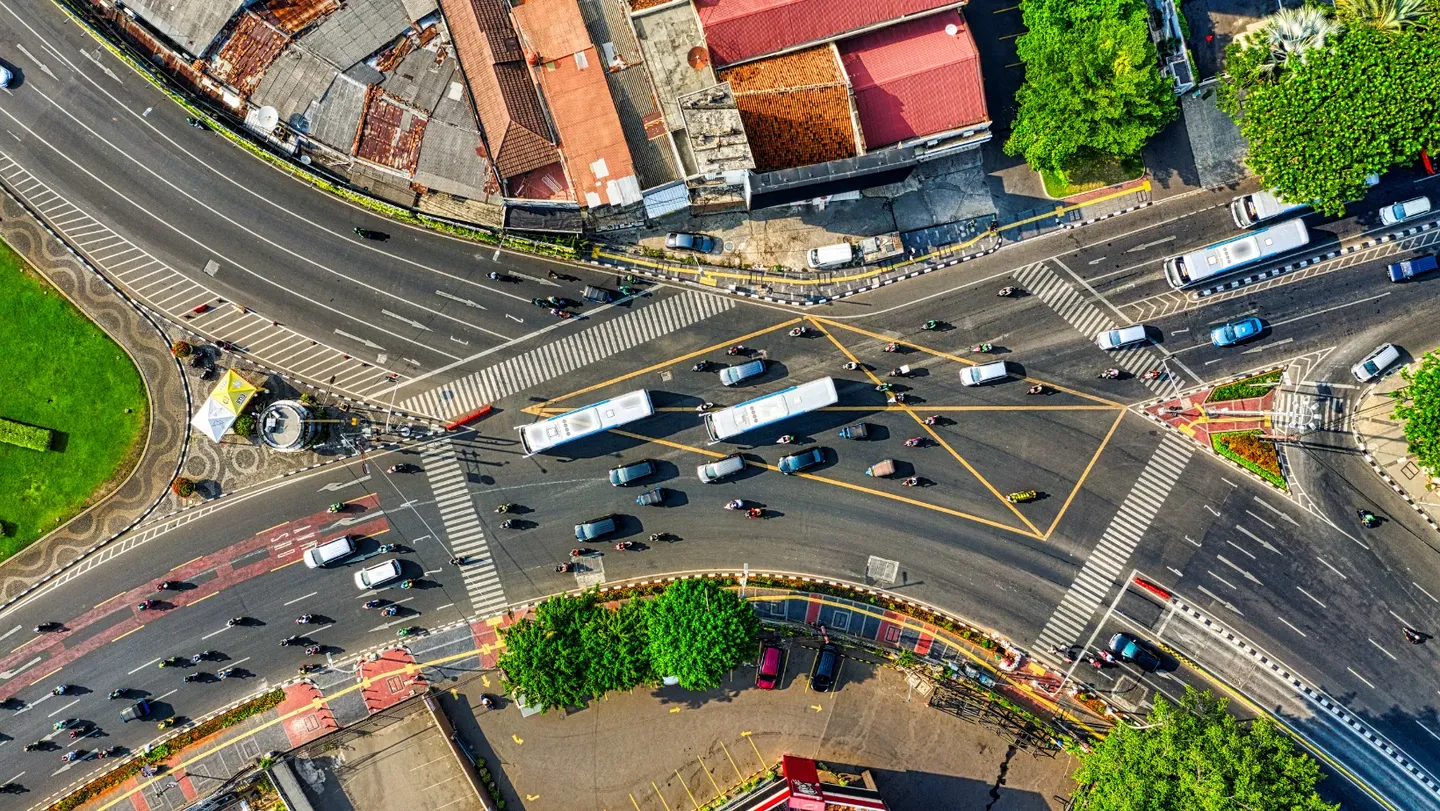
Taipei City installed AI-powered adaptive traffic signals at busy intersections to detect and warn pedestrians attempting to cross during red lights. The system issues audible and visual alerts, resulting in a 50% reduction in daily violations and aiming to prevent pedestrian accidents and improve road safety.[AI generated]
Why's our monitor labelling this an incident or hazard?
An AI system is explicitly involved, as it detects pedestrian violations and triggers warnings. The use of this AI system has directly led to a reduction in pedestrian violations, which implies a positive impact on public safety and injury prevention. Since the AI system's use has influenced behavior to reduce harm, this qualifies as an AI Incident under the definition of harm to health or injury prevention. The event is not merely a potential risk or a general update but describes realized effects of AI use in reducing harm.[AI generated]


























