European Politicians Deceived by Deepfake Impersonating Navalny's Chief of Staff

Thumbnail Image

The information displayed in the AIM should not be reported as representing the official views of the OECD or of its member countries.

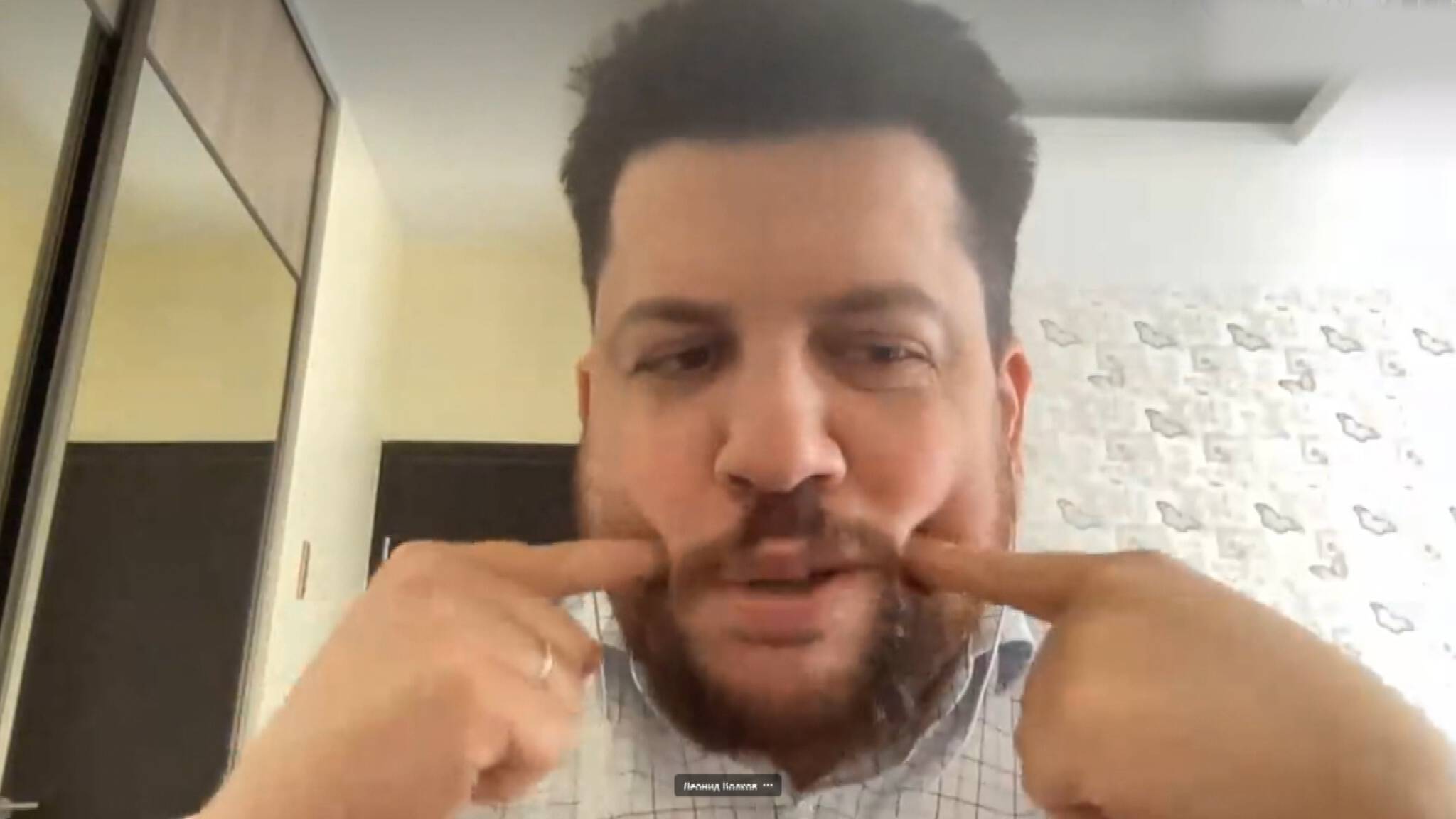
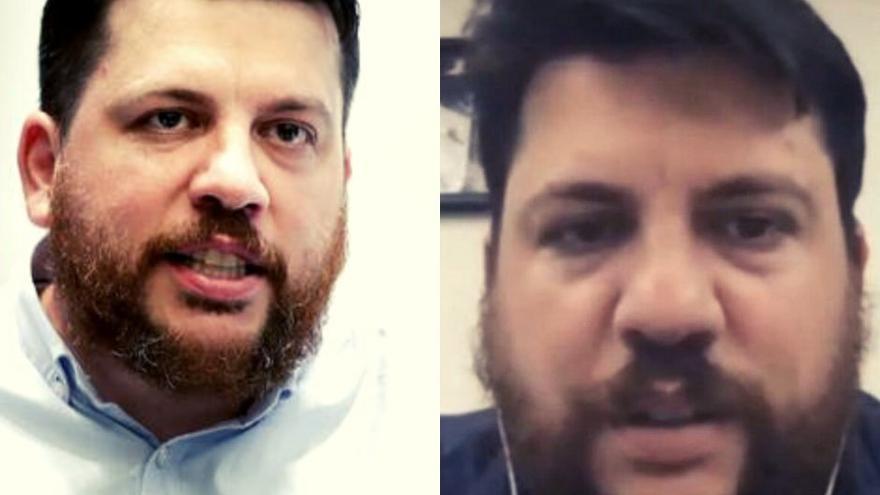
European politicians, including Dutch, Baltic, and UK parliamentarians, were deceived in live video calls by a deepfake impersonating Leonid Volkov, chief of staff to Russian opposition leader Alexei Navalny. The AI-generated deepfake led to misinformation and raised concerns about political manipulation and the challenges of detecting such advanced AI-driven disinformation.[AI generated]

Why's our monitor labelling this an incident or hazard?

An AI system was used to create a deepfake video impersonating Navalny's staff chief, which directly led to misinformation and deception of parliament members. This constitutes harm to communities and political processes by spreading false information and undermining trust, fulfilling the criteria for an AI Incident. The event describes realized harm through the deceptive use of AI-generated content, not just a potential risk.[AI generated]
AI principles
AccountabilityTransparency & explainabilityRobustness & digital securitySafetyRespect of human rightsDemocracy & human autonomy

Industries
Government, security, and defenceDigital security

Affected stakeholders
Government

Harm types
Public interest

Severity
AI incident

AI system task:
Content generation


Articles about this incident or hazard

Thumbnail Image

Ook Nederlandse Kamerleden voerden gesprek met imitatie-stafchef Navalny

2021-04-23
NRC
Why's our monitor labelling this an incident or hazard?
An AI system was used to create a deepfake video impersonating Navalny's staff chief, which directly led to misinformation and deception of parliament members. This constitutes harm to communities and political processes by spreading false information and undermining trust, fulfilling the criteria for an AI Incident. The event describes realized harm through the deceptive use of AI-generated content, not just a potential risk.
Thumbnail Image

Deed Rusland informatie-aanval op Nederland met deepfakes?

2021-04-26
Nu.nl
Why's our monitor labelling this an incident or hazard?
The event involves the use of AI-generated or manipulated media (deepfakes) to impersonate political figures and conduct influence operations, which is an AI system use leading to harm to communities and democratic institutions. The harm is realized as politicians were deceived and manipulated, which fits the definition of an AI Incident. Although direct proof of deepfake use is lacking, the strong suspicion and the nature of the operation justify classification as an AI Incident due to the realized harm and AI system involvement in the disinformation campaign.
Thumbnail Image

Kamerleden vergaderden met deepfake-imitatie van Navalny's stafchef

2021-04-23
Nu.nl
Why's our monitor labelling this an incident or hazard?
The event explicitly involves a deepfake, which is an AI system generating realistic but fake video content to impersonate a real person. The use of this AI system directly led to harm by deceiving members of the parliamentary committee, undermining their ability to engage in informed political dialogue. This deception can be considered harm to communities and a violation of rights related to truthful information and political processes. Since the harm has already occurred and is directly linked to the AI system's use, this is classified as an AI Incident.
Thumbnail Image

Echte Volkov trekt gekke bekken voor camera: 'Als ik een deepfake ben, kan dit niet'

2021-04-25
NOS
Why's our monitor labelling this an incident or hazard?
The article describes a scenario where Dutch parliament members were deceived by a deepfake impersonation of Leonid Volkov. Deepfakes are AI-generated synthetic media, so an AI system is involved. The use of such technology to impersonate a political figure and deceive officials can be considered a violation of rights and harm to the integrity of political processes, fitting the definition of an AI Incident due to the realized harm of deception and potential rights violations.
Thumbnail Image

Veel onduidelijk over 'deepfake-gesprek' van Kamerleden met medewerker Navalny

2021-04-24
NOS
Why's our monitor labelling this an incident or hazard?
The event describes a scenario where deepfake technology might have been used to impersonate a political figure, which could plausibly lead to harm such as misinformation and political manipulation. However, the article does not confirm that deepfake technology was definitively used, nor does it report any realized harm from the incident. The potential for harm is credible given the nature of deepfakes, but since harm has not been confirmed or materialized, this fits the definition of an AI Hazard rather than an AI Incident. The event highlights the risk of AI misuse in political contexts but does not document actual harm or violation of rights at this stage.
Thumbnail Image

Nederlandse Kamerleden misleid door gesprek met nepmedewerker Navalny

2021-04-24
NOS
Why's our monitor labelling this an incident or hazard?
The event explicitly involves a deepfake AI system used to impersonate a political figure, which directly led to harm by deceiving elected officials and undermining trust in political communication. The harm is a violation of rights to truthful information and can be considered harm to communities and political processes. The use of AI-generated deepfake content to mislead and manipulate is a clear example of an AI Incident as per the definitions, since the AI system's use directly caused the harm. The involvement of state actors and repeated use in other countries further supports the classification as an incident rather than a mere hazard or complementary information.
Thumbnail Image

Wekdienst 24/4: Windmolenprotest in Amsterdam * Gesprek over situatie Myanmar

2021-04-24
NOS
Why's our monitor labelling this an incident or hazard?
The event involves the use of deepfake AI technology to create a realistic but fake video impersonation of a political figure's staff member, which directly misled members of the Dutch parliament. This constitutes a violation of trust and can be considered harm to communities through misinformation and manipulation, fulfilling the criteria for an AI Incident. The harm is realized as the deception already occurred and caused political disruption and outrage.
Thumbnail Image

Nederlandse Kamerleden gefopt door gesprek met nepmedewerker Navalny

2021-04-23
NOS
Why's our monitor labelling this an incident or hazard?
The event explicitly involves an AI system (deepfake technology) used to create a fake video impersonation, which directly led to harm by deceiving elected officials and potentially damaging political discourse and trust. This fits the definition of an AI Incident because the AI system's use directly caused harm to communities through misinformation and manipulation. The involvement of state actors and the intent to discredit a political opposition further underline the seriousness of the harm.
Thumbnail Image

Kamerleden spraken met een nepversie van stafchef van Navalny: deepfake of dubbelganger?

2021-04-24
de Volkskrant
Why's our monitor labelling this an incident or hazard?
The event explicitly involves the use of AI deepfake technology to impersonate a real person in live video calls, deceiving politicians. The harm is realized as the politicians were misled, which can be considered harm to communities and political processes. The AI system's use directly led to this harm. Although there is some uncertainty about whether the impersonator was a deepfake or a double, the consensus and expert opinion lean towards a deepfake, which is an AI system. Hence, this is an AI Incident rather than a hazard or complementary information.
Thumbnail Image

Kamerleden vergaderen met deepfake-imitatie van stafchef Russische oppositieleider Navalny

2021-04-23
de Volkskrant
Why's our monitor labelling this an incident or hazard?
The event describes a deepfake imitation of Leonid Volkov, an opposition leader's chief of staff, used to deceive members of a parliamentary committee. The deepfake AI system was used maliciously to impersonate a real person, leading to misinformation and undermining political discourse. This constitutes an AI Incident because the AI system's use directly caused harm by misleading elected officials and potentially impacting political decision-making and trust, which falls under harm to communities and violation of rights.
Thumbnail Image

Europese parlementsleden slachtoffer van nepvergaderingen met Russische oppositie

2021-04-23
de Volkskrant
Why's our monitor labelling this an incident or hazard?
The event explicitly involves an AI system (deepfake technology) used in live video calls to impersonate a political figure, deceiving multiple politicians. This misuse of AI has directly led to harm by undermining trust in political processes and spreading misinformation, which fits the definition of an AI Incident due to violations of rights and harm to communities. The harm is realized, not just potential, as the politicians were deceived and political discourse was disrupted. Therefore, this qualifies as an AI Incident rather than a hazard or complementary information.
Thumbnail Image

Europese politici benaderd door deepfake van Russische oppositie

2021-04-22
RTL Nieuws
Why's our monitor labelling this an incident or hazard?
The event describes the use of deepfake AI technology to impersonate a political figure and deceive European politicians via email and video chat. This is a clear example of AI misuse with potential to cause harm, such as misinformation, reputational damage, and undermining political trust. Since no direct harm is reported as having occurred yet, but the plausible risk of harm is evident, this qualifies as an AI Hazard under the framework.
Thumbnail Image

'Welkom in het deepfaketijdperk': wanneer zelfs politici om de tuin geleid worden

2021-04-25
De Morgan - French News
Why's our monitor labelling this an incident or hazard?
The event explicitly involves a deepfake video, which is an AI system that synthesizes realistic human faces and speech. The use of this AI system directly led to deception of politicians and other stakeholders during live meetings, causing harm to the integrity of political communication and trust, which is harm to communities. The harm is realized, not just potential, as the deception occurred and was only discovered later. Hence, it meets the criteria for an AI Incident rather than a hazard or complementary information.
Thumbnail Image

Mediaforum: Journalisten moeten leren om deepfakes te herkennen

2021-04-26
NPO Radio 1
Why's our monitor labelling this an incident or hazard?
The event explicitly involves the use of AI-generated deepfake technology to impersonate a political figure in a live video call, which directly led to misinformation and deception of politicians. This constitutes harm to communities through disinformation campaigns. The article describes a realized harm caused by the AI system's use, not just a potential risk. Hence, it meets the criteria for an AI Incident rather than a hazard or complementary information.
Thumbnail Image

Tweede Kamer gefopt met deepfake tijdens Zoom-gesprek - Apparata

2021-04-24
Apparata
Why's our monitor labelling this an incident or hazard?
The event involves the use of an AI system (deepfake technology) to create a realistic fake video impersonating a political figure's staff chief. The use of this AI system directly led to harm by deceiving members of parliament, undermining trust, and potentially impacting political processes. This fits the definition of an AI Incident because the AI system's use has directly led to harm to communities (political actors and democratic processes). The event is not merely a potential risk or a general update but a realized incident involving AI misuse.
Thumbnail Image

Nederlandse politici voor de gek gehouden in videogesprek

2021-04-24
Jeugdjournaal
Why's our monitor labelling this an incident or hazard?
The presence of a deepfake video implies the use of an AI system to generate realistic but fake video and audio content. The deception of politicians in a formal conversation can lead to harm in terms of misinformation, manipulation, and potential political or social disruption. Since the event describes the actual occurrence of the deception (not just a potential risk), it qualifies as an AI Incident due to the realized harm caused by the AI system's use in impersonation and misinformation.
Thumbnail Image

Europese politici misleid met deepfake van stafchef Russische oppositieleider Navalny

2021-04-24
Nederlands Dagblad
Why's our monitor labelling this an incident or hazard?
The event involves the use of a deepfake, which is an AI system generating synthetic video and audio to impersonate a real person. The deepfake was used to deceive European politicians, leading to misinformation and potential political manipulation. This constitutes harm to communities and a violation of rights, fulfilling the criteria for an AI Incident. The harm is realized, not just potential, as the politicians were misled by the AI-generated content.
Thumbnail Image

European MPs targeted by deepfake video calls imitating Russian opposition

2021-04-22
MSN International Edition
Why's our monitor labelling this an incident or hazard?
The event explicitly involves AI systems through the use of deepfake technology, which is based on deep learning AI to generate realistic face imitations and mimic human behavior. The deepfake calls were used maliciously to impersonate political figures, deceiving MPs and potentially undermining political stability and trust. This constitutes a violation of rights and harm to communities through misinformation and manipulation. Since the harm is realized and directly linked to the AI system's use, this qualifies as an AI Incident.
Thumbnail Image

European MPs targeted by deepfake video calls imitating Russian opposition

2021-04-22
The Guardian
Why's our monitor labelling this an incident or hazard?
The event explicitly involves AI systems through the use of deepfake technology, which uses deep learning to generate realistic face imitations in video calls. The use of these deepfakes directly led to deception of European MPs, which constitutes harm to communities and political processes. The harm is realized, not just potential, as the MPs were tricked into believing they were speaking with real opposition figures. This meets the criteria for an AI Incident because the AI system's use directly caused harm through misinformation and political manipulation. There is no indication that this is merely a potential hazard or complementary information, nor is it unrelated to AI.
Thumbnail Image

Hello, this is Leonid Volkov* Using deepfake video and posing as Navalny's right-hand man, Russian pranksters fool Latvian politicians and journalists into invitation and TV interview -- Meduza

2021-04-22
Meduza
Why's our monitor labelling this an incident or hazard?
The event explicitly involves AI-generated deepfake videos used to impersonate a political figure, which directly caused harm by deceiving politicians and journalists into believing false information. The harm includes misinformation, manipulation of political processes, and erosion of trust, which are significant harms to communities and democratic processes. Therefore, this qualifies as an AI Incident due to the direct and realized harm caused by the AI system's malicious use.
Thumbnail Image

Russia 'deepfakes opposition leaders in video calls to European politicians'

2021-04-23
Daily Star
Why's our monitor labelling this an incident or hazard?
The event explicitly involves AI systems in the form of deepfake technology used to impersonate political figures, which directly led to deception and misinformation among European politicians. This deception can undermine political processes and trust, constituting harm to communities and a violation of rights. The AI system's use in this malicious manner directly caused the harm, meeting the criteria for an AI Incident rather than a hazard or complementary information.
Thumbnail Image

Russia Accused of Using Deepfakes to Imitate Political Rivals

2021-04-25
Futurism
Why's our monitor labelling this an incident or hazard?
The event explicitly involves AI systems in the form of deepfake technology used to impersonate individuals in political meetings. The use of deepfakes here directly led to harm by misleading senior officials and potentially compromising political security and trust, which falls under harm to communities and violation of rights. Therefore, this qualifies as an AI Incident because the AI system's use has directly led to realized harm through deception and political manipulation.
Thumbnail Image

Scammers imitating Russian opposition trick Estonian MPs with 'deepfake'

2021-04-24
ERR
Why's our monitor labelling this an incident or hazard?
The event explicitly involves a deepfake AI system used to impersonate a known individual, which is a clear AI system involvement. The use of this AI system led directly to harm in the form of identity theft, misinformation, and discrediting of political figures, which harms communities and political processes. The harm is realized and ongoing, as the deepfake was used in a deceptive meeting and media interview. Therefore, this qualifies as an AI Incident due to the direct harm caused by the malicious use of AI-generated deepfake content.
Thumbnail Image

Imposter used deepfake to dupe Baltic MPs, impersonate Navalny associate

2021-04-23
Lietuvos Radijas ir Televizija
Why's our monitor labelling this an incident or hazard?
The event explicitly involves the use of deepfake AI technology to impersonate a person and deceive multiple parliamentarians, which directly led to misinformation and manipulation attempts. The harm includes undermining political trust and spreading false information, which affects communities and political rights. The AI system's use here is malicious and directly linked to the harm caused. Hence, this is an AI Incident rather than a hazard or complementary information.
Thumbnail Image

They deceive several European politicians through video call with a deepfake that imitated a Russian opponent

2021-04-26
Latest News, Breaking News, Top News Headlines
Why's our monitor labelling this an incident or hazard?
The event involves the use of an AI system (deepfake technology) to create realistic fake video calls impersonating a Russian opposition figure. This deception directly caused harm by misleading European politicians, potentially threatening political stability and security, which fits the definition of harm to communities. Therefore, this qualifies as an AI Incident because the AI system's use directly led to realized harm through political deception and manipulation.
Thumbnail Image

Mischief Managed: Dutch MPs Fooled by Deepfake Prank, Thought They Were Talking to Navalny's Ally | South Africa Today

2021-04-24
South Africa Today
Why's our monitor labelling this an incident or hazard?
The event explicitly mentions the use of deepfake technology, an AI system capable of generating realistic fake videos, to impersonate Navalny's ally and deceive lawmakers. This deception directly led to harm by misleading elected officials, damaging trust, and potentially impacting political decision-making. The involvement of AI in the form of deepfake technology is clear, and the harm is realized, not just potential. Therefore, this qualifies as an AI Incident under the framework definitions.
Thumbnail Image

Navalny aide urges politicians to wise up to Kremlin's use of deepfakes - DutchNews.nl

2021-04-26
DutchNews.nl
Why's our monitor labelling this an incident or hazard?
The event involves the use of AI-generated deepfake technology to impersonate a political figure and deceive politicians, which is a direct misuse of AI leading to harm in the form of misinformation and political manipulation. The harm to communities and political integrity is realized, not just potential, and the AI system's role is pivotal in enabling the deception. Hence, it meets the criteria for an AI Incident rather than a hazard or complementary information.
Thumbnail Image

Scammers imitating Russian opposition also trick Estonian MPs

2021-04-25
The Baltic Times
Why's our monitor labelling this an incident or hazard?
The event involves the use of AI (deepfake technology) to create a fraudulent video impersonation, which directly led to deception of public officials. This deception undermines trust and can be classified as harm to communities. Since the AI system's misuse directly caused this harm, the event qualifies as an AI Incident under the framework.
Thumbnail Image

Dutch Politicians Tricked By Deepfake Video Chat

2021-04-27
Ubergizmo
Why's our monitor labelling this an incident or hazard?
The event explicitly involves the use of an AI system (deepfake video technology) to impersonate a person and deceive politicians, which directly led to harm in the form of misinformation and potential exposure of confidential information. Even though no lasting damage was reported, the incident caused harm by misleading officials and compromising trust, fitting the definition of an AI Incident. The AI system's malicious use directly led to this harm, fulfilling the criteria for an AI Incident rather than a hazard or complementary information.
Thumbnail Image

Dutch politicians were tricked by a deepfake video chat | Engadget

2021-04-24
engadget
Why's our monitor labelling this an incident or hazard?
The event describes the use of deepfake technology, an AI system capable of generating realistic fake video content, to impersonate a political figure and deceive politicians. While no actual harm occurred in this specific incident, the article highlights the potential for such AI-generated deepfakes to cause harm by misleading officials and influencing policy decisions. Since the harm is not realized but plausibly could occur, this qualifies as an AI Hazard rather than an AI Incident.
Thumbnail Image

Fighting Deepfakes Using Body Language Analysis

2021-04-28
MDPI Open Access Journals
Why's our monitor labelling this an incident or hazard?
The article describes the development and testing of an AI system for detecting deepfakes, which addresses a plausible future harm scenario where deepfakes could be used maliciously. However, it does not describe any realized harm or incident caused by AI systems. Therefore, it fits the definition of an AI Hazard, as it concerns a credible risk of harm from deepfakes and the research aims to mitigate that risk.
Thumbnail Image

Zoom deepfaker fools politicians...twice - Malwarebytes Labs

2021-04-26
Malwarebytes Labs
Why's our monitor labelling this an incident or hazard?
The article explicitly describes the use of deepfake AI technology to impersonate a political figure in real-time video calls, deceiving MPs. This is a direct use of an AI system leading to harm by misleading political decision-makers, which fits the definition of an AI Incident due to harm to communities and potential violation of political rights. The harm is realized, not just potential, as MPs were fooled twice. Therefore, this is classified as an AI Incident.
Thumbnail Image

Read More

2021-04-26
Latest News, Breaking News, Top News Headlines
Why's our monitor labelling this an incident or hazard?
The event involves the use of an AI system (deepfake technology) to create a highly realistic fake video call that misled multiple parliamentarians. This deception constitutes harm to communities by undermining trust and potentially interfering with political discourse. The AI system's use directly caused this harm. Therefore, this qualifies as an AI Incident rather than a hazard or complementary information, as the harm has already occurred due to the AI system's use.
Thumbnail Image

Russian Government Accused Of Infiltrating Senior-Level Political Meetings Using Deepfake

2021-04-27
Wonderful Engineering
Why's our monitor labelling this an incident or hazard?
The event explicitly involves the use of deepfake AI technology to impersonate political figures and deceive senior officials, leading to unauthorized access to sensitive meetings. This misuse of AI directly caused harm by compromising the integrity and security of political processes and information, which fits the definition of an AI Incident under violations of rights and harm to communities or governments. The harm is realized, not just potential, as officials were fooled and sensitive discussions were accessed by imposters.
Thumbnail Image

Deepfake interview with Navalny's aid may be ploy to stay relevant

2021-04-27
USSA News
Why's our monitor labelling this an incident or hazard?
The event explicitly involves a deepfake AI system used maliciously to impersonate a political figure, leading to deception of parliamentarians. This misuse of AI-generated content has caused harm by spreading misinformation and undermining political trust, which fits the definition of an AI Incident due to violation of rights and harm to communities. The involvement of AI in generating the deepfake is central to the incident, and the harm is realized, not just potential.
Thumbnail Image

Engañan a políticos europeos con un vídeo deepfake que se hacía pasar por un opositor ruso

2021-04-26
El Periódico
Why's our monitor labelling this an incident or hazard?
The event involves an AI system (deepfake video generation) used to impersonate a political figure, leading to deception of European politicians. This deception is a direct harm to the affected individuals and the broader political community, fitting the definition of an AI Incident due to harm to communities through disinformation and manipulation. Although the article notes the main current social harm of deepfakes is in non-consensual pornography and harassment, this specific case shows realized harm in political manipulation. Therefore, it qualifies as an AI Incident rather than a hazard or complementary information.
Thumbnail Image

Deepfake. Engañan a parlamentarios europeos por videollamadas

2021-04-27
Milenio.com
Why's our monitor labelling this an incident or hazard?
The event involves the use of an AI system (deepfake technology) to generate realistic fake video of a person, which was used maliciously to deceive European parliamentarians. This deception directly caused harm by undermining trust, potentially influencing political decisions, and threatening international security and stability. Therefore, it meets the criteria of an AI Incident as the AI system's use directly led to harm to communities and governments through misinformation and manipulation.
Thumbnail Image

Un 'deepfake' que imitaba a un opositor ruso engaña a diputados europeos

2021-04-26
Hipertextual
Why's our monitor labelling this an incident or hazard?
The event explicitly involves an AI system generating a deepfake video that impersonated a political figure, deceiving multiple European parliamentarians. This deception is a direct consequence of the AI system's use and has caused harm by misleading elected officials, which can be considered harm to communities and a violation of rights related to truthful information. The incident is not merely a potential risk but a realized harm, as the parliamentarians were actually deceived. Therefore, it qualifies as an AI Incident rather than a hazard or complementary information.
Thumbnail Image

DeepFakes para engañar a políticos haciéndoles pensar que están hablando con otra persona

2021-04-26
WWWhat's new
Why's our monitor labelling this an incident or hazard?
The article explicitly mentions the use of deepfake AI technology to impersonate political figures in video calls, leading to deception of high-level officials and unauthorized access to sensitive political information. This misuse of AI directly led to harm in the form of violation of rights and potential political manipulation. The involvement of AI in the form of deepfake generation is clear, and the harm has already occurred, meeting the criteria for an AI Incident rather than a hazard or complementary information.
Thumbnail Image

Deepfakes. Engañan a parlamentarios europeos por videollamadas

2021-04-27
Multimedios
Why's our monitor labelling this an incident or hazard?
The use of deepfake technology, an AI system capable of generating realistic fake video content, was employed to impersonate a known political figure and deceive officials. This constitutes a misuse of AI leading to harm in the form of misinformation and manipulation, which can be considered harm to communities and a violation of rights. Since the event describes the actual occurrence of deception and harm, it qualifies as an AI Incident rather than a hazard or complementary information.
Thumbnail Image

Mucho confuso sobre la 'conversación deepfake' de los parlamentarios con el empleado Navalny

2021-04-24
Noticias Ultimas
Why's our monitor labelling this an incident or hazard?
The article discusses the alleged use of deepfake technology to impersonate a political figure, which is an AI system capable of generating synthetic media. Although the harm (e.g., misinformation, political manipulation) is plausible and the event involves the use of AI technology, there is no confirmed direct or indirect harm reported yet. The conversation's authenticity is uncertain, and no evidence of actual damage or violation has been established. Therefore, this qualifies as an AI Hazard, as the event could plausibly lead to an AI Incident if such deepfake use results in harm in the future.
Thumbnail Image

Los estafadores que imitan a la oposición rusa también engañan a los parlamentarios estonios - Noticias Ultimas

2021-04-25
Noticias Ultimas
Why's our monitor labelling this an incident or hazard?
The article explicitly mentions the use of deepfake filters to create a convincing fake video of Leonid Volkov, which was used to deceive parliamentarians. This is a clear example of AI system use (deepfake generation) leading directly to harm through identity theft and misinformation. The harm is realized as the parliamentarians were misled and the credibility of opposition figures was attacked. Hence, it meets the criteria for an AI Incident rather than a hazard or complementary information.
Thumbnail Image

Engañaron a varios políticos europeos a través de videollamadas con un deepfake

2021-04-26
infobae
Why's our monitor labelling this an incident or hazard?
The event involves the use of AI systems (deepfake technology based on neural networks) to create realistic fake video calls that directly misled politicians, causing harm through deception and potential political destabilization. This fits the definition of an AI Incident because the AI system's use directly led to harm (deception of public officials, undermining trust, and potential security risks). The discussion of detection tools and warnings by authorities is complementary but secondary to the main incident. Therefore, the primary classification is AI Incident.
Thumbnail Image

Exame Informática | Políticos holandeses fizeram reunião com... um deepfake

2021-04-26
Visão
Why's our monitor labelling this an incident or hazard?
The event involves an AI system (deepfake technology) used maliciously to impersonate a political figure, deceiving elected officials. This misuse has directly led to harm by undermining political processes and trust, which fits the definition of an AI Incident under violations of rights and harm to communities. The harm is realized, not just potential, as the meeting occurred under false pretenses. Therefore, this qualifies as an AI Incident rather than a hazard or complementary information.
Thumbnail Image

Deep fake vem sendo usado por alguém que se passa por político russo na Europa

2021-04-27
Canaltech
Why's our monitor labelling this an incident or hazard?
The event explicitly involves the use of an AI system (deep fake technology) to impersonate a political figure, which directly led to harm by deceiving European parliamentarians and potentially undermining political trust and security. The use of AI-generated fake video and audio to mislead officials is a clear AI Incident as it has caused realized harm through misinformation and manipulation in a political context, which can be considered harm to communities and a violation of rights. Therefore, this event qualifies as an AI Incident.
Thumbnail Image

Deepfake engana políticos ao ser usado em chamada de vídeo | Antivírus e Segurança | Tecnoblog

2021-04-26
Tecnoblog
Why's our monitor labelling this an incident or hazard?
The event involves the use of a deepfake AI system to create a realistic but fake video representation of a political figure, which was used to deceive multiple parliamentarians. This deception led to misinformation and potential political harm, fulfilling the criteria of harm to communities and governments. The AI system's use directly caused this harm, making it an AI Incident rather than a hazard or complementary information.
Thumbnail Image

Rússia é acusada de usar deepfakes para imitar políticos da UE

2021-04-26
TecMundo
Why's our monitor labelling this an incident or hazard?
The event involves the use of deepfake technology, an AI system capable of generating realistic synthetic video content to impersonate individuals. The use of such technology to deceive politicians in official meetings directly leads to harm by disrupting political communication and trust, which falls under harm to communities and political rights. Even though the exact method is not fully confirmed, the plausible involvement of AI-generated deepfakes and the resulting deception and political manipulation qualify this as an AI Incident under the OECD framework.
Thumbnail Image

Rússia é acusada de usar deepfakes para imitar opositores - Olhar Digital

2021-04-26
Olhar Digital - O futuro passa primeiro aqui
Why's our monitor labelling this an incident or hazard?
The event involves the use of AI systems (deepfake technology) to create realistic fake video calls impersonating political opposition figures. This use of AI directly led to harm by deceiving parliamentarians, undermining political processes, and threatening societal stability. The harm is realized and ongoing, not merely potential. Hence, it meets the criteria for an AI Incident rather than a hazard or complementary information.
Thumbnail Image

Rússia é acusada de usar deepfakes para imitar políticos europeus

2021-04-26
Olhar Digital - O futuro passa primeiro aqui
Why's our monitor labelling this an incident or hazard?
The event involves the use of AI systems (deepfake technology) to impersonate politicians, which directly leads to harm in the form of misinformation and potential political destabilization. The use of deepfakes to conduct fake meetings and deceive parliamentarians is a clear example of AI misuse causing harm to communities and political institutions. Therefore, this qualifies as an AI Incident due to the realized harm from the AI system's use.