


























The information displayed in the AIM should not be reported as representing the official views of the OECD or of its member countries.
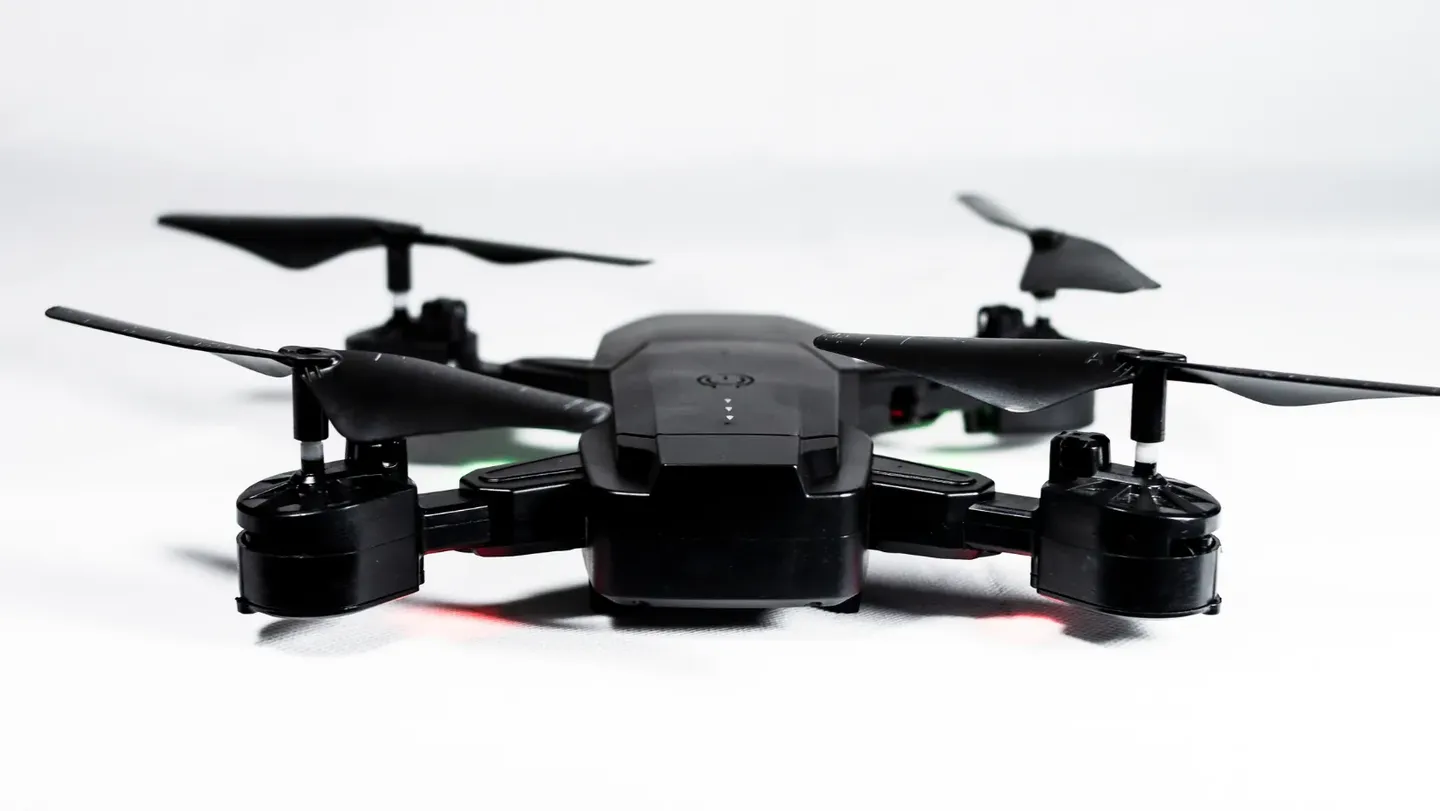
Raytheon, in partnership with DARPA, demonstrated an AI-powered system allowing a single operator to control a swarm of 130 physical and 30 simulated drones in urban environments. While no harm occurred, the technology's military application poses credible future risks of injury or rights violations if deployed in conflict.[AI generated]
Why's our monitor labelling this an incident or hazard?
The described drone swarm system involves AI for autonomous task assignment and control via voice commands, fitting the definition of an AI system. Although the article does not report any actual harm, the military nature and potential for autonomous operations imply a credible risk of future harm, such as injury, disruption, or violations of rights in conflict situations. Therefore, this event qualifies as an AI Hazard due to the plausible future harm from the AI system's use in military contexts.[AI generated]