The information displayed in the AIM should not be reported as representing the official views of the OECD or of its member countries.
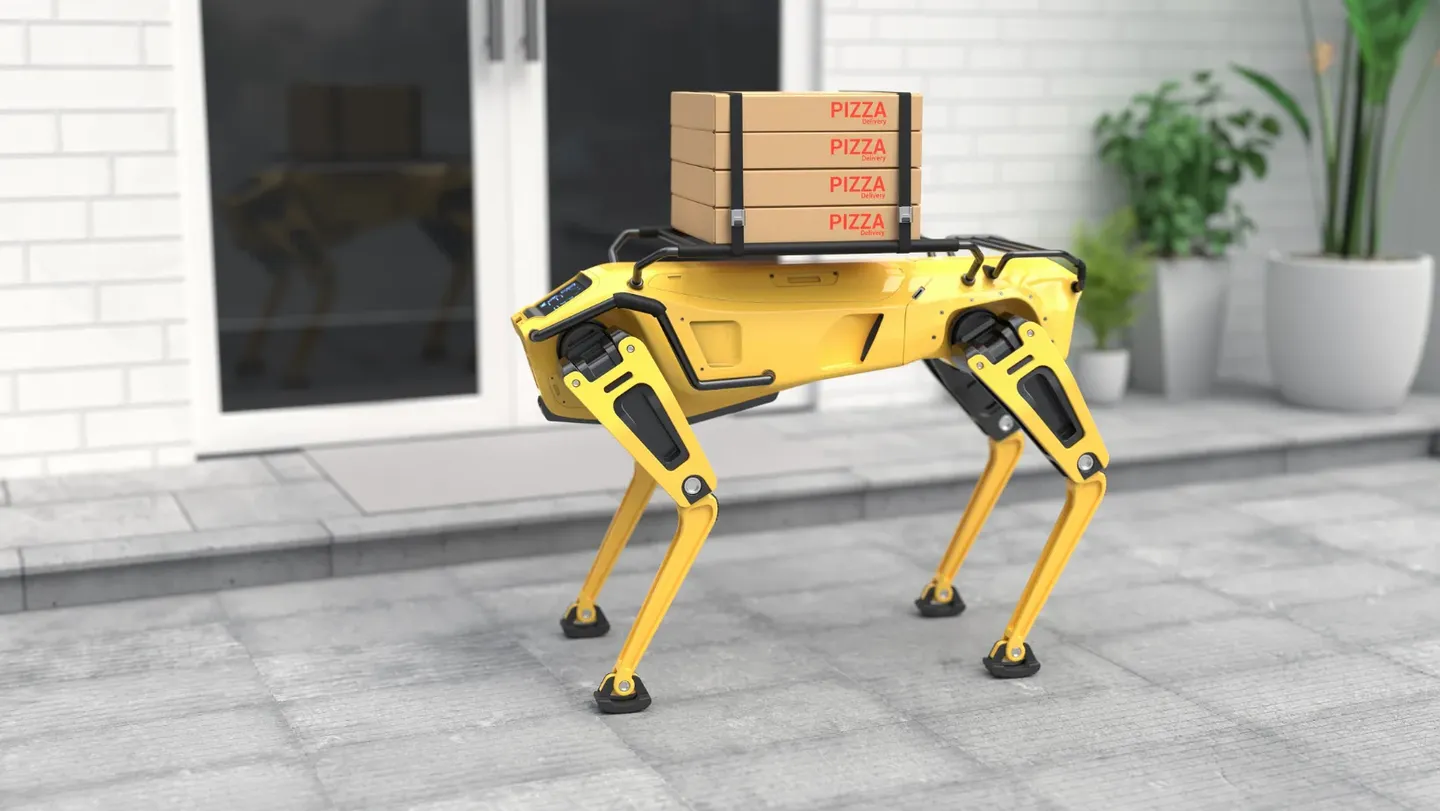
The US Department of Homeland Security is testing AI-powered robotic dogs for autonomous surveillance and patrol along the US-Mexico border. While no harm has occurred yet, the deployment of these systems raises concerns about potential future risks, including dehumanization, misuse, and possible rights violations.[AI generated]
Why's our monitor labelling this an incident or hazard?
The event involves the use of AI-enabled robotic systems for border surveillance, which can be reasonably inferred to include AI for autonomous operation and decision-making. However, the article does not report any actual harm or incident resulting from their use, nor does it indicate any malfunction or misuse leading to harm. The deployment is intended to reduce human risk, and no direct or indirect harm is described. Therefore, this event represents a plausible future risk scenario where AI systems could lead to harm (e.g., misuse, malfunction, or escalation), but no harm has yet occurred. Hence, it qualifies as an AI Hazard rather than an AI Incident or Complementary Information.[AI generated]


























