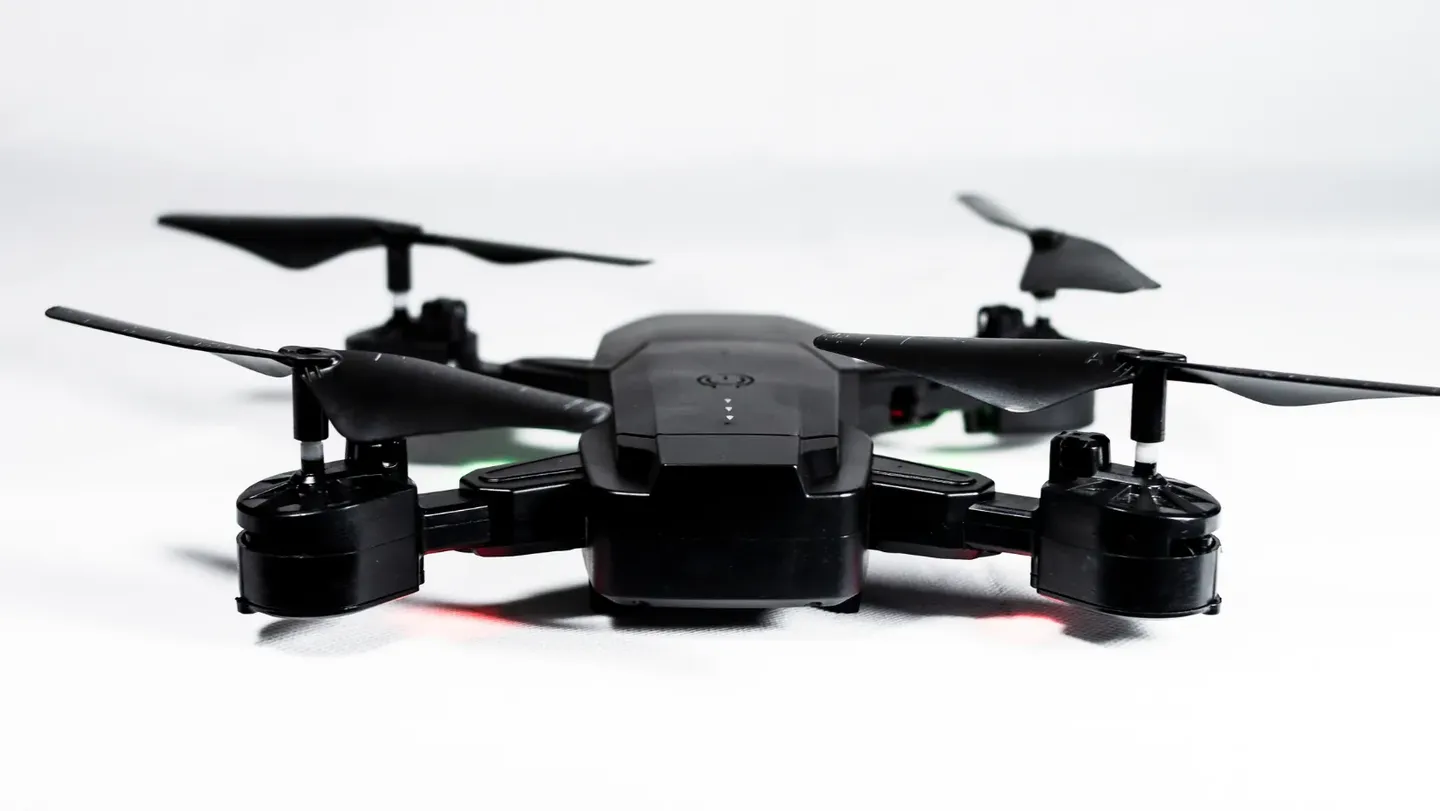
China and Japan Advance AI-Enabled Military Drones, Raising Future Conflict Risks

Thumbnail Image

The information displayed in the AIM should not be reported as representing the official views of the OECD or of its member countries.

China has deployed AI-enabled drones on its Shandong aircraft carrier, signaling increased military investment in autonomous systems. Meanwhile, Japan is developing AI-powered combat drones to support next-generation fighter jets by 2035. These advancements heighten future risks of AI-driven harm in regional conflicts, though no incidents have occurred yet.[AI generated]

Why's our monitor labelling this an incident or hazard?

The event involves the use of AI-enabled unmanned aerial vehicles (drones) on a military aircraft carrier. While the article does not report any actual harm or incidents caused by these drones, the deployment of AI-powered drone swarms in a military context plausibly poses risks of harm, including escalation of conflict, damage to property, or harm to people in future naval engagements. Therefore, this situation constitutes an AI Hazard as it plausibly could lead to AI Incidents involving harm, but no direct harm has yet been reported.[AI generated]
AI principles
SafetyRobustness & digital securityRespect of human rightsAccountabilityTransparency & explainabilityDemocracy & human autonomy

Industries
Government, security, and defenceRobots, sensors, and IT hardwareMobility and autonomous vehicles

Affected stakeholders
General public

Harm types
Physical (death)Physical (injury)Human or fundamental rightsPublic interestPsychological

Business function:
Research and developmentManufacturing

AI system task:
Recognition/object detectionGoal-driven organisationReasoning with knowledge structures/planning


Articles about this incident or hazard