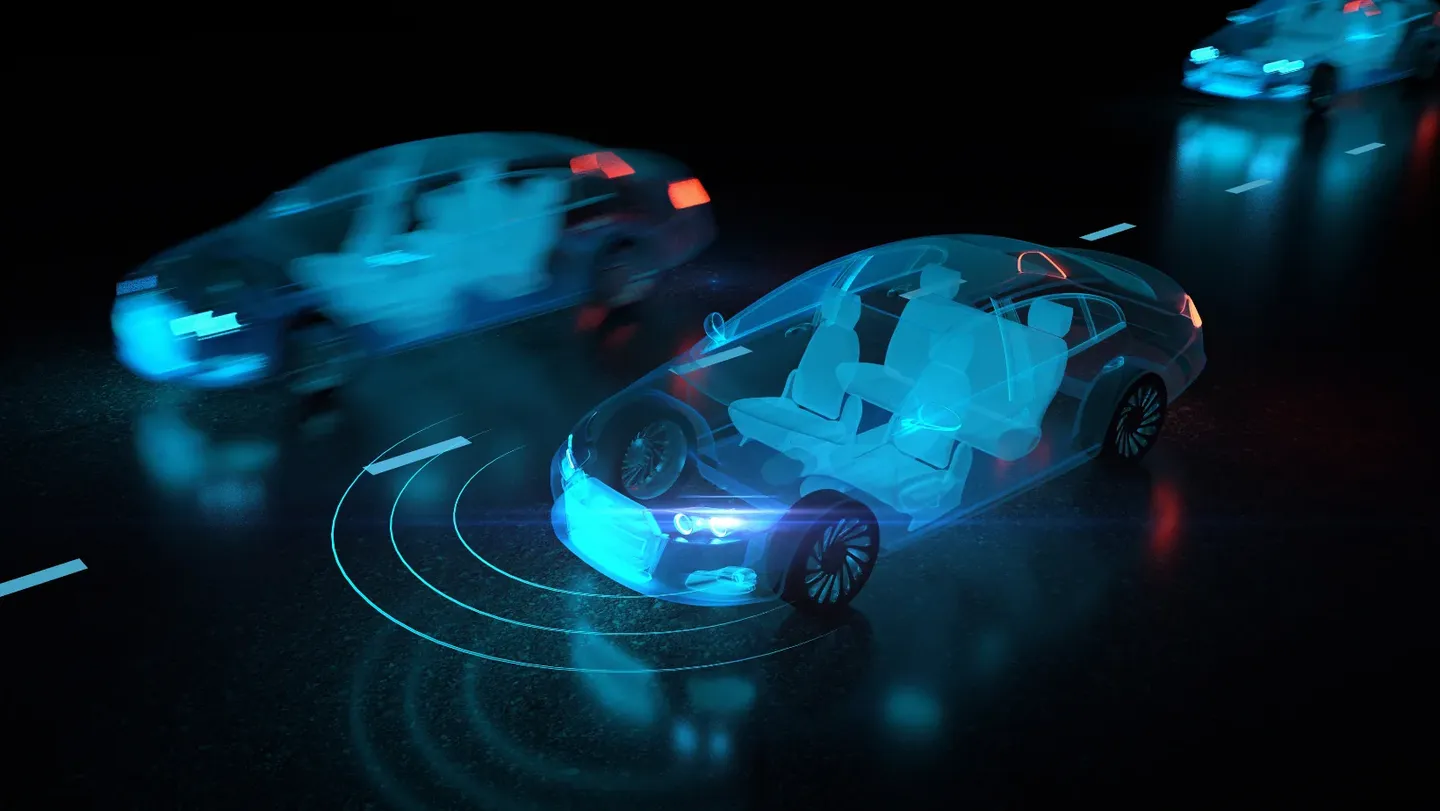
Cruise Recalls Robotaxis After AI Malfunction Causes Injury in San Francisco Crash

Thumbnail Image

The information displayed in the AIM should not be reported as representing the official views of the OECD or of its member countries.

General Motors' Cruise recalled and updated software in 80 self-driving vehicles after a June crash in San Francisco. The AI system failed to correctly predict another vehicle's path during an unprotected left turn, resulting in a collision that injured two people. Regulators and police are investigating the incident.[AI generated]

Why's our monitor labelling this an incident or hazard?

The event explicitly involves an AI system (autonomous vehicle software) malfunctioning by failing to predict another vehicle's trajectory, which directly caused an accident. This constitutes harm related to health and safety, fulfilling the criteria for an AI Incident. The recall and software update are responses to this harm, but the primary event is the incident itself involving AI malfunction leading to harm.[AI generated]
AI principles
SafetyRobustness & digital securityAccountabilityTransparency & explainabilityHuman wellbeing

Industries
Mobility and autonomous vehiclesRobots, sensors, and IT hardware

Affected stakeholders
General public

Harm types
Physical (injury)ReputationalEconomic/Property

Business function:
MaintenanceMonitoring and quality controlResearch and development

AI system task:
Recognition/object detectionForecasting/predictionReasoning with knowledge structures/planningGoal-driven organisation

In other databases

Articles about this incident or hazard