The information displayed in the AIM should not be reported as representing the official views of the OECD or of its member countries.
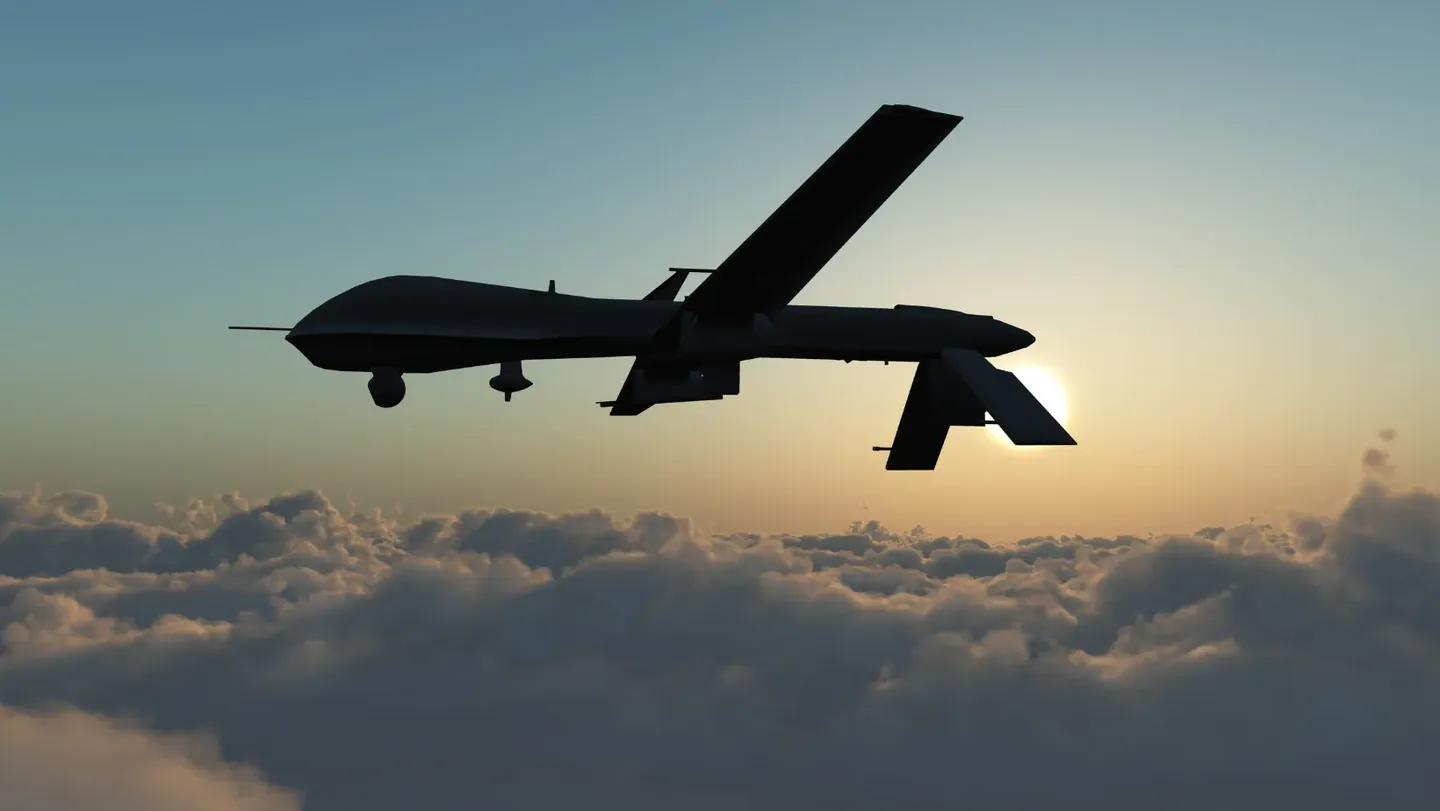
Turkish drone maker Baykar is developing AI-enabled combat drones (Bayraktar TB2 and Akıncı) with integrated air-to-air missiles to counter threats like Iranian kamikaze drones in Ukraine. The new capability, still in testing, raises concerns about the increased lethality and risks of autonomous weapon systems in warfare.[AI generated]
Why's our monitor labelling this an incident or hazard?
The event involves AI systems (combat drones with autonomous or semi-autonomous capabilities) and their development and use in military defense. However, the article focuses on the announcement of new capabilities and contracts for missile integration rather than any realized harm or incident. While the deployment of such systems could plausibly lead to harm in the future (e.g., in armed conflict), the article does not describe any specific incident or near miss. Therefore, it fits the definition of an AI Hazard, as the development and potential use of these AI-enabled drones with air-to-air missiles could plausibly lead to harm, but no harm has yet occurred or been reported in this context.[AI generated]


























