AI Systems Deployed in Japan to Prevent Special Fraud Targeting the Elderly

Thumbnail Image

The information displayed in the AIM should not be reported as representing the official views of the OECD or of its member countries.

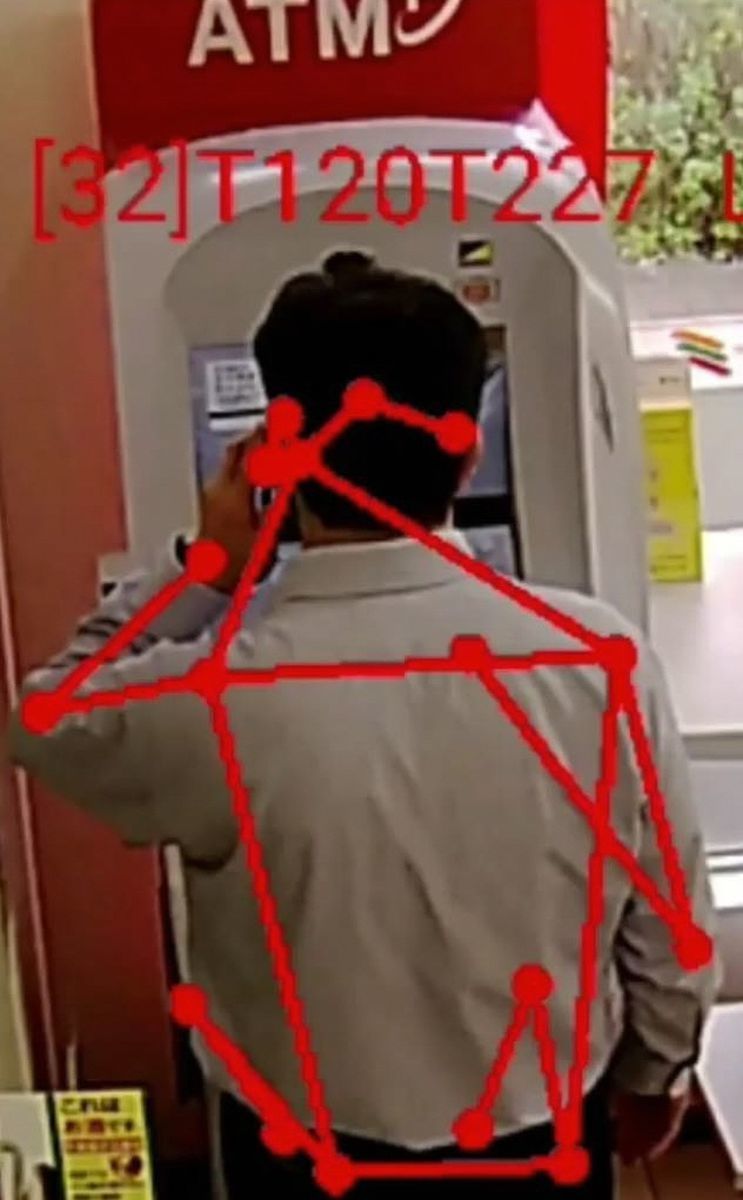
Japanese police and partners are trialing AI systems to prevent special fraud targeting the elderly. AI monitors ATM users’ posture and phone use to alert staff of suspicious activity, while another system analyzes phone calls for fraud, notifying relatives and authorities, successfully averting financial harm in some cases.[AI generated]

Why's our monitor labelling this an incident or hazard?

An AI system is explicitly involved, using posture estimation and phone call detection to identify potential fraud at ATMs. The system's use is directly linked to preventing financial harm to victims of special fraud, which is a recognized harm to persons. Although the system is currently in a trial phase, it is actively used to detect and prevent fraud, thus directly addressing an ongoing harm. Therefore, this qualifies as an AI Incident because the AI system's use is directly linked to preventing and mitigating harm from fraud, which is a form of injury or harm to persons.[AI generated]
AI principles
Privacy & data governanceTransparency & explainabilityRespect of human rightsFairnessAccountabilityRobustness & digital security

Industries
Financial and insurance servicesGovernment, security, and defence

Harm types
Human or fundamental rightsPsychologicalReputational

Severity
AI incident

Business function:
Monitoring and quality controlCompliance and justice

AI system task:
Recognition/object detectionEvent/anomaly detection


Articles about this incident or hazard

Thumbnail Image

ATMをAIが監視 「姿勢」から詐欺判断 STOP!! 特殊詐欺

2022-12-07
ITmedia
Why's our monitor labelling this an incident or hazard?
An AI system is explicitly involved, using posture estimation and phone call detection to identify potential fraud at ATMs. The system's use is directly linked to preventing financial harm to victims of special fraud, which is a recognized harm to persons. Although the system is currently in a trial phase, it is actively used to detect and prevent fraud, thus directly addressing an ongoing harm. Therefore, this qualifies as an AI Incident because the AI system's use is directly linked to preventing and mitigating harm from fraud, which is a form of injury or harm to persons.
Thumbnail Image

オレオレ詐欺をAIで防ぐ - 長野県は産官学連携で県民を守る

2022-12-07
マイナビニュース
Why's our monitor labelling this an incident or hazard?
The article explicitly mentions an AI system that analyzes phone call audio to detect potential fraud and alerts registered contacts to prevent financial harm. It describes actual cases where the system successfully prevented fraud and enabled law enforcement action. This constitutes direct use of AI leading to harm prevention, i.e., an AI Incident involving harm to persons (financial harm to elderly victims) that has been averted through AI intervention. Therefore, this event qualifies as an AI Incident.
Thumbnail Image

【STOP!! 特殊詐欺~警視庁、産経新聞、ニッポン放送共同キャンペーン】ATMをAIが監視 「姿勢」から詐欺判断

2022-12-06
産経ニュース
Why's our monitor labelling this an incident or hazard?
The AI system is explicitly mentioned and is used to monitor ATM users to prevent fraud, which is a significant harm. However, the article focuses on the implementation and testing of this AI system as a preventive measure, not on any incident where the AI caused or failed to prevent harm. There is no indication of malfunction, misuse, or direct harm caused by the AI. The article also includes broader information about fraud statistics and a public campaign, which supports the classification as Complementary Information rather than an Incident or Hazard.