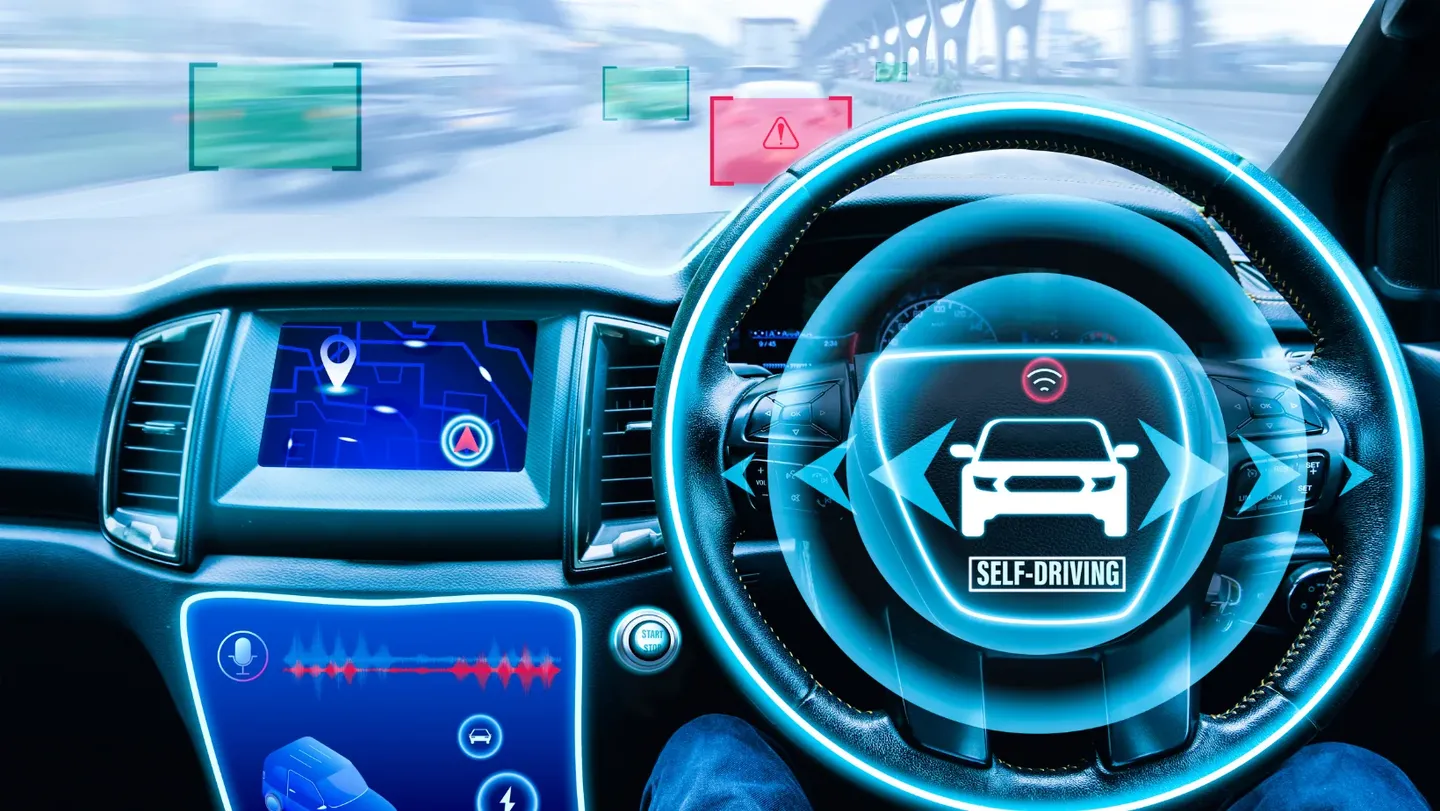
US Investigates GM Cruise Robotaxis After AI Malfunctions Cause Collisions and Traffic Disruptions

Thumbnail Image

The information displayed in the AIM should not be reported as representing the official views of the OECD or of its member countries.

US safety regulators have launched a probe into GM's Cruise autonomous vehicles after reports of AI-driven malfunctions, including unexpected hard braking and immobilization. These incidents have led to rear-end collisions, injuries, and traffic blockages, prompting concerns over passenger safety and public road disruption.[AI generated]

Why's our monitor labelling this an incident or hazard?

The autonomous driving system (an AI system) in Cruise's EVs is explicitly involved in causing accidents and safety hazards, including injuries and traffic disruptions. These harms fall under injury to persons and harm to communities due to obstruction and increased accident risk. The AI system's malfunction and use have directly led to these harms, qualifying this event as an AI Incident rather than a hazard or complementary information.[AI generated]
AI principles
SafetyRobustness & digital securityAccountabilityTransparency & explainabilityDemocracy & human autonomyHuman wellbeing

Industries
Mobility and autonomous vehiclesRobots, sensors, and IT hardwareGovernment, security, and defence

Affected stakeholders
ConsumersGeneral public

Harm types
Physical (injury)Economic/PropertyReputationalPublic interest

Business function:
Citizen/customer serviceMonitoring and quality control

AI system task:
Recognition/object detectionReasoning with knowledge structures/planningGoal-driven organisation

In other databases

Articles about this incident or hazard