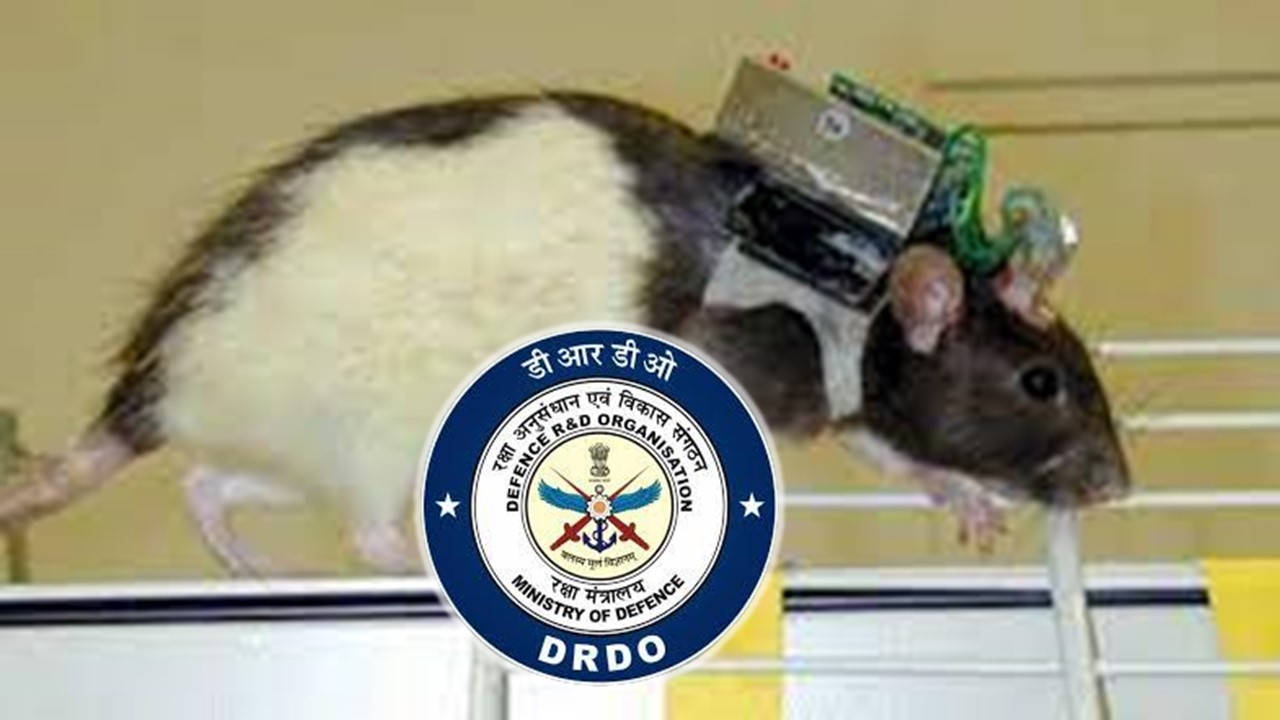
DRDO Develops AI-Controlled Rat Cyborgs for Military Surveillance

Thumbnail Image

The information displayed in the AIM should not be reported as representing the official views of the OECD or of its member countries.

India's DRDO has developed 'rat cyborgs'—laboratory rats fitted with brain electrodes and cameras, remotely guided via AI systems—for intelligence, surveillance, and recovery operations by security forces. While no harm has occurred, the technology raises ethical concerns and potential risks of misuse or rights violations in future military applications.[AI generated]

Why's our monitor labelling this an incident or hazard?

The article details the development and experimental use of AI-enabled rat cyborgs for military surveillance. While AI systems are involved in controlling the rats and processing images, there is no indication of any realized harm or incident. The project is in early trial phases, and the potential for future harm exists but is not realized. Therefore, this qualifies as an AI Hazard due to plausible future risks associated with the technology's use in security operations.[AI generated]

AI principles
Respect of human rightsPrivacy & data governanceTransparency & explainabilityAccountabilityDemocracy & human autonomyRobustness & digital securitySafety

Industries
Government, security, and defenceRobots, sensors, and IT hardwareDigital security

Affected stakeholders
General public

Harm types
Human or fundamental rightsPublic interestPsychologicalReputational

Severity
AI hazard

Business function:
Research and developmentMonitoring and quality control

AI system task:
Recognition/object detectionGoal-driven organisationReasoning with knowledge structures/planning


Articles about this incident or hazard

Thumbnail Image

DRDO's Young Scientist Laboratory team creating 'rat cyborgs' for Intelligence Surveillance and Recovery ops of security forces | Technology

2023-01-06
Devdiscourse
Why's our monitor labelling this an incident or hazard?
The article details the development and experimental use of AI-enabled rat cyborgs for military surveillance. While AI systems are involved in controlling the rats and processing images, there is no indication of any realized harm or incident. The project is in early trial phases, and the potential for future harm exists but is not realized. Therefore, this qualifies as an AI Hazard due to plausible future risks associated with the technology's use in security operations.
Thumbnail Image

MH-SCIENCE-RAT CYBORGS - DRDO's Young Scientist Laboratory team creating 'rat cyborgs' for Intelligence Surveillance and Recovery ops of security forces

2023-01-06
nampa.org
Why's our monitor labelling this an incident or hazard?
The use of electronic commands through brain electrodes to guide rats for surveillance implies the involvement of AI systems for real-time decision-making and control. The development and deployment of such AI-enabled cyborgs for intelligence and surveillance in security operations could plausibly lead to harms such as violations of human rights, privacy breaches, or misuse in security contexts. However, the article does not report any actual harm occurring yet, only the development and intended use. Therefore, this event represents a plausible future risk of harm due to the AI system's use, qualifying it as an AI Hazard rather than an AI Incident.
Thumbnail Image

DRDO developing cyborg mice to rat on enemy | Nagpur News - Times of India

2023-01-05
The Times of India
Why's our monitor labelling this an incident or hazard?
The event involves the use of AI-related technology (remote control via brain stimulation signals) to control animals for military intelligence gathering. Although no direct harm has occurred yet, the development and potential deployment of such AI-enabled cyborg animals in conflict scenarios could plausibly lead to harms including ethical violations and operational risks. Hence, it fits the definition of an AI Hazard rather than an Incident or Complementary Information.
Thumbnail Image

DRDO's Young Scientist Laboratory Team Creating 'Rat Cyborgs' for Intelligence Surveillance, Recovery Ops of Security Forces

2023-01-06
News18
Why's our monitor labelling this an incident or hazard?
The rat cyborgs involve AI systems for remote control and image processing, which qualifies as AI system involvement. The use is in development and trial phases, with no reported harm or incident so far. The technology could plausibly lead to AI incidents in the future if misused or malfunctioning, but currently, it is a potential risk rather than an actual harm. Therefore, this event fits the definition of an AI Hazard, as it plausibly could lead to AI incidents related to security operations but has not yet caused harm.
Thumbnail Image

DRDO's Team is Creating 'Rat Cyborgs' For Intelligence Surveillance And Recovery Operations

2023-01-09
News18
Why's our monitor labelling this an incident or hazard?
The article explicitly describes an AI system (rat cyborgs controlled via electronic commands and brain electrodes) under development and trial. While the system is intended for intelligence and recovery operations, no direct or indirect harm has been reported yet. The potential for future harm exists given the military surveillance and control applications, which could implicate privacy, human rights, or other harms if misused. The mention of lethal robots in San Francisco is complementary context but unrelated to the rat cyborgs. Hence, the event fits the definition of an AI Hazard rather than an Incident or Complementary Information.
Thumbnail Image

DRDO scientists develop 'rat cyborgs' that can help in military

2023-01-05
Deccan Herald
Why's our monitor labelling this an incident or hazard?
The event involves the development and use of AI-enabled brain-machine interfaces to control rats remotely for military intelligence purposes. While no direct harm has been reported yet, the technology's intended use in conflict scenarios implies a credible risk of harm, including potential violations of rights or harm to communities. The AI system's role in controlling the rats is central to the technology. Since harm is plausible but not yet realized, the event is best classified as an AI Hazard rather than an AI Incident. It is not merely complementary information because the focus is on the development and potential use of the AI system with associated risks, not on responses or updates to past incidents.
Thumbnail Image

India News | DRDO's Young Scientist Laboratory Team Creating 'rat Cyborgs' for Intelligence Surveillance and Recovery Ops of Security Forces | LatestLY

2023-01-06
LatestLY
Why's our monitor labelling this an incident or hazard?
The event involves the development and use of an AI system (semi-invasive brain electrodes and electronic command guidance) controlling rats for surveillance, which is a clear AI system. No actual harm is reported yet, but the technology's intended use in intelligence and security operations implies plausible risks of harm, including ethical issues and potential misuse. Hence, it fits the definition of an AI Hazard rather than an Incident or Complementary Information. It is not unrelated because AI is central to the system described.
Thumbnail Image

Decoding the new CYBORG RAT of DRDO

2023-01-09
TFIPOST
Why's our monitor labelling this an incident or hazard?
The article explicitly mentions the development and use of cyborg rats controlled via brain electrodes, which involves AI systems for remote control and navigation. While the technology is intended for beneficial uses like ISR and rescue operations, the article highlights ethical concerns and potential discomfort to animals, indicating possible harm. No actual harm or incident has been reported so far, only ongoing trials and development phases. Thus, the event is best classified as an AI Hazard because the AI system's use could plausibly lead to harm in the future, including ethical violations and misuse, but no direct or indirect harm has yet occurred.
Thumbnail Image

DRDO Scientists Develop 'Rat Cyborgs' That Can Help In Military Operations

2023-01-06
indiandefensenews.in
Why's our monitor labelling this an incident or hazard?
The article explicitly describes an AI system (brain-machine interface controlling rodents) developed for military intelligence gathering. While no harm has yet occurred, the technology's use in military operations could plausibly lead to AI incidents such as violations of rights or harm to communities if misused or malfunctioning. Therefore, this event fits the definition of an AI Hazard, as it plausibly could lead to an AI Incident in the future but no incident has yet materialized.