The information displayed in the AIM should not be reported as representing the official views of the OECD or of its member countries.
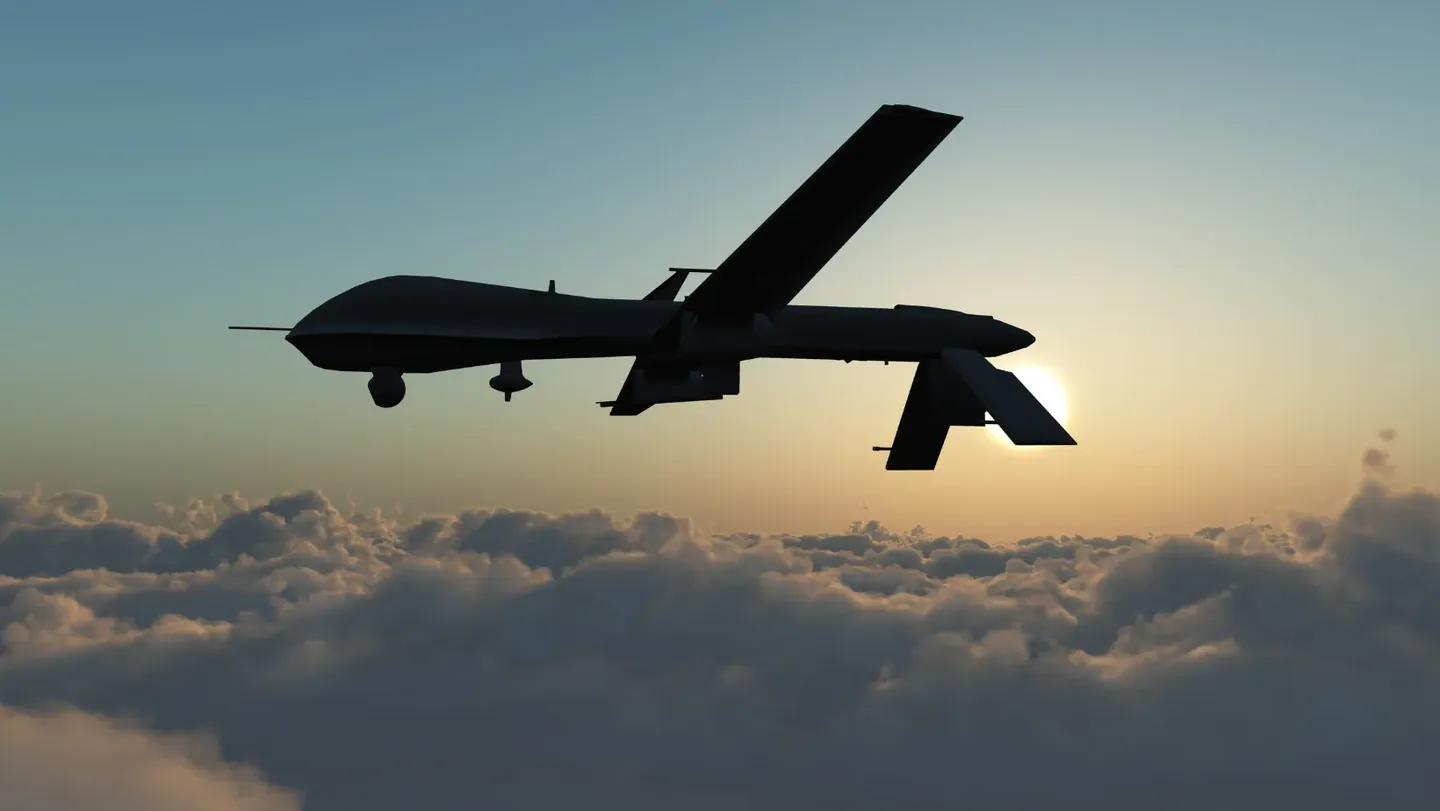
The US Air Force, through an $800,000 contract with RealNetworks, is integrating AI-powered facial recognition into autonomous drones for military use. This technology enables drones to identify and potentially target individuals with minimal human oversight, sparking fears of misuse, targeted killings, and human rights violations.[AI generated]
Why's our monitor labelling this an incident or hazard?
The article explicitly mentions AI systems integrated into drones for facial recognition and autonomous operation. Although no direct harm or incident is reported, the described capabilities and their deployment in sensitive contexts (military targeting, law enforcement surveillance) plausibly could lead to harms such as violations of privacy rights, wrongful targeting, or lethal force without human control. The discussion of ethical and legal concerns and resistance from privacy advocates supports the classification as an AI Hazard rather than an Incident. There is no indication of realized harm yet, so it is not an AI Incident. The article is not merely complementary information or unrelated, as it focuses on the risks and potential harms of these AI systems.[AI generated]


























