The information displayed in the AIM should not be reported as representing the official views of the OECD or of its member countries.
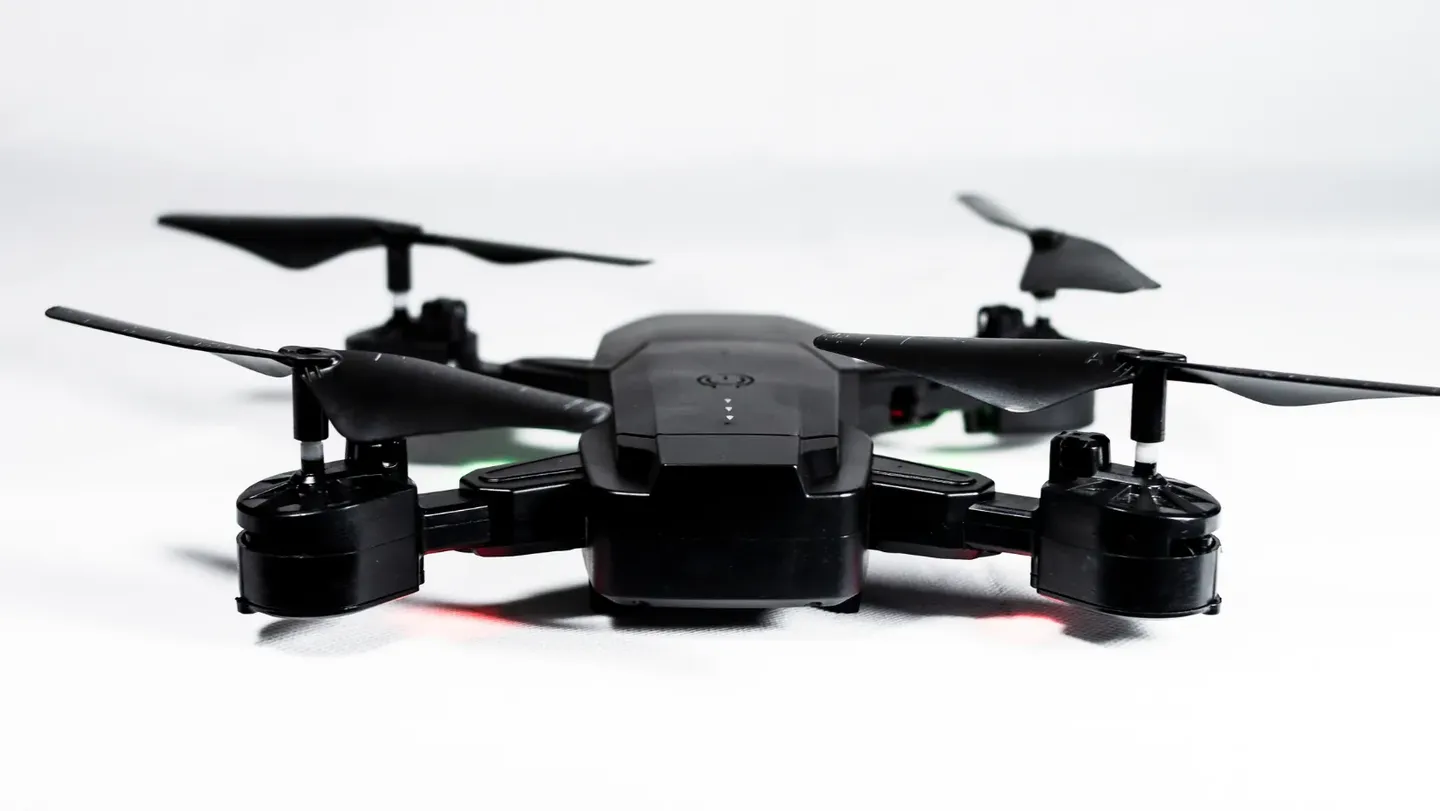
Boeing is developing the MQ-28 'Ghost Bat,' an AI-powered autonomous combat drone, in partnership with the Royal Australian Air Force. Intended for collaborative missions with manned jets like the F-35, its potential deployment highlights credible future risks associated with autonomous military AI, though no harm has yet occurred.[AI generated]
Why's our monitor labelling this an incident or hazard?
The MQ-28 drone is an AI-enabled system given its autonomous collaborative combat role. While the article highlights its development and potential military application, it does not describe any actual harm, malfunction, or misuse leading to injury, rights violations, or other harms. Therefore, it does not qualify as an AI Incident. However, since the drone's development and potential deployment could plausibly lead to future harms related to autonomous weapons systems, it fits the definition of an AI Hazard. The article focuses on the drone's capabilities and potential use, implying credible future risks inherent in autonomous combat drones.[AI generated]


























