AI Image Generators Promote Unrealistic Body Ideals, Raising Mental Health Concerns

Thumbnail Image

The information displayed in the AIM should not be reported as representing the official views of the OECD or of its member countries.

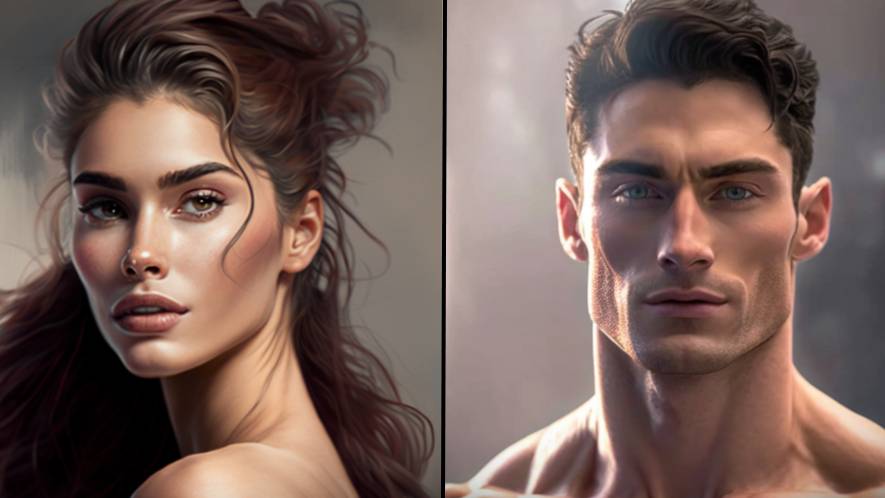
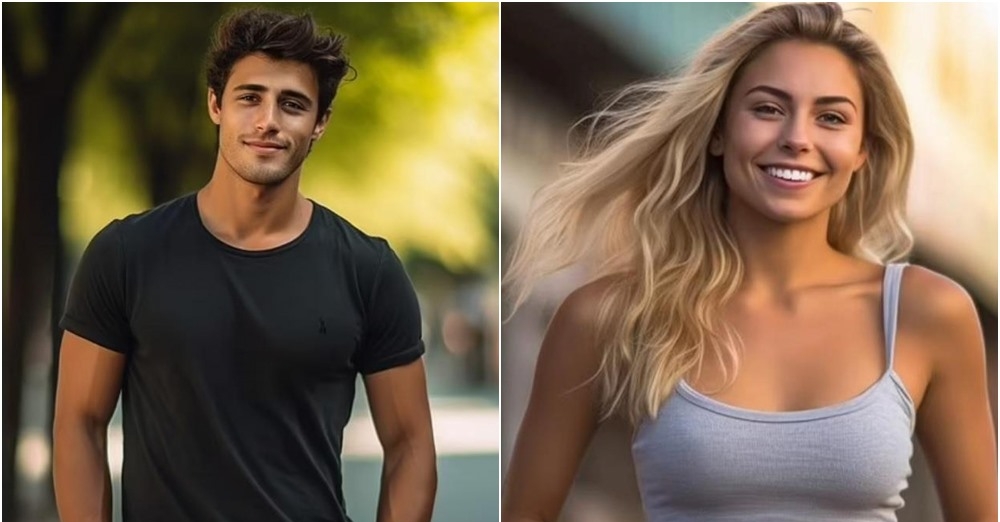
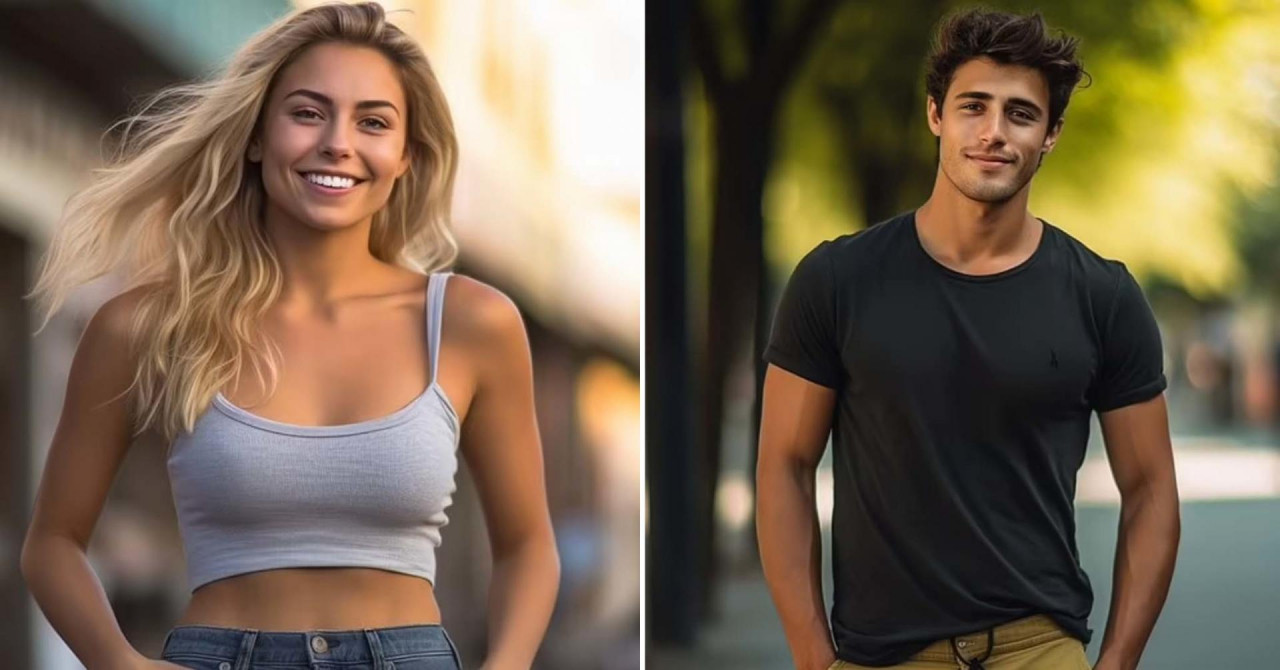
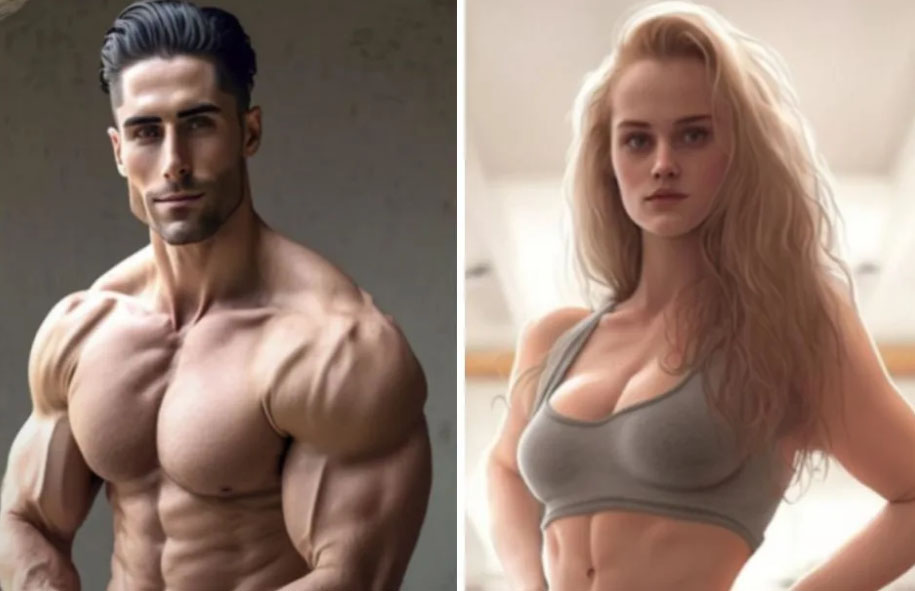
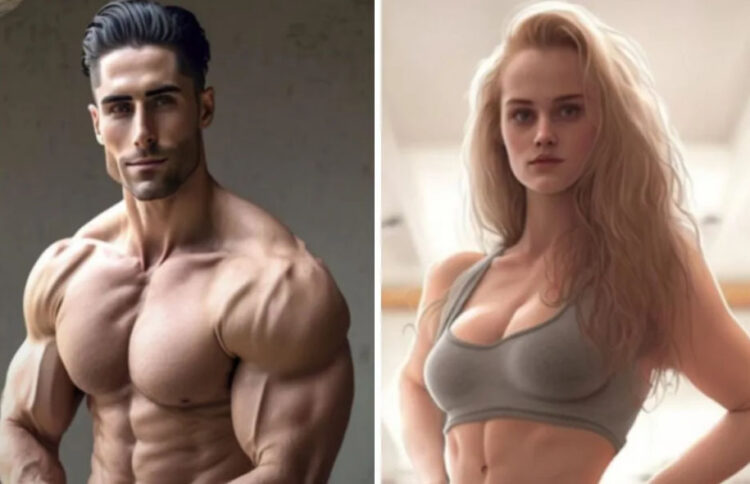
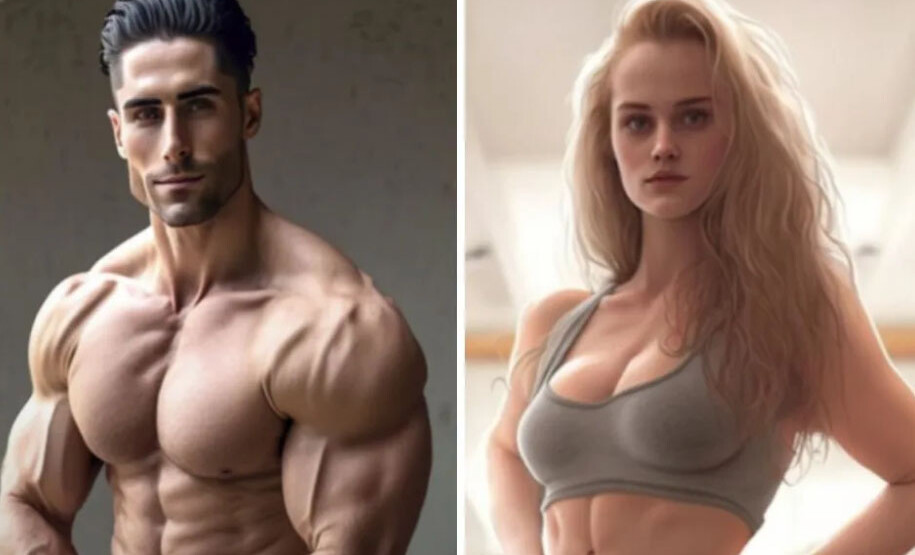
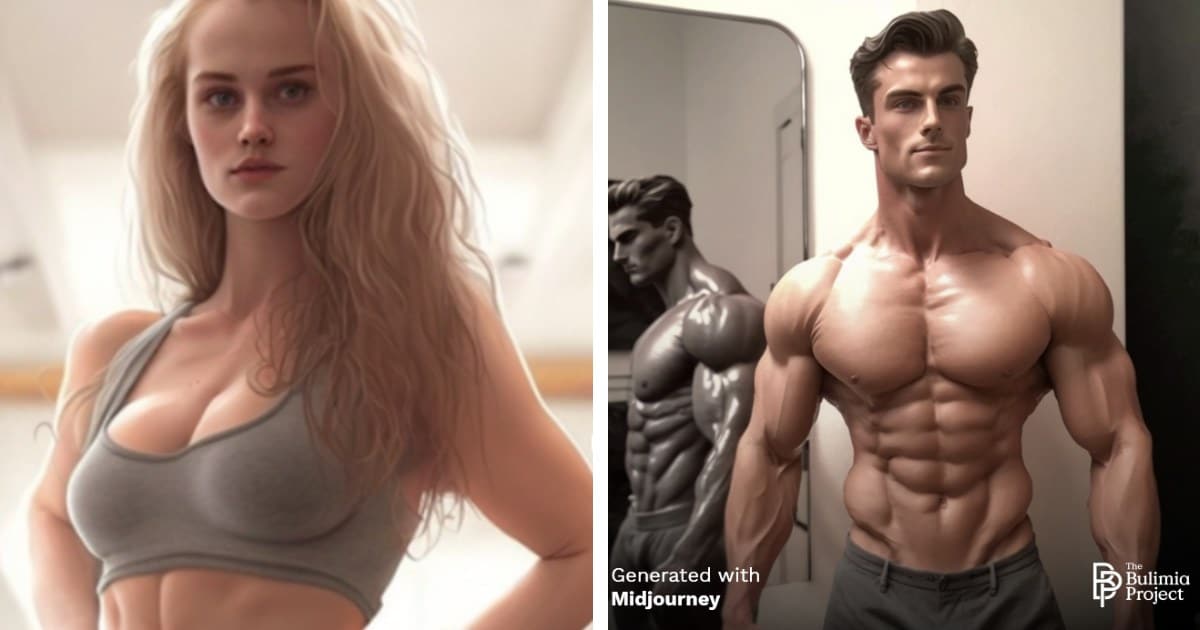
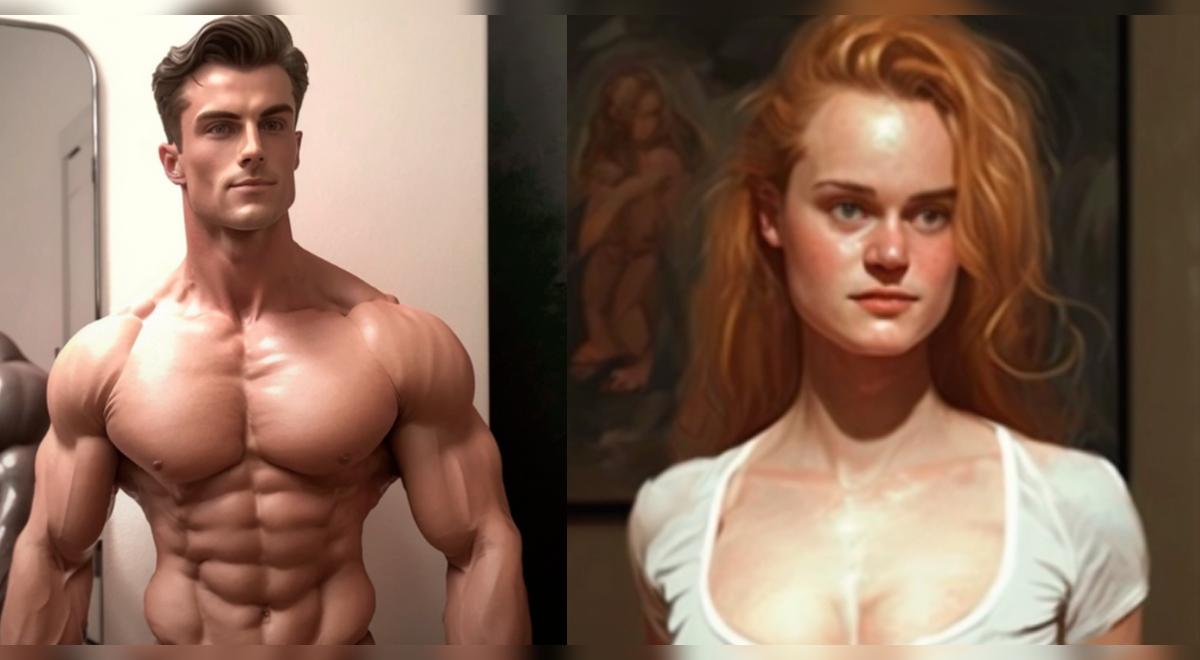
AI image generators like Dall-E 2, Stable Diffusion, and Midjourney, when tasked with creating 'ideal' body types based on social media data, produced highly unrealistic and biased images. The Bulimia Project warns these outputs reinforce harmful beauty standards, potentially contributing to mental health issues and eating disorders.[AI generated]

Why's our monitor labelling this an incident or hazard?

The event involves AI systems generating biased and unrealistic images of ideal body types, which directly contributes to potential harm to individuals' mental health and body image. The AI's outputs reflect and amplify social media biases, leading to unrealistic standards that can cause psychological harm. Since the harm is occurring through the use of AI-generated content influencing perceptions and mental health, this qualifies as an AI Incident under the definition of harm to health and communities caused directly or indirectly by AI system use.[AI generated]
AI principles
FairnessHuman wellbeingSafetyAccountabilityPrivacy & data governanceTransparency & explainabilityRespect of human rights

Industries
Media, social platforms, and marketingArts, entertainment, and recreationHealthcare, drugs, and biotechnology

Affected stakeholders
General public

Harm types
PsychologicalPublic interest

Severity
AI incident

Business function:
Marketing and advertisement

AI system task:
Content generation


Articles about this incident or hazard

Thumbnail Image

AI defines 'ideal body type' per social media - here's what it looks like

2023-05-16
MSN International Edition
Why's our monitor labelling this an incident or hazard?
The AI systems are explicitly involved as they generate images based on social media prompts, reflecting biased and unrealistic body ideals. While no direct physical harm or legal violation is reported, the study highlights potential psychological harm to individuals' self-esteem and body image, which is a form of harm to communities and individuals' mental health. However, the article does not report a specific incident of harm occurring but rather discusses the potential negative impact and biases inherent in AI-generated content. Therefore, this event fits best as Complementary Information, providing context and insight into AI biases and their societal implications rather than documenting a concrete AI Incident or an imminent AI Hazard.
Thumbnail Image

AI shows what the perfect man and woman look like

2023-05-17
LADbible
Why's our monitor labelling this an incident or hazard?
The article clearly involves AI systems generating images based on social media data, which fits the definition of AI systems. The AI's outputs reflect biases and unrealistic body standards, which could plausibly contribute to harm related to body image and mental health issues. However, the article does not report a specific incident where harm has directly or indirectly occurred due to the AI's use, nor does it describe an imminent or plausible future harm event. Instead, it provides an analysis and warning about the societal implications of AI-generated biased images. This aligns with the definition of Complementary Information, as it enhances understanding of AI's impact and potential risks without describing a concrete incident or hazard.
Thumbnail Image

This is what the 'perfect' man and woman look like, according to AI

2023-05-16
Daily Mail Online
Why's our monitor labelling this an incident or hazard?
The AI systems mentioned (Dall-E 2, Stable Diffusion, Midjourney) are used to generate images reflecting social media beauty standards. While the article discusses potential mental health harms linked to social media and unrealistic body ideals, these harms are societal and indirect, not directly caused by the AI systems' malfunction or misuse. There is no specific event where the AI system's development, use, or malfunction directly or indirectly led to harm. The article primarily provides context on AI's role in shaping perceptions and societal concerns, fitting the definition of Complementary Information rather than an Incident or Hazard.
Thumbnail Image

AI defines 'ideal body type' per social media - here's what it looks like

2023-05-16
Fox News
Why's our monitor labelling this an incident or hazard?
The event involves AI systems generating biased and unrealistic images of ideal body types, which directly contributes to potential harm to individuals' mental health and body image. The AI's outputs reflect and amplify social media biases, leading to unrealistic standards that can cause psychological harm. Since the harm is occurring through the use of AI-generated content influencing perceptions and mental health, this qualifies as an AI Incident under the definition of harm to health and communities caused directly or indirectly by AI system use.
Thumbnail Image

AI defines 'ideal body type' per social media - here's what...

2023-05-16
New York Post
Why's our monitor labelling this an incident or hazard?
The AI systems (Dall-E 2, Stable Diffusion, Midjourney) are used to generate images based on prompts related to social media's 'ideal' body types. The resulting images are unrealistic and biased, which can harm individuals' mental health and body image. This constitutes harm to communities and individuals' health, fitting the definition of an AI Incident where the AI system's use has indirectly led to harm. The study explicitly links the AI-generated images to potential negative impacts on mental health and body image, confirming realized harm rather than just potential risk.
Thumbnail Image

AI's perception of the 'ideal' body exposed in shocking study by The Bulimia Project

2023-05-16
Hindustan Times
Why's our monitor labelling this an incident or hazard?
The study involves AI systems (Dall-E 2, Stable Diffusion, Midjourney) generating images that reflect biased and unrealistic body ideals. This AI-generated content contributes to harm by promoting unattainable standards that can affect mental health and body image, which falls under harm to health and communities. The AI's role in producing these biased images is direct and pivotal to the harm described. Therefore, this qualifies as an AI Incident due to the realized harm to mental health and societal well-being caused by the AI-generated unrealistic body images.
Thumbnail Image

AI reveals what 'perfect' man & woman look like & gives them 'ideal bodies'

2023-05-16
The Sun
Why's our monitor labelling this an incident or hazard?
An AI system is clearly involved as the article discusses AI image generators creating idealized human images based on data analytics. The use of AI here is in generating content that reflects biased beauty standards. While the article raises concerns about the negative impact on body image and mental health, it does not describe a specific event where harm has directly or indirectly occurred due to the AI system's outputs. The harms mentioned are potential and societal in nature, not a concrete incident. Therefore, this qualifies as Complementary Information, providing context and raising awareness about AI's societal implications rather than reporting an AI Incident or Hazard.
Thumbnail Image

AI gives its verdict on the 'perfect human' as it presents 'ideal' body type

2023-05-16
Mirror
Why's our monitor labelling this an incident or hazard?
The AI systems were explicitly used to generate images that embody unrealistic and damaging body image ideals, which the study highlights as harmful to mental health and self-esteem. This harm aligns with the definition of an AI Incident, as the AI's outputs directly contribute to the dissemination of harmful stereotypes affecting individuals and communities. The event is not merely a research announcement or general AI news but documents realized harm caused by AI-generated content, thus qualifying as an AI Incident.
Thumbnail Image

AI defines what the 'perfect' man and woman look like

2023-05-17
Sky News
Why's our monitor labelling this an incident or hazard?
The AI systems are clearly involved in generating images that reflect biased and sexualized body ideals, which can indirectly contribute to harm (mental health and community harm). However, the article does not report a specific incident where these AI-generated images have directly caused harm or disruption. Instead, it presents an analysis and warning from a health advocacy group about the potential negative social impact of these AI outputs. This fits the definition of Complementary Information, as it enhances understanding of AI's societal impacts and responses without describing a concrete AI Incident or AI Hazard.
Thumbnail Image

AI reveals the 'perfect' male and female

2023-05-17
NZ Herald
Why's our monitor labelling this an incident or hazard?
The article involves AI systems generating images based on social media data, which fits the definition of AI systems. However, the event does not describe any realized harm (injury, rights violations, disruption) caused by these AI outputs, nor does it describe a plausible future harm scenario. Instead, it discusses the societal implications and awareness raised by the project about unrealistic beauty standards perpetuated by AI and social media algorithms. This aligns with Complementary Information, as it provides supporting context and societal response rather than reporting an incident or hazard.
Thumbnail Image

AI creates images of 'perfect' man and woman with 'ideal body type'

2023-05-17
Daily Star
Why's our monitor labelling this an incident or hazard?
The AI systems involved are explicitly mentioned and used to generate images based on social media data analytics. The harm is indirect and potential, as the unrealistic and sexualized images could plausibly contribute to negative body image and related health harms, but no direct harm or incident is reported. This fits the definition of an AI Hazard, where the AI's use could plausibly lead to harm (e.g., mental health issues related to body image) but no actual harm has been documented in the article.
Thumbnail Image

This Is What AI Thinks Is The "Perfect" Man And Woman

2023-05-19
IFLScience
Why's our monitor labelling this an incident or hazard?
AI image-generators (Dall-E 2, Stable Diffusion, Midjourney) are explicitly involved, generating images based on social media data. The generated images propagate unrealistic and sexualized body standards, which can indirectly harm mental health and well-being of individuals exposed to these images, especially those vulnerable to eating disorders. This constitutes harm to health (mental health) and harm to communities through perpetuation of biased and unrealistic ideals. Therefore, this event qualifies as an AI Incident due to the realized harm caused by the AI systems' outputs.
Thumbnail Image

Artificial intelligence generates images of what it thinks 'perfect' men and women look like | Newshub

2023-05-18
Newshub
Why's our monitor labelling this an incident or hazard?
The AI systems generated images that reflect and amplify biased and unrealistic beauty standards, which can contribute to mental health harms such as body dissatisfaction and eating disorders. This constitutes harm to groups of people (mental health harm) and harm to communities by perpetuating harmful societal norms. Since the AI's outputs have directly led to these harms, this qualifies as an AI Incident under the framework, specifically harm to health and communities. The event is not merely a potential risk but describes realized harm through the impact of these images and the concerns raised by the Bulimia Project and social media watchdogs.
Thumbnail Image

AI's 'ideal body type' sparks debate across social media

2023-05-17
indy100.com
Why's our monitor labelling this an incident or hazard?
The AI systems (Dall-E 2, Stable Diffusion, Midjourney) are involved in generating biased images, which is an AI system use. The outputs reflect societal biases and promote unrealistic body ideals, which can contribute to harmful social perceptions. However, the article does not report any direct or indirect harm resulting from these AI outputs, nor does it indicate a credible risk of imminent harm. The event is primarily a discussion and critique of AI bias and its social implications, without a specific incident of harm or a hazard scenario. Therefore, it is best classified as Complementary Information, providing context and societal response to AI bias issues.
Thumbnail Image

AI shows what the 'perfect man and woman' look like | JOE.ie

2023-05-18
JOE.ie
Why's our monitor labelling this an incident or hazard?
The event involves AI systems (image generators like Dall-E 2, Stable Diffusion, and Midjourney) used to create images based on social media data. The resulting images propagate unrealistic and biased body standards, which can indirectly harm individuals' mental health and societal perceptions of body image. This constitutes harm to communities and individuals' health (mental health), fitting the definition of an AI Incident due to indirect harm caused by the AI system's outputs.
Thumbnail Image

AI shows what the perfect man and woman look like

2023-05-18
JOE.co.uk
Why's our monitor labelling this an incident or hazard?
While the AI system is involved in generating images that reflect biased and unrealistic body ideals, the article does not report any direct or indirect harm resulting from these images. The concerns raised by the Bulimia Project about unrealistic depictions are warnings or critiques rather than descriptions of actual harm caused by the AI outputs. Therefore, this event does not meet the criteria for an AI Incident or AI Hazard. It is best classified as Complementary Information as it provides context and societal response to AI-generated content.
Thumbnail Image

AI defines 'ideal body type' per social media - here's what it looks like - 1010 WCSI

2023-05-16
1010 WCSI
Why's our monitor labelling this an incident or hazard?
The event involves AI systems (generative image models) whose outputs have directly led to harm by reinforcing unrealistic and biased body standards, which can negatively affect mental health and body image. The study's findings highlight the AI's role in perpetuating harmful societal norms, constituting harm to communities and health. This meets the criteria for an AI Incident because the AI's use has directly led to significant, clearly articulated harms related to mental health and societal impact.
Thumbnail Image

AI creates 'perfect' man and woman as social media giants criticised

2023-05-17
Richmond and Twickenham Times
Why's our monitor labelling this an incident or hazard?
AI systems were used to generate images based on social media data, which led to the creation of unrealistic and biased body images. These images can contribute to mental health harms, particularly eating disorders, by promoting unattainable physical ideals. The harm is indirect but significant, as the AI's outputs influence societal standards and individual self-image. Therefore, this event meets the criteria for an AI Incident due to indirect harm to health and communities caused by the AI system's outputs.
Thumbnail Image

Prema umjetnoj inteligenciji ovako izgledaju savršen muškarac i žena

2023-05-18
Tuzlanski.ba
Why's our monitor labelling this an incident or hazard?
An AI system (image generators) was used to create content reflecting biased beauty standards derived from social media data. While the article discusses potential harm to mental and physical health due to unrealistic ideals, it does not report any direct or realized harm caused by the AI outputs. Instead, it raises awareness about AI biases and societal impacts, which aligns with providing complementary information about AI's influence and risks rather than documenting an incident or hazard.
Thumbnail Image

Ovako izgledaju savršen muškarac i savršena žena prema veštačkoj inteligenciji

2023-05-18
Krstarica
Why's our monitor labelling this an incident or hazard?
The AI system's use in generating idealized images based on biased social media data has indirectly led to harm by reinforcing unrealistic and sexualized body standards, which are known to contribute to health issues like eating disorders and negative self-image. This constitutes harm to communities and health (a and d). Therefore, this event qualifies as an AI Incident because the AI's development and use have directly or indirectly led to harm through biased and harmful representations.
Thumbnail Image

Ovako izgledaju savršen muškarac i savršena žena prema umjetnoj inteligenciji

2023-05-18
IndexHR
Why's our monitor labelling this an incident or hazard?
The AI system is explicitly involved as it generated images based on social media data. The article discusses the biased and sexualized nature of these images, which could contribute to societal harm such as reinforcing unrealistic body standards. However, no actual harm or incident resulting from the AI's outputs is described as having occurred. The focus is on the analysis and concerns raised by the Bulimia Project, making this a report providing complementary information about AI biases and societal implications rather than an AI Incident or Hazard.
Thumbnail Image

Ovako izgledaju savršeni muškarac i žena, tvrdi umjetna inteligencija

2023-05-17
Jutarnji list
Why's our monitor labelling this an incident or hazard?
The event involves the use of AI systems (image generators like Midjourney) that generate content based on biased data from social media. This use of AI indirectly leads to harm by perpetuating harmful societal beauty standards, which can affect mental health and well-being. Although no direct physical injury is reported, the harm to mental health and societal well-being qualifies as harm to communities, fitting the definition of an AI Incident. The article does not merely discuss potential harm but shows that AI outputs are already reinforcing these biases and unrealistic ideals, thus constituting realized harm.
Thumbnail Image

OVAKO IZGLEDAJU SAVRŠENI MUŠKARAC I ŽENA PO VEŠTAČKOJ INTELIGENCIJI: Rezultati su ŠOKANTNI, a ovo posebno zabrinjava! (FOTO)

2023-05-18
kurir.rs
Why's our monitor labelling this an incident or hazard?
An AI system was used to generate images representing idealized human forms based on social media data. The results show biased and sexualized portrayals that could indirectly contribute to harm by reinforcing unrealistic body standards and potentially exacerbating eating disorders or body dissatisfaction. However, the article does not report a direct incident of harm occurring but highlights concerns about the implications of such AI-generated content. Therefore, this event plausibly leads to harm related to health and societal well-being, fitting the definition of an AI Hazard rather than an AI Incident.
Thumbnail Image

Veštačka inteligencija pokazala kako izgledaju savršeni muškarac i žena - ispostavilo se da je svet u debelom problemu

2023-05-18
NOVA portal
Why's our monitor labelling this an incident or hazard?
An AI system was used to generate images based on large-scale social media data, which led to the creation of unrealistic and sexualized body ideals. This can be considered harm to communities by perpetuating harmful stereotypes and unrealistic standards, which can negatively impact mental health and social well-being. The AI's role in producing these images is direct, as it generated the content that embodies these problematic ideals. Therefore, this qualifies as an AI Incident due to harm to communities and health-related concerns (eating disorders).
Thumbnail Image

Ovako izgledaju savršen muškarac i žena prema umjetnoj inteligenciji: Preplanuli su...

2023-05-18
Oslobođenje d.o.o.
Why's our monitor labelling this an incident or hazard?
The AI system's use in generating idealized images based on biased social media data has indirectly led to harm by promoting unrealistic and sexualized body standards, which can negatively impact individuals' mental health and contribute to eating disorders. This constitutes harm to communities and individuals' health, fitting the definition of an AI Incident. The article explicitly discusses these harms and the concerns raised by the Bulimia Project, linking the AI's outputs to real-world negative effects.
Thumbnail Image

OVAKO IZGLEDAJU SAVRŠENI MUŠKARAC I ŽENA: TVRDI UMJETNA INTELIGENCIJA

2023-05-18
Hayat.ba
Why's our monitor labelling this an incident or hazard?
The event involves the use of AI systems (image generators) to produce content reflecting biased beauty standards. While this raises concerns about AI bias and societal impact on body image perceptions, the article does not describe any realized harm or incident caused by the AI outputs. There is no indication of injury, rights violations, or other harms directly or indirectly caused by the AI system's use. The article serves more as an informative or awareness-raising piece about AI bias and its societal implications, which fits the definition of Complementary Information rather than an AI Incident or Hazard.
Thumbnail Image

Vještačka inteligencija kreirala slike: Evo kako izgledaju savršene žene i muškarci

2023-05-20
Dnevne novine Dan
Why's our monitor labelling this an incident or hazard?
An AI system was used to generate images reflecting societal ideals derived from social media data. The resulting images are unrealistic and sexualized, which the reporting organization warns could harm individuals' mental health and body image perceptions. This constitutes indirect harm to health and communities, fitting the definition of an AI Incident due to the AI system's role in producing content that contributes to these harms.
Thumbnail Image

Ovako izgledaju savršeni muškarac i žena prema vještačkoj inteligenciji

2023-05-18
N1
Why's our monitor labelling this an incident or hazard?
The AI system is explicitly involved in generating images based on large-scale data analysis, fitting the definition of an AI system. The event stems from the AI's use in generating these images. However, no actual harm or incident resulting from these images is described; the article focuses on the analysis and concerns raised by an advocacy group. There is no indication that these images have caused injury, rights violations, or other harms, nor that they pose a direct plausible future harm as an AI Hazard. Thus, the article provides complementary information about AI's societal effects rather than reporting an incident or hazard.
Thumbnail Image

Ovako izgledaju savršeni muškarac i žena prema vještačkoj inteligenciji - Express

2023-05-18
Express
Why's our monitor labelling this an incident or hazard?
The AI system's development and use in generating idealized images based on biased social media data has indirectly led to harm by reinforcing unrealistic and sexualized body ideals. This can negatively impact individuals' mental health and body image, which constitutes harm to groups of people. Therefore, this event qualifies as an AI Incident due to the realized harm linked to the AI system's outputs.
Thumbnail Image

Η τεχνητή νοημοσύνη δημιούργησε τον "ιδανικό άντρα" και την "ιδανική γυναίκα" και προκάλεσε θύελλα αντιδράσεων | in.gr

2023-05-17
in.gr
Why's our monitor labelling this an incident or hazard?
The event involves AI systems generating biased and unrealistic images that could plausibly contribute to societal harms such as reinforcing harmful beauty standards and biases. However, the article does not report any actual harm or incidents resulting from these images, only that the results are concerning and potentially problematic. Therefore, this qualifies as an AI Hazard, as the AI's use could plausibly lead to harm but no harm has been documented yet.
Thumbnail Image

Η τεχνητή νοημοσύνη αποκαλύπτει πως μοιάζει ο τέλειος άνδρας και η ιδανική γυναίκα και προκαλεί έντονες αντιδράσεις (vid)

2023-05-17
Gazzetta.gr - Sports News Portal
Why's our monitor labelling this an incident or hazard?
The AI systems involved generated biased and stereotypical images that have caused public concern and are considered harmful due to their unrealistic and exclusionary nature. The harm is indirect but significant, affecting societal perceptions and potentially contributing to mental health issues and discrimination. Since the AI's outputs have directly contributed to these harms, this qualifies as an AI Incident under the framework's criteria for harm to communities and violation of rights related to dignity and non-discrimination.
Thumbnail Image

Η τεχνητή νοημοσύνη δημιούργησε τον "ιδανικό άντρα" και την "ιδανική γυναίκα" και προκάλεσε θύελλα αντιδράσεων - larissanet.gr

2023-05-17
larissanet.gr
Why's our monitor labelling this an incident or hazard?
The event involves AI systems generating biased and unrealistic images, which is an example of AI use and its societal impact. However, no direct or indirect harm has been reported as having occurred yet. The article focuses on raising awareness about these biases and their potential implications rather than describing an incident causing harm or a credible imminent risk. Thus, it fits the definition of Complementary Information, providing supporting data and context about AI's societal effects without constituting an AI Incident or AI Hazard.
Thumbnail Image

Κάπως έτσι "νομίζει" η τεχνητή νοημοσύνη πως μοιάζει ο "τέλειος" άνδρας και η "τέλεια" γυναίκα

2023-05-18
City Online Free Press
Why's our monitor labelling this an incident or hazard?
The event involves the use of an AI system that analyzes vast social media image data to generate idealized human images. The outputs reflect unrealistic beauty standards, which can contribute to harm by reinforcing harmful societal norms and potentially affecting mental health, especially related to body image and eating disorders. Although no direct physical harm is reported, the AI's role in producing problematic content that can influence perceptions and contribute to psychological harm aligns with harm to communities and health. Therefore, this qualifies as an AI Incident due to indirect harm caused by the AI system's outputs.
Thumbnail Image

Τεχνητή νοημοσύνη: Έτσι μοιάζει ο τέλειος άνδρας και η ιδανική γυναίκα

2023-05-18
ekriti
Why's our monitor labelling this an incident or hazard?
The AI systems were used to generate images that reflect and amplify social biases and stereotypes, which can cause harm to communities by perpetuating unrealistic and potentially damaging ideals of appearance. This constitutes harm to communities and possibly to individuals' mental health, fitting the definition of an AI Incident where the AI's use has directly or indirectly led to harm. Therefore, this event qualifies as an AI Incident.
Thumbnail Image

This is what the 'perfect' man and woman look like, according to AI

2023-05-21
MSN International Edition
Why's our monitor labelling this an incident or hazard?
The event involves AI systems (Dall-E 2, Stable Diffusion, Midjourney) generating images based on social media and internet standards. While the AI outputs reflect and potentially reinforce harmful societal biases about body image, the article does not report any direct or indirect harm occurring from these AI outputs, nor does it describe a specific incident of harm or a plausible immediate risk of harm. Instead, it provides an analysis and critique of AI-generated content and its implications for body image perceptions. Therefore, this is best classified as Complementary Information, as it provides contextual understanding and societal implications related to AI without describing a concrete AI Incident or AI Hazard.
Thumbnail Image

AI's Generates "Perfect" People, Gives Eye-Opening Look at Beauty Standards

2023-05-23
My Modern Met
Why's our monitor labelling this an incident or hazard?
The AI systems (Dall-E 2, Stable Diffusion, Midjourney) are explicitly involved as image generators producing content that reflects unrealistic and biased beauty standards. While this could plausibly contribute to societal harm related to body image and self-esteem, the article does not report any actual harm or incident resulting from these AI outputs. Instead, it focuses on raising awareness of biases and the need for education, which aligns with providing complementary information about AI's societal impacts rather than reporting an incident or hazard.
Thumbnail Image

AI has created images of the 'perfect' man and woman - and it's so damaging

2023-05-23
Glamour UK
Why's our monitor labelling this an incident or hazard?
The AI systems (Dall-E 2, Stable Diffusion, Midjourney) were used to generate images based on prompts reflecting social media ideals. The resulting images depict unrealistic and sexualized body types, which can indirectly contribute to harm by reinforcing damaging societal standards and affecting mental health. This aligns with harm to health (mental health) and harm to communities through propagation of unrealistic body ideals. Therefore, this qualifies as an AI Incident due to the AI system's use leading to indirect harm to health and communities.
Thumbnail Image

This is what the 'perfect' man and woman look like, according to AI

2023-05-21
indy100.com
Why's our monitor labelling this an incident or hazard?
The AI systems are explicitly involved as image generators producing biased and unrealistic depictions of human bodies. While the article does not report direct physical harm caused by these images, it discusses the potential mental health harm due to promoting unrealistic and unhealthy body standards. This constitutes an indirect harm to health (mental health) of groups of people. Therefore, the event qualifies as an AI Incident because the AI systems' outputs have directly or indirectly led to harm (mental health risks) through the propagation of unrealistic and potentially dangerous beauty ideals.
Thumbnail Image

AI exposes shocking truth: Social media's twisted vision of 'perfect' man and woman

2023-05-23
Study Finds
Why's our monitor labelling this an incident or hazard?
The AI systems are used here as analytical tools to generate images reflecting social media's promoted body ideals. There is no harm caused by the AI systems themselves, nor is there a plausible future harm directly linked to the AI's development, use, or malfunction. The article discusses societal impacts of social media and body image, but the AI's role is to reveal these issues rather than cause them. Therefore, this is best classified as Complementary Information, as it provides context and insight into AI's application in social research without describing an AI Incident or Hazard.
Thumbnail Image

IA muestra al hombre y mujer "perfectos" según redes sociales: resultados causan preocupación

2023-05-23
BioBioChile
Why's our monitor labelling this an incident or hazard?
The event involves the use of AI systems to generate images, which is an AI system involvement. The harm is indirect: the AI-generated images perpetuate unrealistic beauty standards that can contribute to mental health issues such as insecurity and depression, particularly in youth. This constitutes harm to health and communities. Since the harm is occurring as described (effects on mental health and societal impact), this qualifies as an AI Incident rather than a hazard or complementary information.
Thumbnail Image

¿Cómo son la mujer y el hombre "perfectos"? Esto es lo que arrojó la Inteligencia Artificial

2023-05-21
El Heraldo de M�xico
Why's our monitor labelling this an incident or hazard?
The AI systems are clearly involved as generative image models producing outputs based on social media data. The project reveals biases in these AI outputs, which is a known issue but the article does not report any realized harm such as injury, rights violations, or disruption. Nor does it describe a credible risk of harm that could plausibly lead to an AI Incident. The article's main focus is on raising awareness about AI biases and societal perceptions, which fits the definition of Complementary Information as it provides context and understanding about AI impacts without reporting a new incident or hazard.
Thumbnail Image

La inteligencia artificial creó imágenes del hombre y mujer 'perfectos'

2023-05-22
Clarin
Why's our monitor labelling this an incident or hazard?
The AI systems involved are generative image models used to create representations based on social media data. While the outputs reflect biases and unrealistic body standards that could plausibly contribute to harm such as lowered self-esteem, the article does not document any actual harm occurring as a direct or indirect result of the AI's use. The focus is on raising awareness about the potential societal impact of AI-generated images and social media algorithms promoting unrealistic body types. Therefore, this is best classified as Complementary Information, providing context and insight into AI's role in shaping perceptions but not describing an AI Incident or Hazard.
Thumbnail Image

La inteligencia artificial creó imágenes del hombre y mujer "perfectos": cómo son

2023-05-23
LaPatilla.com
Why's our monitor labelling this an incident or hazard?
An AI system (Dall-E 2, Stable Diffusion, Midjourney) was used to generate images based on data analysis. The resulting images show biased and sexualized representations, which can contribute to harm by reinforcing unrealistic body standards and stereotypes. However, the article does not report direct harm occurring from these images, nor does it describe a specific incident of injury, rights violation, or disruption. Instead, it highlights concerns about the nature of the AI outputs and their societal implications, which is a potential harm scenario. Therefore, this event is best classified as Complementary Information, as it provides context and raises awareness about biases and societal impacts of AI-generated content without reporting a concrete AI Incident or imminent hazard.
Thumbnail Image

Inteligencia Artificial recrea al hombre y a la mujer perfectos |FOTOS

2023-05-24
Milenio.com
Why's our monitor labelling this an incident or hazard?
An AI system was used to create images that embody certain beauty standards. The study points out that these AI-generated images reproduce biased and unrealistic ideals, which can indirectly cause harm by perpetuating harmful stereotypes and contributing to social and psychological harm related to body image and discrimination. Although no direct physical harm is reported, the AI's role in reinforcing biased standards that can affect mental health and social perceptions constitutes harm to communities and individuals. Therefore, this qualifies as an AI Incident due to indirect harm caused by the AI system's outputs.
Thumbnail Image

Las inquietantes imágenes del hombre y la mujer 'perfectos' según la inteligencia artificial

2023-05-24
LaRepublica.pe
Why's our monitor labelling this an incident or hazard?
The event involves AI systems (image generators) whose outputs reflect and propagate unrealistic and potentially harmful body standards. This can contribute to harm to communities by reinforcing harmful beauty ideals that may affect mental health and body image, especially in vulnerable groups. However, the article does not report a specific incident of realized harm caused directly or indirectly by the AI outputs, but rather highlights the presence of bias and the potential for harm. Therefore, this is best classified as Complementary Information, as it provides important context and understanding about AI biases and their societal implications without describing a concrete AI Incident or an immediate AI Hazard.
Thumbnail Image

Le pidieron a la Inteligencia Artificial crear "al hombre y a la mujer perfectos": ¿es lo que esperabas? | Viral | La Voz del Interior

2023-05-22
La Voz
Why's our monitor labelling this an incident or hazard?
The event involves the use of AI image generation systems (Dall-E 2, Stable Diffusion, Midjourney) to create images reflecting societal beauty standards. However, there is no indication that the AI's use directly or indirectly caused harm such as injury, rights violations, or disruption. Instead, the study uses AI outputs to analyze and raise awareness about social issues related to body image and mental health. Therefore, this is complementary information providing context and insight into AI's societal impact rather than an incident or hazard.
Thumbnail Image

Esta es la mujer y el hombre "perfectos", según imágenes creadas con Inteligencia Artificial

2023-05-24
El Diario Nueva York
Why's our monitor labelling this an incident or hazard?
The article involves AI systems explicitly (image generators) and discusses their outputs' societal implications. However, it does not report any direct or indirect harm caused by these AI systems, nor does it describe a plausible future harm event. Instead, it presents findings from an awareness project analyzing AI-generated images to highlight biases and unrealistic standards. This fits the definition of Complementary Information, as it supports understanding of AI impacts without describing a specific incident or hazard.