Israel's Shin Bet Uses AI to Prevent Terror and Cyber Threats

Thumbnail Image

The information displayed in the AIM should not be reported as representing the official views of the OECD or of its member countries.

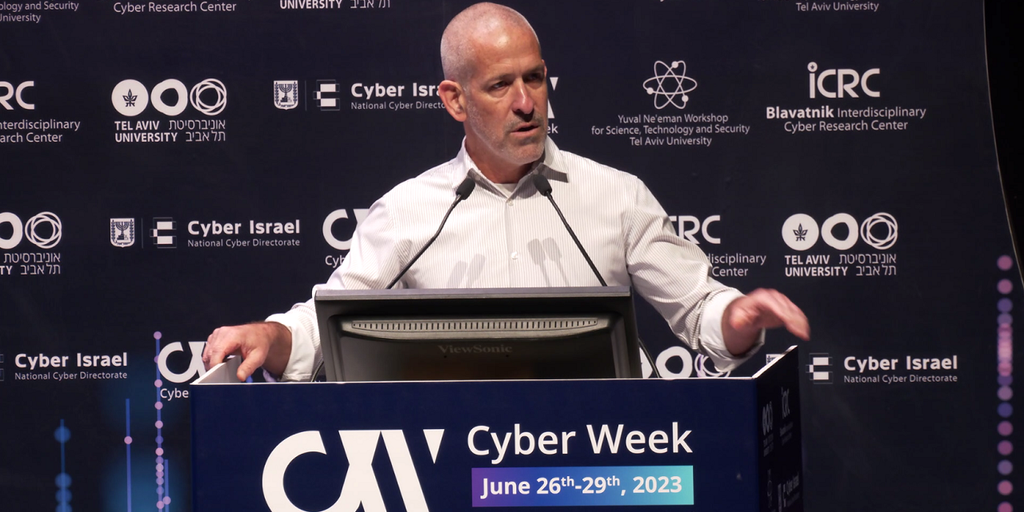
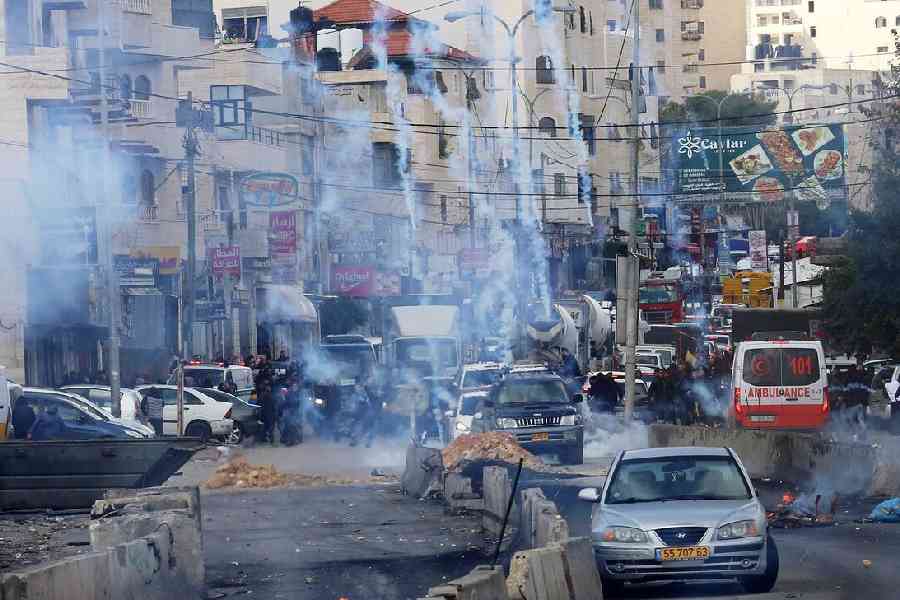
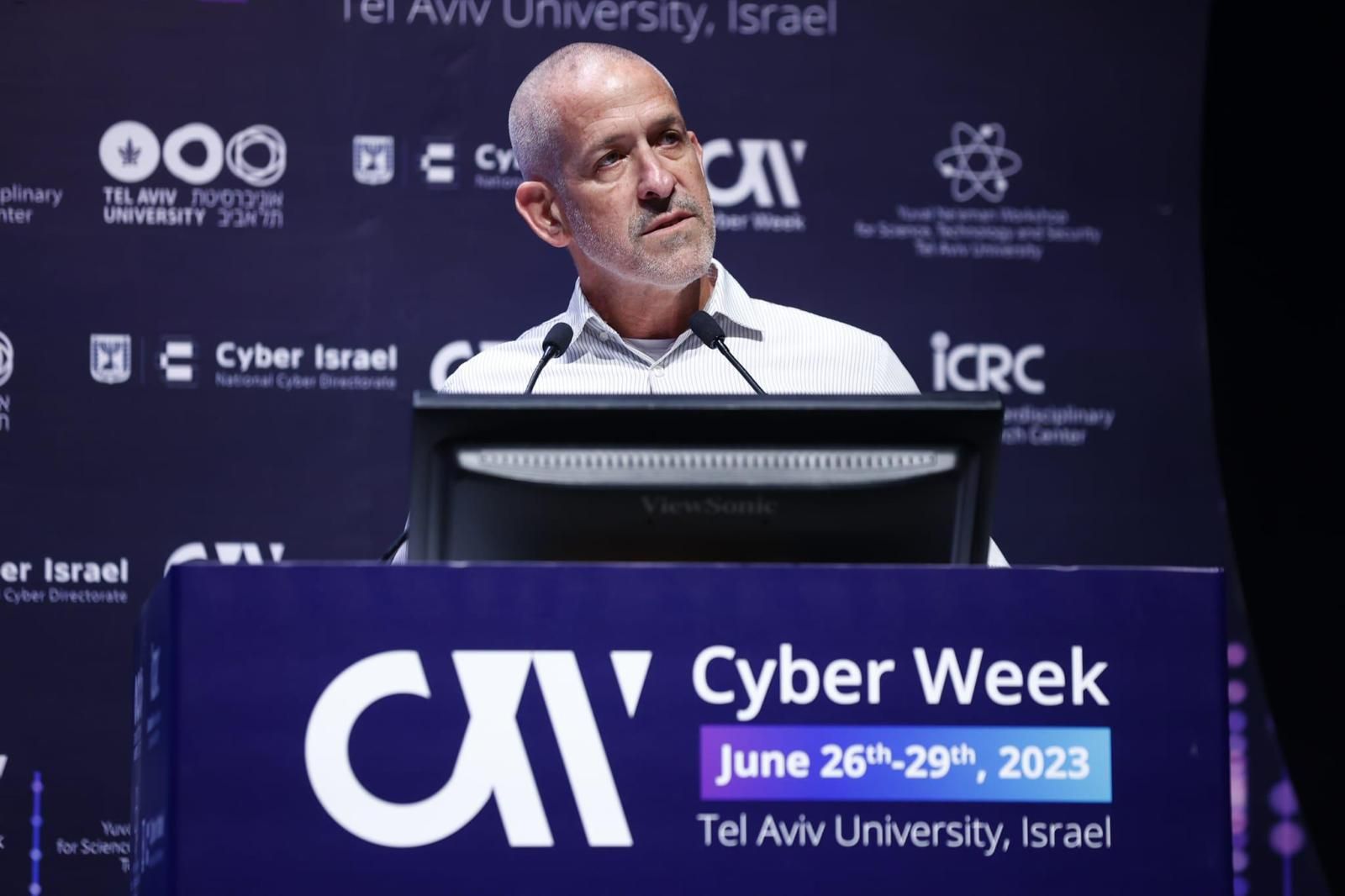
Israel's Shin Bet security agency has integrated AI, including a generative AI platform, into its operations to detect and prevent terrorism and cyberattacks. The AI systems have flagged surveillance anomalies, processed large volumes of intelligence, and directly contributed to foiling hundreds of attacks and arrests since 2022.[AI generated]

Why's our monitor labelling this an incident or hazard?

The involvement of AI in flagging anomalies and assisting in decision-making to foil threats constitutes the use of an AI system that has directly led to harm prevention, which aligns with the definition of an AI Incident. The article reports realized benefits in security operations rather than potential risks or general AI developments, so it is classified as an AI Incident due to the direct role of AI in preventing harm.[AI generated]

Industries
Government, security, and defenceDigital security

Severity
AI incident

Business function:
ICT management and information securityCompliance and justice

AI system task:
Event/anomaly detectionForecasting/predictionContent generationReasoning with knowledge structures/planning


Articles about this incident or hazard

Thumbnail Image

Israel's FBI counterpart Shin Bet deploying generative AI to thwart threats

2023-06-27
Economic Times
Why's our monitor labelling this an incident or hazard?
The involvement of AI in flagging anomalies and assisting in decision-making to foil threats constitutes the use of an AI system that has directly led to harm prevention, which aligns with the definition of an AI Incident. The article reports realized benefits in security operations rather than potential risks or general AI developments, so it is classified as an AI Incident due to the direct role of AI in preventing harm.
Thumbnail Image

Israel embraces cutting-edge AI to thwart cyberattacks, foil terrorism

2023-06-28
Fox News
Why's our monitor labelling this an incident or hazard?
The involvement of AI systems in this event is explicit, with descriptions of generative AI platforms and AI-powered data analysis tools used by security agencies. The AI systems' use has directly led to the prevention of harm by identifying and thwarting terrorist attacks and cyber threats, which constitutes harm prevention to people and communities. Therefore, this qualifies as an AI Incident because the AI systems' use has directly led to significant harm prevention and protection against threats, which falls under harm to communities and persons. The article does not merely discuss potential risks or future hazards but reports on realized operational use and outcomes.
Thumbnail Image

Israel's Shin Bet spy service uses generative AI to thwart threats

2023-06-27
Yahoo! Finance
Why's our monitor labelling this an incident or hazard?
The Shin Bet's use of generative AI to detect and prevent threats indicates that the AI system's use has directly led to harm prevention, which aligns with harm to communities or national security. Since the AI system's deployment has contributed to thwarting threats, this constitutes an AI Incident under the definition of harm caused by AI system use. The article explicitly mentions realized benefits in threat interdiction, not just potential or future risks, so it is not merely a hazard or complementary information.
Thumbnail Image

Israel Developing Cyber Iron Dome System To Tackle Threats Using AI - Shin Bet Chief - UrduPoint

2023-06-28
UrduPoint
Why's our monitor labelling this an incident or hazard?
The event involves the use of an AI system in cybersecurity to prevent terror threats and other malicious activities. However, the article does not describe any realized harm caused by the AI system or any malfunction leading to harm. Instead, it highlights the system's role in threat detection and prevention. Therefore, this is not an AI Incident or AI Hazard but rather complementary information about AI's role in security and defense.
Thumbnail Image

Israel develops 'cyber Iron Dome' to find terrorists online

2023-06-30
The Sunday Times
Why's our monitor labelling this an incident or hazard?
The article explicitly mentions the use of artificial intelligence by a security agency to identify threats related to terrorism and incitement online. The AI system is used operationally to detect and presumably act upon these threats, which are linked to potential harm to persons and communities. This constitutes an AI system's use leading directly or indirectly to harm prevention in a security context. Since the AI system is actively used to identify threats that have real-world harmful implications, this qualifies as an AI Incident rather than a hazard or complementary information. The spyware's role in identifying threats that could cause injury or harm to people fits the definition of an AI Incident under harm category (a) and (d).
Thumbnail Image

Israel's Shin Bet uses Artificial Intelligence to thwart substantial threats

2023-06-28
The Telegraph
Why's our monitor labelling this an incident or hazard?
The Shin Bet's use of AI to detect and prevent substantial threats involves the use of AI systems in operational security and intelligence. The AI system's outputs have directly contributed to thwarting threats, which can be considered harm prevention related to public safety and security. This fits the definition of an AI Incident because the AI system's use has directly led to harm prevention (a form of harm to persons or communities by preventing injury or attacks). The article does not describe potential or future harm but actual operational use with impact. Therefore, this is an AI Incident.
Thumbnail Image

Innovative Measures: Shin Bet Spy Service in Israel Harnesses Generative AI for Threat Prevention

2023-06-28
ReadWrite
Why's our monitor labelling this an incident or hazard?
The Shin Bet's generative AI platform is integrated into their operational processes to analyze surveillance data, detect anomalies, and simulate scenarios to anticipate and mitigate threats. This use of AI directly contributes to preventing harm to national security, which is a form of harm to communities and potentially critical infrastructure. The article reports on realized use and impact of AI in preventing incidents, not just potential or future risks. Therefore, this qualifies as an AI Incident rather than a hazard or complementary information. The involvement is explicit and the harm prevented is significant, meeting the criteria for an AI Incident.
Thumbnail Image

Israel developing cyber iron dome system to tackle threats using AI

2023-06-28
http://www.uniindia.com/fadnavis-orders-probe-into-mumbai-pub-fire/states/news/1090400.html
Why's our monitor labelling this an incident or hazard?
The event involves the use of an AI system in cybersecurity to prevent threats, which is a use of AI technology to mitigate harm. However, the article does not describe any realized harm or incident caused by the AI system itself, nor does it indicate any malfunction or misuse leading to harm. Instead, it highlights the proactive use of AI for defense and threat prevention. Therefore, this is not an AI Incident or AI Hazard but rather complementary information about AI deployment in security contexts.
Thumbnail Image

Israel developing cyber iron dome system to tackle threats using AI

2023-06-28
http://www.uniindia.com/fadnavis-orders-probe-into-mumbai-pub-fire/states/news/1090400.html
Why's our monitor labelling this an incident or hazard?
The event involves the use of an AI system in cybersecurity operations to prevent terror threats, which relates to harm prevention in the domain of security and terrorism. The AI system's use is described as already operational and effective in identifying threats, thus directly contributing to harm prevention. There is no indication of malfunction or misuse causing harm; rather, the AI system is used as a protective measure. Therefore, this is not an incident causing harm but rather a deployment of AI with potential positive impact. Since the system is already in action and no harm or hazard is described, the article is best classified as Complementary Information about AI use in security.
Thumbnail Image

Israel developing cyber iron dome system to tackle threats using AI

2023-06-28
http://www.uniindia.com/fadnavis-orders-probe-into-mumbai-pub-fire/states/news/1090400.html
Why's our monitor labelling this an incident or hazard?
The event involves the use of an AI system in cybersecurity operations to prevent terror threats, which relates to harm prevention in the domain of security and terrorism. Since the AI system is already in action and has identified significant threats, it is directly involved in mitigating harm. However, the article does not report any realized harm caused by the AI system itself, nor any malfunction or misuse leading to harm. Instead, it describes the AI system's use as a protective measure. Therefore, this event does not qualify as an AI Incident or AI Hazard. It is best classified as Complementary Information, as it provides context and updates on the use of AI in security and defense without reporting new harm or risk.
Thumbnail Image

Israel's Shin Bet chief: 'We identified significant number of threats using AI' - I24NEWS

2023-06-27
i24NEWS English
Why's our monitor labelling this an incident or hazard?
The involvement of AI in identifying a significant number of terror threats and preventing harm from terrorism and espionage constitutes an AI system's use that directly impacts harm prevention. Since the AI system's use is linked to preventing injury or harm to persons (terror threats), this qualifies as an AI Incident under the framework. The article describes realized use of AI in security operations, not just potential or future risks, and the harm context is clear (terrorism prevention).
Thumbnail Image

Israel's Shin Bet spy service uses AI to thwart threats

2023-06-27
China Daily Asia
Why's our monitor labelling this an incident or hazard?
The involvement of AI in the Shin Bet's operations is explicit, with AI systems used to analyze surveillance and intelligence data to identify threats. The use of AI has directly contributed to preventing harm by thwarting security threats, which can be considered harm to communities or public safety. Therefore, this qualifies as an AI Incident because the AI system's use has directly led to harm prevention in a security context, which is a form of harm under the framework (harm to communities).
Thumbnail Image

Israel embraces cutting-edge AI to thwart cyberattacks, foil terrorism - 1010 WCSI

2023-06-28
1010 WCSI
Why's our monitor labelling this an incident or hazard?
The article explicitly mentions AI systems developed and used by Israeli intelligence and defense agencies to detect and prevent threats, including terrorism and cyberattacks. The AI platforms have been instrumental in identifying and foiling hundreds of attacks and arrests, indicating direct involvement in harm prevention. This fits the definition of an AI Incident because the AI system's use has directly led to harm prevention and protection of people and communities. The article does not merely discuss potential risks or future hazards but reports on realized impacts of AI in security operations.
Thumbnail Image

Israel embraces cutting-edge AI to thwart cyberattacks, foil terrorism - Fox News

2023-06-28
Business Telegraph
Why's our monitor labelling this an incident or hazard?
The article explicitly mentions AI systems developed and used by Israeli agencies such as Shin Bet and the Israel National Cyber Directorate to detect threats and prevent attacks. The AI's role in identifying threats and enabling arrests and foiling attacks constitutes direct involvement in preventing harm to people and communities. Therefore, this qualifies as an AI Incident because the AI system's use has directly led to harm prevention and protection against terrorism and cyberattacks, which are harms to communities and persons. The article does not merely discuss potential risks or future hazards but reports on realized operational use and outcomes.