The information displayed in the AIM should not be reported as representing the official views of the OECD or of its member countries.
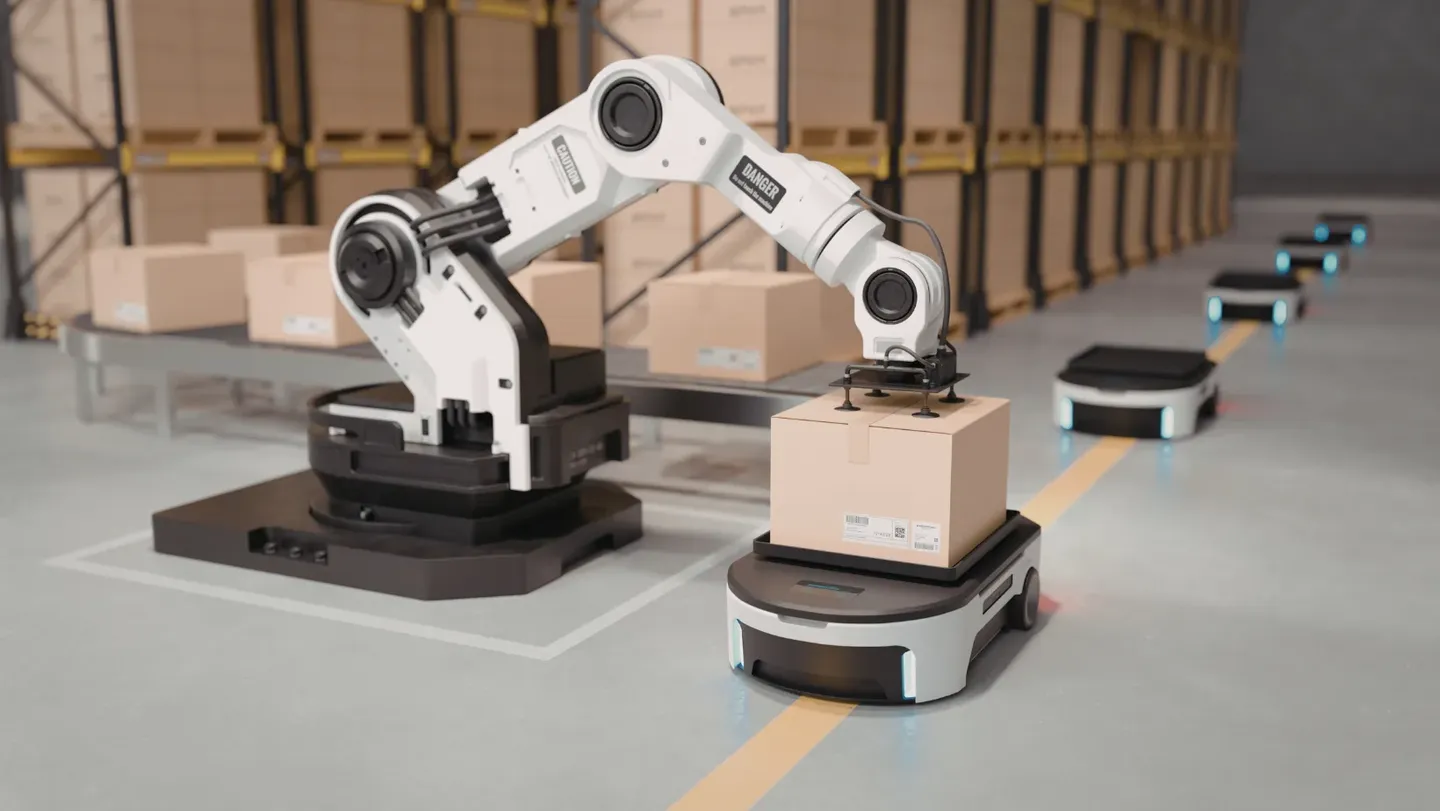
The UN World Food Programme plans to deploy AI-driven robotic vehicles to deliver food aid in conflict and disaster zones starting next year. This initiative aims to reduce risks to human aid workers, though the use of autonomous systems in dangerous environments carries potential hazards if malfunctions or misuse occur.[AI generated]
Why's our monitor labelling this an incident or hazard?
The article explicitly mentions the use of AI-powered autonomous vehicles (robots) for food distribution in conflict areas, which qualifies as an AI system. There is no indication that any harm has occurred so far; the deployment is planned for the near future. Given the high-risk environment and the critical nature of the task, there is a credible risk that AI system malfunction or misuse could lead to harm, such as injury, disruption, or harm to communities. Therefore, this event fits the definition of an AI Hazard rather than an AI Incident or Complementary Information.[AI generated]


























