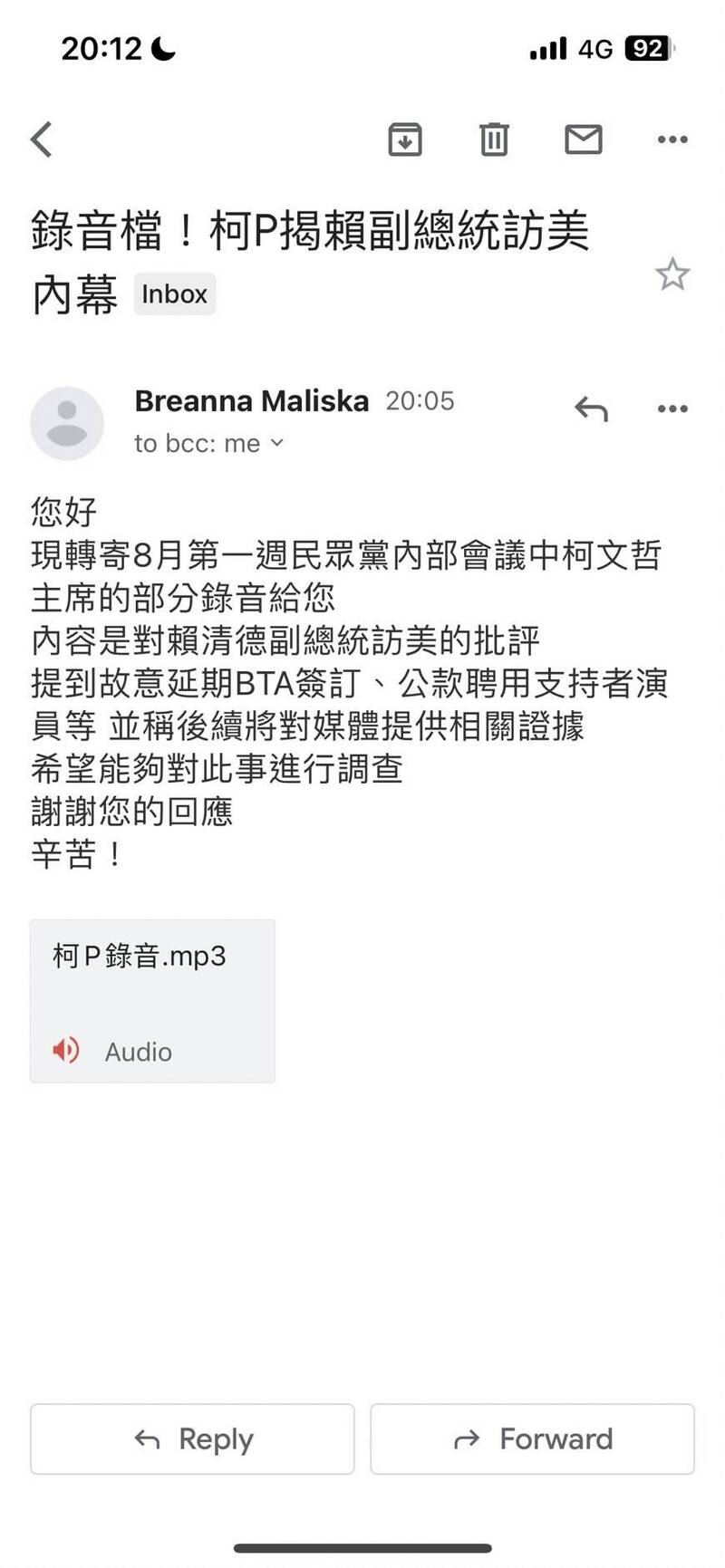
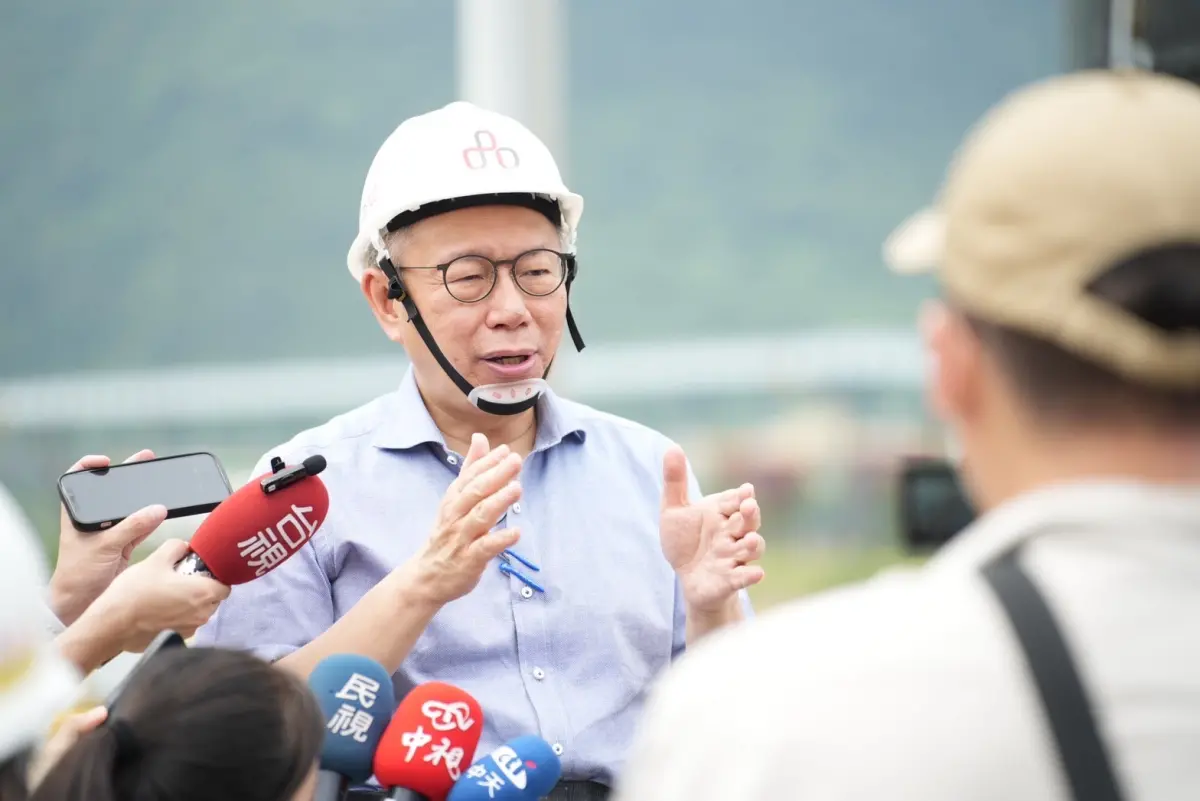
AI-Generated Deepfake Audio and Scams Target Taiwanese Politicians and Professors

Thumbnail Image

The information displayed in the AIM should not be reported as representing the official views of the OECD or of its member countries.

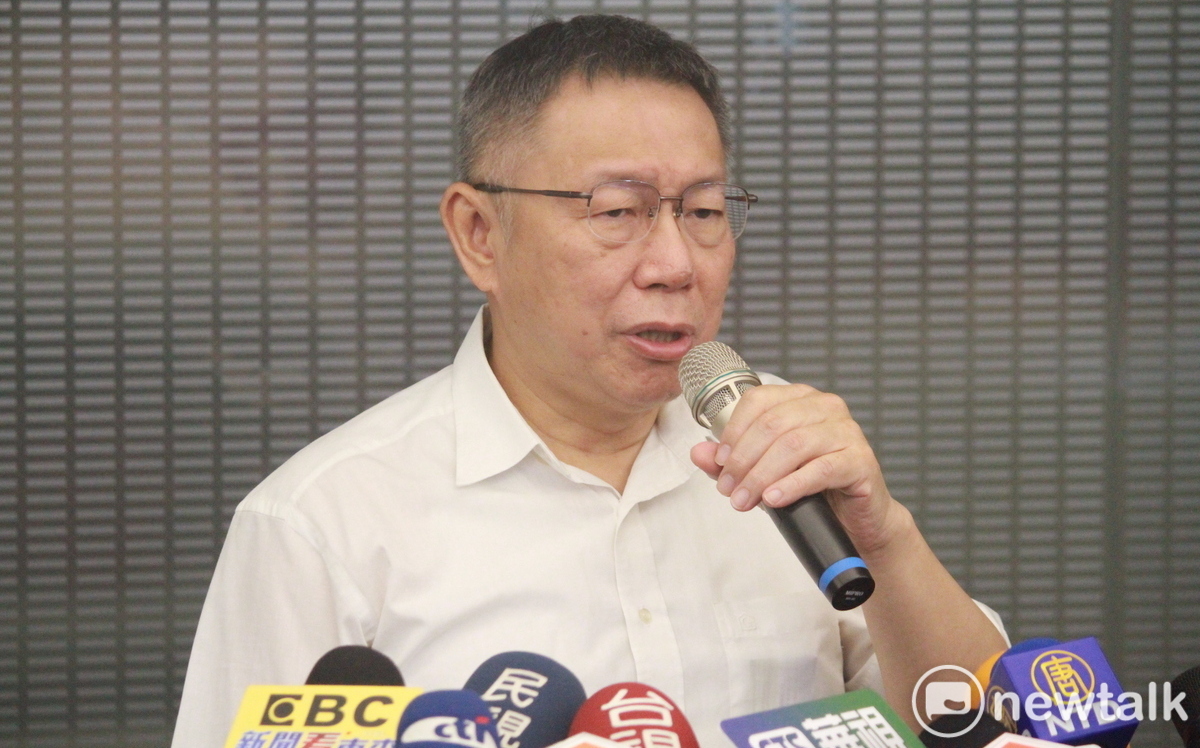
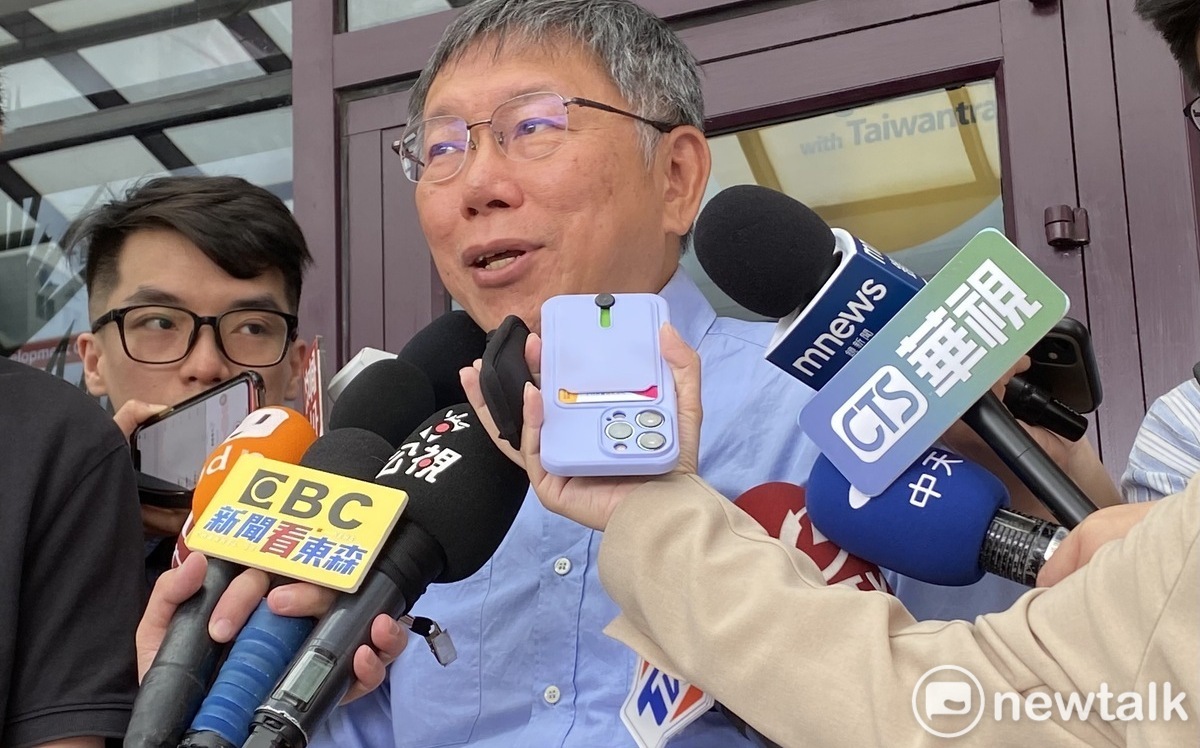
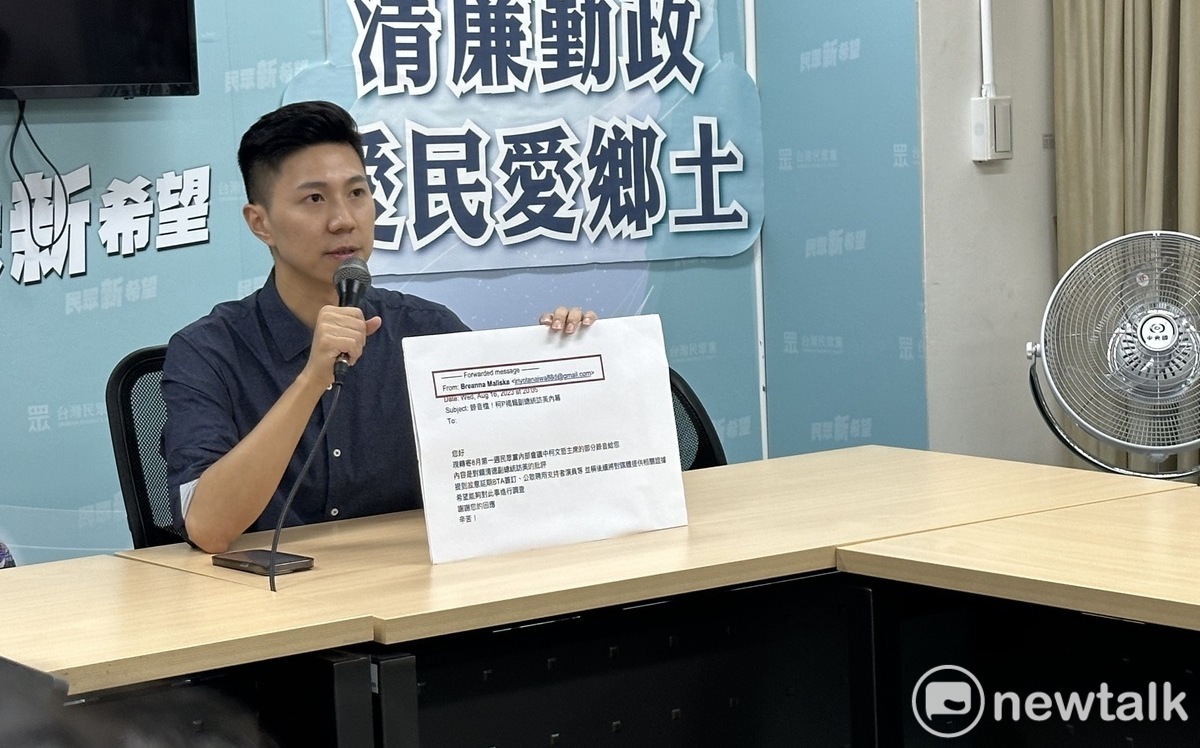
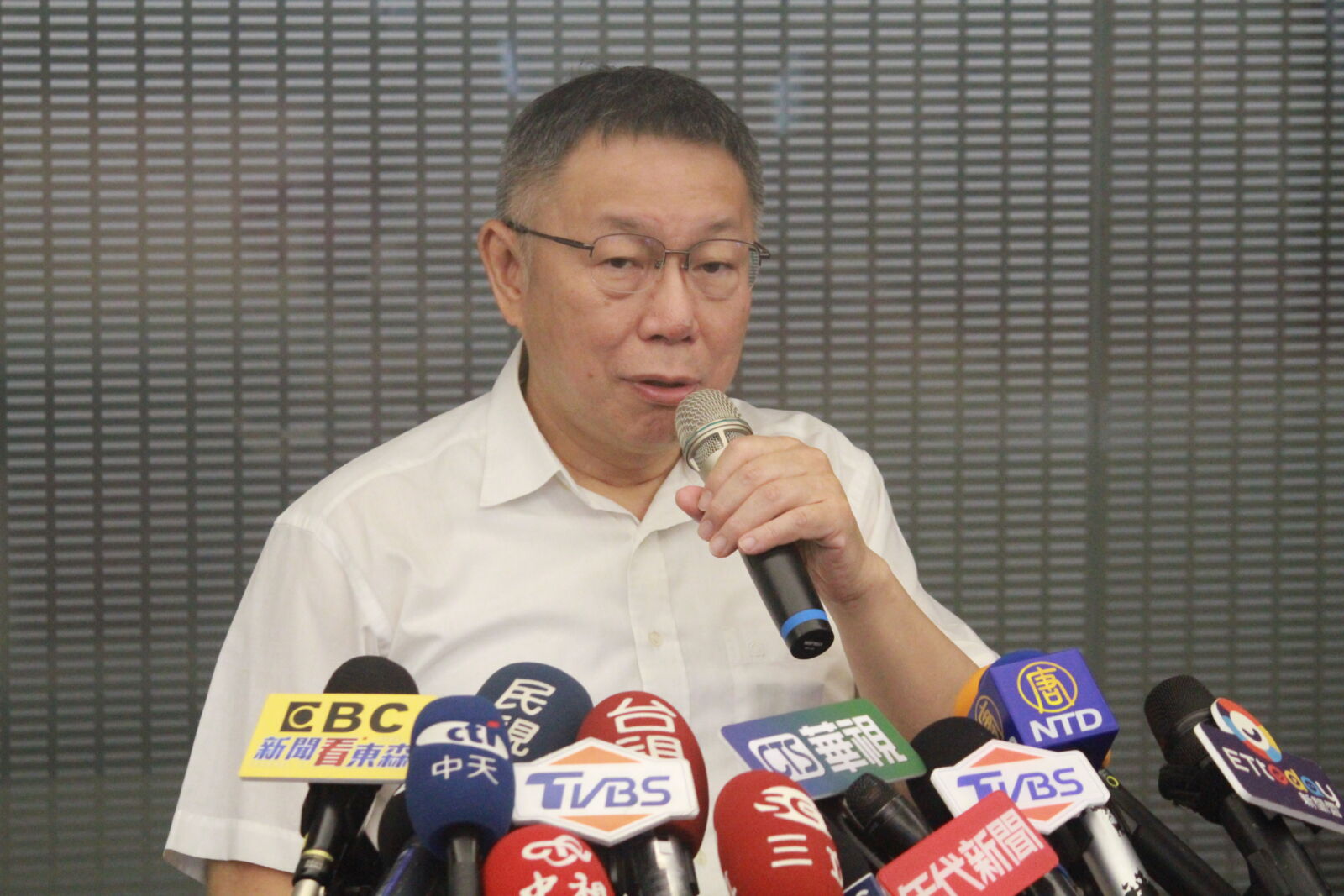
AI-generated deepfake audio falsely imitating politician Ko Wen-je was circulated to spread misinformation during Taiwan's election, prompting legal action and public warnings. Additionally, over a thousand university professors received AI-enabled scam messages, highlighting the growing threat of AI-driven disinformation and fraud in Taiwan.[AI generated]

Why's our monitor labelling this an incident or hazard?

The event involves the use of an AI system (voice synthesis or deepfake AI) to create a fake audio recording that spreads false information, which constitutes a violation of rights (reputational harm) and misinformation harm to the community. The harm is realized as the manipulated audio is already disseminated and causing reputational damage. Therefore, this qualifies as an AI Incident due to the direct harm caused by the AI-generated fake content.[AI generated]
AI principles
AccountabilityTransparency & explainabilityRobustness & digital securitySafetyPrivacy & data governanceRespect of human rightsDemocracy & human autonomy

Industries
Media, social platforms, and marketingEducation and trainingGovernment, security, and defenceDigital security

Affected stakeholders
GovernmentWorkersGeneral public

Harm types
ReputationalPublic interestEconomic/PropertyPsychologicalHuman or fundamental rights

Severity
AI incident

AI system task:
Content generation


Articles about this incident or hazard

Thumbnail Image

不忍了!不明人士模仿柯文哲聲音造謠 民眾黨將採取法律行動

2023-08-17
Yahoo News (Taiwan)
Why's our monitor labelling this an incident or hazard?
The event involves the use of an AI system (voice synthesis or deepfake AI) to create a fake audio recording that spreads false information, which constitutes a violation of rights (reputational harm) and misinformation harm to the community. The harm is realized as the manipulated audio is already disseminated and causing reputational damage. Therefore, this qualifies as an AI Incident due to the direct harm caused by the AI-generated fake content.
Thumbnail Image

網傳58秒仿柯文哲音檔批賴清德 柯辦嚴正駁斥

2023-08-16
Yahoo News (Taiwan)
Why's our monitor labelling this an incident or hazard?
The event describes a potentially AI-generated deepfake audio clip used to spread misinformation and influence public opinion. Although the harm is not explicitly stated as having occurred, the dissemination of such manipulated content during an election could plausibly lead to harm to communities by misleading voters and disrupting democratic processes. Therefore, this constitutes an AI Hazard due to the plausible risk of harm from the AI-generated fake audio.
Thumbnail Image

神秘音檔仿柯文哲聲音「批賴清德訪美」

2023-08-16
Yahoo News (Taiwan)
Why's our monitor labelling this an incident or hazard?
The audio recording is an AI-generated or AI-assisted deepfake impersonation of a political figure's voice, used maliciously to spread misinformation and potentially influence election outcomes. This constitutes a violation of rights and harm to communities by misleading the public and disrupting democratic processes. Since the AI system's use directly led to harm through misinformation and manipulation, this qualifies as an AI Incident.
Thumbnail Image

58秒音檔模仿柯文哲聲音批評賴清德訪美 柯辦急澄清

2023-08-17
Yahoo News (Taiwan)
Why's our monitor labelling this an incident or hazard?
The audio clip is described as having a voice similar to the candidate but with strange intonation and unclear content, and the candidate's office denies its authenticity, suggesting it is a fabricated or manipulated recording. The use of AI or advanced voice synthesis technology to create such a fake audio clip is reasonably inferred given the nature of the event (voice imitation with suspicious characteristics). The event involves the malicious use of AI-generated content to spread misinformation and potentially harm political discourse, which constitutes harm to communities by misleading the public and disrupting democratic processes. Since the harm is occurring through the dissemination of this manipulated audio, this qualifies as an AI Incident under the framework.
Thumbnail Image

遭神秘音檔假冒批賴 柯文哲:惡劣的事太多了

2023-08-17
Yahoo News (Taiwan)
Why's our monitor labelling this an incident or hazard?
The event involves a fake audio recording impersonating a political figure, which is a known use case of AI voice synthesis or deepfake technology. The harm includes misinformation, manipulation of public opinion, and potential damage to democratic processes, which are harms to communities and violations of rights. The article indicates the audio is fake and maliciously intended, implying AI involvement in its creation. Hence, it meets the criteria for an AI Incident as the AI system's use has directly led to harm through misinformation and reputational damage.
Thumbnail Image

「現聲」批賴? 柯:偽造得太爛了 這世界惡劣事太多

2023-08-17
Yahoo News (Taiwan)
Why's our monitor labelling this an incident or hazard?
The event explicitly mentions the use of AI to create a fabricated audio clip that falsely attributes statements to a political candidate. This constitutes the malicious use of an AI system to generate misleading content that can harm communities by spreading misinformation and undermining trust in political processes. Since the fake audio has been distributed and is causing confusion and reputational damage, this qualifies as an AI Incident due to realized harm to communities and potential violation of rights related to truthful information.
Thumbnail Image

疑偽造「58秒音檔」罵賴 柯:世上惡劣的事太多

2023-08-17
Yahoo News (Taiwan)
Why's our monitor labelling this an incident or hazard?
The event involves an AI system implicitly, as the audio clip is likely generated or manipulated using AI-based voice synthesis or deepfake technology to mimic the political figure's voice. This constitutes the use of AI in creating misleading content that harms the reputation of a person and misleads the public, which is a violation of rights and causes harm to communities through misinformation. Since the harm (reputational and misinformation) is occurring and the AI system's role in generating the fake audio is pivotal, this qualifies as an AI Incident.
Thumbnail Image

柯文哲聲音遭冒名變造 民眾黨去這處檢舉

2023-08-17
Yahoo News (Taiwan)
Why's our monitor labelling this an incident or hazard?
The article describes a manipulated audio recording falsely attributed to a political figure, created using voice synthesis or similar AI technology, which has been distributed to media and the public. This constitutes an AI system's use (AI-generated deepfake audio) leading directly to harm in the form of misinformation, reputational damage, and social discord. The event meets the criteria for an AI Incident because the AI system's use has directly led to harm, including violation of rights and harm to communities. The ongoing investigation and public response do not change the classification as an incident.
Thumbnail Image

這次不神隱?柯文哲赴花蓮「兩天一夜」行程 除了造勢、演講還要拜會議長

2023-08-17
Yahoo News (Taiwan)
Why's our monitor labelling this an incident or hazard?
The event involves the use of AI to create a fake voice recording (deepfake audio) used in a political context, which is a misuse of AI technology. While this misuse has the potential to harm communities by spreading misinformation and undermining democratic processes, the article only indicates that the incident has been reported and is under investigation, without confirmation of realized harm. Therefore, it represents a plausible risk of harm rather than confirmed harm. This fits the definition of an AI Hazard, as the AI-generated fake audio could plausibly lead to harm but no direct harm is confirmed yet.
Thumbnail Image

神祕音檔疑仿柯文哲批賴清德訪美 調查局立案偵查

2023-08-17
Yahoo News (Taiwan)
Why's our monitor labelling this an incident or hazard?
The article describes a suspicious audio file that mimics a political figure's voice, likely created using AI-based voice synthesis or manipulation technologies. The use of such AI-generated deepfake audio to spread false information can plausibly lead to harm to communities by misleading the public and disrupting political processes. Since the investigation is ongoing and no confirmed harm or incident has been reported yet, the event fits the definition of an AI Hazard, where the AI system's use could plausibly lead to an AI Incident. There is no indication that the AI system malfunctioned or was used maliciously with confirmed harm already realized, so it is not classified as an AI Incident. It is also not merely complementary information or unrelated, as the AI-generated audio is central to the event and its potential harm.
Thumbnail Image

神秘音檔批賴清德訪美!柯文哲:此風不可長

2023-08-17
Yahoo News (Taiwan)
Why's our monitor labelling this an incident or hazard?
The article describes a fabricated audio clip falsely attributed to a politician, with the politician's team denying its authenticity and investigating the source. The mention of AI's capability to create fake audio suggests the use or risk of AI-generated deepfake technology. While this represents a plausible risk of harm through misinformation and manipulation, the article does not report actual harm occurring yet. Therefore, this event is best classified as an AI Hazard, as the AI system's involvement could plausibly lead to harm (misinformation, public deception) but no direct harm has been confirmed at this stage.
Thumbnail Image

「57秒神秘錄音檔批賴清德」瘋傳!柯文哲斥此風不可長:會到警察局報案

2023-08-17
Yahoo News (Taiwan)
Why's our monitor labelling this an incident or hazard?
An AI system is reasonably inferred because the audio is described as possibly AI-generated fake content (deepfake audio). The event stems from the use or misuse of AI to create misleading content. Although no direct harm has occurred yet, the plausible risk of misinformation and political harm is present. Therefore, this qualifies as an AI Hazard, as the AI-generated fake audio could plausibly lead to harm such as misinformation, reputational damage, or political disruption if widely believed or disseminated.
Thumbnail Image

談神秘音檔 柯文哲直言此風不可長 令黨中央報案

2023-08-17
Yahoo News (Taiwan)
Why's our monitor labelling this an incident or hazard?
The event involves an AI system plausibly used to generate or manipulate audio content (deepfake audio) that impersonates a political figure and spreads false information. Although no direct harm (such as injury or legal violation) has been reported yet, the potential for such AI-generated fake audio to disrupt political processes and harm communities is credible. Therefore, this qualifies as an AI Hazard, as the AI system's use could plausibly lead to an AI Incident involving harm to communities or violation of rights if the manipulation influences elections or public opinion.
Thumbnail Image

柯文哲「現聲」批賴?民眾黨:假的!已報案要提告

2023-08-17
Yahoo News (Taiwan)
Why's our monitor labelling this an incident or hazard?
The event describes a manipulated audio clip that mimics the voice of a political candidate, created likely using AI-based voice synthesis or deepfake technology. This AI-generated content has been distributed to media, falsely accusing the candidate of misconduct, which can mislead the public and damage reputations. The harm to the community through misinformation and potential violation of rights is direct and materialized. The political party's response to report and sue confirms the recognition of harm. Hence, the event meets the criteria for an AI Incident as the AI system's use has directly led to harm.
Thumbnail Image

神秘音檔模仿柯文哲聲音批賴清德 民進黨團:鼓勵柯辦提告

2023-08-17
Yahoo News (Taiwan)
Why's our monitor labelling this an incident or hazard?
The event explicitly involves an AI system's use or misuse—likely AI-based voice synthesis—to create a fake audio clip impersonating a political figure. This misuse has directly led to harm in the form of misinformation, which can disrupt political processes and harm communities by spreading false narratives. The harm is realized as the audio has been distributed to media and public, causing confusion and potential damage to political reputations and democratic discourse. Therefore, it meets the criteria for an AI Incident due to the direct involvement of AI-generated content causing harm to communities and political rights.
Thumbnail Image

「仿柯文哲音檔」批賴惹議 民眾黨赴調查局檢舉

2023-08-17
Yahoo News (Taiwan)
Why's our monitor labelling this an incident or hazard?
An AI system is reasonably inferred because the audio clip is described as mimicking a person's voice, which is a typical application of AI-based voice synthesis or deepfake technology. The use of this AI-generated audio has directly led to reputational harm and political controversy, which can be considered harm to communities or violation of rights related to misinformation and election interference. Therefore, this event qualifies as an AI Incident due to the realized harm caused by the AI-generated misleading content in a political context.
Thumbnail Image

選戰觀察》縱容選舉奧步 恐淪為假消息烏龍戰場

2023-08-17
Yahoo News (Taiwan)
Why's our monitor labelling this an incident or hazard?
The article explicitly mentions AI and deepfake technology being used to fabricate audio recordings that could mislead voters and disrupt the fairness of elections. This constitutes a plausible risk of harm to communities and the democratic process if such AI-generated misinformation is disseminated and believed. Since the harm is potential and the article focuses on the risk and challenges of addressing AI-enabled election disinformation rather than describing a realized harm event, this fits the definition of an AI Hazard rather than an AI Incident or Complementary Information.
Thumbnail Image

柯文哲遭冒名變造音檔談賴訪美內幕 民眾黨:將採法律行動 - 政治 - 自由時報電子報

2023-08-17
Liberty Times Net
Why's our monitor labelling this an incident or hazard?
The event involves an AI system implicitly through the creation of a manipulated (likely AI-generated or AI-assisted) audio recording that impersonates a political figure. This manipulation has directly led to harm in the form of misinformation and reputational damage, which can be considered harm to communities and violation of rights. The political party's response to take legal action further confirms the recognition of harm caused. Therefore, this qualifies as an AI Incident due to the direct harm caused by the AI system's misuse in fabricating the audio recording.
Thumbnail Image

網傳錄音檔酸賴清德訪美?柯文哲:AI愈來愈厲害、已報警 - 花蓮縣 - 自由時報電子報

2023-08-17
Liberty Times Net
Why's our monitor labelling this an incident or hazard?
The event involves an AI system's use (AI-generated fake audio) that could plausibly lead to harm by spreading misinformation and damaging reputations, which can be considered harm to communities or individuals. Since the article focuses on the potential and concern about AI's capability to fabricate audio and the reporting to authorities, but does not confirm actual harm or consequences yet, it fits the definition of an AI Hazard rather than an AI Incident. The AI system's involvement is clear (deepfake audio), and the harm is plausible but not confirmed as realized.
Thumbnail Image

神秘音檔仿柯文哲批賴清德 綠營示警:網路恐攻開始了 - 政治 - 自由時報電子報

2023-08-17
Liberty Times Net
Why's our monitor labelling this an incident or hazard?
The event involves an AI system plausibly used to create a synthetic audio clip impersonating a political figure, which is a known AI application (deepfake audio). The harm is not yet realized but is plausibly anticipated as it could disrupt democratic processes and harm communities through misinformation and election interference. Therefore, this qualifies as an AI Hazard because it could plausibly lead to an AI Incident involving harm to communities and democratic integrity. The article focuses on warnings and calls for legal action rather than reporting actual harm already caused, so it is not an AI Incident. It is more than complementary information because it centers on the potential threat and misuse of AI-generated content as a tool for political misinformation.
Thumbnail Image

神秘音檔仿柯文哲批賴清德 綠營示警:網路恐攻開始了 - 臺北市 - 自由時報電子報

2023-08-17
Liberty Times Net
Why's our monitor labelling this an incident or hazard?
The article explicitly mentions a manipulated audio clip that falsely represents a political figure's voice, which is a typical application of AI-generated deepfake technology. The harm is realized as the misinformation is actively spreading, causing political and social disruption, which fits the definition of harm to communities. The event involves the use and misuse of an AI system (deepfake generation) leading directly to harm. Therefore, this qualifies as an AI Incident.
Thumbnail Image

賴清德稱「沒有獨立路徑」 柯文哲酸:務實台獨只剩務實 | 聯合新聞網

2023-08-17
UDN
Why's our monitor labelling this an incident or hazard?
The event involves AI-generated synthetic media (deepfake audio) which is recognized as a potential tool for misinformation and political manipulation. While the AI system's involvement is clear, the article only discusses the existence and potential misuse of such AI-generated content without evidence of realized harm or disruption. Therefore, this situation represents a plausible risk of harm from AI misuse but no actual harm has been reported yet. The main focus is on the political reactions and the acknowledgment of AI's capabilities, making this a case of Complementary Information about AI-related societal and governance responses rather than an AI Incident or Hazard.
Thumbnail Image

黑函錄音檔聲音假冒柯文哲 綠委:打擊假訊息超越黨派 | 聯合新聞網

2023-08-17
UDN
Why's our monitor labelling this an incident or hazard?
The event involves a fake audio recording that impersonates a political figure, spreading false information aligned with hostile narratives. The creation and dissemination of such manipulated audio likely involve AI technologies (e.g., deepfake audio generation). This misinformation causes harm by fostering social division and confusion, which fits the definition of an AI Incident due to violation of rights and harm to communities. The article indicates the harm is occurring, not just potential, and calls for investigation and mitigation, confirming the incident status.
Thumbnail Image

假冒柯文哲爆賴清德訪美內幕 陳智菡:帶風向混淆視聽 | 聯合新聞網

2023-08-16
UDN
Why's our monitor labelling this an incident or hazard?
The event involves a suspicious audio recording that mimics a political figure's voice, which is consistent with AI-generated deepfake audio technology. The circulation of such manipulated content could plausibly lead to harm by misleading the public and media, constituting a risk of misinformation and reputational damage. However, since the article focuses on the detection and investigation of the fake audio and does not report actual harm occurring yet, this situation represents a plausible risk rather than a realized incident. Therefore, it qualifies as an AI Hazard rather than an AI Incident or Complementary Information.
Thumbnail Image

柯文哲被爆有「58秒神秘錄音檔」批賴清德 黃暐瀚:應該立刻提告 | 政治快訊 | 要聞 | NOWnews今日新聞

2023-08-17
NOWnews 今日新聞
Why's our monitor labelling this an incident or hazard?
The event involves AI in the context of potential misuse to create fake audio recordings that could influence an election, which is a plausible risk of harm to democratic processes and communities. However, no actual harm has been reported as occurring; the recording's authenticity is disputed, and the focus is on the risk and investigation. Therefore, this qualifies as an AI Hazard, as the AI system's use could plausibly lead to harm but has not yet directly or indirectly caused harm.
Thumbnail Image

神秘音檔批賴清德訪美!柯文哲斥:此風不可長「前往警局報案」 | 政治快訊 | 要聞 | NOWnews今日新聞

2023-08-17
NOWnews 今日新聞
Why's our monitor labelling this an incident or hazard?
The article describes a fabricated audio clip falsely attributed to a politician, with the politician's office confirming it is not his voice and suspecting AI-generated manipulation. The use of AI to create fake audio that misleads the public and media during an election could plausibly lead to harm such as misinformation, manipulation of public opinion, and erosion of trust in democratic institutions. Since the harm is potential and not confirmed as having occurred, this qualifies as an AI Hazard rather than an AI Incident. The event is not merely general AI news but involves a specific AI-related risk with plausible future harm.
Thumbnail Image

柯文哲遭造假音檔、大學教授遭深偽變臉詐騙 賴香伶:需新法治手段 | 政治 | Newtalk新聞

2023-08-17
新頭殼 Newtalk
Why's our monitor labelling this an incident or hazard?
The event involves AI systems explicitly through the use of deepfake AI technology to generate fake audio and scam messages. The harms include misinformation affecting political discourse and financial fraud targeting individuals, which are realized harms. Therefore, this qualifies as an AI Incident because the AI system's use has directly led to harm to communities and violations of rights. The article's focus on the harm caused by AI-enabled deepfakes and scams, along with the ongoing investigation, supports this classification.
Thumbnail Image

仿柯文哲音檔恐是中國網路恐攻? 綠黨團:支持柯辦報警  | 政治 | Newtalk新聞

2023-08-17
新頭殼 Newtalk
Why's our monitor labelling this an incident or hazard?
The event involves an AI system in the form of AI-generated or AI-manipulated audio (deepfake) used to create false political content. This misinformation has already been disseminated to media workers, causing harm to political candidates and potentially to the democratic process, which constitutes harm to communities and a violation of rights. The article explicitly mentions the use of AI audio synthesis technology as a future threat and the current incident as an example of such harm. Therefore, this qualifies as an AI Incident due to realized harm from AI-generated misinformation affecting political and social stability.
Thumbnail Image

仿他聲音批賴清德 柯文哲:偽造的太爛了 這世界惡劣事太多 | 政治 | Newtalk新聞

2023-08-17
新頭殼 Newtalk
Why's our monitor labelling this an incident or hazard?
The event involves the use of AI-generated or AI-assisted voice synthesis to create a fake audio clip impersonating a political figure, which is a misuse of AI technology leading to misinformation and potential harm to political processes and public trust. Although the harm is indirect and the forgery is of low quality, the use of AI to produce misleading content that could influence public opinion constitutes an AI Incident due to harm to communities and violation of rights related to truthful information dissemination.
Thumbnail Image

造假柯文哲音檔批賴清德 民眾黨:將採取法律行動 | 政治 | Newtalk新聞

2023-08-17
新頭殼 Newtalk
Why's our monitor labelling this an incident or hazard?
The event involves an AI system in the form of a fabricated audio clip that mimics a person's voice, which is a known application of AI-based deepfake or voice synthesis technology. The use of this AI-generated fake audio has directly led to reputational harm and misinformation, which can be considered harm to communities and a violation of rights related to truthful information and fair political processes. Therefore, this qualifies as an AI Incident because the AI system's malicious use has directly caused harm through misinformation and defamation in a political context.
Thumbnail Image

出現假冒神秘音檔罵賴清德 柯文哲:偽造的太爛了 | yam News

2023-08-17
蕃新聞
Why's our monitor labelling this an incident or hazard?
The event involves a forged audio file that is likely AI-generated or manipulated, which fits the definition of an AI system's use in misinformation. However, the article does not confirm actual harm has occurred, only the potential for harm through misinformation and reputational damage. Since the forgery is described as poor and the harm is not clearly realized, this fits best as an AI Hazard, where the AI system's use could plausibly lead to harm but no confirmed incident has occurred yet.
Thumbnail Image

柯文哲:選舉到了怪事多 報案查誰做冒名音檔 - Rti央廣

2023-08-17
Rti 中央廣播電臺
Why's our monitor labelling this an incident or hazard?
The event involves AI-generated fake audio recordings used in a political context, which is a form of AI-generated disinformation. While the use of AI to create fake content is mentioned and the political party is taking legal action, the article does not describe any realized harm or disruption caused by the AI content. The focus is on the investigation and concern about the misuse of AI, indicating a potential risk rather than a confirmed incident. Therefore, this qualifies as an AI Hazard, as the AI-generated fake content could plausibly lead to harm such as misinformation affecting the election, but no direct harm is reported yet.
Thumbnail Image

「57秒神秘錄音檔批賴清德」瘋傳!柯文哲斥此風不可長:會到警察局報案 | 政治 | 三立新聞網 SETN.COM

2023-08-17
三立新聞
Why's our monitor labelling this an incident or hazard?
The event explicitly mentions the use or suspected use of AI to create a fake audio recording that falsely represents a political figure's voice and statements. This manipulation has led to misinformation and potential reputational harm. However, there is no indication that actual harm (such as injury, rights violations, or disruption) has occurred yet; rather, the event highlights the potential for harm through misinformation and the misuse of AI-generated content. Therefore, this situation represents a plausible risk of harm due to AI misuse, qualifying it as an AI Hazard rather than an AI Incident. The focus is on the potential for harm and the ongoing investigation and response, not on realized harm.
Thumbnail Image

遭仿造錄音轟賴清德!柯文哲斥此風不可長 民眾黨赴調查局檢舉-台視新聞網

2023-08-17
台視新聞網
Why's our monitor labelling this an incident or hazard?
The article describes a forged audio clip that uses AI technology to create a fake voice recording of a political leader, which is being used to spread misinformation during an election. This constitutes a potential threat to the integrity of the electoral process and public trust, which aligns with harm to communities. Since the harm is not explicitly stated as having occurred but the risk is credible and recognized by the involved parties, this event qualifies as an AI Hazard rather than an AI Incident. The political party's response to report and investigate the forgery further supports the recognition of plausible future harm.