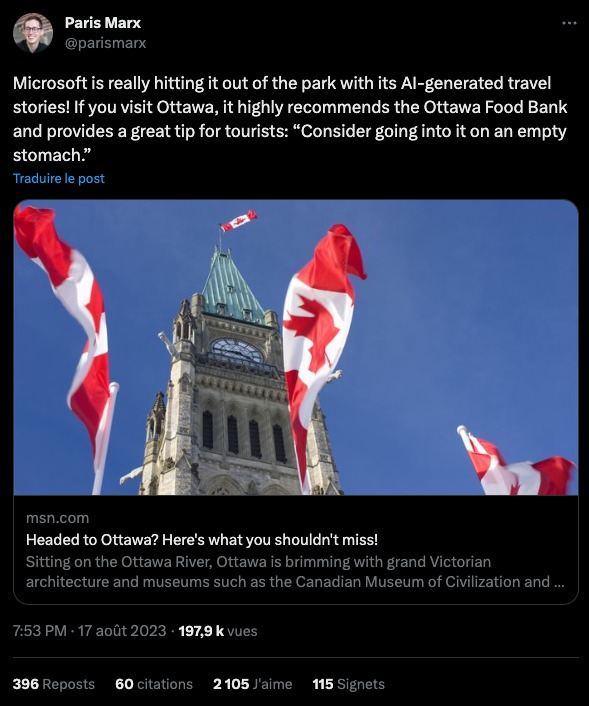
Microsoft AI Recommends Food Bank as Tourist Attraction, Sparks Outrage

Thumbnail Image

The information displayed in the AIM should not be reported as representing the official views of the OECD or of its member countries.

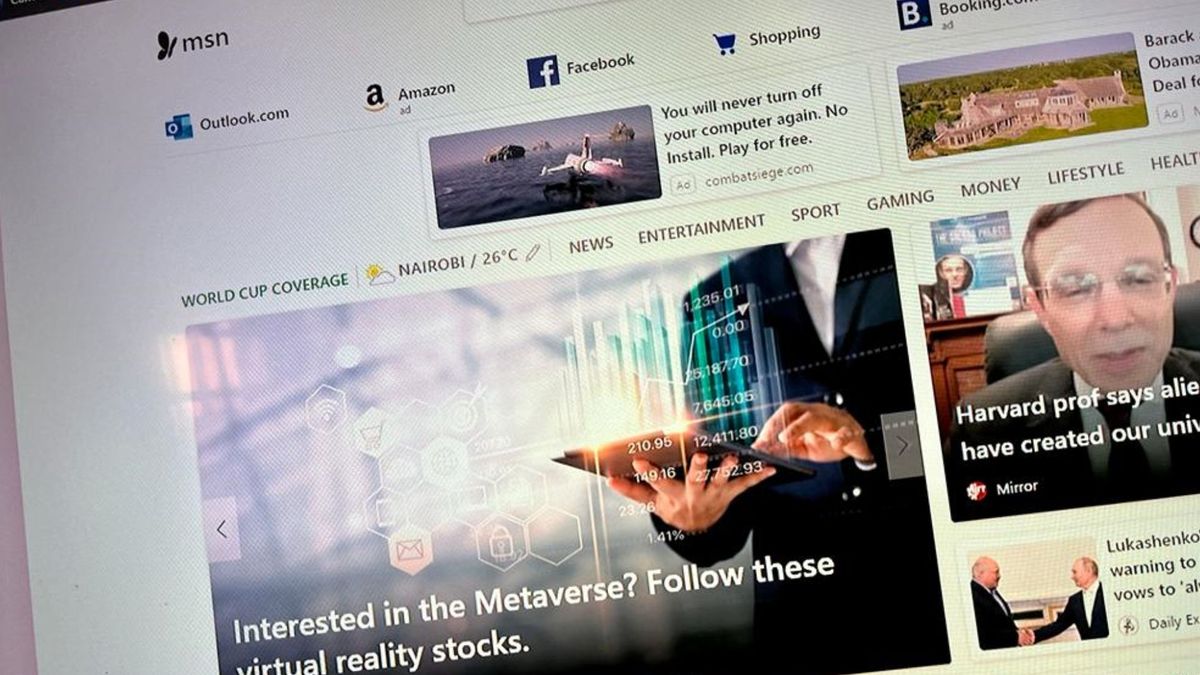
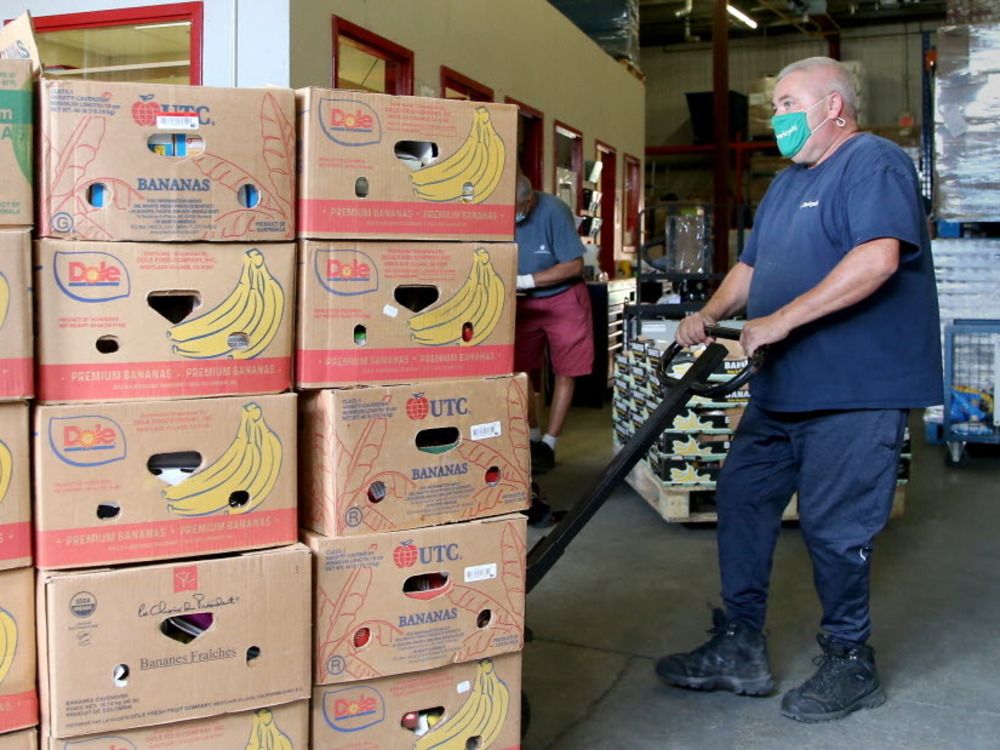
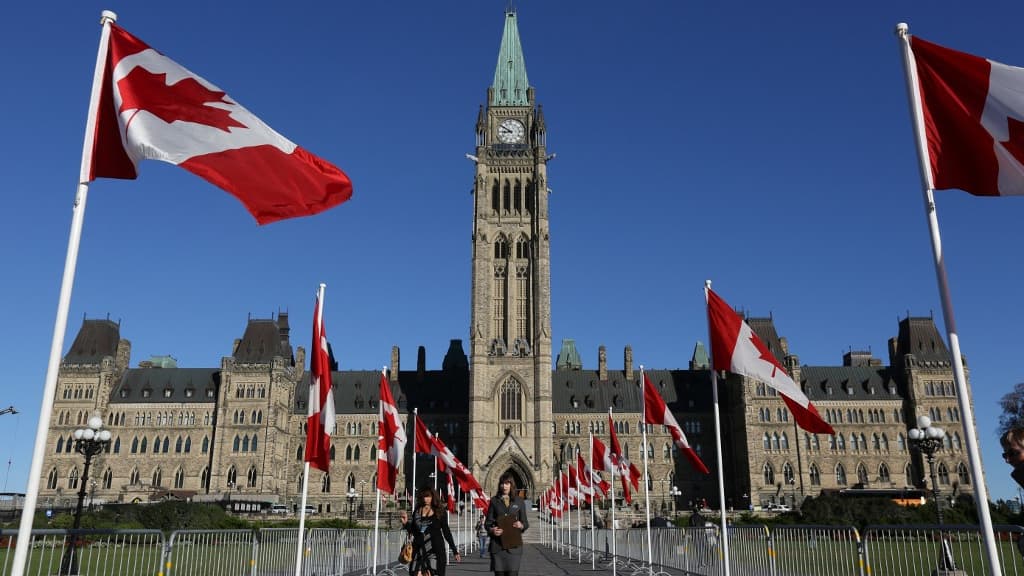
Microsoft's AI-generated travel guide for Ottawa mistakenly listed the Ottawa Food Bank as a top tourist destination, advising visitors to go "on an empty stomach." The insensitive recommendation, published without human review, led to public backlash and the article's removal, highlighting risks of unsupervised AI content generation.[AI generated]

Why's our monitor labelling this an incident or hazard?

An AI system was used to generate editorial content, which included a misleading and inappropriate recommendation. This caused reputational harm and misinformation, but there is no indication of direct or indirect physical harm, violation of rights, or other significant harms as defined. The event is a misuse or malfunction of AI-generated content leading to misinformation and reputational damage, which fits the definition of an AI Incident due to the realized harm of misinformation and reputational impact.[AI generated]
AI principles
AccountabilityTransparency & explainabilityRobustness & digital securitySafetyRespect of human rightsFairnessHuman wellbeing

Industries
Media, social platforms, and marketingTravel, leisure, and hospitality

Affected stakeholders
Civil society

Harm types
ReputationalPsychological

Severity
AI incident

Business function:
Marketing and advertisement

AI system task:
Content generationOrganisation/recommenders


Articles about this incident or hazard

Thumbnail Image

Microsoft has pulled an AI-written travel guide, which told tourists to visit the Ottawa Food Bank if they are hungry

2023-08-18
Business Insider
Why's our monitor labelling this an incident or hazard?
An AI system was used to generate editorial content, which included a misleading and inappropriate recommendation. This caused reputational harm and misinformation, but there is no indication of direct or indirect physical harm, violation of rights, or other significant harms as defined. The event is a misuse or malfunction of AI-generated content leading to misinformation and reputational damage, which fits the definition of an AI Incident due to the realized harm of misinformation and reputational impact.
Thumbnail Image

AI-written tourism article tells visitors to Ottawa to visit its food bank | Boing Boing

2023-08-18
Boing Boing
Why's our monitor labelling this an incident or hazard?
An AI system was used to generate content that misrepresents a sensitive social service (food bank) as a tourist attraction, which can cause harm to community dignity and public perception. This constitutes harm to communities, a recognized form of harm under the framework. The article implies the AI's output was published without adequate human oversight, leading to this inappropriate recommendation. Although the harm is indirect and non-physical, it is clearly articulated and pivotal to the AI system's use. Therefore, this qualifies as an AI Incident due to harm to communities caused by the AI system's use and publication.
Thumbnail Image

Microsoft took down a string of embarrassing travel articles created with 'algorithmic techniques.' But it says AI isn't the problem.

2023-08-21
Business Insider
Why's our monitor labelling this an incident or hazard?
The article involves AI or algorithmic techniques in content generation, but the main issue was human editorial failure. The harm is reputational and related to misinformation or offensive content, not meeting the threshold for AI Incident harms such as injury, rights violations, or significant community harm. There is no indication that the AI system malfunctioned or was misused to cause harm, nor that there is a plausible future harm from this event alone. The article mainly provides context on challenges in AI-assisted content creation and corporate responses, fitting the definition of Complementary Information.
Thumbnail Image

Microsoft pulls article advising tourists visit Ottawa's food bank

2023-08-18
Yahoo! Finance
Why's our monitor labelling this an incident or hazard?
The article was generated by algorithmic techniques combined with human review, not an unsupervised AI system, but it still produced harmful misinformation and insensitive content. The publication and subsequent removal indicate harm occurred in terms of misinformation and reputational damage, but no physical injury or legal rights violations are described. The AI system's outputs directly led to the dissemination of inappropriate content, constituting harm to community perception and social norms. Therefore, this qualifies as an AI Incident due to realized harm caused by the AI-generated content.
Thumbnail Image

Apparent AI travel article leaves Microsoft red-faced | Digital Trends

2023-08-18
Digital Trends
Why's our monitor labelling this an incident or hazard?
The event clearly involves the use of a generative AI system to create content that was published without adequate human review, leading to the dissemination of inappropriate and misleading information. This misuse of AI content generation caused reputational harm to Microsoft and could be seen as harm to community dignity and trust, which falls under harm to communities. The AI system's malfunction or misuse directly led to this harm. Therefore, this qualifies as an AI Incident rather than a hazard or complementary information, as the harm has already occurred.
Thumbnail Image

Microsoft retracts AI-written article advising tourists to visit a food bank on an empty stomach | Engadget

2023-08-18
engadget
Why's our monitor labelling this an incident or hazard?
An AI system was used to generate the article content, and its use led to the publication of misleading and inappropriate information. The article was subsequently retracted, indicating recognition of the problem. While the AI's output was harmful in terms of misinformation and insensitivity, the harm does not rise to the level of injury, rights violations, or other significant harms defined for AI Incidents. Therefore, this event is best classified as Complementary Information, as it provides context on AI content generation risks and oversight challenges without documenting a specific AI Incident or AI Hazard.
Thumbnail Image

Microsoft pulls article recommending Ottawa Food Bank to tourists | CBC News

2023-08-18
CBC News
Why's our monitor labelling this an incident or hazard?
The article was generated by an AI system (Microsoft's AI used for news content generation) and contained multiple errors and an inappropriate recommendation, which led to public ridicule and the article's removal. The AI system's malfunction or misuse directly caused misinformation and reputational harm. Although no physical harm or legal rights violations are reported, the harm to community trust and the spread of misinformation is a significant, clearly articulated harm. Therefore, this event meets the criteria for an AI Incident.
Thumbnail Image

Microsoft's AI generated makes a blunder. Here's what happened...

2023-08-19
mint
Why's our monitor labelling this an incident or hazard?
The AI system was used to generate news content that included an inappropriate suggestion about visiting a food bank 'on an empty stomach,' which is insensitive and harmful to the dignity of vulnerable communities. This content was published and accessible, causing harm to community perception and potentially violating ethical standards. The harm is realized, not just potential, as the article was live and publicly available before removal. Therefore, this qualifies as an AI Incident due to the AI system's use leading directly to harm to communities through dissemination of inappropriate content.
Thumbnail Image

Microsoft retracts bizarre AI-generated article that recommended Ottawa Food Bank as a tourist attraction

2023-08-18
Windows Central
Why's our monitor labelling this an incident or hazard?
The event clearly involves an AI system generating content that led to harm in the form of misinformation and insensitivity towards a vulnerable community, which can be considered harm to communities and a violation of informational rights. The AI system's malfunction or misuse directly led to the publication of inappropriate content, which was then retracted. This fits the definition of an AI Incident because the AI system's use directly led to harm (reputational and informational harm). The investigation and retraction are responses to the incident, but the primary event is the AI-generated harmful content being published.
Thumbnail Image

Microsoft's AI lists Ottawa food bank as a top tourist attraction

2023-08-18
TechSpot
Why's our monitor labelling this an incident or hazard?
An AI system (generative AI used by Microsoft for content creation) is explicitly involved. The AI's use led to the publication of misleading and inappropriate content, which can be considered harm to communities through misinformation and reputational damage. However, there is no indication of physical injury, legal rights violations, or critical infrastructure disruption. The harm is indirect and reputational rather than physical or legal. Therefore, this qualifies as an AI Incident due to the realized harm from AI-generated misinformation affecting public perception and trust.
Thumbnail Image

Microsoft AI suggests food bank as a "cannot miss" tourist spot in Canada

2023-08-17
Ars Technica
Why's our monitor labelling this an incident or hazard?
The article explicitly involves an AI system (a large language model) generating content that is misleading and contextually inappropriate. However, the harm is limited to misinformation and potential reputational damage rather than direct or indirect harm to people, infrastructure, rights, or communities. There is no indication that this misinformation caused injury, rights violations, or other significant harms. The event highlights issues of transparency and accountability in AI deployment, which are governance and societal concerns. Therefore, it fits the definition of Complementary Information, as it provides context and critique about AI use and responsible AI principles rather than describing an AI Incident or AI Hazard.
Thumbnail Image

Microsoft Deletes Bizarre AI-Generated Travel Guide That Recommended Visiting Food Bank With an "Empty Stomach"

2023-08-18
Futurism
Why's our monitor labelling this an incident or hazard?
An AI system was used to generate the travel article, and its outputs included inappropriate and insensitive content that caused reputational harm and upset to the food bank and potentially the community. The AI's malfunction or misuse (lack of proper human review) directly led to the publication of harmful content. Although the harm is primarily reputational and social rather than physical or legal, it constitutes harm to communities and a violation of ethical norms. Therefore, this qualifies as an AI Incident due to the realized harm caused by the AI system's outputs and the failure in the review process.
Thumbnail Image

Microsoft pulls article recommending Ottawa Food Bank to tourists | RCI

2023-08-18
Radio Canada
Why's our monitor labelling this an incident or hazard?
An AI system was involved in generating the article content, as Microsoft confirmed the use of algorithmic techniques. The article's publication led to reputational harm and public mockery of the Ottawa Food Bank, which can be considered harm to a community or organization. However, there is no indication of physical injury, legal rights violations, or critical infrastructure disruption. The harm is indirect and reputational, stemming from the AI-generated misinformation and inappropriate content. Since the harm has occurred and is directly linked to the AI system's use and its insufficient human review, this qualifies as an AI Incident rather than a hazard or complementary information. The event is not unrelated because AI involvement and harm are clearly present.
Thumbnail Image

Microsoft's AI-written travel guide calls Ottawa Food Bank a 'beautiful tourist attraction'

2023-08-18
National Post
Why's our monitor labelling this an incident or hazard?
The event involves the use of an AI system (content generation algorithms) that produced misleading and inappropriate content, which indirectly harms the community by misrepresenting a food bank as a tourist attraction. This constitutes harm to communities and a violation of social norms, fitting the definition of an AI Incident. The harm is indirect but real, as it affects public perception and could cause distress or reputational damage to the food bank and those it serves.
Thumbnail Image

Microsoft AI listed Ottawa Food Bank in travel guide, suggested "going empty stomach"

2023-08-18
Neowin
Why's our monitor labelling this an incident or hazard?
The AI system was used in content generation and produced an inappropriate and insensitive message that misrepresented the Food Bank's mission. This constitutes harm to the community's dignity and could be considered a violation of rights related to respectful representation. The harm has occurred as the article was published and caused public backlash. Therefore, this qualifies as an AI Incident due to the AI system's malfunction in generating harmful content. The company's response and removal of the article are complementary information but do not negate the incident classification.
Thumbnail Image

An AI-Written Travel Article Suggested a Trip to a Food Bank

2023-08-21
InsideHook
Why's our monitor labelling this an incident or hazard?
Although an AI system was involved in generating the article, the event did not lead to any direct or indirect harm as defined by the framework. The article was retracted promptly, and the company attributed the error to human oversight rather than AI malfunction. There is no evidence of injury, rights violations, or other significant harms. The event is best classified as Complementary Information because it provides context on the challenges of AI-generated content and the importance of human oversight, without constituting a new AI Incident or Hazard.
Thumbnail Image

Dining out in Ottawa? Microsoft suggests this food bank

2023-08-18
TheRegister.com
Why's our monitor labelling this an incident or hazard?
The article describes a case where algorithmic techniques were used in content generation, but the main cause of the inappropriate recommendation was human error and editorial failure. There is no clear evidence that an AI system directly or indirectly caused harm such as injury, rights violations, or significant community harm. The harm is reputational and social sensitivity, which does not meet the criteria for AI Incident. Also, the event does not present a plausible future risk of harm from AI use, so it is not an AI Hazard. Instead, it highlights issues around AI-assisted content creation and editorial processes, fitting the definition of Complementary Information.
Thumbnail Image

Microsoft's AI travel writer advises foodies visiting Canada to fill up at Ottawa's food bank - SiliconANGLE

2023-08-18
SiliconANGLE
Why's our monitor labelling this an incident or hazard?
An AI system (generative AI for travel writing) was used in content creation, and its output led to an embarrassing and socially harmful incident by recommending a food bank as a place to eat, which is inappropriate and offensive. This constitutes harm to communities through social insensitivity and reputational damage. The AI's malfunction or misuse (lack of human editorial oversight) directly led to this harm. Therefore, this qualifies as an AI Incident. The company's response is noted but does not change the classification.
Thumbnail Image

Microsoft removes article telling tourists to visit Ottawa Food Bank 'on an empty stomach'

2023-08-18
MobileSyrup
Why's our monitor labelling this an incident or hazard?
An AI system was used to generate a news article that contained inappropriate content, which was published and then removed. The AI's malfunction or misuse led to reputational harm and potential harm to the community by trivializing a serious social issue. Although no direct physical injury or legal violation is reported, the AI's role in producing harmful content that affects community perception and dignity qualifies this as an AI Incident under harm to communities. The event is not merely complementary information or unrelated because the AI-generated content caused actual harm that materialized and was publicly recognized.
Thumbnail Image

AI-Generated Travel Guide from Microsoft Suggested Food Bank Stop on an "Empty Stomach"

2023-08-18
Thurrott.com
Why's our monitor labelling this an incident or hazard?
An AI system was explicitly involved in generating the travel guide content. The AI's use led to reputational harm and insensitivity but did not directly or indirectly cause physical injury, legal rights violations, or other significant harms as defined. The event concerns a misuse or malfunction of AI-generated content causing reputational and ethical concerns but no materialized harm to persons, property, or rights. Therefore, it does not meet the threshold for an AI Incident or AI Hazard. Instead, it is best classified as Complementary Information because it provides context on AI system failures and ethical challenges in AI content generation and corporate responses to such issues.
Thumbnail Image

Microsoft Pulls AI-Written Travel Guide That Told People To Go To The Food Bank If They Are Hungry - Wonderful Engineering

2023-08-18
Wonderful Engineering
Why's our monitor labelling this an incident or hazard?
The AI system was used to generate travel content, and the inappropriate suggestion indicates a malfunction or misuse of AI-generated content. However, the article does not report any actual harm to individuals or communities, nor does it indicate a credible risk of future harm from this specific event. The removal of the content and investigation are responses to the incident, but the event itself does not meet the threshold for AI Incident or AI Hazard. It is best classified as Complementary Information because it provides context on the challenges and responses related to AI-generated content without describing a specific harm event.
Thumbnail Image

Microsoft took down a string of embarrassing travel articles created with 'algorithmic techniques.' But it says AI isn't the problem.

2023-08-21
Business Insider Nederland
Why's our monitor labelling this an incident or hazard?
The event describes the publication and removal of AI-assisted travel articles with errors and offensive content. While AI or algorithmic techniques were involved in content generation, the company states that human error in editorial review was the main cause. There is no direct or indirect harm such as injury, rights violations, or significant community harm reported. The event does not describe a plausible future harm scenario either, but rather a current issue being addressed. Thus, it does not meet the criteria for an AI Incident or AI Hazard. Instead, it provides complementary information about the challenges and risks of AI-assisted content creation and editorial oversight, making it Complementary Information.
Thumbnail Image

Microsoft deletes AI article that recommends food bank as tourist hot spot

2023-08-18
Verdict
Why's our monitor labelling this an incident or hazard?
The article explicitly involves AI-generated content that caused harm by recommending a food bank as a tourist attraction with an insensitive remark. This is a direct consequence of AI use in journalism without adequate human review, leading to reputational and community harm. The harm is realized, not just potential, as the food bank and community expressed concern. Therefore, this qualifies as an AI Incident due to harm to communities and violation of public trust caused by AI system use.
Thumbnail Image

Microsoft AI Recommendation Suggests Ottawa Food Bank as Tourist Attraction - WinBuzzer

2023-08-19
WinBuzzer
Why's our monitor labelling this an incident or hazard?
The AI system generated misleading and inappropriate content by recommending a food bank as a tourist attraction with an insensitive suggestion. This is a misuse or malfunction of AI in content creation, leading to reputational harm and public criticism. However, the event does not meet the threshold for AI Incident as there is no direct or indirect harm to health, critical infrastructure, human rights violations, or significant harm to property or communities. It is more than general AI news because it involves an AI-generated error with social impact, but the harm is reputational and social rather than physical or legal. Therefore, it is best classified as an AI Incident due to the direct negative impact caused by the AI system's output, even if the harm is non-physical and reputational in nature.
Thumbnail Image

AI Sensitivity Training Needed? Microsoft AI Incorrectly Classified Food Bank As "Cannot Miss" Tourist Highlight - TechTheLead

2023-08-21
TechTheLead - Technology for tomorrow
Why's our monitor labelling this an incident or hazard?
The AI system is explicitly involved as it generated the content. The harm is indirect and social, as the AI's output misrepresents a food bank in a way that could cause offense or misunderstanding among readers. While this is a significant issue related to AI's impact on social perception and sensitivity, it does not meet the threshold for physical injury, legal rights violations, or critical infrastructure disruption. Therefore, it is best classified as an AI Incident due to the realized social harm caused by the AI's inappropriate output.
Thumbnail Image

微软AI发布渥太华旅游指南 结果错误到让人尴尬

2023-08-19
中关村在线
Why's our monitor labelling this an incident or hazard?
The AI system's use in generating the tourism guide led to an inappropriate and insensitive recommendation, which can be considered harm to community dignity and social harm. Although the harm is not physical or legal, the AI's output caused a negative impact that is directly linked to its use. Therefore, this qualifies as an AI Incident due to the realized social harm caused by the AI's output. It is not merely a potential risk or complementary information, but an actual event where AI caused harm through its content generation.
Thumbnail Image

微软为渥太华旅游规划推荐食品银行 引公众质疑

2023-08-19
中关村在线
Why's our monitor labelling this an incident or hazard?
An AI system was used to generate travel recommendations, and its output included an inappropriate suggestion (a food bank as a tourist attraction), which caused public concern and reputational harm. Although no physical harm or direct legal violation is reported, the AI's misuse or malfunction led to social harm and public confusion, which qualifies as harm to communities or reputational harm. Therefore, this event constitutes an AI Incident due to the AI system's use leading to harm (public confusion and reputational damage).
Thumbnail Image

微软 AI 撰写的文章将慈善机构推荐为「不可错过」的旅游景点引发争议

2023-08-20
chinaz.com
Why's our monitor labelling this an incident or hazard?
The article describes an AI system (likely a large language model) generating content that caused reputational and ethical harm by recommending a charity as a tourist spot with inappropriate phrasing. This is a direct consequence of AI use without adequate human oversight, leading to public backlash and criticism of Microsoft's responsible AI practices. The harm is to community trust and ethical standards, which fits under harm to communities or violation of rights. Therefore, this qualifies as an AI Incident due to realized harm caused by AI-generated content.
Thumbnail Image

措辞不当,微软撤回AI撰写的旅游推荐文章

2023-08-20
chinaz.com
Why's our monitor labelling this an incident or hazard?
The event involves an AI system generating content that caused reputational and social harm due to insensitive and inappropriate wording about a vulnerable community (food bank users). The AI system's outputs were published without sufficient human editorial control, leading to the dissemination of harmful content. This meets the criteria for an AI Incident because the AI system's use directly led to harm to communities (harm to dignity and social trust) and ethical breaches. The article also discusses the investigation into the editorial process, but the primary event is the harmful AI-generated content publication and retraction. Therefore, it is not merely complementary information or a hazard but an incident with realized harm.
Thumbnail Image

微软AI失误:将慈善机构列入旅游指南 并建议"空腹"前往

2023-08-18
凤凰网(凤凰新媒体)
Why's our monitor labelling this an incident or hazard?
An AI system was involved in generating content that caused reputational and social harm by suggesting an inappropriate visit to a charity food bank 'on an empty stomach.' This reflects a misuse or malfunction of the AI system's content generation capabilities. Although the harm is not physical or legal, it affects the community and the charity's reputation, which qualifies as harm to communities under the framework. Therefore, this event qualifies as an AI Incident due to the realized harm caused by the AI system's output.
Thumbnail Image

AI写旅游攻略出大笑话,微软下撤文章,但归咎于"人为错误"

2023-08-22
163.com
Why's our monitor labelling this an incident or hazard?
The event describes the publication of AI-assisted generated travel articles containing misleading and offensive content, which were publicly accessible and subsequently removed. The AI system's outputs directly led to harm in the form of misinformation and potential reputational damage, as well as public concern about AI's role in news content. Although Microsoft claims human error was the cause, the AI system's involvement in content generation is clear and pivotal. The harm to communities through misinformation and offensive recommendations is realized, meeting the criteria for an AI Incident. The event is not merely a potential risk or a governance update but a concrete case of AI-generated content causing harm.
Thumbnail Image

微软人工智能将渥太华食品银行列为顶级旅游景点 还建议游客空着肚子去 - Microsoft 微软网络 MSN - cnBeta.COM

2023-08-18
cnBeta.COM
Why's our monitor labelling this an incident or hazard?
An AI system was used to generate content that directly led to misinformation and reputational harm, which can be considered harm to communities and possibly a violation of ethical standards. The AI's malfunction (lack of adequate human supervision) caused the inappropriate recommendation. Since harm occurred (misinformation and reputational damage), this qualifies as an AI Incident rather than a hazard or complementary information. The deletion of the article is a response but does not negate the incident itself.
Thumbnail Image

AI写旅游攻略出大笑话 微软撤下文章但归咎于"人为错误" - Microsoft Bing 微软必应搜索 - cnBeta.COM

2023-08-22
cnBeta.COM
Why's our monitor labelling this an incident or hazard?
The event describes the use of AI or algorithmic content generation that directly led to the publication of misleading and inappropriate travel articles, which were then publicly criticized and removed. This constitutes harm to communities and users by spreading misinformation and potentially offensive content, fulfilling the criteria for an AI Incident. Although Microsoft claims human error was the cause, the AI system's outputs were part of the content creation process and contributed to the harm. Therefore, this is an AI Incident rather than a hazard or complementary information.
Thumbnail Image

Quand on laisse l'IA de Microsoft rédiger un guide touristique, la soupe populaire devient un top 10 à ne pas manquer

2023-08-21
Clubic.com
Why's our monitor labelling this an incident or hazard?
An AI system was used to generate content that led to reputational harm and public controversy due to inappropriate recommendations. However, there is no indication of direct or indirect physical harm, violation of rights, or disruption of critical infrastructure. The harm is reputational and social discomfort rather than a significant or clearly articulated harm as defined. Therefore, this event does not meet the threshold for an AI Incident or AI Hazard. It is best classified as Complementary Information illustrating AI limitations and societal reactions to AI-generated content.
Thumbnail Image

L'IA de Microsoft a recommandé aux touristes d'Ottawa d'aller visiter la banque alimentaire

2023-08-18
BFMTV
Why's our monitor labelling this an incident or hazard?
An AI system was explicitly involved in generating the article, and its use directly led to reputational harm and misinformation about the food bank, which is a harm to the community and the organization's rights. Although no physical harm occurred, the incident involves harm to community reputation and trust, fitting the definition of an AI Incident. The article describes a realized harm caused by the AI system's outputs, not just a potential risk or complementary information.
Thumbnail Image

MSN : l'IA de Microsoft se la joue guide touristique et fait une belle gaffe

2023-08-18
Frandroid
Why's our monitor labelling this an incident or hazard?
An AI system was explicitly involved in generating the article content. The AI's output caused reputational harm and misinformation, which can be considered harm to communities and a violation of appropriate content standards. The article was published and then removed after the error was discovered, indicating the harm occurred and was recognized. Therefore, this qualifies as an AI Incident due to the AI system's use leading directly to harm (misinformation and reputational damage).
Thumbnail Image

Les limites de l'IA : Microsoft retire un article touristique sur Ottawa truffé d'erreurs

2023-08-19
Radio Canada
Why's our monitor labelling this an incident or hazard?
The article was generated using algorithmic methods involving AI but was subject to human editorial review, which failed to catch errors. The resulting misinformation caused reputational harm and public mockery but did not cause direct or indirect physical harm, rights violations, or critical infrastructure disruption. The event does not describe an AI Incident because the harm is not significant or clearly articulated as injury, rights violation, or community harm. It is not an AI Hazard because the harm has already occurred and is not a plausible future risk. Instead, it is Complementary Information about the limitations and risks of AI-generated content and the importance of human oversight.
Thumbnail Image

Trolldi : l'IA de Microsoft recommande une banque alimentaire comme lieu touristique, suggérant de s'y rendre " le ventre vide ". Une mention qui a suscité l'indignation des internautes

2023-08-18
Developpez.com
Why's our monitor labelling this an incident or hazard?
The AI system (a large language model-based content generator) directly produced harmful content that caused public outrage and social harm by insensitively recommending a food bank as a tourist site with a disrespectful phrase. This is a clear example of AI misuse or malfunction leading to harm to communities and reputational damage. Microsoft's response and investigation confirm the recognition of harm caused. Hence, the event meets the criteria for an AI Incident due to realized harm stemming from the AI system's output and its impact on societal perception and ethical considerations.
Thumbnail Image

4

2023-08-21
developpez.net
Why's our monitor labelling this an incident or hazard?
The AI system (a large language model-based content generator) was used in the development and publication of travel content. Its output included an inappropriate recommendation that caused public outrage, indicating a failure in the AI's contextual understanding and human review processes. Although no physical injury or legal rights violation occurred, the incident caused reputational and social harm due to insensitivity and misinformation. This fits the definition of an AI Incident as the AI system's malfunction directly led to harm to communities (social harm and public indignation).