AI-Generated Celebrity Voice Deepfakes Used in Social Media Scams

Thumbnail Image

The information displayed in the AIM should not be reported as representing the official views of the OECD or of its member countries.

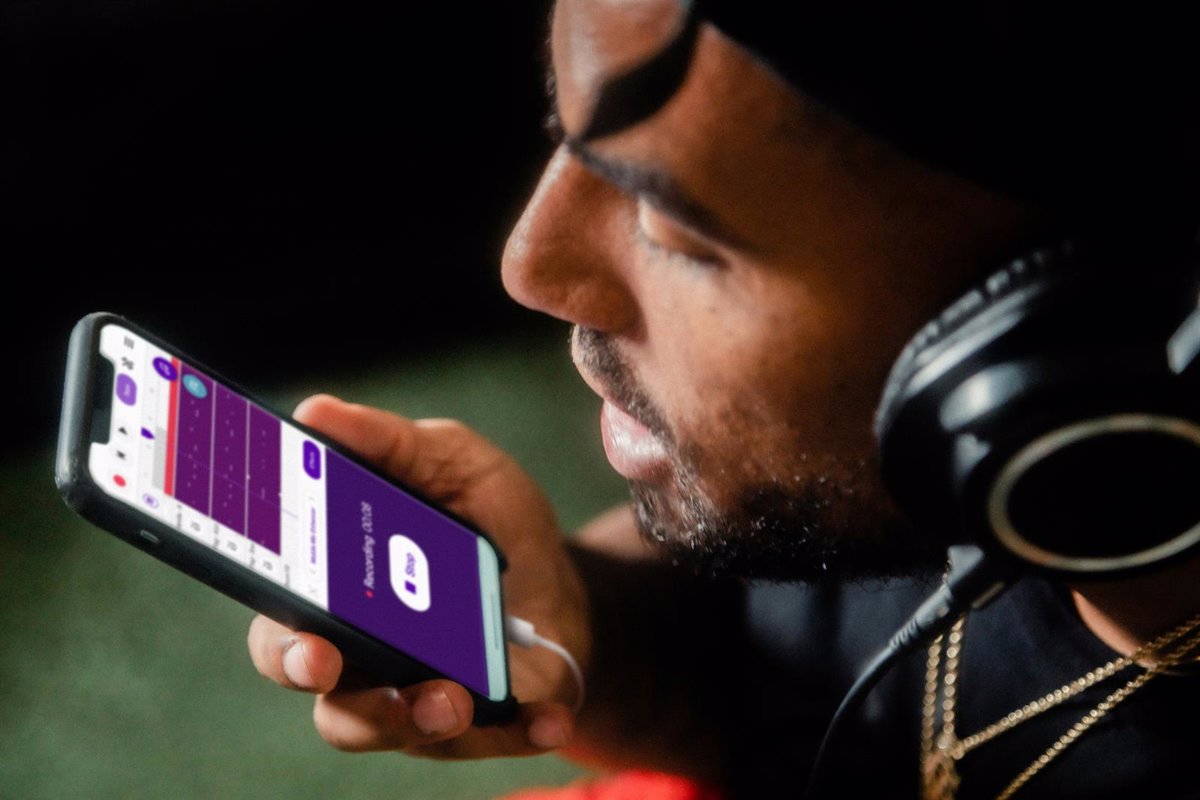
Cybercriminals are using AI-powered voice cloning to create deepfake audio of celebrities, which is then used in fraudulent schemes on Facebook and Instagram. These scams, including fake contests and investment opportunities, have led to financial losses and data theft for users, leveraging the realism of AI-generated voices to deceive victims.[AI generated]

Why's our monitor labelling this an incident or hazard?

The article explicitly describes AI systems (deep learning-based voice cloning) being used maliciously to create synthetic voices of celebrities to deceive users on social media. This use of AI directly leads to realized harm—financial fraud and personal data theft—affecting many users across multiple countries. Therefore, this qualifies as an AI Incident because the AI system's use has directly led to significant harm to people and communities through fraudulent activities.[AI generated]
AI principles
Privacy & data governanceTransparency & explainabilityRobustness & digital securityAccountabilitySafetyRespect of human rights

Industries
Media, social platforms, and marketingDigital securityFinancial and insurance services

Affected stakeholders
Consumers

Harm types
Economic/PropertyHuman or fundamental rightsReputational

Severity
AI incident

AI system task:
Content generation

In other databases

Articles about this incident or hazard

Thumbnail Image

Voces de Elon Musk, Oprah Winfrey, Vin Diesel o Jennifer Aniston son clonadas por ciberdelincuentes

2024-02-16
El Comercio Perú
Why's our monitor labelling this an incident or hazard?
The article explicitly describes AI systems (deep learning-based voice cloning) being used maliciously to create synthetic voices of celebrities to deceive users on social media. This use of AI directly leads to realized harm—financial fraud and personal data theft—affecting many users across multiple countries. Therefore, this qualifies as an AI Incident because the AI system's use has directly led to significant harm to people and communities through fraudulent activities.
Thumbnail Image

Así están estafando a los usuarios de Facebook e Instagram con deepfakes de voces de famosos

2024-02-16
Semana.com Últimas Noticias de Colombia y el Mundo
Why's our monitor labelling this an incident or hazard?
The article explicitly describes the use of AI systems (deepfake voice cloning technology) to create synthetic voices of famous people to conduct scams that have already caused financial harm and deception to users. The AI system's use directly leads to harm (financial fraud, data theft) and violation of user rights. The harm is realized, not just potential, and the AI system's role is pivotal in enabling these scams. Hence, this is an AI Incident.
Thumbnail Image

Proliferan los deepfakes de voz de famosos, con Facebook e Instagram...

2024-02-16
europa press
Why's our monitor labelling this an incident or hazard?
The article explicitly mentions the use of AI systems (voice cloning deepfake technology) to create synthetic voices of famous people, which are then used in scams that have caused financial harm to victims. The harm is direct and materialized, involving deception, financial loss, and potential privacy violations. The AI system's use is central to the incident, as the realistic voice deepfakes enable the frauds to be more convincing and widespread. Hence, this event meets the criteria for an AI Incident rather than a hazard or complementary information.
Thumbnail Image

Proliferan los deepfakes de voz de famosos, con Facebook e Instagram como los canales favoritos de los ciberdelincuentes

2024-02-19
El Observador
Why's our monitor labelling this an incident or hazard?
The article explicitly mentions the use of AI-based voice cloning (deepfake) technology to create synthetic voices of famous people, which are then used in fraudulent schemes on social media. The scams have caused direct harm to users by tricking them into financial losses and data theft, fulfilling the criteria for harm to persons and communities. The AI system's use is central to the incident, as the realistic voice deepfakes enable the deception. Hence, this is an AI Incident rather than a hazard or complementary information.
Thumbnail Image

Hollywood: clonan voces de actores para estafar

2024-02-19
Diario Expreso
Why's our monitor labelling this an incident or hazard?
The article explicitly mentions AI tools generating synthetic voice deepfakes of celebrities used in fraudulent schemes that cause direct harm to individuals through scams. The AI system's use is central to the incident, as it enables the creation of convincing fake voices that facilitate the scam. The harm includes financial loss and deception, fitting the definition of an AI Incident due to realized harm caused by AI misuse.
Thumbnail Image

Usan voz de famosos para ciberestafas con Facebook e Instagram como los canales favoritos

2024-02-16
DiarioDigitalRD
Why's our monitor labelling this an incident or hazard?
The article explicitly states that AI-based deepfake voice cloning technology is being used by cybercriminals to impersonate famous people and conduct scams that financially harm users. The AI system's use directly leads to harm (financial fraud and deception), fulfilling the criteria for an AI Incident. The harm is not hypothetical or potential but ongoing and realized, as users have been targeted and affected. Hence, the event is classified as an AI Incident rather than a hazard or complementary information.