Judge Dismisses Some Claims Against Zuckerberg in Meta AI Addiction Lawsuits

Thumbnail Image

The information displayed in the AIM should not be reported as representing the official views of the OECD or of its member countries.

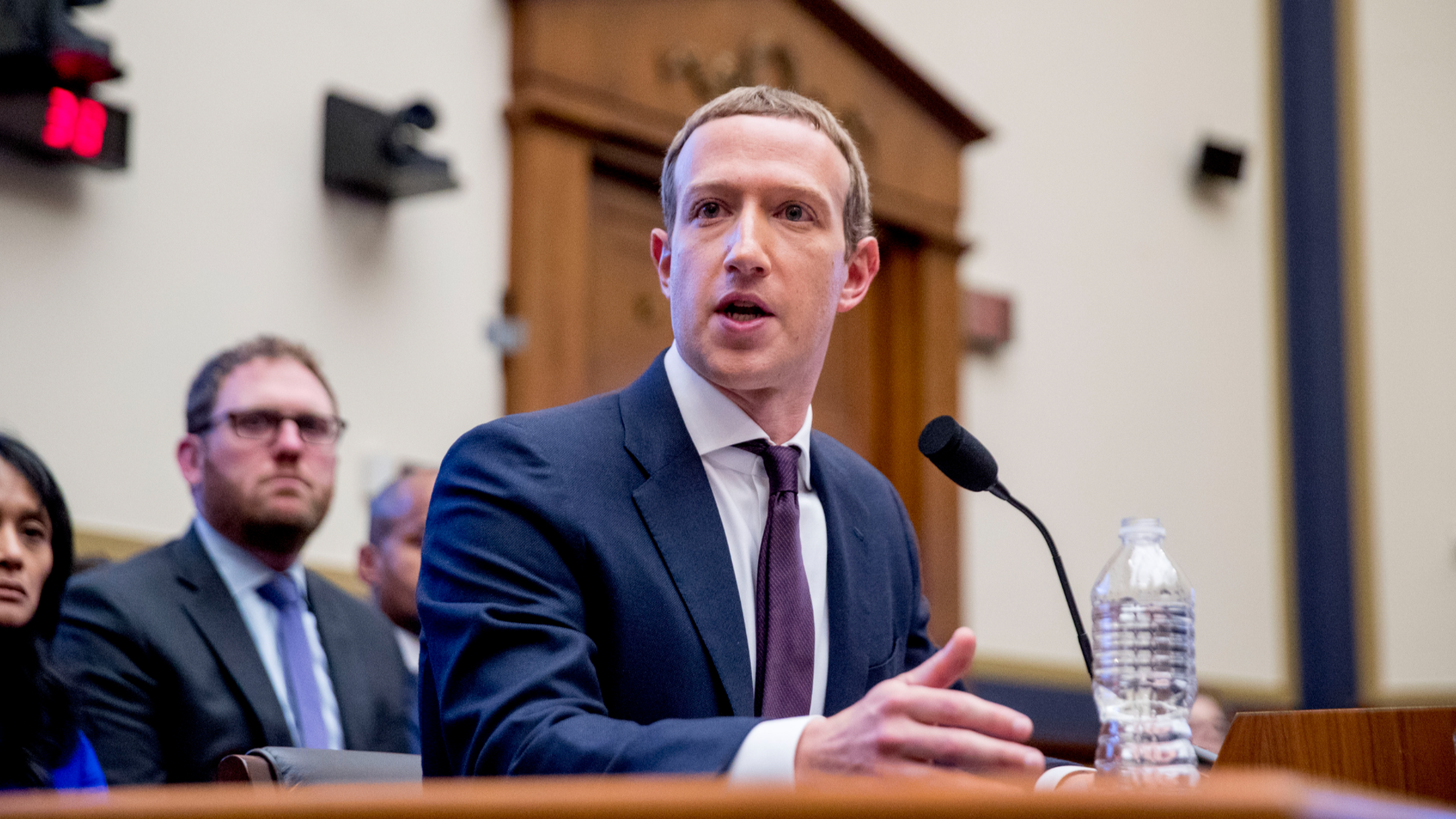
A US judge dismissed certain claims seeking to hold Meta CEO Mark Zuckerberg personally liable in lawsuits alleging Facebook and Instagram's AI-driven features harm children by fostering addiction and mental health issues. The litigation against Meta continues, focusing on the alleged harms caused by the platforms' AI systems.[AI generated]

Why's our monitor labelling this an incident or hazard?

The social media platforms mentioned (Meta, Google, TikTok, Snapchat) use AI systems for content recommendation and engagement optimization, which are central to the allegations of causing addiction and related harms. The lawsuits claim that these AI-driven design decisions have led to significant harm to children's mental and physical health, including increased suicide rates. Although the judge dismissed personal liability for Zuckerberg, the companies remain liable, and the harms are ongoing. This fits the definition of an AI Incident because the AI systems' use has directly or indirectly led to harm to groups of people (children).[AI generated]

AI principles
AccountabilitySafetyHuman wellbeingTransparency & explainabilityDemocracy & human autonomyRespect of human rights

Industries
Media, social platforms, and marketingHealthcare, drugs, and biotechnology

Affected stakeholders
Children

Harm types
Psychological

Severity
AI incident

Business function:
Marketing and advertisement

AI system task:
Organisation/recommendersForecasting/predictionGoal-driven organisation


Articles about this incident or hazard

Thumbnail Image

Zuckerberg isn't on the hook for kids' Instagram addiction, a judge just ruled

2024-04-16
Business Insider
Why's our monitor labelling this an incident or hazard?
The social media platforms mentioned (Meta, Google, TikTok, Snapchat) use AI systems for content recommendation and engagement optimization, which are central to the allegations of causing addiction and related harms. The lawsuits claim that these AI-driven design decisions have led to significant harm to children's mental and physical health, including increased suicide rates. Although the judge dismissed personal liability for Zuckerberg, the companies remain liable, and the harms are ongoing. This fits the definition of an AI Incident because the AI systems' use has directly or indirectly led to harm to groups of people (children).
Thumbnail Image

Court dismisses certain claims in Meta's social media harm lawsuit- Republic World

2024-04-16
Republic World
Why's our monitor labelling this an incident or hazard?
The article discusses lawsuits alleging harm from social media platforms, which may use AI systems for content recommendation and moderation. However, the article does not explicitly mention AI systems or their malfunction, use, or development as a direct or indirect cause of the harms. The focus is on legal claims about platform harm and corporate responsibility, not on AI system incidents or hazards. Therefore, this is best classified as Complementary Information, providing context on societal and legal responses to alleged harms related to social media platforms, which may involve AI but without direct AI system causation detailed.
Thumbnail Image

Judge dismisses some claims against Meta's Zuckerberg over social media harm

2024-04-16
The Express Tribune
Why's our monitor labelling this an incident or hazard?
The event involves allegations that the use of AI-driven social media platforms (Facebook, Instagram) has caused harm to children, including mental and emotional harm. These platforms use AI systems for content recommendation and engagement optimization, which can contribute to addictive behaviors and exposure to harmful content. Although the judge dismissed some claims against Zuckerberg personally, the lawsuits against Meta remain active, indicating ongoing harm linked to AI system use. Therefore, this qualifies as an AI Incident because the development and use of AI systems in social media have directly or indirectly led to harm to groups of people (children).
Thumbnail Image

Mark Zuckerberg Scores Partial Win in Lawsuit Over Harmful Effects of Facebook, Instagram

2024-04-16
Tech Times
Why's our monitor labelling this an incident or hazard?
The social media platforms mentioned (Facebook, Instagram, TikTok, Snapchat) rely heavily on AI systems for content recommendation, user engagement optimization, and addictive design features. The lawsuits allege that these AI-driven design choices intentionally exploit children's neurophysiology, causing addiction and mental health harm. This constitutes harm to groups of people (minors), fulfilling the criteria for an AI Incident. The court ruling is a legal development related to the incident but does not negate the fact that harm has occurred due to AI system use. The mention of VR education programs is unrelated to the harm described and does not affect the classification.
Thumbnail Image

Zuckerberg avoids personal liability in Meta addiction lawsuits

2024-04-16
The Business Times
Why's our monitor labelling this an incident or hazard?
The article involves AI systems insofar as Meta's platforms use AI for content recommendation and engagement, which is central to the addiction claims. However, the event focuses on a court decision about personal liability of an individual (Zuckerberg) rather than the occurrence of new harm or a new risk from AI systems. The lawsuits themselves indicate harm has occurred, but this article reports on a legal procedural outcome, not a new incident or hazard. Therefore, this is best classified as Complementary Information, providing an update on ongoing legal proceedings related to AI-related harms.
Thumbnail Image

Zuckerberg Dodges Liability In Meta Addiction MDL, For Now - Law360

2024-04-16
law360.com
Why's our monitor labelling this an incident or hazard?
While social media platforms use AI-driven algorithms that can influence user behavior, the article centers on legal claims and liability issues rather than describing a specific AI Incident or AI Hazard. There is no direct or indirect harm from AI systems detailed here, nor a plausible future harm explicitly linked to AI development or malfunction. The content is primarily about legal developments, which fits the category of Complementary Information as it provides context and updates on societal and governance responses to AI-related concerns.
Thumbnail Image

Judge dismisses some claims against Meta's Zuckerberg over social media harm

2024-04-16
China Daily Asia
Why's our monitor labelling this an incident or hazard?
The social media platforms Facebook and Instagram use AI systems for content recommendation and user engagement, which have been alleged to cause significant harm to children, including mental health issues and addiction. The lawsuits directly link these harms to the use of these AI systems. Although some claims against Zuckerberg personally were dismissed, the litigation against Meta continues, indicating that harm has occurred due to the AI systems' use. This fits the definition of an AI Incident as the AI system's use has directly or indirectly led to harm to health and communities. The event is not merely a legal proceeding or general news but concerns actual harm caused by AI systems, thus it is not Complementary Information or Unrelated. It is not an AI Hazard because the harm is already realized, not just potential.