China and Japan advance L3/4 autonomous driving tests amid bus accident

Thumbnail Image

The information displayed in the AIM should not be reported as representing the official views of the OECD or of its member countries.

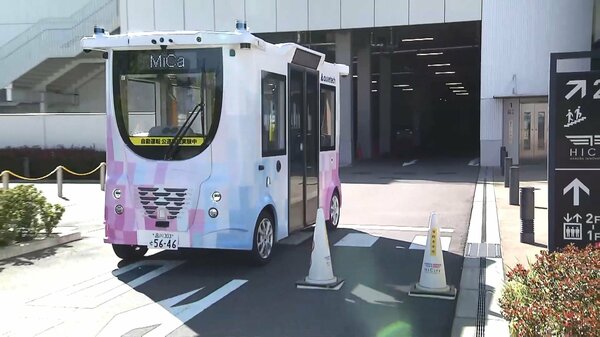
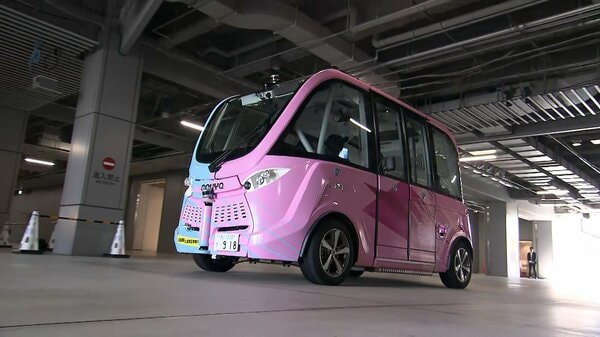
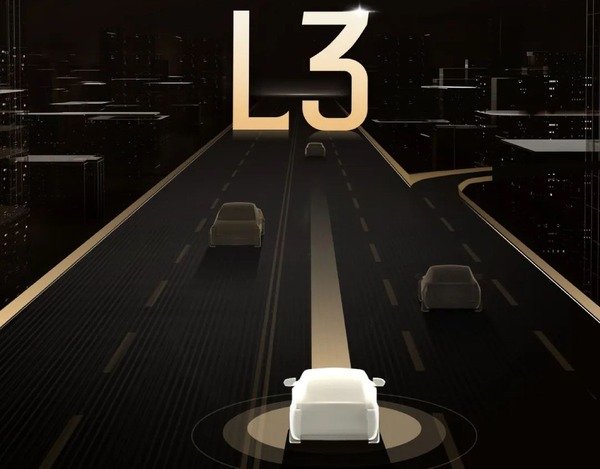
Chinese automaker BYD gained China’s first approval for Level 3 autonomous driving tests on public roads. Japan’s government plans nationwide Level 4 driverless bus operations by 2025. Meanwhile, in Niigata Village, a Level 2 autonomous community bus damaged roadside sensors after veering into a wire during manual takeover, prompting suspensions and safety reviews.[AI generated]

Why's our monitor labelling this an incident or hazard?

The event involves the use of an AI system (autonomous driving system) in a real-world trial without a human driver, which could plausibly lead to harm such as injury or property damage if the system malfunctions or fails. Since no harm has yet occurred, but the potential for harm is credible and significant, this qualifies as an AI Hazard rather than an AI Incident. The article does not describe any realized harm or incident, nor does it focus on responses or updates to prior incidents, so it is not Complementary Information. It is directly related to an AI system and its use, so it is not Unrelated.[AI generated]
AI principles
SafetyRobustness & digital securityAccountabilityTransparency & explainabilityDemocracy & human autonomy

Industries
Mobility and autonomous vehiclesGovernment, security, and defence

Affected stakeholders
Government

Harm types
Economic/PropertyPublic interestReputational

Severity
AI hazard

Business function:
Monitoring and quality control

AI system task:
Recognition/object detectionGoal-driven organisation


Articles about this incident or hazard

Thumbnail Image

乗用車の無人自動運転 公道で試験運行へ

2024-06-13
KBS WORLD Radio
Why's our monitor labelling this an incident or hazard?
The event involves the use of an AI system (autonomous driving system) in a real-world trial without a human driver, which could plausibly lead to harm such as injury or property damage if the system malfunctions or fails. Since no harm has yet occurred, but the potential for harm is credible and significant, this qualifies as an AI Hazard rather than an AI Incident. The article does not describe any realized harm or incident, nor does it focus on responses or updates to prior incidents, so it is not Complementary Information. It is directly related to an AI system and its use, so it is not Unrelated.
Thumbnail Image

自動運転バスが物損事故 手動運転に切り替え中、けが人なし 新潟・弥彦村

2024-06-11
産経ニュース
Why's our monitor labelling this an incident or hazard?
The event involves an AI system, specifically an autonomous driving system operating at level 2 automation. The incident occurred during the use of this AI system, and the malfunction or transition led to property damage (collision with a wire and damage to sensors). Although no injuries happened, the damage to property and the involvement of the AI system in the incident qualifies it as an AI Incident under the definition of harm to property caused directly or indirectly by the AI system's use or malfunction.
Thumbnail Image

「レベル4」の自動運転が全国へ "完全自動運転"で運転手不足の解消へ...安全面は「人間が運転するよりも事故発生確率は減るはず」|FNNプライムオンライン

2024-06-12
FNNプライムオンライン
Why's our monitor labelling this an incident or hazard?
The event involves AI systems (Level 4 autonomous driving) in use and development, with potential for significant impact on transportation and safety. However, the article does not describe any realized harm or incidents caused by these AI systems. Instead, it outlines government plans, ongoing trials, and expert opinions on safety and benefits. Therefore, this is a plausible future risk scenario where AI systems could lead to incidents, but no harm has yet occurred. This fits the definition of an AI Hazard rather than an AI Incident or Complementary Information, as the article's main focus is on the potential and planned deployment rather than responses to past incidents or general AI news unrelated to harm.
Thumbnail Image

全国で自動運転バス推進へ「レベル4」とは? 運転手不足解消へ...安全面は|FNNプライムオンライン

2024-06-12
FNNプライムオンライン
Why's our monitor labelling this an incident or hazard?
The event involves the use of AI systems for autonomous driving (Level 4 autonomy) which is explicitly mentioned. Although no harm has yet occurred, the deployment of fully autonomous buses nationwide could plausibly lead to AI incidents such as accidents or safety issues if the AI malfunctions or fails. Therefore, this event represents an AI Hazard due to the credible potential for harm from the use of AI in public transportation at scale.
Thumbnail Image

BYDが自動運転レベル3の公道テストの認可を取得...中国自動車メーカー初 | レスポンス(Response.jp)

2024-06-13
レスポンス(Response.jp)
Why's our monitor labelling this an incident or hazard?
The article describes the development and use of an AI system (Level 3 autonomous driving) that can control vehicle operations under specific conditions. Although no harm has yet occurred, the authorization to test such systems on public roads implies a credible risk that the AI system could plausibly lead to incidents involving injury or harm to persons or disruption of traffic safety. Therefore, this event qualifies as an AI Hazard because it concerns the plausible future harm from the deployment of an AI system with significant safety implications, but no actual harm or incident is reported yet.
Thumbnail Image

いすゞが資本業務提携の自動運転トラックのGatikに伊藤忠も出資

2024-06-13
MONOist
Why's our monitor labelling this an incident or hazard?
The article involves AI systems explicitly, namely Level 4 autonomous driving technology used in commercial trucks. However, it does not describe any harm or incident resulting from the development, use, or malfunction of these AI systems. Instead, it reports on investment, partnership, and future plans for autonomous vehicle deployment. There is no indication of direct or indirect harm or plausible imminent harm. Therefore, this event is best classified as Complementary Information, providing context on AI ecosystem developments and strategic investments related to autonomous driving technology.
Thumbnail Image

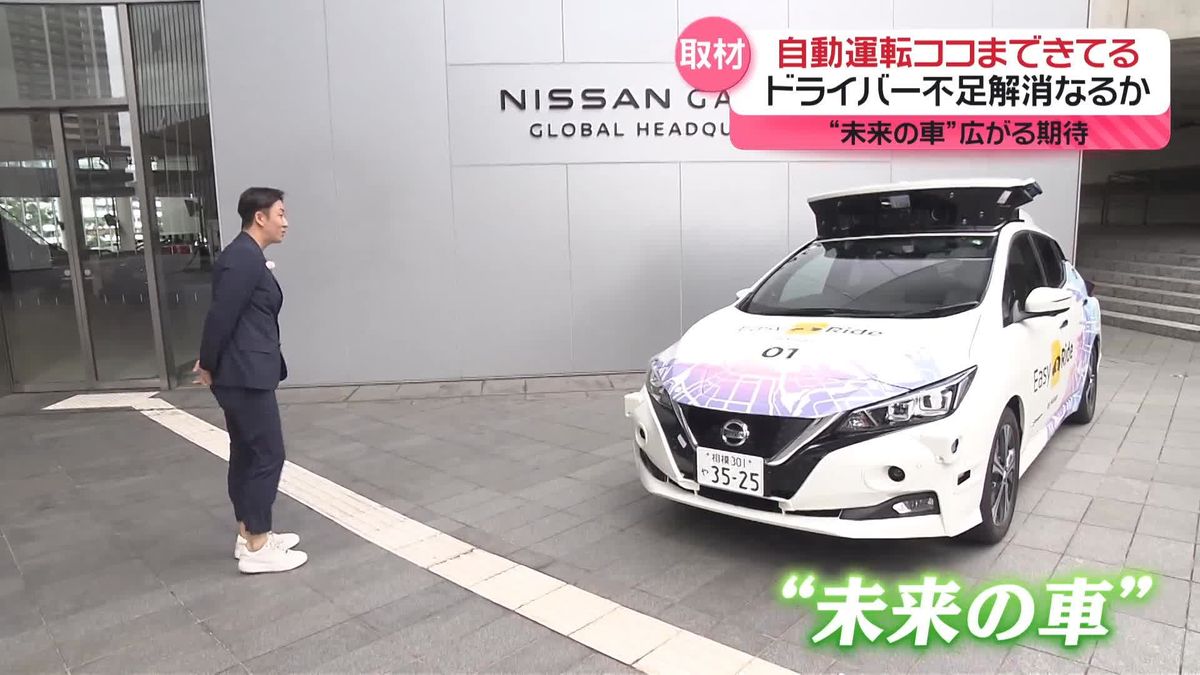
進化遂げる自動運転 斎藤佑樹キャスター"未来の車"を取材 ほぼ自動運転の路線バスも|日テレNEWS NNN

2024-06-11
日テレNEWS NNN
Why's our monitor labelling this an incident or hazard?
The event involves AI systems (autonomous driving technology) in use and development. However, no direct or indirect harm has been reported or implied. The article mainly provides information about the technology's progress, public opinion, and intended benefits, without describing any incident or plausible imminent harm. Therefore, it does not meet the criteria for AI Incident or AI Hazard. It is best classified as Complementary Information, as it provides context and updates on AI system development and societal responses.