AI Data Centres Face Power Constraints by 2027

Thumbnail Image

The information displayed in the AIM should not be reported as representing the official views of the OECD or of its member countries.

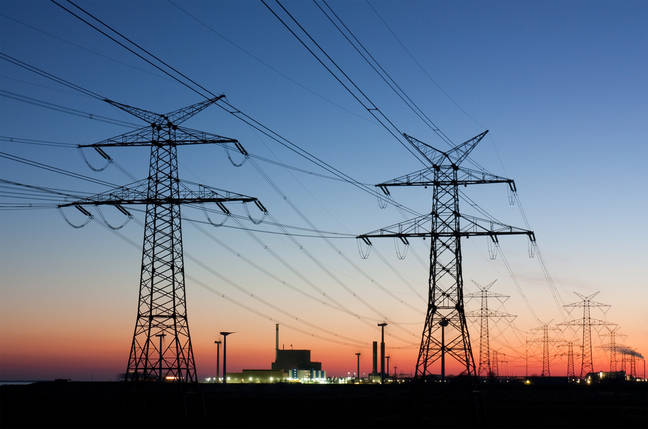
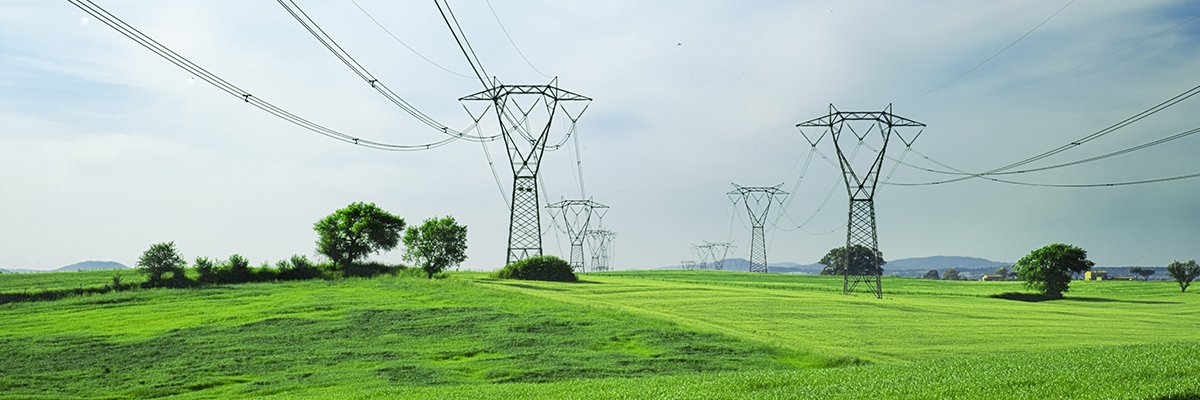
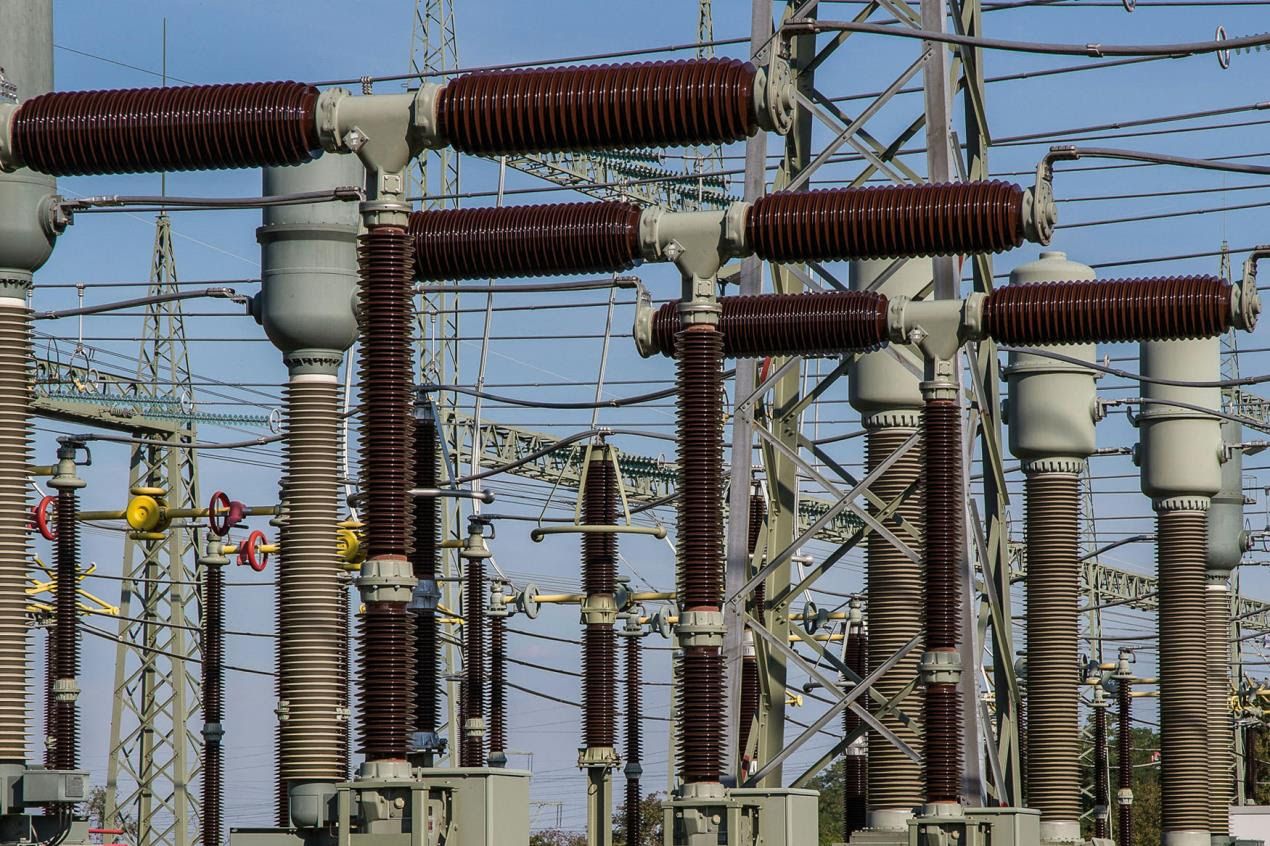
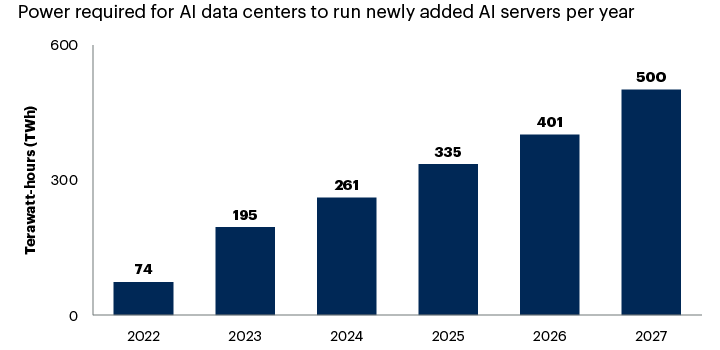
Gartner warns that AI and generative AI’s explosive energy demands will boost data centre power consumption by up to 160%, reaching 500 TWh annually by 2027. Without significant grid expansion, 40% of AI data centres could face operational constraints, limiting GenAI deployment and risking grid stability and higher energy costs.[AI generated]

Why's our monitor labelling this an incident or hazard?

The article describes a plausible future risk stemming from the development and use of AI systems—specifically, the energy demands of AI data centers potentially leading to power shortages and environmental harm. No actual harm has yet occurred, but the credible risk of power shortages and increased carbon emissions due to AI operations qualifies this as an AI Hazard. There is no indication of realized harm or incident, nor is the article focused on responses or updates to past events, so it is not an AI Incident or Complementary Information.[AI generated]
AI principles
SustainabilityAccountabilitySafetyTransparency & explainability

Industries
IT infrastructure and hostingEnergy, raw materials, and utilitiesGovernment, security, and defence

Affected stakeholders
BusinessGeneral public

Harm types
Economic/PropertyPublic interestEnvironmental

Severity
AI hazard

Business function:
ICT management and information securityResearch and development

AI system task:
Content generationInteraction support/chatbots


Articles about this incident or hazard

Thumbnail Image

AI Data Centers May Face Power Shortages by 2025

2024-11-14
PC Magazine
Why's our monitor labelling this an incident or hazard?
The article describes a plausible future risk stemming from the development and use of AI systems—specifically, the energy demands of AI data centers potentially leading to power shortages and environmental harm. No actual harm has yet occurred, but the credible risk of power shortages and increased carbon emissions due to AI operations qualifies this as an AI Hazard. There is no indication of realized harm or incident, nor is the article focused on responses or updates to past events, so it is not an AI Incident or Complementary Information.
Thumbnail Image

Gartner predicts power shortages will restrict 40% of AI data centers by 2027

2024-11-13
Zawya.com
Why's our monitor labelling this an incident or hazard?
The article clearly involves AI systems, specifically AI data centers supporting large language models and generative AI. However, it does not describe any actual harm or incident caused by AI systems but rather predicts plausible future constraints and risks (power shortages, cost increases, sustainability setbacks) that could limit AI growth and impact environmental goals. These are credible potential harms linked to AI system use and infrastructure but remain prospective. Therefore, this event fits the definition of an AI Hazard, as it plausibly could lead to significant harms related to AI deployment in the near future.
Thumbnail Image

Power shortages will restrict 40% of AI data centres by 2027 - Gartner

2024-11-13
Zawya.com
Why's our monitor labelling this an incident or hazard?
The article focuses on the plausible future risk of power shortages impacting AI data centres, which could limit AI development and increase costs. This is a credible potential harm related to AI system use and infrastructure but no actual harm or incident has occurred yet. Therefore, it fits the definition of an AI Hazard, as it describes circumstances where AI system use could plausibly lead to significant harm (operational constraints, increased emissions, sustainability challenges) in the future. It is not an AI Incident because no realized harm has occurred, nor is it Complementary Information or Unrelated since it directly concerns AI system infrastructure risks.
Thumbnail Image

Datacenter energy consumption warnings get more strident

2024-11-13
TheRegister.com
Why's our monitor labelling this an incident or hazard?
The article clearly involves AI systems, specifically AI-optimized servers and generative AI workloads, which are driving increased energy consumption. While no direct harm has yet occurred, the warnings about potential power shortages, disruption of energy supply, and increased greenhouse gas emissions indicate a credible risk of harm to critical infrastructure (energy grids) and the environment. Therefore, this event represents an AI Hazard, as the development and use of AI systems could plausibly lead to significant harms in the near future.
Thumbnail Image

Energy shortages threaten to restrict 40% of AI data centers by 2027

2024-11-12
Network World
Why's our monitor labelling this an incident or hazard?
The event involves AI systems (AI data centers powering generative AI and LLMs) and highlights a credible risk of future harm—energy shortages that could restrict 40% of these data centers by 2027. This is a plausible future harm that could disrupt critical infrastructure management and operation. However, no actual harm or incident has yet occurred; the article is a forecast and warning about potential constraints. Therefore, it fits the definition of an AI Hazard rather than an AI Incident or Complementary Information.
Thumbnail Image

Gartner warns GenAI demand will lead to datacentre energy shortages...

2024-11-12
Computer Weekly
Why's our monitor labelling this an incident or hazard?
The event involves AI systems (generative AI workloads and large language models) and their increasing energy consumption. The article does not describe any realized harm but warns of plausible future harms such as energy shortages, increased operational costs, and environmental damage due to increased carbon emissions. These potential harms fit the definition of an AI Hazard, as the development and use of AI systems could plausibly lead to significant harms in the future. Since no actual harm has occurred yet, and the article is a forecast and warning, it is best classified as an AI Hazard rather than an AI Incident or Complementary Information.
Thumbnail Image

Preparing for future AI energy disruption | Computer Weekly

2024-11-15
Computer Weekly
Why's our monitor labelling this an incident or hazard?
The article clearly involves AI systems, specifically large language models and generative AI requiring hyperscale datacentres. The event described is about the potential for AI-driven energy demand to exceed supply, which could plausibly lead to disruption of critical infrastructure (power grids) in the future. However, no actual harm or incident has yet occurred; the article is a warning and call for preparation. Therefore, this fits the definition of an AI Hazard, as it describes a credible risk of future harm due to AI system deployment and energy consumption.
Thumbnail Image

Gartner Predicts Power Shortages Will Restrict 40% of AI Data Centers By 2027 | Al Bawaba

2024-11-13
Al Bawaba
Why's our monitor labelling this an incident or hazard?
The article clearly involves AI systems, specifically AI data centers and generative AI models, and discusses the potential for power shortages that could disrupt their operation. The harms described—power shortages limiting AI data center operations, increased electricity prices, and environmental impacts—are plausible future harms that could arise from the development and use of AI systems. Since these harms have not yet materialized but are forecasted as credible risks, the event fits the definition of an AI Hazard rather than an AI Incident. The article does not describe any realized harm or incident caused by AI systems but warns of potential future constraints and impacts.
Thumbnail Image

High energy consumption of AI, GenAI raises power shortage fears

2024-11-15
The Nation Thailand
Why's our monitor labelling this an incident or hazard?
The article focuses on the systemic issue of AI's energy consumption and its implications for power infrastructure and costs. While it identifies a credible risk of power shortages and increased costs due to AI's energy needs, it does not report any direct or indirect harm caused by AI systems at this time. The discussion is forward-looking and advisory, emphasizing risk assessment and mitigation strategies rather than describing an incident or hazard event. Therefore, it fits the definition of Complementary Information, as it provides important context and governance-related advice about AI's environmental and economic impacts without reporting a specific AI Incident or AI Hazard.
Thumbnail Image

Power Shortages Will Restrict 40% of AI Data Centers By 2027 - Gartner

2024-11-12
Data Center Knowledge
Why's our monitor labelling this an incident or hazard?
The article clearly involves AI systems, particularly generative AI and large language models, which require significant computational power. The event described is a plausible future risk where AI system growth could lead to power shortages, disrupting data center operations and causing economic and environmental impacts. Since the harm is potential and not yet realized, this fits the definition of an AI Hazard rather than an AI Incident. The article does not describe any realized injury, rights violation, or disruption but warns of credible future harm related to AI system use and infrastructure constraints.
Thumbnail Image

40% of AI data centres to face power constraints by 2027 - Techerati

2024-11-14
Techerati
Why's our monitor labelling this an incident or hazard?
The article explicitly links the rapid rise of AI and generative AI to unprecedented energy demands that could exceed power grid capacity, causing operational constraints for AI data centres and potential instability or higher costs for other power users. Although no harm has yet occurred, the credible projections and expert warnings indicate a plausible future harm scenario. This fits the definition of an AI Hazard, as the development and use of AI systems could plausibly lead to disruption of critical infrastructure and environmental harm in the near future.
Thumbnail Image

How Badly Will AI Data Centres Be Impacted By Power Shortages?

2024-11-12
Digit
Why's our monitor labelling this an incident or hazard?
The article clearly involves AI systems, specifically AI data centres and generative AI models, and discusses the potential for power shortages to limit their operation and growth. This represents a plausible future risk (hazard) related to AI deployment. However, no actual harm or incident has occurred yet; the article is a forecast and recommendation piece. Therefore, it fits the definition of an AI Hazard, as it outlines a credible risk that could plausibly lead to harm (e.g., disruption of AI services, increased costs, or environmental impacts) but does not report a realized incident.
Thumbnail Image

Power supply shortages are a ticking time bomb for data center operators

2024-11-12
ITPro
Why's our monitor labelling this an incident or hazard?
The article clearly involves AI systems, specifically AI-optimized servers and generative AI workloads, which are driving increased power consumption. The event described is about the plausible future risk of power shortages and their consequences on data center operations and AI service costs. Since no actual harm or incident has occurred yet, but there is a credible risk of disruption and harm to infrastructure and sustainability, this fits the definition of an AI Hazard. It is not an AI Incident because no realized harm is reported, nor is it Complementary Information or Unrelated as it directly concerns AI's impact on critical infrastructure and potential harm.
Thumbnail Image

40% of AI data centres to face power constraints by 2027

2024-11-12
Tech Monitor
Why's our monitor labelling this an incident or hazard?
The article discusses plausible future harms related to AI systems, specifically the potential for power shortages to disrupt AI data centre operations and increase costs, which could indirectly impact AI deployment and sustainability goals. However, no actual harm or incident has occurred yet; the report is a warning about foreseeable risks. Therefore, this qualifies as an AI Hazard because it plausibly could lead to operational disruptions and broader harms if power constraints materialize, but it is not an AI Incident or Complementary Information since it does not describe a response to a past event or a societal/governance development.
Thumbnail Image

Face à la croissance des datacenters IA, Gartner prédit des pénuries d'électricité - Le Monde Informatique

2024-11-12
Le Monde Informatique
Why's our monitor labelling this an incident or hazard?
The article explicitly involves AI systems (AI datacenters supporting discriminative AI and generative AI) whose growth is forecasted to cause electricity shortages and increased emissions. Although no direct harm has yet occurred, the credible risk of power supply disruptions and environmental harm is clearly articulated and linked to AI system expansion. This fits the definition of an AI Hazard, as the event plausibly leads to harms (disruption of critical infrastructure, environmental harm) due to AI system use. It is not an AI Incident because the harms are not yet realized, nor is it Complementary Information or Unrelated since the focus is on potential harms from AI system growth.
Thumbnail Image

Les pénuries d'électricité limiteront 40 % des centres de données d'IA d'ici 2027 et les prix de l'électricité augmenteront~? ce qui accroîtra les coûts d'exploitation des LLM, d'après Gartner

2024-11-13
Developpez.com
Why's our monitor labelling this an incident or hazard?
The article clearly involves AI systems, specifically generative AI and LLMs, whose operation depends on data centers consuming large amounts of electricity. The event described is a forecast of future electricity shortages and price increases that will limit AI data center operations and increase costs, as well as cause environmental harm through increased carbon emissions. However, these harms are projected and have not yet materialized. Therefore, this constitutes a plausible future risk (AI Hazard) rather than an actual incident. The article does not report any current injury, rights violation, or disruption caused by AI systems but warns of credible risks stemming from AI's energy demands and infrastructure limitations.
Thumbnail Image

62

2024-11-13
developpez.net
Why's our monitor labelling this an incident or hazard?
The article does not report any actual incident where AI systems have directly or indirectly caused harm. Instead, it presents credible forecasts and warnings that the growth of AI infrastructure could plausibly lead to significant harms such as operational disruptions of AI data centers, increased costs, and environmental damage due to higher carbon emissions. These potential harms stem from the development and use of AI systems at scale but have not yet materialized as incidents. Therefore, the event qualifies as an AI Hazard because it plausibly leads to future AI incidents related to energy shortages and environmental harm, but no current harm is described.
Thumbnail Image

Gartner prévoit des pénuries d'énergie dans 40 % des datacenters pour l'IA d'ici à 2027 - Next

2024-11-13
Next
Why's our monitor labelling this an incident or hazard?
The article describes a credible and significant future risk stemming from the use and growth of AI systems (notably generative AI) that could plausibly lead to harm such as disruption of critical infrastructure (data centers) and environmental harm (increased CO2 emissions). However, no actual harm or incident has yet occurred; the focus is on forecasting and recommendations to mitigate these risks. Therefore, this qualifies as an AI Hazard rather than an AI Incident or Complementary Information.