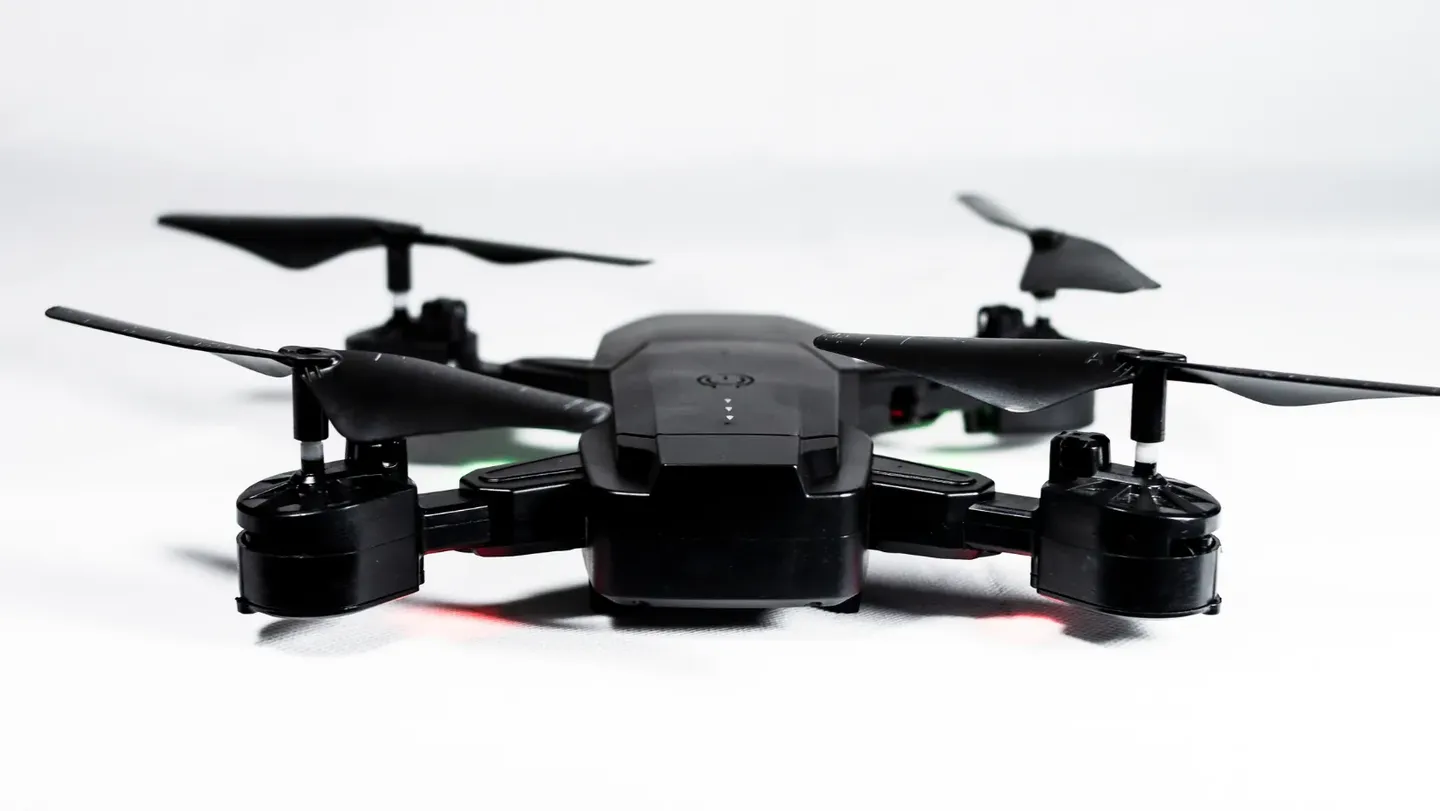
Taiwan unveils UAV AI intelligence centre and orders ‘Spring Knife’ attack drones

Thumbnail Image

The information displayed in the AIM should not be reported as representing the official views of the OECD or of its member countries.

Chung-Shan Institute in Taichung unveiled eight VR simulation systems, featuring a UAV AI intelligence centre with generative AI and GPT-driven real-time imagery analysis. Taiwan’s navy ordered domestically developed ‘Spring Knife’ attack drones—now in final testing—and plans to integrate US MQ-9 reconnaissance data into the AI platform.[AI generated]

Why's our monitor labelling this an incident or hazard?

The event involves AI systems in the form of autonomous or semi-autonomous military drones and loitering munitions. While no direct harm or incident is reported, the development and procurement of such AI-enabled weapons systems present a credible risk of future harm, including injury, violation of rights, or harm to communities and property. Therefore, this qualifies as an AI Hazard due to the plausible future harm from the use or misuse of these AI systems in military contexts.[AI generated]
AI principles
AccountabilityRobustness & digital securitySafetyRespect of human rightsPrivacy & data governanceTransparency & explainabilityDemocracy & human autonomyFairnessHuman wellbeing

Industries
Government, security, and defenceRobots, sensors, and IT hardwareMobility and autonomous vehiclesDigital securityIT infrastructure and hosting

Affected stakeholders
General public

Harm types
Physical (death)Physical (injury)Human or fundamental rightsPublic interestPsychological

Business function:
Research and developmentICT management and information securityMonitoring and quality control

AI system task:
Recognition/object detectionContent generationReasoning with knowledge structures/planningInteraction support/chatbots


Articles about this incident or hazard