Japan to Launch Nation's First Driverless Level 4 Autonomous Buses in Matsuyama

Thumbnail Image

The information displayed in the AIM should not be reported as representing the official views of the OECD or of its member countries.

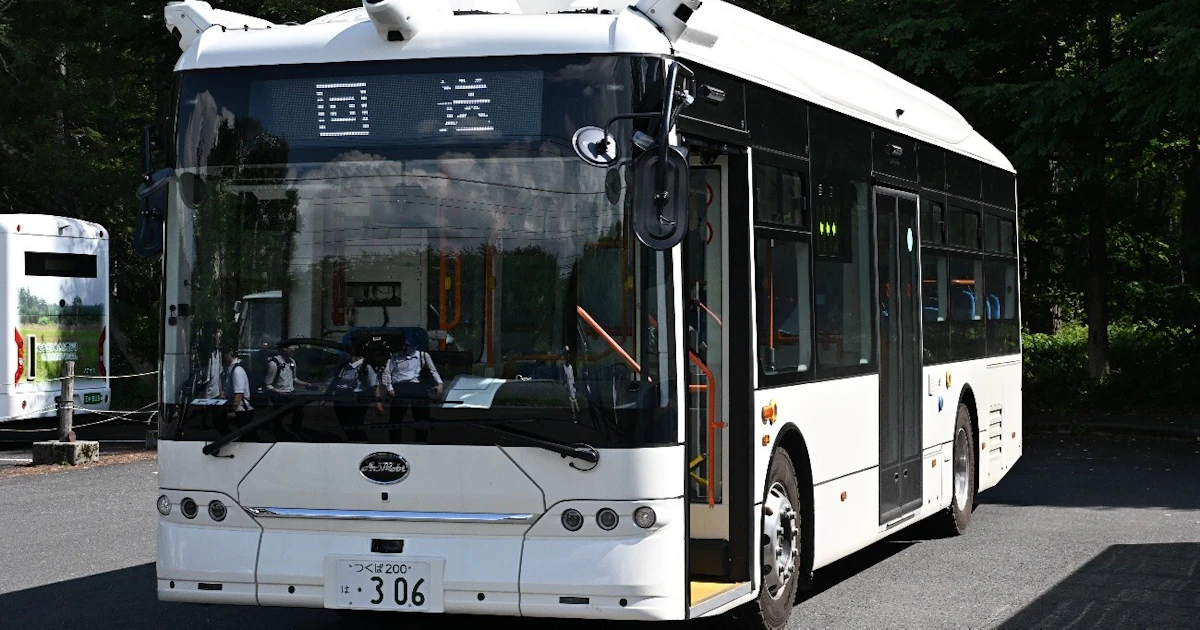
Iyo Railway Group will introduce Japan's first driverless Level 4 autonomous buses in Matsuyama City starting January 2025. The buses, equipped with AI-driven systems and no driver in the seat, will operate on two city routes, raising potential safety concerns due to the absence of human drivers.[AI generated]

Why's our monitor labelling this an incident or hazard?

The event involves the use of an AI system (Level 4 autonomous driving) in a real-world environment. However, the article only reports on the planned experimental use and testing phase without any realized harm or malfunction. Since the autonomous system could plausibly lead to harm in the future if it malfunctions or is misused, this qualifies as an AI Hazard rather than an Incident or Complementary Information. It is not unrelated because the autonomous driving system is clearly an AI system under test.[AI generated]
AI principles
SafetyAccountability

Industries
Mobility and autonomous vehicles

Affected stakeholders
General public

Harm types
Physical (injury)Physical (death)

Severity
AI hazard

Business function:
Logistics

AI system task:
Recognition/object detectionReasoning with knowledge structures/planningGoal-driven organisation


Articles about this incident or hazard

Thumbnail Image

東武バス日光、栃木・奥日光で大型EVバスの実証実験開始へ

2025-10-24
日本経済新聞
Why's our monitor labelling this an incident or hazard?
The event involves the use of an AI system (Level 4 autonomous driving) in a real-world environment. However, the article only reports on the planned experimental use and testing phase without any realized harm or malfunction. Since the autonomous system could plausibly lead to harm in the future if it malfunctions or is misused, this qualifies as an AI Hazard rather than an Incident or Complementary Information. It is not unrelated because the autonomous driving system is clearly an AI system under test.
Thumbnail Image

愛媛の伊予鉄、市街地で自動運転「レベル4」バス運行へ 道後温泉でも

2025-10-27
日本経済新聞
Why's our monitor labelling this an incident or hazard?
The event involves the use of an AI system (Level 4 autonomous driving) in a real-world public transportation setting. Although no harm has been reported yet, the deployment of fully autonomous buses in busy urban environments carries credible risks of accidents or other harms due to AI system failure or malfunction. Hence, it fits the definition of an AI Hazard, as the AI system's use could plausibly lead to an AI Incident in the future.
Thumbnail Image

運転席無人バス 来年開始

2025-10-27
読売新聞オンライン
Why's our monitor labelling this an incident or hazard?
The event involves the use of an AI system (level 4 autonomous driving) that will be deployed in public transportation. Although no harm has yet occurred, the deployment of such autonomous buses without a driver in the seat could plausibly lead to incidents causing injury or harm to people or disruption of critical infrastructure if the AI system malfunctions or fails to respond appropriately. Therefore, this event qualifies as an AI Hazard because it plausibly could lead to an AI Incident in the future, given the nature of autonomous vehicle operation in public spaces and the novelty of the system crossing railroad crossings autonomously.
Thumbnail Image

公道で自動運転バスの実証運行...福岡・宗像

2025-10-25
読売新聞オンライン
Why's our monitor labelling this an incident or hazard?
The article explicitly mentions autonomous buses and unmanned construction machinery, which reasonably involve AI systems. The event is a demonstration or trial operation, with no reported harm or incident. There is no indication that these AI systems caused or could plausibly cause harm. Hence, it does not meet the criteria for AI Incident or AI Hazard. It is not unrelated because it involves AI systems. The main focus is on the demonstration and testing, which fits the definition of Complementary Information.
Thumbnail Image

<編集者のおすすめ>『日本のバス問題』佐藤信之著 バスを取り巻く今昔

2025-10-25
産経ニュース
Why's our monitor labelling this an incident or hazard?
The article does not report any realized harm or incident caused by AI systems, nor does it describe a plausible future harm scenario directly linked to AI. The autonomous driving mention is general and does not indicate malfunction or misuse. Therefore, it is best classified as Complementary Information, providing context on AI-related developments (autonomous driving) in the bus transportation sector without reporting an incident or hazard.
Thumbnail Image

アンリツ、自動運転バスの通信品質を可視化...大阪・関西万博2025 | レスポンス(Response.jp)

2025-10-27
レスポンス(Response.jp)
Why's our monitor labelling this an incident or hazard?
The event involves an AI system (autonomous bus) and its communication infrastructure, but it only reports on measurement and visualization of communication quality without any harm or malfunction. There is no realized harm or plausible future harm described. The article is about a technical evaluation effort to enhance safety and reliability, which fits the category of Complementary Information as it provides context and support for AI system deployment rather than reporting an incident or hazard.
Thumbnail Image

全国初「運転席無人」の自動運転バス運行へ 松山市中心部で伊予鉄バス 来年1月から

2025-10-27
愛媛新聞社
Why's our monitor labelling this an incident or hazard?
The event explicitly involves an AI system, namely an autonomous driving system controlling a bus without a driver present. However, the article only announces the planned deployment and does not report any harm or incidents resulting from the AI system's use. There is no indication of any injury, disruption, rights violation, or other harm caused or occurring. The event describes a future deployment that could plausibly lead to harm (e.g., accidents or operational failures) but no harm has yet occurred. Therefore, this qualifies as an AI Hazard, as the autonomous bus operation could plausibly lead to an AI Incident in the future if malfunctions or misuse occur.
Thumbnail Image

伊予鉄バス、全国初「運転席無人」自動バス運行へ 松山市中心部の2路線

2025-10-27
愛媛新聞社
Why's our monitor labelling this an incident or hazard?
The buses described are autonomous vehicles operating at Level 4 automation, which involves AI systems making real-time driving decisions without human intervention under specific conditions. The event involves the use of AI systems in public transportation. However, the article does not report any harm or incident caused by these AI systems, nor does it indicate any immediate risk or plausible future harm from their deployment. Instead, it is an announcement of a new AI system deployment aimed at addressing driver shortages. Therefore, this event is best classified as Complementary Information, as it provides context and updates on AI system adoption and societal responses but does not describe an AI Incident or AI Hazard.
Thumbnail Image

全国初「運転席を無人に」 "レベル4"自動運転バス 新たに松山市内2路線で運行へ(2025年10月27日掲載)|南海放送NEWS NNN

2025-10-27
日テレNEWS NNN
Why's our monitor labelling this an incident or hazard?
The event involves the use of an AI system (Level 4 autonomous driving system) in public buses, which will operate without a human driver in the driver's seat. Although no harm has occurred yet, the deployment of such autonomous vehicles inherently carries plausible risks of harm to people or property if the AI system malfunctions or makes incorrect decisions. Since the article describes planned operation and testing but no incidents or realized harm, it fits the definition of an AI Hazard rather than an AI Incident. It is not merely complementary information because the focus is on the introduction and operation of the AI system with potential safety implications, not on responses or updates to past incidents.
Thumbnail Image

自動運転バス 課題把握へ発車

2025-11-28
読売新聞オンライン
Why's our monitor labelling this an incident or hazard?
The event involves an AI system (autonomous driving bus with AI cameras and sensors) in active use during a controlled demonstration. However, the presence of a driver who can intervene and the lack of any reported harm or malfunction means no AI Incident has occurred. The article focuses on the experimental deployment and the city's plans, which is informative about AI development and governance but does not describe realized or plausible harm. Hence, it fits the definition of Complementary Information rather than an Incident or Hazard.
Thumbnail Image

金子恭之国交相、伊予鉄の自動運転バスを視察 松山市中心部で

2025-11-25
日本経済新聞
Why's our monitor labelling this an incident or hazard?
The event involves an AI system (Level 4 autonomous driving) and its use (inspection and planned deployment). However, no harm or malfunction has occurred or is reported. The article focuses on the demonstration and future plans, emphasizing safety and regulatory preparations. Therefore, it does not describe an AI Incident or AI Hazard but rather provides complementary information about the development and governance of AI-enabled autonomous vehicles.
Thumbnail Image

高知市で自動運転バス実証実験、NTT西日本など12月に2週間

2025-11-27
日本経済新聞
Why's our monitor labelling this an incident or hazard?
The event involves the use of an AI system (Level 4 autonomous driving) in a real-world test. While no harm has occurred, the system's development and use could plausibly lead to harm if the autonomous bus fails to respond correctly to emergency vehicles or other road conditions. Therefore, this event qualifies as an AI Hazard because it describes a situation where AI system use could plausibly lead to an incident involving injury or harm to people if the system malfunctions or fails.
Thumbnail Image

高速道路で大型バスの自動運転実証 愛知県、実用化へデータ取得

2025-11-26
日本経済新聞
Why's our monitor labelling this an incident or hazard?
The event involves the use of an AI system (autonomous driving software) in a real-world test setting. However, there is no indication of any injury, disruption, rights violation, or other harm caused by the AI system at this stage. The article describes a controlled experiment aimed at data collection and development towards practical autonomous driving. Therefore, it represents a plausible future risk scenario but no realized harm. This fits the definition of an AI Hazard, as the autonomous driving system could plausibly lead to harm in the future if issues arise, but no incident has yet occurred.
Thumbnail Image

ついに実現「高速バスの"自動運転"」に乗った! 見えてきた未来 でも「こりゃ無人化は相当先だ」 実導入の課題は山積み | 乗りものニュース

2025-11-26
乗りものニュース
Why's our monitor labelling this an incident or hazard?
The event involves an AI system (autonomous driving system) in active use during a real-world test. However, the article does not report any injury, accident, or violation of rights. The human driver remains responsible, and manual intervention is possible. The article highlights challenges and the difficulty of achieving full unmanned operation but does not describe any actual harm or incident. Hence, it fits the definition of an AI Hazard, as the autonomous driving system could plausibly lead to harm in the future if failures occur, but no harm has yet occurred.
Thumbnail Image

仙台港周辺で自動運転バスの実証実験スタート 津波避難エリアで災害時の対応など検証へ(仙台放送)

2025-11-27
Yahoo!ニュース
Why's our monitor labelling this an incident or hazard?
The autonomous buses are AI systems being tested in real-world conditions, including disaster scenarios. Since the event is a demonstration experiment without any reported injury, disruption, or rights violation, it does not qualify as an AI Incident. It also does not describe a credible risk or near miss that could plausibly lead to harm, so it is not an AI Hazard. The article provides complementary information about the development and testing of AI systems in public transport and disaster response, which helps understand the AI ecosystem and its governance but does not report harm or credible risk of harm.
Thumbnail Image

「自動運転バスの実証実験」災害に備え沿岸エリアで実施・ルート切り替えや工事区間回避を確認 仙台市(tbc東北放送)

2025-11-27
Yahoo!ニュース
Why's our monitor labelling this an incident or hazard?
The event involves an AI system (autonomous driving bus) whose development and use are being tested. The system's AI controls vehicle operations and route changes in response to disaster scenarios. While no harm has occurred, the system's malfunction or failure could plausibly lead to harm (e.g., accidents during emergencies). The event is a demonstration and validation exercise, not reporting any actual injury, disruption, or rights violation. Hence, it does not meet the criteria for an AI Incident. It is not merely complementary information because the main focus is on the experiment and its potential safety implications, not on responses to past incidents or governance. Therefore, it fits the definition of an AI Hazard.
Thumbnail Image

中国製バスもハッキング対象? 安保懸念に揺れる欧州

2025-11-28
The Wall Street Journal - Japan
Why's our monitor labelling this an incident or hazard?
The bus is an AI system or at least an autonomous or semi-autonomous system with control systems that can be remotely manipulated. The event concerns the plausible risk of hacking (malfunction or malicious use) that could lead to disruption of critical infrastructure (public transportation). Since no actual harm has occurred yet, but the risk is credible and plausible, this qualifies as an AI Hazard rather than an AI Incident. The event focuses on the potential for harm due to AI system vulnerabilities, not on realized harm or ongoing incidents.
Thumbnail Image

秋田市で自動運転バス導入検討 2029年度にも完全自動の実証実験|秋田魁新報電子版

2025-11-28
秋田魁新報電子版
Why's our monitor labelling this an incident or hazard?
The event involves the planned development and use of AI systems for autonomous driving in public transportation. While no harm has yet occurred, the deployment of fully autonomous buses could plausibly lead to AI incidents such as accidents or disruptions if the AI system malfunctions or is misused. Therefore, this event represents a potential future risk associated with AI systems, qualifying it as an AI Hazard rather than an incident or unrelated news. It is not complementary information because it does not describe responses to past incidents or governance measures, but rather a plan for future AI system deployment with potential risks.
Thumbnail Image

自動運転"バスが期間限定で運行!12月3日から事前予約受付開始!JR高知駅北口から高知赤十字病院まで1日6便【高知】(2025年11月27日掲載)|RKC NEWS NNN

2025-11-27
日テレNEWS NNN
Why's our monitor labelling this an incident or hazard?
The event involves an AI system (autonomous driving technology) being used in a real-world trial. While no harm or malfunction is reported, the nature of autonomous vehicles inherently carries potential risks to passenger safety and public safety. The trial aims to verify safety features, indicating awareness of these risks. Since no harm has occurred yet, but plausible future harm could arise from the use or malfunction of the AI system, this qualifies as an AI Hazard rather than an AI Incident. It is not merely complementary information because the focus is on the trial operation and its safety implications, not on a response or update to a past incident. It is not unrelated because the autonomous bus clearly involves AI systems.