China's 'Nantianmen Plan' Unveils AI-Enabled Aerospace Military Concepts

Thumbnail Image

The information displayed in the AIM should not be reported as representing the official views of the OECD or of its member countries.

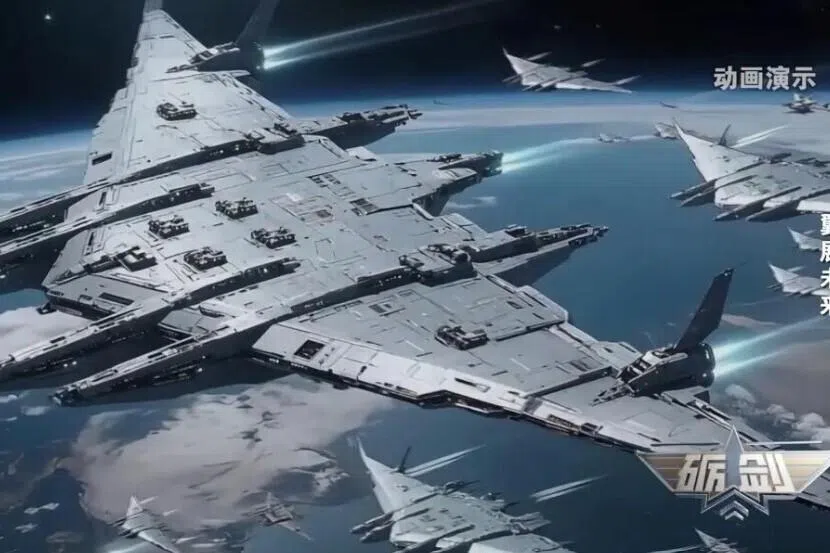
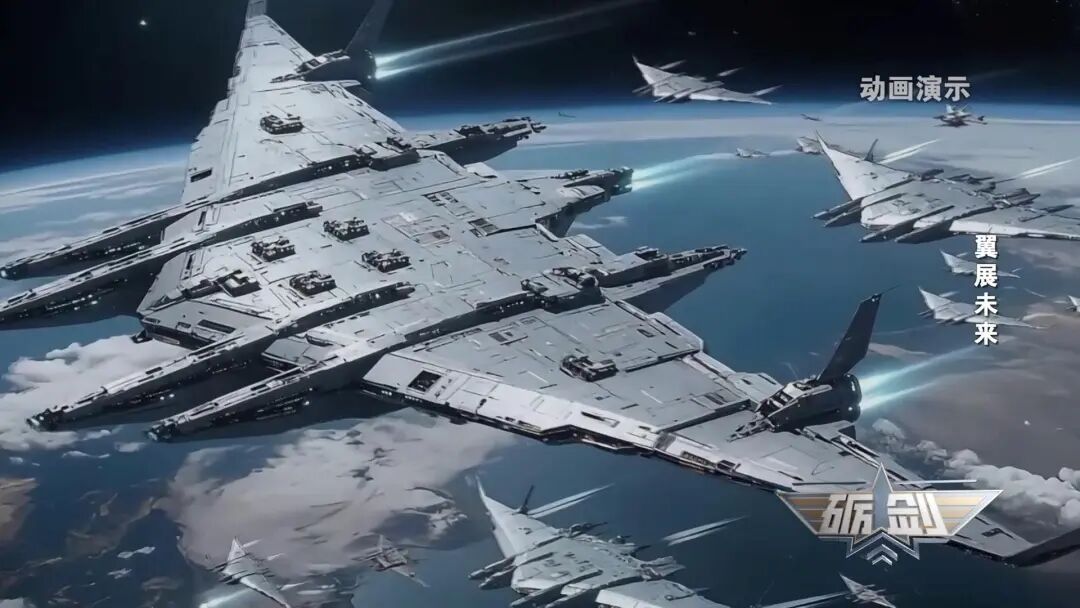
China's 'Nantianmen Plan' introduces conceptual aerospace military vehicles, including AI-enabled unmanned combat aircraft and autonomous flight platforms. These designs integrate AI for decision-making, swarm coordination, and autonomous operations, posing plausible future risks if deployed, but no actual harm or incidents have occurred yet.[AI generated]

Why's our monitor labelling this an incident or hazard?

The event involves AI systems in the form of AI-enabled autonomous flight and AI-powered decision-making as part of future aerospace combat vehicles. However, since these are conceptual designs and models without actual deployment or incidents causing harm, there is no direct or indirect harm realized. The article discusses future possibilities and technological integration, which could plausibly lead to AI-related risks in the future but does not describe any current harm or incident. Therefore, this qualifies as an AI Hazard, reflecting the plausible future risk of AI-enabled military aerospace systems, but not an AI Incident or Complementary Information.[AI generated]
AI principles
AccountabilitySafetyRobustness & digital securityRespect of human rightsTransparency & explainabilityDemocracy & human autonomy

Industries
Government, security, and defenceRobots, sensors, and IT hardware

Affected stakeholders
General public

Harm types
Physical (death)Physical (injury)Public interestHuman or fundamental rights

Severity
AI hazard

Business function:
Research and development

AI system task:
Goal-driven organisationReasoning with knowledge structures/planning


Articles about this incident or hazard

Thumbnail Image

中国央视报道"南天门计划" 设想建造空天母舰

2026-01-11
zaobao.com.sg
Why's our monitor labelling this an incident or hazard?
The article focuses on speculative and conceptual military technology involving AI-enabled unmanned aircraft and space carriers. There is no report of actual deployment, malfunction, or harm caused by these AI systems. The discussion is about future possibilities and technological integration, which could plausibly lead to AI hazards in the future but does not describe any current incident or immediate hazard. Therefore, it is best classified as Complementary Information, providing context and insight into future AI-related military developments without describing an AI Incident or AI Hazard at present.
Thumbnail Image

"南天门计划"正照进现实

2026-01-10
finance.eastmoney.com
Why's our monitor labelling this an incident or hazard?
The event involves AI systems in the form of AI-enabled autonomous flight and AI-powered decision-making as part of future aerospace combat vehicles. However, since these are conceptual designs and models without actual deployment or incidents causing harm, there is no direct or indirect harm realized. The article discusses future possibilities and technological integration, which could plausibly lead to AI-related risks in the future but does not describe any current harm or incident. Therefore, this qualifies as an AI Hazard, reflecting the plausible future risk of AI-enabled military aerospace systems, but not an AI Incident or Complementary Information.
Thumbnail Image

中国"南天门计划"曝光

2026-01-11
baijiahao.baidu.com
Why's our monitor labelling this an incident or hazard?
The described '玄女' unmanned combat aircraft is characterized as intelligent and unmanned, implying AI systems for autonomous operation and decision-making. The project involves advanced weaponry and space-capable drones, which are highly likely to incorporate AI for navigation, targeting, and combat functions. Although no harm has yet occurred, the development and potential use of such AI-enabled autonomous weapons systems pose credible risks of harm to people, infrastructure, and international security. Therefore, this event fits the definition of an AI Hazard due to the plausible future harms from the AI system's development and intended use in military conflict.
Thumbnail Image

没听错!"南天门计划"正照进现实

2026-01-10
finance.sina.com.cn
Why's our monitor labelling this an incident or hazard?
The event involves AI systems conceptually, such as AI-enabled autonomous flight and decision-making in unmanned combat aircraft, but these are only conceptual models without actual deployment or use. No harm or incident has occurred or is described as occurring. The article focuses on the future potential and innovation direction rather than any realized harm or immediate risk. Therefore, it does not meet the criteria for an AI Incident or AI Hazard. It is best classified as Complementary Information because it provides context and insight into future AI-related aerospace developments and strategic thinking without describing a specific incident or hazard.
Thumbnail Image

2026-01-10
guancha.cn
Why's our monitor labelling this an incident or hazard?
The event involves AI systems conceptually, as the described unmanned combat aircraft and autonomous flight capabilities imply AI use. However, the article focuses on conceptual designs and future technological aspirations without any indication of actual deployment, malfunction, or harm caused by these AI systems. There is no direct or indirect harm reported, nor any incident or hazard event occurring. Therefore, this is a description of future potential technologies and their strategic implications, which fits the category of Complementary Information as it provides context and insight into AI-related technological development and governance considerations without reporting an incident or hazard.
Thumbnail Image

没听错!"南天门计划"正照进现实

2026-01-10
finance.eastmoney.com
Why's our monitor labelling this an incident or hazard?
The article involves AI systems conceptually, particularly AI-enabled autonomous flight and decision-making in future aerospace combat vehicles. However, since these systems are still in the conceptual phase and no actual deployment, malfunction, or harm has occurred, the event does not qualify as an AI Incident. Instead, it represents a plausible future risk or development that could lead to AI-related harms or incidents once realized, such as autonomous weapons use or AI-enabled military operations. Therefore, it fits the definition of an AI Hazard, as it plausibly could lead to significant harms in the future due to the nature of the AI systems described and their military applications.
Thumbnail Image

我国南天门计划前瞻上热搜:十万吨级空天母舰、速度16马赫的白帝空天战机等

2026-01-10
快科技
Why's our monitor labelling this an incident or hazard?
The article explicitly mentions AI decision-making and autonomous swarm coordination as part of the aerospace systems under development. Although no actual harm or incident has occurred, the nature of these AI-enabled military aerospace systems, including unmanned combat vehicles and hypersonic weapons, presents a credible risk of future harm. The event is about the development and conceptual unveiling of these systems, not about any realized harm or malfunction. Hence, it fits the definition of an AI Hazard, as the AI systems involved could plausibly lead to significant harm in the future.
Thumbnail Image

中国"南天门计划"曝光 科幻技术照进现实

2026-01-11
military.china.com
Why's our monitor labelling this an incident or hazard?
The described 'Nantianmen Plan' involves AI systems in the form of autonomous and intelligent unmanned aerial vehicles and space-capable warplanes with advanced AI-driven features. Although no actual harm or incident is reported, the development and showcasing of such AI-enabled military technologies pose plausible risks of harm, including escalation of military conflicts, misuse, or accidents. The article focuses on futuristic capabilities and conceptual models rather than actual incidents or harm, so it does not qualify as an AI Incident. It is not merely complementary information since it highlights the potential for future harm from these AI systems. Hence, the classification as an AI Hazard is appropriate.
Thumbnail Image

比六代机更先进!中国南天门计划曝光 专家:不是能不能实现 而是哪些先实现

2026-01-11
快科技
Why's our monitor labelling this an incident or hazard?
The article focuses on conceptual and developmental aerospace systems integrating AI technologies such as autonomous swarm coordination and AI decision-making. While these systems could plausibly lead to significant harms in the future (e.g., military conflict escalation, misuse of autonomous weapons), the article does not report any realized harm or incident. It is a forward-looking description of emerging AI-enabled technologies with potential future risks, fitting the definition of an AI Hazard rather than an AI Incident or Complementary Information. There is no mention of actual harm, malfunction, or legal/governance responses, and the event is not unrelated to AI since AI is explicitly mentioned as part of the envisioned technologies.
Thumbnail Image

于泽远:"南天门计划"居然是真的

2026-01-11
zaobao.com.sg
Why's our monitor labelling this an incident or hazard?
The 'Nantianmen Plan' involves advanced unmanned and manned aerospace platforms likely incorporating AI for autonomous functions, which can plausibly lead to significant harms such as military conflict escalation or accidents. However, the article only reports on the plan's existence, concept models, and future-oriented innovation without any actual harm or incident. There is no indication of misuse, malfunction, or realized harm. Thus, it fits the definition of an AI Hazard, as the development and potential deployment of these AI-enabled military systems could plausibly lead to AI Incidents in the future.
Thumbnail Image

我国"南天门计划"正照进现实 前沿技术即将实现

2026-01-12
news.china.com
Why's our monitor labelling this an incident or hazard?
The article discusses advanced AI-enabled aerospace systems under development and their potential applications, which could plausibly lead to significant impacts in the future. However, no actual harm or incident has occurred or is described. Therefore, the event fits the definition of an AI Hazard, as the development and deployment of such autonomous AI systems in military and rescue contexts could plausibly lead to AI incidents in the future, but no direct or indirect harm is reported at present.
Thumbnail Image

南天门计划即将登场,中美军力将出现"星际"代差_手机网易网

2026-01-12
m.163.com
Why's our monitor labelling this an incident or hazard?
The article explicitly mentions AI-enabled intelligent air combat systems as part of the planned space carrier's capabilities, indicating the involvement of AI systems. However, the plan is scheduled for deployment in 2041, and the article does not report any current use, malfunction, or harm caused by these AI systems. The discussion is about future military technology and strategic shifts, which could plausibly lead to significant harms in the future (e.g., escalation of military conflicts, disruption of security). Hence, it fits the definition of an AI Hazard rather than an AI Incident or Complementary Information. It is not unrelated because AI systems are central to the described technology.
Thumbnail Image

南天门计划"照进现实?

2026-01-14
news.china.com
Why's our monitor labelling this an incident or hazard?
The article focuses on a conceptual aerospace project with advanced technologies, some of which imply autonomous unmanned systems that likely involve AI. However, it does not report any realized harm, malfunction, or misuse of AI systems, nor does it indicate a credible or imminent risk of harm. The discussion is about potential future technological directions and conceptual designs, which aligns with general AI-related news or strategic context rather than an incident or hazard. Therefore, it fits best as Complementary Information, providing context and insight into future AI and aerospace developments without describing an AI Incident or AI Hazard.
Thumbnail Image

"南天门计划" 竟照进现实!中国版星球大战亮相,多项核心技术实现突破

2026-01-14
mil.sohu.com
Why's our monitor labelling this an incident or hazard?
The article explicitly discusses advanced military aerospace systems that almost certainly incorporate AI technologies, such as autonomous unmanned combat aircraft and adaptive stealth fighters. Although no actual harm or incident is reported, the strategic military context and the potential for these AI systems to be used in future conflicts present a credible risk of significant harm. The article does not describe any current harm or legal or rights violations, nor does it focus on responses or updates to prior incidents. Hence, it fits the definition of an AI Hazard, where the development and potential use of AI systems could plausibly lead to harm in the future.
Thumbnail Image

无人机不仅会飞,居然还会开枪了?我国的无人机家族有多厉害?

2026-01-13
news.ycwb.com
Why's our monitor labelling this an incident or hazard?
The article explicitly discusses AI-enabled military drones capable of autonomous or semi-autonomous operation, including firing weapons and coordinated swarm attacks. These systems qualify as AI systems due to their autonomous decision-making and complex mission execution. While the article does not report a specific harmful event, the deployment and proliferation of such armed AI drones inherently carry a credible risk of causing harm (injury, property damage, or violations of rights) in future conflicts or misuse scenarios. Hence, it fits the definition of an AI Hazard rather than an AI Incident or Complementary Information. It is not unrelated because the focus is on AI-enabled systems with potential for harm.
Thumbnail Image

财经风云--中美太空竞赛日趋激烈:中国打出"南天门计划",加速航天产业发展

2026-01-13
dapenti.com
Why's our monitor labelling this an incident or hazard?
The article involves AI-related technologies within aerospace and defense but focuses on a strategic plan and industry development rather than any harmful event or credible risk of harm caused by AI systems. There is no mention of injury, rights violations, infrastructure disruption, or other harms linked to AI system malfunction or misuse. The content is primarily informative about future technological directions and market impacts, fitting the definition of Complementary Information rather than an Incident or Hazard.