US Lawsuit Alleges AI Algorithms in Social Media Harm Children's Mental Health

Thumbnail Image

The information displayed in the AIM should not be reported as representing the official views of the OECD or of its member countries.

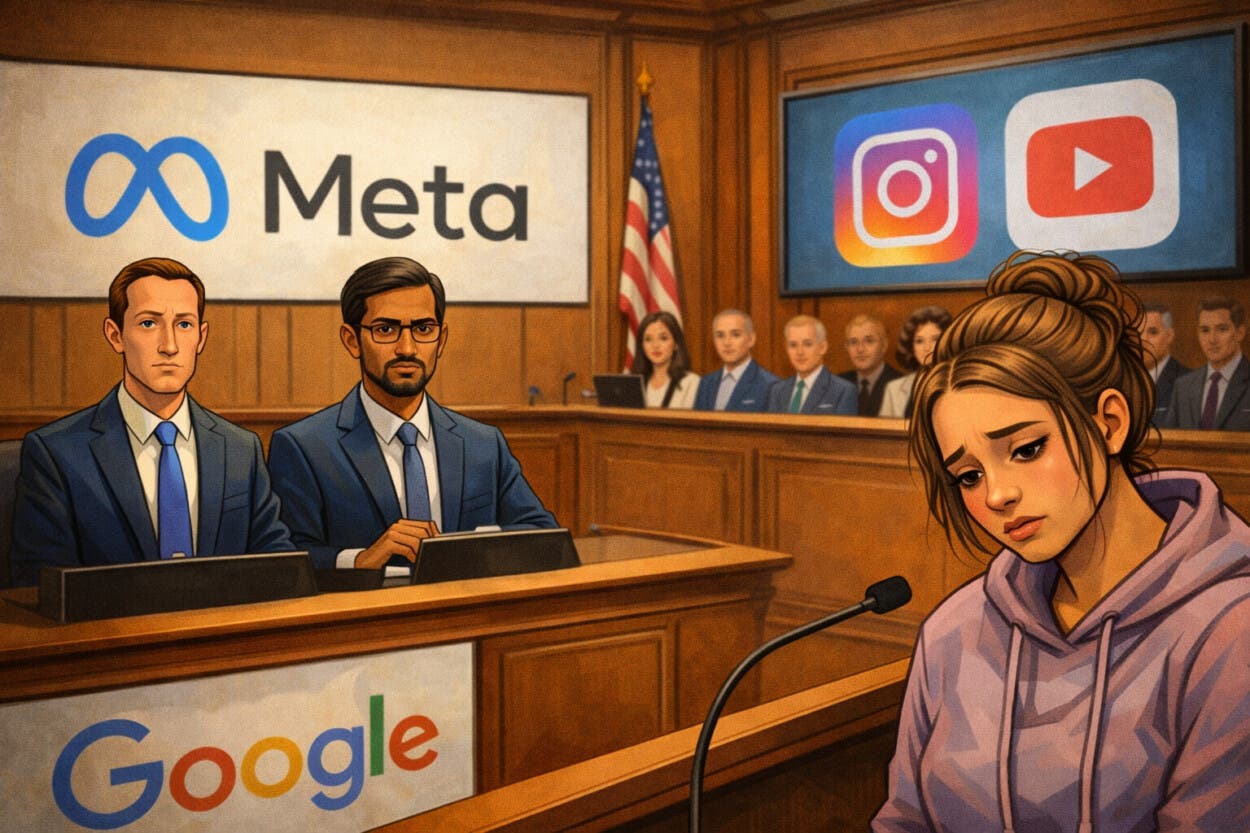
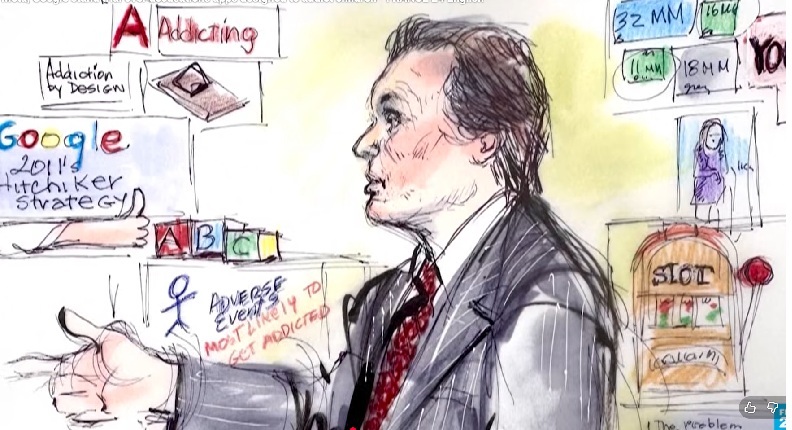
A landmark lawsuit in Los Angeles accuses Meta and Google of designing AI-driven algorithms in Instagram and YouTube to addict children, causing psychological harm including depression and suicidal ideation. The case, brought by a young woman and her mother, could set a precedent for holding tech companies accountable for AI-induced mental health injuries.[AI generated]

Why's our monitor labelling this an incident or hazard?

The event explicitly involves AI systems (algorithmic recommendation and autoplay mechanisms) designed and used by Meta and Google. The lawsuit alleges these AI systems have directly led to psychological harm to children, a form of injury to health. The harm is realized and central to the case, not merely potential. Therefore, this meets the criteria for an AI Incident, as the AI system's use has directly led to harm to persons (children's mental health).[AI generated]

AI principles
SafetyHuman wellbeing

Industries
Media, social platforms, and marketing

Affected stakeholders
Children

Harm types
Psychological

Severity
AI incident

Business function:
Marketing and advertisement

AI system task:
Organisation/recommenders


Articles about this incident or hazard

Thumbnail Image

Meta、Google被控「工程化成癮」 社群媒體迎來菸草時刻? - 自由財經

2026-02-10
自由時報電子報
Why's our monitor labelling this an incident or hazard?
The event explicitly involves AI systems (algorithmic recommendation and autoplay mechanisms) designed and used by Meta and Google. The lawsuit alleges these AI systems have directly led to psychological harm to children, a form of injury to health. The harm is realized and central to the case, not merely potential. Therefore, this meets the criteria for an AI Incident, as the AI system's use has directly led to harm to persons (children's mental health).

Thumbnail Image

科技巨擘遭控危害青少年 美國社媒成癮案將開庭 | 國際 | 中央社 CNA

2026-02-09
Central News Agency
Why's our monitor labelling this an incident or hazard?
The article describes a legal case alleging that social media companies intentionally designed their platforms to be addictive to children, causing serious mental health harms including depression and suicide. Social media platforms like YouTube and Instagram rely heavily on AI systems, particularly recommendation algorithms, to deliver content tailored to user behavior, which is central to the addiction mechanism. The harm described (mental health damage and suicide) is a direct consequence of the AI system's use in content recommendation and user engagement. Thus, the AI system's use has directly led to harm to health, fulfilling the criteria for an AI Incident. The case is about the use of AI systems causing harm, not just potential harm, so it is not an AI Hazard or Complementary Information. It is not unrelated because the harm is clearly linked to AI-powered social media platforms.
Thumbnail Image

Instagram和YouTube成癮案審判在洛杉磯開庭 | 社交平台 | 大紀元

2026-02-09
The Epoch Times
Why's our monitor labelling this an incident or hazard?
The social media platforms Instagram and YouTube employ AI systems such as recommendation algorithms and engagement optimization to influence user behavior. The lawsuit alleges these AI-driven designs caused psychological harm to a user, including depression and suicidal ideation. This constitutes injury to health caused by the use of AI systems, meeting the criteria for an AI Incident. The event is not merely a general news report or a policy discussion but involves a concrete legal case where harm has occurred and is attributed to AI system use. Hence, it is classified as an AI Incident.
Thumbnail Image

科技巨擘遭控危害青少年 美國社媒成癮案將開庭 | 國際焦點 | 國際 | 經濟日報

2026-02-09
Udnemoney聯合理財網
Why's our monitor labelling this an incident or hazard?
The social media platforms use AI systems (recommendation algorithms) to curate and push content to users, which is central to the allegations of causing addiction and mental health harms to children. The harm is direct and realized, as the lawsuit claims actual psychological injuries resulting from platform design. The event involves the use of AI systems leading to injury to health, fulfilling the definition of an AI Incident. Although the article focuses on the legal case and its implications, the core issue is the harm caused by AI-driven platform design, not just a complementary update or general AI news. Therefore, this event is classified as an AI Incident.
Thumbnail Image

美加州母女告4大社群公司 成網路成癮指標案例下週開庭

2026-02-06
公共電視
Why's our monitor labelling this an incident or hazard?
Social media platforms rely heavily on AI algorithms to curate and recommend content, which can lead to addictive behaviors and mental health harms. The lawsuit explicitly connects these harms to the platforms' algorithms, indicating AI system involvement in causing injury to health (mental health and death). The event describes realized harm and legal action addressing the AI systems' role, fitting the definition of an AI Incident rather than a hazard or complementary information. The case's significance as a precedent further supports this classification.
Thumbnail Image

科技巨頭面對陪審團:社群媒體成癮案開庭 祖克柏預計出庭作證

2026-02-10
東森美洲電視
Why's our monitor labelling this an incident or hazard?
The event involves AI systems in the form of social media recommendation algorithms that have been designed to maximize user engagement, which has allegedly led to significant psychological harm to users, including anxiety and suicidal ideation. The harm is realized and directly linked to the AI system's use, fulfilling the criteria for an AI Incident. The legal case explicitly accuses the companies of knowingly designing addictive algorithms, indicating the AI system's role in causing harm. Hence, this is not merely a potential hazard or complementary information but a concrete incident involving AI-related harm.
Thumbnail Image

Meta社群遭控害青少年成癮 美加州、新墨西哥州開審

2026-02-10
公共電視
Why's our monitor labelling this an incident or hazard?
The event explicitly involves AI systems (algorithms used by social media platforms) that have been designed and used in ways that have caused harm to teenagers' mental health and social well-being. The harm is realized and significant, including psychological disorders and deaths. The legal trials are a response to these harms, focusing on the AI system's role in causing addiction and harm. This fits the definition of an AI Incident, as the AI system's use has directly or indirectly led to injury or harm to persons and harm to communities. The event is not merely a complementary information update or a hazard, but a primary incident involving AI-caused harm.
Thumbnail Image

Instagram y YouTube son denunciados por generar adicciones en sus usuarios: buscan excluír a algunos hombres de las redes

2026-02-09
Semana.com Últimas Noticias de Colombia y el Mundo
Why's our monitor labelling this an incident or hazard?
The platforms Instagram and YouTube use AI-based recommendation algorithms to tailor content and maximize user engagement. The lawsuit alleges these AI-driven designs intentionally cause addiction, leading to mental health harm in children and young users. This is a direct harm caused by the use of AI systems in the platforms. The event is not merely a potential risk but an ongoing legal case about realized harm, thus it is an AI Incident rather than a hazard or complementary information.
Thumbnail Image

Arranca este lunes juicio sobre adicción de Instagram y YouTube

2026-02-09
EL UNIVERSO
Why's our monitor labelling this an incident or hazard?
The platforms Instagram and YouTube use AI-driven algorithms for content personalization and user engagement, which are central to the addiction claims. The lawsuit alleges that these AI systems were designed to maximize user addiction, leading to mental health harm to a minor user who became addicted. This constitutes direct or indirect harm caused by the AI systems' use. The event is not merely a potential risk but an ongoing legal case about realized harm, so it is an AI Incident rather than a hazard or complementary information.
Thumbnail Image

Adicción a las redes: Mark Zuckerberg vuelve al centro del debate judicial en EE. UU. - Tecnología - ABC Color

2026-02-09
ABC Digital
Why's our monitor labelling this an incident or hazard?
The case explicitly focuses on the design of algorithms and personalization features of Instagram and YouTube, which are AI systems, that allegedly caused addiction and mental health harm to a minor user. The harm is realized and central to the lawsuit. The involvement of AI in the platforms' operation and the resulting health harm meet the criteria for an AI Incident. The event is not merely a potential risk or a complementary update but a concrete legal case addressing actual harm linked to AI system use.
Thumbnail Image

محاکمه متا و یوتیوب به اتهام "اعتیاد کودکان"

2026-02-10
Deutsche Welle
Why's our monitor labelling this an incident or hazard?
The article explicitly discusses harm caused by social media platforms' design features that induce addiction in children, which has led to mental health issues. Given that these platforms rely on AI algorithms for content recommendation and engagement optimization, the AI systems are implicated in causing this harm. The harm is realized and significant, involving injury to health and harm to communities (children and families). Hence, this is an AI Incident rather than a hazard or complementary information. The legal proceedings and claims further support the direct link between AI system use and harm.
Thumbnail Image

آغاز دادگاه تاریخی والدین علیه یوتیوب و اینستاگرام در کالیفرنیا؛ شاکیان: اینها "ماشین اعتیاد" کودکانند

2026-02-10
عصر ايران،سايت تحليلي خبري ايرانيان سراسر جهان www.asriran.com
Why's our monitor labelling this an incident or hazard?
The event explicitly involves AI systems in the form of social media algorithms designed to maximize user engagement, which plaintiffs argue have caused addiction and mental health harm to children. The harm is realized and central to the lawsuit, meeting the criteria for an AI Incident. The AI systems' use and design are directly linked to injury to health (mental health issues), fulfilling the definition of an AI Incident. The event is not merely a potential risk or a complementary update but a concrete legal case alleging actual harm caused by AI systems.
Thumbnail Image

آغاز دادگاه تاریخی علیه اینستاگرام و یوتیوب/ مجرم‌هایی که اعتیاد را در مغز کودکان مهندسی کردند

2026-02-10
خبرآنلاین
Why's our monitor labelling this an incident or hazard?
The event involves AI systems embedded in social media platforms (Instagram and YouTube) that use algorithmic content recommendation and engagement optimization, which are AI-driven. The allegations and evidence presented indicate that these AI systems were deliberately designed or used in ways that caused addiction and mental health harm to children, fulfilling the criteria for injury or harm to health. The court case is about the direct harm caused by these AI systems' use, not just potential harm or general information. Hence, it is classified as an AI Incident.
Thumbnail Image

دادگاه تاریخی یوتیوب و اینستاگرام در کالیفرنیا آغاز شد؛ شاکیان می‌گویند اینها "ماشین اعتیاد" برای کودکانند

2026-02-10
بالاترین
Why's our monitor labelling this an incident or hazard?
The platforms in question use AI systems (algorithmic recommendation engines) to optimize content delivery and user engagement, which is reasonably inferred from the description of 'machines designed to addict' and internal emails about increasing user time. The harm described is direct mental health injury to children, a clear AI Incident under the framework. The event is not merely a potential hazard or complementary information but a concrete legal case alleging realized harm caused by AI system design and use. Hence, this qualifies as an AI Incident.
Thumbnail Image

متا و گوگل به دادگاه رفتند؛ محاکمه مهم سیاست‌های اعتیادآور در اینستاگرام و یوتوب

2026-02-10
خبرگزاری مهر | اخبار ایران و جهان | Mehr News Agency
Why's our monitor labelling this an incident or hazard?
The platforms' AI systems, specifically recommendation algorithms and content delivery mechanisms, are central to the alleged harms. The addictive design features and algorithmic content suggestions have directly contributed to psychological harm and exploitation risks, fulfilling the criteria for an AI Incident. The event involves the use of AI systems leading to realized harm (addiction, mental health issues, exploitation), not just potential harm or general discussion, so it qualifies as an AI Incident rather than a hazard or complementary information.
Thumbnail Image

شکایت از متا و یوتیوب به دلیل معتاد کردن کودکان

2026-02-10
خبرگزاری مهر | اخبار ایران و جهان | Mehr News Agency
Why's our monitor labelling this an incident or hazard?
The platforms' design involves AI systems that influence user behavior through addictive mechanisms, which is central to the plaintiff's claim of harm. The event involves the use of AI systems leading to direct harm to a person (the plaintiff) and potentially to other children. Therefore, this qualifies as an AI Incident because the AI systems' use has directly or indirectly led to harm to health and communities. The legal case and allegations focus on the AI-driven design causing realized harm, not just potential harm.
Thumbnail Image

دادگاه تاریخی متا و گوگل به‌دلیل سیاست‌های اعتیادآور برای نوجوانان

2026-02-10
خبرگزاری مهر | اخبار ایران و جهان | Mehr News Agency
Why's our monitor labelling this an incident or hazard?
The platforms mentioned (Instagram, Facebook, YouTube) employ AI-based recommendation algorithms and engagement optimization systems that influence user behavior. The lawsuit alleges these AI-driven designs intentionally cause addiction and mental health harm to minors, which is a direct harm to health and well-being. The involvement of AI systems in the platforms' operation and the resulting harm to users meet the criteria for an AI Incident. The event is not merely a potential risk or a complementary update but a legal case addressing actual harm caused by AI-enabled platform design.
Thumbnail Image

محاکمه تاریخی متا در آمریکا به اتهام به خطر انداختن امنیت کودکان

2026-02-10
خبرگزاری مهر | اخبار ایران و جهان | Mehr News Agency
Why's our monitor labelling this an incident or hazard?
The event explicitly involves AI systems in the form of algorithms used by Meta's social media platforms. These algorithms have been alleged to cause harm by facilitating access to children by online predators and by promoting addictive and harmful content, which has led to real harm to children's safety and wellbeing. The legal case is based on evidence of internal knowledge and concealment of these harms by Meta, indicating direct involvement of AI system use leading to harm. Hence, this is an AI Incident, not merely a hazard or complementary information.
Thumbnail Image

آغاز دادگاه تاریخی در کالیفرنیا: اتهام ساخت "ماشین‌های اعتیادآور" به اینستاگرام و یوتیوب

2026-02-10
Head Topics
Why's our monitor labelling this an incident or hazard?
The platforms Instagram and YouTube use AI-driven algorithms to recommend content and optimize user engagement. The lawsuit alleges these AI systems were intentionally designed to create addiction, which has directly harmed users' mental health, especially children. The harm is realized and ongoing, as evidenced by the plaintiff's psychological issues linked to platform use. The event involves the use of AI systems (content recommendation algorithms) whose development and use have directly led to harm, fulfilling the criteria for an AI Incident. The legal proceedings and testimonies focus on the AI system's role in causing harm, not just potential future harm or general AI ecosystem updates, so it is not a hazard or complementary information.
Thumbnail Image

دادگاه بزرگ یوتیوب و متا؛ پلتفرم‌های اجتماعی به "معتادکردن مغز کودکان" متهم شدند - زومیت

2026-02-11
ایسنا
Why's our monitor labelling this an incident or hazard?
The platforms' AI-powered recommendation and engagement systems are central to the allegations of causing psychological harm and addiction to children. The harm is realized and ongoing, as evidenced by the legal accusations and internal documents. The AI systems' use in manipulating user engagement and targeting vulnerable users directly or indirectly leads to harm to health and communities. Therefore, this event meets the criteria for an AI Incident.
Thumbnail Image

Começa nos EUA julgamento contra redes sociais acusadas de gerar dependência em crianças

2026-02-10
Estadão
Why's our monitor labelling this an incident or hazard?
The social media platforms employ AI systems in the form of recommendation algorithms designed to maximize user engagement by tailoring content to individual users. The lawsuit alleges that these AI systems were intentionally designed to create addiction in children, resulting in direct mental health harm. This fits the definition of an AI Incident because the AI system's use has directly led to harm to a group of people (children) in terms of mental health damage. The event is not merely a potential risk or a complementary update but a concrete legal case addressing realized harm caused by AI-driven systems.
Thumbnail Image

Meta, YouTube accused of designing platforms 'to addict' children

2026-02-09
BBC
Why's our monitor labelling this an incident or hazard?
The platforms' recommendation and engagement algorithms are AI systems designed to influence user behavior. The lawsuit alleges these AI systems were intentionally designed to addict children, causing mental health harm, which is a violation of rights and harm to health. The event involves the use of AI systems leading directly to harm, meeting the criteria for an AI Incident. The trial and accusations focus on the AI systems' role in causing realized harm, not just potential harm or general information, so it is not a hazard or complementary information.
Thumbnail Image

Instagram and YouTube owners built 'addiction machines', trial told

2026-02-10
BBC
Why's our monitor labelling this an incident or hazard?
The event explicitly involves AI systems in the form of algorithms and generative AI tools used by Meta and YouTube platforms. The harm described is psychological distress and addiction in a minor user, which is a direct harm to health and well-being. The legal case centers on the platforms' design choices that intentionally increased user engagement through AI-driven features, which is a use of AI leading to harm. The involvement of state attorneys general seeking to restrict AI features further confirms the AI system's role in causing harm. Thus, this qualifies as an AI Incident because the AI systems' use has directly or indirectly led to harm as defined in the framework.
Thumbnail Image

Tribunal nos EUA julga se Instagram e YouTube viciam crianças

2026-02-09
uol.com.br
Why's our monitor labelling this an incident or hazard?
The article explicitly mentions algorithms of Instagram and YouTube, which are AI systems used for content recommendation and user engagement. The harm alleged is addiction leading to mental health damage in children and adolescents, which is a direct harm to health caused by the use of these AI systems. Therefore, this event qualifies as an AI Incident because the AI systems' use has directly or indirectly led to harm to a group of people (children and adolescents).
Thumbnail Image

Social media 'addicting the brains of children,' plaintiff's lawyer...

2026-02-10
Daily Mail Online
Why's our monitor labelling this an incident or hazard?
The social media platforms use AI systems to design and operate addictive features that influence children's behavior, leading to mental health harms. The lawsuit and trial focus on the direct harm caused by these AI-driven systems. The presence of AI is reasonably inferred from the platforms' use of algorithms and design choices that manipulate user engagement. The harm is realized and ongoing, as evidenced by the plaintiffs' claims and internal documents. Hence, this event meets the criteria for an AI Incident rather than a hazard or complementary information.
Thumbnail Image

Meta, YouTube design apps to addict kids, jury hears as landmark trial begins

2026-02-09
Hindustan Times
Why's our monitor labelling this an incident or hazard?
The event involves AI systems in the form of social media platforms' recommendation and engagement algorithms designed to maximize user attention, which are alleged to have caused addiction and mental health harm to a minor. The harm is realized and central to the lawsuit, meeting the criteria for an AI Incident. The trial focuses on whether the companies can be held liable for these harms caused by their AI-driven app designs. This is not merely a potential risk or a complementary update but a concrete case of harm linked to AI system use.
Thumbnail Image

Instagram, YouTube 'engineered addiction' in children: US lawyer's claim

2026-02-10
Hindustan Times
Why's our monitor labelling this an incident or hazard?
The social media platforms use AI systems such as recommendation algorithms and content curation engines that influence user engagement. The allegations claim these AI systems were intentionally designed to create addiction in children, leading to serious mental health harms. This constitutes an AI Incident because the AI system's use (platform design and operation) has directly led to harm to individuals (mental health injury) and communities (children as a vulnerable group). The event involves realized harm, not just potential harm, and thus qualifies as an AI Incident rather than a hazard or complementary information.
Thumbnail Image

US Trial Lawyer Says Meta, YouTube "Engineered Addiction" In Children

2026-02-09
NDTV
Why's our monitor labelling this an incident or hazard?
The article explicitly discusses AI-driven recommendation algorithms used by Meta and YouTube to engineer addiction in children, leading to severe mental harm. The AI systems' design and use are central to the alleged harm, fulfilling the criteria for an AI Incident. The harm is realized (mental health damage), and the AI system's role is pivotal in causing this harm. Therefore, this event is classified as an AI Incident.
Thumbnail Image

'They Build Traps': Instagram, YouTube Accused Of Pushing Highly Addictive Apps On Kids In US Court

2026-02-10
News18
Why's our monitor labelling this an incident or hazard?
The platforms in question use AI systems (algorithms) to recommend content and engage users, which is explicitly described as leading to addiction in children and resulting mental harm. The harm is realized and central to the case, involving injury to health (mental health) of a person. The AI system's role is pivotal as the addiction is alleged to be engineered by design through these AI-driven algorithms. Therefore, this event qualifies as an AI Incident under the framework.
Thumbnail Image

Meta and Youtube 'addict the brains of children': opening arguments...

2026-02-10
New York Post
Why's our monitor labelling this an incident or hazard?
The platforms in question (Instagram and YouTube) employ AI systems to personalize content and notifications, which are central to the addiction claims. The lawsuit alleges that these AI-driven features were intentionally designed to hook children, causing mental health harms. This fits the definition of an AI Incident as the AI system's use has directly or indirectly led to injury or harm to persons. The event is not merely a general news item or a governance response but a concrete legal case alleging harm caused by AI system use. Hence, it is classified as an AI Incident.
Thumbnail Image

Exclusive | Mark Zuckerberg forced to face off with alleged social media addict,...

2026-02-10
New York Post
Why's our monitor labelling this an incident or hazard?
The social media platforms in question (YouTube and Instagram) use AI-driven algorithms to curate content and influence user engagement, which can be reasonably inferred as AI systems. The lawsuit claims these AI systems were intentionally designed to create addiction, leading to mental health harms, which fits the definition of an AI Incident as the AI system's use has directly led to harm to persons. The event is about the legal proceedings and allegations of harm caused by AI system use, not just general news or future risks, so it is not a hazard or complementary information but an AI Incident.
Thumbnail Image

Procès historique à Los Angeles : Meta et Google accusés d'avoir rendu les enfants "accros" à leurs plateformes

2026-02-10
Le Figaro.fr
Why's our monitor labelling this an incident or hazard?
The article explicitly references the use of algorithms and personalization functions—hallmarks of AI systems—that are alleged to have been intentionally designed to create addiction in children, causing mental health harms. The involvement of AI in the platforms' operation is reasonably inferred from the description of algorithmic content curation and personalization. The harm (depression, anxiety, and addiction) has already occurred and is directly linked to the AI systems' use. Hence, this is an AI Incident due to realized harm caused by AI system use.
Thumbnail Image

Social media 'addicting the brains of children,' plaintiff's lawyer argues in landmark trial

2026-02-10
Yahoo! Finance
Why's our monitor labelling this an incident or hazard?
The social media platforms use AI systems (recommendation algorithms) to keep users engaged. The lawsuit alleges these AI systems have been deliberately designed to addict children, causing harm to their mental health, which constitutes injury or harm to a group of people (children). The internal documents and studies presented indicate the companies' awareness of these harms, linking the AI systems' use directly to the harm. Therefore, this event meets the criteria for an AI Incident as the AI system's use has directly led to harm to children.
Thumbnail Image

Instagram et YouTube rendent-ils les jeunes accros ? Début des débats devant des jurés californiens

2026-02-09
Ouest France
Why's our monitor labelling this an incident or hazard?
The platforms' algorithms, which qualify as AI systems due to their personalization and recommendation capabilities, are alleged to have caused mental health harms by fostering addiction. This constitutes an AI Incident because the AI system's use has directly led to harm (mental health issues) to users. The article focuses on the harm caused and the legal proceedings addressing it, not just potential or future harm or general AI developments. Hence, it meets the criteria for an AI Incident.
Thumbnail Image

Jury told that Meta, Google 'engineered addiction' at landmark US trial

2026-02-10
Le Monde.fr
Why's our monitor labelling this an incident or hazard?
The event involves AI systems in the form of social media algorithms designed to maximize user engagement, which plaintiffs allege caused addiction and mental health harm to children. The trial focuses on whether these AI-driven platforms intentionally engineered addiction, leading to injury to health (mental health harm) of a person. This meets the criteria for an AI Incident because the AI system's use has directly led to harm. Although the companies deny the allegations, the event centers on the harm caused by AI system use, not just potential or future harm, so it is not an AI Hazard or Complementary Information. It is not unrelated because AI systems are explicitly implicated in the harm.
Thumbnail Image

Instagram ve YouTube'a suçlama 'Çocukları bağımlı yapıyorlar'

2026-02-11
Milliyet
Why's our monitor labelling this an incident or hazard?
Instagram and YouTube use AI systems such as recommendation algorithms and engagement optimization to influence user behavior. The lawsuit alleges that these AI-driven features have directly led to harm in children's mental health by fostering addiction. This constitutes injury or harm to health caused by the use of AI systems, meeting the criteria for an AI Incident. The event is not merely a potential risk or a general discussion but a concrete legal claim of harm caused by AI system use.
Thumbnail Image

Landmark trial accusing social media giants of being addictive and harmful gets underway

2026-02-10
CBS News
Why's our monitor labelling this an incident or hazard?
Social media platforms use AI-driven recommendation algorithms that influence user engagement. The accusation that these companies intentionally designed addictive features causing harm to teens implies that the AI systems' use has directly or indirectly led to harm to health. Since the trial concerns actual harm and the role of AI systems in causing it, this is an AI Incident rather than a hazard or complementary information.
Thumbnail Image

Prozessauftakt gegen Meta und Google wegen Suchtgefahr

2026-02-09
newsORF.at
Why's our monitor labelling this an incident or hazard?
Social media platforms employ AI systems for content recommendation and personalization, which are integral to user engagement and can contribute to addictive behaviors. The lawsuit alleges that these AI-driven features caused mental health harm to the plaintiff, which is a direct harm to health. The event involves the use of AI systems and realized harm, meeting the criteria for an AI Incident rather than a hazard or complementary information. The focus on product design and its role in causing harm further supports this classification.
Thumbnail Image

"Wegweisende" Verfahren: Social-Media-Konzerne in USA vor Gericht

2026-02-10
newsORF.at
Why's our monitor labelling this an incident or hazard?
The social media platforms use AI systems (complex algorithms and recommendation engines) to curate and promote content. The lawsuits allege that these AI-driven designs have caused psychological harm and failed to protect vulnerable users, which constitutes injury to health and violations of rights. The article details actual harm and ongoing legal accountability efforts, not just potential risks or general information. Hence, this is an AI Incident due to realized harm linked to AI system use.
Thumbnail Image

Meta, YouTube design apps to addict kids, jury hears as landmark trial begins

2026-02-10
The Hindu
Why's our monitor labelling this an incident or hazard?
The event explicitly involves the use of AI or algorithmic systems in social media platforms designed to maximize user engagement, which has allegedly caused addiction and mental health harms to children. The lawsuit claims these harms are a direct result of the platforms' design and operation, which rely on AI systems for content recommendation and user engagement. The harms are realized and significant, including depression and suicidal thoughts. This fits the definition of an AI Incident, as the AI system's use has directly or indirectly led to injury or harm to persons and harm to communities. The legal proceedings and allegations focus on the AI-driven design choices and their consequences, not just potential or future harm, so it is not a hazard or complementary information.
Thumbnail Image

Landmark trial accusing social media companies of addicting children to their platforms begins | Company Business News

2026-02-09
mint
Why's our monitor labelling this an incident or hazard?
The event involves social media platforms, which typically use AI systems for content recommendation and user engagement. However, the article centers on the legal trial and allegations rather than a concrete AI system malfunction or misuse causing harm. There is no explicit or detailed description of AI system involvement leading to realized harm or a clear plausible future harm. Therefore, this is best classified as Complementary Information, as it provides context on societal and legal responses to concerns about AI-driven social media impacts without describing a specific AI incident or hazard.
Thumbnail Image

Meta et Google en procès pour avoir " fabriqué l'addiction " de jeunes utilisateurs

2026-02-10
20minutes
Why's our monitor labelling this an incident or hazard?
The article explicitly discusses the role of algorithms and personalization functions—typical AI system components—in causing addiction and mental health issues among young users. The harm is realized and ongoing, with legal claims supported by internal documents showing intentional design for addiction. This fits the definition of an AI Incident as the AI system's use has directly led to harm to people. The event is not merely a potential hazard or complementary information but a concrete legal case alleging actual harm caused by AI systems in social media platforms.
Thumbnail Image

Landmark cases on social media's impact on children begin this week in US

2026-02-09
Al Jazeera Online
Why's our monitor labelling this an incident or hazard?
The article explicitly mentions AI systems like Meta's algorithms and AI chatbots that have been used in ways that allegedly caused harm to children, including addiction and exposure to sexualized content. These harms fall under violations of rights and harm to communities. The lawsuits are active legal cases alleging realized harm, not just potential harm. Hence, this qualifies as an AI Incident rather than a hazard or complementary information. The involvement of AI in causing harm is direct and central to the lawsuits.
Thumbnail Image

Parte en Los Ángeles histórico juicio contra Meta y Google por acusaciones de adicción

2026-02-09
El Mercurio de Santiago
Why's our monitor labelling this an incident or hazard?
The platforms Instagram and YouTube use AI-driven recommendation and engagement algorithms designed to maximize user attention, which is central to the plaintiff's claim of addiction and resulting mental health harm. The event involves the use of AI systems (social media algorithms) whose design allegedly caused direct harm to a person's health (mental health issues). The legal case and the described harm meet the criteria for an AI Incident as the AI system's use has directly led to injury or harm to a person. The event is not merely a hazard or complementary information but a concrete case of harm linked to AI system use.
Thumbnail Image

Instagram et YouTube rendent-ils les jeunes accros ? Les géants du numérique devant la justice américaine

2026-02-09
Franceinfo
Why's our monitor labelling this an incident or hazard?
The social media platforms use AI systems (algorithms) to recommend and deliver content, which are designed to maximize user engagement. The article states that these algorithms were intentionally designed to create addiction, causing physiological and mental health harms to young users. This constitutes direct or indirect harm to health caused by the use of AI systems. Therefore, this event qualifies as an AI Incident under the OECD framework because the AI systems' use has directly led to harm to persons' health.
Thumbnail Image

Social Media 'Addicting the Brains of Children,' Plaintiff's Lawyer Argues in Landmark Trial

2026-02-10
U.S. News & World Report
Why's our monitor labelling this an incident or hazard?
The social media platforms involved use AI systems to personalize content and engagement, which is central to the plaintiffs' claim that these AI-driven features have caused addiction and mental health harm to children. The harm is realized and ongoing, as evidenced by the lawsuit and testimonies. The event involves the use of AI systems (content recommendation, engagement optimization) and the resulting harm to children's mental health and well-being, fitting the definition of an AI Incident. The trial's focus on internal documents and studies about AI-driven addiction further supports this classification.
Thumbnail Image

Počelo suđenje protiv Mete i Googlea: 'Namjerno ste proizveli ovisnost u mozgovima djece'

2026-02-09
Jutarnji list
Why's our monitor labelling this an incident or hazard?
The platforms mentioned (Instagram and YouTube) employ AI systems such as recommendation algorithms and engagement optimization tools that influence user behavior. The lawsuit alleges these AI-driven mechanisms were deliberately designed to create addiction, which has directly led to mental health harms in children and young users. This fits the definition of an AI Incident because the AI system's use has directly or indirectly led to injury or harm to persons. The event is not merely a potential risk or a complementary update but a legal case addressing realized harm caused by AI-enabled platform features.
Thumbnail Image

Arranca en Los Ángeles un histórico juicio contra Meta y Google, acusados de generar adicción

2026-02-09
RTVE.es
Why's our monitor labelling this an incident or hazard?
The article explicitly discusses harm to a person's mental health caused by the design of social media platforms that use AI-driven algorithms to maximize user engagement, leading to addiction-like effects. The AI systems' role is pivotal as the algorithms and personalization features are central to the alleged harm. The harm is realized and ongoing, not just potential. Hence, this is an AI Incident rather than a hazard or complementary information. The legal case focuses on the AI system's use and its direct impact on health, fulfilling the criteria for an AI Incident.
Thumbnail Image

Business-Liveticker: Wegweisender Prozess gegen Meta und Google wegen Suchtgefahr beginnt

2026-02-09
Frankfurter Allgemeine
Why's our monitor labelling this an incident or hazard?
The social media platforms mentioned (Instagram, YouTube) employ AI-driven recommendation algorithms that influence user engagement and content exposure. The lawsuit alleges that these AI-powered designs promote addictive behaviors leading to mental health harms. Since the harm (depression, suicidal thoughts) has occurred and is linked to the AI system's use, this qualifies as an AI Incident. The article focuses on the harm caused by the AI system's design and use, not just potential or future harm, nor is it merely complementary information or unrelated news.
Thumbnail Image

Sosyal medya devlerine tarihi dava. "Kumarhane gibi çalışıyorlar" | NTV Haber

2026-02-10
NTV
Why's our monitor labelling this an incident or hazard?
The social media platforms employ AI systems for content recommendation and user engagement optimization, which are central to the alleged addictive design causing mental health harm. The lawsuit explicitly links these AI-driven mechanisms to realized harm (addiction, depression, suicidal ideation) in young users. Hence, the event meets the criteria for an AI Incident as the AI systems' use has directly led to harm to people.
Thumbnail Image

'No querían usuarios, querían adictos': comparan el scroll infinito de las redes sociales con la palanca de una tragaperras en un juicio histórico

2026-02-10
El HuffPost
Why's our monitor labelling this an incident or hazard?
The platforms use AI systems (algorithmic recommendations, autoplay, infinite scroll) that are designed to maximize user engagement, which in this case has led to addiction and psychological harm to minors. The lawsuit alleges deliberate design choices to exploit addictive behaviors, supported by internal documents. The harm is realized and ongoing, involving injury to health (psychological harm) of a group (minors). This fits the definition of an AI Incident because the AI system's use has directly led to harm. The event is not merely a potential risk or a complementary update but a concrete case of harm caused by AI system use.
Thumbnail Image

Le patron d'Instagram attendu mercredi au procès de l'addiction aux réseaux sociaux

2026-02-11
Boursorama
Why's our monitor labelling this an incident or hazard?
The article centers on a court case addressing the alleged harms caused by AI-powered social media algorithms, specifically their role in fostering addiction and mental health issues among young users. While the AI systems (algorithms for personalization and recommendation) are clearly involved and the harms (addiction, mental health impact) are serious, the article does not document a specific AI Incident where harm has been definitively caused by the AI system. Instead, it focuses on the legal proceedings, testimonies, and societal debate about these harms. Therefore, it is best classified as Complementary Information, as it provides important context and updates on governance and societal responses to AI-related harms without reporting a new incident or hazard itself.
Thumbnail Image

US: Meta, YouTube on trial over kids' social media addiction

2026-02-10
Deutsche Welle
Why's our monitor labelling this an incident or hazard?
The social media platforms use AI systems such as recommendation algorithms and addictive design features that influence user engagement. The trials allege that these AI-driven features have directly or indirectly caused mental health harm to children, which fits the definition of an AI Incident involving harm to a group of people. The article details realized harm (mental health damage) linked to the AI system's use, not just potential harm or general discussion, so it is not a hazard or complementary information. The presence of AI systems is reasonably inferred from the description of addictive design and recommendation algorithms. Hence, the classification is AI Incident.
Thumbnail Image

Procès de Meta et Google | Instagram et YouTube accusés de fabriquer la dépendance des jeunes utilisateurs

2026-02-10
La Presse.ca
Why's our monitor labelling this an incident or hazard?
The platforms Instagram and YouTube use AI systems, specifically recommendation algorithms and personalization features, to optimize user engagement. The lawsuit alleges that these AI systems were intentionally designed to create addiction, which has directly led to harm to the mental health of young users, including the plaintiff. This constitutes an AI Incident because the AI system's use has directly led to harm (psychological injury) to a person. The event is not merely a potential risk or a general discussion but involves an ongoing legal case about realized harm caused by AI systems in social media.
Thumbnail Image

Dépendance chez les enfants | Ouverture du procès de Meta et YouTube aux États-Unis

2026-02-09
La Presse.ca
Why's our monitor labelling this an incident or hazard?
The event involves AI systems explicitly through the mention of algorithms and personalization functions that drive addictive behavior on social media platforms. The alleged harm includes mental health issues (depression, anxiety, self-image disorders) in children, which falls under injury or harm to health. The AI system's use (algorithmic design encouraging compulsive use) is directly linked to these harms. Therefore, this qualifies as an AI Incident because the AI system's use has directly led to harm to individuals, and the trial is about establishing liability for these harms.
Thumbnail Image

'This case is about two of the richest corporations who have engineered addiction in children's brains' -- lawsuit against Meta and YouTube could decide the fate of social media

2026-02-10
TechRadar
Why's our monitor labelling this an incident or hazard?
The social media platforms use AI-driven algorithms to optimize content feeds and features such as infinite scroll, which are designed to maximize user engagement. The lawsuit claims these features have caused addiction and mental health harm to a child, which constitutes injury or harm to health. The AI system's use is central to the alleged harm, making this a direct AI Incident. Although the case is ongoing and the verdict is pending, the harm is alleged to have already occurred, and the AI system's role is pivotal in the claim. This goes beyond general product launch or policy discussion and focuses on realized harm linked to AI system use.
Thumbnail Image

Instagram boss to testify at social media addiction trial

2026-02-11
Economic Times
Why's our monitor labelling this an incident or hazard?
The article involves AI systems implicitly, as social media platforms like Instagram and YouTube use AI algorithms for content recommendation and user engagement, which are central to the addiction claims. The harms discussed (mental health issues, addiction) are linked to the use of these AI-driven platforms. However, the event is a legal trial focusing on allegations and potential liability rather than a report of a realized AI Incident or a direct AI malfunction causing harm. It is primarily a societal and governance response to AI-related harms, fitting the definition of Complementary Information rather than an AI Incident or AI Hazard.
Thumbnail Image

Trial starts in L.A. lawsuit alleging Instagram and YouTube knew apps harmed kids

2026-02-09
Los Angeles Times
Why's our monitor labelling this an incident or hazard?
The event involves AI systems insofar as Instagram and YouTube platforms use AI-driven recommendation algorithms and engagement optimization techniques to keep users hooked. The alleged harm is to children's mental health and well-being, including addiction and suicide risk, which falls under harm to health and harm to communities. The AI systems' design and use are central to the claims of harm, making this a direct link between AI system use and realized harm. Therefore, this qualifies as an AI Incident because the development and use of AI-powered social media platforms have directly or indirectly led to significant harm to children and communities.
Thumbnail Image

Meta and YouTube Face Landmark Trial Over Alleged Harm to Children and Social Media Addiction in Los Angeles - CNBC TV18

2026-02-10
cnbctv18.com
Why's our monitor labelling this an incident or hazard?
The social media platforms involved use AI systems to deliver content and features that influence user behavior, including addictive mechanisms targeting children. The lawsuits claim these AI-driven platforms have directly caused harm to children's mental health, which is a violation of rights and harm to health. The presence of internal documents and testimonies supports the direct or indirect causation of harm by the AI systems. This meets the criteria for an AI Incident as the harm is realized and the AI system's role is pivotal in causing it.
Thumbnail Image

Gigantes tecnológicos presuntamente diseñaron plataformas adictivas para niños: arranca histórico juicio en Estados Unidos

2026-02-09
Semana.com Últimas Noticias de Colombia y el Mundo
Why's our monitor labelling this an incident or hazard?
The event explicitly involves AI systems in the form of algorithms designed to influence user behavior on social media platforms. The harm described includes mental health damage to children, which is a direct injury to persons. The lawsuit alleges that these AI-driven algorithms were deliberately designed to create addiction, leading to significant harm. Therefore, this qualifies as an AI Incident because the development and use of AI systems have directly led to harm to persons (mental health issues).
Thumbnail Image

Meta i Google na sudu: Jesu li proizveli ovinost u mozgovima djece

2026-02-09
tportal.hr
Why's our monitor labelling this an incident or hazard?
The platforms use AI-powered recommendation algorithms to influence user engagement, which is explicitly linked to addiction and mental health harms in the plaintiff's case. The harm is realized (depression, anxiety, addiction), and the AI systems' role is pivotal in causing these harms. The event is not merely a potential risk or a complementary update but a legal proceeding addressing direct harm caused by AI system use. Therefore, it is classified as an AI Incident.
Thumbnail Image

Instagram et YouTube rendent-ils accros?

2026-02-09
Le Journal de Montreal
Why's our monitor labelling this an incident or hazard?
The platforms' algorithms and personalization functions are AI systems that influence user behavior. The lawsuit alleges these AI systems were intentionally designed to cause addiction, resulting in mental health issues for children, which constitutes harm to health. This is a direct harm caused by the use of AI systems, meeting the criteria for an AI Incident. The article does not describe potential or future harm but an ongoing legal case about realized harm, so it is not a hazard or complementary information. It is not unrelated because AI systems (algorithms) are central to the case.
Thumbnail Image

New Mexico goes to trial to accuse Meta of facilitating child predators

2026-02-10
The Verge
Why's our monitor labelling this an incident or hazard?
Meta's platforms, Facebook and Instagram, employ AI systems for content moderation and safety measures. The alleged harm involves the platforms facilitating child predators and causing harm to teens, which is a violation of rights and harm to communities. The trial concerns whether Meta knowingly allowed or failed to prevent such harms despite internal knowledge, implicating the use and malfunction or misuse of AI systems. Since harm to users has occurred and the AI systems' role in content moderation is central, this qualifies as an AI Incident.
Thumbnail Image

Klage gegen Google-Mutterkonzern Alphabet und Meta: Auftakt im US-Prozess zu Social-Media-Sucht

2026-02-09
RP Online
Why's our monitor labelling this an incident or hazard?
The article involves AI systems indirectly, as social media platforms typically use AI algorithms for content recommendation and user engagement, which are alleged to have caused harm (addiction) to minors. However, since the event is about the beginning of a legal process and no confirmed harm or incident has been established or detailed, it is best classified as Complementary Information. The article provides context on societal and legal responses to potential AI-related harms but does not report a confirmed AI Incident or an imminent hazard.
Thumbnail Image

US-Prozess zu Social-Media-Sucht beginnt mit Eröffnungsplädoyers in Los Angeles

2026-02-09
stern.de
Why's our monitor labelling this an incident or hazard?
The platforms involved use AI systems such as recommendation algorithms and engagement optimization to influence user behavior. The lawsuit alleges that these AI-driven systems were intentionally designed to create addiction, causing psychological harm to users. This constitutes harm to health (mental health) of individuals due to the use of AI systems. Therefore, this event qualifies as an AI Incident because the development and use of AI systems in social media platforms have directly led to harm to persons, fulfilling the criteria for an AI Incident.
Thumbnail Image

Meta, Google face jury in landmark US addiction trial

2026-02-09
NZ Herald
Why's our monitor labelling this an incident or hazard?
The social media platforms use AI systems (recommendation algorithms) to curate and promote content that maximizes user engagement. The lawsuits allege these AI systems are designed to exploit addictive behaviors, causing severe mental health harms to young users. The harms are actual and ongoing, including depression and suicide, which fall under injury or harm to health. The AI systems' role is pivotal as the business models rely on AI-driven content promotion to capture attention. Hence, this is an AI Incident rather than a hazard or complementary information.
Thumbnail Image

Landmark US trial alleges Meta, YouTube 'engineered addiction' in children

2026-02-10
Business Standard
Why's our monitor labelling this an incident or hazard?
The social media platforms in question use AI systems to optimize content delivery and user engagement, which is central to the allegations of engineered addiction causing mental health harm to children. The trial focuses on the direct and indirect harm caused by these AI-driven platforms. The presence of internal documents and studies showing company awareness of these harms further supports the classification as an AI Incident. The event is not merely a potential risk or a complementary update but a legal case addressing realized harm linked to AI system use.
Thumbnail Image

Meta et Google devant la justice américaine, accusés d'avoir 'fabriqué l'addiction' de jeunes utilisateurs - RTBF Actus

2026-02-10
RTBF
Why's our monitor labelling this an incident or hazard?
The platforms' algorithms, which are AI systems designed to personalize content and maximize user engagement, are alleged to have caused addiction and subsequent mental health issues in young users. This constitutes harm to the health of individuals (harm category a). The lawsuit directly links the AI systems' design and use to these harms, making this an AI Incident. The event involves the use of AI systems (recommendation algorithms) and realized harm (addiction and mental health problems), meeting the criteria for an AI Incident rather than a hazard or complementary information.
Thumbnail Image

Social-media companies stand trial in pair of landmark cases starting this week

2026-02-09
The Globe and Mail
Why's our monitor labelling this an incident or hazard?
The social media platforms use AI systems (complex algorithms and recommendation engines) that influence user engagement and content exposure. The lawsuits allege that these AI-driven design choices deliberately maximize youth engagement, causing addiction and mental health harms to children. This is a direct harm to health and well-being caused by the use of AI systems. The event is about actual harm occurring and legal accountability for it, not just potential harm or general AI news. Hence, it qualifies as an AI Incident.
Thumbnail Image

ABD'de tarihi dava: Instagram ve YouTube 'çocukları bağımlı yapmakla' suçlanıyor

2026-02-10
T24
Why's our monitor labelling this an incident or hazard?
The lawsuit alleges that AI-driven features on social media platforms (e.g., infinite scroll, personalized content recommendation) have directly led to addiction and mental health harm in children. The platforms' use of AI to maximize user engagement and target young users is central to the claims. The harm is realized and ongoing, involving injury to health (mental health issues). Although the companies deny the claims, the event describes a concrete case of harm linked to AI system use, meeting the criteria for an AI Incident rather than a hazard or complementary information.
Thumbnail Image

Sosyal medya devlerine karşı dava başladı; 'bağımlılık makinesi' yaratmakla suçlanıyorlar

2026-02-10
T24
Why's our monitor labelling this an incident or hazard?
The social media platforms in question use AI systems for content recommendation and user engagement optimization, which are designed to maximize time spent on the platform. The lawsuit explicitly accuses these companies of creating "addiction machines" that harm users' mental health, particularly children and young people. This constitutes harm to health (mental health) caused directly or indirectly by AI systems embedded in the platforms. The event describes an ongoing legal case alleging actual harm, not just potential harm, thus meeting the criteria for an AI Incident rather than a hazard or complementary information.
Thumbnail Image

Main trial begins in landmark US addiction case against Meta, YouTube

2026-02-09
CNA
Why's our monitor labelling this an incident or hazard?
The article centers on a court trial examining whether AI-driven social media platforms have caused harm through addictive design targeting children. While AI systems are involved in content recommendation, the article does not report a concrete AI Incident or an immediate AI Hazard but rather a legal proceeding that could influence future understanding and governance. Therefore, this is best classified as Complementary Information, as it provides context and updates on societal and governance responses to AI-related concerns without describing a new incident or hazard.
Thumbnail Image

Redes sociais ou cassinos? Entenda as batalhas das big techs na Justiça dos EUA

2026-02-10
Olhar Digital - O futuro passa primeiro aqui
Why's our monitor labelling this an incident or hazard?
The social media platforms use AI systems for content recommendation and user engagement, which are central to the alleged harms. The lawsuits claim that these AI-driven features cause addiction and mental health issues in minors, which is a direct harm to health and communities. The event describes ongoing legal proceedings addressing these harms, indicating that the harm is realized, not just potential. Hence, the event meets the criteria for an AI Incident due to the direct or indirect role of AI systems in causing harm to individuals and communities.
Thumbnail Image

O que está em jogo nos julgamentos contra redes sociais nos EUA?

2026-02-10
Olhar Digital - O futuro passa primeiro aqui
Why's our monitor labelling this an incident or hazard?
The article explicitly references AI-driven features such as algorithmic recommendations and design elements intended to increase user engagement, which have allegedly caused mental health harms to minors, constituting injury or harm to health (a). It also discusses failures in AI-based content moderation leading to exploitation risks, implicating violations of rights (c). The harms are ongoing and subject to legal proceedings, confirming realized harm rather than potential risk. Hence, this is an AI Incident involving the use and design of AI systems causing direct or indirect harm.
Thumbnail Image

Trial Begins in Landmark Case Accusing Meta, Google of Making Platforms Addictive to Children

2026-02-10
www.theepochtimes.com
Why's our monitor labelling this an incident or hazard?
The social media platforms employ AI systems such as recommendation algorithms that influence user engagement and content exposure. The lawsuit alleges these AI-driven designs intentionally cause addiction and harm to minors, which constitutes direct or indirect harm to health. Therefore, this event qualifies as an AI Incident because the AI systems' use has directly or indirectly led to harm to a group of people (children).
Thumbnail Image

Meta Goes to Trial in a New Mexico Child Safety Case. Here's What's at Stake

2026-02-10
Wired
Why's our monitor labelling this an incident or hazard?
The article explicitly discusses how Meta's algorithmic systems and platform design features have allegedly caused harm to minors by enabling sexual exploitation and exposure to harmful content. These algorithms are AI systems as they perform complex content recommendation and amplification tasks. The harm is direct and significant, involving child sexual exploitation and exposure to explicit content, which constitutes injury or harm to groups of people (minors). The event is a legal trial addressing these harms, making it a clear AI Incident under the definitions provided.
Thumbnail Image

Começou julgamento histórico que acusa redes sociais de viciar crianças

2026-02-10
Notícias ao Minuto
Why's our monitor labelling this an incident or hazard?
The social media platforms use AI systems (content recommendation algorithms) that influence user engagement and can cause addiction. The lawsuit alleges these AI-driven systems have directly harmed children's mental health by engineering addiction. This fits the definition of an AI Incident because the AI system's use has directly led to harm to a group of people (children). The event is not merely a policy update or general news but a legal proceeding focused on harm caused by AI system use, so it is not Complementary Information or Unrelated. There is no indication that harm is only potential, so it is not an AI Hazard.
Thumbnail Image

Jury told that Meta, Google 'engineered addiction' at landmark US trial

2026-02-10
news24
Why's our monitor labelling this an incident or hazard?
The event explicitly involves AI systems in the form of recommendation algorithms and addictive design features used by social media platforms like Instagram and YouTube. These AI systems are alleged to have been deliberately engineered to cause addiction in children, leading to direct harm to their mental health, including depression and psychiatric hospitalization. The trial focuses on the use and impact of these AI-driven systems, making the harm direct and materialized. Therefore, this qualifies as an AI Incident due to the direct harm caused by the AI systems' use in social media platforms affecting children's health and wellbeing.
Thumbnail Image

Arranca en Los Ángeles el juicio histórico contra Meta y Google, acusados de generar adicción

2026-02-10
LaSexta
Why's our monitor labelling this an incident or hazard?
The social media platforms employ AI systems to curate and recommend content, which is central to the claim of addiction and resulting mental health harm. The lawsuit alleges that these AI-driven systems have directly or indirectly caused harm to the plaintiff's health. Therefore, this qualifies as an AI Incident because the AI system's use has led to realized harm (mental health issues) to a person, fulfilling the criteria for injury or harm to health due to AI system use.
Thumbnail Image

Mega-Prozess! Teenie klagt Instagram, YouTube, Facebook | Heute.at

2026-02-10
Heute.at
Why's our monitor labelling this an incident or hazard?
The social media platforms mentioned employ AI systems such as recommendation algorithms and engagement optimization to influence user behavior. The lawsuit alleges these AI-driven mechanisms were intentionally designed to create addiction in minors, resulting in psychological harm. This constitutes harm to a person caused directly or indirectly by the use of AI systems. Hence, the event meets the criteria for an AI Incident as defined, since the AI system's use has led to realized harm (psychological damage) to a user.
Thumbnail Image

À leur procès, Meta et Google sont accusés d'avoir " fabriqué l'addiction " de jeunes utilisateurs

2026-02-09
Le Telegramme
Why's our monitor labelling this an incident or hazard?
The event explicitly involves AI systems in the form of social media algorithms designed to personalize content and increase user engagement. The harm is realized and significant, involving addiction and mental health problems among young users, which falls under injury or harm to health and harm to communities. The legal case focuses on the AI system's design and use causing these harms, meeting the criteria for an AI Incident rather than a hazard or complementary information. The presence of internal documents showing intent to create addiction further supports the direct link between AI system use and harm.
Thumbnail Image

'Every swipe is mental stimulation': Historic social media trial claims Instagram, YouTube knowingly harmed teens

2026-02-10
Firstpost
Why's our monitor labelling this an incident or hazard?
The platforms' engagement features such as endless scrolling and autoplay are driven by AI recommendation systems that infer user preferences and optimize content delivery to maximize engagement. The lawsuit alleges these AI-driven features caused or contributed to mental health harms in a young user, which fits the definition of an AI Incident involving harm to health. The harm is realized and ongoing, and the AI system's role is pivotal in the alleged harm. Hence, this is classified as an AI Incident rather than a hazard or complementary information.
Thumbnail Image

Meta, YouTube on trial in US over harm to children. Could this change social media use?

2026-02-10
Firstpost
Why's our monitor labelling this an incident or hazard?
The event explicitly involves AI systems in the form of algorithmic recommendations and addictive design features that influence user engagement on social media platforms. The harm described includes mental health issues and addiction among children and young users, which are direct harms caused by the AI system's design and use. The trial is about negligence in the development and deployment of these AI-driven features, making it an AI Incident. The harm is realized, not just potential, and the AI system's role is pivotal in causing the harm. This fits the definition of an AI Incident as it involves injury or harm to persons due to the use of AI systems.
Thumbnail Image

Começou julgamento histórico que acusa redes sociais de viciar crianças

2026-02-10
Correio da Manha
Why's our monitor labelling this an incident or hazard?
The social media platforms employ AI systems (e.g., recommendation algorithms) that are alleged to have engineered addiction and caused mental health harm to children, which fits the definition of an AI Incident due to direct or indirect harm to health. The event is a legal trial addressing these harms, not merely a general news or policy update, so it is not Complementary Information. The harm is materialized and central to the event, so it is not an AI Hazard or Unrelated. Hence, the classification is AI Incident.
Thumbnail Image

Comienza en Estados Unidos el juicio contra redes sociales acusadas de generar adicción a usuarios

2026-02-09
Diario EL PAIS Uruguay
Why's our monitor labelling this an incident or hazard?
The social media platforms use AI-driven algorithms to recommend and curate content, which is explicitly alleged to have caused addiction and subsequent mental health harms to children. The event involves the use of AI systems (content recommendation algorithms) whose outputs have directly led to harm (mental health issues and related consequences). The trial is about holding these companies accountable for these harms caused by their AI systems. Hence, this is an AI Incident rather than a hazard or complementary information.
Thumbnail Image

Juicio histórico a Meta y Google: acusan a las redes de diseñar productos para crear adicción en niños

2026-02-10
La Voz
Why's our monitor labelling this an incident or hazard?
The article explicitly discusses harm to children's mental health caused by the design of social media platforms, which rely on AI systems for content recommendation and engagement optimization. The harm is realized and ongoing, as evidenced by the lawsuit and the described case of a young plaintiff suffering addiction and mental health issues. The AI systems' role in creating addictive experiences is central to the allegations, fulfilling the criteria for an AI Incident involving harm to health and communities. The event is not merely a potential risk or complementary information but a legal case addressing actual harm linked to AI system use.
Thumbnail Image

Aux Etats-Unis, l'offensive judiciaire des écoles contre les réseaux sociaux, accusés de nuire à la santé mentale des enfants

2026-02-10
LesEchos.fr
Why's our monitor labelling this an incident or hazard?
The social media platforms use AI systems such as recommendation algorithms and engagement optimization to keep users, especially minors, engaged. The lawsuits claim these AI-driven features intentionally cause addiction and mental health harm to children, which is a violation of rights and harm to health. The judge's ruling to proceed with the case confirms that the AI systems' design and use have directly or indirectly led to harm. Therefore, this event meets the criteria for an AI Incident due to realized harm to health and rights caused by AI system use in social media platforms.
Thumbnail Image

Meta enfrenta su primer juicio en Estados Unidos y es acusado de crear un "terreno fértil" para explotadores sexuales de menores en sus redes

2026-02-09
EL IMPARCIAL | Noticias de México y el mundo
Why's our monitor labelling this an incident or hazard?
The article explicitly discusses how Meta's algorithms and platform design contribute to real harm by facilitating sexual exploitation of minors, which is a direct harm to persons and communities. The AI systems (algorithms for content personalization, infinite scrolling, notifications) are central to the alleged harm. The harm is realized, not just potential, as documented by undercover investigations and legal claims. Therefore, this event meets the criteria for an AI Incident rather than a hazard or complementary information.
Thumbnail Image

Inicia juicio contra Meta y Google en EEUU: los acusan de diseñar Instagram y YouTube para generar adicción, especialmente en menores

2026-02-10
EL IMPARCIAL | Noticias de México y el mundo
Why's our monitor labelling this an incident or hazard?
The platforms Instagram and YouTube employ AI systems such as recommendation algorithms and content curation to influence user behavior. The lawsuit alleges these AI-driven features were intentionally designed to create addictive patterns, leading to mental health harm in a minor who became addicted. This constitutes direct harm caused by the use of AI systems. The event involves the use of AI systems, the harm is realized (mental health damage), and the AI's role is pivotal in the alleged harm. Therefore, this qualifies as an AI Incident.
Thumbnail Image

Suchtgefahr: Prozess gegen Meta und Google startet

2026-02-09
Handelsblatt
Why's our monitor labelling this an incident or hazard?
Social media platforms like Instagram and YouTube employ AI systems for content recommendation and user engagement optimization. The lawsuit alleges that these AI-driven addictive features caused mental health harm to a user, which is a violation of health and well-being (harm to health). The involvement of AI in the platforms' design and operation is reasonably inferred, and the harm is realized and directly linked to the AI system's use. Hence, this event fits the definition of an AI Incident.
Thumbnail Image

社群平台被控害孩童上癮 IG執行長傳喚作證 - 國際 - 自由時報電子報

2026-02-11
Liberty Times Net
Why's our monitor labelling this an incident or hazard?
The social media platforms use AI systems such as recommendation algorithms that influence user engagement and content exposure. The lawsuit alleges these AI-driven designs cause addiction and mental health harms to children and young people, which is a direct harm to health. The involvement of AI in the platforms' operation is explicit and central to the harm claims. Hence, this event meets the criteria for an AI Incident as the AI system's use has directly led to harm to persons, specifically psychological injury and addiction among minors.
Thumbnail Image

2300 Klagen und Suchtgefahr: Meta und Google vor Gericht - das droht den Giganten

2026-02-09
www.kleinezeitung.at
Why's our monitor labelling this an incident or hazard?
The social media platforms Instagram and YouTube employ AI systems (e.g., recommendation algorithms) that influence user behavior and engagement. The lawsuit alleges that these AI-driven designs have caused addiction and mental health harm to users, which is a direct injury to health. The involvement of AI in the product design and its role in causing harm meets the criteria for an AI Incident. The article focuses on realized harm and legal accountability, not just potential harm or general AI news, so it is not an AI Hazard or Complementary Information.
Thumbnail Image

"La adicción es rentable": el juicio a Meta y Google por los efectos de las redes en los niños

2026-02-10
France 24
Why's our monitor labelling this an incident or hazard?
The event explicitly involves AI systems in the form of recommendation algorithms and addictive content delivery mechanisms used by Meta and YouTube. The lawsuit alleges that these AI-driven systems were deliberately designed to cause addiction and resultant mental health harms in children, which constitutes direct harm to health and communities. Therefore, this qualifies as an AI Incident because the AI systems' use has directly led to significant harm. The event is not merely a potential risk or a complementary update but a legal case focused on actual harms caused by AI-enabled social media platforms.
Thumbnail Image

Comienza en EEUU un juicio contra redes sociales acusadas de generar adicción a niños

2026-02-10
France 24
Why's our monitor labelling this an incident or hazard?
The social media platforms use AI systems (recommendation algorithms and engagement optimization) that are alleged to have been deliberately designed to cause addiction in children, resulting in mental health harms. The article details ongoing litigation where these harms have already occurred and are being legally contested. The AI system's use is central to the harm, fulfilling the criteria for an AI Incident. The event is not merely a potential risk or a complementary update but a concrete case of harm linked to AI system use.
Thumbnail Image

'Addiction is profitable': Meta, Google stand trial over social media effects on children

2026-02-09
France 24
Why's our monitor labelling this an incident or hazard?
The social media platforms employ AI systems (recommendation algorithms and content feeds) designed to maximize user engagement, which the plaintiff alleges caused addiction and severe mental health harm to a minor. The AI systems' design and use are central to the harm, fulfilling the criteria for an AI Incident involving injury to health and violation of rights. The event is not merely a potential risk or a general update but a legal proceeding addressing actual harm caused by AI-driven systems.
Thumbnail Image

Social media 'addicting the brains of children,' plaintiff's lawyer argues in landmark trial

2026-02-10
9NEWS
Why's our monitor labelling this an incident or hazard?
The social media platforms operated by Meta and Google use AI systems to personalize content and maximize user engagement, which can lead to addictive behaviors, especially in vulnerable children. The internal studies presented indicate awareness of these harms. Since the event involves harm to health (mental health/addiction) caused by AI-driven systems' design and use, this qualifies as an AI Incident due to direct or indirect harm caused by AI systems in social media platforms.
Thumbnail Image

Meta et Google sur le banc des accusés pour avoir "fabriqué l'addiction" de jeunes utilisateurs

2026-02-09
France 24
Why's our monitor labelling this an incident or hazard?
The event explicitly involves AI systems in the form of social media recommendation algorithms that personalize content to maximize user engagement. The lawsuit alleges these AI systems were intentionally designed to create addiction, causing mental health harms to young users, which fits the definition of harm to health and communities. The harm is realized, not just potential, as the plaintiff reports depression and anxiety resulting from addiction. The AI systems' development and use are central to the alleged harm, making this an AI Incident rather than a hazard or complementary information.
Thumbnail Image

Google e Meta contestam alegações de vício em julgamento histórico sobre redes sociais

2026-02-11
RTP - Rádio Televisão Portuguesa
Why's our monitor labelling this an incident or hazard?
The event involves AI systems in the form of recommendation algorithms and infinite scroll features that influence user behavior, particularly children, leading to alleged addictive use and harm. The legal case directly links these AI-driven features to harm to children's health, fulfilling the criteria for an AI Incident. The presence of AI is reasonably inferred from the description of platform features that rely on AI for content delivery and engagement. The harm is realized or ongoing as per the lawsuit's claims, not merely potential. Therefore, this event is best classified as an AI Incident.
Thumbnail Image

Prozess gegen Meta: "Sie haben die Gehirne von Kindern abhängig gemacht"

2026-02-10
watson.ch/
Why's our monitor labelling this an incident or hazard?
The article explicitly discusses the use of algorithms by Meta and YouTube to create addictive social media experiences, particularly for minors, resulting in psychological harm. These algorithms are AI systems as they infer from user input to generate content recommendations and engagement strategies. The harm (addiction and mental health damage) is directly linked to the AI systems' design and use. Hence, this is an AI Incident involving harm to health and communities caused by AI system use.
Thumbnail Image

社群平台被控害孩童上癮 Instagram執行長傳喚作證 | 國際 | 中央社 CNA

2026-02-11
Central News Agency
Why's our monitor labelling this an incident or hazard?
The social media platforms involved use AI systems such as recommendation algorithms and content curation to influence user behavior. The lawsuit alleges that these AI-driven designs have directly or indirectly led to harm to health (psychological harm, addiction) of children and young people, which fits the definition of an AI Incident. The article describes realized harm (addiction, mental health issues) caused by the AI systems' use, not just potential harm. Therefore, this event qualifies as an AI Incident.
Thumbnail Image

'Addiction by design': Meta, YouTube accused of 'engineering addiction' children during US trial

2026-02-10
WION
Why's our monitor labelling this an incident or hazard?
The platforms' use of AI systems for content recommendation and engagement optimization is reasonably inferred, as these companies rely heavily on AI algorithms to personalize user feeds. The accusation is that these AI systems were designed to cause addiction, leading to mental health harm in children, which fits the definition of an AI Incident involving harm to health of a group of people. The event describes realized harm and legal accountability, not just potential risk, so it is an AI Incident rather than a hazard or complementary information.
Thumbnail Image

Did social media giants FB and Youtube design their platforms to be addictive?

2026-02-10
The New Indian Express
Why's our monitor labelling this an incident or hazard?
The article explicitly discusses algorithm-driven recommendations and features designed to maximize engagement, which are AI system functions. The harm—severe mental health problems including depression and suicidal thoughts—is directly linked to the use of these AI-powered platforms. The lawsuit argues that these AI-driven design choices caused the harm, making the AI system's role pivotal. This fits the definition of an AI Incident, as the AI system's use has directly led to injury or harm to a person. The event is not merely a potential risk or a complementary update but a concrete legal case alleging actual harm caused by AI system design.
Thumbnail Image

Landmark trial accusing social media companies of addicting children to their platforms begins

2026-02-10
The New Indian Express
Why's our monitor labelling this an incident or hazard?
The social media platforms use AI-powered recommendation algorithms to curate content and maximize user engagement. The lawsuit alleges these AI systems were deliberately designed to addict children, causing harm to their health and well-being. The presence of internal studies acknowledging addiction risks and the companies' knowledge of these risks supports the conclusion that AI system use has directly or indirectly led to harm. Therefore, this event meets the criteria for an AI Incident due to realized harm caused by AI system use.
Thumbnail Image

Social networks face Big Tobacco moment over addiction cases

2026-02-10
The Star
Why's our monitor labelling this an incident or hazard?
The article explicitly discusses how AI-powered algorithms in social media platforms have been designed and used in ways that have directly led to psychological harm in minors, including addiction and mental health issues. The harm is ongoing and central to the legal cases described. The AI systems' role is pivotal as the algorithms' design and functionality are alleged to have caused the harm. This fits the definition of an AI Incident because the development and use of AI systems have directly led to injury or harm to groups of people (minors).
Thumbnail Image

Teens a 'top priority': Documents show Facebook, platforms' efforts to hook young users

2026-02-10
Rappler
Why's our monitor labelling this an incident or hazard?
The article explicitly discusses social media platforms using AI-driven features like algorithmic recommendations and infinite scroll to engage and addict young users, leading to documented physical and emotional harms. The harm is directly linked to the AI system's design and use, fulfilling the criteria for an AI Incident. The involvement of AI is clear from the description of algorithmic recommendations and addictive design features. The harms include injury to health (mental health issues) and harm to communities (addiction and social harm among teens).
Thumbnail Image

Meta, Google face jury in landmark US addiction trial

2026-02-09
Owensboro Messenger-Inquirer
Why's our monitor labelling this an incident or hazard?
The platforms likely use AI-driven recommendation algorithms to engage users, and the trial alleges these were engineered to cause addiction, which is a harm to health (mental health/addiction) of children. This fits the definition of an AI Incident because the AI system's use has directly or indirectly led to harm to a group of people. The event is not merely a general news or policy update but concerns an ongoing legal case about realized harm linked to AI system design and use.
Thumbnail Image

Instagram et YouTube rendent-ils les jeunes accros? Début des débats devant des jurés californiens

2026-02-09
DH.be
Why's our monitor labelling this an incident or hazard?
The platforms use AI-powered algorithms for content personalization and recommendation, which are central to the addiction claims. The lawsuit alleges that these AI systems caused mental health harms to young users, which is a direct harm linked to the AI system's use. The article details an active legal case addressing these harms, not just potential risks or general commentary. Hence, it meets the criteria for an AI Incident rather than a hazard or complementary information.
Thumbnail Image

Jovem acusa Meta e YouTube de utilizar recursos viciantes que prejudicam a saúde mental

2026-02-09
Observador
Why's our monitor labelling this an incident or hazard?
The platforms' features like infinite scrolling, personalized notifications, and filters are AI system components designed to maximize user engagement. The young woman's mental health deterioration is attributed to these AI-driven features, fulfilling the criteria of harm to a person caused directly or indirectly by AI system use. The event involves the use of AI systems, the harm is realized, and the legal case centers on this harm, making it an AI Incident rather than a hazard or complementary information.
Thumbnail Image

Comienza juicio en EU que acusa a las redes sociales de crear adicción en los niños

2026-02-10
Revista Proceso
Why's our monitor labelling this an incident or hazard?
The social media platforms use AI systems (complex algorithms) to curate and recommend content, which the lawsuits allege have caused direct psychological harm to children, including addiction and mental health deterioration. This fits the definition of an AI Incident because the AI systems' use has directly led to harm to persons (children) and communities. The event is not merely a policy discussion or a future risk but concerns realized harm and ongoing legal accountability. Therefore, it qualifies as an AI Incident rather than a hazard or complementary information.
Thumbnail Image

Ouverture du procès de Meta et YouTube, accusés d'avoir "fabriqué l'addiction" de jeunes utilisateurs | RTS

2026-02-10
rts.ch
Why's our monitor labelling this an incident or hazard?
The event involves AI systems in the form of recommendation and personalization algorithms used by Meta and YouTube. These AI systems are alleged to have been intentionally designed to cause addiction, which has resulted in mental health harms to young users. This constitutes harm to the health of persons (a), fulfilling the criteria for an AI Incident. The involvement of AI is central to the case, as the plaintiffs target the algorithmic design and its effects. Therefore, this event qualifies as an AI Incident rather than a hazard or complementary information.
Thumbnail Image

US trial over social media companies allegedly addicting children set to start Monday

2026-02-09
Anadolu Ajansı
Why's our monitor labelling this an incident or hazard?
The article involves AI systems implicitly through social media platforms that use AI algorithms to engage users, including minors. The alleged harm is mental health issues caused by addiction to these platforms, which is a recognized harm category. However, the article reports on the trial's opening and the claims made, without confirming that the AI systems have directly or indirectly caused harm. The event is primarily about the legal process and societal response to potential AI-related harms, fitting the definition of Complementary Information rather than an Incident or Hazard.
Thumbnail Image

Arguments to begin in key US social media addiction trial

2026-02-09
Owensboro Messenger-Inquirer
Why's our monitor labelling this an incident or hazard?
The article focuses on a legal proceeding regarding alleged harm from social media platform design, which likely involves AI-driven recommendation algorithms. However, it does not report a specific AI incident or hazard, nor does it provide new information about harm caused or plausible future harm directly linked to AI system malfunction or misuse. Therefore, it is best classified as Complementary Information, as it provides context on societal and legal responses to AI-related issues.
Thumbnail Image

Los Angeles jury hears claims that Meta, Google harm youth

2026-02-10
KTLA 5
Why's our monitor labelling this an incident or hazard?
The event involves AI systems insofar as social media platforms use AI-driven algorithms to optimize user engagement and content delivery. The plaintiffs argue that these AI-powered features were intentionally designed to create addictive behaviors in youth, resulting in direct harm to their mental health. This constitutes an AI Incident because the development and use of AI systems in these platforms have directly led to harm to individuals (mental health issues among youth). The trial focuses on the harm caused by these AI-enabled engagement mechanisms, meeting the criteria for an AI Incident rather than a hazard or complementary information.
Thumbnail Image

Comenzó en Estados Unidos histórico juicio contra Meta y Google

2026-02-09
Cooperativa
Why's our monitor labelling this an incident or hazard?
The platforms Instagram and YouTube use AI systems (e.g., recommendation algorithms) designed to maximize user engagement. The lawsuit claims these AI-driven mechanisms caused significant mental health harm to a user, which is a direct harm to a person's health. Therefore, this event qualifies as an AI Incident because the AI system's use has directly led to harm (mental health deterioration). The event is not merely a potential hazard or complementary information but a concrete legal case alleging realized harm caused by AI system design and use.
Thumbnail Image

Los juicios que enfrenta Meta en Los Ángeles y Nuevo México: Adicción y explotación sexual infantil

2026-02-10
Univision
Why's our monitor labelling this an incident or hazard?
Meta's social media platforms use AI-driven recommendation algorithms that influence user engagement and content exposure. The lawsuits allege that these AI systems have caused or contributed to harm, including addiction, mental health issues, and enabling environments for sexual exploitation of minors. The presence of AI systems is reasonably inferred from the mention of recommendation tools and algorithms. The harms described—addiction, mental health deterioration, and exploitation—are direct harms to persons, fulfilling the criteria for an AI Incident. The article reports on actual harm and ongoing legal actions, not just potential risks or general information, so it is not an AI Hazard or Complementary Information.
Thumbnail Image

Inician argumentos en histórico juicio sobre adicción a redes sociales

2026-02-09
Chicago Tribune
Why's our monitor labelling this an incident or hazard?
The article explicitly involves AI systems in social media platforms (e.g., algorithms designed to maximize engagement and proliferate content) that have directly led to harm to children, including addiction and mental health issues. The lawsuits claim deliberate design decisions to make platforms addictive, which is a use of AI systems causing harm. This fits the definition of an AI Incident because the AI system's use has directly led to harm to persons (children) and communities. The article is not merely about potential harm or societal responses but centers on actual harm and legal claims arising from AI system use.
Thumbnail Image

Un jurado decidirá si YouTube e Instagram fomentaron deliberadamente la adicción en menores

2026-02-10
EL UNIVERSO
Why's our monitor labelling this an incident or hazard?
The platforms' AI systems (recommendation algorithms) are central to the allegations of causing addiction and mental health harm to minors, which is a violation of health and potentially human rights. The harm is realized and ongoing, as evidenced by the lawsuit and testimonies. Therefore, this event qualifies as an AI Incident due to the direct link between AI system use and harm to health of a group of people (minors).
Thumbnail Image

Tribunal nos EUA deteminará se Instagram e YouTube foram 'criados para viciar crianças'

2026-02-09
RFI
Why's our monitor labelling this an incident or hazard?
The article explicitly discusses the role of algorithms (AI systems) in causing addiction and mental health harm to children and adolescents. The harm is realized and is the subject of a legal case, thus meeting the criteria for an AI Incident. The AI system's use (algorithmic personalization and recommendation) has directly led to harm (mental health issues) to a person (the plaintiff and others similarly affected). Therefore, this event qualifies as an AI Incident rather than a hazard or complementary information.
Thumbnail Image

Anwalt zum Prozessstart gegen Meta und Google: "Kinder gezielt süchtig gemacht"

2026-02-10
onvista.de
Why's our monitor labelling this an incident or hazard?
The platforms mentioned (Instagram and YouTube) use AI-powered recommendation algorithms to tailor content and maximize user engagement. The lawsuit alleges that these AI systems were intentionally designed to create addiction in children, leading to mental health harms such as depression and suicidal ideation. This fits the definition of an AI Incident because the AI system's use has directly or indirectly led to harm to the health of a group of people (children and young users). The article focuses on the harm caused by the AI system's design and use, not just potential or hypothetical risks, and thus qualifies as an AI Incident rather than a hazard or complementary information.
Thumbnail Image

Arranca histórico juicio contra Meta y Google por acusaciones de provocar adicción con sus redes sociales

2026-02-10
Aristegui Noticias
Why's our monitor labelling this an incident or hazard?
The platforms Instagram and YouTube employ AI systems for content recommendation and user engagement optimization, which are implicated in creating addictive experiences leading to mental health harm. The lawsuit alleges that these AI-driven design features caused direct harm to the plaintiff's health. This fits the definition of an AI Incident because the AI system's use has directly or indirectly led to injury or harm to a person. The event is not merely a potential risk or a complementary update but a legal case addressing realized harm linked to AI system use.
Thumbnail Image

Instagram e Youtube enfrentam julgamento que os acusa de viciar e prejudicar crianças

2026-02-10
SIC Notícias
Why's our monitor labelling this an incident or hazard?
The social media platforms in question employ AI systems for content recommendation and user engagement optimization, which are central to the allegations of causing addiction and mental health harm to children. The event describes actual harm (mental health damage) linked to the use of these AI-powered platforms. The involvement of AI is reasonably inferred from the nature of the platforms' operation and the accusations about engineered addiction. Since harm has occurred and the AI systems' role is pivotal in the alleged harm, this qualifies as an AI Incident rather than a hazard or complementary information.
Thumbnail Image

A leur procès, Meta et Google accusés d'avoir "fabriqué l'addiction" de jeunes utilisateurs

2026-02-09
La Libre.be
Why's our monitor labelling this an incident or hazard?
The event explicitly involves AI systems in the form of social media algorithms designed to maximize user engagement through personalized content recommendations. The harm described includes addiction and mental health issues, which are direct harms to individuals and communities. The lawsuit alleges that these harms are caused by the AI systems' design and use, making it an AI Incident. Although the case is ongoing and the outcome is not yet decided, the event reports on the harm caused and the legal responsibility being contested, which fits the definition of an AI Incident rather than a hazard or complementary information.
Thumbnail Image

Arguments to begin in landmark social media addiction trial set in Los Angeles

2026-02-09
9NEWS
Why's our monitor labelling this an incident or hazard?
While social media platforms often use AI systems for content recommendation and user engagement, the article does not explicitly or implicitly link AI system development, use, or malfunction to the harms alleged in the lawsuits. The event centers on legal actions and societal responses to perceived harms from social media products, not on AI-specific incidents or hazards. Therefore, this is best classified as Complementary Information, as it provides context on societal and legal responses to broader AI-related ecosystem issues but does not describe a specific AI Incident or AI Hazard.
Thumbnail Image

Ouverture du procès de Meta et YouTube pour avoir organisé l'addiction de jeunes utilisateurs

2026-02-09
Mediapart
Why's our monitor labelling this an incident or hazard?
The article explicitly discusses the role of algorithms and personalization features—components of AI systems—in causing addiction and mental health harms to young users. The harm is realized and significant, involving injury to health (depression, anxiety, self-image disorders). The event is a legal proceeding addressing these harms caused by AI system design and use. Hence, it meets the criteria for an AI Incident rather than a hazard or complementary information. The AI system's use is central to the alleged harm, and the harm is materialized, not just potential.
Thumbnail Image

Instagram i Jutjub su osmislili aplikacije tako da izazivaju zavisnost kod djece, kazao advokat na početku suđenja

2026-02-10
vijesti.me
Why's our monitor labelling this an incident or hazard?
The platforms Instagram and YouTube employ AI systems for content recommendation and user engagement optimization, which are implicated in causing addiction and subsequent mental health harms to children. The lawsuit explicitly alleges intentional design to induce addiction, which is a harm to health (mental health disorders). Since the harm has occurred and the AI systems' role is pivotal in the mechanism of addiction, this meets the criteria for an AI Incident. The event is not merely a potential risk or a governance response but a legal case addressing realized harm linked to AI system use.
Thumbnail Image

Sosyal medya devlerine "bağımlılık" davası

2026-02-11
TRT haber
Why's our monitor labelling this an incident or hazard?
The social media platforms use AI systems to optimize user engagement and content delivery, which is reasonably inferred from the description of design choices aimed at increasing user time and addiction. The lawsuit alleges that these AI-driven design choices have directly contributed to mental health harms to young users, including the plaintiff. This constitutes indirect harm caused by the AI systems' use. The event is not merely a potential risk but an ongoing legal case about realized harm, so it is classified as an AI Incident rather than a hazard or complementary information.
Thumbnail Image

'Addiction is profitable': Meta, Google stand trial over social media effects on children

2026-02-10
The Express Tribune
Why's our monitor labelling this an incident or hazard?
The social media platforms mentioned use AI algorithms to recommend content and keep users engaged, which is explicitly described as engineered addiction causing mental health harm to a child user. The trial focuses on the deliberate design and use of these AI systems to cause addiction, which has directly led to injury to a person's health (mental harm). This meets the criteria for an AI Incident because the AI system's use has directly led to harm (mental health issues) and involves violations of rights related to user well-being. The event is not merely a potential hazard or complementary information but a legal proceeding addressing realized harm caused by AI systems.
Thumbnail Image

Prozess gegen Meta und Google wegen Suchtgefahr gestartet

2026-02-09
Vorarlberg Online
Why's our monitor labelling this an incident or hazard?
Social media platforms like Instagram and YouTube use AI systems extensively to personalize content and maximize user engagement, which can lead to addictive behaviors. The lawsuit focuses on the platforms' design as a key factor in causing mental health issues, implicating the AI systems that drive content delivery and user interaction. Since the harm (mental health damage) has occurred and is linked to the AI-enabled product design, this qualifies as an AI Incident under the framework. The event is not merely a potential risk (hazard) or a complementary information update but a concrete legal case alleging harm caused by AI-driven platform design.
Thumbnail Image

At the Meta and YouTube trial, plaintiff's lawyer says social media is 'addicting the brains of children'

2026-02-10
Fast Company
Why's our monitor labelling this an incident or hazard?
The event centers on the alleged harm caused by AI-powered social media platforms that use addictive features and algorithms targeting children, leading to mental health issues. The platforms' AI systems are implicated in the development and use phases, with internal documents showing knowledge of potential harm. The harm (mental health impact on a minor) is realized and directly linked to the AI systems' design and use. Therefore, this qualifies as an AI Incident due to violation of health and potentially human rights through the engineered addiction and its consequences.
Thumbnail Image

"Ovisnost je profitabilna": Meta i Google optuženi da su namjerno izazvali ovisnost mladih korisnika - Novi list

2026-02-09
Novi list
Why's our monitor labelling this an incident or hazard?
The platforms use AI-driven recommendation systems that influence user behavior and engagement. The lawsuit claims these AI systems were intentionally designed to create addiction, which has directly led to mental health harms in young users. This fits the definition of an AI Incident because the AI system's use has directly led to injury or harm to a group of people. The event is not merely a potential hazard or complementary information but a concrete legal case alleging actual harm caused by AI systems.
Thumbnail Image

A leur procès, Meta et Google accusés d'avoir "fabriqué l'addiction" de jeunes utilisateurs

2026-02-10
Journal L'Union
Why's our monitor labelling this an incident or hazard?
The event involves AI systems (recommendation algorithms on social media platforms) whose use is alleged to have caused psychological harm (addiction, depression, anxiety) to a young user. The harm is realized and directly linked to the AI system's design and use. The event is a legal proceeding addressing this harm and the responsibility of the companies. Therefore, it meets the criteria for an AI Incident, as the AI system's use has directly or indirectly led to harm to a person.
Thumbnail Image

Instagram et YouTube rendent-ils les jeunes accros ? Des débats très attendus s'ouvrent en Californie

2026-02-09
Europe 1
Why's our monitor labelling this an incident or hazard?
The platforms use AI-based recommendation algorithms and engagement mechanisms that are alleged to have caused addiction and mental health harm to children. The event centers on the harm caused by these AI systems' design and use, with real plaintiffs and ongoing litigation. This fits the definition of an AI Incident, as the AI system's use is directly linked to harm to health. The article does not merely discuss potential harm or future risk, but actual harm claimed and under legal scrutiny. Hence, it is not a hazard or complementary information but an incident.
Thumbnail Image

Juicio inédito busca responsabilizar a redes sociales por adicción en jóvenes

2026-02-09
Cadena 3 Argentina
Why's our monitor labelling this an incident or hazard?
The social media platforms employ AI systems in the form of recommendation algorithms and engagement-maximizing features that influence user behavior. The lawsuits claim these AI-driven systems have directly led to harm (addiction, mental health deterioration) among young users, which fits the definition of an AI Incident as the AI system's use has directly or indirectly caused harm to health. The event is not merely a potential risk but involves actual harm and ongoing legal accountability. Therefore, this qualifies as an AI Incident rather than a hazard or complementary information.
Thumbnail Image

Arranca en Los Ángeles histórico juicio contra Meta y Google por acusaciones de adicción

2026-02-09
www.diariolibre.com
Why's our monitor labelling this an incident or hazard?
The platforms Instagram and YouTube use AI-based recommendation and content delivery systems designed to maximize user engagement, which is central to the addiction claim. The lawsuit alleges that these AI-driven designs caused mental health harm to the plaintiff, a direct injury to a person. The event is a legal proceeding addressing this harm caused by AI system use, thus qualifying as an AI Incident rather than a hazard or complementary information. The involvement of AI is reasonably inferred from the nature of the platforms' design and operation.
Thumbnail Image

Meta i Google optuženi da su namjerno izazvali ovisnost kod mladih korisnika

2026-02-09
Telegram.hr
Why's our monitor labelling this an incident or hazard?
The platforms mentioned (Instagram and YouTube) employ AI systems for content recommendation and user engagement, which can be reasonably inferred from the description of mechanisms causing addiction. The harm described includes mental health injury (depression, anxiety) to a young user, directly linked to the AI-driven addictive mechanisms. This fits the definition of an AI Incident, as the AI system's use has directly led to harm to a person. The legal case and testimonies further confirm the harm is realized, not just potential.
Thumbnail Image

Prozessstart gegen Meta und Google wegen Suchtgefahr bei Jugendlichen

2026-02-09
DER STANDARD
Why's our monitor labelling this an incident or hazard?
The social media platforms mentioned (Instagram and YouTube) employ AI systems such as recommendation algorithms that influence user engagement and content exposure. The lawsuit alleges that these AI-driven designs have directly led to addiction and mental health harm in a user, fulfilling the criteria for an AI Incident. The involvement of AI in product design and its impact on health is central to the case, and the harm is realized, not just potential. Hence, the event is best classified as an AI Incident.
Thumbnail Image

Big Techs no Julgamento por Design Viciante para Crianças

2026-02-10
Revista Fórum
Why's our monitor labelling this an incident or hazard?
The article explicitly discusses AI-powered recommendation algorithms and engagement mechanisms designed to increase user retention, which are AI systems by definition. The harm alleged includes mental health damage to a minor, directly linked to the use of these AI systems. The event is a legal proceeding addressing responsibility for these harms caused by AI system design and use. This fits the definition of an AI Incident because the AI system's use is directly linked to harm to health (mental health) of a person. The event is not merely a potential hazard or complementary information but a concrete case of alleged harm caused by AI systems.
Thumbnail Image

A leur procès, Meta et Google accusés d'avoir "fabriqué l'addiction" de jeunes utilisateurs

2026-02-09
Bourse Direct
Why's our monitor labelling this an incident or hazard?
The event explicitly involves AI systems in the form of social media algorithms designed to maximize user engagement through personalized content recommendations. The plaintiffs allege these AI systems were intentionally designed to cause addiction, which has led to mental health harms in young users, fulfilling the criteria for injury or harm to health. The harm is direct and realized, not merely potential. The event is not about future risks or general AI developments but a concrete legal case addressing harm caused by AI system use. Hence, it is classified as an AI Incident.
Thumbnail Image

Jury told that Meta, Google 'engineered addiction' at landmark US trial

2026-02-10
eNCAnews
Why's our monitor labelling this an incident or hazard?
The event involves AI systems because social media platforms like Instagram and YouTube use AI-powered recommendation algorithms to curate and promote content. The allegations are that these AI systems were designed or used in a way that led to addiction and mental health harms in children, which constitutes direct harm to persons. Since the harm is realized and the AI systems' role is pivotal in causing it, this qualifies as an AI Incident under the OECD framework.
Thumbnail Image

Google e Meta contestam alegações de vício em julgamento histórico sobre redes sociais

2026-02-11
Jornal de Negócios
Why's our monitor labelling this an incident or hazard?
The social media platforms operated by Google (YouTube) and Meta (Instagram) use AI-based recommendation algorithms and features like infinite scrolling that influence user behavior. The lawsuit alleges these AI-driven features cause addictive behavior and harm to children, which constitutes harm to health and well-being. The event describes an ongoing legal case addressing these harms, indicating that the AI systems' use has directly or indirectly led to harm. Therefore, this is an AI Incident rather than a hazard or complementary information. The presence of AI is reasonably inferred from the description of platform features and their impact on users.
Thumbnail Image

Comienza en EE. UU. juicio contra redes sociales acusadas de generar adicción a niños | Teletica

2026-02-10
Teletica (Canal 7)
Why's our monitor labelling this an incident or hazard?
The article explicitly mentions that the social media platforms use algorithms that learn user preferences and feed content to keep users engaged, which is indicative of AI systems. The harm described includes addiction and serious mental health issues in children, which are direct harms caused by the AI-driven recommendation systems. The event involves the use of AI systems and their impact on health, fulfilling the criteria for an AI Incident. The legal trial focuses on the responsibility of these AI systems in causing harm, confirming the direct link between AI use and realized harm.
Thumbnail Image

Redes sociales enfrentarán juicio en Estados Unidos por 'generar adicción a los niños'

2026-02-11
Portafolio.co
Why's our monitor labelling this an incident or hazard?
The social media platforms use AI-based algorithms to recommend and deliver content that allegedly causes addiction and mental health harm to children. The lawsuit claims intentional design of these AI systems to maximize user engagement at the cost of children's well-being, which constitutes harm to persons. The AI systems' role is pivotal as the addictive mechanisms are algorithmic and AI-driven. The event describes realized harm (mental health damage) linked to AI system use, meeting the criteria for an AI Incident rather than a hazard or complementary information.
Thumbnail Image

Instagram and YouTube accused of engineering addiction in children's brains

2026-02-10
The News International
Why's our monitor labelling this an incident or hazard?
The event explicitly involves AI systems or algorithmic features (infinite scrolling, like buttons, filters) designed to influence user behavior, particularly children, leading to addiction and mental health harm. The harm is realized and central to the legal allegations. The AI systems' role is pivotal in causing the harm, meeting the criteria for an AI Incident. The event is not merely a potential risk or a complementary update but a concrete legal case alleging actual harm caused by AI system design and use.
Thumbnail Image

Jury can keep using platforms at center of social media addiction case: Judge

2026-02-10
Washington Examiner
Why's our monitor labelling this an incident or hazard?
The article involves AI systems implicitly through social media platforms' addictive features, which rely on AI algorithms for content recommendation and engagement optimization. The alleged harms are serious and relate to health and community harm. However, the event is a legal trial focusing on claims and defenses rather than a documented incident where AI systems have directly or indirectly caused harm. The harm is alleged and under judicial review, not confirmed. Thus, it fits the definition of Complementary Information, as it details societal and legal responses to potential AI-related harms rather than reporting a new AI Incident or AI Hazard.
Thumbnail Image

Arranca juicio contra Meta y Google por acusaciones de adicción - Diario Primicia

2026-02-10
Diario Primicia
Why's our monitor labelling this an incident or hazard?
The event involves AI systems insofar as Instagram and YouTube use AI-driven algorithms to design user experiences that maximize engagement and attention, which is central to the addiction claims. The harm described is realized harm to a person's health (mental health issues) caused indirectly by the AI systems' design and use. The event is a legal proceeding addressing these harms, making it an AI Incident because the AI systems' use has directly or indirectly led to harm to a person. Although the article focuses on the trial rather than the technical details, the involvement of AI-driven recommendation and engagement algorithms is reasonably inferred and central to the allegations.
Thumbnail Image

¿Redes sociales hacen adictos a los niños con sus algoritmos? Conoce la polémica que enfrentan

2026-02-10
publimetro
Why's our monitor labelling this an incident or hazard?
The social media platforms use AI-based algorithms to recommend and prioritize content, which is central to the allegations of causing addiction and mental health harm to children. The article explicitly links the AI systems' design and use to realized harm (mental health crises among youth), which is the basis for multiple lawsuits. This meets the criteria for an AI Incident because the AI system's use has directly or indirectly led to harm to a group of people (minors). The article does not merely discuss potential future harm or general AI developments but focuses on actual harm and legal consequences, distinguishing it from an AI Hazard or Complementary Information.
Thumbnail Image

Comienza en Los Ángeles un juicio histórico contra Meta y Google por acusaciones de adicción

2026-02-09
El Progreso de Lugo
Why's our monitor labelling this an incident or hazard?
The platforms Instagram and YouTube use AI-based recommendation algorithms designed to maximize user engagement, which is alleged to have caused addiction and mental health harm to the plaintiff. The harm is realized and directly linked to the AI systems' design and use. The event is a legal proceeding addressing these harms, making it an AI Incident rather than a hazard or complementary information. The focus is on the harm caused by AI system use, not just potential or future harm, nor is it merely an update or general news.
Thumbnail Image

Instagram and YouTube owners built 'addiction machines', trial hears - MyJoyOnline

2026-02-10
MyJoyOnline.com
Why's our monitor labelling this an incident or hazard?
The social media platforms use AI systems (algorithms and recommendation engines) that influence user behavior and engagement. The trial alleges that these AI systems were intentionally designed to addict children, causing mental health harm, which fits the definition of an AI Incident as the AI system's use has directly led to harm to a group of people (children). The involvement of AI is explicit through references to algorithms and internal documents about increasing 'time spent' on platforms. The harm is realized and central to the case, making this an AI Incident rather than a hazard or complementary information.
Thumbnail Image

Meta und Google stehen wegen Suchtgefahr vor Gericht

2026-02-10
futurezone.at
Why's our monitor labelling this an incident or hazard?
The platforms operated by Meta and Google use AI systems such as recommendation algorithms and content personalization to maximize user engagement. The lawsuit alleges these AI-driven designs have led to addiction and mental health harms in young users, which constitutes injury to health (harm category a). The AI systems' role is pivotal as they shape user experience and content exposure, potentially fostering addictive behaviors. The harm is realized and ongoing, not merely potential. Hence, this is an AI Incident rather than a hazard or complementary information. The legal proceedings and denials by companies do not negate the presence of harm linked to AI system use.
Thumbnail Image

Addiction aux réseaux sociaux : Instagram et YouTube face à la justice

2026-02-09
Boursier.com
Why's our monitor labelling this an incident or hazard?
The social media platforms in question employ AI systems (recommendation algorithms, attention-capturing designs) that have allegedly caused addiction and mental health damage to a user. The event involves realized harm (mental health issues) linked to the AI systems' use, meeting the criteria for an AI Incident. The legal proceedings focus on the responsibility of these AI systems in causing harm, not just potential or future harm, so it is not a hazard or complementary information. It is not unrelated because AI systems are central to the platforms' operation and the harm caused.
Thumbnail Image

Meta, Youtube Design Apps To Addict Kids, Jury Hears As Landmark Trial Begins

2026-02-10
Deccan Chronicle
Why's our monitor labelling this an incident or hazard?
The social media platforms use AI systems such as recommendation algorithms and engagement optimization tools that are designed to maximize user attention, which in this case is alleged to have caused addiction and mental health harms to children and teens. The lawsuits focus on the companies' design choices and operation of these AI-driven systems, linking them to real, materialized harm (depression, suicidal thoughts). This fits the definition of an AI Incident, as the AI system's use has directly or indirectly led to harm to persons and communities. The event is not merely a potential risk or a complementary update but a legal case centered on actual harm caused by AI system design and use.
Thumbnail Image

Instagram and YouTube owners built 'addiction machines', trial hears

2026-02-10
Ada Derana
Why's our monitor labelling this an incident or hazard?
The social media platforms use AI systems (algorithms and generative AI tools) to optimize user engagement, which is alleged to have caused addiction and mental health harm to a minor user. The trial explicitly discusses the design and use of these AI-driven features and their direct link to harm. The involvement of AI is explicit in the discussion of algorithms and generative AI tools, and the harm is realized (mental health issues). Hence, this is an AI Incident rather than a hazard or complementary information.
Thumbnail Image

Meta researcher warned of 500K child exploitation cases daily on Facebook and Instagram platforms

2026-02-10
FOX 13 Tampa Bay
Why's our monitor labelling this an incident or hazard?
The event explicitly involves AI systems used by Meta for detecting child exploitation content and interactions on Facebook and Instagram. The internal research and emails indicate that despite these AI systems, a large volume of harmful content and interactions persist, leading to direct harm to children and mental health issues. The legal cases and accusations further confirm that harm has occurred. The AI systems' malfunction or insufficiency in preventing these harms is central to the incident. Hence, this is an AI Incident as the AI system's use and limitations have directly or indirectly led to significant harm to vulnerable users.
Thumbnail Image

US-Prozess zu Social-Media-Sucht beginnt mit Eröffnungsplädoyers in Los Angeles - Deutsches Ärzteblatt

2026-02-10
Deutsches �rzteblatt
Why's our monitor labelling this an incident or hazard?
The article explicitly involves AI systems in the form of social media platforms that use AI-driven algorithms to engage users, which allegedly caused psychological harm (a form of injury to health). However, the article is primarily about the start of a legal trial and the arguments presented, not about a new incident or hazard event. It reports on the societal and governance response (the lawsuit) to previously alleged harms. Hence, it fits the definition of Complementary Information, as it updates on legal proceedings related to AI harms rather than describing a new AI Incident or AI Hazard.
Thumbnail Image

Adicción a redes sociales: inicia histórico juicio contra Meta y YouTube, ¿qué pasó con TikTok?

2026-02-09
Gestión
Why's our monitor labelling this an incident or hazard?
The platforms' AI systems (complex algorithms for content recommendation and engagement) are central to the allegations of causing addiction and mental health harm to children, which are realized harms. The lawsuits claim deliberate design choices in AI to maximize engagement, leading to direct harm. This fits the definition of an AI Incident, as the AI systems' use has directly led to harm to health and violations of rights. The event is not merely a product announcement or general news but concerns specific harms and legal accountability related to AI system use.
Thumbnail Image

Landmark trial accusing social media companies of addicting children to their platforms begins

2026-02-09
WKBN
Why's our monitor labelling this an incident or hazard?
The social media platforms involved use AI systems to optimize content and engagement, which is explicitly alleged to have caused addiction and mental health harm to children. The lawsuit claims deliberate design choices leveraging behavioral and neurobiological techniques embedded in AI-driven features to maximize youth engagement, directly linking AI system use to harm. This constitutes an AI Incident because the harm (mental health issues in children) has occurred and is directly linked to the AI systems' use. The event is not merely a hazard or complementary information but a legal proceeding addressing actual harm caused by AI systems. Therefore, the classification is AI Incident.
Thumbnail Image

ABD'de teknoloji devlerine dava: Instagram ve YouTube 'çocukları bağımlı yapmakla' suçlanıyor - Evrensel

2026-02-11
Yeni Evrensel Gazetesi
Why's our monitor labelling this an incident or hazard?
The event involves AI systems insofar as Instagram and YouTube use AI-driven algorithms to personalize content feeds, autoplay videos, and optimize user engagement, which are central to the addiction claims. The harm described is direct and significant, involving mental health injury to children, which fits the definition of an AI Incident. The lawsuit alleges that the AI-powered design features have directly led to harm, fulfilling the criteria for an AI Incident rather than a hazard or complementary information. The event is not merely about potential harm or general AI news but about realized harm linked to AI system use.
Thumbnail Image

Jury told at US landmark trial: Meta, Google 'engineered addiction'

2026-02-10
The Manila times
Why's our monitor labelling this an incident or hazard?
The article explicitly discusses social media platforms using algorithms (AI systems) designed to maximize user engagement, which has allegedly led to addiction and mental health harm in children. The harm is realized and central to the trial, meeting the criteria for an AI Incident. The AI system's use (algorithmic content recommendation) is directly linked to the harm (addiction and mental health issues). This is not merely a potential risk or a complementary update but a concrete legal case about actual harm caused by AI-driven systems.
Thumbnail Image

Jury told that Meta, Google 'engineered addiction' at landmark US trial

2026-02-10
Owensboro Messenger-Inquirer
Why's our monitor labelling this an incident or hazard?
The involvement of AI systems is reasonably inferred because social media platforms like Facebook, Instagram, and YouTube rely heavily on AI algorithms for content recommendation and user engagement optimization. The alleged harm is to the mental health of children, which is a direct harm to a group of people. Since the trial concerns whether the AI-driven design caused or contributed to addiction and harm, this qualifies as an AI Incident due to direct or indirect harm caused by AI system use.
Thumbnail Image

Landmark trial accusing social media companies of addicting children to their platforms begins

2026-02-10
The Manila times
Why's our monitor labelling this an incident or hazard?
The social media platforms employ AI systems for content recommendation and engagement optimization, which are central to the allegations of deliberately addicting children. The harm is realized and ongoing, as evidenced by the plaintiff's mental health issues linked to platform use. The internal documents and studies presented in the trial indicate the companies' awareness and intentional design choices, making the AI system's role pivotal in causing harm. This fits the definition of an AI Incident because the AI system's use has directly or indirectly led to harm to individuals' health and potentially violates rights. The event is not merely a hazard or complementary information but a concrete case of harm linked to AI system use.
Thumbnail Image

Começa julgamento nos EUA contra redes sociais acusadas de gerar dependência em crianças

2026-02-10
ISTOÉ Independente
Why's our monitor labelling this an incident or hazard?
The social media platforms use AI-based recommendation and engagement algorithms to maximize user attention, which is explicitly alleged to have caused addiction and severe mental health harm to children. The event involves the use of AI systems (algorithms) whose outputs have directly led to harm (mental health damage) to a person (a young woman) and potentially many others. The trial focuses on the deliberate design and use of these AI systems to generate addictive behavior, which fits the definition of an AI Incident due to direct harm caused by AI system use.
Thumbnail Image

Começa nos EUA julgamento contra redes sociais acusadas de gerar dependência

2026-02-09
ISTOÉ Independente
Why's our monitor labelling this an incident or hazard?
The social media platforms use AI-based recommendation algorithms that influence user behavior and content exposure. The lawsuit alleges these algorithms were deliberately designed to cause addiction and mental health harms to children, which constitutes direct harm linked to the AI systems' use. The event involves the use of AI systems (algorithmic content curation) leading to injury to health (mental health issues) and harm to communities (users). Hence, it meets the criteria for an AI Incident rather than a hazard or complementary information.
Thumbnail Image

Meta Faces Crucial Court Battles Over Child Safety Claims

2026-02-09
finanzen.ch
Why's our monitor labelling this an incident or hazard?
Meta's social media platforms use AI systems such as recommendation algorithms and engagement-optimizing features that have allegedly facilitated harm to children, including exposure to sexually explicit material and mental health damage from addictive design. The lawsuits assert that these AI-driven product designs have directly or indirectly caused harm, meeting the criteria for an AI Incident. The event focuses on actual harm caused by AI system use, not just potential harm or general AI-related news, and thus is not an AI Hazard or Complementary Information. It is not unrelated because AI systems are central to the allegations.
Thumbnail Image

La Nación / Comenzó histórico juicio en EE. UU. contra redes sociales acusadas de generar adicción a niños

2026-02-10
La Nación
Why's our monitor labelling this an incident or hazard?
The social media platforms employ AI systems in the form of content recommendation algorithms that influence user behavior. The lawsuit alleges these AI systems were deliberately designed to cause addiction, resulting in mental health harm to children. This constitutes an AI Incident because the AI system's use has directly led to harm to a person, fulfilling the criteria for injury or harm to health due to AI system use. The event is not merely a potential risk or a complementary update but a concrete legal case addressing realized harm caused by AI systems.
Thumbnail Image

Le patron d'Instagram attendu mercredi au procès de l'addiction aux réseaux sociaux

2026-02-11
Sciences et Avenir
Why's our monitor labelling this an incident or hazard?
The article explicitly mentions algorithms and personalization functions, which are AI systems, as central to the accusations. The harm is mental health damage and addiction among young users, which fits the definition of injury or harm to health caused directly or indirectly by AI system use. The event is a legal proceeding addressing these harms, indicating the harm is realized and significant. Hence, this qualifies as an AI Incident.
Thumbnail Image

Meta, Google push back on addiction claims in landmark social media trial

2026-02-10
Washington Times
Why's our monitor labelling this an incident or hazard?
The social media platforms use AI systems for content recommendation and infinite scroll features, which are central to the allegations of causing addiction and mental health harm to children. The article details ongoing lawsuits where these harms are being legally contested, indicating realized harm linked to AI system use. The involvement of AI in the platforms' operation and the direct or indirect link to harm to children's health meet the criteria for an AI Incident. The article does not merely discuss potential harm or general AI developments but focuses on specific harms and legal claims, so it is not an AI Hazard or Complementary Information.
Thumbnail Image

Suchtgefahr: Prozessstart gegen Meta und Google

2026-02-09
Salzburger Nachrichten
Why's our monitor labelling this an incident or hazard?
Social media platforms like Instagram and YouTube employ AI systems for content recommendation and user engagement, which are central to the allegations of addiction and mental health harm. The lawsuit claims that the design of these platforms, which includes AI-driven features, caused psychological injury to the plaintiff. Since the harm has materialized and is directly linked to the AI system's use, this event fits the definition of an AI Incident rather than a hazard or complementary information.
Thumbnail Image

Landmark US trial accusing Meta, Google of addicting children begins

2026-02-09
Daily Sabah
Why's our monitor labelling this an incident or hazard?
The social media platforms employ AI systems in the form of recommendation algorithms and engagement-maximizing features that are alleged to have been deliberately designed to addict children, causing mental health harms. The lawsuits claim these AI-driven features have directly harmed children, which constitutes injury or harm to a group of people. The event is about actual harm caused by AI system use, not just potential harm or general AI-related news. Hence, it qualifies as an AI Incident rather than a hazard or complementary information.
Thumbnail Image

Instagram et Youtube rendent-ils les jeunes accros? Marc Zuckerberg appelé à la barre

2026-02-09
L'essentiel
Why's our monitor labelling this an incident or hazard?
The platforms' recommendation systems are AI systems that influence user behavior. The alleged harm is to children's mental health due to addictive design, which is a direct harm linked to the use of AI systems. The event is about an ongoing trial to determine responsibility, indicating the harm has been recognized and is under legal scrutiny. Therefore, this qualifies as an AI Incident because the AI systems' use has directly or indirectly led to harm to a group of people (children's mental health).
Thumbnail Image

Meta et Google en procès pour avoir "fabriqué l'addiction" de jeunes utilisateurs

2026-02-10
Tribune de Genève
Why's our monitor labelling this an incident or hazard?
The platforms involved (Instagram and YouTube) use AI systems for content recommendation and personalization to increase user engagement. The lawsuit claims these AI systems were intentionally designed to foster addiction, which has caused mental health harm to a young user. This fits the definition of an AI Incident as the AI system's use has directly led to harm to a person. The presence of internal documents and the focus on algorithmic design confirm AI system involvement and its role in the harm. Although the defense argues other factors contributed, the AI system's role in causing harm is central to the case and the allegations.
Thumbnail Image

Landmark trial accusing social media companies of addicting children to their platforms begins

2026-02-10
WXII
Why's our monitor labelling this an incident or hazard?
The social media platforms involved use AI systems to personalize content, optimize engagement, and influence user behavior. The lawsuits claim these AI-driven features were deliberately designed to addict children, causing mental health harms such as depression and suicidal ideation. The presence of internal documents and studies acknowledging these effects supports the direct or indirect causation of harm by AI systems. The event describes realized harm (mental health damage to children) linked to AI system use, meeting the criteria for an AI Incident rather than a hazard or complementary information. The trial's focus on liability for these harms further confirms the classification.
Thumbnail Image

" Fabriqué l'addiction dans des cerveaux d'enfants " : Meta et Google face à la justice

2026-02-10
Courrier picard
Why's our monitor labelling this an incident or hazard?
The event explicitly discusses the role of algorithms and personalization features on social media platforms, which are AI systems designed to optimize user engagement. The harm described is addiction and mental health deterioration in a young user, which is a direct injury to health caused by the AI system's use. The legal case aims to establish responsibility for these harms. This fits the definition of an AI Incident because the AI system's use has directly led to harm (injury to health) and the event is about the consequences of that harm. It is not merely a potential risk or a complementary update but a concrete case of harm linked to AI system use.
Thumbnail Image

Landmark trial accusing social media companies of addicting children to their platforms begins

2026-02-10
NBC Southern California
Why's our monitor labelling this an incident or hazard?
The social media platforms involved use AI systems (e.g., recommendation algorithms, engagement optimization) that are designed to maximize user time and engagement, which in this case allegedly leads to addiction and mental health harms in children. The lawsuit presents evidence that these AI-driven features were deliberately engineered to exploit vulnerabilities in children, causing real harm. This fits the definition of an AI Incident as the AI system's use has directly or indirectly led to harm to health and communities. The event is not merely a hazard or complementary information, but a concrete legal case addressing realized harm caused by AI-enabled social media platforms.
Thumbnail Image

Arranca el juicio histórico contra Meta y YouTube por la adicción de los jóvenes a las redes sociales

2026-02-09
Business Insider
Why's our monitor labelling this an incident or hazard?
The event involves AI systems implicitly through the design of addictive social media platforms that use AI-based algorithms to maximize user engagement. The lawsuit alleges that these AI-driven design decisions have directly led to harm to the mental health of a minor, fulfilling the criteria for an AI Incident under the definition of harm to health (a). The involvement is through the use of AI in the platforms' design and operation, which caused or contributed to the harm. Therefore, this is an AI Incident rather than a hazard or complementary information, as the harm has already occurred and is the subject of legal action.
Thumbnail Image

Juicio histórico a Instagram y Youtube: "Imagina una máquina tragaperras que cabe en el bolsillo"

2026-02-10
Business Insider
Why's our monitor labelling this an incident or hazard?
The social media platforms use AI systems to personalize and continuously deliver content designed to maximize user engagement. The lawsuit alleges these AI-driven features were intentionally designed to exploit children's developing brains, causing mental health harms. This is a direct link between AI system use and realized harm (mental health issues, addiction). The involvement of AI is reasonably inferred from the description of features like infinite scrolling and personalized content feeds, which rely on AI algorithms. The harms include injury to health (mental health) and violations of rights (exploitation of minors). Hence, this is an AI Incident, not merely a hazard or complementary information.
Thumbnail Image

'Addiction machines': Did Meta, YouTube harm mental health of users?

2026-02-10
NewsBytes
Why's our monitor labelling this an incident or hazard?
The platforms use AI-driven algorithms to design user experiences that can influence behavior, including addictive patterns. The allegations and trial focus on harm caused by these AI systems' design and use, specifically mental health harm to children, which fits the definition of an AI Incident as the AI system's use has directly or indirectly led to harm to a group of people. The event is not merely a discussion or potential risk but involves realized harm claims and legal proceedings addressing that harm.
Thumbnail Image

YouTube e Instagram serão julgados suspeitos de serem projetados para viciar crianças

2026-02-09
O Globo
Why's our monitor labelling this an incident or hazard?
The article explicitly discusses harm to a person's mental health caused by the addictive design of social media platforms, which rely on AI algorithms for content recommendation and personalization. The AI systems' use is central to the alleged harm, fulfilling the criteria for an AI Incident. The event involves the use of AI systems leading directly to harm (mental health issues) in a user, meeting the definition of an AI Incident rather than a hazard or complementary information.
Thumbnail Image

Julgamento histórico nos EUA começa com advogado acusando big techs de criarem 'vício' em jovens

2026-02-09
O Globo
Why's our monitor labelling this an incident or hazard?
The event involves AI systems in the form of social media platforms' algorithms designed to maximize user engagement, which have allegedly caused addiction and mental health harms to children. The harm is actual and significant, including depression and suicides linked to platform use. The lawsuit explicitly accuses the companies of designing their AI-driven platforms to create dependency, which constitutes direct involvement of AI systems in causing harm. Hence, this is an AI Incident as per the definitions, since the AI system's use has directly led to harm to persons and communities.
Thumbnail Image

Comienza en Los Ángeles el juicio por adicción a Instagram y YouTube

2026-02-09
Forbes México
Why's our monitor labelling this an incident or hazard?
The platforms Instagram and YouTube employ AI systems such as recommendation algorithms and engagement optimization to influence user behavior. The lawsuit alleges that these AI-driven designs caused mental health harm to a user, which is a direct harm to a person. The event involves the use of AI systems and their role in causing harm, meeting the criteria for an AI Incident. Although the article focuses on the legal proceedings rather than a technical malfunction, the harm is realized and linked to AI system use, not just a potential hazard or complementary information. Hence, the classification is AI Incident.
Thumbnail Image

Meta y YouTube se enfrentan a acusaciones de diseñar aplicaciones adictivas para niños en un juicio histórico

2026-02-10
Forbes México
Why's our monitor labelling this an incident or hazard?
The applications in question use AI systems such as recommendation algorithms and engagement optimization to influence user behavior. The alleged harm is mental health damage to a child user due to addictive design features driven by these AI systems. This fits the definition of an AI Incident because the AI system's use has indirectly led to harm to a person. Although the companies deny the accusations, the event centers on realized harm linked to AI system design and use, not just potential harm or general AI-related news. Therefore, it qualifies as an AI Incident.
Thumbnail Image

Social Media 'Addicting the Brains of Children,' Lawyer Argues in Landmark Trial

2026-02-10
MedPage Today
Why's our monitor labelling this an incident or hazard?
The article explicitly discusses harms to children caused by social media platforms that use AI-driven engagement algorithms. The internal documents and studies cited show that these companies knowingly designed features that exploit children's vulnerabilities, leading to addiction and mental health issues. The harm is realized and ongoing, with lawsuits seeking accountability. The AI system's use in content recommendation and engagement optimization is central to the alleged harm, fulfilling the criteria for an AI Incident. The event is not merely a potential hazard or complementary information but a concrete case of harm linked to AI system use.
Thumbnail Image

Julgamento histórico nos EUA começa com advogado acusando big techs de criarem 'vício' em jovens

2026-02-09
Folha - PE
Why's our monitor labelling this an incident or hazard?
The event involves AI systems explicitly through the use of algorithms designed to influence user behavior and engagement on social media platforms. The harm described includes mental health damage to children caused by these AI-driven platforms, which is a direct injury to health and harm to communities. The lawsuit alleges that these harms are a direct consequence of the AI systems' design and use, fulfilling the criteria for an AI Incident. The event is not merely a potential risk or a complementary update but a concrete legal case addressing realized harm linked to AI system use.
Thumbnail Image

New Mexico trial against Meta begins with opening statements

2026-02-10
KOAT 7
Why's our monitor labelling this an incident or hazard?
Meta's social media platforms rely heavily on AI systems for content curation, recommendation, and moderation. The allegations that these AI-driven systems intentionally target vulnerable youth and expose them to harmful content, leading to mental health issues and exploitation, indicate direct or indirect harm caused by AI system use. The trial's focus on these harms and the company's safety measures confirms the event as an AI Incident rather than a hazard or complementary information. The harm to health and safety of minors and potential violation of rights are materialized and central to the case.
Thumbnail Image

Social media on trial - WHYY

2026-02-10
WHYY
Why's our monitor labelling this an incident or hazard?
The social media platforms mentioned (Meta, Google, TikTok, Snap) use AI systems such as recommendation algorithms and engagement optimization to influence user behavior. The lawsuit claims these AI-driven systems have caused mental health harm to teens, which is a direct harm to persons. The event involves the use of AI systems and their alleged role in causing injury, fulfilling the definition of an AI Incident. Although the case is ongoing and the harm is being legally contested, the plaintiffs claim realized harm has occurred due to AI system use. Therefore, this is classified as an AI Incident rather than a hazard or complementary information.
Thumbnail Image

Começa nos EUA julgamento contra redes sociais acusadas de gerar dependência - Jornal de Brasília

2026-02-09
Jornal de Brasília
Why's our monitor labelling this an incident or hazard?
The social media platforms use AI systems, specifically algorithms designed to optimize user engagement by recommending content, which is central to the allegations. The harm described includes mental health damage to minors, which fits the definition of injury or harm to health of groups of people (a). Since the AI systems' use is alleged to have directly or indirectly led to these harms, this qualifies as an AI Incident. The event is not merely a potential risk or a general news item but a concrete legal case addressing realized harms linked to AI system use.
Thumbnail Image

Google nega que YouTube seja viciante em julgamento contra redes sociais nos EUA - Jornal de Brasília

2026-02-11
Jornal de Brasília
Why's our monitor labelling this an incident or hazard?
The article involves AI systems in the form of recommendation algorithms used by social media platforms, which are alleged to cause harm through addictive content delivery. However, the article primarily covers the legal trial and arguments without describing a specific AI Incident where harm has directly or indirectly occurred due to AI malfunction or misuse. Nor does it describe a plausible future harm event (AI Hazard). Instead, it provides an update on ongoing societal and governance responses to AI-related harms in social media, fitting the definition of Complementary Information.
Thumbnail Image

Lawyers argue that Instagram and YouTube intentionally addicted and harmed teen in landmark social media trial - KSLTV.com

2026-02-10
KSLTV.com
Why's our monitor labelling this an incident or hazard?
The social media platforms use AI systems to power addictive features like infinite scroll, autoplay, and personalized content recommendations. The plaintiff's mental health harms are directly linked to these AI-driven features, which are designed to maximize user engagement and can lead to addiction. The lawsuit alleges intentional design choices that caused harm, fulfilling the criteria for an AI Incident involving injury or harm to a person. The event is not merely a potential risk or a complementary update but a concrete legal case addressing realized harm caused by AI system use.
Thumbnail Image

社媒成癮案開庭 Meta和YouTube成被告 | Youtube | 青少年 | 兒童 | 新唐人电视台

2026-02-10
www.ntdtv.com
Why's our monitor labelling this an incident or hazard?
The social media platforms Instagram and YouTube use AI systems such as recommendation algorithms and engagement optimization tools that influence user behavior. The lawsuit alleges these AI-driven features were deliberately designed to cause addiction among children and teenagers, resulting in mental health harms including depression, anxiety, and suicidal ideation. This constitutes direct harm to health and communities caused by the AI systems' use. The involvement of AI is reasonably inferred from the platforms' known use of AI for content curation and user engagement. The harm is materialized and significant, meeting the criteria for an AI Incident rather than a hazard or complementary information.
Thumbnail Image

Social media giants face landmark trial over alleged mental health harms to youth

2026-02-10
The Online Citizen
Why's our monitor labelling this an incident or hazard?
The platforms in question use AI systems to power addictive features like endless scroll and personalized content recommendations, which are central to the allegations of harm. The mental health harms to youth constitute injury to health (a), and the case directly links these harms to the AI-driven design of the platforms. Although the companies deny the allegations, the event clearly involves an AI system's use leading to realized harm, qualifying it as an AI Incident. The trial's focus on platform design rather than user-generated content further supports the AI system's pivotal role in the harm.
Thumbnail Image

Trial against Meta in New Mexico focuses on dangers of child sexual exploitation on social media

2026-02-09
The Columbian
Why's our monitor labelling this an incident or hazard?
Meta's social media platforms use AI algorithms to recommend content and manage user interactions. The trial alleges these algorithms have directly or indirectly led to harm by enticing and addicting young users and facilitating child sexual exploitation. This constitutes harm to people (children) and a violation of consumer protection laws, fitting the definition of an AI Incident. The involvement of AI in the algorithms and account features is explicit and central to the harm described. The event is not merely a legal proceeding or general news but focuses on harm caused by AI systems' use, meeting the criteria for an AI Incident.
Thumbnail Image

EE.UU.: Juicio histórico contra redes sociales acusadas de generar adicción infantil

2026-02-10
www.expreso.ec
Why's our monitor labelling this an incident or hazard?
The social media platforms use AI-based algorithms to recommend and promote content that maximizes user engagement. The lawsuit alleges these AI systems were deliberately designed to create addiction in children, causing significant mental health harms. The involvement of AI systems in content curation and engagement optimization is explicit and central to the case. The harms described (addiction, depression, hospitalizations, suicides) are direct and serious. Hence, this is an AI Incident because the AI systems' use has directly led to harm to a vulnerable group (children), fulfilling the criteria for injury or harm to health caused by AI system use.
Thumbnail Image

Social media companies face trials on claims of child harm | Arkansas Democrat Gazette

2026-02-10
ArkansasOnline
Why's our monitor labelling this an incident or hazard?
The social media platforms use AI-driven algorithms to recommend content and optimize engagement, which is central to the claims of deliberate addiction and harm to children. The lawsuits argue that these AI systems were designed to exploit behavioral vulnerabilities, causing mental health harms. This fits the definition of an AI Incident because the development and use of AI systems have directly or indirectly led to harm to children (a vulnerable group), including mental health injury and potential violation of rights. The article details ongoing trials where these harms are being legally contested, indicating realized harm rather than just potential risk. Hence, the event qualifies as an AI Incident.
Thumbnail Image

TikTok, Meta and YouTube Face Landmark Trial Over Alleged Social Media Addiction in Children

2026-02-10
International Business Times UK
Why's our monitor labelling this an incident or hazard?
The social media platforms employ AI systems for content recommendation and engagement optimization, which are central to the allegations of causing addiction and mental health harm. The plaintiff's mental health deterioration is directly linked to the use of these AI-powered platforms. The event involves the use of AI systems and their impact on human health, fulfilling the criteria for an AI Incident. Although the trial is ongoing and the verdict pending, the harm to the plaintiff is already described as occurring and attributed to the AI system's design and use. Hence, it is not merely a potential hazard or complementary information but an incident involving realized harm.
Thumbnail Image

Juicio histórico contra Meta y Google en Los Ángeles por adicción a redes sociales

2026-02-09
El Nacional
Why's our monitor labelling this an incident or hazard?
The social media platforms Instagram and YouTube use AI systems to design addictive features and content recommendation algorithms that influence user engagement. The plaintiff alleges that these AI-driven designs caused direct harm to her mental health, including depression and suicidal thoughts. The event involves the use of AI systems leading to realized harm to a person, fitting the definition of an AI Incident. The legal case and potential precedent further emphasize the significance of the harm caused by AI system use.
Thumbnail Image

New Mexico lawsuit accuses Meta of failing to protect children from sexual exploitation online | Chattanooga Times Free Press

2026-02-10
timesfreepress.com
Why's our monitor labelling this an incident or hazard?
The event involves Meta's social media platforms, which use AI-driven algorithms to manage content and user engagement. The lawsuit alleges that these AI systems have contributed to harm by exposing children to sexual exploitation and harmful content. The harm is realized and ongoing, as evidenced by the trial and the evidence presented. The AI system's role is pivotal because the algorithms are designed to maximize engagement, which allegedly leads to increased exposure to harmful content. This fits the definition of an AI Incident, as the AI system's use has directly or indirectly led to harm to a group of people (children) and violations of their rights.
Thumbnail Image

Meta i Google optuženi da su namjerno izazvali ovisnost mladih korisnika

2026-02-10
vecernji.ba
Why's our monitor labelling this an incident or hazard?
The platforms involved (Instagram and YouTube) use AI-based recommendation and content delivery systems that influence user engagement and behavior. The lawsuit alleges these AI-driven mechanisms were intentionally designed to create addiction, which has caused mental health harms to young users. This fits the definition of an AI Incident as the AI system's use has directly or indirectly led to injury or harm to health. The event is not merely a potential hazard or complementary information but a legal case alleging realized harm caused by AI system use.
Thumbnail Image

New Mexico accuses Meta of putting profits over child safety as trial opens

2026-02-10
Court House News Service
Why's our monitor labelling this an incident or hazard?
The event explicitly involves AI systems in the form of Meta's algorithms that influence content exposure and user engagement. The harm is direct and significant, involving child safety violations, exposure to harmful and exploitative content, and failure to adequately protect minors, which falls under harm to health and violation of rights. The lawsuit alleges that Meta's AI systems have directly led to these harms through their design and operation. Hence, this is an AI Incident rather than a hazard or complementary information, as the harm is ongoing and central to the case.
Thumbnail Image

'Engineered addiction': Landmark trial over social media's effect on kids boots up in downtown LA

2026-02-10
Court House News Service
Why's our monitor labelling this an incident or hazard?
The event explicitly involves AI systems in the form of social media platforms' algorithmic design features that influence user behavior and cause addiction. The harm is mental health damage to children, which is a direct harm to health and communities. The trial is about the companies' use of AI-driven features to engineer addiction, which is a direct causal factor in the alleged harm. Although the trial is ongoing and the verdict is pending, the event describes realized harm and legal claims based on AI system use. Hence, it meets the criteria for an AI Incident rather than a hazard or complementary information.
Thumbnail Image

Landmark trial accusing social media companies of addicting children to their platforms begins

2026-02-10
KSBY
Why's our monitor labelling this an incident or hazard?
The social media platforms mentioned (Meta's Instagram and Google's YouTube) employ AI systems such as recommendation algorithms and engagement optimization tools that influence user behavior. The lawsuit alleges that these companies deliberately engineered features to addict children, leading to mental health harms such as depression and suicidal thoughts. The harm is realized and directly linked to the AI-driven platform design and use. The event is a legal trial focusing on these harms, making it an AI Incident rather than a hazard or complementary information. The presence of AI systems is reasonably inferred from the nature of social media platforms and their known use of AI for content curation and user engagement.
Thumbnail Image

Arranca en Los Ángeles histórico juicio contra Meta y Google por acusaciones de adicción

2026-02-09
Noticias SIN
Why's our monitor labelling this an incident or hazard?
The platforms Instagram and YouTube use AI-driven algorithms to recommend content and keep users engaged. The lawsuit alleges that these AI systems were designed to be addictive, leading to significant mental health harms to a user. This is a direct harm to health caused by the use of AI systems, fitting the definition of an AI Incident. The event is not merely a potential risk or a complementary update but a concrete case of harm linked to AI system use.
Thumbnail Image

New Mexico trial against Meta begins with opening statements

2026-02-10
ABC 22 - WJCL Savannah
Why's our monitor labelling this an incident or hazard?
The event explicitly involves AI systems in the form of Meta's social media algorithms and safety features, which are central to the allegations of harm. The harms described include mental health issues and exposure to sexual exploitation of minors, which fall under harm to persons and communities. The trial focuses on whether Meta's AI-driven systems knowingly caused or failed to prevent these harms. This meets the criteria for an AI Incident as the AI system's use has directly or indirectly led to significant harm. The event is not merely a potential hazard or complementary information but a legal proceeding addressing realized harms linked to AI system use.
Thumbnail Image

Instagram and YouTube owners built 'addiction machines', trial hears

2026-02-10
Yahoo
Why's our monitor labelling this an incident or hazard?
The social media platforms use AI systems (algorithmic recommendation engines) that influence user behavior and engagement. The trial alleges these AI systems were intentionally designed to addict children, causing mental health harm, which is a violation of rights and harm to health. The harm is realized and directly linked to the AI systems' use. Hence, this is an AI Incident rather than a hazard or complementary information. The event is not merely about policy or research updates but about actual harm caused by AI system use.
Thumbnail Image

Landmark trial accusing social media companies of addicting children to their platforms begins

2026-02-10
stamford advocate
Why's our monitor labelling this an incident or hazard?
The social media platforms involved use AI systems extensively to recommend content and optimize user engagement. The lawsuit alleges that these AI-driven features were deliberately designed to addict children, causing mental health harms. The harm is realized and significant, involving injury to health and harm to communities. The event is not merely a potential risk but an ongoing legal case addressing actual harm caused by AI-enabled systems. Hence, it meets the criteria for an AI Incident rather than a hazard or complementary information.
Thumbnail Image

Çocukları bağımlı yapmakla' suçlanıyor! Instagram ve YouTube ABD'de yargılanıyor

2026-02-10
Samanyoluhaber.com
Why's our monitor labelling this an incident or hazard?
The article explicitly discusses social media platforms that use AI-driven features (such as infinite scroll and content recommendation algorithms) designed to maximize user engagement, which has allegedly caused mental health harm to children. The lawsuit claims these platforms intentionally created addictive AI systems targeting minors, leading to realized harm (mental health issues). This fits the definition of an AI Incident, as the AI system's use has directly or indirectly led to injury or harm to health. The event is not merely a potential risk or a complementary update but a concrete legal case alleging actual harm caused by AI systems in social media.
Thumbnail Image

Social media addiction trial starts in LA

2026-02-10
Taipei Times
Why's our monitor labelling this an incident or hazard?
The social media platforms use AI systems (recommendation algorithms, engagement optimization) that influence user behavior and can cause addiction. The trial alleges these AI systems were deliberately designed to addict children, leading to mental health harm, which is a violation of rights and harm to health. The event involves direct harm caused by the use of AI systems, meeting the criteria for an AI Incident. Although the trial is ongoing and the harm is under dispute, the allegations and evidence presented indicate realized harm linked to AI system use.
Thumbnail Image

New Mexico lawsuit accuses Meta of failing to protect children from sexual exploitation online

2026-02-10
The News-Gazette
Why's our monitor labelling this an incident or hazard?
Meta's social media platforms employ AI algorithms to curate and recommend content, which prosecutors allege have been engineered to keep children engaged despite known risks of sexual exploitation and harmful interactions. The lawsuit claims that these AI-driven systems have directly or indirectly facilitated harm to children, including exposure to sexual exploitation and mental health damage, constituting violations of rights and consumer protection laws. The involvement of AI in content recommendation and moderation, combined with the documented harm, meets the criteria for an AI Incident rather than a hazard or complementary information.
Thumbnail Image

Meta & Google Allegedly Built 'Casino-Like' Social Apps to Boost Addiction

2026-02-10
Android Headlines
Why's our monitor labelling this an incident or hazard?
The platforms in question use AI systems to optimize user engagement through addictive features like infinite scroll and autoplay, which are algorithmically driven. The harm is realized and significant, involving mental health injury to children and teenagers. The event centers on the direct role of AI-powered platform design in causing this harm, meeting the criteria for an AI Incident. The legal case and internal documents confirm the AI systems' involvement in causing harm, not just potential or hypothetical risk, so it is not merely a hazard or complementary information.
Thumbnail Image

Inicia juicio histórico contra redes sociales por 'adicción'

2026-02-10
24 Horas
Why's our monitor labelling this an incident or hazard?
The social media platforms use AI-based recommendation systems to curate and present content that keeps users engaged, which is central to the addiction claims. The lawsuit alleges deliberate design choices leveraging these AI systems to cause addiction, resulting in mental health harms to children. Since the harm is realized and the AI systems' role is pivotal in causing it, this qualifies as an AI Incident under the framework.
Thumbnail Image

Arranca histórico juicio contra Meta y Google por acusaciones de provocar adicción con sus redes sociales | Periódico Zócalo | Noticias de Saltillo, Torreón, Piedras Negras, Monclova, Acuña

2026-02-10
Zócalo Saltillo
Why's our monitor labelling this an incident or hazard?
The social media platforms Instagram and YouTube use AI-based recommendation algorithms designed to maximize user engagement. The lawsuit alleges that these AI-driven designs caused addiction and serious mental health harms to a user, which is a direct injury to a person. The event involves the use of AI systems leading to realized harm, meeting the criteria for an AI Incident. The legal trial and accusations focus on the AI system's role in causing harm, not just potential or future harm, so it is not an AI Hazard or Complementary Information. Therefore, the classification is AI Incident.
Thumbnail Image

Comienza juicio histórico contra YouTube, Instagram y otras redes sociales acusadas de generar adicción

2026-02-09
Acento
Why's our monitor labelling this an incident or hazard?
The platforms use AI-based recommendation algorithms that influence user behavior by continuously suggesting content to maximize engagement. The lawsuit alleges these AI systems were deliberately designed to cause addiction, which has resulted in real mental health harms to children and young adults. This fits the definition of an AI Incident because the AI system's use has directly led to harm to persons (mental health injury). The event is not merely a potential hazard or complementary information but a concrete legal case about realized harm caused by AI systems.
Thumbnail Image

Lawyers argue that Instagram and YouTube intentionally addicted and harmed teen in landmark social media trial

2026-02-10
CBS58
Why's our monitor labelling this an incident or hazard?
The event involves AI systems in the form of social media algorithms that use addictive features (infinite scroll, autoplay, like buttons) designed to influence user behavior. The plaintiff alleges these AI-driven features caused significant mental health harm, which fits the definition of an AI Incident as the AI system's use has directly or indirectly led to injury or harm to a person. The trial focuses on the development and use of these AI systems and their role in causing harm, meeting the criteria for an AI Incident rather than a hazard or complementary information. The presence of internal documents and the nature of the allegations confirm the AI system's pivotal role in the harm.
Thumbnail Image

Court Weighs Social Media Addiction Claims - LAmag

2026-02-09
Los Angeles Magazine
Why's our monitor labelling this an incident or hazard?
The social media platforms employ AI systems to personalize content and optimize engagement through features like endless scrolling and autoplay. The lawsuit alleges these AI-driven design choices intentionally caused addiction and subsequent mental health harm to a minor, which constitutes indirect harm caused by AI system use. Therefore, this qualifies as an AI Incident because the AI system's use has directly or indirectly led to harm to a person (mental health struggles).
Thumbnail Image

Instagram and YouTube owners built 'addiction machines', trial hears

2026-02-11
The Nation
Why's our monitor labelling this an incident or hazard?
The platforms' AI systems (recommendation algorithms, generative AI tools) are central to the alleged harm (mental health issues due to addiction). The lawsuit claims these AI-driven features were intentionally designed to addict children, constituting direct harm. The involvement of AI in the platforms' operation and the legal actions to restrict AI features confirm the AI system's role in causing harm. Therefore, this qualifies as an AI Incident because the AI system's use has directly led to harm to a group of people (children's mental health).
Thumbnail Image

Landmark trial accusing social media companies of addicting children to their platforms begins - WCCB Charlotte

2026-02-09
WCCB Charlotte's CW
Why's our monitor labelling this an incident or hazard?
The social media platforms use AI-driven algorithms to optimize user engagement and content recommendation. The lawsuits allege that these AI systems were deliberately designed to addict children, causing mental health harms such as depression and suicidal ideation, which constitute injury to health. Additionally, the promotion of harmful content through algorithmic means relates to violations of rights and harm to communities. Since the harms are ongoing and the trials address these realized harms, this qualifies as an AI Incident. The event is not merely a potential risk (hazard) or a response/update (complementary information), but a direct legal challenge to the harmful use of AI systems in social media platforms.
Thumbnail Image

Addictions. Instagram et YouTube rendent accros, débats devant des jurés

2026-02-09
La Liberté
Why's our monitor labelling this an incident or hazard?
The social media platforms use AI-driven algorithms for content personalization and recommendation, which are explicitly accused of causing addiction and mental health harms to users. The lawsuit targets the design of these AI systems as negligent and harmful, directly linking the AI system's use to injury to health (mental health issues) of a person. The event involves the use of AI systems and realized harm, meeting the criteria for an AI Incident rather than a hazard or complementary information.
Thumbnail Image

O modelo de negócio das redes entra em julgamento nos EUA

2026-02-10
GGN
Why's our monitor labelling this an incident or hazard?
The article explicitly discusses algorithmic recommendation systems and engagement features designed to capture attention and induce compulsive behavior, which are AI systems by definition. The harm described is psychological injury to children and adolescents, which is a recognized form of harm to health. The event is a legal case addressing these harms caused by the AI systems' design and use. Hence, it meets the criteria for an AI Incident, as the AI system's use has directly or indirectly led to harm.
Thumbnail Image

Meta and YouTube Now On Trial Over Claims They Are Addicting Kids With 'Digital Casinos'

2026-02-10
SFist - San Francisco News, Restaurants, Events, & Sports
Why's our monitor labelling this an incident or hazard?
The platforms in question use AI systems for content recommendation and user engagement optimization, which are central to the allegations of addiction. The harm (addiction and its consequences on children's health) is occurring and directly linked to the AI-driven design of these platforms. The trial and evidence presented indicate that the AI systems' use has directly or indirectly led to harm, fulfilling the criteria for an AI Incident. This is not merely a potential risk or a complementary update but a legal case addressing realized harm caused by AI system use.
Thumbnail Image

Inicia juicio contra Meta: ¿fomenta la explotación sexual infantil?

2026-02-09
sipse.com
Why's our monitor labelling this an incident or hazard?
The article explicitly discusses Meta's algorithms, which are AI systems, and their role in attracting and engaging minors in harmful interactions, including sexual exploitation. The harm to children is a direct violation of rights and safety, fulfilling the criteria for an AI Incident. The trial is about whether these AI systems caused or allowed harm, making it a direct or indirect cause of harm. Although the article focuses on the legal process, the core issue is the AI system's role in harm, not just a complementary update or general news. Hence, the event is classified as an AI Incident.
Thumbnail Image

Lawyers argue that Instagram and YouTube intentionally addicted and harmed teen in landmark social media trial

2026-02-09
WAAY TV 31
Why's our monitor labelling this an incident or hazard?
The event involves AI systems in the form of social media platforms that use AI-driven features (infinite scroll, autoplay, recommendation algorithms) designed to maximize user engagement. The plaintiff alleges these features caused direct mental health harm, which fits the definition of an AI Incident as the AI system's use has directly led to harm to a person. The trial focuses on whether these AI-enabled design choices caused the harm, making it a clear AI Incident rather than a hazard or complementary information. The presence of realized harm (mental health issues) and the direct link to AI system use justifies this classification.
Thumbnail Image

Big Tech on trial in US as Zuckerberg, YouTube chief face claims of addicting children

2026-02-09
TRT World
Why's our monitor labelling this an incident or hazard?
Social media platforms like Instagram and YouTube employ AI systems for content recommendation and user engagement optimization. The lawsuit alleges that these AI-driven designs intentionally addict children, causing mental health harms, which fits the definition of an AI Incident involving indirect harm to health. The event centers on the use of AI systems and their impact, not just general social media use, and the harm is realized and subject to legal proceedings, confirming it as an AI Incident rather than a hazard or complementary information.
Thumbnail Image

Ent. & Lifestyle: Arguments to begin in key US social media

2026-02-09
New Vision
Why's our monitor labelling this an incident or hazard?
The social media platforms use AI-driven recommendation algorithms that influence user engagement and content exposure. The lawsuits allege these AI systems were deliberately designed to cause addiction, which has led to mental health harms including depression and suicide among children. This constitutes direct harm caused by the AI systems' use. The event is about ongoing litigation addressing these harms, not just potential risks or general AI news, so it is an AI Incident.
Thumbnail Image

Meta, YouTube created addictive digital casinos: Lawyers

2026-02-10
Oman Observer
Why's our monitor labelling this an incident or hazard?
The article explicitly discusses how AI-driven features like algorithmic recommendations and infinite scroll on Meta and YouTube platforms have led to addiction and mental health harms in children and young people. The harm is direct and personal injury is claimed, fulfilling the criteria for an AI Incident. The AI system's use in content recommendation and engagement optimization is central to the alleged harm. The legal case focuses on these AI-enabled features causing injury, which aligns with the definition of an AI Incident involving harm to health and well-being.
Thumbnail Image

New Mexico's case against Meta digs into social media's dangers

2026-02-10
Tribune Chronicle, Warren OH
Why's our monitor labelling this an incident or hazard?
The event involves AI systems in the form of Meta's algorithms that curate and promote content on social media platforms. The prosecutors argue that these AI-driven algorithms are designed to maximize engagement at the expense of child safety, leading to direct harm such as exposure to sexual exploitation and addictive behaviors. The harm is realized and ongoing, meeting the criteria for an AI Incident. The case also involves legal and societal responses but the primary focus is on the harm caused by AI system use, not just complementary information or potential future harm. Hence, the classification is AI Incident.
Thumbnail Image

Instagram and YouTube face lawsuit over addiction hacks

2026-02-10
Rolling Out
Why's our monitor labelling this an incident or hazard?
The platforms in question use AI systems such as recommendation algorithms and engagement optimization to influence user behavior. The lawsuit alleges these AI-driven features intentionally cause addictive behavior, leading to harm to children's mental health and well-being, which constitutes injury or harm to health and harm to communities. The event describes actual harm occurring and legal action addressing these harms, meeting the criteria for an AI Incident. Although the defense disputes causation, the presence of harm linked to AI system use is sufficiently established for classification as an AI Incident.
Thumbnail Image

Julgamento nos EUA avalia se Meta e Alphabet projetaram redes sociais para causar dependência em crianças

2026-02-10
Surgiu
Why's our monitor labelling this an incident or hazard?
The event explicitly involves AI systems (social media engagement algorithms) whose design and use are alleged to have caused direct harm to individuals (children and adolescents) through addiction and mental health damage. The harm is realized and central to the legal case. The involvement of AI in causing injury to health and harm to communities is clear and direct. Hence, this qualifies as an AI Incident rather than a hazard or complementary information.
Thumbnail Image

Jury told that Meta, Google 'engineered addiction' at landmark US trial

2026-02-10
KTBS
Why's our monitor labelling this an incident or hazard?
The social media platforms use AI algorithms to curate and promote content, which plaintiffs allege has caused addiction and mental health harm to children. This constitutes harm to health and potentially violations of rights due to the AI system's role in addiction by design. The event describes actual harm occurring and legal proceedings addressing this harm, fitting the definition of an AI Incident. The AI system's use is central to the harm and the trial's focus.
Thumbnail Image

Jury told that Meta, Google 'engineered addiction' at landmark US trial

2026-02-10
The Phuket News
Why's our monitor labelling this an incident or hazard?
The social media platforms' use of AI algorithms to promote addictive content to children is central to the plaintiffs' claims of harm. The mental health injuries alleged (depression, eating disorders, psychiatric hospitalization) constitute injury to health (harm category a). The AI systems' design and use are directly implicated in causing this harm. Therefore, this event qualifies as an AI Incident because the AI system's use has directly led to significant harm to individuals' health. The trial and allegations focus on the AI-driven content recommendation systems as the cause of addiction and harm, meeting the criteria for an AI Incident rather than a hazard or complementary information.
Thumbnail Image

Lawyers argue that Instagram and YouTube intentionally addicted and harmed teen in landmark social media trial

2026-02-11
WXOW
Why's our monitor labelling this an incident or hazard?
The event clearly involves AI systems, as Instagram and YouTube use AI-driven algorithms for content recommendation and features like infinite scroll and autoplay that are central to the addiction claims. The plaintiff alleges that these AI-enabled features directly caused mental health harm, which fits the definition of an AI Incident involving harm to a person. Although the trial is ongoing and the harm is alleged, the description indicates that the harm has occurred and is linked to the AI systems' design and use. Therefore, this qualifies as an AI Incident rather than a hazard or complementary information.
Thumbnail Image

'Addicting the brains of kids' social media case begins - Michael West

2026-02-10
Michael West
Why's our monitor labelling this an incident or hazard?
The event involves social media platforms that rely on AI algorithms to deliver personalized and addictive content. The harm is to children's mental health and well-being, which is a recognized form of harm under the AI Incident definition. The trial presents evidence that the companies knowingly engineered addictive features targeting children, linking AI system use to direct harm. This meets the criteria for an AI Incident as the AI system's use has directly or indirectly led to harm. The event is not merely a potential hazard or complementary information but a concrete legal case addressing realized harm.
Thumbnail Image

Meta y Google enfrentan un juicio sin precedentes tras acusaciones de una mujer por "diseño adictivo" que la 'llevaron' a la depresión

2026-02-09
Noticias de Venezuela y el Mundo - Caraota Digital
Why's our monitor labelling this an incident or hazard?
The event involves AI systems (algorithmic recommendation and engagement features on Instagram and YouTube) whose design and use are alleged to have caused psychological harm to a user. The harm is realized (depression, anxiety, addiction) and directly linked to the AI system's use. The lawsuit is a legal proceeding addressing this harm. Hence, it meets the criteria for an AI Incident as the AI system's use has directly led to harm to a person. The event is not merely a potential hazard or complementary information but a concrete incident with alleged harm.
Thumbnail Image

Meta Faces Crucial Court Battles Over Child Safety Claims

2026-02-09
RTTNews
Why's our monitor labelling this an incident or hazard?
Meta's social media platforms employ AI systems such as recommendation algorithms and content moderation tools that shape user interactions and content exposure. The lawsuits allege that these AI-driven features have directly led to harm by enabling exploitation and mental health issues among minors. The harm is materialized and significant, involving violations of rights and harm to vulnerable communities. The event centers on these harms and the role of AI in product design, meeting the criteria for an AI Incident rather than a hazard or complementary information.
Thumbnail Image

Social media 'addicting the brains of children,' plaintiff's lawyer argues in landmark trial

2026-02-10
Owensboro Messenger-Inquirer
Why's our monitor labelling this an incident or hazard?
Social media platforms like Instagram and YouTube use AI-based recommendation algorithms to curate content and keep users engaged. The lawsuit claims these AI systems are deliberately designed to addict children, which constitutes harm to their health. Since the AI systems' use is directly linked to harm to children, this qualifies as an AI Incident under the framework, specifically harm to health of a group of people caused by AI system use.
Thumbnail Image

Trial against Meta in New Mexico focuses on dangers of child sexual exploitation on social media

2026-02-09
Owensboro Messenger-Inquirer
Why's our monitor labelling this an incident or hazard?
While social media platforms like Meta use AI systems for content moderation and recommendation, the article does not explicitly state that AI systems caused or contributed to the harm or misrepresentation. The trial focuses on harm to children from explicit content and platform safety, but without clear mention of AI system involvement or malfunction. Therefore, this event does not meet the criteria for an AI Incident or AI Hazard. It is best classified as Complementary Information as it provides context on societal and legal responses related to AI-impacted platforms but does not describe a specific AI Incident or Hazard.
Thumbnail Image

Opening arguments begin in landmark social media addiction trial

2026-02-09
ABC News
Why's our monitor labelling this an incident or hazard?
The social media platforms use AI systems or algorithmic recommendation systems that influence user engagement and content delivery. The lawsuit alleges that these AI-driven design features have directly or indirectly led to harm to the mental health of young users, which qualifies as harm to a group of people. Therefore, this event involves the use of AI systems leading to realized harm, fitting the definition of an AI Incident. The focus is on harm caused by the AI system's use, not just potential harm or general information, so it is not a hazard or complementary information.
Thumbnail Image

社群平台被控害孩童上癮 Instagram執行長傳喚作證 | 美國新聞 | 國際 | 經濟日報

2026-02-11
Udnemoney聯合理財網
Why's our monitor labelling this an incident or hazard?
The social media platforms involved use AI systems (e.g., recommendation algorithms) to curate and promote content that can lead to addictive behaviors. The lawsuit alleges that these AI-driven designs have caused direct psychological harm to users, including minors, which fits the definition of harm to health (a). The AI systems' use is central to the claim of harm, making this an AI Incident. Although the article focuses on legal proceedings, the harm is realized and linked to AI system use, not merely a potential hazard or complementary information.
Thumbnail Image

Main trial begins in landmark US addiction case against Meta, YouTube

2026-02-09
جريدة الأهرام
Why's our monitor labelling this an incident or hazard?
The social media platforms involved use AI systems for content recommendation and user engagement optimization, which are central to the allegations of causing addiction and mental health harm to children. The harms described (mental health issues, addiction, and related consequences) are direct harms to persons caused by the use of AI systems in these platforms. Therefore, this event qualifies as an AI Incident because the development and use of AI systems in social media have directly led to significant harm to individuals, particularly vulnerable children.
Thumbnail Image

Juicio categórico: Instagram y Youtube funcionan como máquinas de adicción

2026-02-10
Digital Trends Español
Why's our monitor labelling this an incident or hazard?
The platforms use AI algorithms for content recommendation and user engagement, which are alleged to have caused addiction and mental health harms in minors. The lawsuit focuses on the design and use of these AI systems and their role in causing harm. This fits the definition of an AI Incident, as the AI system's use has directly or indirectly led to harm to persons (mental health issues).
Thumbnail Image

Social Media on Trial: The Battle Over Children's Mental Health | Law-Order

2026-02-10
Devdiscourse
Why's our monitor labelling this an incident or hazard?
The social media platforms employ AI systems such as recommendation algorithms that influence user engagement. The lawsuit alleges these AI-driven designs intentionally target children's mental health vulnerabilities, leading to addiction and harm. This constitutes indirect harm caused by the AI systems' use. The event involves the use of AI systems and realized harm (or alleged realized harm) to children's mental health, fitting the definition of an AI Incident rather than a hazard or complementary information.
Thumbnail Image

Social media companies accused of "addicting the brains of children" as trial begins - WDEF

2026-02-10
News 12 Now
Why's our monitor labelling this an incident or hazard?
The social media platforms use AI systems to personalize and optimize content feeds, which are central to the addiction claims. The internal documents and studies show deliberate design choices to exploit behavioral vulnerabilities of children, leading to mental health harms. The event describes actual harm (mental health issues) caused by the AI-driven platforms, not just potential harm. The legal trials seek to hold these companies accountable for these harms. Hence, the event meets the criteria for an AI Incident because the AI systems' use directly led to harm to persons (children's mental health).
Thumbnail Image

Jury told that Meta, Google 'engineered addiction' at landmark US trial

2026-02-10
KULR-8 Local News
Why's our monitor labelling this an incident or hazard?
The article explicitly discusses harm to mental health caused by social media platforms that use AI-driven recommendation algorithms to engage users, particularly children. The harm is realized and significant, involving addiction and mental health issues. The AI systems' role in content curation and engagement is central to the allegations, making this a direct or indirect AI Incident. The trial's focus on the companies' design choices and algorithms aligns with the definition of AI systems causing harm through their use. Hence, the event is classified as an AI Incident.
Thumbnail Image

Meta, Google face jury in landmark US addiction trial

2026-02-09
KULR-8 Local News
Why's our monitor labelling this an incident or hazard?
The social media platforms use AI systems (recommendation algorithms) that have allegedly caused mental health harm and addiction in children, which constitutes harm to health and communities. The trial directly links the AI-driven design of these platforms to realized harm, including addiction and mental health issues. Therefore, this is an AI Incident as the AI system's use has directly or indirectly led to harm.
Thumbnail Image

US trial lawyer says Meta, YouTube 'engineered addiction' in children

2026-02-09
The Anniston Star
Why's our monitor labelling this an incident or hazard?
The social media platforms operated by Meta and YouTube employ AI systems for content recommendation and personalization. The allegation that these companies 'engineered addiction' implies that the AI systems' design and use have directly or indirectly led to harm to children's health (mental health and addiction). Since the event concerns realized harm and the role of AI systems in causing it, this qualifies as an AI Incident.
Thumbnail Image

Main trial begins in landmark US addiction case against Meta, YouTube

2026-02-09
The Anniston Star
Why's our monitor labelling this an incident or hazard?
The article discusses a trial about alleged addictive design in social media platforms that use AI-driven recommendation systems. While the AI systems' role is central to the case, the article does not report a specific incident of harm caused by AI, nor does it describe a plausible future harm event. Instead, it focuses on the legal process and potential precedent, which fits the definition of Complementary Information as it relates to governance and societal response to AI-related concerns.
Thumbnail Image

Meta, Google face jury in landmark US addiction trial

2026-02-09
The Grand Junction Daily Sentinel
Why's our monitor labelling this an incident or hazard?
The social media platforms in question use AI systems (e.g., recommendation algorithms) to engage users, which plaintiffs allege have caused addiction and severe mental health harms to children. The trial centers on whether these AI-driven designs have directly or indirectly led to harm, including addiction and psychiatric issues, which qualifies as injury or harm to health under the AI Incident definition. The event is not merely about potential harm but about alleged realized harm and legal accountability, making it an AI Incident rather than a hazard or complementary information.
Thumbnail Image

Julgamento histórico acusa redes de viciar jovens - 10/02/2026 - Economia - Folha

2026-02-10
Folha de S.Paulo
Why's our monitor labelling this an incident or hazard?
The platforms use AI systems for content recommendation, infinite scrolling, and autoplay, which are central to the alleged addictive design causing mental health harms to young users. The trial presents evidence that these AI-driven features were knowingly designed to maximize engagement at the expense of user well-being, leading to realized harm such as addiction, anxiety, depression, and body dysmorphia. The involvement of AI in the platforms' operation and the direct link to personal harm meet the criteria for an AI Incident. The event is not merely a potential hazard or complementary information but a concrete case of harm caused by AI system use.
Thumbnail Image

Big tech enfrenta julgamento histórico nos EUA sobre vício - 09/02/2026 - Tec - Folha

2026-02-09
Folha de S.Paulo
Why's our monitor labelling this an incident or hazard?
The social media platforms in question use AI systems to recommend and promote content tailored to user behavior, which is a clear AI system involvement. The lawsuit alleges that these AI-driven systems were deliberately designed to foster addiction and cause mental health harms to children, which constitutes direct or indirect harm to health (a). The event is a legal proceeding addressing these harms caused by AI system use, not merely a potential risk or a complementary update. Hence, it qualifies as an AI Incident under the OECD framework.
Thumbnail Image

Lawyers argue that Instagram and YouTube intentionally addicted and harmed teen in landmark social media trial

2026-02-11
Silicon Valley
Why's our monitor labelling this an incident or hazard?
The social media platforms use AI systems to create addictive user experiences through features like infinite scroll and autoplay, which are algorithmically driven. The plaintiff alleges these AI-driven features caused significant mental health harm, which constitutes injury to a person. The event is a legal case focusing on the harm caused by the AI system's use, meeting the criteria for an AI Incident. The article details realized harm and the AI system's role in causing it, not just potential harm or general information, so it is not an AI Hazard or Complementary Information.
Thumbnail Image

Começa julgamento nos EUA contra redes sociais acusadas de gerar dependência em crianças

2026-02-10
UOL notícias
Why's our monitor labelling this an incident or hazard?
The article involves social media platforms that use AI for content recommendation, which can influence user behavior. However, the article focuses on a legal trial about alleged addiction caused by platform design, without detailing a specific AI system malfunction, misuse, or direct harm caused by AI. The event is about legal proceedings and potential liability, which fits the definition of Complementary Information as it provides context and governance response to AI-related societal concerns rather than reporting a new AI Incident or Hazard.
Thumbnail Image

Começa julgamento que acusa redes sociais de viciar crianças

2026-02-10
ECO
Why's our monitor labelling this an incident or hazard?
The social media platforms involved use AI systems to curate and recommend content, which is central to the allegations of causing addiction and mental health harm to children. The event is a legal case where the AI systems' use is directly linked to harm (mental health damage) to minors, fulfilling the criteria for an AI Incident. The event is not merely a potential risk or a complementary update but a concrete case of harm caused by AI system use.
Thumbnail Image

Instagram and YouTube 'engineer addiction' in young people, landmark trial hears

2026-02-10
Sky News
Why's our monitor labelling this an incident or hazard?
The social media platforms employ AI systems to personalize content and features that influence user behavior, including addictive mechanisms. The plaintiffs allege that these AI-driven features have caused mental health harms to children and young people, which constitutes injury or harm to health (a). The involvement of AI systems in the platforms' design and operation is explicit and central to the case. The harms are realized and currently subject to legal proceedings, making this an AI Incident rather than a hazard or complementary information. The event is not merely about general AI news or policy but about concrete harm linked to AI system use.
Thumbnail Image

Meta and YouTube Accused of Deliberately Hooking Kids on Social Media, Landmark Trial Begins

2026-02-10
Technology Org
Why's our monitor labelling this an incident or hazard?
The article details a legal case where the plaintiff claims that Meta and YouTube intentionally engineered their apps to hook children, causing mental health harm. The platforms' AI-driven recommendation and engagement systems are central to the allegations. The harm (depression, suicidal thoughts) is realized and directly linked to the AI system's use. This fits the definition of an AI Incident, as the AI system's use has directly led to harm to persons. Although the companies deny the allegations, the event focuses on the harm caused by AI-enabled platform design, not just general legal or societal responses, so it is not Complementary Information. It is not an AI Hazard because harm is alleged to have occurred, not just potential. Hence, the classification is AI Incident.
Thumbnail Image

À leur procès, Meta et Google accusés d'avoir "fabriqué la dépendance" de jeunes utilisateurs

2026-02-10
Pèse sur start
Why's our monitor labelling this an incident or hazard?
The article explicitly discusses the role of algorithmic recommendation systems (AI systems) in creating addictive behaviors among young users, which has led to mental health harms. The harm is directly linked to the use of AI systems in social media platforms. The legal case focuses on the design and use of these AI systems, making it an AI Incident under the framework. Although the event is a legal proceeding, it concerns actual harm caused by AI system use, not just potential harm or complementary information.
Thumbnail Image

Meta, YouTube design apps to addict kids, jury hears as landmark trial begins

2026-02-10
Gulf Daily News Online
Why's our monitor labelling this an incident or hazard?
The event explicitly involves social media platforms whose design includes AI-driven recommendation and engagement algorithms that influence user behavior. The lawsuit alleges that these AI systems were deliberately designed to addict children, leading to mental health harms such as depression and suicidal thoughts. This constitutes direct harm to a person caused by the use of AI systems. The legal proceedings focus on the companies' responsibility for these harms, making this a clear AI Incident under the framework. The event is not merely a potential hazard or complementary information but a concrete case of harm linked to AI system use.
Thumbnail Image

US trial lawyer says Meta, YouTube 'engineered addiction' in children

2026-02-09
Mountain Democrat
Why's our monitor labelling this an incident or hazard?
The article explicitly mentions that the companies used algorithms (AI systems) designed to addict children's brains, leading to severe mental harm. The harm is realized and central to the lawsuit. The AI systems' role in content recommendation and engagement is pivotal to the alleged harm. Hence, this is an AI Incident involving harm to health caused by the use of AI systems in social media platforms targeting children.
Thumbnail Image

Processo no Novo México acusa Meta de não proteger crianças de exploração sexual online

2026-02-10
Tribuna do Sertão
Why's our monitor labelling this an incident or hazard?
The event explicitly involves AI systems in the form of Meta's algorithms that influence user engagement and content exposure. The harm described is realized and significant, involving exploitation and harm to children, which falls under violations of rights and harm to health. The trial centers on whether Meta's AI-driven platforms knowingly exposed children to these harms. This meets the criteria for an AI Incident because the AI system's use has directly or indirectly led to harm as defined in the framework.
Thumbnail Image

Começa julgamento de marca acusando empresas de redes sociais de viciarem crianças em suas plataformas

2026-02-10
Tribuna do Sertão
Why's our monitor labelling this an incident or hazard?
The article details a legal case where social media companies are accused of deliberately designing addictive features targeting children, causing mental health harm. These platforms rely heavily on AI systems (recommendation algorithms, engagement optimization) to deliver content and maximize user time on platform. The harm to children's mental health is a direct consequence of these AI-driven systems' outputs and design choices. The presence of internal documents acknowledging these effects supports the causal link. Hence, this is an AI Incident involving injury to health and violation of rights caused directly or indirectly by AI systems in social media platforms.
Thumbnail Image

Jury hears how Meta, YouTube design apps to addict kids

2026-02-10
Inside Retail
Why's our monitor labelling this an incident or hazard?
The event involves AI systems in the form of social media platforms' design and recommendation algorithms that are alleged to have been intentionally created to addict children, leading to mental health harms. The harm is realized and ongoing, with lawsuits claiming negligence and failure to warn about risks. The involvement of AI systems in the apps' addictive design and content recommendation is explicit and central to the harm. Therefore, this is an AI Incident as the AI systems' use has directly or indirectly led to harm to a person.
Thumbnail Image

Meta and YouTube accused of 'engineering addiction' in children as landmark US trial opens

2026-02-09
BGNES: Breaking News, Latest News and Videos
Why's our monitor labelling this an incident or hazard?
The platforms involved (Meta and YouTube) employ AI systems such as recommendation algorithms that influence user engagement and can lead to addictive behaviors. The plaintiff alleges serious mental harm resulting from addiction to these platforms during childhood, which is a direct harm to health caused by the AI system's use. The case centers on the AI system's role in engineering addiction, fulfilling the criteria for an AI Incident under the framework.
Thumbnail Image

Instagram et YouTube rendent-ils les jeunes accros ? Début des débats devant des jurés californiens

2026-02-09
lecourrier.vn
Why's our monitor labelling this an incident or hazard?
The event involves AI systems explicitly: the recommendation algorithms on Instagram and YouTube, which are AI systems designed to personalize content and encourage engagement. The lawsuit alleges that these AI systems have directly led to addiction and mental health harms (depression, anxiety) in young users, which constitutes injury or harm to health (a). The event is a legal proceeding addressing these harms caused by AI system use, not just a potential risk or general discussion. Hence, it meets the criteria for an AI Incident rather than a hazard or complementary information.
Thumbnail Image

Le patron d'Instagram attendu au procès de l'addiction aux réseaux sociaux

2026-02-11
lecourrier.vn
Why's our monitor labelling this an incident or hazard?
The event explicitly involves AI systems in the form of personalization algorithms on social media platforms that are alleged to cause addiction and harm to mental health, particularly among young people. The trial focuses on the direct or indirect role of these AI systems in causing this harm. The harm is realized and significant, as it concerns addiction and mental health issues. The presence of AI systems is clear from the description of algorithms and personalization functions. The event is not about potential or future harm but about harm that has already occurred and is under legal scrutiny. Hence, it meets the criteria for an AI Incident rather than an AI Hazard or Complementary Information.
Thumbnail Image

Ammonnews : Meta, YouTube design apps to addict kids, jury hears as landmark trial begins

2026-02-10
وكاله عمون الاخباريه
Why's our monitor labelling this an incident or hazard?
The lawsuit alleges that the AI-driven design of social media apps by Meta and YouTube intentionally caused addiction in children, leading to harm to the plaintiff's health. The platforms' AI systems for content recommendation and engagement are central to the claim of harm. This constitutes direct harm to a person caused by the use of AI systems, fitting the definition of an AI Incident under harm to health and well-being.
Thumbnail Image

Social Media Companies Accused Of Building 'Casinos' | Silicon UK

2026-02-10
Silicon UK
Why's our monitor labelling this an incident or hazard?
The social media platforms use AI systems for algorithmic recommendations and infinite scroll features that influence user behavior. The lawsuits allege these AI-driven designs cause addictive behaviors and harm to users, especially children, which constitutes harm to health and communities. The presence of internal documents indicating company awareness strengthens the link between AI system use and harm. Thus, this is an AI Incident due to realized harm caused by AI system use in social media platform design.
Thumbnail Image

Social media 'addicting the brains of children,' plaintiff's lawyer argues in landmark trial

2026-02-10
Redlands Daily Facts
Why's our monitor labelling this an incident or hazard?
The social media platforms use AI systems (e.g., recommendation algorithms, engagement optimization) that are alleged to have been deliberately designed to addict children, causing mental health harms. The article details direct harm to children (injury to health) linked to the use of these AI systems. The presence of AI is reasonably inferred given the nature of social media content curation and engagement optimization. The event is not merely a legal proceeding or societal response but centers on the harm caused by AI system use, qualifying it as an AI Incident under the OECD framework.
Thumbnail Image

Meta Faces Its Day of Reckoning: Inside the Landmark New Mexico Trial Over Child Safety Failures

2026-02-10
WebProNews
Why's our monitor labelling this an incident or hazard?
The event clearly involves AI systems, specifically Meta's algorithmic recommendation engines and engagement-maximizing algorithms, which are central to the allegations. The harm is direct and realized: children have been exposed to sexual exploitation and harmful content facilitated by these AI-driven systems. The trial focuses on Meta's use and design of these AI systems leading to violations of child safety and psychological harm, which fits the definition of an AI Incident. The event is not merely a potential hazard or complementary information but a concrete case of harm caused by AI system use and design.
Thumbnail Image

Instagram and YouTube accused of hooking kids like "digital drugs" in landmark trial

2026-02-10
NEWS.am STYLE
Why's our monitor labelling this an incident or hazard?
The platforms' use of AI-powered algorithms to maximize user engagement and addiction is central to the allegations. These AI systems' outputs (recommendations, notifications) have directly contributed to harm to children's mental health, fulfilling the criteria for an AI Incident. The harm is realized and ongoing, not merely potential. The event involves the use of AI systems (recommendation algorithms) whose design and deployment are alleged to have caused injury to persons (mental health harms), fitting the definition of an AI Incident.
Thumbnail Image

Começa julgamento histórico sobre vício nas redes nos EUA

2026-02-10
VEJA
Why's our monitor labelling this an incident or hazard?
The social media platforms use AI systems (such as recommendation algorithms) to optimize user engagement. The lawsuit alleges that these AI-driven designs were deliberately created to induce addiction, which has directly led to psychological harm to a minor user. This fits the definition of an AI Incident because the AI system's use has indirectly caused injury to a person. The event is not merely a potential risk or a complementary update but a concrete legal case addressing realized harm linked to AI system use.
Thumbnail Image

Meta et Google accusés d'avoir "fabriqué l'addiction" des enfants: un procès majeur s'ouvre à Los Angeles

2026-02-10
MALIWEB
Why's our monitor labelling this an incident or hazard?
The article explicitly discusses the role of algorithmic recommendation systems (AI systems) used by Meta and Google to foster addiction, which has directly led to mental health harms in a user. The harm is realized and central to the legal case. The AI systems' design and use are implicated in causing the harm, meeting the criteria for an AI Incident. The event is not merely a potential risk or a complementary update but a concrete case of harm linked to AI system use.
Thumbnail Image

Meta Goes to Trial in a New Mexico Child Safety Case. Here's What's at Stake

2026-02-10
DNYUZ
Why's our monitor labelling this an incident or hazard?
The event explicitly involves AI systems in the form of algorithms and design features that influence content exposure and user interactions on Meta's platforms. The alleged harms include child sexual exploitation and exposure to explicit content, which are direct harms to the health and safety of minors (harm category a). The trial centers on whether Meta's AI-driven systems have caused or contributed to these harms. Therefore, this qualifies as an AI Incident because the AI system's use has directly or indirectly led to significant harm to persons, specifically minors, through unsafe platform conditions.
Thumbnail Image

Meta and Google Face Jury in Landmark Social Media Addiction Trial

2026-02-10
WinBuzzer
Why's our monitor labelling this an incident or hazard?
The event explicitly involves AI systems (social media platforms using AI-driven recommendation and engagement algorithms) whose design and use have directly led to mental health harm in a young user, fulfilling the criteria for an AI Incident. The internal documents show deliberate engineering of addictive features, indicating the AI systems' role in causing harm. The legal case focuses on the consequences of these AI systems' use and design, with direct harm realized and under judicial scrutiny. Therefore, this is an AI Incident rather than a hazard or complementary information.
Thumbnail Image

Prozess gegen Meta und Google wegen Suchtgefahr bei Jugendlichen startet

2026-02-09
de.marketscreener.com
Why's our monitor labelling this an incident or hazard?
The social media platforms involved use AI systems for content recommendation and personalization, which are central to the alleged addictive design causing mental health harm. The lawsuit claims that the companies' product design, which includes AI-driven features, led to depression and suicidal ideation in a user, constituting direct harm to health. This fits the definition of an AI Incident as the AI system's use has directly led to harm to a person. The article focuses on the harm caused by the AI-enabled platforms rather than potential future harm or general information, so it is not an AI Hazard or Complementary Information.
Thumbnail Image

California trial puts Instagram, Facebook addiction claims on trial

2026-02-10
The American Bazaar
Why's our monitor labelling this an incident or hazard?
The event explicitly involves AI systems in the form of algorithms designed to maximize engagement, which are alleged to have caused mental health harms to minors. The harm is direct and significant, including clinical depression and self-harm, fulfilling the criteria for injury or harm to health (a). The event is not merely a discussion or potential risk but a legal case addressing actual harms caused by AI system design and use. Therefore, it qualifies as an AI Incident rather than a hazard or complementary information.
Thumbnail Image

A leur procès, Meta et Google accusés d'avoir "fabriqué l'addiction" de jeunes utilisateurs

2026-02-09
TV5MONDE
Why's our monitor labelling this an incident or hazard?
The event explicitly involves AI systems in the form of social media algorithms designed to maximize user engagement by fostering addictive behavior. The harm described includes mental health issues (depression, anxiety) among young users, which is a form of injury to health. The lawsuit alleges intentional design choices in the AI systems to cause addiction, making the AI system's use a direct cause of harm. This fits the definition of an AI Incident, as the AI system's use has directly led to harm to persons. The event is not merely a potential risk or a complementary update but a legal proceeding addressing actual harm caused by AI systems.
Thumbnail Image

Instagram et YouTube rendent-ils les jeunes accros? Début des débats devant des jurés californiens

2026-02-09
TV5MONDE
Why's our monitor labelling this an incident or hazard?
The event involves AI systems explicitly through the algorithms and personalization features of Instagram and YouTube, which are AI-driven. The harm is realized and direct, as the plaintiff claims addiction and mental health issues caused by these AI-powered features. The legal case centers on whether these AI systems were designed to cause such harm, making it an AI Incident. The article does not merely discuss potential harm or general AI developments but focuses on a concrete legal case alleging actual harm caused by AI system use.
Thumbnail Image

Meta and YouTube Face Landmark Youth Addiction Trial in California

2026-02-09
News Ghana
Why's our monitor labelling this an incident or hazard?
The platforms involved use AI systems such as recommendation algorithms and behavioral design features that influence user engagement. The lawsuit alleges these AI-driven features have directly caused mental health harms to a young user, including addiction and psychological distress. This fits the definition of an AI Incident because the AI system's use has directly led to harm to a person. The event is not merely a potential hazard or complementary information but a concrete legal case alleging realized harm caused by AI systems.
Thumbnail Image

Meta Says Child Safety Isn't Guaranteed in New Mexico AG's Trial

2026-02-10
news.bloomberglaw.com
Why's our monitor labelling this an incident or hazard?
The platforms involved use AI systems for content moderation and detection of harmful content. The lawsuit alleges that these AI systems failed to prevent the distribution of child sexual abuse material and did not disable harmful accounts, leading to direct harm to children and communities. This constitutes harm to health and communities (harms a and d). The event involves the use and malfunction of AI systems leading to realized harm, thus qualifying as an AI Incident rather than a hazard or complementary information.
Thumbnail Image

Explainer: Just why are social media companies on trial - Tech Digest

2026-02-10
Tech Digest
Why's our monitor labelling this an incident or hazard?
The social media platforms use AI-powered algorithms to maximize user engagement, which the plaintiff alleges have caused mental health harm to children. The trial centers on the deliberate design and use of these AI systems to exploit vulnerable users, leading to injury to persons (mental health harm). The presence of internal documents and ongoing litigation confirms the harm is realized and directly linked to the AI systems' use. Hence, this is an AI Incident rather than a hazard or complementary information.
Thumbnail Image

Landmark cases on social media's impact on children begin this week in US - RocketNews

2026-02-10
RocketNews | Top News Stories From Around the Globe
Why's our monitor labelling this an incident or hazard?
The lawsuits directly accuse social media companies of causing harm to children through their AI-powered platforms that recommend content and potentially expose children to harmful material or addictive features. The AI systems' use and design are central to the alleged harm, fulfilling the criteria for an AI Incident as the harm to children is occurring and linked to AI system use. The event is not merely a potential risk or a complementary update but a legal case addressing actual harm caused by AI systems in social media.
Thumbnail Image

Le patron d'Instagram attendu mercredi au procès de l'addiction aux réseaux sociaux

2026-02-11
timeline
Why's our monitor labelling this an incident or hazard?
The event explicitly discusses the role of algorithms and personalization functions—AI systems—in encouraging compulsive use of social media, which is linked to mental health harms. The trial is about the use of these AI systems and their alleged impact on users' health, thus involving AI system use leading indirectly to harm. Since the harm is ongoing and the trial is about actual harm caused, this qualifies as an AI Incident rather than a hazard or complementary information. The event is not merely about AI research or policy but about a concrete legal case addressing harm caused by AI system use.
Thumbnail Image

Trial accusing social media companies of addicting children begins | Fulton Sun

2026-02-10
Fulton Sun, The
Why's our monitor labelling this an incident or hazard?
The social media platforms use AI systems such as recommendation algorithms and engagement-optimizing features that influence user behavior. The lawsuits allege that these AI-driven systems were deliberately designed to addict children, causing direct harm to their mental health. This constitutes an AI Incident because the development and use of AI systems have directly led to harm to a vulnerable group (children), fulfilling the criteria of injury or harm to health. The article focuses on the harm caused and the legal proceedings addressing it, not just potential or future harm or general AI news. Therefore, this event is best classified as an AI Incident.
Thumbnail Image

Arranca en Los Ángeles histórico juicio contra Meta y Google por acusaciones de adicción

2026-02-09
Radio América
Why's our monitor labelling this an incident or hazard?
The platforms Instagram and YouTube use AI systems (e.g., recommendation algorithms) designed to maximize user engagement, which in this case allegedly caused addiction and mental health harm to a user. The harm is realized and directly linked to the AI system's use, fulfilling the criteria for an AI Incident. The legal case and trial focus on this harm and the AI system's role in causing it, not just potential or future harm, nor is it merely complementary information or unrelated news.
Thumbnail Image

Jury can keep using platforms at center of social media addiction case: Judge - Conservative Angle

2026-02-10
Brigitte Gabriel
Why's our monitor labelling this an incident or hazard?
The social media platforms employ AI systems to personalize content and create addictive user experiences, which is central to the lawsuit alleging harm to a user's mental health. The event involves the use of AI systems (content recommendation algorithms and addictive features) that have allegedly caused harm (mental health issues) to a person. Therefore, this qualifies as an AI Incident under the framework, as the AI system's use has directly or indirectly led to harm to a person.
Thumbnail Image

Major US trial opens over claims Instagram and YouTube were designed to addict young users - The Global Herald

2026-02-10
The Global Herald
Why's our monitor labelling this an incident or hazard?
The event explicitly involves AI systems in the form of social media algorithms and generative AI tools that are alleged to have been designed to addict young users, causing mental health harm. The harm is realized and central to the trial, with evidence presented about the platforms' intentional design choices to increase user engagement at the cost of children's well-being. The involvement of AI in causing harm to a person (a minor) through addictive design and algorithmic manipulation meets the criteria for an AI Incident. Although the trial is ongoing, the claims and evidence presented indicate that harm has already occurred, not just a plausible future risk. The legal and regulatory context further supports the classification as an AI Incident rather than a hazard or complementary information.
Thumbnail Image

Instagram boss to testify at social media addiction trial | Fox 11 Tri Cities Fox 41 Yakima

2026-02-11
FOX 11 41 Tri Cities Yakima
Why's our monitor labelling this an incident or hazard?
The event explicitly involves AI systems in the form of social media platforms' recommendation algorithms that are alleged to have caused addiction and mental harm to a young user. The harm is realized and central to the trial, meeting the criteria for an AI Incident. The case focuses on the use of AI systems leading to direct harm to a person, fulfilling the definition of an AI Incident rather than a hazard or complementary information.
Thumbnail Image

US-Prozess zu Social-Media-Sucht beginnt mit Eröffnungsplädoyers in Los Angeles

2026-02-09
unternehmen-heute.de
Why's our monitor labelling this an incident or hazard?
The event involves AI systems in the form of social media recommendation algorithms that have been allegedly used to create addictive experiences for minors, causing psychological harm. The harm is direct and realized, as the plaintiff claims addiction and mental health damage. The involvement of AI is reasonably inferred from the nature of social media platforms' content curation and recommendation systems, which are AI-driven. The legal case focuses on the use of these AI systems and their harmful effects, meeting the criteria for an AI Incident under the framework.
Thumbnail Image

First social media addiction trial opens in Los Angeles against Meta and YouTube

2026-02-10
Financial World
Why's our monitor labelling this an incident or hazard?
The platforms (Meta's Instagram and YouTube) employ AI systems to design and optimize user engagement, which is central to the allegations of causing mental health harm. The lawsuit claims these AI-driven design features deliberately created addictive loops leading to significant psychological harm. This is a direct or indirect harm caused by the use of AI systems, meeting the criteria for an AI Incident. The event is not merely a potential risk or a complementary update but a concrete legal case alleging realized harm linked to AI system use.
Thumbnail Image

Instagram, YouTube 'engineered addiction' in children: US lawyer's claim - Link Newspaper

2026-02-10
The Link News Paper
Why's our monitor labelling this an incident or hazard?
The social media platforms' recommendation and content delivery systems are AI systems that influence user behavior. The lawsuit alleges these AI-driven designs intentionally cause addiction and mental harm to children, which constitutes injury to health (mental health). The event describes actual harm that has occurred and is the subject of a legal trial, making it an AI Incident. The AI system's use (platform design and operation) is directly linked to the harm claimed. Hence, this is an AI Incident rather than a hazard or complementary information.
Thumbnail Image

Comienza juicio en EEUU que acusa a las redes sociales de crear adicción en los niños

2026-02-09
La Voz Hispana
Why's our monitor labelling this an incident or hazard?
The social media platforms involved use AI systems extensively, particularly in their recommendation algorithms and content moderation tools, which are central to the claims of causing addiction and harm to children. The lawsuits argue that these AI-driven features were deliberately designed to maximize engagement, leading to mental health harms and exploitation risks. Since the event involves realized harm to children caused directly or indirectly by AI systems embedded in social media platforms, this qualifies as an AI Incident. The legal actions and testimonies focus on the development and use of AI systems that have led to these harms, fulfilling the criteria for an AI Incident rather than a hazard or complementary information.
Thumbnail Image

Meta y YouTube: Juicio por Adicción Infantil y Salud Mental

2026-02-10
notiulti.com
Why's our monitor labelling this an incident or hazard?
The article centers on a lawsuit alleging that Meta and YouTube's AI-driven platform designs caused addiction and mental health harm to a minor. The platforms' algorithms, which are AI systems, are implicated in intentionally increasing user engagement time, leading to psychological harm. This meets the definition of an AI Incident as the AI system's use has directly or indirectly led to harm to health. Although other factors are mentioned, the AI system's role is pivotal in the alleged harm. The event is not merely a hazard or complementary information but a concrete incident under legal scrutiny with claimed realized harm.
Thumbnail Image

Instagram Trial: Can Social Media Harm Kids? Meta Faces Landmark Lawsuit - News Directory 3

2026-02-10
News Directory 3
Why's our monitor labelling this an incident or hazard?
The event explicitly involves AI systems through algorithmic recommendations and addictive design features that are AI-driven. The harms described—mental health issues and self-harm among young users—are directly linked to the use of these AI systems. The lawsuit alleges that the AI systems' design and use have caused these harms, fulfilling the criteria for an AI Incident. Although the event is a legal proceeding rather than a technical failure, the AI system's role in causing harm is central and materialized, not merely potential or speculative.
Thumbnail Image

EUA iniciam julgamento contra Big Techs por vício digital em menores

2026-02-10
band.com.br
Why's our monitor labelling this an incident or hazard?
The event explicitly involves AI systems (algorithms designed to maximize user engagement through features like infinite scroll and notifications) whose use has allegedly led to harm to the health of minors (mental health issues). This fits the definition of an AI Incident because the AI system's use has directly or indirectly led to harm to a group of people (minors). The event is not merely a potential hazard or complementary information but a concrete legal case addressing realized harm caused by AI systems.
Thumbnail Image

New Mexico's trial against Meta starts in Santa Fe

2026-02-10
Albuquerque Journal
Why's our monitor labelling this an incident or hazard?
The event explicitly involves AI systems used by Meta for content moderation and user engagement on Facebook and Instagram. The harm includes exposure of minors to sexual exploitation and mental health issues, which are direct harms caused or facilitated by the AI systems' operation or failure to adequately protect users. The trial focuses on Meta's alleged knowledge and misrepresentation of these harms, indicating that the AI systems' use and development are central to the incident. This meets the criteria for an AI Incident as the AI systems' use has directly led to violations of rights and harm to vulnerable groups.
Thumbnail Image

Meta faces courtroom battles over allegations including insufficient child protection | The National

2026-02-09
The National
Why's our monitor labelling this an incident or hazard?
Meta's social media platforms use AI systems for content recommendation, moderation, and user engagement, which are central to the allegations of harm to children, including exploitation and addiction. The lawsuits claim that Meta's platforms have created environments that facilitate child exploitation and mental health issues, which are direct harms caused or enabled by the AI systems' design and use. Therefore, the event meets the criteria for an AI Incident due to realized harm linked to AI system use.
Thumbnail Image

Landmark Trial Accuses Meta and YouTube of Designing "Addiction Machines" for Children - thetimes.gr

2026-02-11
thetimes.gr - All the news you need!
Why's our monitor labelling this an incident or hazard?
The platforms' engagement and recommendation systems are AI systems designed to influence user behavior. The lawsuit alleges these AI-driven systems were intentionally designed to exploit children, causing mental health harm, which fits the definition of an AI Incident due to direct or indirect injury to persons. The involvement of internal company goals and AI tools in causing harm is explicit. The event is not merely a potential risk or a complementary update but a concrete legal case alleging realized harm from AI system use.
Thumbnail Image

Juicio histórico en Estados Unidos contra Meta, YouTube y TikTok por presunta adicción juvenil a redes sociales - 2026

2026-02-09
Web del Maestro CMF
Why's our monitor labelling this an incident or hazard?
The event involves AI systems explicitly through the use of personalized recommendation algorithms and engagement-maximizing features that are AI-driven. The alleged harm is psychological injury to minors, which falls under harm to health of persons. The lawsuit claims these harms have already occurred due to the AI system design choices, making it a realized harm rather than a potential one. The event is not merely a policy discussion or a future risk warning but a concrete legal case addressing direct harm caused by AI system use. Hence, it meets the criteria for an AI Incident rather than an AI Hazard or Complementary Information.
Thumbnail Image

New Mexico case against Meta tied to child exploitation opens in Santa Fe courtroom

2026-02-10
Curated - BLOX Digital Content Exchange
Why's our monitor labelling this an incident or hazard?
The case involves Meta's AI-driven platforms Facebook and Instagram, which use AI systems to moderate content and protect users. The allegations claim that Meta's AI systems failed to prevent widespread child sexual exploitation material, causing direct harm to children and violating their rights. The harm is realized and ongoing, and the AI systems' malfunction or inadequate use is a contributing factor. Hence, this is an AI Incident rather than a hazard or complementary information.
Thumbnail Image

Social media 'addicting brains of children', lawyer argues in landmark trial

2026-02-11
bizzbuzz.news
Why's our monitor labelling this an incident or hazard?
The social media platforms use AI systems to recommend and curate content, which is central to the addiction claims. The lawsuit alleges that these AI-driven design choices deliberately exploit children's vulnerabilities, leading to mental health harms. The event involves the use of AI systems causing direct harm to individuals (children) and communities (youth mental health crisis). The trial is ongoing, but the harm is already alleged and documented through internal studies and user testimonies. Hence, this is an AI Incident rather than a hazard or complementary information.
Thumbnail Image

Jury Told That Meta, Google 'Engineered Addiction' At Landmark US Trial

2026-02-10
ETV Bharat News
Why's our monitor labelling this an incident or hazard?
The social media platforms in question use AI systems to recommend and push content, which is a clear AI system involvement. The trial alleges that these AI-driven systems were engineered to create addiction, causing mental health harms to children, which fits the definition of an AI Incident as the AI system's use has directly or indirectly led to harm to people. The event is not merely a potential risk but concerns realized harm and ongoing litigation about that harm, so it is not an AI Hazard or Complementary Information. It is not unrelated because the AI system's role is central to the allegations and harm.
Thumbnail Image

Les plus grandes entreprises de réseaux sociaux sont accusées d'avoir créé des " machines à addiction " lors d'un procès historique pour examiner les effets d'Instagram et YouTube sur la santé mentale

2026-02-11
Developpez.com
Why's our monitor labelling this an incident or hazard?
The social media platforms use AI systems such as recommendation algorithms that influence user behavior. The lawsuit alleges these AI-driven systems were deliberately designed to create addiction, causing mental health harm to children and young adults. This is a direct link between AI system use and harm to health, fulfilling the criteria for an AI Incident. The event is not merely a potential risk or a complementary update but a concrete case of harm attributed to AI system design and use.
Thumbnail Image

'Máquinas viciantes': julgamento histórico começa com acusações duras conta Meta e YouTube

2026-02-10
MediaTalks em UOL
Why's our monitor labelling this an incident or hazard?
The event involves AI systems in the form of social media engagement algorithms designed to maximize user time, which allegedly caused mental health harm to a young person. The trial centers on whether these AI-driven product designs were negligent and caused harm, fulfilling the criteria for an AI Incident. The harm is to health (mental health issues) and to communities (users affected by addictive design). The involvement of AI is explicit in the description of product design choices and internal documents about engagement metrics. Therefore, this is an AI Incident.
Thumbnail Image

Landmark trial accusing social media companies of addicting children to their platforms begins - Medyascope

2026-02-10
Medyascope
Why's our monitor labelling this an incident or hazard?
The social media platforms use AI systems (recommendation algorithms, content curation, engagement optimization) that are alleged to have been deliberately designed to addict children, causing direct harm to their mental health. The trial focuses on whether these AI-driven systems are substantially responsible for these harms. The presence of internal documents acknowledging addictive features and targeting vulnerable children supports the AI system's role in causing harm. Therefore, this event meets the criteria for an AI Incident due to direct harm to health caused by AI system use.
Thumbnail Image

YouTube & Instagram Addiction Trial: Lawsuit Claims Tech Giants Targeted Kids - News Directory 3

2026-02-10
News Directory 3
Why's our monitor labelling this an incident or hazard?
The event explicitly involves AI systems in the form of social media content recommendation algorithms designed to maximize engagement by exploiting psychological vulnerabilities, particularly of children. The alleged harm includes mental health issues such as depression, anxiety, and suicidal thoughts, which are direct harms to persons. The lawsuit claims intentional design choices in the AI systems to addict children, making the AI system's use a direct cause of harm. This meets the criteria for an AI Incident as the AI system's use has directly led to significant harm to individuals and communities. The event is not merely a potential hazard or complementary information but a concrete legal case addressing realized harm from AI system use.
Thumbnail Image

Meta, Google Face Trial In New Mexico Over Alleged Risks To Children On Social Media; Sexual Exploitation Claims Raised

2026-02-10
thedailyjagran.com
Why's our monitor labelling this an incident or hazard?
The lawsuit alleges that AI-driven algorithms on social media platforms have caused direct harm to children by fostering addiction and enabling sexual exploitation, which are significant harms to health and rights. The presence of AI systems is reasonably inferred from the description of algorithms influencing user behavior and content exposure. The harms are realized and central to the case, making this an AI Incident rather than a hazard or complementary information. The event is not merely about potential harm or responses but about actual alleged harm caused by AI system use.
Thumbnail Image

Meta, YouTube accused of designing addictive platforms for children in high-stakes US trial

2026-02-10
News9live
Why's our monitor labelling this an incident or hazard?
The event explicitly involves AI systems in the form of recommendation algorithms and automated features designed to increase user engagement. The harm described is mental health injury to a young user, which falls under harm to a person. The event is about the use of AI systems and their alleged direct or indirect role in causing harm, making it an AI Incident. Although the trial is ongoing and the harm is contested, the allegations and the nature of the case indicate realized harm linked to AI system use.
Thumbnail Image

YouTube e Meta são acusados de criar aplicativos viciantes para crianças em julgamento histórico nos EUA

2026-02-10
GD
Why's our monitor labelling this an incident or hazard?
The platforms' recommendation algorithms and engagement features are AI systems that influence user behavior. The lawsuit alleges these AI-driven design choices caused mental health harm to a young user, which is a direct injury to health. The event involves the use of AI systems and their impact on individuals' health, meeting the criteria for an AI Incident. Although the case is ongoing and the harm is alleged, the description indicates realized harm linked to AI system use, not just potential harm or general commentary, so it is not a hazard or complementary information.
Thumbnail Image

États-Unis : un procès test s'ouvre contre Instagram et YouTube - The Media Leader FR

2026-02-09
The Media Leader FR - N°1 sur les décideurs médias
Why's our monitor labelling this an incident or hazard?
The event explicitly involves AI systems in the form of recommendation algorithms and personalization mechanisms that are central to the platforms' operation. The lawsuit alleges that these AI-driven features have directly or indirectly caused harm to the mental health of children and young users, constituting injury or harm to groups of people. This fits the definition of an AI Incident, as the AI systems' use is linked to actual harm (addiction and mental health issues). The event is not merely about potential harm or future risk, but about harm that has already occurred and is being legally contested.
Thumbnail Image

El Futuro De Meta En Manos De La Justicia Por La Seguridad Infantil En Nuevo México

2026-02-10
ElPeriodico.digital
Why's our monitor labelling this an incident or hazard?
Meta's social media platforms use AI algorithms to personalize content and user experience. The article highlights that these algorithms have been linked to mental health harms among minors, such as exacerbating eating disorders. This constitutes indirect harm caused by the AI system's use. The legal case is a direct consequence of these harms, making it an AI Incident. The article does not merely provide an update or policy discussion but centers on the harm caused by AI systems in practice, fulfilling the criteria for an AI Incident under the OECD framework.
Thumbnail Image

Meta, YouTube design apps to addict kids, jury hears as landmark trial begins

2026-02-10
Tuoi tre news
Why's our monitor labelling this an incident or hazard?
The event involves AI systems in the form of social media platforms' recommendation and engagement algorithms designed to influence user behavior. The allegations claim these AI-driven systems were intentionally designed to addict children, leading to mental health harms, which fits the definition of an AI Incident (harm to health of persons). The legal case is about the companies' development and use of these AI systems and their role in causing harm. The event is not merely a product announcement or general news, but a concrete case of alleged harm linked to AI system design and use. Therefore, it qualifies as an AI Incident.
Thumbnail Image

Instagram & YouTube: Addiction Trial & Harm to Teens - Latest News - News Directory 3

2026-02-10
News Directory 3
Why's our monitor labelling this an incident or hazard?
The event involves AI systems implicitly through the use of algorithmic engagement and addictive design features on social media platforms, which are AI-driven to optimize user attention and content delivery. The harm described is mental health damage to a young user, which is a direct injury to health and harm to communities. The trial centers on the causal link between AI-enabled platform design and these harms, fulfilling the criteria for an AI Incident. The event is not merely a potential hazard or complementary information but a concrete case of alleged harm caused by AI system use.
Thumbnail Image

Teške optužbe protiv Mete i Googlea: Zuckerberg pozvan svjedočiti pred sudom

2026-02-09
direktno.hr
Why's our monitor labelling this an incident or hazard?
The article explicitly discusses harm caused by AI-driven mechanisms on social media platforms leading to addiction and mental health issues in a young user. The involvement of AI systems is reasonably inferred from the description of addictive mechanisms on Instagram and YouTube, which rely on AI recommendation algorithms. The harm is realized and significant, involving injury to health (mental health). Hence, this is an AI Incident rather than a hazard or complementary information.
Thumbnail Image

Social Networks Face Big Tobacco Moment Over Addiction Cases

2026-02-10
NDTV Profit
Why's our monitor labelling this an incident or hazard?
The article explicitly discusses how AI-powered algorithms and design features in social media platforms have allegedly caused addiction and mental health harms to minors, which is a direct harm to health and communities. The involvement of AI systems is clear through the description of engagement-optimizing algorithms and infinite scrolling, which are AI-driven features. The harm is realized and central to the legal case. Hence, this is an AI Incident rather than a hazard or complementary information.
Thumbnail Image

Addiction des mineurs: Meta et Google face au jury, un procès test qui peut faire jurisprudence - Infomédiaire

2026-02-10
Infomédiaire
Why's our monitor labelling this an incident or hazard?
The event explicitly involves AI systems in the form of algorithms and personalization mechanisms designed to maximize user engagement, which are central to the accusation. The harm is direct and materialized, as the plaintiff alleges addiction and associated mental health problems caused by these AI-driven features. The case focuses on the design and use of AI systems that have led to harm, fitting the definition of an AI Incident. It is not merely a potential risk or a complementary update but a concrete legal proceeding addressing realized harm linked to AI system use.
Thumbnail Image

Juicio a Redes Sociales: Acusadas de Adicción Infantil

2026-02-10
notiulti.com
Why's our monitor labelling this an incident or hazard?
The event explicitly involves AI systems in the form of social media platforms' algorithmic design features that influence user behavior and engagement. The harm is realized, as the plaintiff alleges addiction and mental health issues caused by these AI-driven features. The case centers on the deliberate design and use of AI systems to create addictive experiences, which directly led to harm to children's health. This fits the definition of an AI Incident, as the AI system's use has directly led to harm to persons (mental health issues) and potentially breaches rights related to protection of minors. Although the companies dispute the claims, the event describes an ongoing legal process addressing actual harm caused by AI systems, not just potential harm or general information. Hence, it is not an AI Hazard or Complementary Information, but an AI Incident.
Thumbnail Image

Meta Under Scrutiny After Internal Records Reveal Startling Details: Report

2026-02-10
Resist the Mainstream
Why's our monitor labelling this an incident or hazard?
The event involves AI systems (AI chatbots and platform algorithms) whose development and use have directly led to harm, specifically sexual exploitation and mental health harm to minors. The internal warnings and failure to act indicate a malfunction or neglect in the AI system's deployment and safeguards. The harm is realized and significant, involving violations of rights and harm to communities. Therefore, this qualifies as an AI Incident rather than a hazard or complementary information.
Thumbnail Image

Comienza juicio contra RRSS acusadas de generar adicción a niños

2026-02-10
La Razón
Why's our monitor labelling this an incident or hazard?
The social media platforms employ AI systems such as recommendation algorithms that influence user engagement and can cause addictive behaviors. The lawsuit alleges deliberate design choices that caused mental harm to children, which constitutes injury to health (harm category a). The AI systems' use is directly linked to the harm experienced by the plaintiff. Hence, this event qualifies as an AI Incident.
Thumbnail Image

Prozess gegen Meta und Google wegen Suchtgefahr von sozialen Medien

2026-02-09
IT BOLTWISE® x Artificial Intelligence
Why's our monitor labelling this an incident or hazard?
Social media platforms like Instagram and YouTube employ AI systems for content recommendation and personalization, which can influence user behavior and mental health. The lawsuit alleges that these AI-driven platforms caused psychological harm and addiction, which are recognized harms to health. The event describes realized harm (psychological problems) linked to the AI systems' use, making it an AI Incident. Although the article focuses on the legal process rather than a technical malfunction, the harm is directly connected to the AI systems' operation and product design, fulfilling the criteria for an AI Incident.
Thumbnail Image

Meta and Google face accusations of engineering addiction in kids as landmark trial commences

2026-02-10
Diamond Fields Advertiser
Why's our monitor labelling this an incident or hazard?
The article focuses on the commencement of a legal trial alleging that AI-driven social media platforms have engineered addiction in children, which is a serious harm. The AI systems involved are the recommendation algorithms and content delivery mechanisms. However, the event is about accusations and legal proceedings, not a confirmed incident or direct evidence of harm caused by AI systems. Thus, it fits the definition of Complementary Information, as it details societal and governance responses to AI-related concerns rather than reporting a new AI Incident or AI Hazard.
Thumbnail Image

Big techs são acusadas de "viciarem" crianças intencionalmente nos EUA | CNN Brasil

2026-02-10
CNN Brasil
Why's our monitor labelling this an incident or hazard?
The social media platforms involved use AI systems to personalize content, implement infinite scrolling, autoplay, and other engagement features that influence user behavior. The lawsuit alleges these AI-driven features intentionally create addictive experiences that have caused significant mental health harm to a minor, which is a direct harm to a person. The event involves the use of AI systems and realized harm, fitting the definition of an AI Incident. Although the companies deny the allegations, the case centers on the AI systems' role in causing harm, not just general product features or legal proceedings, so it is not merely Complementary Information. The harm is mental health damage, which falls under injury or harm to a person. Therefore, the classification is AI Incident.
Thumbnail Image

Meta, YouTube design apps to addict kids, jury hears as landmark

2026-02-10
The Business Standard
Why's our monitor labelling this an incident or hazard?
The event explicitly involves AI systems in the form of social media platforms' recommendation and engagement algorithms designed to influence user behavior. The harm described includes mental health injury to a person (depression, suicidal thoughts) linked to the AI-driven addictive design of the apps. The legal case centers on whether the AI system's design and operation caused or contributed to this harm. This fits the definition of an AI Incident because the AI system's use has directly or indirectly led to harm to a person. The event is not merely a potential hazard or complementary information but a concrete legal case alleging realized harm from AI system use.
Thumbnail Image

YouTube e Instagram são acusados de operarem para viciar crianças

2026-02-09
Agência GBC - Aqui tem notícia!
Why's our monitor labelling this an incident or hazard?
The platforms (YouTube and Instagram) employ AI systems such as recommendation algorithms that influence user behavior. The accusation is that these AI systems were deliberately designed to create addictive experiences for children, leading to harm to their mental health. This constitutes harm to a group of people (children) and involves the use of AI systems. The event describes an ongoing legal case addressing these harms, indicating that the harm has materialized. Hence, it meets the criteria for an AI Incident rather than a hazard or complementary information.
Thumbnail Image

Trial against Meta in New Mexico focuses on dangers of child sexual exploitation on social media

2026-02-09
DT Next
Why's our monitor labelling this an incident or hazard?
Meta's social media platforms employ AI systems for content moderation and detection of harmful content. The trial focuses on whether these AI systems failed to protect children from sexual exploitation, which constitutes harm to health and safety. The prosecutors' evidence involves interactions on these platforms where AI moderation is expected to act. Since the harm is realized and the AI systems' malfunction or inadequate use is central to the harm, this event is an AI Incident.
Thumbnail Image

Meta and YouTube Created 'Digital Casinos,' Lawyers Argue in Landmark Trial

2026-02-10
DNYUZ
Why's our monitor labelling this an incident or hazard?
The article explicitly discusses how AI-driven features such as algorithmic recommendations and infinite scroll on social media platforms have led to addiction and mental health harms in children and young people. The harm is personal injury and psychological harm, which fits the definition of an AI Incident. The AI systems' development and use are central to the harm, and the trial is about holding the companies accountable for these harms. This is not merely a potential risk or a complementary update but a case of realized harm linked to AI system use.
Thumbnail Image

New Mexico Takes Meta to Court: Trial Begins Over Allegations of Enabling Child Predators - Internewscast Journal

2026-02-10
Internewscast Journal
Why's our monitor labelling this an incident or hazard?
The event involves AI systems embedded in Meta's social media platforms that influence user experience and safety. The trial alleges that Meta knowingly allowed harmful content and behavior to persist on its platforms, leading to harm to minors (a group of people), including exposure to child predators and addictive product design. The use of decoy accounts to catch predators indicates the platforms' AI systems' role in enabling or failing to prevent such harms. The harm is realized and ongoing, not merely potential, and the AI systems' development, use, and malfunction (or inadequate safeguards) are central to the incident. Hence, this is an AI Incident rather than a hazard or complementary information.
Thumbnail Image

Google & Meta: Accused of Addictive Design for Kids - News Directory 3

2026-02-10
News Directory 3
Why's our monitor labelling this an incident or hazard?
The event explicitly involves AI systems in the form of social media engagement algorithms designed to maximize user time and engagement, which have allegedly caused harm to children's mental health. The harm includes increased anxiety, depression, and addictive behaviors, which are direct harms to groups of people (children). The lawsuit centers on the companies' use of AI-driven features that exploit vulnerabilities in young users, fulfilling the criteria for an AI Incident. The event is not merely a potential risk or a complementary update but a concrete legal case addressing realized harm linked to AI system use.
Thumbnail Image

Inician argumentos en histórico juicio por adicción a redes sociales en California

2026-02-09
Telemundo Sacramento
Why's our monitor labelling this an incident or hazard?
The social media platforms use AI systems (complex algorithms and machine learning models) to design and operate their platforms, including addictive features and content recommendation algorithms. The lawsuits allege that these AI-driven design choices and algorithmic amplifications have directly caused harm to children's mental health, constituting injury to health and violations of rights. The harms are ongoing and have led to legal action, making this an AI Incident rather than a hazard or complementary information. The AI systems' role is pivotal in the chain of causation of harm, as the algorithms are claimed to deliberately maximize engagement at the expense of children's wellbeing.
Thumbnail Image

Landmark Trial Accuses Meta and YouTube of Designing "Addiction Machines" for Children - GreekReporter.com

2026-02-10
GreekReporter.com
Why's our monitor labelling this an incident or hazard?
The platforms' engagement-optimizing algorithms and AI tools qualify as AI systems under the definition, as they infer from inputs to generate outputs influencing user behavior. The lawsuit alleges these AI-driven features caused psychological harm to children, constituting injury or harm to health. The event describes realized harm linked to the use of AI systems, making it an AI Incident. The trial and related legal actions focus on the development and use of these AI systems and their harmful effects, fitting the criteria for an AI Incident rather than a hazard or complementary information.
Thumbnail Image

Meta & YouTube Accused of Addiction in Landmark US Trial with Children & Teens - News Directory 3

2026-02-10
News Directory 3
Why's our monitor labelling this an incident or hazard?
The platforms in question use AI systems—specifically algorithmic content recommendation and infinite feeds—to influence user behavior. The allegations claim these AI systems were intentionally designed to exploit vulnerabilities in children's brains, causing addiction and mental health harm. The harm is realized and central to the case, meeting the criteria for an AI Incident. The event is not merely a potential risk or a general discussion but a concrete legal case alleging direct harm caused by AI system design and use.
Thumbnail Image

Meta, YouTube designed apps to addict children, lawyer tells California jury

2026-02-10
storyboard18.com
Why's our monitor labelling this an incident or hazard?
The platforms in question use AI systems (algorithm-driven content recommendation engines) that influence user engagement. The lawsuit alleges that these AI-driven designs were intentionally created to addict children, causing mental health harm. This constitutes direct or indirect harm to health (a), fulfilling the criteria for an AI Incident. The event involves the use of AI systems and their design decisions leading to harm, not just potential harm, and thus is not a hazard or complementary information. The legal trial and allegations confirm realized harm linked to AI system use.
Thumbnail Image

Instagram head questioned in LA social media addiction trial

2026-02-11
BBC
Why's our monitor labelling this an incident or hazard?
The article centers on a legal trial investigating potential harm caused by Instagram, a platform that uses AI systems for content recommendation and user engagement. However, it does not report a specific AI Incident where AI directly or indirectly caused harm, nor does it describe a plausible future harm scenario from AI development or malfunction. Instead, it focuses on the ongoing legal process and societal response to concerns about social media addiction and mental health impacts. This fits the definition of Complementary Information, as it updates on governance and societal reactions to AI-related issues without confirming an AI Incident or AI Hazard.
Thumbnail Image

Meta, Google face massive liability as 'addicted kids' trial continues in LA

2026-02-11
Fox News
Why's our monitor labelling this an incident or hazard?
The social media platforms operated by Meta and Google use AI-driven algorithms to recommend and curate content, which is central to the plaintiffs' claim that these AI systems were designed to addict young users. The harm described—addiction and mental health issues among minors—is a direct consequence of the AI systems' use. The trial focuses on whether these AI systems' design and deployment caused or contributed to these harms. Since the harm is ongoing and the AI systems' role is pivotal, this meets the criteria for an AI Incident rather than a hazard or complementary information. The article does not merely discuss potential harm or responses but details an active legal case about realized harm linked to AI system use.
Thumbnail Image

Instagram Boss To Testify At Social Media Addiction Trial

2026-02-11
NDTV
Why's our monitor labelling this an incident or hazard?
The event involves AI systems implicitly through the use of AI-driven recommendation algorithms on social media platforms that are alleged to have caused addiction and mental harm to children. The harm is realized and central to the trial, meeting the criteria for an AI Incident because the AI system's use has directly or indirectly led to harm to individuals (mental health harm to children). The event is not merely a discussion or potential risk but a legal proceeding about actual harm caused by AI-enabled systems.
Thumbnail Image

Instagram head to testify in court about app's impact on youth mental health By Investing.com

2026-02-11
Investing.com
Why's our monitor labelling this an incident or hazard?
Instagram employs AI systems to personalize content feeds and optimize user engagement, such as the 'endless' scroll feature that uses AI algorithms to keep users engaged. The allegations claim that these AI-driven design features have contributed to addiction and mental health problems in young users, which constitutes injury to health. The event describes realized harm and ongoing legal proceedings addressing this harm, making it an AI Incident. The involvement of AI is explicit through the app's design and recommendation algorithms, and the harm is direct and materialized, not just potential.
Thumbnail Image

Ex-Meta exec says Instagram exposed teen daughter to 'predators' in...

2026-02-11
New York Post
Why's our monitor labelling this an incident or hazard?
The event explicitly involves Instagram's algorithmic systems, which are AI systems designed to connect users based on interests. The testimony states that these algorithms helped predators find and target underage users, directly leading to harm (unsolicited sexual messages and propositions). The harm is realized and ongoing, not merely potential. The involvement of AI is in the use of algorithms that facilitated harmful connections. Therefore, this qualifies as an AI Incident under the framework, as the AI system's use directly led to harm to a person (the teen) and broader community harm. The legal trial and testimony focus on these harms and the role of AI, confirming the classification.
Thumbnail Image

Instagram's leader to testify in court on app design, youth mental health

2026-02-11
Reuters
Why's our monitor labelling this an incident or hazard?
Instagram's content delivery and user engagement features, such as endless scroll, are powered by AI systems that personalize and recommend content to users. The lawsuit alleges that these AI-driven design elements have directly contributed to addiction and mental health harm among youth. The involvement of internal company documents acknowledging harm further supports that the AI system's use has led to realized harm. Therefore, this event meets the criteria for an AI Incident due to indirect harm to health caused by the AI system's use.
Thumbnail Image

Instagram's Leader to Testify in Court on App Design, Youth Mental Health

2026-02-11
U.S. News & World Report
Why's our monitor labelling this an incident or hazard?
Instagram uses AI-driven algorithms to personalize and continuously deliver content via features like endless scroll. The lawsuit alleges that this AI-powered design has contributed to addiction and mental health harm among young users. This constitutes an AI Incident because the AI system's use in the app's design is directly linked to realized harm (mental health issues) in a vulnerable population. The event is not merely a policy discussion or general news but concerns a specific harm linked to AI system use.
Thumbnail Image

Ex-Meta Exec: Instagram Exposes Teens to 'Predators'

2026-02-11
NewsMax
Why's our monitor labelling this an incident or hazard?
The article explicitly mentions Instagram's recommendation algorithms as making it easier for predators to find potential victims, indicating AI system involvement in facilitating harmful connections. The harm is direct and realized, as teens are exposed to sexual predators and explicit content, constituting harm to individuals and violations of rights. The event stems from the use of the AI system and its malfunction or inadequate safety measures, leading to injury or harm to a group of people (teen users). Hence, this qualifies as an AI Incident rather than a hazard or complementary information.
Thumbnail Image

En juicio clave contra Meta y Google, director de Instagram asegura que las redes sociales no generan adicción

2026-02-12
www.elcolombiano.com
Why's our monitor labelling this an incident or hazard?
The social media platforms involved use AI systems (algorithms for content recommendation, autoplay, and scrolling) that influence user behavior. The lawsuit alleges these AI-driven features were deliberately designed to cause addictive behavior, resulting in psychological harm to a user. This meets the definition of an AI Incident as the AI system's use has directly or indirectly led to harm to a person (psychological injury). The event is not merely a hazard or complementary information but a concrete case of harm linked to AI system use.

Thumbnail Image

Facing 'addictive platform' charges, YouTube's lawyer says: We work more like Netflix, and not like ... - The Times of India

2026-02-11
The Times of India
Why's our monitor labelling this an incident or hazard?
The event involves AI systems (recommendation algorithms) whose use is alleged to have directly led to harm (mental health issues) to a person. The trial is about whether these AI systems are addictive and harmful, which fits the definition of an AI Incident. The article does not merely discuss potential harm or future risks, but centers on a legal case about realized harm. Therefore, the classification is AI Incident.
Thumbnail Image

Instagram Head Adam Mosseri Faces Court Over Social Media Addiction Lawsuit Impacting Teens | - The Times of India

2026-02-11
The Times of India
Why's our monitor labelling this an incident or hazard?
The event involves AI systems because social media platforms use AI algorithms to curate content and maximize user engagement, which is central to the allegations of engineered addiction. The harm described includes mental health issues among teens, which falls under injury or harm to health of groups of people. Since the AI system's use is alleged to have directly or indirectly led to these harms, this qualifies as an AI Incident. The article reports on an ongoing legal case addressing these harms, not just potential future risks or general AI developments, so it is not a hazard or complementary information.
Thumbnail Image

Fortune Tech: Meta YouTube trial | Fortune

2026-02-11
Fortune
Why's our monitor labelling this an incident or hazard?
The article explicitly mentions AI systems in social media platforms designed to addict children, leading to mental health problems, which constitutes direct harm to health and rights, qualifying as an AI Incident. The ongoing trial and internal documents support this classification. The OpenAI GPT-5.3-Codex release without required safeguards under California law is an alleged violation that could plausibly lead to harm (e.g., cybersecurity attacks), fitting the definition of an AI Hazard. Other content about productivity studies and marketplace plans do not describe direct or plausible harm and thus are complementary or unrelated. Since incidents take precedence over hazards, the overall classification is AI Incident due to the addiction trial, with the OpenAI issue noted as a hazard within the broader context.
Thumbnail Image

Instagram CEO denies addiction claims in landmark US trial

2026-02-11
NZ Herald
Why's our monitor labelling this an incident or hazard?
The social media platforms in question use AI systems for content recommendation and engagement optimization, which are alleged to have caused addiction and severe mental health harm to a young user. The trial focuses on the harmful effects of these AI-driven systems on vulnerable populations, specifically minors. The harm described includes mental health issues such as depression and psychiatric hospitalization, which fall under injury or harm to health. The involvement of AI systems in generating addictive content and the resulting harm meets the criteria for an AI Incident. Although the companies deny the claims, the event centers on the direct or indirect harm caused by AI system use, making it an AI Incident rather than a hazard or complementary information.
Thumbnail Image

Instagram Chief Adam Mosseri to testify in US social media addiction trial

2026-02-11
Firstpost
Why's our monitor labelling this an incident or hazard?
The trial centers on the harm caused by social media platforms' design, which includes AI-powered recommendation systems that influence user behavior and can lead to addiction and mental health issues in children. The harm is realized and directly linked to the use of these AI systems. The event is not merely a discussion or policy update but involves concrete allegations of harm caused by AI-enabled systems. Hence, it meets the criteria for an AI Incident rather than a hazard or complementary information.
Thumbnail Image

Instagram's Leader To Testify In Court On App Design, Youth Mental Health

2026-02-11
Republic World
Why's our monitor labelling this an incident or hazard?
Instagram uses AI systems for content recommendation and user engagement features like endless scroll, which are central to the allegations of causing youth mental health harm. The event describes realized harm (mental health issues) linked to the AI system's use, with internal company knowledge of potential harms. This fits the definition of an AI Incident because the AI system's use has directly or indirectly led to harm to health (mental health problems) of a group of people (youth). The court case and internal studies confirm the AI system's pivotal role in the harm, meeting the criteria for an AI Incident rather than a hazard or complementary information.

Thumbnail Image

Las claves del juicio que puede cambiar para siempre a las redes sociales

2026-02-11
Expansión
Why's our monitor labelling this an incident or hazard?
The article explicitly discusses the use of algorithms by social media platforms to maximize user engagement, which can be reasonably inferred as AI systems designed to recommend content and influence user behavior. The harm described includes addiction and mental health damage to minors, which is a direct harm to health and communities caused by the AI systems' design and use. The legal case centers on this harm and the platforms' responsibility, making it a clear AI Incident rather than a hazard or complementary information. The presence of realized harm and direct involvement of AI systems in causing it justifies this classification.
Thumbnail Image

Instagram CEO denies addiction claims in landmark US trial - Jamaica Observer

2026-02-11
Jamaica Observer
Why's our monitor labelling this an incident or hazard?
The article explicitly discusses social media platforms (Instagram and YouTube) that use AI-powered recommendation systems to engage users. The lawsuit alleges that these AI systems were knowingly designed to be addictive to children, causing mental health harms such as addiction and depression. This constitutes harm to health (a), and the AI system's use is central to the incident. Although the article focuses on the legal proceedings and testimonies, the underlying event is an AI Incident because the AI systems' use is alleged to have directly or indirectly caused harm. The article does not merely provide complementary information or discuss potential future harm; it concerns realized harm and ongoing litigation about that harm.

Thumbnail Image

Instagram boss Mosseri to testify in social media addiction trial

2026-02-11
Standard Digital News - Kenya
Why's our monitor labelling this an incident or hazard?
The platforms involved use AI systems for content recommendation and user engagement, which are central to the addiction claims. The harm (mental health issues) is linked to the use of these AI-driven systems, fulfilling the criteria for AI Incident. However, since the article mainly reports on the trial and legal arguments without describing a new or specific AI system failure or event causing harm, it is best classified as Complementary Information. The article provides context and updates on societal and legal responses to AI-related harms rather than reporting a new AI Incident or Hazard.
Thumbnail Image

Director de Instagram niega la noción de "adicción clínica" a las redes sociales durante juicio contra Google y Meta | Noticias RCN

2026-02-11
Noticias RCN | Noticias de Colombia y el Mundo
Why's our monitor labelling this an incident or hazard?
The platforms (Instagram, YouTube) use AI systems for content recommendation and engagement, which are central to the allegations of causing mental health harm to a user. The harm (mental health damage) has occurred and is linked to the use of these AI systems. The event is about the use of AI systems leading to violations of health and potentially human rights (mental health and safety of minors). Hence, it meets the criteria for an AI Incident rather than a hazard or complementary information.
Thumbnail Image

Instagram chief defends youth mental health decisions at trial

2026-02-12
The Japan Times
Why's our monitor labelling this an incident or hazard?
Instagram uses AI systems for content recommendation and engagement optimization. The lawsuit alleges that these features have harmed young users' mental health, which constitutes harm to a group of people. The event describes a trial addressing these harms, indicating that the AI system's use has directly or indirectly led to injury or harm to health. Hence, this is an AI Incident rather than a hazard or complementary information, as the harm is alleged to have occurred and is under legal scrutiny.
Thumbnail Image

Jefe de Instagram testificará en los tribunales sobre el diseño de aplicaciones y la salud mental juvenil

2026-02-11
Forbes México
Why's our monitor labelling this an incident or hazard?
Instagram uses AI systems to personalize and continuously deliver content, such as the infinite scroll feature, which is designed to maximize user engagement. The lawsuit alleges that these AI-driven design choices have directly contributed to addiction and mental health issues in young users, constituting harm to health (a). The involvement of internal company documents and studies acknowledging these effects further supports the AI system's role in the harm. Therefore, this qualifies as an AI Incident due to the direct or indirect harm caused by the AI system's use in the platform's design and operation.
Thumbnail Image

Social Media Trap Gets Marched to the Courthouse

2026-02-11
The Patriot Post
Why's our monitor labelling this an incident or hazard?
The social media platforms employ AI algorithms for content recommendation and curation, which have been linked to addictive behaviors and exposure to harmful content, including child exploitation. These harms fall under violations of human rights and harm to communities. The legal trial focuses on whether the AI-driven design of these platforms caused or contributed to these harms. Therefore, this event qualifies as an AI Incident because the AI systems' use has directly or indirectly led to significant harm, including mental health issues and facilitation of illegal content.
Thumbnail Image

Director de Instagram niega la noción de "adicción clínica" a las redes sociales Ensegundos República Dominicana

2026-02-11
José Peguero
Why's our monitor labelling this an incident or hazard?
The article involves AI systems implicitly, as Instagram and YouTube use AI algorithms to curate content and capture attention. However, the article does not describe a specific AI Incident where harm has been directly or indirectly caused by the AI systems, nor does it describe a plausible future harm event distinct from the ongoing legal process. Instead, it reports on a legal trial and statements by company executives, which is a governance and societal response to concerns about AI-driven platform design and its effects. Thus, it fits the definition of Complementary Information rather than an Incident or Hazard.
Thumbnail Image

Instagram boss to testify at social media addiction trial - VnExpress International

2026-02-11
VnExpress International – Latest news, business, travel and analysis from Vietnam
Why's our monitor labelling this an incident or hazard?
The platforms use AI systems such as recommendation algorithms to curate and deliver content, which is central to the allegations of engineered addiction. The harm described is mental health damage to a child user, which is a form of injury to health. The event involves the use of AI systems and their impact on users, meeting the criteria for an AI Incident. The trial and allegations indicate realized harm rather than just potential harm, so it is not an AI Hazard. It is not merely complementary information because the main focus is on the harm caused by AI systems, not on responses or updates. It is not unrelated because AI systems are explicitly involved in the platforms' operation and alleged harm.
Thumbnail Image

Instagram's Day in Court: Evaluating the Impact of Endless Scroll | Technology

2026-02-11
Devdiscourse
Why's our monitor labelling this an incident or hazard?
Instagram's content delivery and engagement features, including 'endless scroll,' are powered by AI algorithms that personalize and optimize user experience. The lawsuit claims these AI-driven features have contributed to addiction and mental health harm among young users. Since the AI system's use is directly linked to alleged harm, this qualifies as an AI Incident under the framework, as it involves harm to health of a group of people caused by the use of an AI system.
Thumbnail Image

Instagram chief to testify in court over youth social media addiction - ProtoThema English

2026-02-11
protothemanews.com
Why's our monitor labelling this an incident or hazard?
Instagram's content recommendation and continuous loading features are powered by AI systems that influence user behavior. The lawsuit alleges that these AI-driven design choices have caused addiction and harm to minors, which constitutes a violation of health and well-being (harm to health of a group). The event describes realized harm linked to the AI system's use, making it an AI Incident. The involvement of AI is reasonably inferred from the platform's design to attract and retain user attention through algorithmic content delivery. The harm is direct and significant, involving youth addiction and mental health consequences, which fits the definition of an AI Incident under harm to health and communities.
Thumbnail Image

Instagram CEO denies addiction claims in landmark US trial

2026-02-11
KULR-8 Local News
Why's our monitor labelling this an incident or hazard?
The article centers on a lawsuit alleging that AI-driven social media platforms (Instagram and YouTube) have caused addiction and mental health harm to children through their design and use of algorithms. The harm is realized (mental health issues, addiction), and the AI systems' use is directly linked to this harm. Although the article focuses on the legal proceedings and testimonies, the core issue is the AI system's role in causing harm, fitting the definition of an AI Incident. The presence of AI systems is reasonably inferred from the platforms' use of recommendation algorithms that influence user behavior. Therefore, this event is classified as an AI Incident.
Thumbnail Image

Instagram CEO denies addiction claims in landmark US trial

2026-02-11
The Grand Junction Daily Sentinel
Why's our monitor labelling this an incident or hazard?
The platforms in question (Instagram and YouTube) use AI systems for content recommendation and user engagement, which are explicitly implicated in causing addiction and mental harm to children. The lawsuit alleges that these AI-driven systems were knowingly designed to exploit vulnerabilities in young users, leading to significant psychological harm. This fits the definition of an AI Incident, as the AI system's use has directly or indirectly led to harm to persons (mental health issues in children). The event is not merely a potential risk or a general discussion but a legal proceeding addressing actual harm caused by AI system use.
Thumbnail Image

'Addiction machines': Social media companies on trial, blamed for epidemic of suicides

2026-02-12
Genetic Literacy Project
Why's our monitor labelling this an incident or hazard?
Social media platforms like Instagram and YouTube employ AI systems for content recommendation and user engagement optimization. The trial alleges that these AI systems were intentionally designed to addict users, particularly children, leading to mental health harms and suicides. This constitutes direct harm to health caused by the use of AI systems. Therefore, this event qualifies as an AI Incident because the development and use of AI systems have directly led to significant harm to individuals' health.
Thumbnail Image

YouTube Not Addictive, Lawyer Tells Court | Silicon UK Tech News

2026-02-11
Silicon UK
Why's our monitor labelling this an incident or hazard?
The event involves AI systems (recommendation algorithms) whose use is alleged to have directly or indirectly caused harm to a person's mental health, fulfilling the criteria for an AI Incident. The article describes realized harm (emotional problems) linked to the AI system's use, not just potential harm. The legal case and testimony focus on the AI system's role in addictive behavior, which is a recognized harm. Therefore, this is an AI Incident rather than a hazard or complementary information.
Thumbnail Image

Two US courtrooms, one big question: Did Meta and YouTube design platforms that harm children?

2026-02-12
storyboard18.com
Why's our monitor labelling this an incident or hazard?
The article explicitly discusses AI systems such as algorithmic recommendation engines and AI chatbots that have been used on Meta and YouTube platforms. The lawsuits allege that these AI-driven features were deliberately designed to maximize addictive use among children and failed to protect them from harm, including mental health issues and sexual exploitation. The harms described are realized and directly linked to the AI systems' design and use, meeting the criteria for an AI Incident. The event is not merely a potential risk or a complementary update but a legal proceeding addressing actual harms caused by AI system design and deployment.
Thumbnail Image

Social Media & Teen Mental Health: Lawsuits Against Meta, TikTok & Google Proceed - News Directory 3

2026-02-11
News Directory 3
Why's our monitor labelling this an incident or hazard?
The article explicitly discusses AI-driven addictive features within social media platforms that are alleged to have caused mental health harms to young users, including depression and anxiety. The involvement of AI systems is reasonably inferred because these platforms use AI algorithms to maximize user engagement through personalized content and addictive mechanisms. The harm is realized and ongoing, as evidenced by lawsuits and school district claims of increased mental health issues and resource burdens. The legal challenge focuses on the AI systems' design and use causing direct harm, meeting the criteria for an AI Incident rather than a hazard or complementary information.
Thumbnail Image

Meta & Google Accused of Harming Teen Mental Health in Landmark Lawsuit - News Directory 3

2026-02-12
News Directory 3
Why's our monitor labelling this an incident or hazard?
The platforms in question use AI systems (recommendation algorithms and engagement-maximizing features) that influence user behavior. The lawsuit alleges these AI-driven designs intentionally create addictive experiences, leading to mental health harms in a young user. The harm is realized and directly linked to the AI systems' use, fulfilling the criteria for an AI Incident. The event is not merely a potential risk or a complementary update but a legal case addressing actual harm caused by AI system design and use.
Thumbnail Image

Landmark Trial Begins: Social Media Giants Accused of Engineering Addiction in Children

2026-02-11
Head Topics
Why's our monitor labelling this an incident or hazard?
The event explicitly involves AI systems in the form of algorithms and personalized recommendation engines used by social media platforms. The harm described is mental and emotional injury to minors caused by addiction engineered through these AI-driven features. The trial centers on the deliberate design and use of these AI systems to induce addiction, which constitutes direct involvement of AI in causing harm. The harm is realized and ongoing, not merely potential, and the event is a legal proceeding addressing this harm. Hence, it meets the criteria for an AI Incident rather than a hazard or complementary information.
Thumbnail Image

Are Big Tech firms the new tobacco companies?

2026-02-12
The Week
Why's our monitor labelling this an incident or hazard?
The event explicitly involves AI systems (algorithmic recommendation engines) used by Meta and YouTube that have allegedly caused mental health harm to a user, fulfilling the criteria for an AI Incident. The harm is direct (mental health issues) and linked to the AI system's use (addictive platform design). The trial focuses on the companies' responsibility for these harms, indicating the AI system's role is pivotal. This is not merely a potential hazard or complementary information but a concrete legal case addressing realized harm from AI system use.
Thumbnail Image

Meta trial reaches day four after former senior staffer testimony

2026-02-12
KOAT 7
Why's our monitor labelling this an incident or hazard?
The article explicitly discusses harms caused by Meta's social media platforms, which use AI algorithms to recommend content and manage interactions. The harms include sexual exploitation of children and mental health damage, which are direct harms to persons and communities. The lawsuit alleges that Meta's AI-driven algorithms contributed to these harms and that the company failed to disclose what it knew, indicating misuse or negligent use of AI systems. This fits the definition of an AI Incident, as the AI system's use has directly or indirectly led to significant harm. The event is not merely a potential hazard or complementary information but a concrete legal case addressing realized harms linked to AI system use.
Thumbnail Image

La adicción programada va a juicio

2026-02-13
Granma.cu
Why's our monitor labelling this an incident or hazard?
The event explicitly involves AI systems in the form of algorithmic recommendation engines and automated content delivery mechanisms designed to maximize user engagement. These AI systems are alleged to have been deliberately engineered to cause addiction, leading to mental health harms in minors, which constitutes harm to groups of people. The legal case centers on the use and design of these AI systems and their direct role in causing harm, fulfilling the criteria for an AI Incident. The event is not merely a potential hazard or complementary information but a concrete case of harm linked to AI system use.
Thumbnail Image

Child exploitation, grooming, and social media addiction claims put Meta on trial

2026-02-12
Security Boulevard
Why's our monitor labelling this an incident or hazard?
The article explicitly discusses harms caused by AI-driven social media platforms operated by Meta, including child sexual exploitation, grooming, and addiction. The AI systems' role in content recommendation and age verification is central to the harm. The harm is ongoing and has led to legal action, making it a realized incident rather than a potential hazard. The involvement of AI is reasonably inferred from the description of platform algorithms and design choices that influence user exposure and engagement. Thus, the event meets the criteria for an AI Incident due to direct and indirect harm caused by AI system use.
Thumbnail Image

Major tech addiction lawsuit kicks off.

2026-02-12
The CyberWire
Why's our monitor labelling this an incident or hazard?
The event explicitly involves social media platforms (Meta and YouTube) that use AI systems for algorithmic recommendations and addictive design features. The lawsuit alleges these AI-driven features caused mental health harm to a minor, which is a direct harm to a person. The presence of internal documents showing company knowledge of these effects supports the causal link. The event is not merely a potential risk but an ongoing legal case addressing actual harm, so it is an AI Incident rather than a hazard or complementary information. Other parts of the article about surveillance laws and regulatory actions are separate and do not change the classification of the main event described.
Thumbnail Image

US-Prozess zu Social-Media-Sucht: Instagram-Chef bestreitet Suchtpotenzial der App

2026-02-12
unternehmen-heute.de
Why's our monitor labelling this an incident or hazard?
The event involves AI systems in the form of social media platforms' recommendation and engagement algorithms, which are designed to maximize user time and engagement. The lawsuit alleges these AI systems have directly caused psychological harm by fostering addiction, which qualifies as injury or harm to health. Therefore, this is an AI Incident because the development and use of AI systems have directly led to harm. The article describes realized harm and legal proceedings addressing this harm, not just potential or future risks, so it is not an AI Hazard or Complementary Information.
Thumbnail Image

Instagram and YouTube owners built 'addiction machines', trial heard | BBC News - ExBulletin

2026-02-13
ExBulletin
Why's our monitor labelling this an incident or hazard?
The social media platforms' recommendation systems are AI systems that influence user behavior by optimizing content delivery. The plaintiff's mental health issues are alleged to be directly linked to addiction caused by these AI systems. This constitutes harm to a person (mental health harm) caused by the use of AI systems. Therefore, this event qualifies as an AI Incident because the AI system's use has directly or indirectly led to harm to a person.
Thumbnail Image

Instagram CEO Stands Firm: Addresses Addiction Allegations in High-Profile Social Media Trial - Internewscast Journal

2026-02-12
Internewscast Journal
Why's our monitor labelling this an incident or hazard?
The article centers on a legal case alleging that Instagram and YouTube use AI-driven algorithms to deliberately create addictive experiences for young users, leading to mental health harms such as depression and suicidality. The presence of AI systems is reasonably inferred from the platforms' use of engagement algorithms that tailor content to users, which is a core aspect of the addiction claims. The harms are realized and significant, involving injury to mental health and harm to communities. The trial's focus on the platforms' design and use of AI to captivate young users directly links the AI systems to the harms. Thus, this event meets the definition of an AI Incident rather than a hazard or complementary information.
Thumbnail Image

Instagram Addiction Trial: Meta's Mosseri Denies "Clinical Addiction" - News Directory 3

2026-02-12
News Directory 3
Why's our monitor labelling this an incident or hazard?
The article discusses a legal case alleging harm caused by AI-driven social media features but does not confirm that the AI system has directly or indirectly caused harm yet; the harm is alleged and under judicial review. The AI system's involvement is in its use (social media algorithms influencing user behavior), but the harm is not established as realized. The event focuses on the legal and societal response to potential AI harms, making it Complementary Information rather than an Incident or Hazard. It provides important context on accountability and regulation developments related to AI systems in social media.
Thumbnail Image

Snapchat Addiction Trial: Parents Protest at LA Office - GLOMEX - News Directory 3

2026-02-12
News Directory 3
Why's our monitor labelling this an incident or hazard?
The social media platforms employ AI-driven algorithms and behavioral techniques to maximize user engagement, which the lawsuit alleges causes mental health harms to users, especially children. The involvement of AI systems in content recommendation, auto-scrolling, and engagement maximization is explicit or reasonably inferred. The harm is realized and ongoing, as evidenced by the lawsuit and public protests. Therefore, this event qualifies as an AI Incident due to direct harm caused by the use of AI systems in social media platforms.
Thumbnail Image

Instagram Addiction Trial: Meta CEO Denies Platforms Are Addictive - News Directory 3

2026-02-12
News Directory 3
Why's our monitor labelling this an incident or hazard?
The platforms in question employ AI systems (e.g., recommendation algorithms, endless scroll features) designed to maximize engagement, which is a form of AI system use. The lawsuit alleges these AI-driven features caused or contributed to mental health harms, which is a violation of health and well-being (harm category a). The harm is realized and ongoing, not merely potential. The event involves the use of AI systems and their impact on users' mental health, fitting the definition of an AI Incident. The trial's focus on the platforms' design and its effects on mental health confirms the direct or indirect causation of harm by AI systems.
Thumbnail Image

محاكمة ميتا وغوغل بتهمة "التعمد في خلق الإدمان" لدى الأطفال على يوتيوب وإنستاغرام

2026-02-10
France 24
Why's our monitor labelling this an incident or hazard?
The platforms' algorithms, which are AI systems, are alleged to have been deliberately designed to create addiction in children, causing harm to their health and well-being. The harm is realized and ongoing, as evidenced by the lawsuit and internal documents. The AI systems' role is pivotal in causing this harm through their recommendation and personalization features. Therefore, this event meets the criteria for an AI Incident due to direct harm caused by the use of AI systems.
Thumbnail Image

محاكمة "ميتا" و"يوتيوب"... هل صُمِّمتا لقيادة الأطفال إلى الإدمان؟

2026-02-10
العربي الجديد
Why's our monitor labelling this an incident or hazard?
The platforms in question (Meta's Instagram, Facebook, WhatsApp, and YouTube) use AI-driven recommendation algorithms to curate and promote content to users, including children. The lawsuit alleges that these AI systems were intentionally designed to create addiction, leading to psychological harm. The harm is realized and significant, involving injury to health (mental health) of children, which fits the definition of an AI Incident. The AI system's use (content recommendation algorithms) is directly linked to the harm. The event is not merely a potential risk or a complementary update but a legal case addressing actual harm caused by AI system use.
Thumbnail Image

اتهام ميتا وغوغل بـتعمّد إدمان لدى القصّر

2026-02-10
Alrai-media
Why's our monitor labelling this an incident or hazard?
The article involves AI systems implicitly, as social media platforms use AI algorithms for content recommendation and user engagement, which are central to the addiction claims. However, the event is about a legal case alleging harm rather than a confirmed AI incident causing harm. There is no direct report of harm caused by AI systems in this article, nor a clear indication of imminent harm. The main focus is on the legal process and potential future consequences, making this a case of Complementary Information related to AI harms rather than an AI Incident or Hazard.
Thumbnail Image

محاكمة ميتا وغوغل بتهمة تعمد خلق إدمان لدى القصر في لوس أنجيليس

2026-02-10
https://www.alanba.com.kw/newspaper/
Why's our monitor labelling this an incident or hazard?
The event involves AI systems in the form of social media platforms' algorithms that recommend content and drive user engagement. The lawsuit alleges these AI systems were deliberately designed to create addiction in minors, causing mental health harms such as depression and anxiety. This is a direct harm to a group of people (minors), fulfilling the criteria for an AI Incident. The involvement of AI is explicit through the platforms' recommendation and engagement mechanisms, and the harm is realized and ongoing, as evidenced by the plaintiff's testimony and internal documents. Hence, the event is classified as an AI Incident.
Thumbnail Image

اتهام "ميتا" و"جوجل" بـ"تعمّد خلق إدمان" لدى القصّر | صحيفة الخليج

2026-02-10
صحيفة الخليج
Why's our monitor labelling this an incident or hazard?
The platforms use AI systems (recommendation algorithms) to personalize content and increase engagement. The lawsuit alleges these AI systems were deliberately designed to create addiction in minors, causing mental health harm. This constitutes harm to health (a) caused directly or indirectly by AI system use. Therefore, this event qualifies as an AI Incident. The event is not merely a potential hazard or complementary information; it reports an ongoing legal case about realized harm linked to AI system use.
Thumbnail Image

محاكمة غير مسبوقة: اتهام Meta Platforms وGoogle بتعمد صناعة إدمان الأطفال على المنصات

2026-02-10
LBCI Lebanon
Why's our monitor labelling this an incident or hazard?
The platforms' use of AI-based algorithms to maximize user engagement, particularly targeting children, has allegedly caused direct harm in the form of addiction and mental health problems. The lawsuit presents internal documents indicating intentional design choices to foster addiction, which constitutes direct involvement of AI systems in causing harm. Therefore, this event qualifies as an AI Incident because the AI systems' use and design have directly led to harm to individuals and communities.
Thumbnail Image

"تعمّد خلق إدمان لدى القاصرين": "ميتا" و"غوغل" أمام المحكمة في لوس أنجليس

2026-02-10
موقع عرب 48
Why's our monitor labelling this an incident or hazard?
The article explicitly discusses the use of AI-powered algorithms by Meta and Google to personalize content and encourage addictive behavior in minors, which has led to mental health harms. The harm is realized (addiction, depression, anxiety) and directly linked to the AI systems' operation. The case is a legal challenge focusing on the AI systems' role in causing these harms, fitting the definition of an AI Incident. It is not merely a potential risk or a complementary update but a concrete event involving harm caused by AI system use.
Thumbnail Image

اليوم الأول لمحاكمتهما.. اتهام ميتا وغوغل بـ"تعمّد خلق إدمان" لدى القصّر

2026-02-10
Alwasat News
Why's our monitor labelling this an incident or hazard?
The platforms Instagram and YouTube use AI systems to recommend content and optimize user engagement, which is central to the allegations of deliberately creating addiction among minors. The harm is realized, as the plaintiff reports severe addiction and mental health issues linked to these AI-driven platforms. The internal documents presented in court explicitly mention addiction as a goal, confirming the AI systems' role in causing harm. This meets the criteria for an AI Incident because the AI systems' use has directly or indirectly led to harm to health and communities (mental health harm to minors).
Thumbnail Image

رئيس إنستغرام ينفي تهمة "الإدمان السريري" أمام محاكمة تاريخية | صحيفة الخليج

2026-02-12
صحيفة الخليج
Why's our monitor labelling this an incident or hazard?
The event involves AI systems in the form of social media platforms that use AI algorithms to recommend content and engage users. The trial alleges that these AI-driven platforms caused psychological harm (addiction, depression, anxiety) to a minor user, which fits the definition of harm to health of a person or group. The CEO's denial does not negate the fact that the event concerns an AI Incident, as the harm is alleged and under legal scrutiny. The event is not merely a general news or complementary information but concerns a specific harm linked to AI system use, thus classifying it as an AI Incident.
Thumbnail Image

رئيس إنستغرام ينفي تسبب منصات التواصل بإدمان المستخدمين عليها

2026-02-11
قناة المملكة
Why's our monitor labelling this an incident or hazard?
Although social media platforms like Instagram and YouTube likely use AI systems for content recommendation and user engagement, the article does not explicitly or implicitly link AI system development, use, or malfunction to the alleged harm or potential harm. The harm discussed is psychological and related to social media use broadly, without a clear causal role of AI systems. The event is a legal testimony and defense, which fits the category of Complementary Information as it provides context and societal response to concerns about AI-related platforms but does not report a new AI Incident or AI Hazard.
Thumbnail Image

تفاصيل محاكمة رئيس "إنستغرام" بشأن استدراج الأطفال إلى الإدمان

2026-02-12
العربي الجديد
Why's our monitor labelling this an incident or hazard?
The event explicitly involves social media platforms that rely heavily on AI systems for content recommendation and user engagement optimization. The allegations and trial focus on the platforms' deliberate design choices that led to addiction and psychological harm among children and teenagers, which is a direct harm to health and well-being. The involvement of AI in these platforms' operation is well established, and the harm described is realized and significant. Hence, this is an AI Incident as per the definitions provided, since the AI system's use has directly or indirectly led to harm to persons (psychological harm and addiction).
Thumbnail Image

Google și Meta, judecate pentru că "au fabricat adicție în creierele copiilor". TikTok și Snapchat au plătit despăgubiri - Știrile ProTV

2026-02-10
Stirile ProTV
Why's our monitor labelling this an incident or hazard?
The social media platforms use AI systems (algorithms for personalization and content recommendation) that have allegedly caused addiction and mental health issues in children, which constitutes injury to health (harm category a). The lawsuit presents evidence that these addictive mechanisms were intentionally designed and deployed, indicating the AI systems' use directly led to harm. TikTok and Snapchat have settled, confirming the recognition of harm, while Meta and Google remain defendants. This meets the criteria for an AI Incident because the AI system's use has directly led to harm to persons, specifically children, through addiction and associated mental health problems.
Thumbnail Image

O tânără de 20 de ani acuză Meta şi Google că produc intenţionat "adicție în creierele copiilor" pentru profit

2026-02-10
Click
Why's our monitor labelling this an incident or hazard?
The event involves AI systems in the form of social media algorithms and personalization features designed to maximize user engagement, which are AI-driven. The plaintiff alleges these systems intentionally caused addiction, leading to mental health harms. The harm is direct and significant, involving injury to health (mental health). The case is ongoing but the harm has already occurred and is linked to the AI systems' design and use. Hence, this is an AI Incident rather than a hazard or complementary information. The event is not unrelated because it clearly involves AI systems and their impact.
Thumbnail Image

Instagram și YouTube, acuzate că ar fi proiectat platformele pentru a crea dependență

2026-02-10
Evenimentul Zilei
Why's our monitor labelling this an incident or hazard?
The platforms use AI systems such as recommendation algorithms and engagement optimization to influence user behavior. The lawsuit alleges these AI-driven mechanisms were intentionally designed to create addiction, causing mental health harm to children and adolescents. This is a direct link between AI system use and harm to health. The event is not merely a potential risk but an ongoing legal case based on realized harm, meeting the criteria for an AI Incident rather than a hazard or complementary information.
Thumbnail Image

Companiile Meta şi Google, acuzate într-un proces în SUA că produc intenţionat dependenţă în rândul tinerilor utilizatori

2026-02-10
G4Media.ro
Why's our monitor labelling this an incident or hazard?
The event explicitly involves AI systems in the form of social media algorithms and personalization features that are alleged to have been intentionally designed to create addiction, leading to mental health harms in young users. The harm is realized and central to the lawsuit, fulfilling the criteria for an AI Incident. The involvement of AI in the development and use of these addictive mechanisms, and the resulting injury to mental health, aligns with the definition of AI Incident as harm caused directly or indirectly by AI system use. The event is not merely a general news item or a future risk but a concrete case of harm linked to AI system use.
Thumbnail Image

Meta și Google acuzate de dependență într-un proces

2026-02-10
B1TV.ro
Why's our monitor labelling this an incident or hazard?
The event explicitly involves AI systems—algorithms used by Meta and Google to personalize content and increase user engagement. The harm described is psychological injury (depression, anxiety, lowered self-esteem) caused by these algorithms inducing addiction, which is a recognized form of harm to health. The involvement of AI is central to the allegations and the harm. The event is not merely a potential risk but an ongoing legal case based on realized harm. Hence, it meets the criteria for an AI Incident rather than a hazard or complementary information.
Thumbnail Image

Companiile Meta și Google, acuzate într-un proces în SUA că produc intenționat dependență în rândul tinerilor utilizatori

2026-02-10
Edupedu.ro
Why's our monitor labelling this an incident or hazard?
The event involves AI systems in the form of social media platforms' algorithms that personalize content and recommendations to users, which are AI systems by definition. The lawsuit alleges that these AI systems were intentionally designed to cause addiction, which has directly led to harm to the mental health of young users, fulfilling the criteria for an AI Incident. The harm is realized and ongoing, and the AI system's role is pivotal in causing this harm. Therefore, this event qualifies as an AI Incident.
Thumbnail Image

Răspunsul șefului Instagram, la procesul despre rețelele sociale. Familiile victimelor au așteptat în fața tribunalului - Știrile ProTV

2026-02-12
Stirile ProTV
Why's our monitor labelling this an incident or hazard?
The event involves AI systems explicitly through the social media platforms' algorithms that personalize content and encourage prolonged use, which has been linked to mental health harms among young users. The trial focuses on whether these AI-driven systems have caused or contributed to these harms, which include depression, anxiety, anorexia, and suicides. The harm is materialized and ongoing, as evidenced by the legal case and testimonies. Hence, this is an AI Incident because the AI systems' use has directly or indirectly led to significant harm to communities and individuals' health.
Thumbnail Image

La procesul pe reţelele de socializare, şeful Instagram se apără de acuzaţiile că alimentează dependenţa tinerilor

2026-02-12
News.ro
Why's our monitor labelling this an incident or hazard?
The article involves AI systems implicitly through Instagram's algorithms and personalization features, which are AI-driven. The harm discussed (mental health issues among youth) is linked to the use of these AI systems. However, the article primarily reports on a legal process and testimony rather than a new event where AI use directly caused harm or a new hazard. It updates on the societal and governance response to alleged AI harms, fitting the definition of Complementary Information rather than an AI Incident or AI Hazard.
Thumbnail Image

Мета и Гугл обвинети дека намерно создале зависност кај младите корисници

2026-02-10
vecer.mk
Why's our monitor labelling this an incident or hazard?
The social media platforms mentioned (Instagram, YouTube) employ AI systems such as recommendation algorithms that influence user behavior. The lawsuit alleges that these AI-driven mechanisms are intentionally designed to create addiction, which has caused mental health harms to users. This fits the definition of an AI Incident, as the AI system's use has directly or indirectly led to injury or harm to persons (mental health issues). The event is not merely a potential risk but involves actual harm and ongoing legal proceedings addressing that harm.
Thumbnail Image

СВЕСНО СОЗДАВАЛЕ ЗАВИСНОСТ КАЈ КОРИСНИЦИТЕ: Почнува историско судење против Фејсбук, Инстаграм и Јутјуб во Калифорнија

2026-02-10
Kurir
Why's our monitor labelling this an incident or hazard?
The platforms use AI-driven features to optimize user engagement, which is central to the harm alleged—addiction and mental health damage to children and young users. The lawsuit claims these AI-enabled design elements intentionally cause harm, fulfilling the criteria for an AI Incident involving injury or harm to health. The event is not merely a potential risk or a complementary update but a concrete legal case addressing realized harm caused by AI system design and use.
Thumbnail Image

Мета и Гугл обвинети за намерно предизвикување зависност кај млади корисници

2026-02-10
Опсервер
Why's our monitor labelling this an incident or hazard?
The platforms Instagram and YouTube use AI-based recommendation systems to tailor content and maximize user engagement. The lawsuit alleges that these AI-driven mechanisms were intentionally designed to create addiction, which caused mental health harms to a young user. This fits the definition of an AI Incident as the AI system's use has directly led to harm to a person's health. The event is not merely a potential hazard or complementary information but a concrete legal case alleging realized harm caused by AI systems.
Thumbnail Image

Социјалните мрежи на суд за штетата врз децата - Рацин.мк

2026-02-10
Рацин.мк
Why's our monitor labelling this an incident or hazard?
Social media platforms like Instagram and YouTube rely heavily on AI systems for content recommendation and user engagement, which can influence user behavior and potentially cause harm such as addiction, especially among children. The lawsuits claim that these platforms intentionally create addictive experiences causing harm to children, which is a direct or indirect harm linked to the use of AI systems. The event is a legal case addressing realized harm, thus it fits the definition of an AI Incident rather than a hazard or complementary information. The article's main focus is on the harm and legal accountability, not on general AI news or future risks.
Thumbnail Image

Мета и Гугл обвинети дека намерно создале зависност кај младите корисници

2026-02-10
biznisvesti.mk
Why's our monitor labelling this an incident or hazard?
The platforms mentioned (Instagram, YouTube) use AI systems such as recommendation algorithms to tailor content and increase user engagement. The lawsuit claims these AI-driven mechanisms were intentionally designed to create addiction, causing mental health harms to young users. This is a direct harm caused by the use of AI systems, fulfilling the criteria for an AI Incident. The event is not merely a potential risk or a complementary update but a legal case addressing realized harm linked to AI system use.
Thumbnail Image

СВЕСНО ПОТТИКНУВАЛЕ ЗАВИСНОСТ ЗА ПОГОЛЕМ ПРОФИТ? Почна историско судење против интернет гигантите Мета и Гугл - plusinfo.mk

2026-02-10
plusinfo.mk
Why's our monitor labelling this an incident or hazard?
The platforms involved (Instagram, YouTube) use AI-based recommendation and engagement algorithms that are designed to maximize user time and interaction, which can lead to addictive behaviors. The lawsuit alleges that these AI-driven mechanisms were intentionally designed to create addiction, causing mental health harm to children and young people. This constitutes direct or indirect harm caused by the use of AI systems. The event is not merely a general news item or a future risk but a concrete legal case addressing realized harm, thus classifying it as an AI Incident.
Thumbnail Image

"Машини" за зависност? Судски процес што засекогаш може да ги промени социјалните мрежи

2026-02-11
Bloomberg Adria
Why's our monitor labelling this an incident or hazard?
The social media platforms employ AI systems (e.g., recommendation algorithms, autoplay features) that are designed to maximize user engagement, which in this case has allegedly led to addiction and serious mental health harms to the plaintiff. The article details direct harm to a person caused by the use of these AI-driven platforms. The legal case focuses on the responsibility of these companies for the harm caused by their AI-enabled systems. Therefore, this event meets the criteria for an AI Incident due to direct harm linked to AI system use.
Thumbnail Image

ГИ ПРОУЧУВАЛЕ КАЗИНАТА ЗА ДА НАУЧАТ КАКО СЕ КРЕИРА ЗАВИСНОСТ!? Почна историското судење против социјалните мрежи - plusinfo.mk

2026-02-12
plusinfo.mk
Why's our monitor labelling this an incident or hazard?
The platforms involved use AI-driven algorithms to design user experiences that allegedly cause addiction and mental health harm. The lawsuit claims these algorithms were intentionally engineered to exploit neurobiological vulnerabilities, leading to real harm (depression, suicidal thoughts) in a user. This fits the definition of an AI Incident because the AI system's use has directly or indirectly led to injury or harm to a person. The event is not merely a potential hazard or complementary information but a concrete legal case addressing actual harm caused by AI system design and use.
Thumbnail Image

Tárgyalási szakaszába lépett Los Angeles-ben a nagy közösségi médiavállalatok ellen indult esküdtszéki bírósági eljárás

2026-02-09
Kuruc.info h�rport�l
Why's our monitor labelling this an incident or hazard?
Although social media platforms often use AI systems for content recommendation and user engagement, the article does not explicitly or implicitly identify AI systems as a direct or indirect cause of the harm or as a factor in the lawsuit. The focus is on the companies' design and business practices rather than AI system malfunction, misuse, or development. Therefore, this event does not meet the criteria for an AI Incident or AI Hazard. It is best classified as Complementary Information because it provides context on societal and legal responses to concerns about technology companies, which may include AI but is not centered on AI-specific harm or risk.
Thumbnail Image

Gyerekvédelem: tárgyalási szakaszba lépett a tárgyalás a Meta és a Google ellen

2026-02-10
Privátbankár.hu
Why's our monitor labelling this an incident or hazard?
The event involves AI systems implicitly, as social media platforms like Instagram and YouTube use AI-driven algorithms to personalize content and increase user engagement, which can lead to addictive behaviors. The alleged harm is realized (mental health damage to a child user), and the AI systems' role in promoting addictive use is central to the case. Therefore, this qualifies as an AI Incident because the development and use of AI systems in these platforms have directly or indirectly led to harm to individuals (mental health harm to children).
Thumbnail Image

Tárgyalási szakaszába lépett Los Angeles-ben a nagy közösségi médiavállalatok ellen indult esküdtszéki bírósági eljárás

2026-02-10
Paraméter
Why's our monitor labelling this an incident or hazard?
While social media platforms like Instagram and YouTube use AI systems for content recommendation and moderation, the article centers on a lawsuit about harm caused by social media use generally, without specifying AI system failures or misuse as the direct cause. The event is primarily about the legal process and societal response to alleged harms linked to social media, which fits the definition of Complementary Information rather than an AI Incident or Hazard.
Thumbnail Image

Egy fiatal beperelte a Facebook, az Insta, és a Youtube tulajdonosát, mert mentális károsodást okozott neki a használat

2026-02-10
Tudás.hu
Why's our monitor labelling this an incident or hazard?
The social media platforms involved use AI-based recommendation algorithms that influence user engagement and can contribute to addiction and mental health issues. The lawsuit alleges direct harm caused by these platforms' use, which is an indirect consequence of AI system use. Since the harm is claimed and the legal process is ongoing, this qualifies as an AI Incident because the AI system's use has directly or indirectly led to harm to a person. The event is not merely a general news or policy update, nor is it a potential future harm without current claims. Hence, it fits the AI Incident classification.
Thumbnail Image

Esküdtszék előtt a Meta és a Google, gyerekeket sodorhattak veszélybe

2026-02-10
Economx.hu
Why's our monitor labelling this an incident or hazard?
Social media platforms operated by Meta and Google use AI algorithms to personalize content and maximize user engagement. The lawsuit alleges that these platforms' design intentionally induces addictive use among children, leading to mental health harms such as depression and suicidal ideation. Since the AI systems' use in content recommendation and engagement optimization directly contributes to these harms, this event meets the criteria for an AI Incident involving violations of health and harm to groups of people (children).
Thumbnail Image

Instagram和YouTube遭控危害儿童 美国社媒成瘾案将开庭 - 国际 - 即时国际

2026-02-10
星洲日报
Why's our monitor labelling this an incident or hazard?
The social media platforms use AI systems to recommend and push content to users, including children. The lawsuit alleges that these AI-driven features are designed to be addictive and have caused direct psychological harm to a minor, including depression and suicidal ideation. This is a clear example of harm to health caused by the use of AI systems. The event involves the use of AI systems (content recommendation algorithms) and the harm has already occurred, making it an AI Incident. The legal proceedings and potential rulings are responses to this harm but do not change the classification of the event itself.
Thumbnail Image

Instagram和YouTube成瘾案审判在洛杉矶开庭 | 社交平台 | 大纪元

2026-02-09
The Epoch Times
Why's our monitor labelling this an incident or hazard?
The platforms Instagram and YouTube use AI systems such as recommendation algorithms and content personalization to engage users. The lawsuit alleges that these AI-driven designs have caused direct psychological harm to a user, including depression and suicidal ideation. This constitutes injury to health (mental health) caused directly or indirectly by the AI systems' use, meeting the criteria for an AI Incident. The event is not merely a potential risk or a complementary update but a legal case addressing actual harm caused by AI-enabled platform features.
Thumbnail Image

美国里程碑式审判 Meta谷歌被控"人为制造成瘾"

2026-02-10
東方網 馬來西亞東方日報
Why's our monitor labelling this an incident or hazard?
The event explicitly involves AI systems in the form of social media platforms' algorithms that recommend and promote content, which are alleged to have caused direct harm to children's mental health by fostering addiction. The harm is realized and central to the legal claims. The case focuses on the use and design of AI systems that have directly led to injury to persons (mental health harms). This meets the criteria for an AI Incident rather than a hazard or complementary information. The event is not merely about potential harm or a response to past incidents but concerns ongoing harm caused by AI system use.
Thumbnail Image

被控故意让儿童上瘾  律师辩称:YouTube并非严格意义上社媒

2026-02-11
東方網 馬來西亞東方日報
Why's our monitor labelling this an incident or hazard?
The article describes a lawsuit alleging that YouTube and Meta's platforms are designed to be addictive to children, causing serious mental health harm. YouTube and Instagram use AI-based recommendation algorithms to personalize and promote content, which is central to the claim of addiction. The harm (mental health damage) is realized and directly linked to the AI system's use in content recommendation and engagement optimization. Although the defense argues YouTube is not strictly social media, the presence of AI systems influencing user behavior and the resulting harm fits the definition of an AI Incident. The event involves the use of AI systems leading to violations of health and well-being (harm category a) and harm to communities (d).
Thumbnail Image

美法院审理社交平台致青少年数字成瘾案,涉心理损害与算法责任

2026-02-12
中关村在线
Why's our monitor labelling this an incident or hazard?
The event involves AI systems explicitly through the social media platforms' algorithmic features that personalize content and induce addictive behavior. The alleged harm is psychological injury to a person (a young user), which fits the definition of harm to health under AI Incident criteria. The AI system's use (algorithmic content recommendation and engagement mechanisms) is directly linked to the harm claimed. Therefore, this qualifies as an AI Incident because the AI system's use has directly led to harm to a person, even though the case is still under judicial review.
Thumbnail Image

美国社交媒体成瘾案开庭审理 或成判例

2026-02-10
东方财富网
Why's our monitor labelling this an incident or hazard?
The event involves AI systems implicitly, as social media platforms use AI-driven algorithms to design user experiences that can influence user behavior, including addictive patterns. The harm described is to the health of a person (a teenager suffering from addiction and mental health issues), which fits the definition of an AI Incident. The AI system's use in platform design and content recommendation is a direct factor in the alleged harm. Therefore, this is classified as an AI Incident due to the direct or indirect role of AI in causing harm to individuals through social media addiction.
Thumbnail Image

美国社交媒体成瘾案开庭审理 或成判例

2026-02-10
扬子网(扬子晚报)
Why's our monitor labelling this an incident or hazard?
The social media platforms involved use AI systems for content recommendation, user engagement optimization, and behavioral influence, which are central to the addiction claims. The lawsuit alleges that these AI-driven design choices intentionally caused harm to a minor's mental health, which is a direct harm to health and a violation of rights. The involvement of AI is reasonably inferred from the nature of social media platforms and their known use of AI algorithms. The harm is realized and ongoing, as the lawsuit is based on actual injury. Hence, this event meets the criteria for an AI Incident rather than a hazard or complementary information.
Thumbnail Image

诱导未成年人网络沉迷 Meta、YouTube 被推上被告席

2026-02-12
环球网
Why's our monitor labelling this an incident or hazard?
The platforms' addictive design features rely on AI-driven algorithms that recommend and promote content to users, including minors. The lawsuit alleges these AI systems were intentionally designed to exploit children's vulnerabilities, leading to mental health harm. This constitutes a violation of rights and harm to health caused directly or indirectly by AI system use. The event involves the use of AI systems, realized harm, and legal scrutiny of their role, fitting the definition of an AI Incident rather than a hazard or complementary information.
Thumbnail Image

美国社交媒体成瘾案开庭审理,或成判例

2026-02-09
news.bjd.com.cn
Why's our monitor labelling this an incident or hazard?
The social media platforms involved use AI systems for content recommendation, user engagement optimization, and other features that can influence user behavior and potentially cause addiction. The lawsuit alleges that these AI-driven design choices have directly caused harm to a minor's health, fulfilling the criteria for an AI Incident. The event is not merely a policy discussion or a future risk but a concrete legal case addressing realized harm linked to AI system use. Therefore, it qualifies as an AI Incident.
Thumbnail Image

美国社交媒体成瘾案开庭审理,或成判例_京报网

2026-02-10
news.bjd.com.cn
Why's our monitor labelling this an incident or hazard?
The social media platforms involved use AI systems for content recommendation, user engagement optimization, and other features that can lead to addictive behaviors. The lawsuit alleges that these AI-driven design choices have caused direct harm to a minor's mental health, which fits the definition of an AI Incident involving harm to health and violation of rights. The event describes actual harm and ongoing legal proceedings, not just potential harm or general information, so it is not an AI Hazard or Complementary Information. The AI system's role is pivotal in the alleged harm, justifying classification as an AI Incident.
Thumbnail Image

美国社媒成瘾案开庭审理,或成判例,脸书、优兔等社交媒体平台所属企业的创始人或高管作为被告方出庭作证

2026-02-10
auyx.au
Why's our monitor labelling this an incident or hazard?
Social media platforms like Facebook and YouTube rely heavily on AI systems for content recommendation and user engagement, which can lead to addictive behaviors. The lawsuit claims that these AI-driven design choices have directly caused psychological harm to a minor, fulfilling the criteria for an AI Incident due to violation of health and potentially human rights (mental health harm to minors). The involvement of AI is reasonably inferred from the nature of social media algorithms. The harm is realized, not just potential, as the plaintiff reports addiction and worsened mental health. Therefore, this event qualifies as an AI Incident.
Thumbnail Image

IG执行长出庭作证 否认社群媒体诱使儿童临床成瘾

2026-02-12
SWI swissinfo.ch
Why's our monitor labelling this an incident or hazard?
The article involves social media platforms that use AI systems for content curation and user engagement, but it does not report any realized harm directly or indirectly caused by AI systems. The focus is on a legal dispute about alleged addiction caused by social media use, with no specific AI malfunction, misuse, or harm detailed. The article is primarily about a legal testimony and defense, which constitutes complementary information about ongoing societal and governance responses to concerns about AI-driven social media impacts. Therefore, it fits best as Complementary Information rather than an AI Incident or AI Hazard.
Thumbnail Image

Instagram CEO语出惊人:一天刷16小时社交媒体不算成瘾!

2026-02-13
驱动之家
Why's our monitor labelling this an incident or hazard?
While the article discusses the impact of algorithmic recommendation mechanisms (which can be reasonably inferred to involve AI systems) on user behavior and potential psychological harm, it does not describe a concrete AI Incident where harm has been directly or indirectly caused by an AI system. Nor does it describe a specific AI Hazard event with plausible future harm. The main content is about a CEO's public defense and societal criticism, which fits the category of Complementary Information as it provides context and governance-related discourse on AI's societal impact rather than reporting a new incident or hazard.
Thumbnail Image

This Trial Could Hold Big Tech Accountable for Kids' Social Media Addition

2026-02-09
Rolling Stone
Why's our monitor labelling this an incident or hazard?
The event explicitly involves AI systems in the form of recommendation algorithms and addictive design features that use AI to influence user behavior. The alleged harms include mental health injury and suicide among minors, which are direct harms to persons. The AI systems' use and design are central to the claims of harm, making this an AI Incident. The event is not merely a potential hazard or complementary information but a concrete legal case addressing realized harms caused by AI system use.
Thumbnail Image

At Landmark Trial, Expert Says Social Media Hooks Teens Hardest

2026-02-11
Rolling Stone
Why's our monitor labelling this an incident or hazard?
The event involves AI systems in the form of social media platforms' algorithms that recommend content and engage users through addictive design features. The expert testimony and plaintiff's claims indicate that these AI systems have caused psychological harm to a child user, fulfilling the criteria for an AI Incident. The harm is realized and ongoing, not merely potential. The event is not just a general discussion or policy update but centers on a specific case of harm linked to AI system use, distinguishing it from Complementary Information or AI Hazard.
Thumbnail Image

Lawsuit challenges Meta, Google over claims they engineered addiction in children's brains

2026-02-09
FOX 11 Los Angeles
Why's our monitor labelling this an incident or hazard?
The article explicitly mentions the use of "complex algorithms" by Meta and Google to push notifications and connect children with strangers, leading to addiction and psychological harms such as bullying, sextortion, and self-harm encouragement. These algorithms fit the definition of AI systems as they infer from inputs to generate outputs influencing user behavior. The harms described include injury to health (mental health issues) and harm to communities (exposure to predatory adults). The AI systems' use is directly linked to these harms, fulfilling the criteria for an AI Incident. The ongoing lawsuit and evidence presentation confirm that the harm is realized, not just potential.
Thumbnail Image

Instagram CEO Adam Mosseri takes stand in social media trial

2026-02-11
NBC Southern California
Why's our monitor labelling this an incident or hazard?
The article explicitly mentions AI user recommendation and connection tools used by Meta and Snap that allegedly facilitated harmful connections and content targeting a minor, leading to mental health harms and exploitation. This fits the definition of an AI Incident because the AI system's use has directly or indirectly led to harm to a person (the plaintiff) and harm to communities (through mental health and exploitation issues). The event is not merely a potential risk but involves actual harm claims and ongoing litigation, making it an AI Incident rather than a hazard or complementary information.
Thumbnail Image

California trial over social media harm to children begins

2026-02-11
JURIST
Why's our monitor labelling this an incident or hazard?
The social media platforms involved use AI systems to personalize and recommend content, which is a key factor in the alleged addictive design features causing harm to children. The plaintiff's claims about addiction and mental health harm are directly linked to these AI-driven features, such as infinite scroll and content recommendation algorithms. The trial is about whether these AI system features have caused real harm, fulfilling the criteria for an AI Incident. Although the case is in its early stages, the harm is alleged to have already occurred, and the AI system's role is pivotal in the harm described. Hence, this is not merely a hazard or complementary information but an AI Incident.
Thumbnail Image

Landmark Social-Media Addiction Lawsuit Set to Begin in LA - MyNewsLA.com

2026-02-09
My News LA
Why's our monitor labelling this an incident or hazard?
The event explicitly mentions AI user recommendation and connection tools used by Meta and TikTok that facilitated harmful connections and content exposure leading to mental health harms such as depression, anxiety, self-harm, and suicidal ideation. The AI systems' design and use are directly linked to the alleged harms experienced by the plaintiff. Since the harms are realized and the AI systems' role is pivotal, this qualifies as an AI Incident rather than a hazard or complementary information.
Thumbnail Image

Jurors in Social Media Trial Told That Platforms Profited From Addictions - MyNewsLA.com

2026-02-09
My News LA
Why's our monitor labelling this an incident or hazard?
The article explicitly mentions AI user recommendation and connection tools used by Meta and TikTok that facilitated harmful connections and content exposure to a minor, leading to mental harm, bullying, and sextortion. These harms are direct consequences of the AI systems' use and design, constituting violations of rights and harm to the individual. The involvement of AI in causing these harms is clear and central to the case, qualifying this event as an AI Incident rather than a hazard or complementary information.
Thumbnail Image

Accusé de fournir des "machines à sous" de dopamine, le patron d'Instagram va devoir s'expliquer dans un procès qui doit déterminer si les réseaux sociaux sont addictifs

2026-02-11
BFMTV
Why's our monitor labelling this an incident or hazard?
The article explicitly mentions AI systems in the form of algorithms and personalization functions that are accused of encouraging addictive behavior, which could harm users' mental health. Although the harm is not yet legally established, the trial focuses on whether these AI-driven features have caused or could cause significant harm. Since the event centers on the potential for harm and the legal scrutiny of AI system use rather than confirmed harm, it fits the definition of an AI Hazard. It is not Complementary Information because the main focus is not on responses or updates to a past incident, nor is it unrelated as AI systems are central to the discussion.
Thumbnail Image

Meta enfrenta ação judicial sobre Instagram e saúde mental juvenil

2026-02-11
Poder360
Why's our monitor labelling this an incident or hazard?
Instagram's infinite scroll and content recommendation features are powered by AI systems that optimize user engagement. The lawsuit alleges these AI-driven features have caused psychological harm to adolescents, including depression and anxiety. The harm is realized and directly linked to the AI system's use, fulfilling the criteria for an AI Incident. The event is not merely a potential risk or a complementary update but a legal action based on alleged harm caused by AI system design and use.
Thumbnail Image

Les réseaux sociaux ont-ils organisé l'addiction des jeunes? L'audition très attendue du patron d'Instagram

2026-02-11
7sur7
Why's our monitor labelling this an incident or hazard?
The article involves AI systems in the form of social media personalization and recommendation algorithms that are alleged to cause addiction and mental health harm. However, the article does not describe a specific AI Incident where harm has been definitively caused by these systems, nor does it describe a new AI Hazard with plausible future harm. Instead, it reports on a legal trial and testimonies addressing these issues, which is a governance and societal response to AI-related concerns. Thus, it fits the definition of Complementary Information, as it enhances understanding of AI's societal impacts and ongoing responses without reporting a new incident or hazard.
Thumbnail Image

Julgamento histórico contra redes sociais por dependência em crianças começa nos EUA - Revista Fórum

2026-02-11
Revista Fórum
Why's our monitor labelling this an incident or hazard?
The social media platforms use AI-based recommendation algorithms to curate and promote content that maximizes user engagement. The lawsuit alleges that these AI systems were intentionally designed to create addiction in children, resulting in serious mental health harms. The involvement of AI systems in causing or contributing to these harms is explicit and central to the case. The harms described (mental health damage, depression, suicides) fall under injury or harm to persons. Hence, this event meets the criteria for an AI Incident.
Thumbnail Image

Réseaux sociaux : pourquoi le procès de YouTube et Meta aux États-Unis s'annonce historique

2026-02-11
La Croix
Why's our monitor labelling this an incident or hazard?
The article explicitly discusses the role of social media platforms' recommendation algorithms in causing addiction and mental health issues among young users. These algorithms are AI systems that influence user behavior by tailoring content to maximize engagement. The harm (addiction, depression, suicidal thoughts) is a direct consequence of the AI system's use. The legal case focuses on the design and use of these AI systems, making it a clear example of an AI Incident under the OECD framework, as the AI system's use has directly led to harm to health of a group of people (young users).
Thumbnail Image

Instagram et YouTube accusés d'avoir "fabriqué l'addiction" chez les mineurs : un jury américain tranche - Siècle Digital

2026-02-11
Siècle Digital
Why's our monitor labelling this an incident or hazard?
The event explicitly involves AI systems in the form of recommendation algorithms and personalized content feeds used by Instagram and YouTube. The lawsuit alleges that these AI-driven systems were intentionally designed to create addiction in minors, leading to mental health harms, which fits the definition of an AI Incident as the AI system's use has directly led to harm to a group of people (minors). The presentation of internal documents and emails supports the claim of intentional design, reinforcing the AI system's pivotal role in the harm. Therefore, this is classified as an AI Incident.
Thumbnail Image

社群媒體誘兒童臨床成癮 IG執行長出庭否認指控 | 國際 | 中央社 CNA

2026-02-12
Central News Agency
Why's our monitor labelling this an incident or hazard?
The social media platforms involved use AI systems for content recommendation and engagement, which are implicated in causing psychological harm and addiction in children, as alleged in the lawsuit. The harm (psychological injury) has occurred and is directly linked to the use of these AI-driven platforms. The event is not merely a potential risk or a general discussion but a legal case addressing actual harm caused by AI system use. Hence, it fits the definition of an AI Incident.
Thumbnail Image

社群媒體誘兒童臨床成癮 IG執行長出庭否認指控 | 國際焦點 | 國際 | 經濟日報

2026-02-12
Udnemoney聯合理財網
Why's our monitor labelling this an incident or hazard?
The article involves AI systems implicitly, as social media platforms like Instagram and YouTube use AI algorithms to recommend content and optimize user engagement, which is central to the addiction claims. The harm alleged is psychological harm to children, which fits the definition of harm to health. However, the article does not report a confirmed AI Incident but rather a legal dispute and testimonies about potential harms and corporate responsibility. Thus, it is best classified as Complementary Information, as it provides context and updates on societal and governance responses to AI-related harms without confirming a direct AI Incident or AI Hazard at this stage.
Thumbnail Image

把責任推給使用者?IG執行長出庭稱每日滑16小時手機「不算成癮」 | ETtoday AI科技 | ETtoday新聞雲

2026-02-13
ETtoday AI科技
Why's our monitor labelling this an incident or hazard?
Although Instagram employs AI systems to personalize content and increase user engagement, the article primarily covers a legal dispute and testimony regarding mental health impacts and addiction definitions. There is no specific incident of harm directly linked to AI system malfunction or misuse described, nor a credible plausible future harm solely due to AI. The content is about societal and legal responses to AI-driven platform design rather than a new AI Incident or Hazard. Therefore, this is best classified as Complementary Information, providing context on governance and societal reactions to AI's role in social media.
Thumbnail Image

青少年殞身網絡 「大型手機墓碑」現洛杉磯 | 手機網絡 | 危害 | 社交媒體 | 大紀元

2026-02-14
The Epoch Times
Why's our monitor labelling this an incident or hazard?
The social media platforms mentioned use AI systems (algorithms) to optimize user engagement, which the article states have caused addiction and severe mental health harms, including deaths among teenagers. The lawsuit and public memorials confirm that these harms have materialized and are directly linked to the AI systems' use. This fits the definition of an AI Incident because the AI system's use has directly led to harm to health and communities. The article is not merely about potential harm or a general update but documents ongoing harm and legal action related to AI system use.
Thumbnail Image

【華府訪談】被狀告令兒童上癮 Meta和Google恐難勝訴 | 社媒成癮 | Meta 訴訟 | 第 230 條款 | 新唐人电视台

2026-02-13
www.ntdtv.com
Why's our monitor labelling this an incident or hazard?
The event explicitly involves AI systems in the form of addictive recommendation algorithms used by Meta and Google platforms. The harm described includes addiction, mental health issues, and self-harm among children and adolescents, which are direct harms caused by the AI systems' outputs. The lawsuit alleges these harms and challenges legal protections, indicating the AI systems' role is pivotal. Hence, this qualifies as an AI Incident rather than a hazard or complementary information.
Thumbnail Image

IG執行長稱每日滑16小時「不算成癮」 駁害少女陷憂鬱 | 國際 | 三立新聞網 SETN.COM

2026-02-14
三立新聞
Why's our monitor labelling this an incident or hazard?
Instagram uses AI systems for content recommendation and filtering, which are central to the platform's operation and user engagement. The lawsuit alleges that these AI-driven features have contributed to mental health issues in adolescents, a form of harm to persons. The article details internal company discussions about the risks of certain features and their impact on youth, indicating awareness of potential harm. Since the harm (mental health damage) has already occurred and is linked to the AI system's design and use, this meets the criteria for an AI Incident rather than a hazard or complementary information.
Thumbnail Image

Instagram: "Προβληματική" αλλά όχι εθιστική η 16ωρη χρήση του, λέει ο CEO

2026-02-12
NEWS 24/7
Why's our monitor labelling this an incident or hazard?
Instagram is an AI-powered platform that uses AI systems for content curation and user engagement. The article discusses a legal case about alleged harms related to Instagram use, but no specific AI system malfunction, misuse, or direct causation of harm is described. The CEO's statements and the ongoing trial represent societal and governance responses to concerns about AI-driven social media impacts. Hence, the article fits the definition of Complementary Information rather than an AI Incident or AI Hazard.
Thumbnail Image

"Προβληματική αλλά όχι εθιστική" η υπερβολική χρήση των social media υποστήριξε σε δίκη ο επικεφαλής του Instagram

2026-02-12
Η Ναυτεμπορική
Why's our monitor labelling this an incident or hazard?
The event involves an AI system (Instagram) and discusses potential harms related to its use, but it does not report a specific incident where the AI system's development, use, or malfunction directly or indirectly caused harm. The article focuses on a court case debating responsibility and the nature of harm, without describing a realized AI Incident or a plausible AI Hazard. Therefore, it is best classified as Complementary Information, providing context and updates on societal and legal responses to AI-related concerns.
Thumbnail Image

Instagram: Η χρήση 16 ωρών ημερησίως δεν συνιστά "εθισμό", λέει ο επικεφαλής του | LiFO

2026-02-12
LiFO
Why's our monitor labelling this an incident or hazard?
Instagram employs AI systems for content moderation, recommendation, and image filtering. The article details a lawsuit alleging that Instagram's operation has harmed teenagers' mental health, including exposure to bullying and problematic usage. These harms are linked to the platform's AI-driven features and mechanisms. The involvement of AI in causing or enabling these harms, even indirectly, meets the criteria for an AI Incident. The article does not merely discuss potential risks or responses but reports on ongoing harm and legal accountability related to AI system use.
Thumbnail Image

"16 ώρες καθημερινής χρήσης είναι προβληματικές, όχι εθισμός" ισχυρίζεται ο CEO του Instagram

2026-02-12
reader.gr
Why's our monitor labelling this an incident or hazard?
The article involves AI systems implicitly through Instagram's use of AI for content curation and user engagement, which is central to the platform's operation. However, it does not document a direct or indirect AI Incident (no confirmed harm caused by AI system malfunction or misuse) nor an AI Hazard (no plausible future harm from AI development or use is detailed). Instead, it reports on a court case and the CEO's testimony, which are societal and governance responses to concerns about AI-enabled social media's impact on mental health. This fits the definition of Complementary Information, as it enhances understanding of AI's societal implications and ongoing legal scrutiny without describing a new harm or hazard event.
Thumbnail Image

Για τον CEO του Instagram η 16ωρη χρήση της εφαρμογής δεν συνιστά εθισμό | Parallaxi Magazine

2026-02-12
Parallaxi Magazine
Why's our monitor labelling this an incident or hazard?
The article discusses a legal case involving Instagram and its impact on users' mental health, with testimony from the CEO. While Instagram uses AI systems for content recommendation and moderation, the article does not specify any AI system malfunction, misuse, or direct causation of harm. The focus is on the legal defense and broader societal concerns rather than a concrete AI-related harm or plausible future harm caused by AI. Therefore, this is best classified as Complementary Information, as it provides context on governance and societal responses to AI-driven platforms but does not describe a new AI Incident or AI Hazard.
Thumbnail Image

Instagram και "εθισμός": Ο Μόσερι λέει "όχι" στις ταμπέλες, "ναι" στην ανησυχία | Pagenews.gr

2026-02-12
Pagenews.gr
Why's our monitor labelling this an incident or hazard?
The social media platforms employ AI systems (e.g., recommendation algorithms, engagement optimization) that influence user behavior. The lawsuit alleges that these AI-driven design choices have directly or indirectly led to harm to users' mental health, especially young users, which fits the definition of harm to health and communities. The article describes realized harm and ongoing legal proceedings addressing the AI system's role in causing this harm. Therefore, the event is best classified as an AI Incident.
Thumbnail Image

"Δεν είναι εθισμός, είναι συνήθεια": Η θέση του CEO του Instagram για το 16ωρο scrolling...

2026-02-13
Techgear.gr
Why's our monitor labelling this an incident or hazard?
The article involves AI systems implicitly through Instagram's algorithmic content delivery, which is central to the platform's operation and the alleged problematic use. However, it does not report a direct or indirect AI Incident (no specific AI malfunction or misuse causing harm is described), nor does it present a plausible future harm scenario distinct from ongoing societal concerns. Instead, it focuses on legal testimony and debate about the nature of social media use and its psychological effects, which is a governance and societal response context. Thus, it fits the definition of Complementary Information rather than an AI Incident or AI Hazard.
Thumbnail Image

Ο ΕΘΙΜΟΣ ΜΕ 3 ΛΕΙΤΟΥΡΓΙΕΣ ΣΤΑ SOCIAL MEDIA ΑΝΤΙΜΕΤΩΠΕΣ ΜΕ ΤΟΥΣ ΝΟΜΟΥΣ ΣΤΗΝ ΕΛΛΑΔΑ

2026-02-16
NewsNowgr.com
Why's our monitor labelling this an incident or hazard?
The article explicitly discusses AI-driven algorithmic recommendation systems and UX design features that use AI to promote addictive behaviors, leading to mental health harms among young users. The involvement of AI is clear in the algorithmic content curation and infinite scrolling features. The harms are realized and documented in legal claims, including depression, anxiety, and self-harm, which constitute injury to health and potential rights violations. Hence, this is an AI Incident rather than a hazard or complementary information, as the harm is ongoing and central to the case.
Thumbnail Image

Meta face aux accusations de risques pour la santé mentale des jeunes

2026-02-12
Boursier.com
Why's our monitor labelling this an incident or hazard?
The article explicitly involves AI systems in the form of Instagram's recommendation algorithms and content moderation tools, which are AI-based. The lawsuit alleges that these AI-driven features have directly or indirectly caused harm to the mental health of young users, including depression and body image disorders. This fits the definition of an AI Incident because the AI system's use has led to harm to health (a). The event is not merely a potential risk but an ongoing legal case about realized harm, so it is not an AI Hazard or Complementary Information. Therefore, the classification is AI Incident.
Thumbnail Image

Un procès historique remet en question l'influence des réseaux sociaux sur les jeunes

2026-02-10
Business AM - FR
Why's our monitor labelling this an incident or hazard?
The social media platforms employ AI systems (e.g., recommendation algorithms, engagement-maximizing AI) that influence user behavior. The lawsuits claim these AI-driven designs have directly or indirectly led to significant harm to young users' mental health, including addiction and suicidal ideation. This fits the definition of an AI Incident because the AI system's use has directly or indirectly led to harm to a group of people (young users). The event is not merely a general news or policy update but concerns actual harm caused by AI system use, thus qualifying as an AI Incident.
Thumbnail Image

Le procès contre Meta et Google concernant l'impact des réseaux sociaux sur la santé mentale des jeunes à débuté

2026-02-10
Business AM - FR
Why's our monitor labelling this an incident or hazard?
The social media platforms use AI-driven algorithms to curate and recommend content, which is central to the allegations of causing addiction and mental health harm to young users. The trial focuses on the deliberate design and use of these AI systems to maximize engagement at the expense of user well-being, which has directly led to harm. Therefore, this event qualifies as an AI Incident due to the direct link between AI system use and harm to health.
Thumbnail Image

Instagram à l'épreuve : Le patron défie l'idée que l'app crée une dépendance ! | LesNews

2026-02-12
LesNews
Why's our monitor labelling this an incident or hazard?
The platforms use AI systems for content recommendation and user engagement, which are implicated in the claim of inducing addictive behavior. The article discusses allegations of harm (mental health issues) linked to these AI-driven platforms but does not confirm that the AI systems have directly or indirectly caused harm. The case is ongoing, and the harm is currently alleged rather than established. This fits the definition of an AI Hazard, where the AI system's use could plausibly lead to harm but the harm is not yet confirmed or realized. The article is not merely complementary information because it centers on the potential harm and legal challenge related to AI-driven platform design, nor is it unrelated since AI systems are reasonably inferred to be involved. It is not an AI Incident because the harm is not definitively established as caused by the AI systems at this stage.
Thumbnail Image

YouTube au cœur d'un procès historique pour addiction des mineurs - Nanoblog

2026-02-12
Nanoblog
Why's our monitor labelling this an incident or hazard?
The event explicitly involves AI systems in the form of recommendation algorithms and personalized feeds designed to maximize user engagement. The lawsuit alleges these AI systems have directly led to addiction and mental health issues in minors, constituting injury to health (harm category a). The harm is realized, not just potential, and the AI system's role is pivotal as the algorithms are accused of intentionally creating addictive behaviors. Therefore, this qualifies as an AI Incident rather than a hazard or complementary information.
Thumbnail Image

Google plaide que Youtube n'est pas un réseau social et qu'il ne crée pas d'addictions~? pendant le procès sur la dépendance aux réseaux sociaux

2026-02-12
Developpez.com
Why's our monitor labelling this an incident or hazard?
The article explicitly discusses the role of AI-powered recommendation algorithms on YouTube and Instagram in creating addictive environments that have allegedly harmed users' mental health, which fits the definition of an AI Incident. The harm is to health (mental health issues), and the AI system's use is central to the allegations. Although the companies deny responsibility, the event concerns realized harm linked to AI system use, not just potential harm or general AI-related news. Hence, it is an AI Incident rather than a hazard or complementary information.
Thumbnail Image

Instagram und Youtube verklagt: Das steht im Suchtprozess für soziale Medien auf dem Spiel

2026-02-17
N-tv
Why's our monitor labelling this an incident or hazard?
The platforms' use of AI algorithms for content recommendation and endless scrolling is explicitly linked to the plaintiff's mental health harms, including anxiety and depression. The AI systems' design to maximize user engagement is alleged to have caused these harms, fulfilling the criteria for an AI Incident. The case is not merely about potential harm but about realized harm attributed to AI system use. Hence, it is classified as an AI Incident rather than a hazard or complementary information.
Thumbnail Image

Macht Social Media bewusst süchtig? - Ein US-Prozess soll das nun klären

2026-02-17
www.Bluewin.ch
Why's our monitor labelling this an incident or hazard?
The social media platforms employ AI systems in the form of recommendation algorithms and personalized content feeds that influence user behavior. The plaintiff alleges that these AI-driven features were intentionally designed to foster addiction, which led to direct harm to her mental health. This constitutes an AI Incident because the AI system's use has directly or indirectly led to harm to a person. The article focuses on the harm caused by the AI systems embedded in social media platforms, meeting the criteria for an AI Incident rather than a hazard or complementary information.
Thumbnail Image

Suchtpotenzial zu groß? 20-Jährige verklagt Social-Media-Plattformen in den USA

2026-02-17
Der Westen
Why's our monitor labelling this an incident or hazard?
The social media platforms employ AI systems in their recommendation algorithms and user engagement features (e.g., endless scrolling, personalized diet advice) that have directly contributed to the plaintiff's mental health harm. The case highlights the AI system's role in causing psychological harm, which fits the definition of an AI Incident involving harm to health and violation of rights. The article describes actual harm caused by AI system use, not just potential harm or general AI-related news, so it qualifies as an AI Incident.
Thumbnail Image

Klage in Los Angeles: Was für Social Media in US-Suchtprozess auf dem Spiel steht

2026-02-17
Handelsblatt
Why's our monitor labelling this an incident or hazard?
The lawsuit alleges that social media platforms are intentionally designed to cause addiction and mental health issues. Such platforms typically rely on AI systems for content recommendation and personalization, which are central to the addictive experience. The harms described (depression, anxiety) are direct health harms caused indirectly by AI-driven platform design. Hence, this meets the criteria for an AI Incident due to indirect harm to health caused by AI system use.
Thumbnail Image

Was für Social Media in US-Suchtprozess auf dem Spiel steht

2026-02-17
Kölner Stadt-Anzeiger
Why's our monitor labelling this an incident or hazard?
The event explicitly involves AI systems in the form of social media platforms' algorithms that recommend content and enable endless scrolling, which are AI-driven features. The harm described is psychological injury to the plaintiff, which falls under harm to health. The lawsuit alleges that the AI-driven design features caused or contributed to this harm. Therefore, this qualifies as an AI Incident because the development and use of AI systems (recommendation algorithms and addictive design) have directly or indirectly led to harm to a person. The article does not merely discuss potential harm or future risks but focuses on realized harm and ongoing litigation about it.
Thumbnail Image

Was für Social Media in US-Suchtprozess auf dem Spiel steht

2026-02-17
News aus OWL
Why's our monitor labelling this an incident or hazard?
The article explicitly discusses social media platforms whose AI-powered algorithms and design features (e.g., endless scroll, personalized recommendations) are alleged to have caused psychological harm to a user. These algorithms qualify as AI systems under the definition, as they infer from user input to generate content recommendations influencing user behavior. The harm (depression, anxiety, body dissatisfaction) is directly linked to the use of these AI systems. Therefore, this event qualifies as an AI Incident due to realized harm caused by the use of AI systems in social media platforms.
Thumbnail Image

Haftungsfragen in der digitalen Welt: KGM gegen Social-Media-Giganten

2026-02-17
IT BOLTWISE® x Artificial Intelligence
Why's our monitor labelling this an incident or hazard?
The social media platforms use AI-powered algorithms to recommend and curate content, which is explicitly linked to psychological harm experienced by the plaintiff. The harm is realized and directly attributed to the AI systems' manipulative behavior. The event involves the use of AI systems and the resulting injury to a person, fitting the definition of an AI Incident. Although the case is ongoing and legal, the harm is already claimed and the AI system's role is pivotal in causing it. Therefore, this is not a hazard or complementary information but an AI Incident.
Thumbnail Image

Was für Social Media in US-Suchtprozess auf dem Spiel steht

2026-02-17
inFranken.de
Why's our monitor labelling this an incident or hazard?
The article explicitly discusses harms caused by social media platforms' design and algorithms, which can be reasonably inferred to involve AI systems such as recommendation algorithms and content filters. The harm includes mental health issues (depression, anxiety) and dissatisfaction with body image, which are injuries to health and well-being. The lawsuit alleges that these harms are a direct consequence of the platforms' AI-driven features designed to maximize user engagement and addiction. This meets the criteria for an AI Incident because the AI system's use has directly led to harm to a person. Although the case is ongoing, the harm is described as having occurred, and the AI system's role is pivotal in the alleged harm.
Thumbnail Image

Klage in Los Angeles: Was für Social Media in US-Suchtprozess auf dem Spiel steht

2026-02-17
Stuttgarter-Zeitung.de
Why's our monitor labelling this an incident or hazard?
The social media platforms use AI systems to personalize content feeds and recommendations, which are central to the addictive features described. The plaintiff's mental health harms are directly linked to these AI-driven features, fulfilling the criteria for an AI Incident. The article details realized harm (depression, anxiety, dissatisfaction) caused by the AI system's use, not just potential harm. The involvement of AI in the platforms' design and operation is explicit and central to the case. Hence, this is an AI Incident rather than a hazard or complementary information.
Thumbnail Image

Was für Social Media in US-Suchtprozess auf dem Spiel steht

2026-02-17
SÜDKURIER Online
Why's our monitor labelling this an incident or hazard?
The social media platforms employ AI systems for content recommendation, personalization, and user engagement features such as endless scrolling and image filters. The plaintiff alleges these AI-driven features caused direct psychological harm, including depression and anxiety, which meets the definition of harm to health (a). The involvement of AI is explicit and central to the harm, and the event describes an ongoing legal case addressing these harms. Therefore, this qualifies as an AI Incident rather than a hazard or complementary information.
Thumbnail Image

Was für Social Media in US-Suchtprozess auf dem Spiel steht

2026-02-17
Frankfurter Neue Presse
Why's our monitor labelling this an incident or hazard?
The social media platforms employ AI systems for content recommendation and user engagement features such as endless scrolling and personalized filters. These AI-driven features are alleged to have caused psychological harm to the plaintiff, including depression and anxiety, which are recognized harms to health. The event involves the use of AI systems leading directly to harm, fulfilling the criteria for an AI Incident. Although the case is legal and ongoing, the harm is realized and the AI system's role is pivotal in the harm caused.
Thumbnail Image

Klage in Los Angeles: Was für Social Media in US-Suchtprozess auf dem Spiel steht - Netzwelt - Rhein-Zeitung

2026-02-17
Rhein-Zeitung
Why's our monitor labelling this an incident or hazard?
The social media platforms use AI systems such as personalized recommendation algorithms and content filters that influence user engagement and mental health. The plaintiff alleges that these AI-driven features caused addiction and psychological harm, which is a direct injury to health. The involvement of AI in the platforms' design and operation is explicit and central to the harm claimed. The event describes realized harm (mental health issues) caused by AI system use, meeting the criteria for an AI Incident rather than a hazard or complementary information. The legal case focuses on the AI system's role in causing harm, not just potential or future harm, and is not merely a general AI-related news item.
Thumbnail Image

Meta-Chef Zuckerberg sagt zu Schäden sozialer Medien an Kindern aus

2026-02-18
Euronews Deutsch
Why's our monitor labelling this an incident or hazard?
The article explicitly mentions AI systems such as Instagram's algorithm and YouTube's recommendation system as contributing factors to psychological harm (depression, suicidal thoughts) in a child user. The harm is realized and ongoing, with a lawsuit alleging that these AI-driven features are designed to be addictive and expose children to harmful content. This meets the criteria for an AI Incident because the AI system's use has directly or indirectly led to injury or harm to a person. The event is not merely a potential risk or a complementary update but a concrete case of alleged harm linked to AI system use.
Thumbnail Image

Was für Social Media in US-Suchtprozess auf dem Spiel steht

2026-02-17
MünsterscheZeitung.de
Why's our monitor labelling this an incident or hazard?
The social media platforms employ AI systems in the form of algorithms that personalize content feeds, enable endless scrolling, and apply image filters. These AI systems are alleged to have caused psychological harm to the plaintiff by fostering addictive behavior and negative self-image. The article details the harm experienced and the legal challenge against the platforms, making this a clear AI Incident under the OECD framework, as the AI system's use has directly or indirectly led to harm to a person.
Thumbnail Image

Meta vor Gericht: Zuckerberg erstmals vor Jury - Klägerin spricht von Sucht und Suizidgedanken

2026-02-19
RP Online
Why's our monitor labelling this an incident or hazard?
The article involves social media platforms that use AI systems (such as recommendation algorithms) which are alleged to have caused harm to a user (addiction, depression, suicidal thoughts). The harm is realized and central to the legal case. Although the article focuses on the court process, the underlying issue is the AI system's role in causing harm, meeting the criteria for an AI Incident. The involvement of AI is reasonably inferred from the social media platforms' use of AI for content recommendation and user engagement, which is linked to the harm described.
Thumbnail Image

Meta被控讓未成年沉迷 祖克柏出庭認年齡驗證進展慢 | 聯合新聞網

2026-02-19
UDN
Why's our monitor labelling this an incident or hazard?
The platforms in question (Meta's Instagram and Facebook) use AI systems for user verification, content recommendation, and engagement optimization. The harm described is psychological harm to minors due to platform addiction, which is a recognized form of harm to health and communities. The slow or ineffective age verification is a failure in the AI system's use or implementation, indirectly leading to harm. Therefore, this event qualifies as an AI Incident because the AI system's use and malfunction (inadequate age verification) have directly or indirectly led to harm to a vulnerable group (minors).
Thumbnail Image

臉書創辦人祖克柏出庭法院 說明「社群媒體誘導成癮」

2026-02-18
中時新聞網
Why's our monitor labelling this an incident or hazard?
The event explicitly involves AI systems through the mention of "automatic recommendation" features on social media platforms, which are AI-driven algorithms influencing user content exposure. The harm described is psychological injury to young users caused by these AI systems' outputs, fulfilling the criteria for an AI Incident under violations of human rights and harm to health. The event is not merely about general AI news or policy but concerns a concrete legal case addressing actual harm linked to AI system use. Therefore, it qualifies as an AI Incident.
Thumbnail Image

Meta被控讓未成年沉迷 祖克柏出庭認年齡驗證進展慢

2026-02-19
Central News Agency
Why's our monitor labelling this an incident or hazard?
The article explicitly discusses Meta's use of automated age verification systems on Instagram, which is an AI system designed to identify underage users. The failure or slow progress in this system's effectiveness has directly led to underage children accessing the platform, which is linked to psychological harm and addiction. This meets the criteria for an AI Incident because the AI system's malfunction or insufficient performance has directly contributed to harm to health and rights of minors. The legal trial and testimony further confirm the seriousness and realized harm of the issue.
Thumbnail Image

扎克伯格抵達法庭 出席青少年社媒成癮案聽證 | Meta | Instagram | 訴訟 | 大紀元

2026-02-18
The Epoch Times
Why's our monitor labelling this an incident or hazard?
The event explicitly involves AI systems in the form of social media algorithms designed to engage users, which are alleged to have caused psychological harm to a minor, including addiction and mental health issues. The lawsuit and testimony indicate that the AI system's use has directly or indirectly led to harm to a person, fulfilling the criteria for an AI Incident. The event is not merely a hazard or complementary information but a concrete case of harm linked to AI system use.
Thumbnail Image

Meta 被控讓未成年沉迷,祖克柏出庭認年齡驗證進展慢

2026-02-19
TechNews 科技新報 | 市場和業內人士關心的趨勢、內幕與新聞
Why's our monitor labelling this an incident or hazard?
The article centers on a court trial and testimony regarding Meta's age verification system, which is an AI-related system used to identify underage users. The harm (psychological health issues to minors) has already occurred and is the subject of litigation. The article does not report a new AI Incident or a new AI Hazard but provides an update on the legal and governance response to previously identified harms related to AI system use. Therefore, it fits the definition of Complementary Information, as it enhances understanding of the broader AI ecosystem and responses without describing a new incident or hazard.
Thumbnail Image

社交媒體毒害兒童案審理中 扎克伯格出庭 | 社交媒體成癮 | 青少年心理健康 | Meta | 新唐人电视台

2026-02-19
www.ntdtv.com
Why's our monitor labelling this an incident or hazard?
The event explicitly involves AI systems in the form of social media addiction algorithms that are alleged to have caused psychological harm to a minor user. The harm is realized and ongoing, as evidenced by the lawsuit and the described mental health consequences. The involvement of AI in the development and use of these algorithms is central to the incident. Hence, this is an AI Incident rather than a hazard or complementary information.
Thumbnail Image

Meta遭控使兒童沉迷平台 祖克柏出庭承認:年齡驗證不力│TVBS新聞網

2026-02-19
TVBS
Why's our monitor labelling this an incident or hazard?
The article explicitly discusses the failure of Meta's age verification system, which is an AI system used to identify underage users. This failure has directly led to harm, specifically psychological health problems in a child who accessed Instagram underage. The CEO's admission in court confirms the AI system's malfunction or inadequate use. The harm is realized and significant, involving violation of protections for children and harm to health. Hence, this is an AI Incident rather than a hazard or complementary information.
Thumbnail Image

社群網路害成癮? 祖克柏親上法庭辯護 重申「沒科學根據」│TVBS新聞網

2026-02-19
TVBS
Why's our monitor labelling this an incident or hazard?
The article involves AI systems implicitly, as social media platforms use AI algorithms to design user engagement features that allegedly cause addiction and mental health issues. However, the article does not report a confirmed AI Incident where harm has been directly or indirectly caused by AI systems. Instead, it describes ongoing litigation and public debate about potential harms, with the CEO denying the claims. This fits the definition of Complementary Information, as it provides context on societal and governance responses to AI-related concerns without confirming an AI Incident or AI Hazard.
Thumbnail Image

馬克·祖克柏將在悲劇性的美國中庭審中作證

2026-02-18
Gamereactor China
Why's our monitor labelling this an incident or hazard?
The article explicitly discusses social media platforms' algorithms and design features that are based on user input and likely involve AI systems. These AI systems are alleged to have caused addiction and psychological harm to a young user, including depression and suicidal ideation, which constitutes injury to health. The legal trial is about holding these platforms accountable for these harms. Since the AI system's use has directly or indirectly led to harm, this meets the criteria for an AI Incident rather than a hazard or complementary information. The event is not unrelated as it clearly involves AI systems and harm.
Thumbnail Image

臉書創辦人祖克柏出庭 說明「社群媒體誘導成癮」-台視新聞網

2026-02-19
台視新聞網
Why's our monitor labelling this an incident or hazard?
The social media platforms mentioned employ AI systems for content recommendation and personalization, which have been alleged to cause addiction and harm to young users. The lawsuit directly links the AI-driven design of these platforms to health-related harm, fulfilling the criteria for an AI Incident. The article reports on the ongoing legal case and the CEO's testimony, indicating that harm has occurred and is being addressed legally, rather than merely potential harm or general AI news.
Thumbnail Image

馬克·祖克柏在美國南方成癮審判中的證詞並不完美

2026-02-19
Gamereactor China
Why's our monitor labelling this an incident or hazard?
The event involves AI systems in the form of social media platforms that use AI algorithms to optimize user engagement, which has directly led to harm to the health of young users (addiction, depression, suicide). The internal documents and court testimony reveal that Meta was aware of these harms but failed to act adequately, indicating the AI system's use and management contributed to the harm. This fits the definition of an AI Incident as the AI system's use has directly or indirectly led to injury or harm to a group of people (youth). The event is not merely a potential hazard or complementary information but an ongoing incident with real harm and legal consequences.
Thumbnail Image

Meta被控讓未成年沉迷 祖克柏出庭認年齡驗證進展慢 | 國際 | 三立新聞網 SETN.COM

2026-02-19
三立新聞
Why's our monitor labelling this an incident or hazard?
The article explicitly discusses the use and malfunction (or insufficient effectiveness) of an AI system for age verification on Instagram, which has directly led to harm to minors by allowing underage access and resulting in psychological harm. The legal trial and testimony focus on this failure, indicating realized harm. The AI system's role is pivotal in the harm caused, meeting the criteria for an AI Incident rather than a hazard or complementary information.
Thumbnail Image

數位成癮奪命!洛杉磯驚現50座手機墓碑 家長控Meta、Google演算法害命 | 國際 | 三立新聞網 SETN.COM

2026-02-20
三立新聞
Why's our monitor labelling this an incident or hazard?
The article explicitly connects the harms (addiction, mental health crises, and deaths) to the use of social media platforms operated by Meta and Google, which use AI-driven algorithms to optimize engagement and retention. The ongoing lawsuits allege that these algorithms were deliberately designed to be addictive, causing real harm to users, including minors. The presence of AI systems is reasonably inferred from the description of algorithmic optimization and addictive mechanisms. The harms are materialized and severe, including fatalities, thus meeting the criteria for an AI Incident. The event is not merely a potential hazard or complementary information but a report of actual harm linked to AI system use.
Thumbnail Image

زوكربيرغ يواجه استجوابا في محاكمة بشأن إدمان الأطفال لوسائل التواصل الاجتماعي

2026-02-18
قناة العربية
Why's our monitor labelling this an incident or hazard?
The event involves AI systems implicitly, as social media platforms like Instagram and YouTube rely heavily on AI algorithms for content recommendation and user engagement, which are alleged to have caused mental health harm to children. The lawsuit claims that these harms have already occurred, making this an AI Incident. The involvement of AI is reasonably inferred from the nature of the platforms and the allegations about their addictive design and impact on mental health. Therefore, this qualifies as an AI Incident due to realized harm linked to AI system use.
Thumbnail Image

زوكربيرغ أمام القضاء في قضية إدمان المراهقين على منصات ميتا

2026-02-18
سكاي نيوز عربية
Why's our monitor labelling this an incident or hazard?
The case involves allegations that AI-powered social media platforms designed to maximize user engagement have caused psychological harm to minors, which is a direct harm to health. The AI systems' role in driving addictive usage patterns is central to the claims. The event is not merely about general AI-related news or policy but concerns a specific harm linked to AI system use. Hence, it qualifies as an AI Incident under the OECD framework.
Thumbnail Image

"زوكربيرغ" أمام القضاء.. محاكمة تاريخية حول تأثير "إنستغرام" على المراهقين

2026-02-18
العين الإخبارية
Why's our monitor labelling this an incident or hazard?
The social media platforms involved use AI systems for content recommendation and user engagement, which are central to the alleged harm. The lawsuit claims that these AI-driven platforms have caused mental health harm to minors, which is a violation of health and potentially human rights. The event is about actual harm caused by AI system use, not just potential harm or general discussion. Hence, it qualifies as an AI Incident rather than a hazard or complementary information.
Thumbnail Image

زوكربيرغ يدلي بشهادته في قضية إدمان وسائل التواصل

2026-02-18
العربي الجديد
Why's our monitor labelling this an incident or hazard?
The platforms' algorithms, which are AI systems, are alleged to have been designed to promote addictive behavior, directly leading to mental health issues in young users. This constitutes harm to health and communities. The event involves the use of AI systems and their role in causing harm, making it an AI Incident. Although the article focuses on the legal proceedings, the core issue is the realized harm caused by AI-driven social media algorithms, not just potential or complementary information.
Thumbnail Image

زوكربيرغ يخضع للاستجواب في محاكمة تاريخية تتعلق بإدمان الأطفال | صحيفة الخليج

2026-02-19
صحيفة الخليج
Why's our monitor labelling this an incident or hazard?
The social media platforms operated by Meta use AI systems to optimize content delivery and user engagement, which is central to the allegations that these systems were designed to increase time spent on the apps, particularly by children. The resulting harm is to the mental health of children, including depression and suicidal ideation, which is a direct harm to a group of people. The involvement of AI in the platform's operation and its role in causing or contributing to this harm meets the criteria for an AI Incident. The event is not merely a legal proceeding or policy discussion but concerns realized harm linked to AI system use.
Thumbnail Image

زوكربيرغ يمثل أمام المحكمة بسبب أضرار شبكات التواصل على الأطفال

2026-02-18
euronews
Why's our monitor labelling this an incident or hazard?
The event involves AI systems in the form of social media platforms' algorithms that recommend and curate content, which are AI systems by definition. The lawsuit alleges that these AI-driven features caused or contributed to mental health harm (depression, suicidal ideation) in a minor user, which is a direct harm to health. The involvement of AI is in the use of these systems and their design choices. The harm is realized and ongoing, as evidenced by the legal action and testimonies. Hence, this is an AI Incident, not merely a hazard or complementary information.
Thumbnail Image

محكمة أميركية تستدعي مؤسس فيسبوك بسبب إدمان الصغار على وسائل التواصل

2026-02-18
مانكيش نت
Why's our monitor labelling this an incident or hazard?
The article involves AI systems implicitly through Instagram's recommendation algorithms, which are AI-based and influence user engagement and addiction. The harm (mental health impact on minors) is alleged and under legal scrutiny but not described as a direct AI system malfunction or misuse causing a specific incident. The main focus is on the legal and regulatory response to these concerns, making it Complementary Information rather than an AI Incident or Hazard. There is no new AI Incident or plausible future harm event described; rather, it is an update on ongoing societal and legal developments related to AI's role in social media.
Thumbnail Image

استجواب مارك زوكربيرغ لأول مرة أمام محكمة أميركية بشأن تأثير إنستغرام على الأطفال

2026-02-18
Arabstoday
Why's our monitor labelling this an incident or hazard?
Instagram is an AI system that uses algorithms to recommend content and engage users. The lawsuit alleges that Instagram's AI-driven features have contributed to mental health harms among children, which constitutes harm to a group of people. The event is a legal proceeding addressing these harms, indicating that the AI system's use has directly or indirectly led to significant harm. Therefore, this qualifies as an AI Incident.
Thumbnail Image

زوكربيرغ يواجه استجواباً في محاكمة تتعلق بإدمان صغار السن وسائل التواصل الاجتماعي

2026-02-18
قناة التغيير الفضائية
Why's our monitor labelling this an incident or hazard?
Instagram is an AI-powered social media platform that uses AI algorithms to recommend content and engage users. The lawsuit alleges that these AI-driven features have contributed to mental health harm among minors, including depression and suicidal ideation. Since the harm is realized and the AI system's use is central to the case, this qualifies as an AI Incident under the framework, as it involves indirect harm to health caused by the use of an AI system.
Thumbnail Image

محاكمة زوكيربيرغ حول تأثير "إنستغرام" في الصحة العقلية للأطفال

2026-02-18
اندبندنت عربية
Why's our monitor labelling this an incident or hazard?
Instagram, as a social media platform, employs AI systems for content curation and recommendation, which influence user experience and engagement. The lawsuit alleges that these AI-driven mechanisms have directly or indirectly led to mental health harms in children, a recognized form of injury to health. The event involves the use of an AI system and realized harm, meeting the criteria for an AI Incident rather than a hazard or complementary information.
Thumbnail Image

في قضية إدمان المراهقين... مارك زوكربيرغ أمام القضاء

2026-02-19
AlJadeed.tv
Why's our monitor labelling this an incident or hazard?
The social media platforms operated by Meta use AI systems to optimize content and user engagement, which is central to the allegations of causing addiction and mental health harm to teenagers. The event involves the use of AI systems (social media algorithms) leading to harm (psychological harm to minors), and the legal case directly addresses this harm. Therefore, this is an AI Incident as the AI system's use has directly or indirectly led to harm to a group of people.
Thumbnail Image

اخبارك نت | زوكربيرغ أمام القضاء في قضية إدمان المراهقين على منصات ميتا

2026-02-19
موقع أخبارك للأخبار المصرية
Why's our monitor labelling this an incident or hazard?
The platforms in question employ AI systems to personalize content and maximize user engagement, which is central to the allegations of causing psychological harm to minors. The event involves realized harm (mental health deterioration) linked to the use of these AI systems. Therefore, this qualifies as an AI Incident because the AI system's use has directly or indirectly led to harm to a group of people (minors) in terms of their mental health.
Thumbnail Image

Meta en YouTube aangeklaagd wegens psychische schade, Zuckerberg houdt vast aan 'positieve impact'

2026-02-19
de Volkskrant
Why's our monitor labelling this an incident or hazard?
The event involves AI systems in the form of social media platforms that use AI algorithms to maximize user engagement, which allegedly led to psychological harm to a minor. The lawsuit claims direct harm (psychological damage) caused by these AI-driven platforms, with evidence of Meta's knowledge of these effects. This fits the definition of an AI Incident because the AI system's use has directly or indirectly led to harm to a person (mental health issues). The event is not merely a potential hazard or complementary information but a concrete legal case alleging realized harm.
Thumbnail Image

Voor het eerst getuigt Mark Zuckerberg voor een jury over de veiligheid van zijn platform. 'Ik ben hier heel slecht in'

2026-02-19
Trouw
Why's our monitor labelling this an incident or hazard?
The platforms' use of AI algorithms to promote addictive engagement and the resulting mental health harms to young users constitute direct or indirect harm caused by AI systems. The lawsuit and testimony indicate that these harms have materialized and are being legally contested, fulfilling the criteria for an AI Incident. The AI systems' role is pivotal in the harm, as the algorithms drive user addiction and exposure to harmful content. This is not merely a general news item or complementary information but a concrete case of harm linked to AI system use.
Thumbnail Image

Zuckerberg ontkent toelating kinderen onder 13 in rechtszaak over sociale media

2026-02-19
ThePostOnline
Why's our monitor labelling this an incident or hazard?
The social media platforms involved use AI systems for content recommendation and user engagement, which are central to the alleged harm of addiction and mental health issues in a minor. The lawsuit directly links the platforms' AI-driven features to the harm experienced. Although Zuckerberg denies allowing children under 13 and claims technical challenges in age verification, the internal documents suggest otherwise. The harm to the minor's mental health and the legal responsibility claimed make this an AI Incident under the framework, as the AI system's use has indirectly led to harm to a person.
Thumbnail Image

Zuckerberg getuigt vandaag over verslavende social media en dood van tieners

2026-02-18
FOK!
Why's our monitor labelling this an incident or hazard?
The event explicitly involves AI systems in the form of social media algorithms designed to maximize user engagement, which have allegedly caused addiction and mental health harm to minors. The harms described include psychological injury, exposure to harmful content, and indirect links to deaths, fulfilling the criteria for injury or harm to persons and harm to communities. The legal case centers on the development and use of these AI-driven features, making it an AI Incident. Although the companies deny the claims, the event documents realized harm linked to AI system use, not just potential harm or general commentary, thus excluding AI Hazard or Complementary Information classifications.
Thumbnail Image

Zuckerberg van Meta krijgt vragen in rechtszaak over jeugdverslaving

2026-02-18
financieel.headliner.nl
Why's our monitor labelling this an incident or hazard?
The article explicitly discusses harm to mental health caused by social media platforms that use AI algorithms to increase user engagement, leading to addiction and worsening depression in youth. The involvement of AI systems is reasonably inferred from the platforms' use of recommendation algorithms and engagement optimization. The harm is realized and is the subject of a legal case, making this an AI Incident. The event is not merely a policy update or research finding, nor is it a potential future harm without current impact, so it is not an AI Hazard or Complementary Information. It is directly related to AI system use and its consequences, fulfilling the criteria for an AI Incident.
Thumbnail Image

Zijn Instagram en Facebook opzettelijk verslavend gemaakt? Spannende zaak kan ook in Nederland invloed hebben

2026-02-19
De Gelderlander
Why's our monitor labelling this an incident or hazard?
The article explicitly discusses social media platforms that use AI-driven algorithms to increase user engagement, which is alleged to have caused addiction and mental health harm to a minor user. The involvement of AI systems (recommendation and engagement algorithms) is clear and central to the claims. The harm (mental health issues including depression and suicidality) has occurred and is directly linked to the AI system's use. The legal case is ongoing but the harm is realized and the AI system's role is pivotal. Hence, this qualifies as an AI Incident rather than a hazard or complementary information.
Thumbnail Image

Zuckerberg schoof waarschuwingen over gevolgen 'schoonheidsfilters' van achttien experts terzijde

2026-02-19
NRC
Why's our monitor labelling this an incident or hazard?
The article discusses a legal case about social media harms linked to features like beauty filters and addictive design, which may involve AI technologies but does not explicitly state AI system involvement or direct causation of harm by AI. The event centers on societal and legal responses to these issues, including expert warnings and internal company documents, rather than a specific AI Incident or Hazard. Hence, it fits the definition of Complementary Information, providing important context and updates on AI-related societal impacts and governance without reporting a new incident or hazard.
Thumbnail Image

Mark Zuckerberg verdedigt: Meta maakt geen verslavende apps... meer

2026-02-19
RTL Nieuws
Why's our monitor labelling this an incident or hazard?
The social media platforms operated by Meta use AI systems for content recommendation and user engagement optimization, which are central to the allegations of causing addictive behavior and mental health harms. The lawsuit alleges that these AI-driven systems were designed to maximize user screen time, leading to real psychological harm, including depression and suicidal ideation. This fits the definition of an AI Incident because the AI system's use has indirectly led to injury or harm to a person. Although the case is ongoing and the defense claims a change in policy, the event describes realized harm linked to AI system use, not just potential harm or general commentary. Hence, it is classified as an AI Incident.
Thumbnail Image

Meta CEO Zuckerberg getuigt in rechtszaak over verslavende sociale media

2026-02-19
Business AM
Why's our monitor labelling this an incident or hazard?
Meta's social media platforms use AI systems for content recommendation, age verification, and user engagement optimization. The harms described—mental health deterioration, addiction, and exposure to harmful content—are linked to the AI systems' operation and their failure to adequately protect minors. The legal case and whistleblower claims indicate that the AI systems' use and design have directly or indirectly led to harm to children and teenagers, fulfilling the criteria for an AI Incident under the OECD framework.
Thumbnail Image

Zuckerberg: Meta ontwikkelt geen apps meer om schermtijd te maximaliseren

2026-02-19
FOK!
Why's our monitor labelling this an incident or hazard?
The social media platforms use AI-driven recommendation algorithms to curate content and maximize user engagement, which is alleged to have caused addiction and mental health harms, including worsening depression and suicidality. The lawsuit and testimony directly link the AI system's use to realized harm to individuals and communities. This meets the criteria for an AI Incident because the AI system's use has directly or indirectly led to injury or harm to persons and harm to communities. The event is not merely a potential risk or a complementary update but a legal case addressing actual harm caused by AI systems in social media.
Thumbnail Image

زوكربرغ يتلقى انتقادات لاذعة خلال استجوابه في قضية استخدام القُصّر لوسائل التواصل الاجتماعي

2026-02-19
France 24
Why's our monitor labelling this an incident or hazard?
The event involves AI systems (social media platforms with AI-driven content and user management) whose use has indirectly led to harm to health (mental health issues among minors). The trial focuses on the failure to adequately verify user age and the impact of platform algorithms on young users' mental health. This fits the definition of an AI Incident because the AI system's use is directly linked to harm to a group of people (minors) and violations of obligations to protect fundamental rights (child protection).
Thumbnail Image

استجواب حاد لزوكربيرغ خلال الادلاء بشهادته في قضية استخدام القُصّر لوسائل التواصل

2026-02-19
صحيفة الشرق الأوسط
Why's our monitor labelling this an incident or hazard?
The article centers on a court case addressing harms linked to social media platforms that use AI systems for user engagement and age verification. While the harms (mental health issues among minors) are real and linked to the platforms' AI-driven operations, the article itself is about the legal and societal response, including testimony and internal company documents. There is no new AI Incident or Hazard described; rather, it is a complementary update on an ongoing issue involving AI systems. Therefore, this is best classified as Complementary Information, as it provides context and updates on societal and governance responses to AI-related harms in social media.
Thumbnail Image

استجواب حاد لزوكربيرغ خلال الإدلاء بشهادته في قضية استخدام القُصّر لوسائل التواصل الاجتماعي

2026-02-19
القدس العربي
Why's our monitor labelling this an incident or hazard?
The event involves the use of AI systems within Instagram for user management and engagement, with a failure in age verification leading to underage users accessing the platform. This has indirectly caused harm to minors' mental health, as alleged in the lawsuit. The involvement of AI in the platform's operation and the resulting harm to health and rights of minors meets the criteria for an AI Incident. The event is not merely a governance or policy update (Complementary Information), nor is it a potential future risk (AI Hazard), but a current harm situation under legal scrutiny.
Thumbnail Image

زوكربيرغ يدلي بشهادته في استخدام القُصّر لوسائل التواصل

2026-02-19
البيان
Why's our monitor labelling this an incident or hazard?
The article involves AI systems implicitly through Instagram's platform, which uses AI for user management and content delivery. The harms discussed (mental health impacts on minors) are linked indirectly to the AI system's use and insufficient age verification. However, the article focuses on the testimony and legal proceedings rather than describing a new AI Incident or AI Hazard. It updates on societal and governance responses to AI-related harms, fitting the definition of Complementary Information.
Thumbnail Image

زوكربيرغ يقرّ بتأخر "ميتا" في رصد القاصرين على منصاتها

2026-02-19
العربي الجديد
Why's our monitor labelling this an incident or hazard?
The event involves AI systems in the form of social media platforms using AI for user verification and content recommendation. The trial alleges that these AI systems have directly or indirectly caused harm to minors' mental health by encouraging compulsive use. The CEO's admission of delayed improvements in age verification and internal documents showing millions of underage users confirm the AI system's role in the harm. Therefore, this is an AI Incident due to realized harm linked to AI system use and malfunction (insufficient age verification).
Thumbnail Image

زوكربيرغ يُدلي بشهادته في قضية استخدام القُصّر لوسائل التواصل الاجتماعي... توتر و'عارض جانبي'

2026-02-19
annahar.com
Why's our monitor labelling this an incident or hazard?
The event involves AI systems embedded in social media platforms that influence user engagement and content exposure. The failure to effectively verify age and control underage access, despite internal warnings, has indirectly led to psychological harm to minors, a recognized form of harm to groups of people. The testimony and legal scrutiny focus on these AI-driven platforms' role in causing or exacerbating these harms. Hence, this qualifies as an AI Incident due to the realized harm linked to AI system use and malfunction in age verification and content management.
Thumbnail Image

استجواب حاد لزوكربيرغ خلال الإدلاء بشهادته في قضية استخدام القصر لوسائل التواصل الاجتماعي

2026-02-19
https://www.alanba.com.kw/newspaper/
Why's our monitor labelling this an incident or hazard?
The event involves AI systems used by Meta to verify user age and manage social media content. The failure or inadequacy of these AI systems to prevent underage users from accessing Instagram has directly contributed to harm, including mental health problems among minors. The legal case and internal documents confirm the presence of underage users and the company's delayed response, indicating direct or indirect harm caused by AI system use or malfunction. Hence, this is an AI Incident rather than a hazard or complementary information.
Thumbnail Image

زوكربيرغ في مواجهة القضاء: انتقادات حادة واعترافات بشأن سلامة الأطفال على إنستغرام

2026-02-19
LBCI Lebanon
Why's our monitor labelling this an incident or hazard?
Instagram employs AI systems for content curation and user engagement, which influence user experience and can impact mental health. The article details harm to a young user linked to prolonged social media use starting at a young age, with internal company documents revealing underage users on the platform. The CEO's admission of delayed action on age verification and safety measures indicates the AI system's role in enabling access and exposure to harmful content. This constitutes indirect harm to children's health and rights, fitting the definition of an AI Incident.
Thumbnail Image

خلال محاكمة تاريخية: زوكربيرغ يقرّ بفشل "ميتا" في ضبط أعمار مستخدمي إنستغرام

2026-02-19
موقع عرب 48
Why's our monitor labelling this an incident or hazard?
The event involves AI systems used for age verification on Instagram, which failed to prevent underage users from accessing the platform. This failure is linked to psychological harm to a young user, fulfilling the harm criteria (a) injury or harm to health. The CEO's admission and internal documents showing shortcomings in the system confirm the AI system's role in the harm. Hence, this is an AI Incident rather than a hazard or complementary information.
Thumbnail Image

محاكمة زوكربيرغ.. اتهامات خطيرة تلاحق امبراطور التواصل الاجتماعي

2026-02-19
24.ae
Why's our monitor labelling this an incident or hazard?
The platforms involved use AI systems for content recommendation and engagement metrics, which are central to the allegations of causing mental health harm to children and adolescents. The harm is realized and ongoing, as evidenced by lawsuits and testimonies describing addiction and psychological damage. The AI systems' role in optimizing user engagement and potentially addictive features directly contributes to the harm. Hence, this is an AI Incident, not merely a hazard or complementary information, as the harm is actual and linked to AI system use.
Thumbnail Image

مارك زوكربيرغ يدافع عن ميتا في محاكمة تاريخية تتعلق بإدمان وسائل التواصل الاجتماعي

2026-02-19
Arabstoday
Why's our monitor labelling this an incident or hazard?
The event involves the use of AI systems in social media platforms to optimize user engagement, including among minors, which is alleged to have caused addiction and psychological harm. The internal documents and testimonies indicate that AI-driven algorithms were used to increase time spent on the platform, directly linking AI use to harm. The harm is materialized and under legal scrutiny, meeting the criteria for an AI Incident. Although the article focuses on the legal proceedings, the core issue is the harm caused by AI-powered social media algorithms to young users' health and well-being.
Thumbnail Image

محاكمة قاسية لزوكربيرغ حول تأثيرات وسائل التواصل على القُصّر

2026-02-19
اندبندنت عربية
Why's our monitor labelling this an incident or hazard?
The event involves AI systems embedded in social media platforms (Instagram, YouTube) that use AI for user engagement and age verification. The failure or insufficiency in age verification and the design choices that promote increased time spent on the platform have contributed to mental health harms among minors, which is a recognized harm to health. The trial explicitly addresses these harms and the role of the platforms' AI-driven systems. Hence, it meets the criteria for an AI Incident, as the AI system's use has directly or indirectly led to harm to a group of people (minors).
Thumbnail Image

زوكربيرغ ينفي تسبب إنستغرام بالإدمان ويدافع عن "ميتا" في محاكمة مصيرية

2026-02-20
قناة العربية
Why's our monitor labelling this an incident or hazard?
The article involves AI systems implicitly through Instagram's platform, which likely uses AI for content recommendation and moderation. However, it does not describe a specific AI Incident (harm caused) or AI Hazard (plausible future harm) directly linked to AI malfunction or misuse. Instead, it reports on a legal case and public debate about social media's effects, including AI's role, which fits the definition of Complementary Information as it provides societal and governance context without reporting a new incident or hazard.
Thumbnail Image

افشاگری در دادگاه: زاکربرگ زیر فشار خانواده‌ها کوتاه نیامد!

2026-02-19
خبرآنلاین
Why's our monitor labelling this an incident or hazard?
The article involves AI systems implicitly, as social media platforms use AI for content curation and features like augmented reality filters. However, the event is a court case discussing alleged harms without confirming actual harm caused by AI systems. The focus is on legal defense and societal concerns, not on a specific AI incident or hazard. Hence, it fits the definition of Complementary Information, as it updates on governance and societal responses rather than reporting a new AI Incident or Hazard.
Thumbnail Image

مارک زاکربرگ به خاطر اعتیاد اینستاگرام دادگاهی شد

2026-02-18
خبرگزاری مهر | اخبار ایران و جهان | Mehr News Agency
Why's our monitor labelling this an incident or hazard?
The social media platforms involved use AI systems to design and optimize addictive features that influence user engagement. The lawsuit alleges that these AI-driven features have directly harmed a young user's mental health and safety, fulfilling the criteria for harm to health and violation of rights. The involvement of AI in the platform's design and operation is reasonably inferred given the nature of social media algorithms. The harm is realized and ongoing, making this an AI Incident rather than a hazard or complementary information.
Thumbnail Image

زاکربرگ تاثیر منفی اینستاگرام بر سلامت نوجوانان را گردن نمی‌گیرد

2026-02-19
خبرگزاری مهر | اخبار ایران و جهان | Mehr News Agency
Why's our monitor labelling this an incident or hazard?
The social media platforms involved use AI systems for content recommendation and user engagement, which are central to the alleged harm to adolescent mental health. The lawsuit claims that despite knowledge of these harms, the companies allowed or encouraged underage use, leading to injury to health (mental health issues). This fits the definition of an AI Incident because the AI systems' use has directly or indirectly led to harm to a group of people. The event is not merely a policy discussion or general news but involves realized harm and legal accountability, thus not a hazard or complementary information.
Thumbnail Image

زاکربرگ: اعمال محدودیت‌های سنی اینستاگرام "دشوار" است

2026-02-19
جامعه خبری تحلیلی الف
Why's our monitor labelling this an incident or hazard?
While AI systems likely underpin Instagram's age verification and content moderation tools, the article centers on Meta's difficulties in controlling underage use and the broader legal and societal implications. There is no direct or indirect harm caused by AI systems described, nor a clear plausible future harm from AI use detailed. The content mainly provides context on ongoing legal proceedings and company challenges, fitting the definition of Complementary Information rather than an AI Incident or Hazard.
Thumbnail Image

دادگاه آمریکا مارک زاکربرگ را احضار کرد

2026-02-18
IRIB NEWS AGENCY
Why's our monitor labelling this an incident or hazard?
Instagram employs AI systems for content recommendation and personalization, which are implicated in causing addictive behaviors and mental health issues among teenagers. The legal complaints and internal documents indicating Meta's awareness of these harms show that the AI system's use has directly led to injury or harm to health. Hence, this event meets the criteria for an AI Incident as defined by the framework.
Thumbnail Image

مارک زاکربرگ در دادگاه به دلیل اتهام اعتیادآوری اینستاگرام

2026-02-18
رکنا
Why's our monitor labelling this an incident or hazard?
The platforms' addictive features are driven by AI algorithms that curate and recommend content to maximize user engagement. The lawsuit alleges these AI-driven features caused mental health harm and abuse to a user, which fits the definition of an AI Incident involving harm to health and communities. The involvement of AI is reasonably inferred from the nature of social media content personalization and recommendation systems. The harm is realized and ongoing, as evidenced by the legal action and reported injuries.
Thumbnail Image

اذعان تحقیق متا: ابزارهای کنترلی والدین نمی‌توانند از اعتیاد به اینستاگرام جلوگیری کنند

2026-02-18
خبرگزاری مهر | اخبار ایران و جهان | Mehr News Agency
Why's our monitor labelling this an incident or hazard?
The event explicitly involves AI systems in the form of Instagram's addictive algorithms, which are designed to influence user behavior. The internal research acknowledges that parental controls cannot mitigate the harm caused by these AI-driven algorithms, indicating the AI system's role in causing psychological harm to children. The harm is realized and documented, and the company's awareness and failure to act further confirm the direct or indirect causation. Hence, this is an AI Incident involving injury or harm to health due to the AI system's use.
Thumbnail Image

دادگاه تاریخی شبکه‌های اجتماعی؛ مارک زاکربرگ: می‌خواهیم اینستاگرام برای مردم مفید باشد - زومیت

2026-02-19
خبرگزاری مهر | اخبار ایران و جهان | Mehr News Agency
Why's our monitor labelling this an incident or hazard?
The event explicitly involves social media platforms managed by Meta, which use AI systems such as engagement and recommendation algorithms to influence user behavior. The lawsuit alleges that these AI-driven features have caused addiction and harm to children, which constitutes injury or harm to groups of people. The presence of AI systems is reasonably inferred from the description of addictive social media features and engagement optimization. The harm is realized and under legal scrutiny, making this an AI Incident rather than a hazard or complementary information. The event is not merely about general AI news or policy but centers on direct allegations of harm caused by AI system use.
Thumbnail Image

از عینک‌های هوشمند تا فیلترهای جراحی زیبایی؛ روز پرحاشیه مارک زاکربرگ در دادگاه

2026-02-19
خبرگزاری مهر | اخبار ایران و جهان | Mehr News Agency
Why's our monitor labelling this an incident or hazard?
The event explicitly involves AI systems in the form of Meta's social media platforms and AR filters, which are AI-enabled features influencing user behavior and mental health. The harm to mental health of young users is a direct harm to persons, fitting the definition of an AI Incident. The legal proceedings and testimonies confirm that the harm is realized and being addressed. The use of AI-enabled smart glasses and AR filters in the context of the court further supports the AI system involvement. Therefore, this event qualifies as an AI Incident rather than a hazard or complementary information.
Thumbnail Image

زاکربرگ در دادگاه: نسخه کودک اینستاگرام هرگز عملی نشد

2026-02-19
ana.ir
Why's our monitor labelling this an incident or hazard?
While social media platforms like Instagram use AI systems for content recommendation and moderation, the article does not specify any AI system malfunction, misuse, or direct causal link to harm. The harms discussed relate to social media use broadly and corporate responsibility rather than a discrete AI Incident or Hazard. The article mainly reports on legal proceedings and internal company practices, which fits the definition of Complementary Information as it provides context and updates on AI ecosystem governance and societal responses without describing a new AI Incident or Hazard.
Thumbnail Image

شهادت زاکربرگ درباره اتهامهای زیان شبکه های اجتماعی برای کودکان

2026-02-18
euronews
Why's our monitor labelling this an incident or hazard?
The event explicitly involves AI systems in the form of social media platform algorithms and features designed to increase user engagement, which are alleged to have caused mental health harms to children. The lawsuit and testimony focus on the direct and indirect harm caused by these AI-driven systems, including addiction and psychological damage. This meets the criteria for an AI Incident because the AI system's use has directly or indirectly led to harm to health and communities. The event is not merely a potential risk or a complementary update but a legal proceeding addressing realized harm.
Thumbnail Image

محاکمه زاکربرگ به دلیل اتهامات آسیب به کودکان در شبکه‌های اجتماعی

2026-02-20
Head Topics
Why's our monitor labelling this an incident or hazard?
The social media platforms operated by Meta use AI systems for content recommendation and user engagement, which have directly or indirectly led to harm to children's mental health, a violation of rights and harm to health. The article details ongoing legal proceedings addressing these harms, with evidence of deliberate targeting of underage users. This fits the definition of an AI Incident because the AI system's use has directly or indirectly caused harm to a group of people (children). The event is not a hazard or complementary information but a concrete incident with realized harm and legal consequences.
Thumbnail Image

اعتیادسازی؛ اتهام جدید سلطان فضای مجازی

2026-02-20
همشهری آنلاین
Why's our monitor labelling this an incident or hazard?
The article explicitly discusses the use of algorithms and features like infinite scroll, notifications, likes, and content recommendation systems designed to keep users engaged, which are AI systems. The harm is psychological injury to underage users, a recognized form of harm to health. The legal complaints allege that Meta was aware of these harms but failed to mitigate them, indicating the AI system's use led to real harm. Hence, this is an AI Incident as the AI system's use has directly or indirectly caused harm to a vulnerable group.
Thumbnail Image

زاکربرگ: اعمال محدودیت‌های سنی اینستاگرام دشوار است - ITMen

2026-02-21
خبرگزاری ایلنا
Why's our monitor labelling this an incident or hazard?
Although AI systems are presumably used by Meta for age verification and content moderation, the article does not report any incident where AI malfunction or misuse has caused harm or legal violations. The discussion centers on the company's efforts and challenges in enforcing age restrictions and the legal scrutiny it faces. There is no mention of AI-related harm or credible risk of harm directly linked to AI systems. Therefore, this article is best classified as Complementary Information, providing context on societal and governance responses to AI-related issues in social media platforms.
Thumbnail Image

شکایت از مافیای مخدر متا

2026-02-20
جوان‌آنلاين
Why's our monitor labelling this an incident or hazard?
The article explicitly discusses harms caused by AI-driven social media platforms owned by Meta, including psychological injury to young users and the presence of drug-related advertisements that were approved and monetized by Meta's AI systems. The harms are direct and ongoing, with lawsuits and complaints filed against Meta. The AI systems' role in content recommendation and ad approval is central to the harm, fulfilling the criteria for an AI Incident. The event is not merely a potential risk or a complementary update but a documented case of harm linked to AI system use.
Thumbnail Image

Zuckerberg na súde: Instagram sa u mladých používateľov nesnaží vytvoriť návyk - Svet SME

2026-02-19
www.sme.sk
Why's our monitor labelling this an incident or hazard?
The article involves AI systems implicitly through Instagram's design and algorithms, which use AI for personalization and content recommendation. The harm alleged is mental health damage to young users, which fits the definition of harm to persons. However, the article does not confirm that the harm has been legally established or that the AI system's role has been definitively proven to have caused harm. Instead, it reports on a court case and testimony, which is a governance and societal response to potential AI harms. Thus, it fits best as Complementary Information rather than an Incident or Hazard.
Thumbnail Image

Mark Zuckerberg pred súdom odmietol, že by bol Instagram navrhnutý ako návykový pre mladých používateľov

2026-02-19
Aktuality.sk
Why's our monitor labelling this an incident or hazard?
The event involves an AI system in the form of Instagram's algorithms and personalization features, which are AI-driven systems influencing user behavior. The lawsuit alleges that these AI-driven design choices have caused harm to the mental health of young users, which constitutes harm to a group of people. Although the article mainly reports on the court testimony and denial by Zuckerberg, the underlying issue is an AI Incident because the AI system's use (Instagram's algorithms) is alleged to have directly or indirectly led to harm (mental health issues in youth). Therefore, this event qualifies as an AI Incident due to the realized harm linked to the AI system's use.
Thumbnail Image

Spoločnosť Meta sa podľa Marka Zuckerberga nesnaží, aby bol Instagram pre mladších používateľov návykový

2026-02-19
Denník N
Why's our monitor labelling this an incident or hazard?
The article centers on a court case addressing alleged harms caused by AI-driven social media platforms, specifically Instagram's design and algorithms that may encourage addictive use among minors. While the harm (mental health issues) is alleged and linked to AI system use, the article does not confirm the harm as established fact but discusses the legal process and defense. This fits the definition of Complementary Information, as it provides context and updates on societal and governance responses to AI-related harms rather than reporting a new AI Incident or AI Hazard.
Thumbnail Image

Veľký proces s Zuckerbergom: Vyvoláva u detí závislosť na jeho sieťach?

2026-02-19
www.pluska.sk
Why's our monitor labelling this an incident or hazard?
Instagram uses AI systems for content recommendation and user engagement, which can influence user behavior and potentially lead to harm such as addiction, especially among children. The article discusses a legal case addressing these concerns, with Zuckerberg's testimony denying intentional design for harm. Since the article focuses on the legal process and responses rather than reporting a new or confirmed AI-related harm or a plausible future hazard, it fits best as Complementary Information, providing context and updates on societal and governance responses to AI-related issues.
Thumbnail Image

Prelomový proces pre sociálne siete. Zuckerberg svedčí v prípade týkajúcom sa závislosti na online platformách

2026-02-18
Hospodarske Noviny
Why's our monitor labelling this an incident or hazard?
The platforms in question use AI-driven algorithms for personalization and content recommendation, which are central to the allegations of causing addiction and mental health harm. The event involves the use of AI systems (algorithms and personalization features) whose design and deployment are alleged to have directly led to harm (mental health issues) to young users. This fits the definition of an AI Incident because the AI system's use is directly linked to realized harm to health and communities. The legal case and testimony are about the AI system's role in causing these harms, not just potential or future harm, so it is not a hazard or complementary information. It is not unrelated because AI systems are explicitly involved in the platform's operation and the harm caused.
Thumbnail Image

Instagram nie je návykový pre deti a filtre neškodia, tvrdí Zuckerberg. Na súde čelí civilnej žalobe

2026-02-19
TA3.com
Why's our monitor labelling this an incident or hazard?
The lawsuit centers on the design and algorithmic personalization of Instagram and YouTube, which are AI systems influencing user behavior. The alleged harm is mental health damage to a young user due to addictive platform design. This fits the definition of an AI Incident because the AI system's use is directly linked to harm to a person. The event is not merely a general news or policy update but concerns an ongoing legal case about realized harm caused by AI system use.
Thumbnail Image

Mark Zuckerberg na súde odmietol, že Instagram je pre deti návykový

2026-02-19
trend.sk
Why's our monitor labelling this an incident or hazard?
While Instagram uses AI systems for content recommendation and filters, the article does not explicitly state that AI systems have directly or indirectly caused harm. The event centers on allegations and legal arguments rather than confirmed incidents of harm caused by AI. Therefore, this is not an AI Incident. It also does not describe a plausible future harm scenario or a new AI-related risk, so it is not an AI Hazard. The article provides complementary information about ongoing legal and societal responses to AI-related concerns in social media, fitting the definition of Complementary Information.
Thumbnail Image

Zuckerberg svedčí v procese týkajúcom sa závislosti na sociálnych sieťach | Info.sk

2026-02-18
info.sk
Why's our monitor labelling this an incident or hazard?
The article explicitly discusses social media platforms that use AI-based algorithms for personalization and content recommendation, which are alleged to have caused mental health harms by fostering addiction in young users. The involvement of AI systems in the platforms' design and operation is clear, and the harm (mental health issues) is occurring and central to the legal case. This meets the criteria for an AI Incident, as the AI system's use has directly or indirectly led to harm to persons and communities. The article is not merely about potential harm or a governance response but about an ongoing legal case addressing realized harm linked to AI system use.
Thumbnail Image

Zuckerberg na súde: Instagram sa u mladých používateľov nesnaží vytvoriť návyk | Info.sk

2026-02-19
info.sk
Why's our monitor labelling this an incident or hazard?
The article involves AI systems in the form of social media algorithms designed to influence user engagement, which can be reasonably inferred as AI systems. The event is a court case examining whether these AI-driven designs have caused or could cause harm to young users' mental health. No direct harm is reported as having occurred in this article; rather, it is a legal examination of potential harm and responsibility. Therefore, it fits the definition of an AI Hazard, as the AI systems' use could plausibly lead to harm, but the harm is not confirmed or detailed as realized in this report.
Thumbnail Image

"Στρίμωξαν" τον Ζάκερμπεργκ στο δικαστήριο για τον εθισμό που προκαλεί το Instagram

2026-02-19
newsbomb.gr
Why's our monitor labelling this an incident or hazard?
The event involves the use of AI systems embedded in social media platforms (Instagram) that personalize content and engagement to users, which is central to the allegations of causing addiction and mental health harm. The harm is realized and ongoing, as the plaintiff claims significant psychological injury linked to the platform's design. The court case focuses on whether the AI-driven design choices intentionally exploited vulnerable users, which fits the definition of an AI Incident involving harm to health and violation of rights. The presence of AI is reasonably inferred from the nature of Instagram's content recommendation and engagement algorithms. Hence, this is an AI Incident, not merely a hazard or complementary information.
Thumbnail Image

Στο εδώλιο ο Mr. Facebook- "Οι εφαρμογές του προκαλούν εθισμό στα παιδιά" #StarGrNews

2026-02-19
star.gr
Why's our monitor labelling this an incident or hazard?
The event explicitly involves the use of AI-driven social media platforms (Instagram) whose design and algorithms are alleged to cause addiction and mental health harm to children. The harm is realized and ongoing, as evidenced by the lawsuit and testimonies. The AI system's role in influencing user engagement and addiction is central to the case. This meets the criteria for an AI Incident because the AI system's use has directly led to harm to a group of people (children and adolescents) in terms of mental health and well-being, which is a violation of rights and health harm under the definitions provided.
Thumbnail Image

Στο εδώλιο ο Μαρκ Ζάκερμπεργκ & το Instagram για τον εθισμό των ανηλίκων στο "σκρολάρισμα" | MEGA TV

2026-02-19
MEGA TV
Why's our monitor labelling this an incident or hazard?
The Instagram platform uses AI algorithms to recommend and curate content, which is explicitly alleged to have caused addiction and exposure to harmful content leading to mental health harm and suicides among minors. The involvement of AI in content recommendation and its direct link to harm fulfills the criteria for an AI Incident. The event describes realized harm caused by the AI system's use, not just potential harm or general information, thus it is not an AI Hazard or Complementary Information. The legal case and the described harms meet the definition of an AI Incident under the framework.
Thumbnail Image

Δίκη Meta: Στο εδώλιο ο Ζάκερμπεργκ, ισχυρίστηκε ότι χειρίστηκε "με λογικό τρόπο" την ασφάλεια των νεαρών χρηστών (Βίντεο)

2026-02-19
parapolitika.gr
Why's our monitor labelling this an incident or hazard?
The social media platforms use AI systems to design and operate addictive features that influence user behavior, especially among young users. The lawsuit alleges that these AI-driven features caused direct psychological harm to a minor user, including mental health issues and exposure to harmful content. The presence of AI is reasonably inferred from the description of addictive functions and engagement-maximizing algorithms. The harm is realized and significant, involving injury to health and violation of rights. Hence, this is an AI Incident, as the AI system's use has directly led to harm.
Thumbnail Image

Ο Ζάκερμπερεγκ στη δίκη για τα εθιστικά social media | Protagon.gr

2026-02-19
Protagon.gr
Why's our monitor labelling this an incident or hazard?
The social media platforms operated by Meta employ AI systems, particularly algorithmic content recommendation and engagement optimization, which are implicated in causing harm to users' mental health. The event involves the use of AI systems and their development and deployment leading to direct harm (mental health issues and suicides among youth). Therefore, this qualifies as an AI Incident because the AI system's use has directly or indirectly led to significant harm to people and communities, as evidenced by the lawsuit and internal company documents.
Thumbnail Image

Ιστορική δίκη της Meta: O Ζάκερμπεργκ στο ειδώλιο - "Οι εφαρμογές του εθισμός για παιδιά" | Parallaxi Magazine

2026-02-19
Parallaxi Magazine
Why's our monitor labelling this an incident or hazard?
The article centers on a lawsuit alleging that Instagram's AI-powered algorithms and design features have caused mental health harm to children and adolescents, which constitutes injury to health and harm to communities. The AI system's role is pivotal as the addictive nature and content exposure are driven by AI-based recommendation and engagement optimization. The harm is realized and ongoing, with testimonies and internal documents supporting the claims. Hence, this is an AI Incident rather than a hazard or complementary information.
Thumbnail Image

Η δίκη για τα social media: Ο Μαρκ Ζάκερμπεργκ υποστηρίζει πως το το Instagram δεν "στοχεύει" παιδιά

2026-02-19
HuffPost Greece
Why's our monitor labelling this an incident or hazard?
The social media platforms involved use AI systems for content curation and user engagement, which are central to the allegations of harm. The plaintiff's mental health damage is linked to the platforms' design and operation, which rely on AI algorithms to maximize user time and engagement, including among children under 13, despite official policies. The event describes actual harm and legal accountability claims, fitting the definition of an AI Incident. It is not merely a potential risk or complementary information but a concrete case of harm linked to AI system use.
Thumbnail Image

Ζάκερμπεργκ: Η κατάθεσή του σε δίκη - σταθμό για τα social media - Dnews

2026-02-18
dnews.gr
Why's our monitor labelling this an incident or hazard?
The article involves AI systems implicitly, as social media platforms like Facebook and Instagram use AI algorithms to manage content and user engagement. The lawsuit alleges harm caused by these platforms, which rely on AI, but the article focuses on the testimony and legal process rather than a specific AI-driven harm event. There is no direct or indirect report of an AI Incident or a plausible future AI Hazard in this article. Instead, it documents a governance and societal response to concerns about AI's role in social media harm, fitting the definition of Complementary Information.
Thumbnail Image

Ιστορική δίκη της Meta: Ο "κύριος facebook" στο εδώλιο - "Εθισμό στα παιδιά προκαλούν οι εφαρμογές του", σύμφωνα με τις κατηγορίες

2026-02-19
ertnews.gr
Why's our monitor labelling this an incident or hazard?
The event centers on the alleged harm caused by AI-driven social media algorithms designed to maximize user engagement, which has led to mental health issues and addiction among children and young people. The involvement of AI systems in content recommendation and addictive features is explicit in the context of Instagram's design. The harm is realized and significant, involving injury to mental health and potential violation of rights. The trial and testimonies confirm that the AI system's use is a contributing factor to these harms. Hence, this qualifies as an AI Incident rather than a hazard or complementary information.
Thumbnail Image

Ιστορική δίκη της Meta: Ο "κύριος facebook" στο εδώλιο - tempo24.news

2026-02-19
Tempo24
Why's our monitor labelling this an incident or hazard?
Instagram is an AI-driven social media platform that uses algorithms to recommend content and optimize user engagement. The lawsuit alleges that these AI systems were designed to be addictive, leading to mental health harm to children and adolescents, which is a direct harm to health and a violation of rights. The article describes realized harm (addiction, anxiety, suicidal thoughts) linked to the AI system's use and design. The involvement of AI in the platform's operation and the resulting harm meets the criteria for an AI Incident rather than a hazard or complementary information. The legal trial and testimonies confirm the harm has occurred and is attributed to the AI system's use and design.
Thumbnail Image

Социјални мрежи: Закерберг ја бранеше Мета пред суд

2026-02-19
Deutsche Welle
Why's our monitor labelling this an incident or hazard?
The event involves AI systems implicitly, as social media platforms use AI algorithms to personalize content feeds and enable features like infinite scroll, which are central to the addiction claims. The harm described is to the health of individuals (mental health issues), which is a recognized category of AI Incident harm. The lawsuit alleges that the AI-driven design of these platforms has directly led to harm. Therefore, this qualifies as an AI Incident because the AI system's use has directly or indirectly led to harm to persons' health.
Thumbnail Image

Закерберг на суд: Дали го направил Instagram да предизвикува зависност кај децата и тинејџерите?

2026-02-19
Кајгана
Why's our monitor labelling this an incident or hazard?
Instagram employs AI-driven recommendation algorithms that influence user engagement and content exposure. The lawsuit alleges that these AI systems were designed or used in a way that causes addiction and harms the mental health of minors, which constitutes harm to health and violation of rights. The article details the legal proceedings and internal documents supporting these claims, indicating realized harm or at least ongoing harm through the platform's use. Hence, this is an AI Incident due to the direct or indirect harm caused by the AI system's use in Instagram to children and teenagers.
Thumbnail Image

Закерберг пред судот: Дали Инстаграм е дизајниран да предизвика зависност кај децата и младите?

2026-02-19
puls24.mk
Why's our monitor labelling this an incident or hazard?
The article describes a legal case alleging that Instagram's AI-driven features are designed to cause addiction and harm mental health among children and young people, which is a violation of rights and harm to health. The involvement of AI systems is reasonably inferred from Instagram's use of algorithms to optimize user engagement and content delivery. The harm is realized or at least alleged to have occurred, with internal documents supporting the claim of intentional design choices. Therefore, this event meets the criteria for an AI Incident due to the direct or indirect role of AI in causing harm to a vulnerable group (minors).
Thumbnail Image

ЗАКЕРБЕРГ СЕ ОПРАВДУВА ПРЕД СУДОТ, Инстаграм не бил дизајниран да создава зависност кај децата - Pari.com.mk

2026-02-19
Pari.com.mk
Why's our monitor labelling this an incident or hazard?
The event involves AI systems implicitly, as Instagram uses algorithmic recommendation and engagement systems that can be considered AI. However, the article centers on a legal defense and allegations rather than a confirmed incident of harm or a credible future risk demonstrated by AI malfunction or misuse. There is no direct or indirect evidence presented that the AI system has caused harm or that a plausible harm is imminent. Therefore, this is best classified as Complementary Information, providing context and updates on societal and governance responses to concerns about AI impacts on children.
Thumbnail Image

Адвокат: Над четири милиони корисници на Инстаграм се под 13 години

2026-02-19
Кумановски Муабети
Why's our monitor labelling this an incident or hazard?
The event involves AI systems in Instagram's content recommendation and engagement algorithms that have allegedly contributed to harm to children under 13, including addiction and exposure to harmful content. The internal documents and lawsuit indicate Meta's awareness of these risks and their decision to prioritize engagement over child safety, which constitutes indirect harm caused by AI system use. The presence of AI is reasonably inferred from the platform's use of algorithms to retain users and manage content. The harm is realized and ongoing, meeting the criteria for an AI Incident rather than a hazard or complementary information.
Thumbnail Image

Мета и Гугл обвинети за штетно влијание врз менталното здравје на децата

2026-02-19
Кумановски Муабети
Why's our monitor labelling this an incident or hazard?
The event involves AI systems in the form of social media algorithms and personalization features that have directly led to harm to children's mental health, including depression and suicidal ideation. The article details a lawsuit accusing the companies of knowingly making their platforms addictive to children, which constitutes a violation of rights and harm to health. The AI systems' role is pivotal in this harm, fulfilling the criteria for an AI Incident. The legal proceedings and company responses provide context but do not change the classification of the event as an incident.
Thumbnail Image

Мета и Гугл обвинети за штетно влијание врз менталното здравје на децата

2026-02-19
zoom.mk
Why's our monitor labelling this an incident or hazard?
The article details a lawsuit accusing Meta and Google of causing mental health harm to children through their social media platforms. These platforms employ AI systems for content recommendation and engagement, which are implicated in creating addictive experiences. The harm (mental health damage to children) is realized and directly linked to the AI systems' use. Hence, this is an AI Incident involving violations of rights and harm to health caused by AI system use.
Thumbnail Image

Цукерберг сведочеше: Google и Meta обвинети за штетно влијание врз менталното здравје на децата - USB.mk

2026-02-19
USB.mk
Why's our monitor labelling this an incident or hazard?
Social media platforms like Instagram and YouTube use AI systems for content recommendation and user engagement. The lawsuit alleges these AI-driven platforms intentionally create addictive experiences that have harmed children's mental health, which constitutes direct harm to a group of people. This meets the criteria for an AI Incident because the AI system's use has directly led to harm. The article focuses on the harm and legal accusations rather than just potential risks or responses, so it is not a hazard or complementary information.
Thumbnail Image

Закерберг: Инстаграм не е дизајниран да создава зависност кај децата

2026-02-19
utro.mk
Why's our monitor labelling this an incident or hazard?
Instagram uses AI systems for content recommendation and user engagement, which can influence user behavior. The article discusses allegations of harm to children's mental health linked to Instagram's design, which involves AI-driven features. However, the article does not confirm that AI systems have directly or indirectly caused harm; rather, it reports on legal proceedings and claims. This fits the definition of Complementary Information, as it provides updates on societal and governance responses to AI-related concerns without documenting a specific AI Incident or AI Hazard.
Thumbnail Image

Цукерберг на суд поради наводна зависност од Инстаграм: Тужбата може да го чини милијарди долари - Иновативност

2026-02-20
Иновативност
Why's our monitor labelling this an incident or hazard?
Instagram uses AI systems such as recommendation algorithms and engagement optimization to keep users on the platform longer. The lawsuit alleges that these AI-driven features caused significant mental health harm to a user, including anxiety and suicidal ideation, which constitutes injury or harm to health. The involvement of AI in the platform's design and operation is explicit and central to the harm claimed. Hence, this qualifies as an AI Incident because the AI system's use has directly or indirectly led to harm to a person.
Thumbnail Image

Bíróság előtt faggatták a Facebook-alapítót: óriási a tét

2026-02-19
Portfolio.hu
Why's our monitor labelling this an incident or hazard?
The event involves the use of AI systems in social media platforms that allegedly cause harm to young users' mental health, which is a direct harm to health and communities. The legal case focuses on the design and use of these AI-driven platforms to increase user engagement, potentially leading to addiction and mental health issues. The AI systems' role is pivotal in the harm described, meeting the criteria for an AI Incident rather than a hazard or complementary information. The event is not merely about general AI news or policy but about realized harm linked to AI system use.
Thumbnail Image

Beidézték a bíróságra Mark Zuckerberget a közösségi média káros hatásai miatt indult eljárásban

2026-02-19
hirstart.hu
Why's our monitor labelling this an incident or hazard?
The article centers on a legal proceeding involving social media's harmful effects, which may involve AI systems in content curation or moderation, but no direct or indirect harm caused by AI is described. The event is about a court case and testimony, which is a governance response to broader AI-related societal issues. Hence, it fits the definition of Complementary Information rather than an Incident or Hazard.
Thumbnail Image

Zuckerberg is tanúskodott a közösségi média káros hatásai miatt indult esküdtszéki perben

2026-02-18
Kuruc.info h�rport�l
Why's our monitor labelling this an incident or hazard?
The article centers on legal actions against social media companies for harms to minors, but it does not specify the involvement of AI systems in causing these harms. While social media platforms often use AI for content recommendation and moderation, the article does not explicitly or implicitly link AI system development, use, or malfunction to the harms described. The event is about legal and societal responses to alleged harms, making it Complementary Information rather than an AI Incident or Hazard.
Thumbnail Image

Beidézték a bíróságra Mark Zuckerberget a közösségi média káros hatásai miatt indult eljárásban

2026-02-19
hirado.hu
Why's our monitor labelling this an incident or hazard?
Social media platforms rely heavily on AI systems for content curation, recommendation, and moderation. The court case centers on the harmful impact of these platforms on minors, including addiction and exposure to exploitative content, which are direct harms linked to the AI-driven operation of these platforms. The legal action and testimony indicate that harm has occurred or is ongoing, fulfilling the criteria for an AI Incident. Although the article focuses on the legal process, the core issue is the harm caused by AI-enabled social media systems, not just a general discussion or policy update, so it is not Complementary Information. The presence of harm and AI involvement excludes classification as an AI Hazard or Unrelated event.
Thumbnail Image

Zuckerberg tanúként állt bíróság elé a közösségi média fiatalokra gyakorolt hatásai miatt

2026-02-19
Uj Magyar Szo
Why's our monitor labelling this an incident or hazard?
The article discusses a court case addressing harms linked to social media platforms that use AI-driven recommendation systems affecting youth mental health. While the AI systems are implicated in the broader harm, the article does not report a specific AI Incident (direct or indirect harm caused by AI system malfunction or misuse) nor a plausible future hazard from AI development or use. Instead, it focuses on the legal testimony and potential precedent-setting litigation, which is a governance and societal response to AI-related issues. Hence, it fits the definition of Complementary Information.
Thumbnail Image

Zuckerberg is tanúskodott a közösségi média káros hatásai miatt indult esküdtszéki perben

2026-02-19
Bumm.sk
Why's our monitor labelling this an incident or hazard?
Social media platforms like those owned by Meta and Google employ AI systems for content recommendation and user engagement, which can influence mental health outcomes. The lawsuit alleges that these platforms are designed to addict minors, leading to depression and suicidal thoughts, which constitutes harm to health and potentially violations of rights. Since the harm is occurring and the AI systems' role is pivotal in content delivery and user targeting, this event meets the criteria for an AI Incident. The legal proceedings and potential damages further underscore the seriousness of the harm caused by AI system use.
Thumbnail Image

Zuckerberg miatt aggódik az egész Szilícium-völgy

2026-02-19
Economx.hu
Why's our monitor labelling this an incident or hazard?
The event involves AI systems in the form of social media platforms' recommendation algorithms that influence user behavior and mental health. The lawsuit alleges actual harm (addiction, depression, suicidal thoughts) caused by these AI-driven systems. The involvement of AI in causing or contributing to these harms is reasonably inferred given the nature of social media platforms and their use of AI for content curation. Hence, this is an AI Incident as the AI system's use has directly or indirectly led to harm to groups of people (mental health harm).
Thumbnail Image

Mark Zuckerberg declaró en juicio histórico contra Meta y Google por presunta adicción en menores

2026-02-20
www.elcolombiano.com
Why's our monitor labelling this an incident or hazard?
The event explicitly involves AI systems in the form of social media platforms (Facebook, Instagram, YouTube, Snapchat, TikTok) that use AI-driven features like content recommendation, infinite scrolling, and autoplay. These features are alleged to have caused direct harm to minors' mental health, including depression, anxiety, and self-harm tendencies. The harm is realized and central to the legal case. The involvement of AI in the design and use of these platforms is clear, and the harm is direct and significant. Thus, this qualifies as an AI Incident under the framework.
Thumbnail Image

Juicio contra Meta: Mark Zuckerberg culpó a los usuarios por mentir sobre su edad para usar Instagram

2026-02-20
La Voz
Why's our monitor labelling this an incident or hazard?
The event involves AI systems because Instagram and YouTube use AI algorithms for content recommendation and engagement optimization, which are implicated in the alleged addictive design causing mental health harm. The harm is realized (mental health damage to minors), and the AI system's use is central to the case. Although the CEO denies intentionality, the lawsuit and evidence suggest the AI system's role in causing harm. This fits the definition of an AI Incident as the AI system's use has directly or indirectly led to injury or harm to health of persons (minors).
Thumbnail Image

El Debate - Meta y Google enfrentan un juicio pionero: ¿sus algoritmos son adictivos?

2026-02-20
France 24
Why's our monitor labelling this an incident or hazard?
The event involves AI systems (social media recommendation algorithms) whose use is alleged to have directly led to harm to the health of minors (mental health issues and addiction). The lawsuit and the described harms meet the criteria for an AI Incident because the AI system's use is linked to realized harm. Although the article also discusses broader ethical and regulatory questions, the primary focus is on the lawsuit and the alleged harm caused by the AI systems, not just potential or future harm or general commentary. Therefore, this is classified as an AI Incident.
Thumbnail Image

Plataformas de redes sociales enfrentan procesos judiciales por daños a la salud mental infantil

2026-02-20
Chicago Tribune
Why's our monitor labelling this an incident or hazard?
The article explicitly discusses harm to children's mental health caused by social media platforms, which use AI algorithms to deliver content and maintain user engagement. The harm is direct and ongoing, as evidenced by multiple lawsuits and trials. The AI systems' role in content recommendation and user engagement is pivotal to the alleged harm, fulfilling the criteria for an AI Incident. The event is not merely a potential risk or a complementary update but a concrete case of harm linked to AI system use.
Thumbnail Image

¿Con qué objetivo se creó Facebook? Mark Zuckerberg, a juicio | Canarias7

2026-02-20
Canarias7
Why's our monitor labelling this an incident or hazard?
The article explicitly mentions the use of AI-driven algorithms and engagement features designed to maximize user time, which are alleged to have caused addiction and mental health issues in minors. This fits the definition of an AI Incident because the AI system's use has directly or indirectly led to harm to the health of persons (mental health harms). The lawsuit and testimony focus on the AI system's role in causing these harms, making it a clear case of AI Incident rather than a hazard or complementary information. The harm is realized and central to the event described.
Thumbnail Image

Juicios a redes sociales por su impacto en la salud mental de los menores

2026-02-20
Cadena 3 Argentina
Why's our monitor labelling this an incident or hazard?
The social media platforms use AI systems (algorithms and recommendation engines) that influence the content shown to users, including minors. The harms described—negative impacts on mental health such as depression, eating disorders, and suicidal thoughts—are direct harms to health caused or exacerbated by these AI systems' outputs and design. The lawsuits and trials indicate that these harms have materialized and are being legally challenged. Therefore, this qualifies as an AI Incident because the AI systems' use has directly or indirectly led to harm to persons (minors) as defined in the framework.
Thumbnail Image

Regulación podría cambiar acceso a redes sociales para niños

2026-02-20
CBN.com - The Christian Broadcasting Network
Why's our monitor labelling this an incident or hazard?
Social media platforms use AI systems to optimize user engagement through addictive features and content recommendations. The lawsuit alleges that these AI-driven designs have directly contributed to mental health harms in children, which qualifies as injury or harm to groups of people. The event describes realized harm caused by the use of AI systems, making it an AI Incident. The focus is on the AI system's use and its harmful effects, not just potential future harm or complementary information about responses or governance.
Thumbnail Image

Plataformas de redes sociales enfrentan procesos judiciales por daños a la salud mental infantil

2026-02-20
The Morning Call
Why's our monitor labelling this an incident or hazard?
The article clearly involves AI systems, specifically the algorithms used by social media platforms to recommend content and moderate harmful material. These AI systems are alleged to have caused direct harm to children's mental health by promoting addictive usage and exposing them to dangerous content. The harms described include injury to health (mental health issues) and harm to communities (children as a vulnerable group). Since the harms are ongoing and the lawsuits are seeking accountability for these harms, this qualifies as an AI Incident. The article does not merely discuss potential future harm or general AI-related news but focuses on realized harms linked to AI system use in social media platforms.
Thumbnail Image

Zuckerberg testifica en juicio histórico: Meta enfrenta acusaciones

2026-02-21
noticia al dia
Why's our monitor labelling this an incident or hazard?
The platforms Instagram and YouTube use AI systems for content recommendation and user engagement, which are implicated in causing addiction and mental health harms to minors. The lawsuit alleges intentional design choices leveraging AI to maximize engagement, leading to direct harm to users' health. The involvement of AI in the platforms' operation and the resulting realized harm to individuals' mental health and well-being meet the criteria for an AI Incident under the OECD framework.
Thumbnail Image

Zuckerberg defiende Instagram en el juicio por adicción juvenil

2026-02-20
El Output
Why's our monitor labelling this an incident or hazard?
The event explicitly involves AI systems in the form of Instagram's algorithmic recommendation and engagement features designed to maximize user time and interaction. These AI-driven systems are alleged to have caused direct harm to a minor's mental health, including addiction, anxiety, and depression, fulfilling the criteria for harm to health (a). The internal documents and testimonies confirm the AI system's role in fostering addictive behavior, making the AI system's use a direct cause of harm. The event is not merely a potential risk but involves realized harm and ongoing litigation, thus classifying it as an AI Incident rather than a hazard or complementary information.
Thumbnail Image

Zuckerberg y un juicio histórico por adicción a las redes sociales

2026-02-20
Cubadebate
Why's our monitor labelling this an incident or hazard?
The article explicitly discusses harm caused by AI-driven algorithmic systems used by Meta and YouTube to maximize user engagement, which has led to addiction and mental health issues in young users. The AI systems' design and use are central to the alleged harm, fulfilling the criteria for an AI Incident. The harm is realized (not just potential), involving injury to health (mental health problems). The legal case and internal documents confirm the AI systems' role in causing these harms. Hence, this is not merely a hazard or complementary information but a clear AI Incident.
Thumbnail Image

Mark Zuckerberg declara ante un juez en un juicio histórico por la adicción de menores a Instagram: 'Mienten sobre su edad'

2026-02-20
Vandal
Why's our monitor labelling this an incident or hazard?
The article explicitly mentions AI-related features such as algorithms that serve personalized stimuli and recommendation systems that influence user engagement on Instagram. These AI systems are implicated in potential harm to minors' mental health through addictive design. However, the article focuses on a legal trial and the debate over responsibility and product design rather than reporting a concrete incident of harm caused by AI or a near-miss event. There is no direct or indirect harm currently realized from the AI system described, nor is there a clear imminent risk of harm detailed. Instead, the article provides complementary information about societal and legal scrutiny of AI-driven platform design and its implications for health and safety, fitting the definition of Complementary Information.
Thumbnail Image

Mark Zuckerberg testifica por uso de Instagram en menores

2026-02-20
Vértigo Político
Why's our monitor labelling this an incident or hazard?
The article involves Meta's Instagram platform, which likely uses AI systems for content recommendation and user engagement optimization. However, the article does not detail any specific AI system malfunction, misuse, or direct causation of harm. Instead, it reports on a legal proceeding questioning the platform's impact on minors, including internal company documents and testimonies. This fits the definition of Complementary Information, as it provides societal and governance context and responses related to AI systems in social media, without describing a new AI Incident or AI Hazard.
Thumbnail Image

Mark Zuckerberg testifica sobre el acceso de menores a Instagram en juicio histórico - PasionMóvil

2026-02-20
PasionMovil
Why's our monitor labelling this an incident or hazard?
Instagram and YouTube use AI systems for content recommendation and user engagement, which are central to the allegations of harm. The internal documents and testimonies indicate that Meta was aware of the negative mental health effects on young users caused or exacerbated by these AI-driven platforms. The harm (depression, suicidal thoughts) has occurred and is directly linked to the AI systems' operation and design choices. The event is not merely about policy or governance responses but details actual harm caused by AI systems, meeting the criteria for an AI Incident.
Thumbnail Image

Mark Zuckerberg, de Meta, testificó sobre los efectos de las redes sociales en los niños en un juicio histórico - Últimas Noticias - El Matutino de Cd. Victoria

2026-02-20
Últimas Noticias - El vespertino #1 en Cd. Victoria
Why's our monitor labelling this an incident or hazard?
Social media platforms like Instagram use AI systems to personalize content and increase user engagement, which can lead to addictive behaviors. The article details a lawsuit alleging that Meta intentionally designed Instagram to be addictive to children, causing mental health harm. This is a direct link between AI system use and harm to health, fulfilling the criteria for an AI Incident. The legal trial and testimonies confirm that harm has occurred and is being addressed, distinguishing this from a mere hazard or complementary information.
Thumbnail Image

Zuckerberg testifica en juicio histórico: Meta enfrenta acusaciones

2026-02-20
Noticia al Dia
Why's our monitor labelling this an incident or hazard?
The article discusses a lawsuit alleging that Instagram and YouTube were intentionally designed to create addiction in minors, leading to severe mental health damage. These platforms use AI-based recommendation algorithms to curate content and maximize user engagement, which is directly linked to the alleged harm. The involvement of AI in causing harm to a vulnerable group (minors) through addictive design meets the criteria for an AI Incident, as the harm is realized and directly connected to the AI systems' use. The legal proceedings and testimonies further confirm the significance of the harm caused by these AI systems.
Thumbnail Image

Mark Zuckerberg testifica en un juicio por primera vez por la adicción a las redes de adolescentes

2026-02-20
Computer Hoy
Why's our monitor labelling this an incident or hazard?
The event explicitly mentions AI being used by Instagram to prevent underage access, indicating AI system involvement. The lawsuit alleges that Instagram's design, including AI-driven features, has caused addiction and mental health harm to minors, which are direct harms to health and communities. The testimony and internal documents suggest the AI system's use and design contributed to these harms. Therefore, this qualifies as an AI Incident due to realized harm caused by the AI system's use in social media platforms affecting adolescent users' health and well-being.
Thumbnail Image

¿Es adictivo Instagram? Meta, a examen

2026-02-25
Expansión
Why's our monitor labelling this an incident or hazard?
The event involves the use of AI systems in Instagram's beauty filters and engagement algorithms, which have been shown through internal documents to cause harm to adolescent users' mental health. The harm is direct and realized, as the lawsuit claims addiction and mental health issues caused by these AI-driven features. The involvement of AI in the development and use of these features is explicit or reasonably inferred. Hence, this is an AI Incident due to direct harm caused by AI system use.
Thumbnail Image

Las redes sociales bajo juicio

2026-02-26
Diario La Gaceta
Why's our monitor labelling this an incident or hazard?
The article explicitly references algorithms and personalization features of social media platforms, which are AI systems designed to optimize user engagement. The harm described is mental health damage to minors, directly linked to the use of these AI-driven platforms. The lawsuit seeks to establish whether these AI systems were intentionally designed to be addictive, causing harm. Therefore, this event qualifies as an AI Incident because the AI system's use has directly or indirectly led to harm to health (mental health issues) of a group of people (young users).
Thumbnail Image

Zuckerberg admite fallas en juicio histórico por adicción a RRSS

2026-02-22
La Prensa de Monagas
Why's our monitor labelling this an incident or hazard?
The event involves AI systems in the form of Instagram's algorithms and personalization features, which are AI systems influencing user behavior. The harm is indirect but significant, relating to mental health issues among minors due to addictive use fostered by these AI-driven features. Since the harm has occurred and is the subject of legal proceedings, this qualifies as an AI Incident under the framework, specifically harm to health (a) and potentially harm to communities (d).
Thumbnail Image

محاكمة تاريخية في لوس أنجلوس.. شابة تتهم إنستغرام ويوتيوب بالتسبب في أضرار نفسية منذ الطفولة

2026-02-25
البيان
Why's our monitor labelling this an incident or hazard?
Instagram and YouTube employ AI systems for content recommendation, autoplay, infinite scroll, and image filtering, which are central to the allegations of psychological harm. The lawsuit claims these AI-driven features caused or exacerbated mental health issues, including depression and body dysmorphia, which are harms to a person. The event involves the use of AI systems and their role in harm, meeting the criteria for an AI Incident. The case is ongoing and focuses on the AI systems' design and use leading to harm, not just potential harm or general information, so it is not a hazard or complementary information.
Thumbnail Image

امرأة تدلي بشهادتها في دعوى رفعتها ضد "ميتا" و"يوتيوب" | صحيفة الخليج

2026-02-25
صحيفة الخليج
Why's our monitor labelling this an incident or hazard?
The platforms involved use AI systems for content recommendation and user engagement, which are explicitly mentioned as contributing factors to the plaintiff's mental health issues. The harm (psychological and mental health problems) has occurred and is attributed to the AI-driven features of these platforms. Therefore, this is an AI Incident as the AI systems' use has directly led to harm to a person.
Thumbnail Image

امرأة تدلي بشهادتها أمام المحكمة في دعوى ضد ميتا ويوتيوب

2026-02-25
قناة التغيير الفضائية
Why's our monitor labelling this an incident or hazard?
Instagram and YouTube employ AI systems for content recommendation algorithms, autoplay features, and image filters, which influence user engagement and experience. The plaintiff alleges that these AI-driven features caused psychological harm, including depression and body dysmorphia, during her childhood. This constitutes harm to a person caused by the use of AI systems. Therefore, this event qualifies as an AI Incident because the AI systems' use is directly linked to realized harm to the plaintiff's mental health.
Thumbnail Image

أُصيبت بمشكلات نفسية.. أميركية ترفع دعوى ضد ميتا ويوتيوب | التلفزيون العربي

2026-02-26
التلفزيون العربي
Why's our monitor labelling this an incident or hazard?
The platforms Instagram and YouTube employ AI systems for content recommendation, autoplay, infinite scrolling, and image filtering, which are explicitly mentioned as contributing factors to the plaintiff's psychological harm. The harm is realized (psychological issues), and the AI systems' role is pivotal in the alleged harm. Therefore, this qualifies as an AI Incident under the framework, as it involves harm to a person caused directly or indirectly by the use of AI systems.
Thumbnail Image

دعوى قضائية تتهم إنستجرام ويوتيوب بالتسبب في الإدمان

2026-02-27
Asharq News
Why's our monitor labelling this an incident or hazard?
The platforms Instagram and YouTube employ AI systems for content recommendation and autoplay, which have directly contributed to the plaintiff's addiction and mental health issues, including diagnosed disorders and self-harm. The harm is realized and directly linked to the AI system's use, fulfilling the criteria for an AI Incident. The legal case focuses on the AI-driven design and operation of these platforms as a causal factor in the harm experienced by the user, making this a clear example of an AI Incident rather than a hazard or complementary information.