The information displayed in the AIM should not be reported as representing the official views of the OECD or of its member countries.
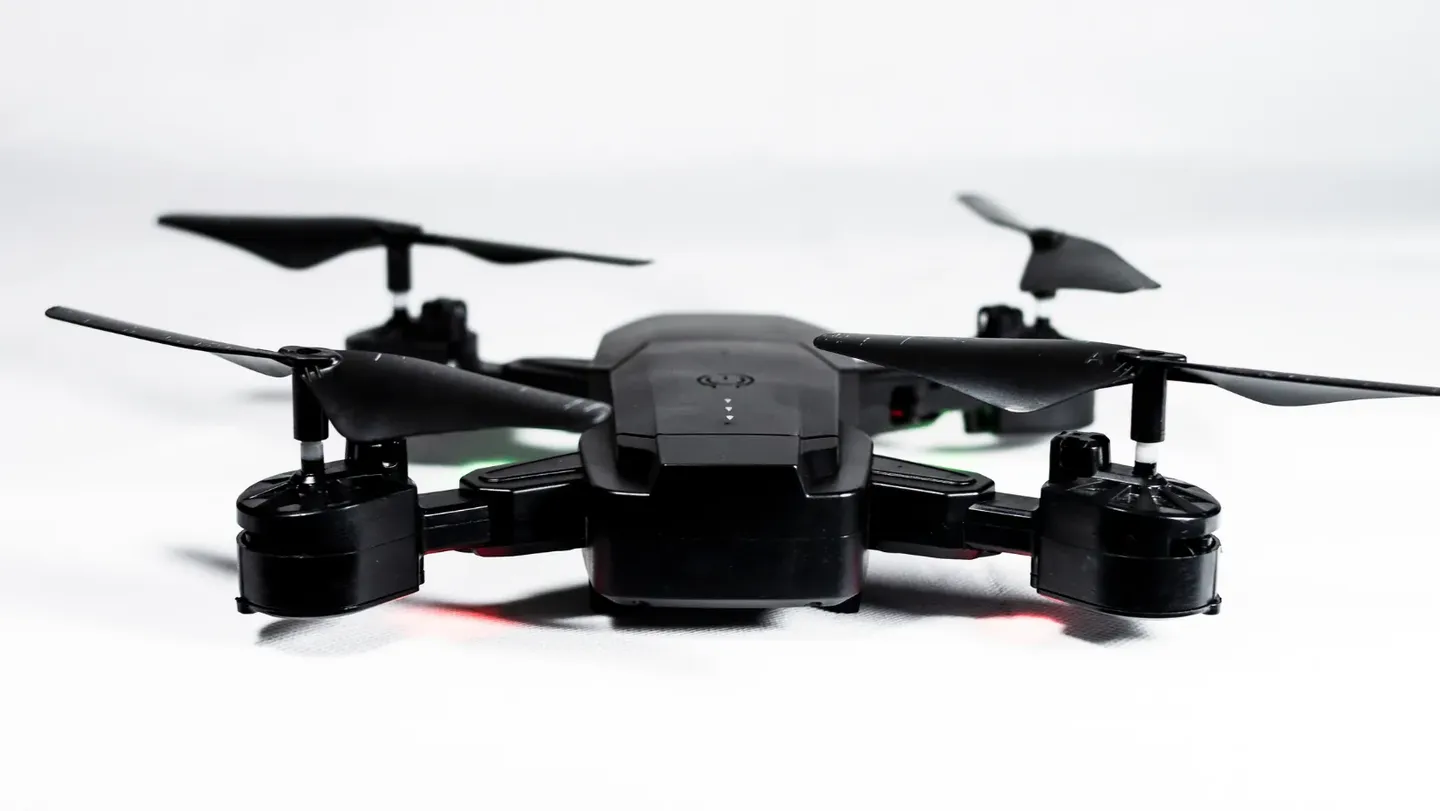
The German Bundeswehr is investing €536 million in AI-powered kamikaze drones from startups Helsing and Stark Defence to strengthen NATO’s eastern flank. These autonomous drones, capable of loitering and AI-driven targeting, raise concerns about future risks of harm due to their lethal, autonomous capabilities, though no incidents have occurred yet.[AI generated]
Why's our monitor labelling this an incident or hazard?
The drones are AI systems as they use artificial intelligence to identify and track targets. Their deployment as armed kamikaze drones directly involves the use of AI in lethal force applications, which inherently carries risks of injury or death (harm to persons). Although a human makes the final decision to kill, the AI's role in target identification and attack execution is pivotal. The event is about the procurement and intended use of these AI-enabled weapons, which constitutes a credible and direct link to potential harm. Therefore, this qualifies as an AI Hazard because the harm is plausible and foreseeable but not yet realized as the drones are being ordered and not yet deployed in combat causing harm. However, since the article focuses on the procurement and intended use rather than an actual incident causing harm, it is best classified as an AI Hazard.[AI generated]


























