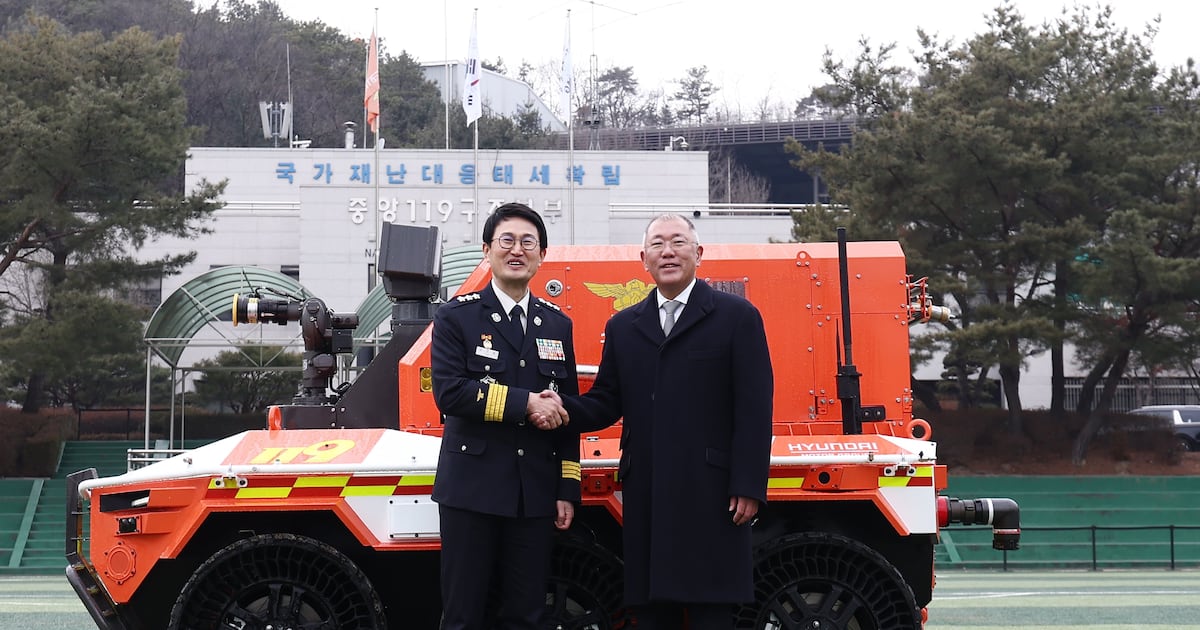
Hyundai Motor Group Donates AI Firefighting Robots to Enhance Firefighter Safety in South Korea

Thumbnail Image

The information displayed in the AIM should not be reported as representing the official views of the OECD or of its member countries.

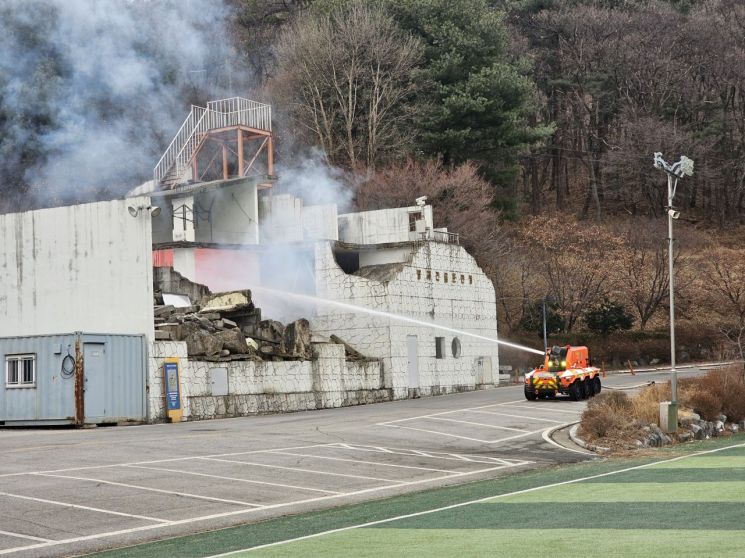
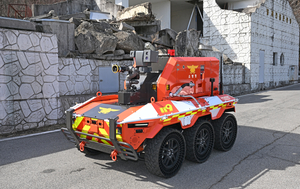
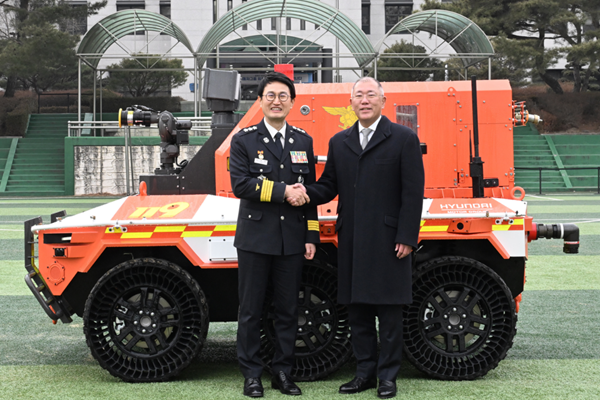
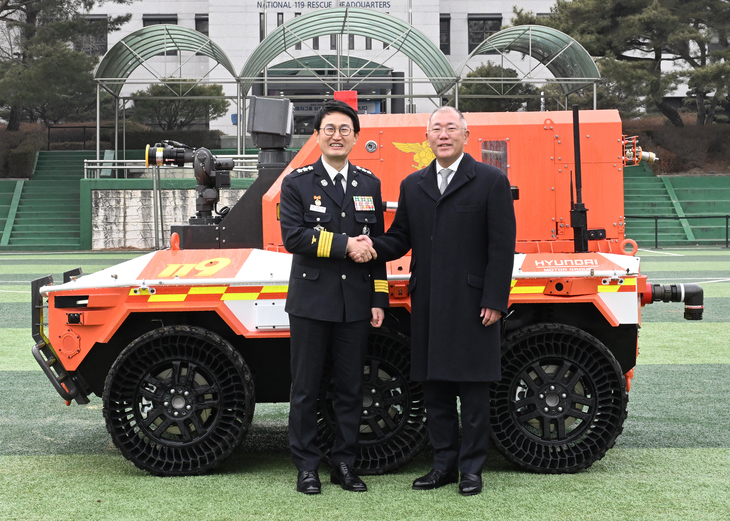
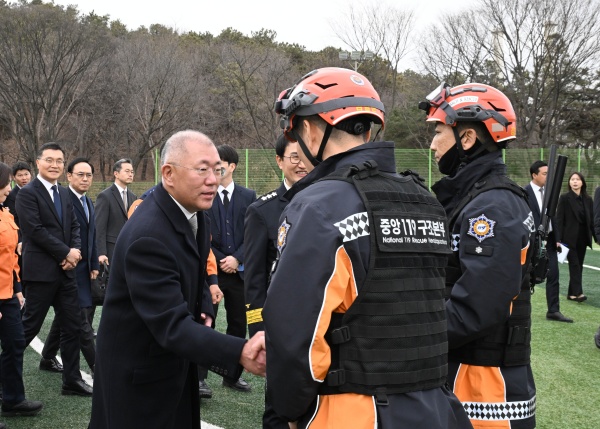
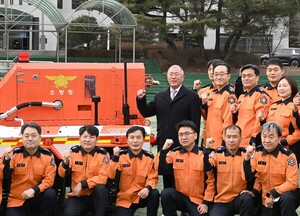
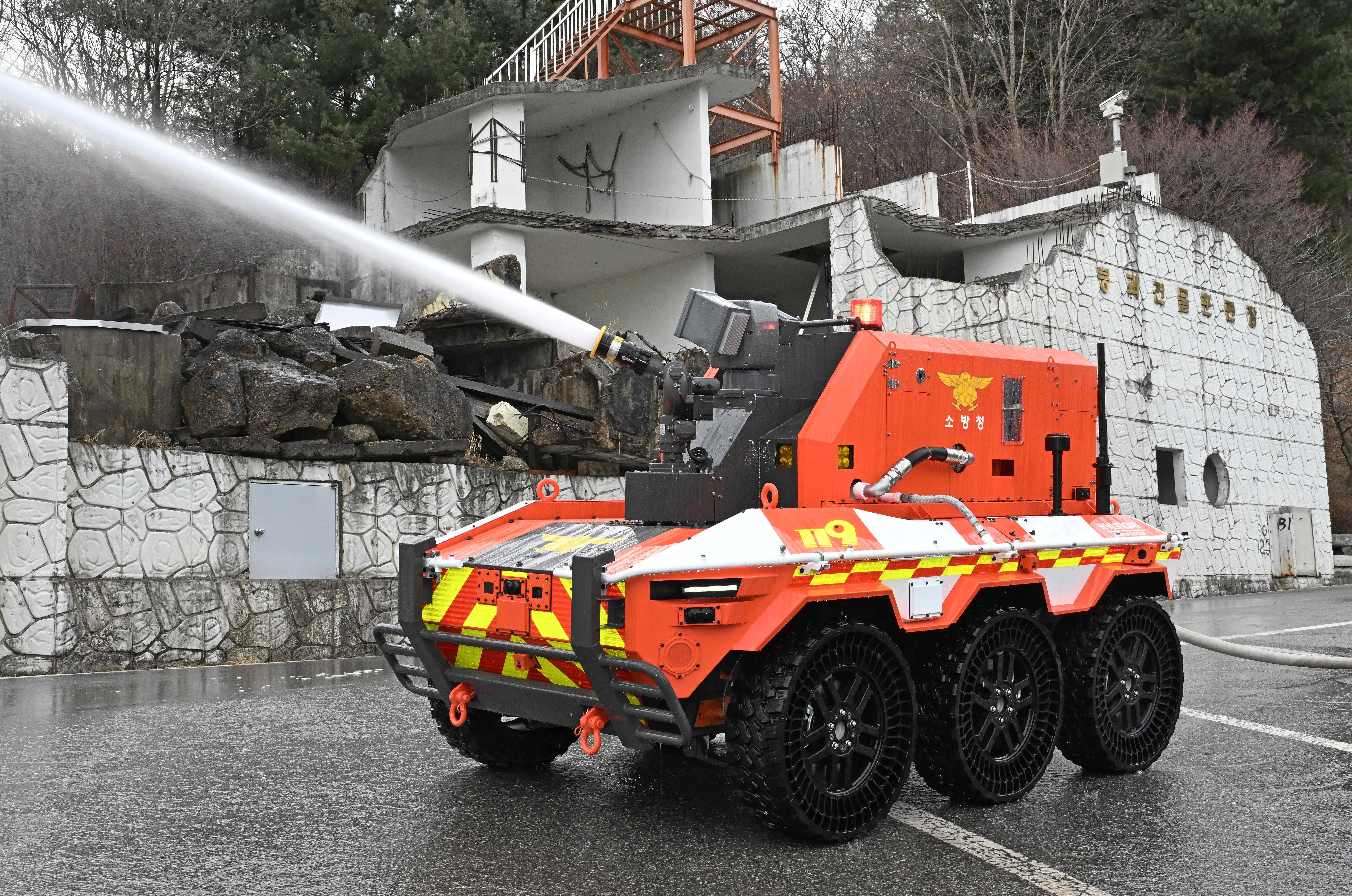
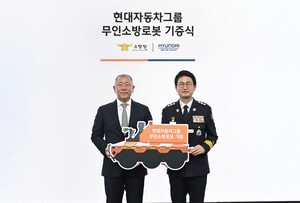
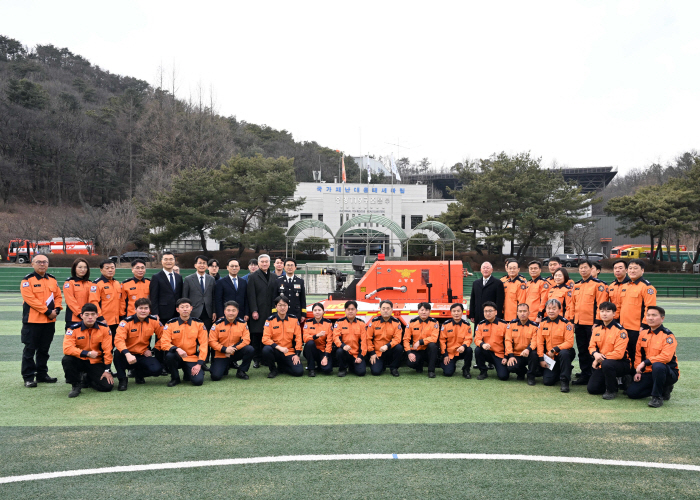
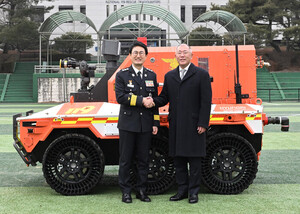
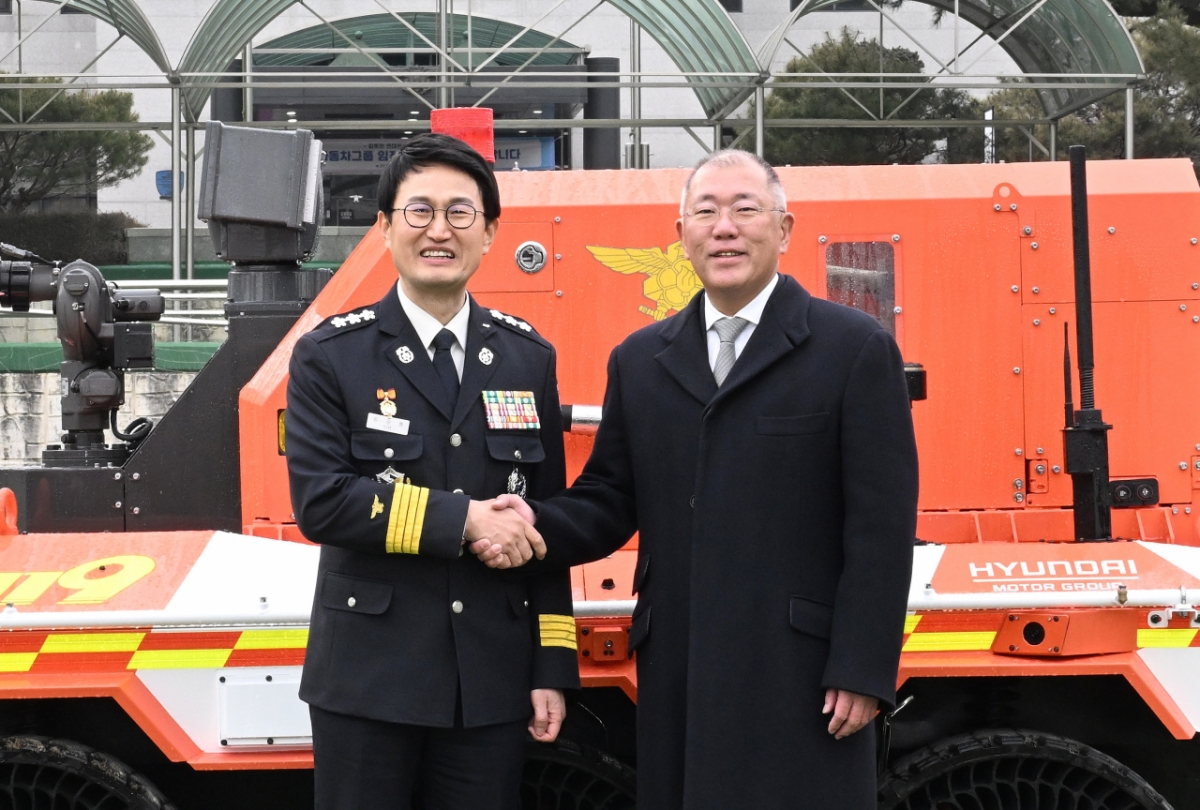
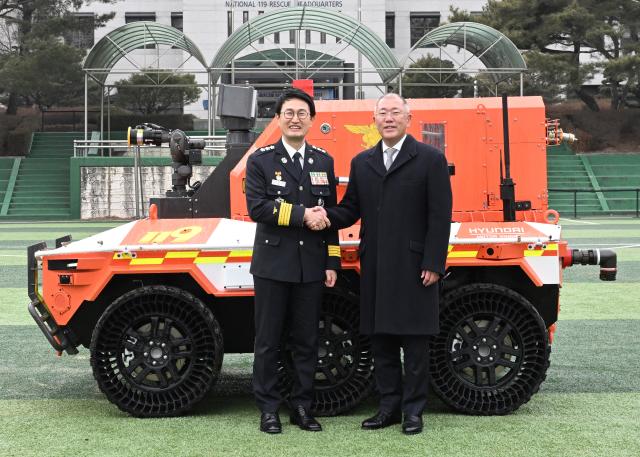
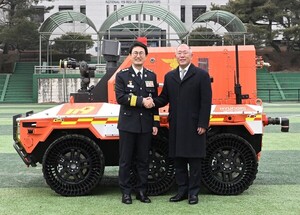
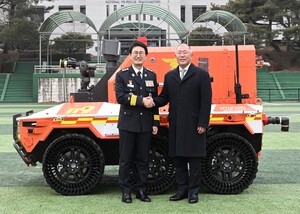
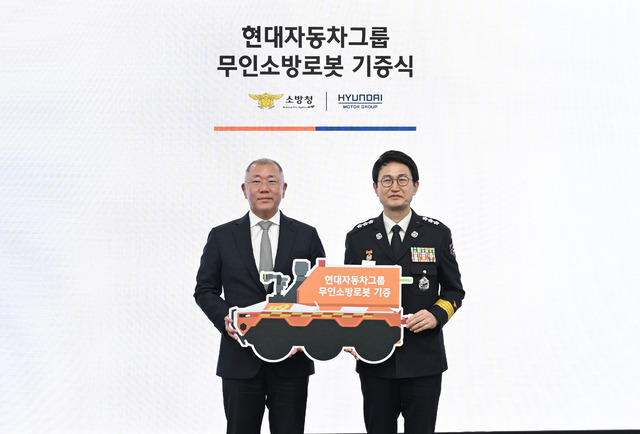
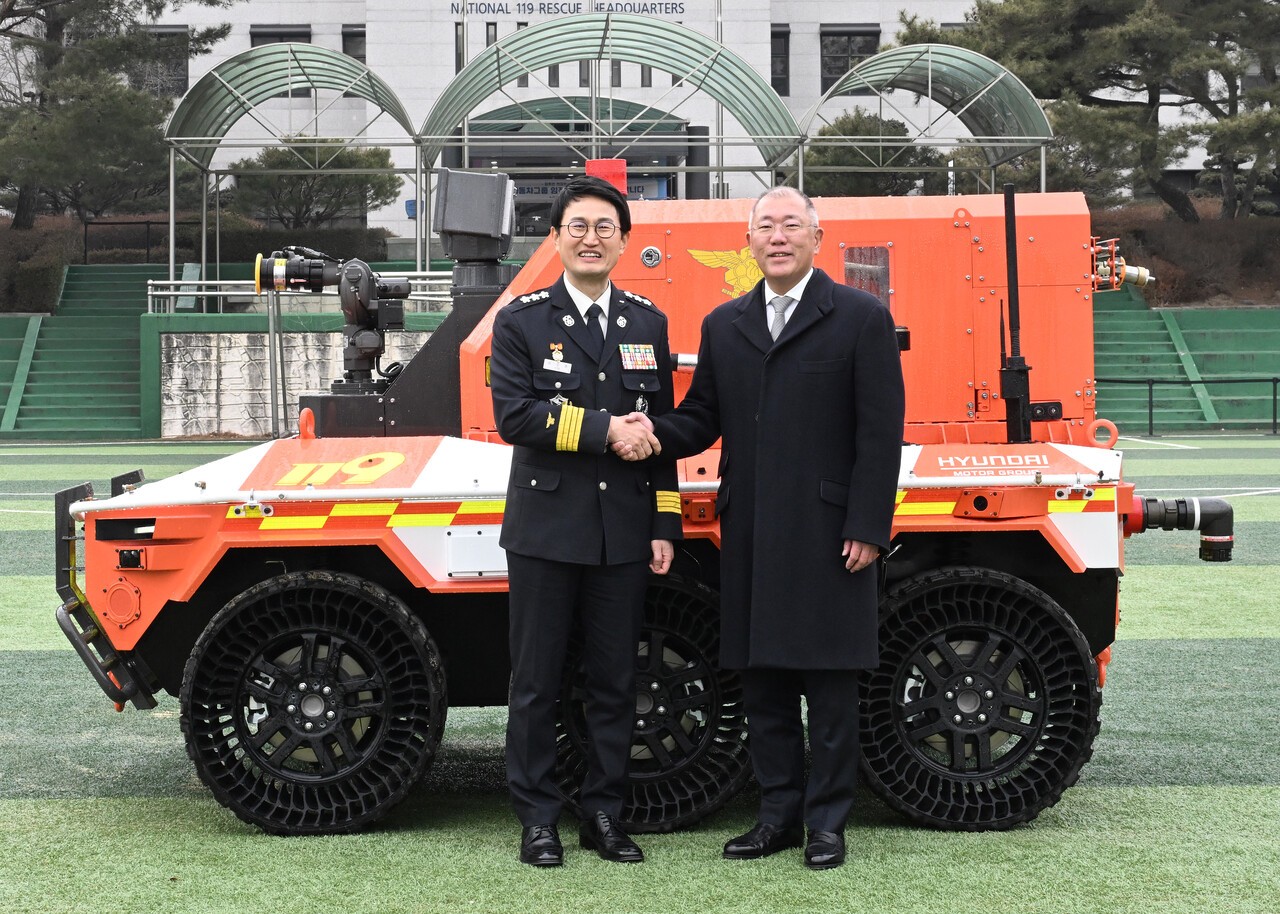
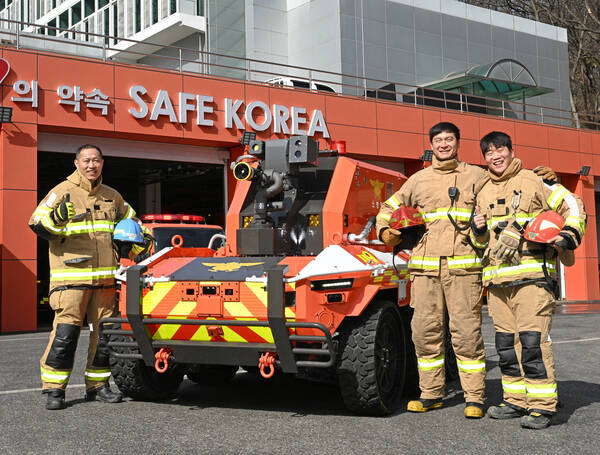
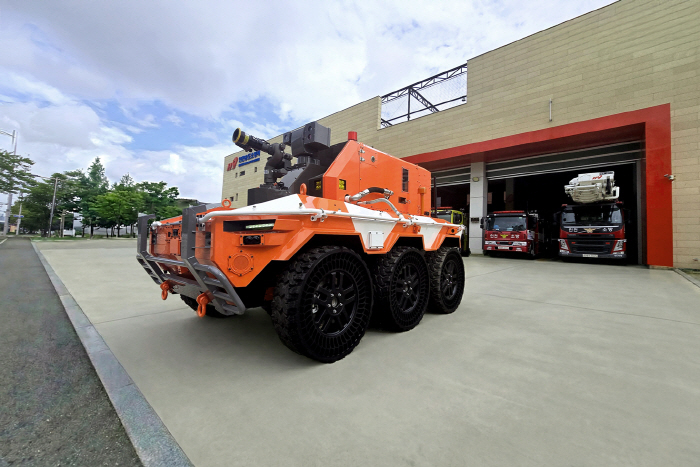
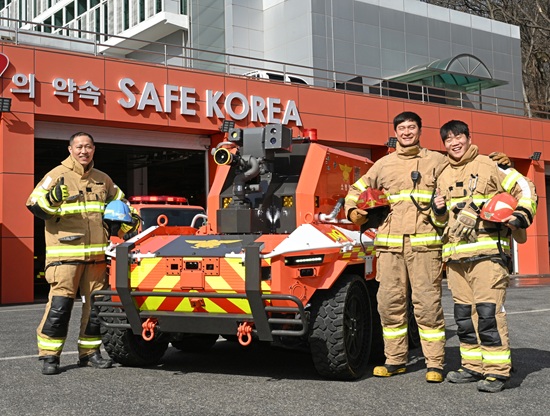
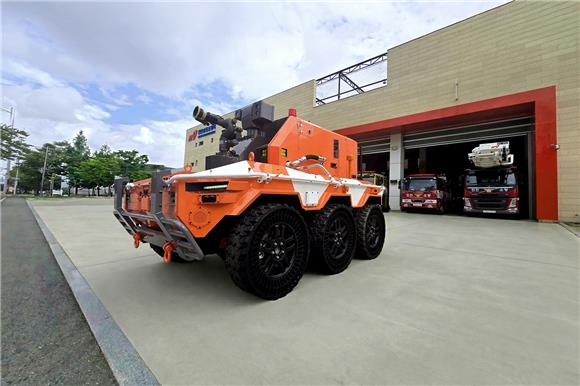
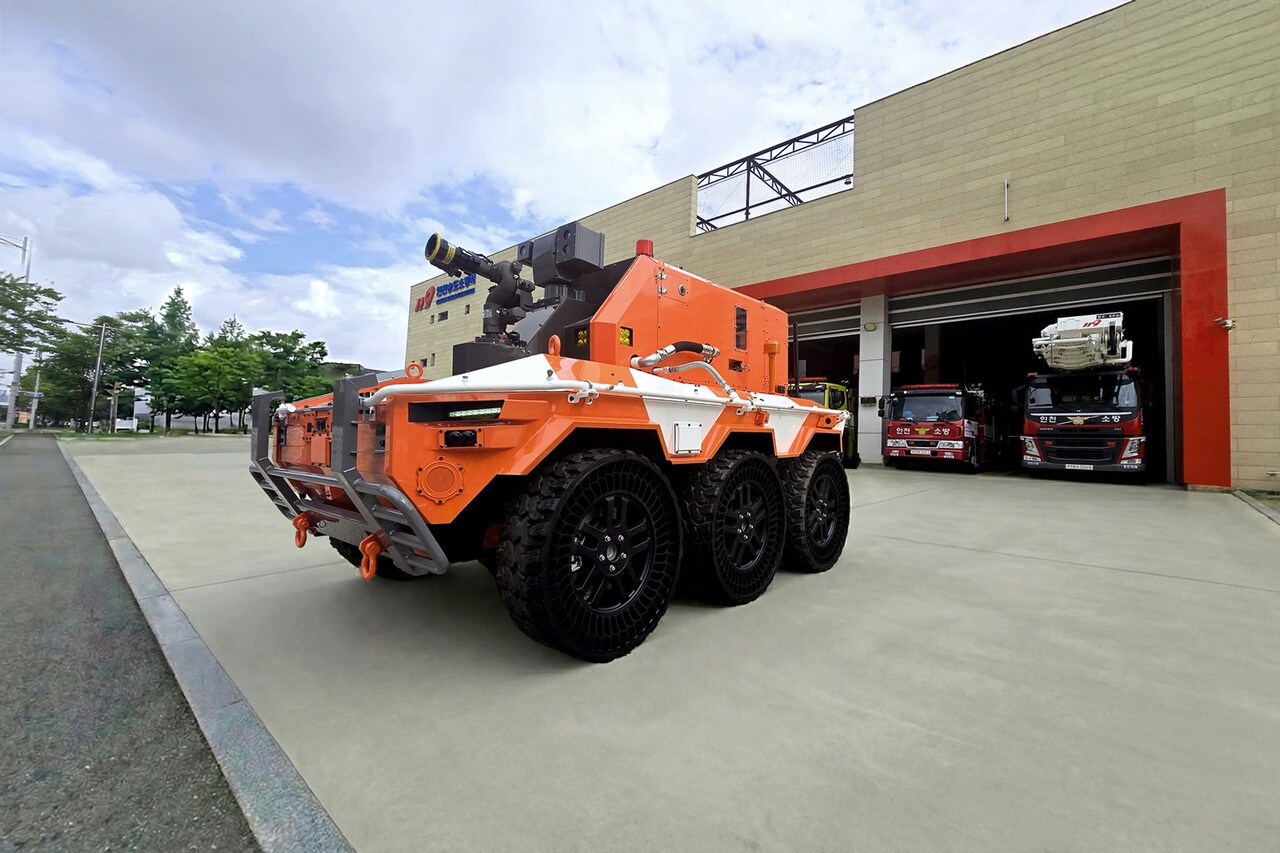
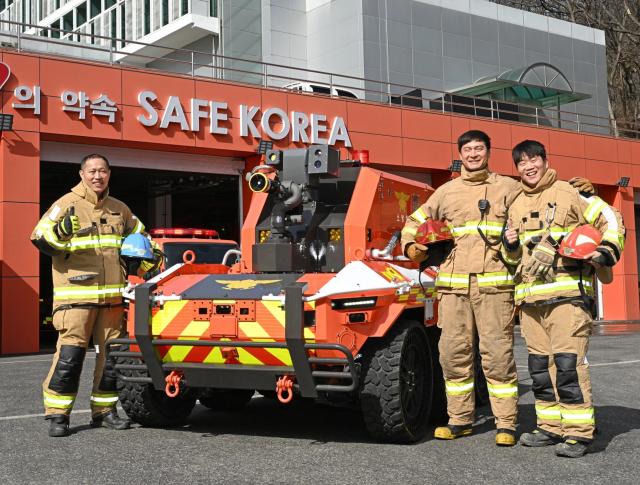
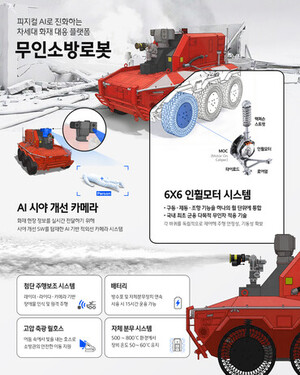
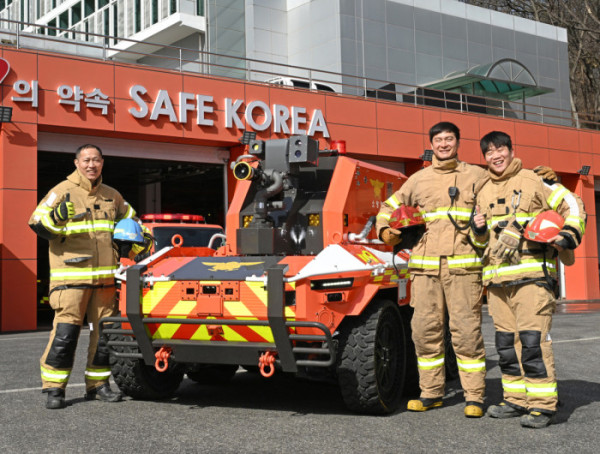
Hyundai Motor Group donated four AI-powered unmanned firefighting robots to South Korea's National Fire Agency. These robots, equipped with autonomous navigation and remote control, are deployed in hazardous fire environments to reduce firefighter exposure to danger, directly enhancing safety and preventing harm during fire incidents.[AI generated]

Why's our monitor labelling this an incident or hazard?

The event involves an AI system explicitly described as an unmanned firefighting robot with remote control and sensor-based capabilities, which are indicative of AI systems. The robot is actively used in hazardous fire situations, directly impacting human safety by reducing firefighters' exposure to dangerous environments. This use of AI has a direct link to preventing injury or harm to people, fulfilling the criteria for an AI Incident. The article does not describe potential or future harm but rather the realized deployment and positive impact of the AI system in real-world hazardous conditions.[AI generated]
Industries
Government, security, and defenceRobots, sensors, and IT hardware

Severity
AI incident

Business function:
Other

AI system task:
Recognition/object detectionReasoning with knowledge structures/planning


Articles about this incident or hazard

Thumbnail Image

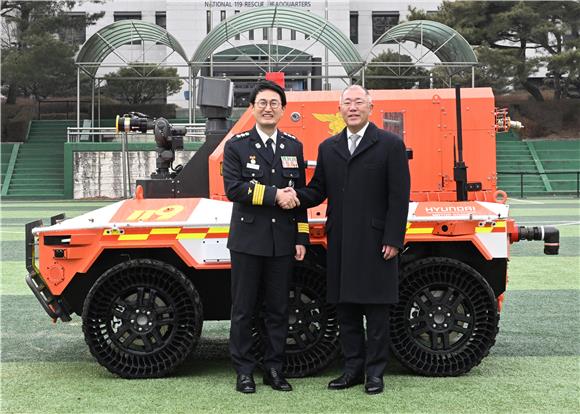
800도 화재 현장에 소방관 대신 투입...현대차, 무인소방로봇 4대 기증

2026-02-25
Chosun.com
Why's our monitor labelling this an incident or hazard?
The unmanned firefighting robots are AI systems as they perform autonomous or remote-controlled tasks involving sensing, navigation, and fire suppression in dangerous environments. Their deployment directly relates to the use of AI systems to prevent harm to human firefighters by substituting them in high-risk fire scenes. There is no indication of harm caused or malfunction; rather, this is a positive deployment of AI technology to reduce injury risk. Therefore, this event does not describe an AI Incident or AI Hazard but rather a development and deployment of AI systems with societal safety benefits. It is best classified as Complementary Information as it provides context on AI system deployment and societal response to safety challenges.
Thumbnail Image

"로봇도 현대車가 진짜 잘 만드네"...생명 지켜주는 '정의선 야심작' 소방로봇 [왜몰랐을카] - 매일경제
2026-02-25
mk.co.kr
Why's our monitor labelling this an incident or hazard?
The event involves an AI system explicitly described as an unmanned firefighting robot with remote control and sensor-based capabilities, which are indicative of AI systems. The robot is actively used in hazardous fire situations, directly impacting human safety by reducing firefighters' exposure to dangerous environments. This use of AI has a direct link to preventing injury or harm to people, fulfilling the criteria for an AI Incident. The article does not describe potential or future harm but rather the realized deployment and positive impact of the AI system in real-world hazardous conditions.
Thumbnail Image

"800도 불길 속으로 진격"...'화재 진압' 로봇 기증한 현대차 - 매일경제

2026-02-25
mk.co.kr
Why's our monitor labelling this an incident or hazard?
The event involves the use of an AI system (the firefighting robot with AI-based vision algorithms) actively deployed in hazardous fire situations to protect human firefighters and assist in fire suppression. While no harm is reported, the AI system is used to reduce harm and risk to people, which is a positive application. The article does not describe any malfunction, misuse, or harm caused by the AI system. Therefore, it is not an AI Incident. It also does not describe a plausible future harm scenario or risk of harm from the AI system, so it is not an AI Hazard. The article primarily reports on the deployment and donation of the AI system and its intended beneficial use, which is complementary information about AI applications and governance in safety-critical domains.
Thumbnail Image

피지컬 AI로 화재 진압 돕는다...현대차, 무인소방로봇 4대 기증 - 매일경제

2026-02-25
mk.co.kr
Why's our monitor labelling this an incident or hazard?
The event involves the use of an AI system (AI-based vision enhancement algorithms and remote control in firefighting robots) that directly contributes to reducing harm (injury or harm to firefighters) by enabling safer firefighting operations. Since the AI system is actively deployed and used in real fire suppression scenarios, this constitutes an AI Incident where the AI system's use leads to a positive impact on human safety. Although the harm is mitigated rather than caused, the definition includes events where AI use leads to harm or injury, and here the AI system is pivotal in preventing harm to firefighters, which is a form of harm management. Therefore, this qualifies as an AI Incident rather than a hazard or complementary information.
Thumbnail Image

피지컬 AI로 화재 진압...정의선 "사람 살리는 기술" - 매일경제

2026-02-25
mk.co.kr
Why's our monitor labelling this an incident or hazard?
The robot is explicitly described as equipped with AI-based vision enhancement algorithms and remote control, indicating AI system involvement. Its use in firefighting directly addresses injury or harm to people by reducing firefighter exposure to dangerous fire scenes. The event reports actual deployment and use of the AI system in real-world hazardous environments, thus the AI system's use is directly linked to preventing harm. Therefore, this qualifies as an AI Incident because the AI system's use is directly involved in harm prevention (injury or harm to people).
Thumbnail Image

"특수구조 현장에 먼저 투입"...현대차그룹, 119에 무인소방로봇 기증 - 매일경제

2026-02-25
mk.co.kr
Why's our monitor labelling this an incident or hazard?
The unmanned firefighting robots are AI systems equipped with remote control, infrared sensors, autonomous navigation capabilities, and real-time video transmission, enabling them to operate in dangerous fire environments. Their deployment reduces firefighters' exposure to hazardous conditions, directly impacting human safety and health positively. Since the AI system's use is integral to emergency response and has a direct effect on reducing harm, this qualifies as an AI Incident under the framework, as it involves the use of AI systems leading to harm mitigation in critical infrastructure management (firefighting).
Thumbnail Image

현대차그룹, 소방청에 무인 소방로봇 기증...정의선 "기증 규모 100대까지 늘릴 것"

2026-02-25
경향신문
Why's our monitor labelling this an incident or hazard?
The unmanned firefighting robots are AI systems used for remote fire suppression, which can influence physical environments and human safety. The event does not report any harm caused or malfunction of these AI systems, nor does it indicate any plausible future harm. Instead, it highlights the donation and deployment of these AI systems to improve firefighter safety and reduce harm. This aligns with Complementary Information, as it provides context and updates on AI systems' positive societal impact and ongoing cooperation between Hyundai and the Fire Agency. There is no indication of an AI Incident or AI Hazard in the description.
Thumbnail Image

'뜨거운 화마에 먼저 투입' 현대차 기증 '첨단 소방로봇' 4대 실전 투입

2026-02-25
경향신문
Why's our monitor labelling this an incident or hazard?
The unmanned firefighting robots incorporate AI technologies for autonomous navigation and sensing in hazardous environments, which are explicitly described. Their deployment in real fire incidents to perform firefighting tasks directly addresses harm to human health by reducing firefighters' exposure to dangerous conditions. This constitutes an AI system's use leading to harm prevention, which fits the definition of an AI Incident as it involves injury or harm to persons (firefighters) being directly mitigated by the AI system's operation. Hence, this is an AI Incident rather than a hazard or complementary information.
Thumbnail Image

현대차그룹, 무인소방로봇으로 소방관 안전 지킨다

2026-02-25
아시아경제
Why's our monitor labelling this an incident or hazard?
The unmanned firefighting robots incorporate AI and robotics technologies to perform remote fire suppression, directly reducing the risk of injury or death to firefighters, which is a clear harm to human health that the AI system helps prevent. The article states these robots are already deployed and used in real fire incidents, indicating realized harm mitigation rather than just potential. Therefore, this event meets the criteria for an AI Incident due to the AI system's use leading to direct harm reduction and safety enhancement for people.
Thumbnail Image

"사람 살리는 기술"... 현대차, 800도 견디는 소방로봇 기증

2026-02-25
�����
Why's our monitor labelling this an incident or hazard?
The unmanned firefighting robots are AI systems as they perform autonomous or remote-controlled navigation and firefighting tasks in hazardous environments, which involve complex decision-making and sensing. Their deployment and use directly reduce harm to firefighters by enabling fire suppression in conditions too dangerous for humans, thus preventing injury or death. This constitutes an AI Incident because the AI system's use has directly led to harm reduction (injury prevention), fulfilling the criteria of harm to persons. Therefore, this event is classified as an AI Incident.
Thumbnail Image

섭씨 800도 견디며 진화하는 소방 로봇... 정의선 "사람 살리는 기술"

2026-02-25
문화일보
Why's our monitor labelling this an incident or hazard?
The unmanned firefighting robots are AI systems or at least AI-enabled robotic systems used in hazardous fire situations to protect human firefighters from injury or death. Their deployment directly reduces harm to people by performing dangerous tasks remotely. The article describes the use of these AI systems in real operational contexts, not just theoretical or potential use, and the harm prevented (firefighter injury or death) is a recognized form of harm to people. Hence, this qualifies as an AI Incident due to the direct involvement of AI systems in reducing injury risk in hazardous environments.
Thumbnail Image

800도 화마? 어림없지...소방관 지키는 무인로봇

2026-02-25
문화일보
Why's our monitor labelling this an incident or hazard?
The unmanned firefighting robots are AI systems as they perform remote-controlled fire suppression tasks in complex, hazardous environments, likely involving AI for navigation, decision-making, and operation. However, the article does not report any harm caused or any incident resulting from the use or malfunction of these AI systems. Instead, it highlights the introduction and donation of these robots to enhance firefighter safety. There is no indication of realized harm or plausible future harm from the AI systems themselves; rather, the event is about the deployment of AI technology to prevent harm. Therefore, this is Complementary Information as it provides context and updates on AI system deployment and societal response to fire safety challenges without describing an AI Incident or AI Hazard.
Thumbnail Image

[허프 사람&말] 현대차그룹 정의선 회장은 고열·연기 속 소방관들의 희생이 늘 맘에 걸렸다 : 무인 소방로봇의 탄생

2026-02-25
허프포스트코리아
Why's our monitor labelling this an incident or hazard?
The article explicitly mentions the development and deployment of AI-enabled unmanned firefighting robots designed to operate in hazardous conditions to protect firefighters. The AI system's use is intended to reduce harm rather than cause it. There is no report of malfunction, misuse, or any harm resulting from these AI systems. The event is about the introduction and donation of these systems and the broader safety and humanitarian goals they serve. Hence, it does not qualify as an AI Incident or AI Hazard. Instead, it provides complementary information about AI applications and societal benefits, fitting the definition of Complementary Information.
Thumbnail Image

현대차그룹, '무인소방로봇' 소방청 기증..."안전 가치 실현"

2026-02-25
에너지경제신문
Why's our monitor labelling this an incident or hazard?
The unmanned firefighting robots are AI systems as they perform autonomous or remote-controlled navigation and fire suppression tasks in complex environments, involving sensors and real-time decision-making. However, the article reports on their donation and deployment aimed at enhancing safety, with no harm or risk of harm reported or implied. There is no indication of malfunction, misuse, or potential for harm. The main focus is on the positive societal impact and ongoing support for firefighter safety, which fits the definition of Complementary Information as it provides context and updates on AI system deployment and governance in public safety.
Thumbnail Image

800도 불길 뚫는 '강철 영웅'...현대차그룹, 무인소방로봇 4대 기증

2026-02-25
������
Why's our monitor labelling this an incident or hazard?
The unmanned firefighting robots incorporate AI systems for remote operation, sensor-based environment perception, and autonomous navigation to perform firefighting tasks in high-risk environments. Their deployment directly reduces the risk of injury or death to firefighters by substituting human presence in dangerous fire scenes. This constitutes a direct positive impact on human health and safety, which falls under harm (a) in the AI Incident definition. Since the AI system's use has directly led to harm reduction and improved safety, this qualifies as an AI Incident rather than a hazard or complementary information.
Thumbnail Image

'무인소방로봇' 기증한 현대차...정의선 회장 "소방관 안전이 현대차 목표" - 경제 | 기사 - 더팩트

2026-02-25
더팩트
Why's our monitor labelling this an incident or hazard?
The unmanned firefighting robots are AI systems or autonomous systems with remote control and sensor capabilities used in real firefighting operations. Their deployment directly reduces harm to firefighters by performing dangerous tasks remotely, thus directly leading to harm prevention (injury or harm to persons). The article reports actual use and deployment, not just potential or future use, so it is not a hazard. It is not merely complementary information because the main focus is on the donation and deployment of AI systems that have a direct impact on safety. Therefore, this event is classified as an AI Incident.
Thumbnail Image

정의선 회장 "'안전'의 가치를 실현"...소방청에 무인소방로봇 100대 기증

2026-02-25
뉴스포스트
Why's our monitor labelling this an incident or hazard?
The unmanned firefighting robots are AI systems as they involve remote control, sensor-based navigation, and autonomous functions to perform complex tasks in hazardous fire environments. Their deployment directly addresses harm to human health and safety by minimizing firefighters' exposure to dangerous conditions. Since the AI system's use has directly led to harm prevention and improved safety, this qualifies as an AI Incident under the definition of harm to persons resulting from the use of AI systems.
Thumbnail Image

사람 살리는 로봇...현대차, 무인소방로봇 기부

2026-02-25
비즈니스워치
Why's our monitor labelling this an incident or hazard?
The unmanned firefighting robots are AI systems with remote control, autonomous navigation, and fire suppression capabilities. Their deployment in actual fire incidents directly impacts human safety by reducing firefighters' exposure to dangerous conditions, thus preventing injury or harm. Since the AI system's use has a direct positive effect on health and safety, this qualifies as an AI Incident under the definition of injury or harm to persons prevented or mitigated by AI system use. The event is not merely a product announcement or future risk but describes active use of AI systems in real-world harm prevention.
Thumbnail Image

현대차그룹, 소방청에 '무인소방로봇' 4대 기증...정의선 "위험한 현장에 선제 투입" - 굿모닝경제

2026-02-25
굿모닝경제
Why's our monitor labelling this an incident or hazard?
The unmanned firefighting robots are AI systems with remote control and autonomous navigation capabilities used in hazardous fire situations. Their deployment directly impacts the safety and health of firefighters by reducing their risk of injury or death in dangerous fire environments. Since the AI system's use has led to a positive safety outcome by mitigating harm, this qualifies as an AI Incident under the definition of harm to health and safety of people. The event is not merely a product announcement or future risk but describes actual use and impact, so it is not Complementary Information or an AI Hazard.
Thumbnail Image

정의선 현대차그룹 회장 "소방관 안전이 최우선"...무인소방로봇 기증

2026-02-25
팝콘뉴스
Why's our monitor labelling this an incident or hazard?
The unmanned firefighting robots are AI systems with remote control and autonomous navigation features designed to operate in high-temperature, hazardous fire environments. Their deployment in real firefighting operations directly impacts firefighter safety by reducing their risk of injury or death, which is harm to health. Since the article describes the robots being actively used in fire incidents and contributing to safer firefighting, this is a direct involvement of AI systems leading to harm reduction. Hence, it is an AI Incident rather than a hazard or complementary information.
Thumbnail Image

[르포] "섭씨 500~800도 화염 속으로"...현대차그룹, 무인 소방로봇 현장 최전선에 서다

2026-02-25
아시아투데이
Why's our monitor labelling this an incident or hazard?
The unmanned firefighting robot is an AI system as it performs autonomous or remote-controlled navigation and decision-making in complex, hazardous environments, including identifying fire points and structural risks using infrared cameras and other sensors. Its deployment directly influences physical environments and human safety by substituting human presence in dangerous fire scenes. The article reports actual use of the AI system in firefighting operations, which directly reduces harm to people by preventing firefighters from entering life-threatening conditions. Therefore, this event qualifies as an AI Incident because the AI system's use has directly led to harm prevention and safety enhancement, which is a form of harm mitigation to people.
Thumbnail Image

현대차그룹, '소방관 안전' 도우미로 나선다...'무인 소방 로봇' 기증 - 인더스트리뉴스

2026-02-25
인더스트리뉴스
Why's our monitor labelling this an incident or hazard?
The unmanned firefighting robots are AI systems or AI-enabled systems with remote control, sensors, and autonomous navigation capabilities. Their deployment in real fire incidents to perform fire suppression tasks reduces firefighters' risk of injury or death, which is a direct harm mitigation. The article explicitly states that these robots have been deployed and are operational in fire scenes, thus the AI system's use has directly led to harm reduction. This fits the definition of an AI Incident because the AI system's use has directly led to harm reduction (injury or harm to people prevented). The event is not merely a potential hazard or complementary information but an actual deployment with realized impact on safety.
Thumbnail Image

800도 불길 뚫는 소방로봇...정의선 "100대 지원"

2026-02-25
서울경제
Why's our monitor labelling this an incident or hazard?
The unmanned firefighting robot is an AI system as it involves remote control, thermal imaging, and autonomous navigation to perform fire suppression and search tasks. The event describes the use of this AI system to reduce harm to firefighters by entering dangerous fire scenes remotely. There is no harm caused or plausible harm indicated; instead, the AI system is used to prevent harm. The article focuses on the deployment and societal benefits of the AI system, not on any incident or hazard. Thus, it fits the definition of Complementary Information, providing supporting data and context about AI use in public safety.
Thumbnail Image

'로봇 명가' 겨냥 현대차, 무인소방로봇으로 소방관 안전 지킨다

2026-02-25
뉴스프리존
Why's our monitor labelling this an incident or hazard?
The unmanned firefighting robot is an AI system as it involves remote autonomous operation and complex task execution in hazardous environments. Its use directly addresses harm to human health by reducing firefighters' risk of injury or death during fire suppression. The article reports actual deployment and use of these AI systems in fire incidents, indicating direct involvement in harm prevention. Therefore, this event meets the criteria for an AI Incident due to the AI system's use leading to reduced injury risk and enhanced safety for firefighters.
Thumbnail Image

[종합] 정의선 회장, AIㆍ로보틱스 융합 무인소방로봇으로 소방관 안전 지킨다

2026-02-25
이투데이
Why's our monitor labelling this an incident or hazard?
The event involves AI systems integrated into unmanned firefighting robots used to protect human safety, which is a positive application. There is no indication of harm caused or plausible harm that could arise from the AI system's development or use. The article mainly reports on the donation, deployment, and future plans for these AI-enabled robots, emphasizing their role in enhancing safety and the company's strategic direction. This fits the definition of Complementary Information, as it provides context and updates on AI technology use and societal impact without describing any harm or risk of harm.
Thumbnail Image

현대차그룹, 무인소방로봇 기증...정의선 "전국에 100대 투입 목표

2026-02-25
매일일보
Why's our monitor labelling this an incident or hazard?
The unmanned firefighting robots incorporate AI systems for remote operation, environmental sensing, and navigation, which are explicitly described. Their use has already occurred in real fire incidents, directly reducing harm to firefighters by taking on dangerous tasks remotely. This constitutes an AI system's use leading to harm reduction (a form of injury or harm prevention to people). Therefore, this event qualifies as an AI Incident because the AI system's use has directly led to a positive impact on human safety, which is a recognized form of harm mitigation under the framework. The event is not merely a future risk (hazard) or a general update (complementary information), but a concrete deployment with realized effects on safety.
Thumbnail Image

정의선 "위험한 현장에 로봇 먼저"... 무인소방로봇 실전 투입

2026-02-24
아시아투데이
Why's our monitor labelling this an incident or hazard?
The event involves AI systems (unmanned firefighting robots with remote control and autonomous features) being used in real-world applications to improve safety. There is no report of injury, malfunction, or violation of rights caused by these AI systems. Instead, the article focuses on the positive deployment and strategic intent to protect human lives. Therefore, this is not an AI Incident or AI Hazard. It is not unrelated because it involves AI systems in a safety context. The article primarily provides information about the deployment and strategic direction of AI robotics in public safety, which fits the definition of Complementary Information.
Thumbnail Image

'사선에서 소방관 지킨다'...정의선 회장 "무인소방로봇 100대 투입하겠다"

2026-02-24
뉴스핌
Why's our monitor labelling this an incident or hazard?
The unmanned firefighting robots are AI systems because they perform remote-controlled or autonomous operations in hazardous environments, which require AI capabilities. The article focuses on the donation and planned deployment of these robots to protect firefighters, aiming to reduce injury or death, which is a harm category. However, no actual harm or malfunction is reported; the event is about the introduction and future use of AI systems with potential safety benefits. This fits the definition of an AI Hazard, as the AI system's use could plausibly lead to harm reduction or, conversely, if malfunctioning, could lead to harm. Since no harm has occurred, it is not an AI Incident. The article is not merely complementary information because it reports a new deployment event with potential impact, nor is it unrelated. Therefore, the correct classification is AI Hazard.
Thumbnail Image

현대차그룹, 원격 화재 진압장비 '무인소방로봇' 기증...정의선 회장 "'안전'의 가치를 실현하고자 소방청과 함께 개발"

2026-02-24
econonews.co.kr
Why's our monitor labelling this an incident or hazard?
The unmanned fire-fighting robots are AI systems with remote control, autonomous navigation, and sensor-based fire suppression capabilities. Their deployment in real fire incidents directly reduces the risk of injury or harm to firefighters, fulfilling the harm criterion (a) of injury or harm to people. The event reports actual use and deployment, not just potential or future use, and the AI system's role is pivotal in enabling safer fire response. Hence, this is an AI Incident rather than a hazard or complementary information.
Thumbnail Image

정의선 현대차그룹 회장, 소방청에 무인소방로봇 기증 | 스타뉴스

2026-02-25
스타뉴스
Why's our monitor labelling this an incident or hazard?
The unmanned firefighting robots are AI systems as they perform autonomous or remote-controlled tasks involving sensing, decision-making, and action in complex environments. Their deployment in active firefighting operations directly reduces injury risk to firefighters, thus preventing harm to people. Since the AI system's use has directly led to harm reduction and improved safety, this qualifies as an AI Incident under the definition of harm to health and safety of persons. The event is not merely a product announcement but describes actual use and impact of AI systems in critical infrastructure (firefighting).
Thumbnail Image

정의선 "소방관 안전 목표"...현대차그룹, 원격 화재 진압장비 '무인소방로봇' 기증

2026-02-25
이투데이
Why's our monitor labelling this an incident or hazard?
The article explicitly mentions AI robotics technology integrated into unmanned firefighting robots used for remote fire suppression. The AI system is involved in the use phase, enabling remote operation and fire suppression in dangerous environments, which directly supports harm prevention (injury or harm to persons). There is no indication of malfunction, misuse, or harm caused by the AI system. Instead, the event highlights a positive application and societal benefit, including cooperation with fire departments and plans for further support. This fits the definition of Complementary Information, as it provides supporting data and context about AI system deployment and societal responses without describing an AI Incident or Hazard.
Thumbnail Image

현대차그룹, 소방청에 무인소방로봇 기증..."사람을 살리는 기술"

2026-02-25
마이데일리
Why's our monitor labelling this an incident or hazard?
The unmanned firefighting robots are AI systems designed for remote operation and complex task execution in dangerous fire environments. Their deployment in real fire incidents to protect human lives constitutes the use of AI systems leading to direct harm prevention (injury or harm to persons). This fits the definition of an AI Incident because the AI system's use directly impacts safety and health outcomes in emergency response. The event is not merely a product announcement but reports actual deployment and use in hazardous situations, confirming realized impact.
Thumbnail Image

정의선 "모빌리티는 사람을 살리는 기술"...소방관 목숨 구하는 '무인소방로봇' 기증 | 아주경제

2026-02-25
아주경제
Why's our monitor labelling this an incident or hazard?
The unmanned firefighting robots are AI systems with remote navigation and fire suppression capabilities. Their deployment directly reduces the risk of injury or death to firefighters by performing dangerous tasks remotely. This constitutes an AI Incident because the AI system's use has directly led to harm reduction (injury prevention) and improved safety outcomes for people, fulfilling the criteria of harm to health (a).
Thumbnail Image

현대차그룹, 원격 화재 진압장비 '무인소방로봇' 기증

2026-02-25
데일리한국
Why's our monitor labelling this an incident or hazard?
The unmanned firefighting robot is an AI system as it involves remote autonomous navigation, real-time sensing, and decision-making capabilities to perform fire suppression tasks. Its deployment in actual fire incidents means it is in use and directly contributes to preventing harm to human life and health by reducing firefighters' exposure to dangerous environments. Therefore, this event qualifies as an AI Incident because the AI system's use directly leads to harm reduction and safety enhancement, which is a positive form of impact but still falls under the definition of an AI Incident due to its direct involvement in managing physical harm risks.
Thumbnail Image

현대차그룹 '무인소방로봇' 실전 투입... 소방관 안전 보호 지원 나선다 - 이비엔(EBN)뉴스센터

2026-02-25
이비엔(EBN)뉴스센터
Why's our monitor labelling this an incident or hazard?
The unmanned firefighting robots are AI systems with remote control, sensor-based navigation, and fire suppression capabilities. Their deployment in real fire incidents (e.g., factory fire, forest fire) directly impacts firefighter safety by reducing their exposure to harm. This constitutes direct involvement of AI systems in preventing injury or harm to people, fulfilling the criteria for an AI Incident. The article does not describe any malfunction or misuse causing harm, but the positive impact on safety is a realized effect related to AI system use in a critical infrastructure context (firefighting).
Thumbnail Image

정의선 "할 수 있는 건 다 하겠다"...로봇 기술로 '소방관 안전' 지킨다

2026-02-25
데일리안
Why's our monitor labelling this an incident or hazard?
The unmanned firefighting robots are AI systems as they perform remote autonomous navigation, fire suppression, and environment sensing using AI technologies such as infrared sensors and remote control with real-time video feedback. Their deployment in real fire incidents directly reduces the risk of injury or death to firefighters, which is harm to a group of people. Therefore, this event qualifies as an AI Incident due to the AI system's use leading to direct harm prevention and safety enhancement for firefighters.
Thumbnail Image

소방관보다 먼저 화재 현장에...정의선이 기증한 '무인소방로봇' 보니 | 중앙일보

2026-02-25
중앙일보
Why's our monitor labelling this an incident or hazard?
The unmanned firefighting robot is an AI system as it performs autonomous or semi-autonomous navigation, object identification in challenging environments, and remote-controlled fire suppression. Its deployment in actual fire incidents where it entered dangerous environments and performed firefighting and search tasks directly impacts human safety by reducing risk to firefighters. This is a clear case where the AI system's use has led to harm reduction (injury or harm to persons prevented), fulfilling the criteria for an AI Incident. The article does not describe any malfunction or harm caused by the AI system, but the positive impact on safety and direct involvement in hazardous operations qualifies it as an AI Incident rather than a hazard or complementary information.
Thumbnail Image

정의선 "위험한 현장에 한 발 먼저"...현대차그룹, 무인소방로봇 4대 기증

2026-02-25
쿠키뉴스
Why's our monitor labelling this an incident or hazard?
The unmanned firefighting robots are AI systems or autonomous systems with remote control and advanced sensing capabilities used in real fire incidents. Their deployment and use directly affect human safety by reducing firefighters' exposure to dangerous conditions, thus preventing injury or harm. Since the AI system's use is directly linked to harm prevention and safety in hazardous environments, this qualifies as an AI Incident. The event is not merely a product announcement or future risk but describes actual deployment and use in emergency response, fulfilling the criteria for an AI Incident.
Thumbnail Image

정의선 "소방관 안전 가치 실현 위해 개발"⋯ 화재 현장에 '무인소방로봇' 투입

2026-02-25
브릿지경제
Why's our monitor labelling this an incident or hazard?
The unmanned firefighting robots are AI systems or at least autonomous robotic systems capable of operating in dangerous environments to assist firefighting efforts. Their deployment in active fire scenes directly relates to the use of AI systems to reduce harm to human firefighters by entering hazardous areas first. This constitutes the use of AI systems leading to harm reduction (injury or harm to persons) and thus relates to an AI Incident category, as the AI system's use directly impacts safety outcomes. Since the robots are actively deployed and used in real hazardous situations, this is not merely a potential hazard but an actual incident involving AI systems contributing to harm prevention and safety enhancement.
Thumbnail Image

현대차 119특수구조대에 '무인소방로봇' 기증, 정의선 "사람을 살리는 기술"

2026-02-25
비즈니스포스트
Why's our monitor labelling this an incident or hazard?
The unmanned firefighting robots are AI systems with remote navigation and sensing capabilities used in real fire emergencies. Their deployment and operation directly impact firefighter safety by reducing exposure to dangerous conditions, thus preventing injury or death. This constitutes direct involvement of AI systems in harm prevention, which is a form of harm (injury or harm to persons) addressed by the AI system's use. Therefore, this event qualifies as an AI Incident rather than a hazard or complementary information.
Thumbnail Image

현대차, 소방청에 무인소방로봇 4대 기증..."든든한 팀원

2026-02-25
NewsTomato
Why's our monitor labelling this an incident or hazard?
The unmanned firefighting robots are AI systems as they perform autonomous or remote-controlled operations involving thermal imaging and navigation in dangerous fire scenes. Their deployment in actual fire incidents to assist firefighting and rescue directly reduces the risk of injury or death to firefighters, which constitutes harm to human health. Since the AI system's use has directly contributed to reducing harm, this qualifies as an AI Incident under the framework, specifically harm (a) injury or harm to health of persons. The event is not merely a potential risk or a general update but involves realized use and impact of the AI system in hazardous situations.
Thumbnail Image

"사람 살리는 기술"...현대차, 소방청에 무인소방로봇 기증 - 월요신문

2026-02-25
월요신문
Why's our monitor labelling this an incident or hazard?
The unmanned firefighting robots are AI systems as they involve remote control, autonomous navigation, and sensor-based operation in complex environments. The event involves the use and deployment of these AI systems to support firefighting, which is a positive application aimed at reducing harm. Since no harm or incident is reported, and the article focuses on the donation and operational support, this is not an AI Incident or AI Hazard. Instead, it is Complementary Information about the deployment and societal use of AI technology in public safety.
Thumbnail Image

정의선 "소방관 안전 지키는 팀원"···소방청에 '무인소방로봇' 4대 기증 - 스마트비즈

2026-02-25
스마트비즈
Why's our monitor labelling this an incident or hazard?
The unmanned firefighting robots are AI systems or AI-enabled systems (remote-controlled, equipped with sensors and autonomous navigation capabilities) used in hazardous environments to perform firefighting tasks. Their use directly impacts the safety and health of firefighters by reducing their exposure to harm, which is a form of injury or harm prevention. Since the event describes the deployment and use of these AI systems in real fire incidents, it qualifies as an AI Incident due to the direct involvement of AI systems in reducing harm to people in critical infrastructure operations (firefighting).
Thumbnail Image

정의선 현대차그룹 회장 "무인소방로봇, '사람을 살리는 기술' 목표로 구현" - 이비엔(EBN)뉴스센터

2026-02-25
이비엔(EBN)뉴스센터
Why's our monitor labelling this an incident or hazard?
The unmanned firefighting robots are AI systems (remotely operated, autonomous or semi-autonomous vehicles with fire suppression capabilities). The article focuses on their donation and intended use to protect firefighters, with no mention of harm, malfunction, or risk of harm. There is no indication of realized or potential harm caused by these AI systems. The main narrative is about the development, deployment, and support of these AI systems to enhance safety, which fits the definition of Complementary Information as it provides context and updates on AI system use and governance without describing an incident or hazard.
Thumbnail Image

현대차그룹, 무인소방로봇 기증...정의선 "소방관 안전이 목표

2026-02-25
아시아타임즈
Why's our monitor labelling this an incident or hazard?
The unmanned firefighting robots are AI systems with remote control, autonomous navigation, and sensor-based decision-making capabilities designed to operate in dangerous fire conditions. Their deployment and active use in fire scenes directly affect firefighter safety by reducing exposure to harm, which is a form of injury or harm prevention. Since the AI system's use is directly linked to reducing harm to people, this qualifies as an AI Incident. The event is not merely a potential hazard or complementary information but a concrete case where AI systems are used to prevent harm in real operational contexts.
Thumbnail Image

국민과 소방관 안전 지킨다"... 현대차, 무인소방로봇 4대 기증

2026-02-25
skyedaily.com
Why's our monitor labelling this an incident or hazard?
The unmanned firefighting robots are AI systems as they perform remote-controlled navigation, use infrared sensors for fire and victim detection, and enable real-time monitoring and control. However, the event focuses on the donation and deployment of these robots to improve safety, with no mention of any harm or risk caused or plausible future harm. The event is primarily about the introduction and use of AI technology for beneficial purposes, without any incident or hazard occurring or being anticipated. Hence, it fits best as Complementary Information, providing context on AI system deployment in safety-critical applications.
Thumbnail Image

"사람 대신 불 속으로"...무인소방로봇 재난 현장 배치 가속

2026-02-28
inews24
Why's our monitor labelling this an incident or hazard?
The event involves AI systems (unmanned firefighting robots with AI for remote navigation and fire suppression) actively deployed in real disaster situations, directly impacting human safety by reducing firefighters' exposure to harm. The AI system's use is central to the event, and the harm category (a) injury or harm to health of persons is directly addressed by the AI system's deployment. Therefore, this is an AI Incident as the AI system's use is directly linked to harm prevention and safety in critical infrastructure operations.
Thumbnail Image

Hyundai Motor Group Donates Unmanned Firefighting Robots

2026-02-25
Chosun.com
Why's our monitor labelling this an incident or hazard?
The unmanned firefighting robots qualify as AI systems because they involve remote driving, autonomous or semi-autonomous operation, and use of sensors and cameras to perform complex tasks in hazardous environments. Their deployment directly addresses harm to persons (firefighters) by reducing their exposure to dangerous fire scenes, thus mitigating injury or death risks. Since the robots are actively used and have a direct role in reducing harm, this event constitutes an AI Incident rather than a hazard or complementary information. The event does not describe a malfunction or failure causing harm but the use of AI systems to prevent harm, which still fits the definition of an AI Incident as the AI system's use directly leads to harm reduction (a form of harm management).
Thumbnail Image

Hyundai Motor Group Donates Unmanned Firefighting Robots to Korea National Fire Agency for Safeguarding Firefighters

2026-02-25
Barchart.com
Why's our monitor labelling this an incident or hazard?
The event involves the use of AI systems (unmanned firefighting robots with remote control and vision-enhancing AI capabilities) actively deployed in real operations. Their use directly reduces injury risk to firefighters, which constitutes harm to health that is being mitigated. Since the AI systems are actively used in live fire suppression and rescue missions, this is a case of AI system use leading to a positive impact on human safety. Although the article does not describe an incident causing harm, it describes the deployment of AI systems that directly affect health and safety outcomes. This fits the definition of an AI Incident because the AI system's use is directly linked to harm prevention in a critical context (firefighting).
Thumbnail Image

This Hyundai's firefighting robot shields firefighters in ferocious blazes

2026-02-24
중앙일보
Why's our monitor labelling this an incident or hazard?
The firefighting robots described are AI systems or at least autonomous or remotely operated systems with advanced sensing and control capabilities that perform complex tasks such as fire detection and suppression. Their use directly addresses harm to human health and safety by reducing firefighters' exposure to dangerous conditions. However, the article does not report any malfunction, misuse, or harm caused by these AI systems. Instead, it highlights their deployment as a safety enhancement. Therefore, this event does not describe an AI Incident or AI Hazard but rather provides complementary information about AI system deployment and societal response to firefighter safety.
Thumbnail Image

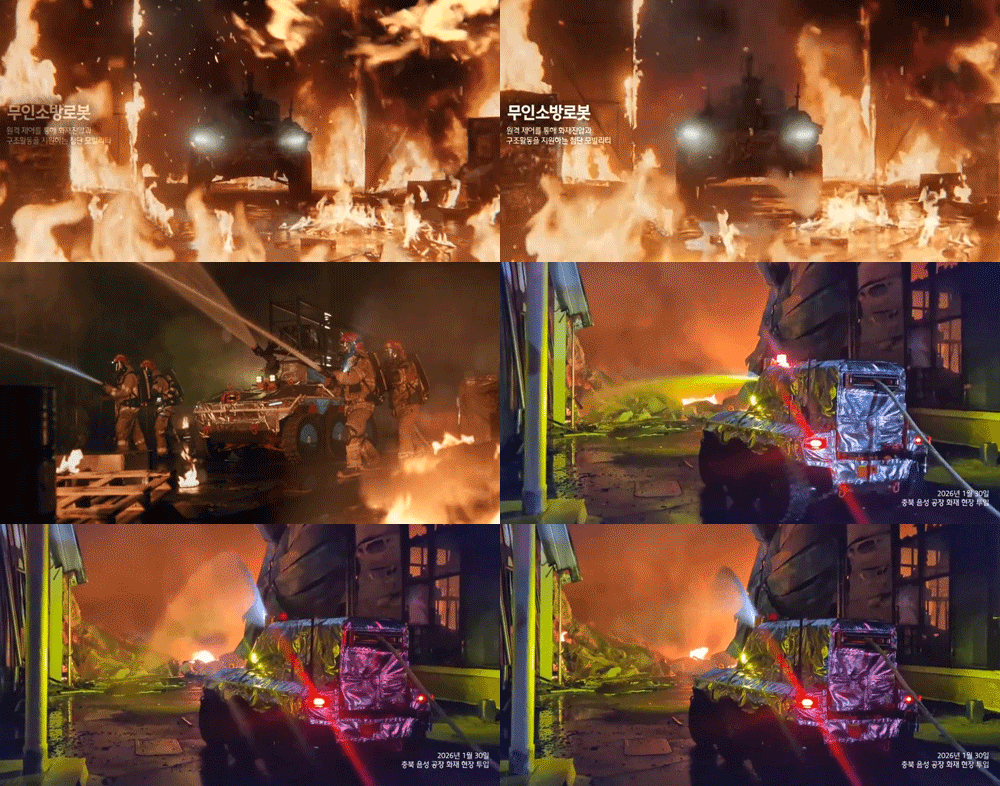
음성 공장 화재에 투입된 '현대차 무인소방로봇'...800도 버티는 현장 영상 공개

2026-03-03
Chosun.com
Why's our monitor labelling this an incident or hazard?
The unmanned firefighting robot is an AI system as it incorporates autonomous driving assistance and AI-enhanced vision cameras to operate in dangerous fire environments. Its use in an actual fire incident where it replaced human firefighters in high-risk conditions directly relates to harm prevention (injury or harm to persons). Therefore, this event qualifies as an AI Incident because the AI system's use has directly led to a positive impact on human safety during a hazardous event, which is a form of harm mitigation. The event is not merely a product announcement or future hazard but a real deployment with direct consequences on safety.
Thumbnail Image

"소방관의 귀가, 기술이 지킵니다"...화재와 싸우는 무인소방로봇 영상 - 매일경제

2026-03-03
mk.co.kr
Why's our monitor labelling this an incident or hazard?
The event involves an AI system (the unmanned firefighting robot with AI vision and autonomous navigation) actively used in a real fire incident. However, the AI system's involvement is beneficial and intended to prevent harm rather than cause it. There is no report or implication of injury, rights violation, property damage caused by malfunction, or any other harm linked to the AI system. The article focuses on the technology's deployment and future development plans, which are positive and safety-oriented. Therefore, this is not an AI Incident or AI Hazard. It is best classified as Complementary Information because it provides context and updates on AI technology deployment in emergency response without describing any harm or plausible harm.
Thumbnail Image

현대차그룹, 무인 소방로봇 기술 영상 공개..."알아서 불 끄는 완벽 자율주행 모빌리티 목표"

2026-03-03
경향신문
Why's our monitor labelling this an incident or hazard?
The article explicitly mentions an AI system integrated into an unmanned firefighting robot that autonomously operates in hazardous environments to protect human lives. The system is in active use, including in a real fire incident, but no harm or malfunction is reported. The event focuses on showcasing the technology and its benefits rather than describing any incident or hazard. Thus, it does not meet the criteria for AI Incident or AI Hazard. Instead, it fits the definition of Complementary Information by providing supporting information about AI deployment and its societal safety implications.
Thumbnail Image

현대차그룹, 무인소방로봇 영상 공개...피지컬 AI 첨단기술로 '무장'

2026-03-03
문화일보
Why's our monitor labelling this an incident or hazard?
The unmanned firefighting robot incorporates AI systems for autonomous navigation and enhanced vision in dangerous fire environments, which are explicitly described. Its deployment in a real fire incident indicates active use of AI systems contributing to harm mitigation (reducing injury risk to firefighters and possibly to people and property). This fits the definition of an AI Incident because the AI system's use directly impacts human safety and critical infrastructure operation (fire response). The article does not describe any malfunction or harm caused by the AI system but rather its positive impact in reducing harm, which still qualifies as an AI Incident under the framework since the AI system's use is pivotal in harm prevention and safety enhancement in a hazardous context.
Thumbnail Image

무인소방로봇이 진화한다

2026-03-03
허프포스트코리아
Why's our monitor labelling this an incident or hazard?
The event involves the use of an AI system (the unmanned firefighting robot with autonomous and machine learning capabilities) actively deployed in hazardous environments to protect human life and safety. The AI system's use directly relates to preventing injury or harm to people (harm category a). Since the robot is already being used in real fire incidents to reduce risk to firefighters, this constitutes an AI Incident rather than a mere hazard or complementary information. The article does not describe a malfunction or failure but the actual use of the AI system in a safety-critical context with realized protective effects, qualifying it as an AI Incident.
Thumbnail Image

'기술이 한 발 먼저 출동'...현대차그룹, 무인소방로봇 영상 '주목'

2026-03-03
������
Why's our monitor labelling this an incident or hazard?
The unmanned firefighting robot is an AI system explicitly described as using autonomous decision-making and AI vision to operate in dangerous fire environments. Its deployment in an actual fire incident where it performed firefighting tasks indicates direct use of AI leading to harm mitigation and safety enhancement. Since the AI system's use directly impacts human safety by reducing exposure to hazardous conditions and supporting rescue operations, this qualifies as an AI Incident involving harm prevention and protection of human health and safety. The article does not describe any malfunction or harm caused by the AI system but rather its positive impact in a hazardous scenario, which still falls under AI Incident due to the direct involvement of AI in a safety-critical context with real-world consequences.
Thumbnail Image

현대차그룹, 무인소방로봇 영상 공개..."피지컬 AI로 안전 지킨다" - 경제 | 기사 - 더팩트

2026-03-02
더팩트
Why's our monitor labelling this an incident or hazard?
The unmanned firefighting robot is an AI system as it incorporates AI-based autonomous navigation and perception technologies to perform complex tasks in hazardous environments. Its use in an actual fire incident where it operated to suppress fire and protect human lives shows direct involvement in harm prevention. The event involves the use of AI technology in a safety-critical application with realized impact on human safety, which aligns with the definition of an AI Incident involving injury or harm to people or groups. Therefore, this event is classified as an AI Incident rather than a hazard or complementary information.
Thumbnail Image

800도 견디며 불 끈다...현대차그룹, 무인소방로봇 영상 공개

2026-03-03
미디어펜
Why's our monitor labelling this an incident or hazard?
The event involves an AI system explicitly described as using AI for autonomous navigation and vision enhancement in firefighting robots. The system has been used in real fire incidents, directly impacting human safety by reducing exposure to dangerous conditions. This constitutes an AI Incident because the AI system's use has directly led to harm mitigation (injury or harm to persons prevented or minimized) in a critical infrastructure context (emergency response). The article does not describe any malfunction or harm caused by the AI system but rather its positive impact in reducing harm, which still qualifies as an AI Incident under the framework since the AI system's use is pivotal in preventing injury or harm.
Thumbnail Image

현대차그룹, 고온 화재 현장 바꿀 '무인소방로봇' 영상 공개...'피지컬 AI' 기술 부각

2026-03-03
아시아투데이
Why's our monitor labelling this an incident or hazard?
The unmanned firefighting robot is an AI system explicitly described with autonomous and AI-assisted capabilities. Its deployment in a real fire incident where it performed firefighting tasks in dangerous conditions directly relates to harm prevention and safety enhancement, which falls under harm to health and safety of people. The article reports actual use, not just potential or planned use, and the AI system's involvement is central to the event. Therefore, this is an AI Incident rather than a hazard or complementary information.
Thumbnail Image

현대차그룹, 안전 최우선 철학을 담은 무인소방로봇 영상 공개

2026-03-03
kr.acrofan.com
Why's our monitor labelling this an incident or hazard?
The event involves an AI system explicitly described as an unmanned firefighting robot with AI capabilities for autonomous navigation, vision enhancement, and decision-making in hazardous fire environments. The robot has been used in an actual fire incident, directly contributing to reducing harm to human firefighters by entering dangerous areas and performing firefighting tasks. This use of AI directly leads to harm mitigation (injury or harm to persons prevented) and thus qualifies as an AI Incident. The article does not describe potential or future harm but rather realized positive impact through AI use, so it is not a hazard or complementary information. It is not unrelated as the AI system is central to the event.
Thumbnail Image

현대차그룹, 무인소방로봇 영상 공개...피지컬 AI 첨단기술 종합

2026-03-03
연합뉴스TV
Why's our monitor labelling this an incident or hazard?
The unmanned firefighting robot is an AI system explicitly described with autonomous navigation and AI vision capabilities. It has been used in actual fire incidents, directly impacting human safety by reducing risk to firefighters and potentially saving lives. The AI system's use in this context is linked to preventing injury and harm, fulfilling the criteria for an AI Incident. Although the event is largely positive, it still qualifies as an AI Incident because it involves the use of AI systems in real-world scenarios with direct effects on human safety and health.
Thumbnail Image

현대차그룹, '안전 최우선' 철학 담은 무인소방로봇 영상 'A Safer Way Home' 공개 - 굿모닝경제

2026-03-03
굿모닝경제
Why's our monitor labelling this an incident or hazard?
The event involves an AI system explicitly described as an unmanned firefighting robot equipped with AI-based autonomous navigation and vision systems. The robot was used in a real fire incident, directly contributing to reducing harm to human firefighters by entering dangerous environments and performing fire suppression tasks. This is a clear example of AI system use leading to a positive impact on human safety, which falls under the definition of an AI Incident because it involves the use of AI systems in a way that directly affects human health and safety. Although the article focuses on the positive impact, the deployment in a hazardous environment and the robot's role in fire suppression and safety clearly relate to AI Incident classification rather than a hazard or complementary information.
Thumbnail Image

현대차그룹, '무인소방로봇' 공개···고위험 화재 현장 원격 진압 - 스마트비즈

2026-03-03
스마트비즈
Why's our monitor labelling this an incident or hazard?
The unmanned firefighting robot is an AI system as it incorporates AI-based vision enhancement and autonomous navigation assistance. Its use in a real fire incident where it helped suppress fire remotely and safely indicates direct involvement of AI in mitigating harm to human life and property. The event reports actual use and harm mitigation, not just potential risk, so it qualifies as an AI Incident. The robot's deployment reduces risk to human firefighters and addresses harm from fire incidents, fulfilling the criteria for AI Incident under harm to health and property. The mention of future autonomous operation plans does not change the current classification, which is based on realized use and harm mitigation.
Thumbnail Image

불길 속으로 들어간 로봇...현대차, 무인소방로봇 영상 공개 - 이비엔(EBN)뉴스센터

2026-03-03
이비엔(EBN)뉴스센터
Why's our monitor labelling this an incident or hazard?
The unmanned firefighting robot is an AI system as it uses AI-based vision enhancement, autonomous navigation, and machine learning for data collection and future improvements. The article reports on its actual use in a fire incident, but the AI system's role is to prevent harm by entering dangerous environments instead of humans. No harm or malfunction is reported; instead, the technology aims to improve safety. This fits the definition of Complementary Information, as it provides context and updates on AI system deployment and its positive impact on public safety, without describing any AI-related harm or plausible future harm.
Thumbnail Image

현대차, 무인소방로봇 영상 공개... "생명과 안전 지키는 기술

2026-03-03
skyedaily.com
Why's our monitor labelling this an incident or hazard?
The unmanned firefighting robot is an AI system that operates in hazardous environments to protect human life and safety by performing fire suppression tasks remotely. Its deployment directly relates to preventing injury or harm to people, fulfilling the criteria for an AI Incident. The article does not merely discuss potential risks or future hazards but presents the system as actively used or ready for use in real scenarios to reduce harm. Hence, it is not a hazard or complementary information but an AI Incident due to the direct link between AI use and harm prevention.
Thumbnail Image

현대차 피지컬AI 기술 집약...'무인소방로봇' 각광

2026-03-03
NewsTomato
Why's our monitor labelling this an incident or hazard?
The unmanned firefighting robot is an AI system employing autonomous driving, AI sensing, and decision-making capabilities to operate in hazardous disaster sites. Its deployment in an actual fire incident (Chungbuk Eumseong factory fire) demonstrates the AI system's use directly affecting human safety by entering dangerous areas to perform firefighting tasks, thereby reducing risk to human firefighters. This constitutes direct involvement of AI in harm mitigation related to health and safety, fulfilling the criteria for an AI Incident. The article does not describe any malfunction or harm caused by the AI system, but the AI system's role in preventing harm and protecting lives is central and material.
Thumbnail Image

현대차그룹·소방청, 무인소방로봇 영상 공개..."사람 대신 투입" - 월요신문

2026-03-03
월요신문
Why's our monitor labelling this an incident or hazard?
The unmanned firefighting robot is an AI system employing AI-based sensors and autonomous navigation to operate in hazardous fire environments. Its deployment in an actual fire incident demonstrates the AI system's use in a real-world scenario, directly impacting safety by reducing human exposure to harm. This fits the definition of an AI Incident because the AI system's use has directly led to harm reduction (injury or harm to persons avoided) in a critical infrastructure operation (firefighting). The article does not describe any malfunction or harm caused by the AI system, but the AI system's role in preventing harm is pivotal and realized. Hence, it qualifies as an AI Incident rather than a hazard or complementary information.
Thumbnail Image

"안전이 최우선"...현대차그룹, 무인소방로봇 영상 공개 | 아주경제

2026-03-03
아주경제
Why's our monitor labelling this an incident or hazard?
The event involves an AI system (the unmanned firefighting robot) used in a real-world context, but the article focuses on its capabilities and deployment to improve safety and reduce harm. There is no report or implication of injury, rights violations, property damage, or other harms caused or plausibly caused by the AI system. Instead, the article serves as an informative update on AI technology application and collaboration between industry and public safety agencies. Hence, it fits the definition of Complementary Information rather than an Incident or Hazard.
Thumbnail Image

'800도 불지옥, 내가 간다'⋯ 소방관 목숨 구하는 '현대차 로봇'

2026-03-03
브릿지경제
Why's our monitor labelling this an incident or hazard?
The robot is an AI system explicitly described as using physical AI for autonomous decision-making and learning in firefighting scenarios. It has been used in an actual fire incident, directly contributing to protecting human lives by entering dangerous environments and performing firefighting tasks. This constitutes an AI system whose use has directly led to harm prevention (injury or harm to persons avoided) and improved safety in critical infrastructure management (disaster response). Therefore, this qualifies as an AI Incident because the AI system's use has directly impacted human safety and emergency operations.
Thumbnail Image

현대차, 무인소방로봇 영상 공개···피지컬 AI로 화재 대응 혁신

2026-03-03
이뉴스투데이
Why's our monitor labelling this an incident or hazard?
The event involves the use and deployment of an AI system (the unmanned firefighting robot) that directly contributes to reducing harm to human life by operating in dangerous fire and explosion environments. The AI system's development and use are central to the event, and it has already been used in a real incident, indicating realized benefits and potential risks. Since the AI system's involvement directly relates to harm prevention and safety in critical infrastructure and emergency response, this qualifies as an AI Incident under the framework.
Thumbnail Image

현대차그룹, 무인소방로봇 영상 공개..."소방관 보호하고 AI로 현장 분석"

2026-03-03
데일리한국
Why's our monitor labelling this an incident or hazard?
The unmanned firefighting robot is an AI system employing autonomous driving, AI vision, and decision-making to operate in dangerous fire scenes. Its deployment in an actual fire incident demonstrates the AI system's direct involvement in mitigating harm to human firefighters and the public. The robot's AI capabilities enable it to enter hazardous environments that humans cannot safely access, thereby preventing injury or harm to people. Since the AI system's use has directly led to harm prevention and improved safety in a critical infrastructure context (fire emergency response), this qualifies as an AI Incident under the framework.
Thumbnail Image

화재 속으로 먼저 돌진...현대차그룹 '무인소방로봇' 영상 보니

2026-03-03
데일리안
Why's our monitor labelling this an incident or hazard?
The event involves an AI system (the unmanned firefighting robot) that is actively used in hazardous environments to prevent harm to humans by performing dangerous firefighting tasks. The article does not report any harm caused by the AI system nor does it suggest plausible future harm from its use. Instead, it focuses on the benefits, technical features, and future plans for the AI system, including its first deployment in a real fire. This fits the definition of Complementary Information, as it provides supporting context and updates on AI technology deployment and its societal benefits without reporting any incident or hazard.
Thumbnail Image

현대차그룹, 무인소방로봇 영상 공개...피지컬 AI 화재 대응 비전

2026-03-03
포인트데일리
Why's our monitor labelling this an incident or hazard?
The event involves an AI system (the unmanned firefighting robot with AI cameras and autonomous navigation) developed and intended for use in hazardous environments. However, the article does not report any actual harm, injury, violation of rights, or disruption caused by the AI system. It presents the technology as a future-oriented solution with potential benefits and no current incidents or hazards. Therefore, it is best classified as Complementary Information, providing context and updates on AI development and its societal implications without describing an AI Incident or AI Hazard.
Thumbnail Image

"800도 고열 견딘다"...현대차그룹, 소방청과 개발한 무인소방로봇 공개

2026-03-03
마이데일리
Why's our monitor labelling this an incident or hazard?
The unmanned firefighting robot is an AI system explicitly described as using AI for autonomous navigation, vision enhancement, and data-driven decision-making in hazardous fire environments. Its deployment in actual fire incidents directly impacts human safety by reducing firefighters' exposure to dangerous conditions, thus preventing injury or harm. The event involves the use of AI systems in a way that directly affects critical infrastructure management (emergency response) and human health and safety, meeting the criteria for an AI Incident rather than a hazard or complementary information. The robot's operational use in a real fire incident confirms realized harm mitigation rather than just potential harm or future risk.
Thumbnail Image

현대차그룹, 무인소방로봇 영상 공개 - 전파신문

2026-03-03
jeonpa.co.kr
Why's our monitor labelling this an incident or hazard?
The event involves an AI system explicitly described as an unmanned firefighting robot with AI capabilities for autonomous operation and situational awareness. Its use in actual fire incidents to protect human life and safety constitutes a direct positive impact on injury or harm prevention, which falls under harm to persons. Since the AI system's use has directly led to reducing harm in a hazardous environment, this qualifies as an AI Incident. The article does not describe any malfunction or harm caused by the AI system but rather its beneficial deployment, which still counts as an AI Incident due to the direct involvement of AI in harm prevention in a critical infrastructure context (emergency response).
Thumbnail Image

"800도 화마도 잡는다" 현대차그룹, 무인소방로봇 영상 공개

2026-03-02
이투데이
Why's our monitor labelling this an incident or hazard?
The unmanned firefighting robot is an AI system explicitly described with autonomous and AI-enhanced capabilities. It has been used in an actual fire incident, directly impacting the safety and health of people by reducing exposure to dangerous conditions for firefighters. The AI system's deployment and operation have directly led to harm reduction (injury or harm to persons) in a hazardous environment. Hence, this qualifies as an AI Incident rather than a hazard or complementary information, as the AI system's use has already had a direct positive impact on human safety in a real-world scenario.
Thumbnail Image

현대차그룹, '안전 최우선' 철학을 담은 무인소방로봇 영상 'A Safer Way Home' 공개

2026-03-02
econonews.co.kr
Why's our monitor labelling this an incident or hazard?
The unmanned firefighting robot is an AI system explicitly described with autonomous navigation, AI vision enhancement, and machine learning capabilities. Its deployment in actual fire incidents, including a recent real-world use case, shows that it is actively used to mitigate harm to human firefighters and potentially save lives. The AI system's role is pivotal in enabling safe firefighting operations in dangerous environments, directly addressing harm to human health and safety. Since the AI system's use has led to realized harm reduction (a positive impact on human safety), this qualifies as an AI Incident under the framework, as it involves direct use of AI systems impacting human health and safety in emergency situations.
Thumbnail Image

현대차 소방로봇 영상 조회수 213만 '폭발'..."위대한 기업이 되고 있다" 찬사도

2026-03-05
핀포인트뉴스
Why's our monitor labelling this an incident or hazard?
The unmanned firefighting robot is an AI system based on an autonomous vehicle platform with machine learning capabilities to analyze fire scene data and perform firefighting tasks in dangerous environments. Its deployment in actual fire incidents to protect firefighters and manage hazardous situations directly involves the AI system in preventing injury or harm to people, fulfilling the criteria for an AI Incident. The article reports on the robot's active use and impact rather than potential or future risks, so it is not a hazard or complementary information. The event is not unrelated as it clearly involves an AI system with real-world safety implications.