US Military Uses Anthropic AI in Iran Strike Amid Ban, OpenAI Replaces Anthropic in Pentagon Network

Thumbnail Image

The information displayed in the AIM should not be reported as representing the official views of the OECD or of its member countries.

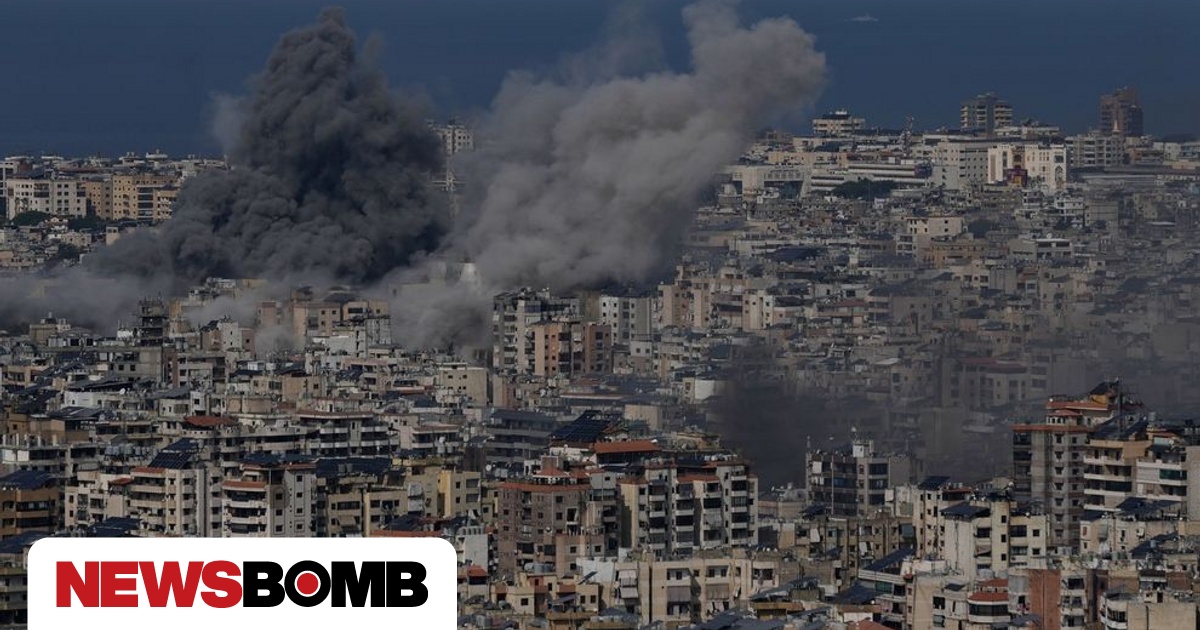
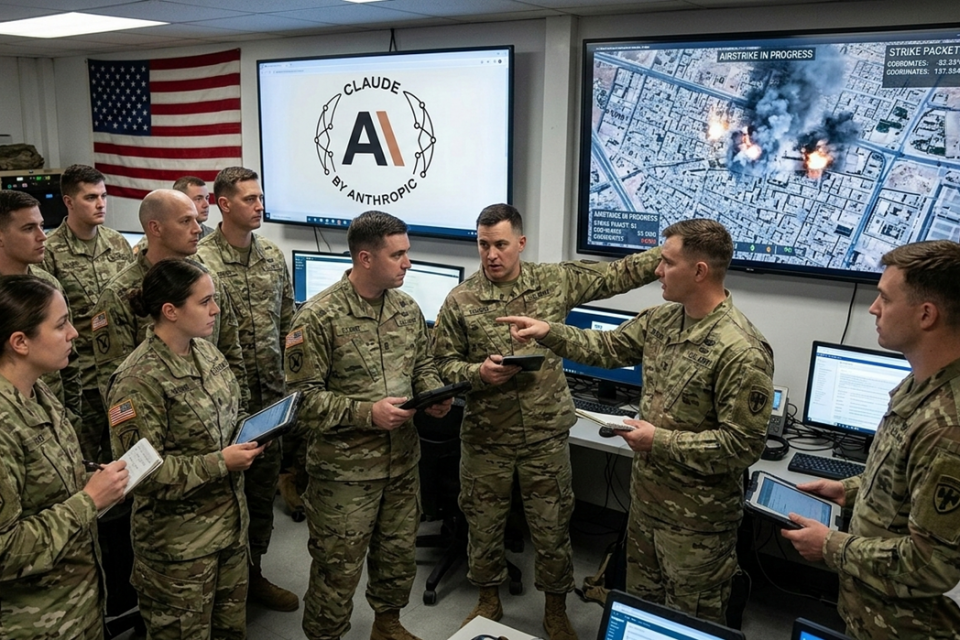
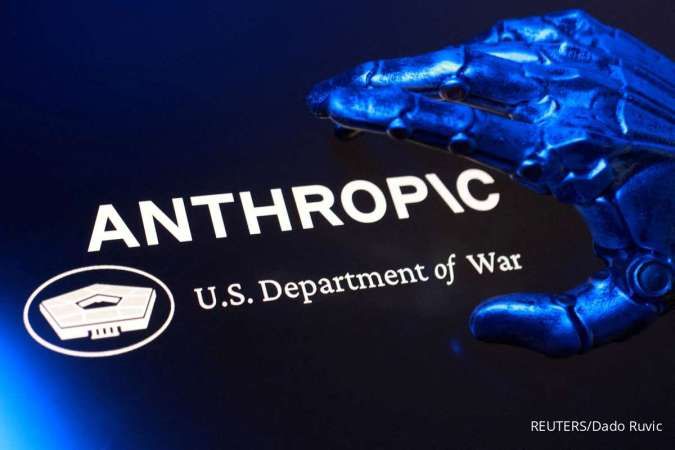
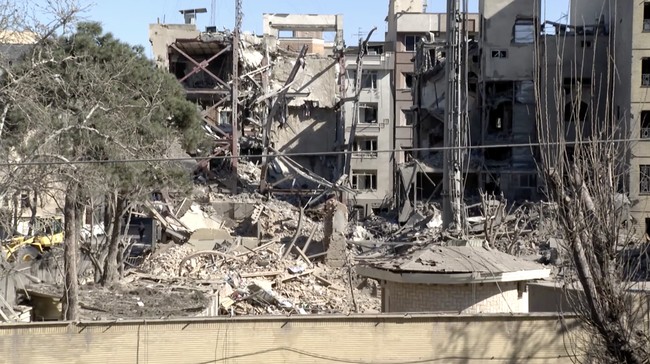
After President Trump banned Anthropic's AI over national security concerns, the US military used Anthropic's Claude model in an airstrike on Iran for target identification and scenario testing. The Pentagon then replaced Anthropic with OpenAI's models, raising concerns about AI in autonomous weapons and surveillance.[AI generated]

Why's our monitor labelling this an incident or hazard?

The article explicitly involves AI systems (OpenAI and Anthropic models) and their intended military use, which is a development stage with potential for significant harm (e.g., autonomous weapons, mass surveillance). However, no direct or indirect harm has yet occurred as per the article. The political and industry responses emphasize the plausible future risks. Hence, it fits the definition of an AI Hazard, as it could plausibly lead to AI incidents involving harm to human rights or security if misused or deployed without safeguards.[AI generated]

AI principles
AccountabilityRespect of human rights

Industries
Government, security, and defence

Affected stakeholders
General public

Harm types
Physical (death)

Severity
AI hazard

Business function:
Other

AI system task:
Recognition/object detectionForecasting/prediction


Articles about this incident or hazard

Thumbnail Image

Пентагонът сключи договор с OpenAI - Фактор

2026-02-28
Фактор
Why's our monitor labelling this an incident or hazard?
The article explicitly involves AI systems (OpenAI and Anthropic models) and their intended military use, which is a development stage with potential for significant harm (e.g., autonomous weapons, mass surveillance). However, no direct or indirect harm has yet occurred as per the article. The political and industry responses emphasize the plausible future risks. Hence, it fits the definition of an AI Hazard, as it could plausibly lead to AI incidents involving harm to human rights or security if misused or deployed without safeguards.
Thumbnail Image

Anthropic vs. Тръмп: В САЩ се развихря AI война

2026-02-28
frognews.bg
Why's our monitor labelling this an incident or hazard?
The event explicitly involves an AI system (Anthropic's AI technology) used by the U.S. government and military. The government's classification of Anthropic as a supply chain risk and the ban on its AI products directly disrupts the management and operation of critical infrastructure (military and intelligence systems). This disruption is a realized harm, not just a potential one, as it affects tens of thousands of contractors and government operations. The conflict also involves concerns about misuse of AI in autonomous weapons and surveillance, which are relevant to the harm context. The presence of legal challenges and governance actions does not negate the fact that harm is occurring. Hence, the event meets the criteria for an AI Incident rather than a hazard or complementary information.
Thumbnail Image

Военните на САЩ използвали забранен от Тръмп изкуствен интелект при атаката срещу Иран

2026-03-02
168 Часа | By 24 часа онлайн
Why's our monitor labelling this an incident or hazard?
The event involves the use of an AI system (Anthropic's Claude) in a military attack that likely caused harm to persons and property, fulfilling the criteria for an AI Incident. The AI system was used for critical functions such as target identification and combat scenario testing, directly influencing the attack. Although the article does not detail specific casualties, the nature of a military airstrike implies harm. The use of AI in this context is a direct cause of harm, not merely a potential risk or background information. Therefore, this event qualifies as an AI Incident rather than a hazard or complementary information.
Thumbnail Image

След сблъсъка с Anthropic: OpenAI допуска Пентагона до своя AI модел

2026-02-28
Bloomberg
Why's our monitor labelling this an incident or hazard?
The article explicitly involves AI systems (OpenAI's models) being integrated into the Pentagon's classified network, with a focus on autonomous weapons and surveillance—both recognized as high-risk AI applications. Although no direct harm or incident is reported, the discussion centers on the potential risks and ethical concerns of AI use in military contexts, including the possibility of autonomous lethal force and mass surveillance. This fits the definition of an AI Hazard, as the development and deployment of these AI systems could plausibly lead to incidents involving harm to persons or violations of rights. The article does not describe any realized harm or incident, so it is not an AI Incident. It is also not merely complementary information or unrelated, as the core topic is the potential risk from AI deployment in defense.
Thumbnail Image

OpenAI променя условията на сделката си с американските военни

2026-03-03
Информационна Агенция "Фокус"
Why's our monitor labelling this an incident or hazard?
The article explicitly mentions the use of OpenAI's AI system in secret military operations and the addition of a clause to prevent surveillance of U.S. citizens, indicating AI system involvement and potential for human rights violations. However, no actual harm or violation has been reported; instead, the company is proactively changing contract terms in response to public pressure. This fits the definition of Complementary Information, as it provides an update on governance and societal response to AI-related risks rather than describing a new AI Incident or AI Hazard.
Thumbnail Image

OpenAI: Εξετάζει συνεργασία και με το ΝΑΤΟ, μετά τη συμφωνία με το Πεντάγωνο

2026-03-04
ΣΚΑΪ
Why's our monitor labelling this an incident or hazard?
The event involves AI systems (OpenAI's AI technology) and their use in military networks, which could plausibly lead to significant harms in the future (e.g., misuse in surveillance or autonomous weapons). However, the article does not report any realized harm or incidents caused by AI systems. Instead, it focuses on the negotiation and agreement process, corporate statements, and policy clarifications. Therefore, this is best classified as Complementary Information, as it provides important context and updates on AI governance and deployment without describing an AI Incident or AI Hazard at this time.
Thumbnail Image

OpenAI: Τροποποιεί τη συμφωνία με τις ΗΠΑ για χρήση τεχνητής νοημοσύνης στον στρατό

2026-03-04
NEWS 24/7
Why's our monitor labelling this an incident or hazard?
The event involves AI systems used in military contexts and addresses the development and use of AI with potential for harm, particularly regarding surveillance and autonomous weapons. However, no direct or indirect harm has been reported or occurred yet. The focus is on modifying agreements to impose restrictions and on the broader implications and governance of AI in military use. Therefore, this is a governance and policy update providing complementary information about AI risks and responses, not an incident or a hazard with realized or imminent harm.
Thumbnail Image

H OpenAI κέρδισε το Πεντάγωνο, τώρα θέλει όλο το ΝΑΤΟ | in.gr

2026-03-04
in.gr
Why's our monitor labelling this an incident or hazard?
The event involves AI systems (OpenAI's models) being developed and used in military applications, which could plausibly lead to significant harms such as violations of rights or harm to communities if misused. However, the article does not report any realized harm or incident; it focuses on agreements, intentions, and assurances. Therefore, it fits the category of Complementary Information, as it provides important context and updates on AI governance and deployment in sensitive areas without describing an AI Incident or Hazard at this time.
Thumbnail Image

Οι Ευρωπαίοι δεν είναι Αμερικανοί - Οι γίγαντες της ΑΙ δεν ανησυχούν αν πέφτουν θύματα παρακολούθησης | in.gr

2026-03-05
in.gr
Why's our monitor labelling this an incident or hazard?
The article explicitly involves AI systems (Anthropic's Claude and OpenAI's systems) used in military and surveillance contexts, indicating AI system involvement. However, it does not describe any actual harm or incident caused by these AI systems. Instead, it discusses ethical concerns, contractual disputes, potential misuse, and regulatory frameworks related to AI surveillance. The focus is on governance, policy, and ethical debates rather than a concrete AI Incident or a plausible immediate AI Hazard. Thus, it fits the definition of Complementary Information, providing supporting context and updates on AI-related societal and governance responses without reporting a new harm or imminent risk.
Thumbnail Image

O πόλεμος στο Ιράν δείχνει γιατί η τεχνητή νοημοσύνη δεν πρέπει να αναπτύσσεται από ιδιωτικές εταιρείες

2026-03-04
parapolitika.gr
Why's our monitor labelling this an incident or hazard?
The article explicitly mentions the use of an AI system (Claude by Anthropic) in military operations that have led to a war in Iran, which involves harm to people and communities. This meets the definition of an AI Incident because the AI system's use has directly or indirectly led to harm (a). The discussion of the ethical and governance issues supports the context but does not negate the fact that harm has occurred. Therefore, the event is classified as an AI Incident.
Thumbnail Image

Ο Sam Altman λέει ότι η OpenAI θέλει νέα διαβαθμισμένη συμφωνία με το ΝΑΤΟ

2026-03-04
Techblog.gr
Why's our monitor labelling this an incident or hazard?
The event involves the development and intended use of AI systems in military contexts, which could plausibly lead to significant harms such as violations of human rights or harm to communities if misused or if the AI systems malfunction. Since no actual harm has yet occurred, but the potential for harm is credible and significant given the military applications, this qualifies as an AI Hazard. The article does not report any realized harm or incident, nor does it primarily focus on responses or updates to past incidents, so it is not an AI Incident or Complementary Information.
Thumbnail Image

Η OpenAI εξετάζει το ενδεχόμενο συνεργασίας με το ΝΑΤΟ

2026-03-04
Business Voice
Why's our monitor labelling this an incident or hazard?
The article explicitly involves AI systems (OpenAI's technology) and their potential deployment in NATO networks, which is a use case with significant potential for harm (e.g., surveillance, autonomous weapons). However, no actual harm or incident has occurred or is described. The discussion centers on the possibility and ethical considerations of AI use in defense, making it a credible AI Hazard. It is not Complementary Information because the main focus is not on updates or responses to a past incident but on the potential and planned use of AI. It is not an AI Incident because no harm has materialized. It is not Unrelated because AI systems and their military use are central to the article.
Thumbnail Image

Πάνω από 1 εκατομμύριο χρήστες διέγραψαν το ChatGPT εξαιτίας συμφωνίας με το Πεντάγωνο (vid)

2026-03-05
Gazzetta.gr - Sports News Portal
Why's our monitor labelling this an incident or hazard?
The article explicitly involves AI systems (ChatGPT and Anthropic's Claude) and their use or potential use by the U.S. Department of Defense. The controversy and user backlash stem from concerns about ethical and harmful applications such as autonomous weapons and surveillance, which could plausibly lead to violations of human rights or other harms. However, the article does not report any actual harm or incident caused by the AI systems so far. The focus is on the potential risks and societal reactions, fitting the definition of an AI Hazard rather than an Incident or Complementary Information.
Thumbnail Image

Ο Sam Altman παραδέχεται πως η OpenAI δεν ελέγχει τη χρήση της ΑΙ από το Πεντάγωνο

2026-03-05
NEWS 24/7
Why's our monitor labelling this an incident or hazard?
The article explicitly involves AI systems developed by OpenAI being used by the Pentagon in military contexts, with safety guardrails removed, which plausibly could lead to serious harms including injury, death, and human rights violations. The CEO's admission that OpenAI does not control the use of its AI in these operations confirms the lack of oversight. Although no specific incident of harm is reported, the credible risk of harm from AI-enabled military applications justifies classification as an AI Hazard rather than an AI Incident. The article focuses on the potential and ethical concerns rather than a realized harm event, so it is not Complementary Information or Unrelated.
Thumbnail Image

Ο πρώτος πόλεμος με Τεχνητή Νοημοσύνη: Οι ΗΠΑ βομβάρδισαν το Ιράν με το... Claude της Αnthropic

2026-03-05
newsbomb.gr
Why's our monitor labelling this an incident or hazard?
The article explicitly states that the AI system (Claude integrated into Maven) was used to generate target lists, provide precise coordinates, and prioritize targets in real-time during military operations against Iran. This use directly led to bombing campaigns, which cause injury and harm to people and communities, fulfilling the criteria for an AI Incident. The involvement is in the use of the AI system in active warfare, with direct causation of harm. Although there are governance and ethical discussions, the primary focus is on the realized harm caused by the AI system's deployment in military attacks, not just potential or complementary information.
Thumbnail Image

Οι εταρείες ΑΙ στηρίζουν την Anthropic μετά τη ρήξη με Τραμπ - Μόνο η Palantir συντάσσεται με το Πεντάγωνο | in.gr

2026-03-05
in.gr
Why's our monitor labelling this an incident or hazard?
The article involves AI systems (Anthropic's models, including Claude) used in military intelligence and targeting, which qualifies as AI system involvement. However, the article does not describe any direct or indirect harm caused by these AI systems, nor does it indicate a plausible future harm event stemming from their use or malfunction. Instead, it reports on a political and industrial dispute, government restrictions, and industry responses, which are governance and ecosystem developments. This fits the definition of Complementary Information, as it enhances understanding of AI ecosystem dynamics and governance without reporting a new AI Incident or AI Hazard.
Thumbnail Image

Μετά το αμερικανικό Πεντάγωνο η OpenAI θέλει συνεργασία και με το NATO

2026-03-05
Η Ναυτεμπορική
Why's our monitor labelling this an incident or hazard?
The article does not describe any actual harm or incident caused by AI systems, nor does it report any event where AI use has directly or indirectly led to injury, rights violations, or other harms. Instead, it focuses on potential future uses, company policies, and clarifications about AI deployment in military and defense networks. This fits the category of Complementary Information, as it provides context and updates on AI governance, company positions, and ongoing negotiations related to AI use in sensitive environments, without reporting a new AI Incident or AI Hazard.
Thumbnail Image

FT: Πεντάγωνο και Anthropic ξανακάθονται στο τραπέζι των διαπραγματεύσεων

2026-03-05
Liberal.gr
Why's our monitor labelling this an incident or hazard?
The article involves AI systems explicitly (Anthropic's Claude models) and their potential military use, which could plausibly lead to harms such as autonomous weapons deployment or mass surveillance. However, the article does not report any realized harm or incident caused by the AI systems. The focus is on negotiations, ethical concerns, and strategic implications, which aligns with the definition of an AI Hazard or Complementary Information. Since the article primarily discusses the negotiation context, public reactions, and strategic importance without describing a specific harm event, it fits best as Complementary Information, providing context and updates on AI governance and societal responses rather than reporting an AI Incident or a direct AI Hazard event.
Thumbnail Image

Νίπτει τας χείρας του ο Άλτμαν / Η OpenAI δεν ελέγχει πως χρησιμοποιεί το Πεντάγωνο τα προϊόντα τεχνητής νοημοσύνης

2026-03-05
TVXS - TV Χωρίς Σύνορα
Why's our monitor labelling this an incident or hazard?
The article explicitly mentions AI systems developed by OpenAI being used by the Pentagon in military operations, which have real-world consequences such as targeted strikes and military decisions. This use of AI in warfare can lead to injury, loss of life, and violations of human rights, fulfilling the criteria for harm under the AI Incident definition. The CEO's admission that OpenAI does not control the use but that the AI products are involved in these operations confirms the AI system's indirect role in harm. The ethical concerns and internal opposition further support the significance of the harm caused or enabled by AI. Hence, the event is best classified as an AI Incident.
Thumbnail Image

Anthropic, Αμοντέι: Πάμε δικαστικά κατά της κυβέρνησης Τραμπ - Στήριξη από Microsoft

2026-03-06
SofokleousIn.GR
Why's our monitor labelling this an incident or hazard?
The event involves an AI system (Anthropic's Claude models) and concerns over their use in military applications, which is a clear AI system involvement. The government's designation as a supply chain risk and the company's legal challenge indicate concerns about potential misuse or risks associated with these AI systems. However, the article does not report any realized harm such as injury, rights violations, or operational disruption. Instead, it focuses on the potential risks and regulatory/legal responses. Thus, the event fits the definition of an AI Hazard, where the development and use of AI systems could plausibly lead to harm, particularly in defense contexts, but no direct harm has yet materialized.
Thumbnail Image

Ρήξη και επαναπροσέγγιση: Η Anthropic διαπραγματεύεται ξανά με το Πεντάγωνο για την AI Claude

2026-03-05
Reporter.gr
Why's our monitor labelling this an incident or hazard?
The article involves an AI system (Claude) and its potential military use, which inherently carries risks of harm such as misuse in autonomous weapons or surveillance. However, the event is about negotiations, disputes, and policy decisions rather than an actual incident causing harm. Therefore, it fits the definition of an AI Hazard, as the development and intended use of the AI system could plausibly lead to harms related to national security and ethical concerns, but no direct or indirect harm has yet materialized according to the article.
Thumbnail Image

Big Tech στηρίζει Anthropic μετά ρήξη με Τραμπ - Μόνο η Palantir τάσσεται υπέρ Πενταγώνου | Pagenews.gr

2026-03-06
Pagenews.gr
Why's our monitor labelling this an incident or hazard?
The article explicitly involves AI systems (Anthropic's Claude) and their use in critical government and military systems, with ethical restrictions on their deployment. The conflict and government ban stem from concerns about misuse in surveillance and autonomous weapons, which are credible sources of potential harm. However, no actual injury, rights violation, or disruption has been reported as having occurred. The event centers on the potential for harm and the political and industrial responses to it, fitting the definition of an AI Hazard rather than an Incident. It is not Complementary Information because it is not an update or response to a past incident but a current unfolding conflict with potential future risks. It is not Unrelated because AI systems and their use are central to the event.
Thumbnail Image

Νίπτει τας χείρας του ο Άλτμαν / Η OpenAI δεν ελέγχει πως χρησιμοποιεί το Πεντάγωνο τα προϊόντα τεχνητής νοημοσύνης

2026-03-05
news.makedonias.gr
Why's our monitor labelling this an incident or hazard?
The event involves AI systems developed by OpenAI being used by the Pentagon in military operations, which is a credible scenario for potential harm including injury or violations of rights. Since no specific harm or incident is reported as having occurred yet, but the use in military operations is ongoing and uncontrolled by the developer, this situation constitutes an AI Hazard. The article focuses on the potential risks and lack of control rather than a realized incident, fitting the definition of an AI Hazard rather than an AI Incident or Complementary Information.
Thumbnail Image

Anthropic: Ξανά σε συνομιλίες με το Πεντάγωνο για συμφωνία Τεχνητής Νοημοσύνης - Fibernews

2026-03-05
Fibernews - All digital news!
Why's our monitor labelling this an incident or hazard?
The event involves an AI system (Anthropic's AI models) and their potential military use, which could plausibly lead to harms such as surveillance or autonomous weapons deployment. However, the article does not describe any actual harm or incident resulting from the AI's development, use, or malfunction. The main focus is on the negotiation process, ethical boundaries, and the risk of exclusion from the defense supply chain. Therefore, this is best classified as Complementary Information, providing context on governance and societal responses to AI in defense rather than reporting an AI Incident or Hazard.
Thumbnail Image

Οι ΗΠΑ χαρακτηρίζουν την Anthropic κίνδυνο εφοδιαστικής αλυσίδας λόγω στρατιωτικής ΤΝ Πηγή: Euronews

2026-03-06
Investing.com Ελληνικά
Why's our monitor labelling this an incident or hazard?
The event involves an AI system (Anthropic's Claude chatbot) and its development and use in military contexts. The U.S. government has designated the company and its products as a supply chain risk, effectively banning their use in defense contracts due to concerns about potential misuse for mass surveillance and autonomous weapons. Although no direct harm or incident has been reported, the designation reflects credible concerns about plausible future harms stemming from the AI system's military applications. The article also covers political and legal reactions, which are complementary information but do not change the primary classification. Since no actual harm has occurred yet but there is a credible risk of significant harm, this event fits the definition of an AI Hazard rather than an AI Incident or Complementary Information.
Thumbnail Image

ΗΠΑ: Το Πεντάγωνο χαρακτήρισε την Anthropic ως "κίνδυνο για την αλυσίδα εφοδιασμού"

2026-03-06
Liberal.gr
Why's our monitor labelling this an incident or hazard?
The article explicitly involves an AI system (Anthropic's Claude) and discusses its use and restrictions imposed by a government body due to perceived supply-chain risks. However, there is no indication that the AI system has caused any direct or indirect harm (such as injury, rights violations, or disruption) or that harm is imminent. The designation is a preventive security measure and a governance action rather than a report of an AI Incident or a plausible AI Hazard. The focus is on the regulatory and organizational response to potential risks, making it Complementary Information according to the definitions provided.
Thumbnail Image

Anthropic vs Πεντάγωνο: Η δικαστική μάχη για την ηθική της τεχνητής νοημοσύνης

2026-03-06
PCMag Greece
Why's our monitor labelling this an incident or hazard?
The article centers on a dispute over AI ethics and governance between Anthropic and the Pentagon, involving AI system use policies and access demands. While the AI systems are central to the conflict, there is no indication that the AI systems have directly or indirectly caused harm as defined by the framework (injury, rights violations, infrastructure disruption, property/community/environmental harm, or other significant harms). The event is about potential ethical and legal conflicts and company-government relations, not about an AI Incident or a plausible AI Hazard. It also includes updates on company responses and government actions, which align with Complementary Information rather than a new incident or hazard.
Thumbnail Image

ΗΠΑ: χαρακτηρίζουν την Anthropic (AI) κίνδυνο για εφοδιαστική αλυσίδα

2026-03-06
euronews
Why's our monitor labelling this an incident or hazard?
The article explicitly involves an AI system (Anthropic's Claude chatbot) and its use in military and national security contexts. The U.S. government has labeled the company and its products as a supply chain risk due to concerns about misuse for surveillance or autonomous weapons, which could disrupt critical infrastructure and national security. Although no direct harm has been reported, the government's action and the potential for misuse indicate a credible risk of future harm. The event does not describe an actual incident of harm caused by the AI system but rather a preventive governmental measure based on plausible risks. Thus, it fits the definition of an AI Hazard rather than an AI Incident or Complementary Information.
Thumbnail Image

ΠΑΓΚΟΣΜΙΑ ΣΥΓΚΡΟΥΣΗ ΓΙΑ ΤΑ ΟΠΛΑ ΤΕΧΝΗΤΗΣ ΝΟΗΜΟΣΥΝΗΣ ΣΤΙΣ ΗΠΑ ΟΔΗΓΟΥΝ ΣΤΟ TERMINATOR

2026-03-06
NewsNowgr.com
Why's our monitor labelling this an incident or hazard?
The article explicitly involves AI systems (large language models) and their potential use in autonomous weapons and military operations, which are known to pose significant risks of harm if deployed. The conflict and pressure from the DoD to remove safety restrictions and allow military use indicate a plausible pathway to future harm. No actual harm or incident is reported yet, so it is not an AI Incident. The event is more than just complementary information because it highlights a credible risk of harm from AI use in weapons. Hence, it fits the definition of an AI Hazard.
Thumbnail Image

Τεχνητή Νοημοσύνη: Οι ΗΠΑ χειρίζονται τους πυραύλους σαν βιντεοπαιχνίδι - Οι εφαρμογές

2026-03-06
KontraNews
Why's our monitor labelling this an incident or hazard?
The article explicitly mentions the use of an AI system (Claude integrated into Maven) in active military operations that have led to attacks on targets in Iran, which involves direct harm to people and communities. The AI system is used for target selection and prioritization, which is a critical factor in lethal military actions. This meets the definition of an AI Incident because the AI system's use has directly led to harm (injury or death) in a conflict setting. The ethical concerns and Pentagon's response further support the significance of the incident. Therefore, the event is classified as an AI Incident.
Thumbnail Image

"Δεν έχουμε έλεγχο στη χρήση της τεχνολογίας μας από το Πεντάγωνο" ομολογεί ο επικεφαλής της OpenAI

2026-03-07
Η Ναυτεμπορική
Why's our monitor labelling this an incident or hazard?
The article explicitly mentions AI systems developed by OpenAI being used by the Pentagon in military operations, including target selection and capture of individuals. This constitutes direct involvement of AI systems in causing harm (injury or death in warfare) and raises human rights and ethical issues. The CEO's admission of lack of control over military use confirms the AI system's role in these harms. Hence, this qualifies as an AI Incident due to realized harm linked to AI use in military conflict.
Thumbnail Image

AI στον πόλεμο: Το Claude σχεδίασε πλήγματα στο Ιράν και πυροδότησε σύγκρουση Τραμπ-Big Tech | Pagenews.gr

2026-03-07
Pagenews.gr
Why's our monitor labelling this an incident or hazard?
The event involves the use of an AI system in the development and execution of military strikes that have caused harm (physical harm and loss of life) in a conflict zone. The AI system's outputs directly influenced targeting decisions leading to real attacks, fulfilling the criteria for an AI Incident due to direct harm to persons and communities. The article clearly states that hundreds of strikes were planned and executed with the AI system's involvement, indicating realized harm rather than potential harm. Therefore, this qualifies as an AI Incident rather than a hazard or complementary information.
Thumbnail Image

Boikot ChatGPT Mencuat, Apa Alasannya?

2026-03-05
fajar.co.id
Why's our monitor labelling this an incident or hazard?
The article does not report any direct or indirect harm caused by the AI systems themselves, nor does it describe any malfunction or misuse leading to harm. Instead, it focuses on the societal response—public boycott and ethical concerns—regarding AI companies' cooperation with the military. This fits the definition of Complementary Information, as it provides context and governance-related developments around AI without reporting a specific AI Incident or AI Hazard.
Thumbnail Image

Pemasok Senjata Canggih AS Diserbu, Karyawan Kompak Bilang Begini

2026-03-04
CNBCindonesia
Why's our monitor labelling this an incident or hazard?
The article involves AI systems and their potential use in harmful applications (autonomous weapons, mass surveillance), which are recognized as serious AI-related harms. However, it does not report a specific AI Incident where harm has already occurred due to AI system use or malfunction. Instead, it reports on employee protests, open letters, and advocacy against such uses, reflecting governance and societal responses to AI risks. This fits the definition of Complementary Information, as it enhances understanding of AI ecosystem dynamics and responses without describing a new AI Incident or AI Hazard. The mention of the Pentagon blacklisting an AI model for refusing to comply also supports the context of governance and ethical considerations rather than a direct harm event.
Thumbnail Image

Pemasok Senjata Canggih AS Ditendang Trump, Sebut Saingan Tukang Tipu

2026-03-05
CNBCindonesia
Why's our monitor labelling this an incident or hazard?
The article explicitly mentions AI systems (Anthropic's and OpenAI's AI models) and their use in defense contracts, which involves AI system use. However, no harm or violation has been reported as having occurred. The controversy is about ethical policies and public perception, with no direct or indirect harm caused by the AI systems. The public reaction (uninstalling ChatGPT) is a societal response to the AI deployment. This fits the definition of Complementary Information, as it updates on AI ecosystem developments and governance-related issues without describing an AI Incident or AI Hazard.
Thumbnail Image

Proyek AI Mulai Melanggar Batasan Etis

2026-03-05
Kompas.id
Why's our monitor labelling this an incident or hazard?
The event involves AI systems explicitly, particularly AI models intended for military use including autonomous weapons and surveillance. The use of AI in these contexts poses a direct risk of harm to human rights and potentially physical harm if autonomous weapons are deployed without human oversight. Although no specific harm has yet occurred, the deployment of AI without ethical boundaries in military applications plausibly leads to serious harms as defined under AI Incident criteria. The conflict and decisions described indicate a real and imminent risk of AI misuse with potentially catastrophic consequences. Therefore, this qualifies as an AI Hazard due to the plausible future harm from the use of AI in autonomous weapons and mass surveillance without clear ethical constraints. It is not an AI Incident because no actual harm has been reported yet, and it is not merely Complementary Information or Unrelated because the core focus is on the ethical and security risks of AI deployment in defense.
Thumbnail Image

Asosiasi Google - Nvidia Surati Pentagon, Keberatan Anthropic Dilabeli Musuh AS - Teknologi Katadata.co.id

2026-03-05
katadata.co.id
Why's our monitor labelling this an incident or hazard?
The article discusses the Pentagon's designation of Anthropic as a supply chain risk due to concerns about the use of their AI system for mass surveillance and autonomous weapons, which are plausible future harms involving AI. The involvement of AI is explicit (Anthropic's Claude AI). The event is about the potential risks and governance responses rather than an actual incident causing harm. The concerns relate to possible violations of rights and national security risks, fitting the definition of an AI Hazard. There is no indication that harm has already occurred, so it is not an AI Incident. The letter from industry groups and the discussion of legal and procedural frameworks further support this as a governance and risk issue rather than a realized harm. Thus, the classification is AI Hazard.
Thumbnail Image

Claude AI Dipakai Militer AS untuk Atur Strategi Lawan Iran - Varia Katadata.co.id

2026-03-06
katadata.co.id
Why's our monitor labelling this an incident or hazard?
Claude AI is explicitly described as an AI system (a large language model) used by the US military in an active operation against Iran. The AI system is used for strategic military decision-making, which directly relates to harm in the form of armed conflict and its consequences. The article describes actual use (not just potential) of the AI system in a military context, fulfilling the criteria for an AI Incident. The controversy and ethical debate further support the significance of the event. Although no specific harm event is detailed, the use of AI in military operations against another country inherently involves direct or indirect harm to persons and communities, meeting the definition of an AI Incident.
Thumbnail Image

Pentagon Tetapkan Anthropic sebagai Risiko Rantai Pasok, Batasi Penggunaan AI Claude

2026-03-06
kontan.co.id
Why's our monitor labelling this an incident or hazard?
The article explicitly involves an AI system (Anthropic's Claude) used in military intelligence and planning, indicating AI system involvement. The Pentagon's designation of Anthropic as a supply-chain risk and the resulting restrictions indicate concerns about potential risks from the AI system's use. However, there is no mention of any realized harm, injury, rights violation, or disruption caused by the AI system. The focus is on potential risks and regulatory responses, which fits the definition of an AI Hazard—an event where AI use could plausibly lead to harm but has not yet done so. The article is not merely complementary information because the main focus is on the risk designation and its implications, not on updates or responses to past incidents. It is not unrelated because AI systems and their risks are central to the event.
Thumbnail Image

Proyek AI Mulai Melanggar Batasan Etis

2026-03-05
Head Topics
Why's our monitor labelling this an incident or hazard?
The event involves AI systems intended for autonomous weapons and mass surveillance, which are AI systems by definition. The Department of Defense's push to use AI without clear ethical limits and the refusal of Anthropic to comply highlight the development and intended use of AI systems that could plausibly lead to significant harms such as violations of human rights and harm to communities. No actual harm or incident is reported, but the credible risk of harm from autonomous lethal AI and mass surveillance without human oversight is central. Thus, the event fits the definition of an AI Hazard. The article also discusses governance and ethical considerations, but these serve as context rather than the main event, so it is not primarily Complementary Information. It is not unrelated because AI systems and their potential harms are the core subject.
Thumbnail Image

Claude AI Geser ChatGPT di AS Usai Dicekal Departemen Pertahanan

2026-03-05
gadget.viva.co.id
Why's our monitor labelling this an incident or hazard?
The article involves AI systems (Claude AI, ChatGPT) and their use or refusal to be used in military applications, which is relevant to AI governance and ethical debates. The Department of Defense's blacklisting of Anthropic and appointment of OpenAI as a military AI supplier are governance actions responding to AI development and use. The surge in Claude AI's popularity and the service outage are technical and market phenomena without direct harm. No actual harm or plausible future harm caused by AI systems is described. The focus is on policy, ethics, and market impact, fitting the definition of Complementary Information rather than Incident or Hazard.
Thumbnail Image

ChatGPT Kena Boikot Setelah Terima Kontrak dengan Militer AS |Republika Online

2026-03-05
Republika Online
Why's our monitor labelling this an incident or hazard?
The event involves AI systems (OpenAI's models and Anthropic's chatbot) and their use in military applications, which inherently carry risks of harm. The public backlash and ethical concerns highlight the potential for misuse or harm. However, there is no indication that any harm has yet occurred or that the AI systems have malfunctioned or caused injury, rights violations, or other harms. The article focuses on the potential risks and ethical debates surrounding the deployment of AI in military contexts, fitting the definition of an AI Hazard rather than an Incident or Complementary Information.
Thumbnail Image

Militer AS Dilaporkan Gunakan AI Claude dalam Serangan ke Iran Meski Trump Melarang

2026-03-05
cf.febriyanto.io
Why's our monitor labelling this an incident or hazard?
The article explicitly mentions the use of an AI system (Claude) in military operations involving targeting and battlefield simulation, which directly relates to harm to persons (injury or death) and ethical concerns about autonomous weapons. The AI system's use in actual strikes against Iran and other targets means harm is occurring or highly likely. The involvement is in the use of the AI system, and the harm is direct or indirect through military action. This meets the criteria for an AI Incident rather than a hazard or complementary information. The political and ethical disputes and transition plans do not negate the fact that harm is occurring due to AI use.
Thumbnail Image

Palantir Terpukul Gara-gara Deklarasi "Supply Chain Risk" Pentagon, Harus Copot AI Anthropic dari Sistem Militer AS

2026-03-05
VOI - Waktunya Merevolusi Pemberitaan
Why's our monitor labelling this an incident or hazard?
The article explicitly mentions the use of an AI system (Anthropic's Claude) integrated into a critical military software platform (Palantir's Maven Smart Systems) used for intelligence analysis and targeting, which qualifies as an AI system. The Pentagon's decision to sever ties with Anthropic due to safety and ethical concerns, labeling it a 'supply chain risk,' indicates a plausible risk of harm or disruption to critical infrastructure. However, the article does not report any actual injury, violation of rights, or operational failure caused by the AI system. Instead, it focuses on the potential operational disruption and the challenges of replacing the AI system, which could plausibly lead to harm if not managed properly. Hence, the event fits the definition of an AI Hazard, as it involves circumstances where AI system use could plausibly lead to harm, but no direct or indirect harm has yet occurred.
Thumbnail Image

Sumber Uang Pemasok Senjata Canggih AS Disetop, Ini Alasannya

2026-03-06
CNBCindonesia
Why's our monitor labelling this an incident or hazard?
The article explicitly mentions AI systems (Anthropic's Claude and OpenAI's tools) used by the US military, indicating AI system involvement. However, the narrative centers on political and business reactions, contract cancellations, and investment decisions rather than any realized harm or plausible imminent harm caused by the AI systems. There is no description of injury, rights violations, infrastructure disruption, or environmental harm directly or indirectly caused by the AI systems. The mention of AI use in military operations is background to the main focus on investment and policy changes. Thus, it fits the definition of Complementary Information, providing supporting context and updates rather than reporting a new AI Incident or AI Hazard.
Thumbnail Image

Ditendang Trump, Pemasok Senjata Canggih AS Siap Lawan Pemerintah

2026-03-06
CNBCindonesia
Why's our monitor labelling this an incident or hazard?
The article explicitly involves AI systems developed by Anthropic used by the DoW for military intelligence and operational support. The refusal to allow AI use in autonomous weapons or mass surveillance and the subsequent ban and legal dispute indicate a significant risk of future harm if the AI is forced into uses it was not intended or ethically approved for. Although no actual harm or incident has occurred yet, the situation plausibly could lead to AI incidents involving harm to national security, human rights violations, or other significant harms if the conflict escalates or the AI is misused. Thus, it fits the definition of an AI Hazard rather than an Incident or Complementary Information.
Thumbnail Image

Pencipta Senjata Canggih AS Sebut Donald Trump Diktator

2026-03-06
CNBCindonesia
Why's our monitor labelling this an incident or hazard?
The article discusses the political and commercial conflict surrounding AI systems used or intended for use by the US Department of Defense, including allegations of political bias and the banning of Anthropic's AI product. While the AI systems are involved, there is no clear evidence or report of actual harm or plausible future harm caused by the AI systems themselves. The user backlash and uninstall spikes are reactions to governance decisions rather than direct AI-caused harm. The letter from major tech companies protesting the labeling decision is a governance response. Therefore, the event is best classified as Complementary Information, as it provides important context and updates on AI governance and ecosystem dynamics without describing a new AI Incident or AI Hazard.
Thumbnail Image

Pentagon Batasi Penggunaan AI Anthropic dalam Kontrak Militer

2026-03-06
beritasatu.com
Why's our monitor labelling this an incident or hazard?
The article involves an AI system (Anthropic's Claude) and its use in military projects. However, the event is about the Pentagon's decision to restrict the use of this AI technology due to security and ethical concerns, and the company's legal response. There is no indication that any harm has occurred or that the AI system malfunctioned or was misused leading to harm. The event focuses on policy and risk management, not on an incident or a hazard causing or plausibly causing harm. Therefore, it is best classified as Complementary Information, as it provides important context on governance and risk management related to AI in military applications.
Thumbnail Image

Amazon Tetap Sediakan AI Claude, Kecuali untuk Proyek Militer

2026-03-07
KOMPAS.com
Why's our monitor labelling this an incident or hazard?
The event involves an AI system (Claude) and its use restrictions imposed by government authorities due to security concerns. However, there is no indication that the AI system has caused any direct or indirect harm yet, nor that any incident or malfunction has occurred. The main focus is on the policy and governance response to potential risks associated with the AI system's use in military projects. Therefore, this is best classified as Complementary Information, as it provides important context and updates on governance and risk management related to AI, without describing a realized AI Incident or a plausible AI Hazard.
Thumbnail Image

Senjata AI Ini Jadi Kunci Serangan AS ke Iran, Bisa Hantam 1000 Target

2026-03-07
CNNindonesia
Why's our monitor labelling this an incident or hazard?
The article explicitly mentions AI systems being used in military operations that have resulted in attacks on thousands of targets in Iran. These attacks inherently cause harm to people and communities, fulfilling the harm criteria for an AI Incident. The AI systems are described as critical tools in managing data and supporting targeting decisions, indicating their direct involvement in causing harm. Hence, this qualifies as an AI Incident rather than a hazard or complementary information.
Thumbnail Image

Anthropic vs militer AS: Bagaimana perseteruan ini mengungkap penggunaan AI dalam perang

2026-03-07
The Conversation
Why's our monitor labelling this an incident or hazard?
The article explicitly mentions the use of Anthropic's AI system Claude in military operations, including controversial actions such as forced kidnapping, which implies harm to individuals and violations of legal and ethical norms. The dispute over the acceptable use policy and the threat of government takeover under the Defense Production Act further highlight the serious consequences and risks associated with the AI system's deployment. The involvement of AI in military operations with potential for misuse and harm to human rights and communities meets the criteria for an AI Incident rather than a hazard or complementary information. The harms described are realized or ongoing, not merely potential, and the AI system's role is pivotal in these harms.
Thumbnail Image

Pejabat OpenAI mundur menyusul kontroversi kesepakatan dengan Pentagon

2026-03-08
ANTARA News - The Indonesian News Agency
Why's our monitor labelling this an incident or hazard?
The article involves an AI system (OpenAI's technology) and its use in defense, which is a sensitive and potentially high-risk application. However, no direct or indirect harm has been reported as having occurred. The controversy and resignation stem from governance and ethical concerns about potential misuse, but these concerns have not materialized into an incident or a hazard with plausible imminent harm. The focus is on the governance debate and company responses, fitting the definition of Complementary Information rather than an Incident or Hazard.
Thumbnail Image

1,5 Juta Pengguna Tinggalkan ChatGPT karena Kerja Sama dengan Pentagon

2026-03-08
beritasatu.com
Why's our monitor labelling this an incident or hazard?
The article involves an AI system (ChatGPT) and its use by a government entity (Pentagon), which is a development and use context. However, no direct or indirect harm has been reported or can be reasonably inferred as having occurred. The main focus is on public criticism, user boycott, and corporate responses, which are societal and governance reactions to AI deployment. This fits the definition of Complementary Information, as it updates on the ecosystem and responses to AI use rather than reporting an AI Incident or AI Hazard.
Thumbnail Image

Iran dan Perlawanan Algoritma

2026-03-08
fajar.co.id
Why's our monitor labelling this an incident or hazard?
The article discusses the refusal of an AI company to provide AI technology for military use due to ethical concerns, which is a governance and ethical issue rather than a realized harm or a direct threat. There is no mention of injury, disruption, rights violations, or other harms caused by AI systems. The situation reflects a broader societal and governance response to AI deployment in sensitive areas, making it Complementary Information rather than an AI Incident or AI Hazard.
Thumbnail Image

Anthropic Gugat Pemerintah AS Usai Masuk Daftar Hitam

2026-03-08
detiki net
Why's our monitor labelling this an incident or hazard?
The article explicitly involves an AI system (Claude) and its development and use in military contexts. The blacklisting by the US government stems from concerns about how the AI might be used, particularly regarding autonomous weapons and surveillance, which are areas with significant potential for harm. However, the article does not report any actual harm or incident caused by the AI system but rather a dispute and precautionary measures taken by the government. This fits the definition of an AI Hazard, where the AI system's use could plausibly lead to harm, but no harm has yet occurred.
Thumbnail Image

Kepala Robotika OpenAI Mundur dari Jabatan

2026-03-08
kontan.co.id
Why's our monitor labelling this an incident or hazard?
The event involves AI systems (OpenAI's AI models) and their use in military contexts, which raises ethical concerns and potential risks. However, no direct or indirect harm has occurred yet as a result of the AI system's deployment or malfunction. The resignation is a response to ethical concerns and the potential for future misuse, but the article does not report any realized injury, rights violation, or other harm. Therefore, this event is best classified as Complementary Information, as it provides important context and governance-related developments about AI use and ethical debates, rather than reporting an AI Incident or AI Hazard.
Thumbnail Image

Pimpinan Divisi Hardware OpenAI Mengundurkan Diri Setelah Kesepakatan dengan Pentagon

2026-03-08
kontan.co.id
Why's our monitor labelling this an incident or hazard?
The article involves an AI system (OpenAI's AI models) being deployed in a sensitive military context (Pentagon's classified cloud). The resignation is motivated by concerns over insufficient risk consideration and governance, especially regarding surveillance and autonomous lethal use. Although no actual harm or incident is reported, the potential for serious harm (e.g., unauthorized surveillance, lethal autonomous weapons) is credible and significant. Therefore, this event qualifies as an AI Hazard, reflecting plausible future harm stemming from the AI system's use and governance issues.
Thumbnail Image

Pejabat OpenAI mundur imbas kontroversi Pentagon

2026-03-08
Antara News Kalteng
Why's our monitor labelling this an incident or hazard?
The article explicitly involves AI systems through OpenAI's technology and its intended use by the Pentagon. The resignation is motivated by concerns about potential misuse of AI for surveillance and autonomous weapons, which could plausibly lead to violations of human rights or harm to persons. However, no actual harm or incident has been reported yet. The event centers on the potential risks and governance issues of AI deployment in military contexts, fitting the definition of an AI Hazard rather than an Incident or Complementary Information. It is not unrelated because AI systems and their use are central to the controversy.
Thumbnail Image

How Anthropic's Claude AI Helped US Bomb Iran

2026-03-04
NDTV
Why's our monitor labelling this an incident or hazard?
The article explicitly mentions the use of an AI system (Anthropic's Claude) in military operations involving target identification and intelligence assessments that support lethal strikes. This clearly involves an AI system in the development and use phases. The AI's outputs have been used in real-world military actions, which have caused or could cause injury or harm to people (harm category a) and implicate violations of human rights and international law (harm category c). The article also discusses the AI's known unreliability and the lack of transparency and regulation, which exacerbate the risk of harm. Given that harm has occurred or is ongoing through military strikes supported by the AI, this is not merely a potential hazard but an actual incident. Hence, the classification as AI Incident is appropriate.
Thumbnail Image

Claude AI Helped Bomb Iran. But How Exactly?

2026-03-04
Bloomberg Business
Why's our monitor labelling this an incident or hazard?
The article explicitly mentions the use of an AI system (Claude) in military target identification and intelligence assessments that influence lethal operations, which involves AI system use. While it does not report a specific incident of harm caused by Claude AI, it discusses the known error rates of similar AI systems and the plausible risk of wrongful targeting and casualties. The lack of transparency and regulation increases the risk of harm. Thus, the AI system's use in warfare is a credible hazard that could plausibly lead to injury, violations of rights, or other harms. Since no confirmed harm is reported, this is best classified as an AI Hazard rather than an AI Incident. The article also discusses governance and ethical issues but focuses mainly on the risk and current use rather than a response or update, so it is not Complementary Information. It is clearly related to AI systems and their impacts, so it is not Unrelated.
Thumbnail Image

Claude AI helped bomb Iran. But how exactly?

2026-03-04
Economic Times
Why's our monitor labelling this an incident or hazard?
The article explicitly states that the AI system Claude was used for intelligence assessments and target identification that supported military strikes on Iran, which have caused harm to people. This meets the definition of an AI Incident as the AI system's use has directly led to harm to persons and communities. The article also notes the AI's known error rates and the risk of wrongful targeting, reinforcing the harm dimension. Although the exact details of the AI's role are not fully disclosed, the involvement is clear and the harm is realized. Therefore, this event is classified as an AI Incident rather than a hazard or complementary information.
Thumbnail Image

Parmy Olson: Claude AI helped bomb Iran. But how exactly?

2026-03-05
ArcaMax
Why's our monitor labelling this an incident or hazard?
The article explicitly mentions the use of an AI system (Claude AI) in military operations involving target identification and battle simulations that led to strikes on Iran. This use of AI directly influences lethal actions, which constitute harm to people and communities. The article also references past AI systems used in warfare that caused wrongful targeting and casualties, underscoring the risks involved. The lack of transparency and regulatory oversight further emphasizes the potential for harm. Given that the AI system was actively used in operations resulting in harm, this event meets the criteria for an AI Incident rather than a hazard or complementary information.
Thumbnail Image

Claude AI helped bomb Iran. But how exactly?

2026-03-05
Newsday
Why's our monitor labelling this an incident or hazard?
The article explicitly mentions the use of an AI system (Claude) in military targeting and intelligence roles, which directly relates to AI system involvement. Although no concrete harm or casualty is reported, the discussion of AI errors, hallucinations, and the opaque use of AI in lethal operations indicates a credible risk of harm. The article also references past AI-driven targeting errors (Lavender system) causing wrongful casualties, reinforcing the plausibility of harm. Since the harm is potential and not confirmed, this fits the definition of an AI Hazard rather than an AI Incident. The article also calls for transparency and regulation, emphasizing the current regulatory vacuum and the risks of unregulated AI use in warfare.
Thumbnail Image

Claude AI helped bomb Iran. But how exactly?

2026-03-04
The Business Times
Why's our monitor labelling this an incident or hazard?
Claude AI was used operationally in military strikes on Iran and Venezuela, involving target identification and intelligence assessments. These military actions inherently involve harm to persons and communities. The AI system's outputs were integral to these operations, making it a direct contributing factor to harm. The lack of transparency about the AI's exact role does not negate the fact that its use in lethal military operations constitutes an AI Incident under the definition of harm to persons and communities caused directly or indirectly by AI systems.
Thumbnail Image

Olson: Claude AI helped bomb Iran. But how exactly?

2026-03-07
San Jose Mercury News
Why's our monitor labelling this an incident or hazard?
The article explicitly mentions the use of an AI system (Claude AI) in military target identification and intelligence assessments that supported strikes on Iran and other operations. The AI's role in identifying targets and simulating battle scenarios directly relates to decisions that can cause injury or death, constituting harm to persons. The discussion of AI errors, hallucinations, and the lack of transparency further supports the conclusion that the AI system's use has led to or could lead to significant harm. Given the described use in lethal operations and the implied consequences, this fits the definition of an AI Incident rather than a hazard or complementary information. The article does not merely discuss potential future risks or responses but reports on actual use with associated harms, even if details are undisclosed.