Telkom Indonesia Warns of Data Leakage Risks from Public AI Use

Thumbnail Image

The information displayed in the AIM should not be reported as representing the official views of the OECD or of its member countries.

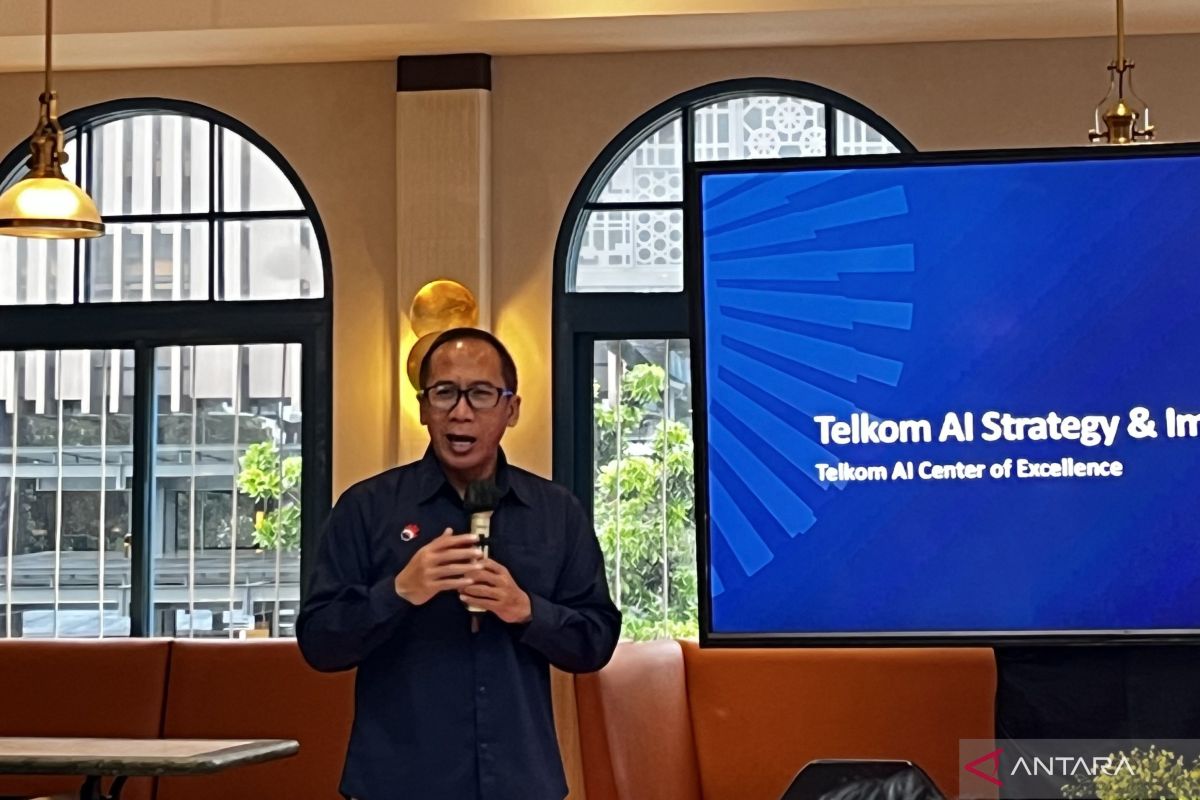
PT Telkom Indonesia cautioned employees against uploading internal company documents to public AI platforms like ChatGPT and Gemini, citing risks of sensitive data being stored on external servers and potential data leakage. The company is developing an internal AI chatbot to mitigate these risks.[AI generated]

Why's our monitor labelling this an incident or hazard?

The event involves AI systems (public AI applications like ChatGPT) and concerns the use of these systems in a way that could plausibly lead to data leakage, a form of harm to property or business interests. Since no actual data breach or harm has been reported yet, but the risk is credible and foreseeable, this qualifies as an AI Hazard. The article is a warning and advisory about potential harm rather than a report of an incident or a complementary update on a past event.[AI generated]
AI principles
Privacy & data governanceRobustness & digital security

Industries
IT infrastructure and hostingDigital security

Affected stakeholders
Business

Harm types
Human or fundamental rights

Severity
AI hazard

Business function:
ICT management and information security

AI system task:
Content generationInteraction support/chatbots


Articles about this incident or hazard

Thumbnail Image

Telkom Bangun Platform AI Vertikal, Jamin Keamanan Data Bisnis

2026-03-02
tirto.id
Why's our monitor labelling this an incident or hazard?
The article involves AI systems explicitly, discussing large language models and AI platforms. It focuses on the potential risk of data leakage when using public AI services, which could plausibly lead to harm (data breaches, competitive disadvantage). However, no actual harm or incident is reported. The company's initiative to build a secure AI platform is a governance and technical response to these concerns. Thus, the event does not meet the criteria for AI Incident or AI Hazard but fits the definition of Complementary Information, as it informs about ongoing AI ecosystem developments and risk mitigation strategies.
Thumbnail Image

Telkom ingatkan risiko kebocoran data dari penggunaan AI publik

2026-03-02
ANTARA News - The Indonesian News Agency
Why's our monitor labelling this an incident or hazard?
The event involves AI systems (public AI applications like ChatGPT) and concerns the use of these systems in a way that could plausibly lead to data leakage, a form of harm to property or business interests. Since no actual data breach or harm has been reported yet, but the risk is credible and foreseeable, this qualifies as an AI Hazard. The article is a warning and advisory about potential harm rather than a report of an incident or a complementary update on a past event.
Thumbnail Image

Waspada data bocor karena pakai AI publik - ANTARA News Kalimantan Timur

2026-03-02
Antara News
Why's our monitor labelling this an incident or hazard?
The event involves the use of AI systems (public AI platforms) and the potential for harm (data leakage) due to their use in handling sensitive company information. Since no actual harm has occurred yet but there is a credible risk of data leakage and associated harms, this qualifies as an AI Hazard. The article warns about plausible future harm from AI use rather than reporting an incident or a response to one.
Thumbnail Image

Telkom Wanti-Wanti Risiko Kebocoran Data dari ChatGPT dan AI Publik |Republika Online

2026-03-02
Republika Online
Why's our monitor labelling this an incident or hazard?
The article involves AI systems (public AI chatbots and an internal AI chatbot) and discusses risks related to data leakage from using public AI platforms. However, no actual data breach or harm has occurred yet; the focus is on preventing potential harm. This constitutes a plausible risk of harm (data leakage) due to AI use, making it an AI Hazard rather than an Incident. The company's response and policy enforcement are measures to mitigate this hazard.