Controversy Over Palantir's AI Use in Argentina and Military Applications Abroad

Thumbnail Image

The information displayed in the AIM should not be reported as representing the official views of the OECD or of its member countries.

In Argentina, political figures clashed over a proposed contract with Palantir, raising concerns about potential AI-driven mass data collection and threats to civil rights. Internationally, Palantir's AI systems have been used for military surveillance and targeting, sparking debates about the ethical implications and risks of lethal autonomous technologies.[AI generated]

Why's our monitor labelling this an incident or hazard?

The article explicitly mentions AI systems (e.g., the Maven system with computer vision analyzing drone and satellite footage) used by the U.S. military to identify targets and patterns, which have been linked to lethal military actions. This constitutes direct or indirect harm to persons. The use of AI for surveillance in betting markets to detect insider trading also involves AI systems impacting regulatory compliance and market fairness, which can be considered harm to communities or property. The legal dispute over confidential AI-related information further underscores the significance of AI system development and use. These factors combined meet the criteria for an AI Incident, as the AI systems' use has directly or indirectly led to harms as defined in the framework.[AI generated]
AI principles
Privacy & data governanceSafety

Industries
Government, security, and defence

Affected stakeholders
General public

Harm types
Human or fundamental rightsPublic interestPhysical (death)

Severity
AI incident

Business function:
ICT management and information security

AI system task:
Recognition/object detectionEvent/anomaly detection


Articles about this incident or hazard

Thumbnail Image

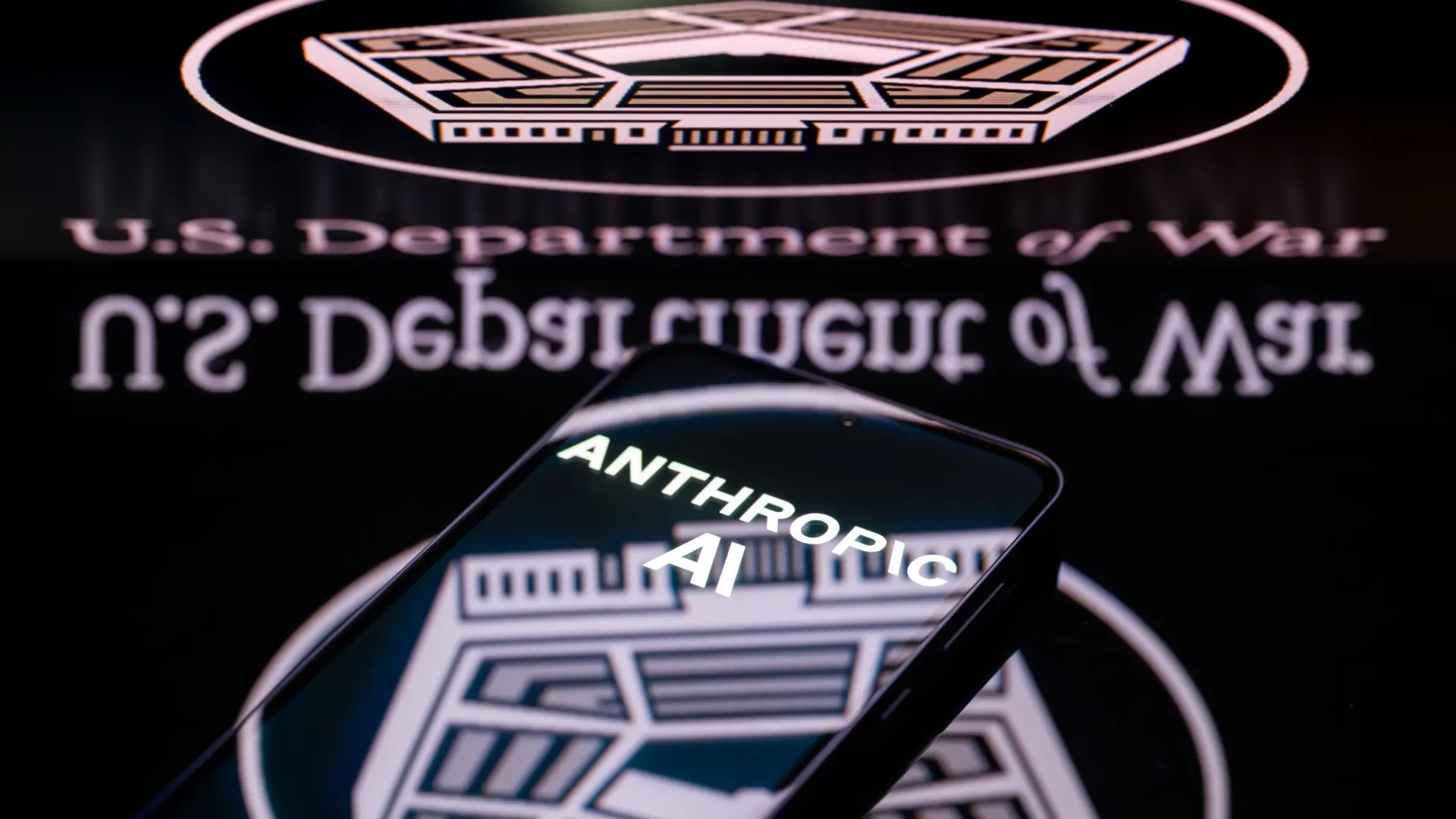
Silicon Valley planta cara al Pentágono por el control de la inteligencia artificial

2026-03-15
20 minutos
Why's our monitor labelling this an incident or hazard?
While the article involves AI systems (Anthropic's AI models) and their intended use in military applications, it does not describe any realized harm, injury, violation of rights, or disruption caused by these AI systems. Instead, it focuses on a legal and strategic dispute over the control and permissible uses of AI in defense. There is no indication that the AI systems have malfunctioned or been misused to cause harm, nor that there is an imminent or plausible risk of harm detailed in the article. Therefore, the event is best classified as Complementary Information, as it provides important context and governance-related developments about AI use in defense but does not describe an AI Incident or AI Hazard.
Thumbnail Image

Entre la defensa y las apuestas: Palantir amplía el horizonte de la IA tras el veto a Anthropic

2026-03-15
Business Insider
Why's our monitor labelling this an incident or hazard?
The article explicitly mentions AI systems (e.g., the Maven system with computer vision analyzing drone and satellite footage) used by the U.S. military to identify targets and patterns, which have been linked to lethal military actions. This constitutes direct or indirect harm to persons. The use of AI for surveillance in betting markets to detect insider trading also involves AI systems impacting regulatory compliance and market fairness, which can be considered harm to communities or property. The legal dispute over confidential AI-related information further underscores the significance of AI system development and use. These factors combined meet the criteria for an AI Incident, as the AI systems' use has directly or indirectly led to harms as defined in the framework.
Thumbnail Image

Escándalo Palantir: Bullrich, Karina Milei y la lucha por el control de datos en Argentina

2026-03-14
Head Topics
Why's our monitor labelling this an incident or hazard?
Palantir is an AI system specializing in large-scale data analysis and integration, which is explicitly mentioned. The article focuses on political opposition and societal concerns about the government's possible use of Palantir's AI system to collect and analyze citizens' data, potentially infringing on constitutional rights and civil liberties. No actual harm or incident has been reported yet, but the credible risk of future harm to rights and privacy is clearly articulated. Hence, the event fits the definition of an AI Hazard, as it plausibly could lead to violations of rights and harm to communities if implemented as feared.