AI-Generated Short Dramas Cause Industry Disruption and Rights Violations in China

Thumbnail Image

The information displayed in the AIM should not be reported as representing the official views of the OECD or of its member countries.

The rapid adoption of AI-generated short dramas in China has led to significant industry disruption, including economic losses for human actors and creators, widespread project cancellations, and intellectual property rights violations due to unauthorized use of actor likenesses. These harms are directly linked to the use of AI systems in content production.[AI generated]

Why's our monitor labelling this an incident or hazard?

The article explicitly describes AI systems generating content that has led to disputes over actor likeness rights, which is a violation of intellectual property and personality rights, a recognized harm under the framework. It also documents economic harm to actors and production staff from job displacement caused by AI-generated productions requiring fewer human roles. These harms are materialized and ongoing, not merely potential. The AI involvement is clear in the use of generative AI for creating virtual actors and content. Hence, the event meets the criteria for an AI Incident rather than a hazard or complementary information.[AI generated]
AI principles
AccountabilityRespect of human rights

Industries
Media, social platforms, and marketing

Affected stakeholders
WorkersBusiness

Harm types
Economic/Property

Severity
AI incident

Business function:
Other

AI system task:
Content generation


Articles about this incident or hazard

Thumbnail Image

【娱乐吃瓜】低成本AI影视作品会淘汰谁?这个岗位最危险

2026-03-12
早报
Why's our monitor labelling this an incident or hazard?
The article explicitly describes AI systems generating content that has led to disputes over actor likeness rights, which is a violation of intellectual property and personality rights, a recognized harm under the framework. It also documents economic harm to actors and production staff from job displacement caused by AI-generated productions requiring fewer human roles. These harms are materialized and ongoing, not merely potential. The AI involvement is clear in the use of generative AI for creating virtual actors and content. Hence, the event meets the criteria for an AI Incident rather than a hazard or complementary information.
Thumbnail Image

短剧还没干掉电影,先被AI干掉了?

2026-03-13
culture.online.sh.cn
Why's our monitor labelling this an incident or hazard?
The article clearly involves AI systems used in the creation and production of short dramas, indicating AI's role in transforming the industry. However, it does not describe any direct or indirect harm caused by these AI systems, nor does it present a credible imminent risk of harm. The discussion centers on industry changes, economic impacts, and professional concerns, which align with the definition of Complementary Information. There is no mention of injury, rights violations, or other harms that would qualify as an AI Incident, nor is there a specific plausible future harm scenario that would qualify as an AI Hazard. Thus, the classification as Complementary Information is appropriate.
Thumbnail Image

商单增加三四倍,头部公司竞相抛橄榄枝,《霍去病》吹响短剧变革前哨!AI真人短剧或将在暑期迎爆发

2026-03-11
新浪财经
Why's our monitor labelling this an incident or hazard?
The event involves AI systems explicitly used for generating video content and transforming the film industry. However, the article does not describe any realized harm such as injury, rights violations, or disruption caused by these AI systems. It mainly reports on the commercial success, industry impact, and societal responses to AI-generated content, which fits the definition of Complementary Information. There is no indication of an AI Incident or AI Hazard as no harm or plausible future harm is described. The focus is on industry trends, technological progress, and workforce implications, which provide context and understanding rather than reporting a new harm or risk.
Thumbnail Image

饭还没吃上锅被掀了!短剧行业迎来"AI巨变时刻"

2026-03-13
华龙网
Why's our monitor labelling this an incident or hazard?
The article explicitly involves AI systems used to generate short drama content, replacing human actors and reducing production costs. The harms include economic losses to human actors and creators, industry-wide financial losses, and potential intellectual property rights violations from unauthorized use of actors' likenesses. These harms are materialized and ongoing, not just potential. The AI systems' use in production and content generation is the direct cause of these harms, fulfilling the criteria for an AI Incident. The article does not merely discuss potential future risks or responses but reports on actual industry disruption and harm caused by AI.
Thumbnail Image

当前影视行业应如何利用AI技术来提升创作效率和质量?

2026-03-13
k.sina.com.cn
Why's our monitor labelling this an incident or hazard?
The content is primarily an informative discussion on the application and potential of AI in the film industry to improve efficiency and quality. It does not describe any event where AI caused harm or a risk of harm, nor does it report on a response to an AI incident or hazard. Therefore, it fits the definition of Complementary Information as it provides context, insights, and recommendations related to AI's role in the industry without reporting an AI Incident or AI Hazard.
Thumbnail Image

AI来袭,短剧顶流如何破局?真人演员与AI的共生之路怎么走?_作品_仿真_陈添祥

2026-03-13
k.sina.com.cn
Why's our monitor labelling this an incident or hazard?
The article involves AI systems (AI video generation and AI-generated realistic characters) and their use in content creation. However, it does not describe any realized harm or incident caused by AI, nor does it describe a plausible future harm event. Instead, it provides an overview of industry trends, technological progress, and the evolving relationship between AI and human actors. This fits the definition of Complementary Information, as it provides context and understanding of AI's impact on the entertainment ecosystem without reporting an incident or hazard.
Thumbnail Image

AI短剧逼近真人影视流畅度 业内人士:中腰部演员或无戏可拍

2026-03-13
k.sina.com.cn
Why's our monitor labelling this an incident or hazard?
The event involves AI systems used in content creation and virtual acting, which is explicitly mentioned. The harm described is potential economic and employment harm to mid-level actors, which is a plausible future harm stemming from AI use in the entertainment industry. Since no actual harm has yet occurred but there is a credible risk of harm to actors' employment, this fits the definition of an AI Hazard rather than an AI Incident. The article does not report any realized harm or legal violations, nor does it focus on responses or updates to prior incidents, so it is not Complementary Information. It is not unrelated because AI systems are central to the event.
Thumbnail Image

AI取代真人?微短剧业内不这么看_青网新娱乐频道_中国青年网

2026-03-13
k.sina.com.cn
Why's our monitor labelling this an incident or hazard?
The article does not describe any specific event where AI caused harm or a plausible risk of harm. It mainly provides complementary information about the evolving role of AI in content creation within the micro-short drama industry, including industry reactions and future outlooks. Therefore, it fits the category of Complementary Information rather than an AI Incident or AI Hazard.
Thumbnail Image

AI仿真人短剧的制作成本为何能低至3000元,效果还如此逼真?

2026-03-13
k.sina.com.cn
Why's our monitor labelling this an incident or hazard?
The article explicitly discusses AI systems used in content creation (digital actors, generative AI for scenes, AI-driven editing, and voice synthesis) and their transformative effects on the film industry. However, it does not report any direct or indirect harm resulting from these AI systems, nor does it describe any plausible future harm or risk scenario. Instead, it focuses on the benefits, challenges, and industry changes associated with AI adoption. This aligns with the definition of Complementary Information, which includes updates and contextual information about AI developments and their societal and economic impacts without constituting an incident or hazard.
Thumbnail Image

刚刚上桌的短剧顶流,被AI抄了后路?

2026-03-13
k.sina.com.cn
Why's our monitor labelling this an incident or hazard?
The article explicitly describes AI systems (AIGC technology, AI simulated human actors) being used to generate short dramas that are rapidly gaining market dominance and threatening the employment and career prospects of human actors. This is a clear example of AI system use with potential to cause harm (economic and professional harm to actors) in the near future. However, no actual harm or incident (such as actors losing jobs or other direct negative outcomes) is reported as having occurred yet. The focus is on the plausible future disruption and displacement risk posed by AI-generated content. Thus, the event fits the definition of an AI Hazard rather than an AI Incident or Complementary Information.
Thumbnail Image

短剧十字路口:AI来了,他们还在拍真人

2026-03-14
k.sina.com.cn
Why's our monitor labelling this an incident or hazard?
The article centers on the evolving influence of AI technology in the short drama sector, particularly the emergence of AI video generation models that could transform production processes. However, it does not describe any direct or indirect harm resulting from AI system development, use, or malfunction. Instead, it offers an overview of industry dynamics, strategic choices by creators, and the coexistence of AI and human-driven content creation. This aligns with the definition of Complementary Information, as it enhances understanding of AI's impact on the ecosystem without reporting a specific AI Incident or AI Hazard.
Thumbnail Image

爱奇艺龚宇说AI带来影视春天?却被《逐玉》撕开遮羞布:内容才是王道

2026-03-14
k.sina.com.cn
Why's our monitor labelling this an incident or hazard?
The article involves AI systems in the context of content creation and data analytics for viewership, which can be reasonably inferred as AI systems influencing the industry. However, no direct or indirect harm such as injury, rights violations, or significant community harm is reported. The issues raised are about potential negative impacts on artistic quality and audience experience, but these are not framed as realized harms or incidents. The article serves more as a societal and industry reflection on AI's role and challenges, without reporting a concrete AI Incident or AI Hazard. Therefore, it fits best as Complementary Information, providing context and critique relevant to AI's ecosystem in media.
Thumbnail Image

短剧行业大洗牌!AI真人剧兵临城下,浦东押注500亿新赛道

2026-03-13
k.sina.com.cn
Why's our monitor labelling this an incident or hazard?
The event involves AI systems used for content generation (AI real-person dramas and AI-generated animations), but there is no indication of any direct or indirect harm resulting from their development or use. The article mainly reports on industry trends, investments, policy measures, and ecosystem building around AI content generation. Therefore, it fits the definition of Complementary Information as it provides context and updates on AI's impact on the content industry without describing any AI Incident or AI Hazard.
Thumbnail Image

德不配位必有灾殃?张颂文硬气回应,冯远征说的话终于有人信了_手机网易网

2026-03-14
m.163.com
Why's our monitor labelling this an incident or hazard?
The article mentions AI systems used for generating or altering actor appearances (AI face replacement) and AI-generated short dramas, which qualifies as AI system involvement. However, there is no direct or indirect harm reported, such as injury, rights violations, or disruption. The discussion is about the evolving role of AI and its impact on the industry and audience perception, without describing an incident or hazard event. Therefore, this is best classified as Complementary Information, providing context and societal response to AI's growing presence in entertainment.
Thumbnail Image

侵权擦边乱象并存,AI短剧如何"卷"出未来?

2026-03-14
扬子网(扬子晚报)
Why's our monitor labelling this an incident or hazard?
The article explicitly describes AI systems generating short dramas that use unauthorized actor likenesses, constituting intellectual property rights violations. It also details the economic impact on actors, especially mid-level ones, who are losing work due to AI-generated content. These are direct harms caused by the use of AI systems in production. The article also discusses ethical issues with content crossing boundaries, which can be considered harm to communities or rights. Hence, the event meets the criteria for an AI Incident due to realized harms linked to AI system use.
Thumbnail Image

2026年,短剧AI化,长剧"非遗化"?

2026-03-14
k.sina.com.cn
Why's our monitor labelling this an incident or hazard?
The article clearly involves AI systems in the context of content production automation and cost reduction, which implies AI system use. However, it does not report any direct or indirect harm resulting from AI use, such as injury, rights violations, or disruption. Nor does it highlight a credible risk of such harms occurring. The focus is on economic and industrial shifts, which are not classified as harms under the AI Incident or AI Hazard definitions. Therefore, this is best classified as Complementary Information, providing context and analysis of AI's impact on the media industry without reporting an incident or hazard.
Thumbnail Image

AI技术持续突破视频生成天花板,浦东发力打造AIGC内容产业发展高地

2026-03-14
新浪财经
Why's our monitor labelling this an incident or hazard?
The event involves AI systems (generative AI for video content) but does not describe any harm or potential harm caused by these systems. There is no indication of injury, rights violations, disruption, or other harms. The article mainly provides updates on industry growth, policy measures, and investment activities, which fit the definition of Complementary Information. Therefore, the classification is Complementary Information rather than an Incident or Hazard.
Thumbnail Image

Giới làm phim ngắn trở tay không kịp vì 'cơn lốc' AI

2026-03-17
vnexpress.net
Why's our monitor labelling this an incident or hazard?
The article explicitly discusses the use of AI technology to produce short films that simulate real humans, replacing traditional live-action filming processes. This has caused companies to cancel projects involving human actors and reduce or eliminate roles such as coordinators, leading to job losses and changes in employment conditions. The AI system's deployment is directly linked to these harms, fulfilling the criteria for an AI Incident involving violations of labor rights and harm to communities. The harm is realized and ongoing, not merely potential, as evidenced by workers losing jobs and companies restructuring due to AI adoption.
Thumbnail Image

Giới làm phim ngắn tại Trung Quốc chao đảo trước "cơn lốc" AI: Người trở tay không kịp, người tìm thấy "mỏ vàng"

2026-03-18
Đời sống pháp luật
Why's our monitor labelling this an incident or hazard?
The event involves AI systems explicitly used in film production, causing direct economic harm to workers through job displacement and changes in employment conditions. This constitutes harm to groups of people (workers losing jobs), fulfilling the criteria for an AI Incident. The article describes realized harm rather than potential harm, and the AI's role is pivotal in causing these labor market changes. Therefore, the classification is AI Incident.
Thumbnail Image

AI tái tạo hình ảnh tài tử Val Kilmer

2026-03-19
vnexpress.net
Why's our monitor labelling this an incident or hazard?
The AI system is involved in generating digital likeness and voice reconstruction, which is a clear AI application. However, the use is authorized and intended to honor the actor's legacy, with no reported injury, rights violation, or other harm. The article focuses on the production and ethical considerations rather than any harm or risk. Therefore, this event does not meet the criteria for an AI Incident or AI Hazard. It is best classified as Complementary Information, providing context on AI's role and governance in creative industries.
Thumbnail Image

Kết hợp công nghệ - pháp lý để quản lý phim trực tuyến

2026-03-20
Báo Nhân Dân điện tử
Why's our monitor labelling this an incident or hazard?
The article primarily discusses the deployment of AI for content monitoring and regulatory compliance in online film distribution, emphasizing preventive and management measures rather than any realized harm or risk. There is no indication of an AI system causing or potentially causing harm, nor is there mention of an incident or hazard. Therefore, this is best classified as Complementary Information, providing context on AI's role in governance and content control without describing an AI Incident or AI Hazard.
Thumbnail Image

Minh tinh Dương Tử lên án phim AI xâm phạm quyền lợi

2026-03-21
vnexpress.net
Why's our monitor labelling this an incident or hazard?
The event explicitly involves an AI system used to generate a film character's image closely resembling a real person without authorization, which infringes on her rights. This is a direct violation of intellectual property and personal rights, fitting the definition of harm under category (c) "Violations of human rights or a breach of obligations under the applicable law intended to protect fundamental, labor, and intellectual property rights." The AI system's use directly led to this harm, and legal action is underway. Therefore, this is classified as an AI Incident.
Thumbnail Image

Diễn viên phụ Trung Quốc đối mặt nguy cơ thất nghiệp vì AI

2026-03-20
VOV.vn
Why's our monitor labelling this an incident or hazard?
The article describes a plausible future harm scenario where AI could replace human actors in supporting roles, leading to job losses and economic disruption for those workers. This is a credible risk stemming from the use and development of AI systems for content generation. However, no actual harm or incident has occurred yet, and the article mainly presents industry trends, expert opinions, and market data forecasting this shift. Therefore, it fits the definition of an AI Hazard rather than an AI Incident or Complementary Information.
Thumbnail Image

法院认为,被诉涉案片段并非AI换脸引发的偶发性"撞脸",而是A公司使用原告肖像利用深度合成技术生成的结果。 [全文]

2026-03-21
bjnews.com.cn
Why's our monitor labelling this an incident or hazard?
The event explicitly involves an AI system (deep synthesis technology for face swapping) used to generate video content that infringed on the plaintiff's portrait rights, causing harm through unauthorized use and public misrecognition. The court ruling confirms the harm and legal violation caused by the AI-generated content. Therefore, this qualifies as an AI Incident because the AI system's use directly led to a violation of human rights (portrait rights) and economic harm to the plaintiff.
Thumbnail Image

两江评 | 别让AI短剧沦为"盗脸"生意

2026-03-19
华龙网
Why's our monitor labelling this an incident or hazard?
The event involves the use of AI systems to generate short drama content that unlawfully uses individuals' facial images and designs without permission, directly infringing on their portrait rights and intellectual property rights. This constitutes a violation of human rights and legal obligations protecting personal and intellectual property rights, fulfilling the criteria for an AI Incident. The harm is realized, not just potential, as the content was widely viewed and has been taken down only after complaints, indicating actual infringement and damage. The article also discusses the broader negative impact on the industry and individuals, reinforcing the classification as an AI Incident rather than a hazard or complementary information.
Thumbnail Image

短剧角色AI换脸"神似"知名演员,制作方、播出方被判侵权

2026-03-20
凤凰网(凤凰新媒体)
Why's our monitor labelling this an incident or hazard?
The event explicitly involves the use of an AI system (AI face-swapping technology) in the creation of content that led to a violation of the actor's portrait rights, a legally protected personal right. The AI system's use directly caused harm by misleading the public into believing the actor participated in the short drama, damaging the actor's rights and reputation. The court's ruling confirms the harm and the AI system's pivotal role in causing it. Therefore, this qualifies as an AI Incident under the framework, as it involves direct harm to a person's rights caused by the use of an AI system.
Thumbnail Image

香港国际影视展 | AI演员引发"人山人海"争议,"冒犯"的边界在哪里?

2026-03-19
扬子网(扬子晚报)
Why's our monitor labelling this an incident or hazard?
The AI system is explicitly involved in generating synthetic actors by combining facial features of multiple celebrities, which has led to public backlash and legal scrutiny over potential portrait and personality rights infringements. The harms include violation of intellectual property and personality rights, public confusion, and ethical concerns in the industry, all of which are direct consequences of the AI system's use. The article details these harms and the ongoing legal and ethical challenges, meeting the criteria for an AI Incident as the AI system's use has directly led to violations and harm to rights and communities.
Thumbnail Image

AI艺人被指撞脸多位明星 肖像权争议引热议

2026-03-19
中华网科技公司
Why's our monitor labelling this an incident or hazard?
An AI system is involved as the digital artists are AI-generated, combining facial features of multiple celebrities. The event discusses the potential for legal harm (portrait rights infringement) that could plausibly arise from the use of these AI-generated images, especially if they are recognizable and used without consent. However, no actual harm or legal incident has been confirmed or reported yet. Therefore, this situation represents a plausible future risk of harm related to AI use, fitting the definition of an AI Hazard rather than an AI Incident or Complementary Information.
Thumbnail Image

AI数字艺人撞脸明星算不算侵犯肖像权 法律争议引热议

2026-03-20
中华网科技公司
Why's our monitor labelling this an incident or hazard?
The event involves AI systems (AI digital artists) whose use raises legal concerns about possible infringement of portrait rights, which is a violation of intellectual property and personal rights. However, the article does not describe any realized harm or confirmed infringement but rather discusses the potential for such harm and the legal considerations involved. Therefore, this constitutes an AI Hazard, as the development and use of AI digital artists that resemble real individuals could plausibly lead to legal harm (infringement of portrait rights) in the future.
Thumbnail Image

[详细]

2026-03-20
大洋网
Why's our monitor labelling this an incident or hazard?
The event involves AI systems generating digital human likenesses and voices that have led to legal disputes and court rulings confirming infringement of portrait and voice rights. These infringements constitute violations of fundamental rights protected by law, fulfilling the criteria for an AI Incident. The harms are direct consequences of AI system use (development and deployment of AI digital artists and voice cloning). The article also discusses legal responses and remedies, but the primary focus is on the realized harm and legal findings, not just complementary information. Hence, the classification is AI Incident.
Thumbnail Image

新浪AI热点小时报丨2026年03月21日13时_今日实时AI热点速递

2026-03-21
k.sina.com.cn
Why's our monitor labelling this an incident or hazard?
The article explicitly describes an AI system (AI face-swapping technology) being used to create unauthorized likenesses of a known actor, leading to a court ruling of infringement and compensation. This is a direct violation of intellectual property and personal rights, fitting the definition of an AI Incident. Other AI-related news items in the article do not describe realized harm or plausible future harm but rather provide context or industry updates, which would be Complementary Information or Unrelated if considered alone. Since incidents take priority over hazards or complementary info, the presence of this legal infringement case justifies classifying the entire article as an AI Incident.
Thumbnail Image

短剧角色AI换脸"神似"知名演员,法院判制作方和播出方侵权

2026-03-21
k.sina.com.cn
Why's our monitor labelling this an incident or hazard?
The event explicitly involves the use of AI face-swapping technology (an AI system) to generate content that infringed on the actor's portrait rights, a legally protected personal right. The AI system's use directly caused harm by misleading the public into believing the actor participated in the short drama, thus violating their rights and causing reputational and economic harm. The court ruling confirms the harm and liability, establishing a direct causal link between the AI system's use and the infringement. Therefore, this event meets the definition of an AI Incident due to the direct harm to a person's rights caused by the AI system's use.
Thumbnail Image

多位演员曾遭短剧AI换脸

2026-03-21
新浪财经
Why's our monitor labelling this an incident or hazard?
The event explicitly involves AI systems used to generate unauthorized deepfake videos, which directly infringe on actors' portrait rights and cause reputational harm. The legal rulings confirm the harm has occurred and the AI's role is pivotal in causing these violations. Therefore, this qualifies as an AI Incident due to realized harm (violation of rights) caused by the AI system's use.
Thumbnail Image

如何看待韩安冉签约AI虚拟演员这个商业决定,是明智还是炒作?

2026-03-21
k.sina.com.cn
Why's our monitor labelling this an incident or hazard?
The event involves an AI system (AI virtual actor) used with authorized data to generate content, which is a clear AI application. However, the article mainly discusses the commercial decision, legal compliance, ethical debates, and future implications without describing any realized harm or direct risk of harm. There is no indication of injury, rights violations, or disruption caused by the AI system, nor a credible imminent risk of such harm. Therefore, it does not meet the criteria for AI Incident or AI Hazard. Instead, it provides contextual and governance-related information about AI use in entertainment, making it Complementary Information.
Thumbnail Image

使用"AI换脸"是否会侵犯自然人肖像权?

2026-03-20
k.sina.com.cn
Why's our monitor labelling this an incident or hazard?
The content centers on the legal framework and ethical considerations surrounding AI face-swapping technology, describing how misuse can infringe on portrait rights. However, it does not describe a specific incident where AI use has directly or indirectly caused harm, nor does it report a plausible future harm event or a governance response to a particular AI incident. Instead, it provides explanatory information about potential legal risks and exceptions related to AI-generated deepfakes. Therefore, it fits best as Complementary Information, enhancing understanding of AI-related legal issues without reporting a concrete AI Incident or AI Hazard.
Thumbnail Image

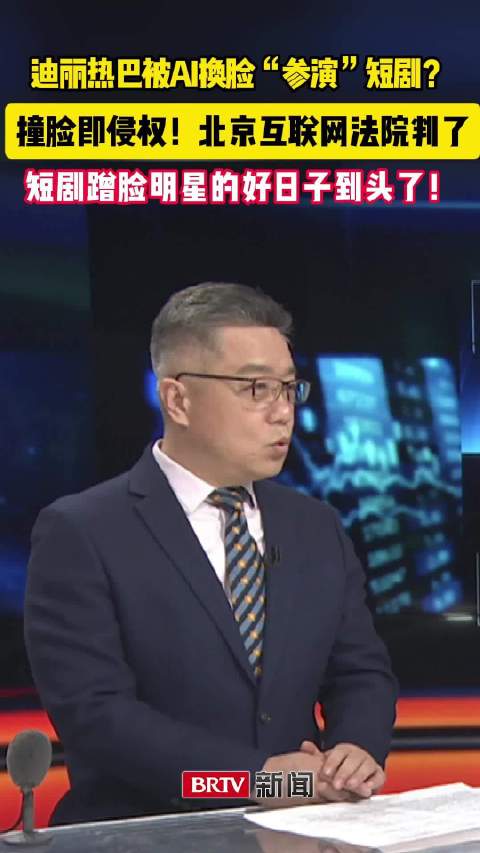
迪丽热巴被短剧AI换脸,北京法院判了

2026-03-20
新浪财经
Why's our monitor labelling this an incident or hazard?
The event involves the use of AI deepfake technology (an AI system) to create images highly similar to a real person without authorization, which directly infringes on the actor's portrait rights, a violation of fundamental rights under applicable law. The court ruling confirms the harm caused by the AI system's use. Therefore, this qualifies as an AI Incident because the AI system's use directly led to a violation of rights and economic harm.
Thumbnail Image

AI艺人'融脸式'侵权中的'可识别性'法律标准具体是如何界定的?

2026-03-20
k.sina.com.cn
Why's our monitor labelling this an incident or hazard?
The article centers on the interpretation and application of legal standards regarding AI-generated images and their potential to infringe on personal rights. It references court cases and legal principles but does not describe a new incident or hazard involving AI systems causing harm or posing a plausible risk of harm. Instead, it elaborates on existing judicial approaches, technical challenges, and legislative gaps, which fits the definition of Complementary Information as it enhances understanding of AI's societal and legal impacts without reporting a new harm or risk event.
Thumbnail Image

短剧AI换脸迪丽热巴被认定侵权

2026-03-20
新浪财经
Why's our monitor labelling this an incident or hazard?
The event involves the use of AI deepfake technology (an AI system) to create unauthorized content that infringes on the actor's portrait rights, which is a violation of intellectual property and personal rights under applicable law. The harm has materialized as the court recognized the infringement and ordered compensation and apology. Therefore, this qualifies as an AI Incident due to the direct harm caused by the AI system's use in generating unauthorized likenesses.
Thumbnail Image

迪丽热巴起诉AI换脸短剧胜诉

2026-03-20
k.sina.com.cn
Why's our monitor labelling this an incident or hazard?
The event involves the use of an AI system (deepfake AI face-swapping technology) to create content that infringed on the actor's portrait rights, a legally protected personal right. The AI-generated images were used without authorization, causing harm to the actor's rights and misleading the public. The court ruling confirms the harm and the AI system's role in causing it. This fits the definition of an AI Incident because the AI system's use directly led to a violation of fundamental rights (portrait rights) and caused harm to the individual.
Thumbnail Image

AI艺人撞脸明星可能侵权

2026-03-20
k.sina.com.cn
Why's our monitor labelling this an incident or hazard?
The article explicitly discusses AI-generated digital artists whose facial features closely match those of real celebrities, potentially infringing on their portrait rights. This involves the use of AI systems for generating likenesses that can be recognized by the public as specific individuals, which constitutes a violation of intellectual property and personal rights. Since the harm (infringement of portrait rights) is either occurring or highly plausible due to the AI system's use, this qualifies as an AI Incident under the definition of violations of human rights or breach of legal obligations protecting intellectual property rights.
Thumbnail Image

AI生成的虚拟形象"撞脸"真人,在哪些情况下会构成肖像权侵权?

2026-03-20
k.sina.com.cn
Why's our monitor labelling this an incident or hazard?
The article clearly describes harms caused by AI-generated virtual images that imitate real people, leading to violations of portrait rights, commercial exploitation, and reputational damage. These harms are directly linked to the use of AI systems generating these images. The discussion of legal standards, enforcement challenges, and platform responsibilities further confirms the AI system's role in causing or enabling these harms. Hence, this qualifies as an AI Incident under the framework, as the AI system's use has directly led to violations of rights and associated harms.
Thumbnail Image

短剧角色AI换脸"神似"知名演员,是偶然"撞脸"还是故意侵权?

2026-03-20
新浪财经
Why's our monitor labelling this an incident or hazard?
The event involves the use of an AI system (AI face-swapping technology) in the production of short drama videos. The AI system's outputs directly caused harm by infringing the actor's portrait rights, misleading the public, and causing reputational and economic damage. The court's findings confirm that the AI-generated images were not accidental but intentionally created using the actor's likeness, constituting a violation of rights. This meets the definition of an AI Incident as the AI system's use directly led to a violation of fundamental rights (portrait rights) and caused harm to the individual. The involvement is not speculative or potential but realized and legally recognized harm.
Thumbnail Image

AI演员出道,撞脸多位明星!网友直言......

2026-03-19
k.sina.com.cn
Why's our monitor labelling this an incident or hazard?
The article explicitly involves AI systems generating virtual actors and content that closely mimic real individuals, leading to legal risks of portrait rights infringement and unfair competition, which are violations of intellectual property and personal rights under applicable law. The harms are realized as evidenced by public resistance, legal warnings from lawyers, and the removal of infringing AI-generated content from platforms. Therefore, this event meets the criteria for an AI Incident because the AI system's use has directly led to violations of rights and associated harms.
Thumbnail Image

AI演员出道,撞脸多位明星!律师:或涉嫌侵权

2026-03-19
新浪财经
Why's our monitor labelling this an incident or hazard?
The AI system is explicitly involved in generating virtual actors that closely mimic real celebrities' appearances and voices, used commercially without consent. This use directly implicates legal rights such as portrait rights and fair competition laws, indicating realized or ongoing harm. The event thus qualifies as an AI Incident because the AI system's use has directly led to violations of rights and potential legal harm, not merely a potential or future risk. The detailed legal analysis and public reaction confirm the harm is materialized and significant.
Thumbnail Image

AI演员冒犯的边界在哪里?

2026-03-19
新浪财经
Why's our monitor labelling this an incident or hazard?
The article centers on the legal implications and potential risks of AI-generated digital actors resembling real people, which is a discussion of plausible future harms and legal boundaries rather than a report of an actual AI incident or hazard. There is no indication that any harm has yet occurred or that a specific AI system malfunctioned or was misused to cause harm. Therefore, this is best classified as Complementary Information, providing context and expert analysis on AI-related legal and ethical issues without describing a concrete AI Incident or AI Hazard.
Thumbnail Image

AI演员出道,撞脸多位明星!网友直言......

2026-03-19
k.sina.com.cn
Why's our monitor labelling this an incident or hazard?
The AI system is explicitly involved in generating virtual actors and content that closely mimic real individuals, which has directly led to legal risks and actual content removal due to infringement claims. This meets the definition of an AI Incident because the AI system's use has directly caused violations of rights (portrait and copyright), which are harms under the framework. The article details realized harm and legal consequences, not just potential risks or general commentary, so it is not merely a hazard or complementary information.
Thumbnail Image

AI演员出道,撞脸多位明星!网友直言......

2026-03-19
新浪财经
Why's our monitor labelling this an incident or hazard?
The event explicitly involves AI systems used to create digital actors and AI-generated content that closely mimic real individuals, leading to unauthorized use of likenesses and potential infringement of portrait and copyright rights. These actions have caused realized harm through legal risks, public resistance, and content takedown, fitting the definition of an AI Incident due to violations of intellectual property and personal rights (harm category c). The AI system's use in generating these likenesses is central to the harm described, not merely background or potential risk, thus it is not a hazard or complementary information.
Thumbnail Image

AI演员出道,撞脸多位明星!网友直言......

2026-03-19
新浪财经
Why's our monitor labelling this an incident or hazard?
The article explicitly involves AI systems generating digital actors and content that closely mimic real celebrities and original works, leading to legal risks of portrait rights infringement and unfair competition. The AI-generated content has been used commercially and caused harm to the rights holders, including the removal of infringing content. This constitutes a violation of human and intellectual property rights (harm category c) directly caused by the use of AI systems. Therefore, this qualifies as an AI Incident rather than a hazard or complementary information.
Thumbnail Image

耀客传媒AI演员被疑撞脸多位明星

2026-03-18
新浪财经
Why's our monitor labelling this an incident or hazard?
The article explicitly involves AI systems generating digital actors resembling real celebrities, raising concerns about infringement of portrait rights, which falls under violations of intellectual property and personal rights. However, the article does not report a confirmed AI Incident where harm has already occurred or been legally established. Instead, it discusses the legal framework, challenges in adjudicating such cases, and the need for clearer regulations. This focus on legal interpretation, public reaction, and ongoing judicial practice aligns with the definition of Complementary Information, as it updates on societal and governance responses to AI-related issues without describing a new AI Incident or AI Hazard.
Thumbnail Image

女子刷到"自己"主演的爆款短剧,结果根本没拍过!_手机网易网

2026-03-19
m.163.com
Why's our monitor labelling this an incident or hazard?
The event involves an AI system generating a short drama that used a person's likeness and original creative work without permission, constituting unauthorized use of her image (violation of portrait rights) and potential copyright infringement. The harm has already occurred as the woman's image was used without consent in a widely viewed AI-generated video, and the content was removed after complaints. The AI system's use directly led to these harms, fitting the definition of an AI Incident involving violations of human rights and intellectual property rights.
Thumbnail Image

文化湃|无数容貌缝合的数字幽灵在AI 短剧中游荡,AI 短剧需要一张合规的"脸"

2026-03-21
扬子网(扬子晚报)
Why's our monitor labelling this an incident or hazard?
The event involves AI systems used to create synthetic faces and voices for AI short dramas without authorization, directly infringing on individuals' portrait rights and intellectual property rights, which are recognized legal harms. The article documents actual occurrences of these infringements, including the use of celebrity faces and ordinary people's images, constituting realized harm. The AI system's development and use are central to the harm, as the unauthorized AI-generated content causes violations of rights. Hence, this is an AI Incident rather than a hazard or complementary information. The article also discusses legal and governance responses but the primary focus is on the ongoing infringement caused by AI short dramas, confirming the classification as an AI Incident.
Thumbnail Image

短剧角色AI换脸"神似"知名演员,法院判了

2026-03-21
k.sina.com.cn
Why's our monitor labelling this an incident or hazard?
The event explicitly involves the use of AI face-swapping technology (an AI system) to generate content that caused harm by infringing on the actor's portrait rights, a violation of personal rights protected by law. The harm is realized, as the public was misled and the actor's rights were violated, leading to legal action and court rulings. The AI system's use directly led to this harm, fulfilling the criteria for an AI Incident. The involvement is not merely potential or hypothetical, but actual and legally recognized harm has occurred.
Thumbnail Image

迪丽热巴、杨紫:"追究到底!"

2026-03-21
新浪财经
Why's our monitor labelling this an incident or hazard?
The event explicitly involves AI deepfake technology (AI system) used to generate unauthorized videos with actors' faces, leading to legal findings of infringement of portrait rights (a violation of legal rights). The harm is realized, as evidenced by the court ruling and compensation. The AI system's use directly led to harm (violation of rights and economic loss). This fits the definition of an AI Incident, as the AI system's use caused a breach of legal rights and harm to individuals. The detailed legal response and harm confirmation distinguish this from a mere hazard or complementary information.
Thumbnail Image

新浪AI热点小时报丨2026年03月21日17时_今日实时AI热点速递

2026-03-21
k.sina.com.cn
Why's our monitor labelling this an incident or hazard?
The unauthorized use of AI face-swapping technology to create and distribute videos using Yang Zi's likeness without consent directly infringes on her legal rights, constituting harm under the definition of AI Incident (violation of rights). The AI-generated fake video of a bridge collapse caused public alarm and misinformation, harming the community, also qualifying as an AI Incident. The other reports on humanoid robots and surgical robots describe AI system deployments and advancements without reported harm, fitting the category of complementary information. Since incidents take priority, the overall classification is AI Incident due to the realized harms from unauthorized AI face-swapping and misinformation.
Thumbnail Image

迪丽热巴、杨紫维权:"追究到底!"

2026-03-21
新浪军事频道
Why's our monitor labelling this an incident or hazard?
The event explicitly involves AI deepfake technology used to create unauthorized videos featuring the actors' faces, constituting an AI system. The use of this AI system directly led to harm in the form of violations of portrait rights and reputational harm, which are recognized legal harms under applicable law. The court ruling confirms the infringement and the responsibility of the parties using the AI system. This meets the definition of an AI Incident because the AI system's use directly caused harm to individuals' rights. The event is not merely a potential risk or a complementary update but a concrete case of harm caused by AI misuse.
Thumbnail Image

新浪AI热点小时报丨2026年03月21日22时_今日实时AI热点速递

2026-03-21
k.sina.com.cn
Why's our monitor labelling this an incident or hazard?
The event explicitly involves AI systems used to create unauthorized deepfake videos using an actress's face, which is a direct violation of her legal rights and intellectual property. The harm has materialized as the videos were produced and disseminated, prompting legal action and video takedown. This fits the definition of an AI Incident because the AI system's use directly led to a violation of rights (harm category c).
Thumbnail Image

AI演员技术如何实现明星脸的合成,是否构成了法律侵权?

2026-03-21
k.sina.com.cn
Why's our monitor labelling this an incident or hazard?
The article explicitly describes AI systems (deepfake, GAN) used to generate celebrity faces and voices without consent, leading to legal infringements of portrait and voice rights. It references concrete legal cases where harm has occurred, such as misleading the public and unauthorized use of likeness, which are violations of human rights and intellectual property rights under applicable law. The harms are realized and ongoing, not merely potential. Hence, this qualifies as an AI Incident due to direct involvement of AI in causing legal and reputational harm.
Thumbnail Image

新浪AI热点小时报丨2026年03月21日23时_今日实时AI热点速递

2026-03-21
k.sina.com.cn
Why's our monitor labelling this an incident or hazard?
The event explicitly involves AI systems used for deepfake face swapping technology, which directly led to the unauthorized use of an individual's likeness, infringing on legal rights. The harm is realized (violation of intellectual property and personal rights), and legal action is underway. This fits the definition of an AI Incident because the AI system's use directly caused harm (violation of rights) and the incident is ongoing with legal consequences.
Thumbnail Image

AI演员签约官宣

2026-03-22
k.sina.com.cn
Why's our monitor labelling this an incident or hazard?
The event involves AI systems (AI actors generated via real human modeling) but does not report any realized harm or plausible future harm stemming from the AI's development or use. It is primarily an announcement of a company's compliance and ethical approach to AI actor creation, serving as a positive example in the industry. Therefore, it does not qualify as an AI Incident or AI Hazard. It is not unrelated since it concerns AI technology, but its main focus is on industry developments and governance-related compliance, making it Complementary Information.
Thumbnail Image

"竖店"崛起遇到AI冲击 微短剧行业再寻破局之路

2026-03-23
news.cn
Why's our monitor labelling this an incident or hazard?
The article explicitly mentions AI video generation models that produce realistic videos with high usability, significantly reducing production costs and replacing human actors. This has led to fewer filming projects and employment difficulties for industry workers, which constitutes harm to groups of people (labor rights and economic harm). The AI system's use is directly linked to these harms, fulfilling the criteria for an AI Incident. Although the article also discusses future opportunities and industry responses, the primary focus is on the realized disruption and harm caused by AI use in this sector.
Thumbnail Image

文化新观察|"竖店"崛起遇到AI冲击 微短剧行业再寻破局之路

2026-03-24
新华网
Why's our monitor labelling this an incident or hazard?
The article explicitly mentions the use of AI video generation models that can produce professional and realistic micro-short drama videos at a fraction of the cost of traditional filming, leading to reduced demand for human actors and fewer production crews. This is a clear example of AI use causing disruption and harm to employment and economic conditions in the industry, which falls under harm to groups of people (labor rights and economic harm). Therefore, this event qualifies as an AI Incident due to the realized harm caused by AI system use in the industry.
Thumbnail Image

文化新观察|"竖店"崛起遇到AI冲击 微短剧行业再寻破局之路

2026-03-24
新华网
Why's our monitor labelling this an incident or hazard?
The article explicitly mentions AI video generation models that can produce professional-quality videos at a fraction of the cost of traditional filming, leading to fewer filming crews and actors being employed. This is a direct consequence of AI system use causing economic harm and disruption to the livelihoods of people working in the micro-short drama industry, fulfilling the criteria for harm to groups of people (employment harm) and harm to communities (industry disruption). The AI system's involvement is clear and the harm is realized, not just potential, so this is an AI Incident rather than a hazard or complementary information.
Thumbnail Image

短剧角色AI换脸"神似"知名演员,是偶然"撞脸"还是故意侵权?

2026-03-24
华龙网
Why's our monitor labelling this an incident or hazard?
The event explicitly involves an AI system used for face-swapping in video content creation. The AI system's use directly led to harm by infringing the actor's portrait rights, causing reputational and economic damage. The court's findings confirm the AI-generated likeness was not accidental but intentional, establishing direct causation of harm. This fits the definition of an AI Incident as the AI system's use led to a violation of legal rights (portrait rights) and economic harm. Therefore, the event is classified as an AI Incident.
Thumbnail Image

成本砍至 1/10、肖像侵权 短剧行业遭遇AIGC"大洗...

2026-03-22
东方财富网
Why's our monitor labelling this an incident or hazard?
The event involves the use of AI systems (AI video generation models) that have directly led to harms including portrait rights infringement (a violation of personal rights under applicable law) and economic harm to industry workers due to job displacement. The article reports actual incidents of AI-generated content causing legal and social issues, including content being taken down and public resistance, which qualifies as an AI Incident. The discussion of governance and regulatory needs is complementary but does not overshadow the primary occurrence of harm. Therefore, this event is best classified as an AI Incident.
Thumbnail Image

女子花16元看AI短剧 剧集几乎全是静态图片和PPT 平台:形式会因剧情设计等有所不同

2026-03-23
驱动之家
Why's our monitor labelling this an incident or hazard?
An AI system is involved as the short drama content is AI-generated, including AI images and AI narration. However, the event concerns consumer dissatisfaction and potential deceptive marketing or quality issues, without direct or indirect evidence of harm such as injury, rights violations, or significant community harm. There is no indication that the AI system's use caused injury, legal violations, or other harms defined as AI Incidents. Nor does the event describe a plausible future harm scenario beyond consumer dissatisfaction. Therefore, it does not meet criteria for AI Incident or AI Hazard. The event provides contextual information about AI-generated content quality and platform responses, fitting the definition of Complementary Information.
Thumbnail Image

月薪3000的职校生,正在「干掉」北影导演

2026-03-22
凤凰网(凤凰新媒体)
Why's our monitor labelling this an incident or hazard?
The article explicitly discusses AI systems (multi-modal large models, video generation AI) used in producing animated content, showing AI system involvement in the use phase. While there are significant labor market and economic effects (e.g., layoffs of storyboard directors), these do not constitute direct or indirect harms as defined (no injury, rights violations, or other significant harms are reported). The article mainly provides an overview of industry changes, technological progress, and market dynamics related to AI, which fits the definition of Complementary Information. There is no indication of plausible future harm or an incident caused by AI malfunction or misuse. Hence, the classification is Complementary Information.
Thumbnail Image

《新闻女王》总监制钟澍佳谈AI:影视创作核心永远是人类原创与情感

2026-03-23
扬子网(扬子晚报)
Why's our monitor labelling this an incident or hazard?
The article does not describe any incident or event where AI use has directly or indirectly caused harm or violation of rights. It also does not present any credible risk of future harm from the AI applications mentioned. Instead, it focuses on the integration of AI as a supportive technology in film production and the industry's attitude towards AI. Therefore, it fits the definition of Complementary Information, providing background and insight into AI's evolving role in the film industry without reporting any AI Incident or AI Hazard.
Thumbnail Image

白板文化-构建MCN+短剧+AI一体化的人工协同saas系统_中华网

2026-03-23
m.tech.china.com
Why's our monitor labelling this an incident or hazard?
The content focuses on the development and deployment of an AI system for creative content production, emphasizing its potential and strategic advantages. There is no mention or implication of any direct or indirect harm, violation of rights, or disruption caused by the AI system. The article also includes a disclaimer about market risks, indicating caution but not describing any AI-related incident or hazard. Therefore, this is best classified as Complementary Information, providing context and updates about AI applications and industry trends without reporting an AI Incident or AI Hazard.
Thumbnail Image

"竖店"崛起遇到AI冲击 微短剧行业再寻破局之路-国际在线

2026-03-24
ent.cri.cn
Why's our monitor labelling this an incident or hazard?
The article explicitly mentions AI video generation models that produce realistic video content at lower cost, leading to fewer acting jobs and reduced filming activity in traditional studios. This is a direct consequence of AI system use causing economic harm and labor rights impact on actors and production workers. The harm is realized and ongoing, not merely potential. Hence, this qualifies as an AI Incident under the framework, as the AI system's use has directly led to harm to groups of people (workers) and disruption of industry operations.
Thumbnail Image

AI演员驱动影视智能化革新

2026-03-23
中国经济网
Why's our monitor labelling this an incident or hazard?
The content centers on the deployment and scaling of AI systems in entertainment production, describing the technological processes and market trends without mentioning any direct or indirect harm resulting from AI use. There is no indication of injury, rights violations, property or community harm, or disruption caused by AI actors. The article primarily provides contextual and developmental information about AI in media, fitting the definition of Complementary Information rather than an Incident or Hazard.
Thumbnail Image

短剧角色AI换脸"神似"知名演员,是偶然"撞脸"还是故意侵权?

2026-03-24
金羊网
Why's our monitor labelling this an incident or hazard?
The event explicitly involves an AI system used for face-swapping (deepfake) technology to create a likeness of a known actor without consent, which led to a legal finding of infringement of the actor's portrait rights. This constitutes a violation of fundamental rights protected by law, fulfilling the criteria for an AI Incident under the framework. The harm is realized (not just potential), and the AI system's use is central to the incident. Hence, the classification is AI Incident.
Thumbnail Image

AI和真人演员,未必非此即彼

2026-03-22
k.sina.com.cn
Why's our monitor labelling this an incident or hazard?
The article explicitly mentions AI systems used to generate digital actors and AI-driven video content, which qualifies as AI system involvement. However, it does not describe any direct or indirect harm caused by these AI actors or their use. There is no indication of injury, rights violations, or other harms. Nor does it highlight a credible risk of future harm from these AI systems beyond general industry concerns and debates. The main focus is on industry trends, economic impacts, audience preferences, and differing opinions on AI actors' artistic value. This aligns with the definition of Complementary Information, as it provides supporting context and updates on AI's evolving role in the entertainment ecosystem without reporting a specific incident or hazard.
Thumbnail Image

孙一宁直言AI短剧成精神寄托?为何她不爱看真人演

2026-03-22
k.sina.com.cn
Why's our monitor labelling this an incident or hazard?
The article centers on the use and popularity of AI-generated short dramas and their impact on the entertainment industry and audience preferences. While it involves AI systems (AI-generated content), there is no indication of any realized harm or incident caused by these AI systems. The discussion about cost, production efficiency, and emotional limitations of AI content is informative and contextual. There is no mention of injury, rights violations, or other harms caused by AI, nor any plausible future harm explicitly stated. Therefore, this article is best classified as Complementary Information, as it provides supporting context and insight into AI's societal and industry effects without reporting a specific AI Incident or AI Hazard.
Thumbnail Image

AI短剧在成本和制作效率上,相比真人短剧有多大优势?

2026-03-22
k.sina.com.cn
Why's our monitor labelling this an incident or hazard?
The content centers on the benefits and limitations of AI in short drama production, describing AI as a tool that enhances efficiency and reduces costs. There is no mention or implication of injury, rights violations, infrastructure disruption, or other harms caused or potentially caused by AI. The article is informational and contextual, providing insights into AI's role in industry transformation without describing any AI Incident or AI Hazard. Therefore, it fits the definition of Complementary Information, as it contributes to understanding AI's impact on a sector without reporting harm or risk of harm.
Thumbnail Image

网友对孙一宁偏爱AI短剧的争议主要有哪些方面?

2026-03-22
k.sina.com.cn
Why's our monitor labelling this an incident or hazard?
The article explicitly references AI-generated short dramas and deepfake technology, which are AI systems involved in content creation. It describes actual harms such as intellectual property violations, cultural desecration, psychological harm from addiction to AI content, and ethical breaches due to unregulated AI outputs. These constitute violations of intellectual property rights, harm to communities through distorted cultural narratives and harmful messaging, and psychological harm to individuals. Since these harms are occurring and are directly linked to the use and development of AI systems, this qualifies as an AI Incident under the OECD framework.
Thumbnail Image

AI和真人演员,未必非此即彼

2026-03-22
k.sina.com.cn
Why's our monitor labelling this an incident or hazard?
The article does not describe any event where the development, use, or malfunction of AI systems has directly or indirectly led to harm (physical, social, legal, or environmental). It also does not indicate any plausible future harm or risk stemming from AI actors. Instead, it focuses on the industry dynamics, technological progress, and cultural discussions around AI in entertainment, which fits the definition of Complementary Information as it provides context and updates on AI's role in the sector without reporting an incident or hazard.
Thumbnail Image

与传统人类演员相比,AI演员在成本和效率方面具体能节省多少?

2026-03-23
k.sina.com.cn
Why's our monitor labelling this an incident or hazard?
The content focuses on the economic and efficiency benefits of AI actors compared to human actors, along with industry impacts and challenges. There is no indication of realized harm or direct/indirect causation of harm from AI system development, use, or malfunction. The ethical and copyright concerns mentioned are noted as challenges but not described as incidents or hazards causing harm. Therefore, this is best classified as Complementary Information, providing context and updates on AI's evolving role in the entertainment industry without reporting an AI Incident or AI Hazard.
Thumbnail Image

文化新观察丨"竖店"崛起遇到AI冲击 微短剧行业再寻破局之路

2026-03-23
k.sina.com.cn
Why's our monitor labelling this an incident or hazard?
The article explicitly mentions AI video generation technology actively impacting the micro-short drama industry by reducing costs and changing production methods. This confirms AI system involvement and use. However, the article does not describe any direct or indirect harm such as injury, rights violations, or disruption of critical infrastructure. The economic and employment shifts described are typical industry transformations rather than harms caused by AI malfunction or misuse. The focus is on the evolving industry landscape, policy responses, and creative opportunities, which aligns with the definition of Complementary Information. There is no indication of plausible future harm beyond ongoing industry disruption, which is already occurring without harm as defined. Hence, the classification is Complementary Information.
Thumbnail Image

AI短剧狂飙:一天能上20部,成本千元一分钟

2026-03-23
k.sina.com.cn
Why's our monitor labelling this an incident or hazard?
The article clearly involves AI systems used in content generation (AI short dramas), fulfilling the AI System criterion. However, it does not describe any direct or indirect harm resulting from these AI systems, nor does it highlight a plausible future harm scenario. The focus is on industry trends, economic impacts, production efficiencies, and artistic challenges, which align with providing supporting contextual information about AI's role in media production. Hence, it fits the definition of Complementary Information rather than an Incident or Hazard.
Thumbnail Image

2026年AI短剧发展研究报告-清华大学

2026-03-22
k.sina.com.cn
Why's our monitor labelling this an incident or hazard?
The article discusses AI systems embedded in short drama production, including AI-assisted content generation and workflow automation, which qualifies as AI system involvement. However, it does not describe any realized harm, injury, rights violation, or disruption caused by these AI systems. Nor does it indicate any imminent or plausible harm resulting from these developments. The content is primarily an analytical and forward-looking research report on AI's industrial impact and governance, fitting the definition of Complementary Information rather than an Incident or Hazard.
Thumbnail Image

AI风起,短剧市场率先生变

2026-03-23
新浪财经
Why's our monitor labelling this an incident or hazard?
The article explicitly involves AI systems used for generating realistic short dramas and AI actors, which fits the definition of AI systems. The event stems from the use of AI in content creation and production processes. However, there is no mention or implication of any harm (physical, legal, social, or environmental) caused by these AI systems, nor any credible risk of such harm occurring. The focus is on industry changes, cost efficiencies, and new business models, which are significant but do not constitute harm or plausible harm. Thus, the article is not describing an AI Incident or AI Hazard but rather provides complementary information about AI's impact on the film industry.
Thumbnail Image

短剧角色AI换脸"神似"知名演员,是偶然"撞脸"还是故意侵权?

2026-03-24
新浪财经
Why's our monitor labelling this an incident or hazard?
The event involves the use of AI deepfake technology (an AI system) to create synthetic faces closely resembling a known actor, which was then used in a short drama without the actor's consent. This use caused harm by infringing on the actor's portrait rights, misleading the public, and causing reputational and economic damage. The court's findings confirm the AI system's role in causing this harm. Therefore, this qualifies as an AI Incident because the AI system's use directly led to a violation of legal rights and harm to the individual.
Thumbnail Image

短剧编剧谈AI短剧爆火原因

2026-03-22
新浪财经
Why's our monitor labelling this an incident or hazard?
The article explicitly mentions AI systems generating video content that replaces human roles, indicating AI system involvement in the use phase. However, no direct or indirect harm such as injury, rights violations, or other significant harms is reported. The discussion centers on economic and industry changes, which do not meet the threshold for AI Incident or AI Hazard. The content mainly provides background and insight into AI's impact on the short drama sector, fitting the definition of Complementary Information.
Thumbnail Image

AI仿真人剧单剧最高保底360万元,爆发前夜?

2026-03-21
k.sina.com.cn
Why's our monitor labelling this an incident or hazard?
The article involves AI systems explicitly, particularly AI video generation models and AI-driven content creation tools for simulated live-action dramas. However, it does not describe any incident where AI use has directly or indirectly caused harm such as injury, rights violations, or disruption. Nor does it present a credible imminent risk of such harm. The content mainly covers industry trends, investment, market potential, and technological capabilities, which align with complementary information about AI ecosystem developments and governance responses. Therefore, the event is best classified as Complementary Information rather than an AI Incident or AI Hazard.
Thumbnail Image

"男二以下全换AI",谁划下了内娱"斩杀线"?

2026-03-22
k.sina.com.cn
Why's our monitor labelling this an incident or hazard?
The article primarily provides an overview of AI's transformative role in the entertainment sector, focusing on technological advancements and economic shifts. It does not describe any realized harm or incident resulting from AI use, nor does it highlight a plausible future harm scenario. The content is best classified as Complementary Information because it offers important context and insight into AI's impact on the industry without reporting an AI Incident or AI Hazard.
Thumbnail Image

为什么目前影视行业更倾向于在短剧中使用AI演员?

2026-03-22
k.sina.com.cn
Why's our monitor labelling this an incident or hazard?
The event involves the use of AI systems (AI actors) in film production, which has directly led to significant harm to actors' employment opportunities and breaches of intellectual property rights through unauthorized use of actor likenesses. These harms fall under violations of labor and intellectual property rights, meeting the criteria for an AI Incident. The article also discusses ethical and industry challenges arising from AI use, reinforcing the classification. The presence of realized harm and the pivotal role of AI in causing these harms justify the classification as an AI Incident rather than a hazard or complementary information.
Thumbnail Image

AI短剧vs真人短剧,谁才是未来?从质量、成本到商业价值一次说透

2026-03-22
k.sina.com.cn
Why's our monitor labelling this an incident or hazard?
The article does not describe any event where the development, use, or malfunction of AI systems has directly or indirectly led to harm or violation of rights. It also does not indicate any plausible future harm from AI short dramas. Instead, it provides a balanced overview of AI's current and potential role in short drama production, emphasizing benefits and coexistence with traditional methods. Therefore, it fits the category of Complementary Information, as it provides context and understanding about AI's impact on the industry without reporting any harm or risk.
Thumbnail Image

AI入局影视圈:从配角替代到全流程重构,真人演员如何破局新生?

2026-03-22
k.sina.com.cn
Why's our monitor labelling this an incident or hazard?
The article primarily provides an overview of AI's growing role in the entertainment industry, focusing on efficiency gains, cost reduction, and the evolving landscape for human actors. It does not describe any realized harm, violation of rights, or incidents where AI use has directly or indirectly caused injury, disruption, or legal breaches. Nor does it warn of a specific plausible future harm event. Instead, it offers contextual information about AI's impact and industry responses, fitting the definition of Complementary Information rather than an AI Incident or AI Hazard.
Thumbnail Image

实拍AI成功升级又一案例:组建300人AIGC团队!年产1000部

2026-03-22
k.sina.com.cn
Why's our monitor labelling this an incident or hazard?
The event involves the use of AI systems (AIGC models) in content creation and production, which fits the definition of an AI system. However, the article does not report any direct or indirect harm caused by the AI system, nor does it suggest any plausible future harm. The content is primarily about the successful application and scaling of AI technology in the entertainment industry, with no indication of incidents or hazards. Therefore, the event is best classified as Complementary Information, as it provides context and updates on AI's role in industry transformation without describing any harm or risk.
Thumbnail Image

迪丽热巴被AI换脸"参演"短剧 北京法院:侵害肖像权

2026-03-23
k.sina.com.cn
Why's our monitor labelling this an incident or hazard?
The event involves the use of AI-based face-swapping technology (an AI system) to create unauthorized content that infringes on the actress's portrait rights, a violation of personal rights under applicable law. This misuse of AI directly caused harm to the actress, including economic loss and violation of her rights. Therefore, this qualifies as an AI Incident because the AI system's use directly led to a legal harm and infringement of rights.
Thumbnail Image

文化新观察|"竖店"崛起遇到AI冲击 微短剧行业再寻破局之路

2026-03-23
k.sina.com.cn
Why's our monitor labelling this an incident or hazard?
The article explicitly involves AI systems (AI video generation models) used in content creation, which is a clear AI system involvement. The AI technology is actively used and causing significant industry changes, including potential job displacement and shifts in production methods. However, no direct or indirect harm as defined (injury, rights violations, infrastructure disruption, etc.) is reported as having occurred. The article focuses on describing the evolving landscape, industry responses, and future opportunities, which fits the definition of Complementary Information. It neither reports a realized harm (AI Incident) nor a plausible future harm event (AI Hazard).
Thumbnail Image

换脸"神似"知名演员被判侵权,为AI应用划定红线

2026-03-23
新浪财经
Why's our monitor labelling this an incident or hazard?
The event involves the use of an AI system (deepfake AI technology for face swapping) whose use directly led to a violation of the actor's portrait rights, a breach of fundamental rights protected by law. The court ruling confirms that the AI-generated content caused actual harm by infringing on the actor's legal rights. Therefore, this qualifies as an AI Incident because the AI system's use directly caused harm (violation of rights). The article also discusses regulatory and governance responses, but the primary focus is on the incident and its legal consequences.
Thumbnail Image

"竖店"崛起遇到AI冲击 微短剧行业再寻破局之路

2026-03-24
南昌新闻网
Why's our monitor labelling this an incident or hazard?
The article clearly states that AI video generation models have reached high usability, significantly lowering production costs and reducing the need for human actors, which has led to fewer filming projects and employment challenges for workers. This constitutes harm to labor rights and communities, fulfilling the criteria for an AI Incident. The AI system's use in content generation is central to this harm, not merely a potential risk or background context. Hence, the event is classified as an AI Incident.
Thumbnail Image

短剧"砍人","霸总"也快付不起房租_手机网易网

2026-03-23
m.163.com
Why's our monitor labelling this an incident or hazard?
The article explicitly mentions AI systems being used to generate short dramas and animations, replacing human actors and production staff, which has led to realized harms such as unemployment, reduced income, and infringement on actors' image rights. These harms fall under injury to persons' livelihoods and violations of intellectual property rights. The AI systems' development and use are central to these harms, meeting the criteria for an AI Incident rather than a hazard or complementary information. The article does not merely discuss potential future harm or responses but documents ongoing, realized harm caused by AI integration in the industry.
Thumbnail Image

16元买AI短剧观看,付费后画面变图片轮播,简陋得如同PPT翻页

2026-03-23
t.cj.sina.com.cn
Why's our monitor labelling this an incident or hazard?
An AI system is involved as the short drama content is AI-generated, including AI images and AI narration. However, the harm described is primarily consumer dissatisfaction and a sense of deception regarding product quality and value, which relates to consumer rights but does not clearly constitute a violation of fundamental rights or legal obligations protecting labor, health, or property. There is no direct or indirect harm such as injury, critical infrastructure disruption, or human rights violation. The event describes a poor user experience and a refund process, which is a consumer protection issue but not an AI Incident or Hazard under the definitions. Therefore, this is best classified as Complementary Information providing context on AI content use and consumer response rather than a new AI Incident or Hazard.
Thumbnail Image

AI风起,短剧市场率先生变,"新手"公司勇敢"吃蟹"_京报网

2026-03-23
news.bjd.com.cn
Why's our monitor labelling this an incident or hazard?
The article explicitly discusses AI systems used for generating realistic short dramas and AI actors, which qualifies as AI system involvement. However, there is no mention or implication of injury, rights violations, disruption, or other harms caused by these AI systems. The narrative centers on industry changes, cost efficiencies, and new market entrants using AI, which aligns with providing supporting information about AI's evolving role in the entertainment sector. Since no harm or plausible harm is described, and the focus is on developments and responses, the classification as Complementary Information is appropriate.
Thumbnail Image

AI风起,短剧市场率先生变

2026-03-25
新华网
Why's our monitor labelling this an incident or hazard?
The article clearly involves AI systems used for generating film content and AI actors, fulfilling the definition of AI systems. The event stems from the use of AI in content creation, which is causing significant industry changes. However, there is no indication of any harm or violation caused by these AI systems, nor any plausible risk of harm described. The focus is on the positive and disruptive impact on production processes and market dynamics, which fits the definition of Complementary Information. It is not an AI Incident because no harm has occurred, nor an AI Hazard because no plausible future harm is indicated. It is not unrelated because AI involvement is central to the narrative.
Thumbnail Image

漫剧之轻应是轻盈而非轻浅

2026-03-25
新华网
Why's our monitor labelling this an incident or hazard?
The article primarily offers a detailed overview and critical reflection on the AI-driven content production model in the web drama sector, including market data, production methods, and cultural concerns. It does not report any concrete incident of harm, nor does it identify a specific AI hazard event with plausible risk of harm. The discussion of copyright issues and value risks is general and does not document realized violations or imminent threats. Therefore, the content fits best as Complementary Information, providing context and insight into AI's role in media production without describing a new AI Incident or AI Hazard.
Thumbnail Image

短剧演员谈行业困境:制作公司500元收购演员肖像权

2026-03-24
bjnews.com.cn
Why's our monitor labelling this an incident or hazard?
The article discusses AI-generated content affecting the short drama industry economically and socially but does not describe any realized harm such as injury, rights violations, or other significant harms caused by AI systems. The purchase of image rights at low cost is a market issue but not directly linked to AI system misuse or malfunction causing harm. The actor's learning of AI and future plans are complementary information about adaptation. Therefore, this is best classified as Complementary Information.
Thumbnail Image

经济观察报 记者 任晓宁陈雨汐是一名短剧演员。今年春节前,她刚迎来了职业生涯中最好的时刻:有作品点击量过亿,上了排行榜第一名,片酬涨到了3000元一天,在几部剧里演了女主,也有粉丝坐十几个小时的火车来探班。这是她拍摄短剧的第三年,她判断,随着自己演技的进步和人脉的拓展,之后肯定能出更多爆款,收入也会越来越高。一些不寻常的事情发生了。往年她复工档期一放出来,立刻会有人来问她,但这次春节过了近一个月,还是没有人主动问。年前有导演跟她约好,3月会开机一部戏,邀请她进组,年后这部戏没有消息了。以前最活跃的演员招募群里,没人说话了。她慌了,去和演员朋友们打听,发现大家都是这样,过了个年,突然就没戏拍了。有位导演回复陈雨汐:别说了,要转行啦。他的公司要转型做AI剧,他也计划转行AI相关工作。"AI斩杀线,斩到了短剧演员身上。"3月底,陈雨汐接受了即将失业的事实。最近一个月她几乎都没有正式拍戏。聊起过去3年的短剧生涯,那些人生中最高光的时刻,于她而言仿佛大梦一场。现在,梦醒了,她自嘲"落魄了"。没戏拍了失业来得毫无预兆。近一个月没有收到进组邀约,陈雨汐也开始焦虑。她追问朋友和制片方:"还有剧拍吗?""还要开工吗?""收到邀约了吗?"她不停地刷演员通告、公众号信息、微信群聊,向发布开机消息的人投递自己的资料。以前投10部,她能演3部;现在投10部,没有任何反馈。横店、郑州、西安、青岛、成都等短剧拍摄基地有专门的短剧通告群,之前群里每天都有剧组开机筹备信息,招募演员的组训更是每天刷屏,但过年后,各个群都安静了。过去,她会仔细筛选剧本,只投感兴趣的项目。即便没选上,对方通常也会回复,询问她的档期和报价。如今,哪怕她不挑不拣,主动递出资料,也再无回音。不仅腰部演员面临危机,短剧群演、特约演员也没戏拍了。一位片酬1000元/天的特约演员说,他从过年至今都没接到戏,还在老家宅着,没有去横店。目前看似安全的是片酬一天几万元的顶流演员,但他们的片酬也大幅缩水,甚至有演员片酬遭遇腰斩。陈雨汐自己调低了片酬,对外报价下降了1/3。最近来询价的剧组,片酬报价只有她之前日薪的一半,她仍在考虑。有一个电视剧剧组找她当特约演员,她也答应了,"以前你演女主,现在可能让你演女二。以前你演女二,现在会让你演特约。你爱拍不拍。"眼下,她已经不在乎片酬和咖位,先演上戏,保持"工作中"的状态,这样潜意识里就不会那么焦虑。她更担心的是,真人短剧这个品类会不会消亡。如果消亡,她可能就彻底没戏拍了。AI的"锅"?有短剧垂类媒体称,2026年春节后,真人短剧承制量骤降50%。演员们最直接的感受是,开机剧组少了。陈雨汐事后看新闻才知道,春节前后发生了这么多事,看似各不相关,组合在一起,都是她失业的导火索。2026年春节期间,AI短剧快速崛起。根据DataEye-ADX行业版数据,2026年春节档短剧大盘播放量达86.7亿次,AI漫剧占比29.4%。这意味着每10部被观看的短剧中,就有3部是AI技术生成的,其中,AI仿真人剧贡献了80%以上的播放量。不同于AI漫剧2D动漫的风格,AI仿真人剧追求接近真人影视的效果,包括影视级别的运镜、打光、表演和剪辑逻辑。这种剧集制作成本只有真人剧的1/10,制作周期比真人剧少80%。这对真人剧组而言,是一种毁灭性的冲击。陈雨汐之前也看过AI漫剧,在她印象中,那是一种让定格漫画动起来的动画,再配上一些机械化的旁白。2026年春节前夕Seedance 2.0的发布,提高了漫剧制作水平,AI生成的仿真人剧几乎可以和真人实拍剧"掰手腕"了。春节后,AI短剧成为各大平台主力扶持的方向。一位导演透露,目前红果短剧平台对AI仿真人剧的保底价格是一部剧3000元至30000元,同时调整了真人短剧保底制作的机制,更鼓励优质精品剧。百度、快手、咪咕等平台均重点投入AI短剧。陈雨汐承认,自己对技术进步的感知慢了一些。她知道AI在崛起,绘画、广告、程序员等工种已经受到冲击,但此前总觉得这把火"烧"不到自己身上。黄金岁月陈雨汐经历过短剧行业最辉煌的时刻。她形容那段日子,就像电视剧《繁花》一样,"灯红酒绿,永远是意气风发的状态。"她不是科班出身,只在北京学了几个月表演就入行了。大学学管理,在广告公司、游戏公司工作过,当过朝十晚六的打工人,如果不是短剧,她可能这辈子都当不了演员。她学表演是2023年,当时短剧还不入流,是多数演员看不上的门类。表演老师告诉她,这个行业刚兴起,未来会成规模的。她第一部短剧就演了女二,从此再也没有演过低于女二的角色。在短剧里,陈雨汐一般是古灵精怪的甜妹角色,3年里演了15个甜妹,当女主的闺蜜,给女主助攻。她还演过傲娇大小姐、恶毒反派等。入行后的第一部短剧点击量不高,没有影响她后续接戏的热情。她把家搬到横店,密集线下见组。那时横店各大酒店都有筹备短剧的剧组,酒店门口贴着写有剧组房间号的通告单。她跑一个酒店就能试好几部戏,经常还没出酒店大门,就已经定好了上戏时间。到了2025年,陈雨汐在短剧圈已经积累了一定人脉,不再需要频繁见组试戏,合作过的剧组统筹会直接问她档期和价格,合适便通知进组。她不用再时刻守在横店,而是回到老家,有戏时才飞到外地去拍。陈雨汐拍短剧的这3年,正是短剧行业狂飙的时期。2023年至2025年,国内短剧市场规模从300多亿元升至超1000亿元,增长近3倍。几乎每天都有新人涌入,她合作的演员总是新面孔,很少有二搭。那几年她经常随时随地两眼一闭,站着都能睡着,睡两三个小时起来,妆都没卸,继续拍戏。去年她的日薪涨到了3000元,有了不少粉丝,也有点击量过亿的爆款剧,一切都在越来越好。今年春节前,她在郑州拍了一部戏,零下十几度的晚上,她穿着吊带裙坐在电瓶车后座上,来回吹了十几趟寒风。那天她连续拍了27小时,冻到四肢僵硬、嘴唇青紫,觉得"小命都快交代在郑州了"。她事后躺在病床上,还想着年后要多拍戏,保持曝光度,最好还能走一次影视盛典的红毯,给演艺生涯留下更多印记。等待好转最近没戏拍,陈雨汐经常出门散步,算是一种情绪调节。3年短剧生涯攒下的存款,可以让她不工作也能活得不错,可她还是舍不得演员的身份,不是为了钱,主要是舍不得这份职业带来的光环。去年冬天,有粉丝坐十几个小时火车来片场看她,冒着严寒,给她买奶茶、递热水、拍花絮。凌晨1点多她拍完戏,粉丝还在等,只希望能多和她待一阵。她很感动,这种来自非亲人的真诚无私的爱,是她当演员之前无法想象的。拍戏的间隙,她还会开直播,粉丝对片场故事很感兴趣。最近不拍戏了,直播间粉丝活跃度也下降了。"以前在别人眼中,你是光鲜亮丽的女演员、女明星;以后,你可能就是一个普普通通的漂亮姑娘。"陈雨汐想得很清楚,粉丝喜欢的,是拍戏时闪闪发光的她,如果她不再有作品,很快就会被遗忘。行业形势急转直下,她觉得自己仿佛一手趴在悬崖边上。她花了很多时间思考未来出路,最终还是想演戏。拍短剧对于她,是20多年人生中极其重要的事,等到自己老了,白发苍苍时,仍然会想念这段高光时光。她觉得这是自己给世界留下的一点痕迹。失业的日子里,她也看了很多AI短剧,越看越觉得,AI还是无法取代真人演员。例如,演员会有入戏的时刻,这种状态下的表演能让屏幕前的观众产生共情。再比如,很多演员演戏时会灵机一动,现挂台词,"这种人类大脑的抽象程度,AI哪能理解?"前不久,她看到抖音集团发出的声明,大意是虽然红果调整了短剧保底制作的机制,但仍会继续加强对真人短剧的投入,对优质真人短剧内容的激励也会增加。她把这张截图转到自己朋友圈,配文:"行业不会消失"。

2026-03-24
证券之星
Why's our monitor labelling this an incident or hazard?
The article explicitly links the loss of acting jobs and reduced income for short drama actors to the rise of AI-generated short dramas, which have become a substantial portion of the market. The AI systems generate near-realistic human performances, replacing human actors and causing economic harm. This is a direct consequence of AI use in content production, fulfilling the criteria for an AI Incident due to realized harm (economic and labor rights impact) caused by AI system deployment. The presence of AI systems is clear, the harm is realized, and the causal link is established, so the event is not merely a hazard or complementary information but an AI Incident.
Thumbnail Image

AI漫剧爆火下的"一人公司"

2026-03-24
新浪财经
Why's our monitor labelling this an incident or hazard?
The content focuses on the economic and industry dynamics of AI-assisted content creation without reporting any incident or hazard involving AI systems causing or potentially causing harm. There is no mention of injury, rights violations, infrastructure disruption, or other harms linked to AI system malfunction or misuse. The article mainly provides contextual and complementary information about AI's role in creative industries, market growth, and challenges faced by creators, which fits the definition of Complementary Information rather than an Incident or Hazard.
Thumbnail Image

短剧演员500元出售肖像权,拟转行AI导演

2026-03-24
k.sina.com.cn
Why's our monitor labelling this an incident or hazard?
The article primarily provides contextual information about the influence of AI-generated content on the short drama industry and actors' responses, including selling portrait rights and career changes. There is no direct or indirect harm reported, nor a plausible immediate risk of harm described. Therefore, it does not meet the criteria for an AI Incident or AI Hazard. It is best classified as Complementary Information as it enhances understanding of AI's societal and economic impact on a specific sector.
Thumbnail Image

短剧撞脸迪丽热巴别甩锅AI

2026-03-24
新浪财经
Why's our monitor labelling this an incident or hazard?
The event explicitly involves the use of an AI system (AI deepfake/face-swapping technology) in the creation of unauthorized content that infringes on an individual's portrait rights, which is a violation of intellectual property and personal rights under applicable law. The court ruling confirms the harm has occurred. The AI system's use is central to the incident, as it enabled the creation of a highly similar likeness without consent, misleading viewers and causing reputational and legal harm. This fits the definition of an AI Incident due to the direct link between AI use and realized harm (violation of rights).
Thumbnail Image

"竖店"火了,AI也来了:微短剧的下一站在哪?

2026-03-24
新浪财经
Why's our monitor labelling this an incident or hazard?
The article explicitly mentions AI video generation models that autonomously create micro-short dramas, leading to reduced costs and fewer opportunities for human actors, which is a direct economic and social harm. The AI system's use has materially changed the industry landscape, causing realized harm to employment and economic livelihoods. This fits the definition of an AI Incident as the AI system's use has directly led to harm to groups of people (workers) and communities (industry ecosystem). Although no physical injury or legal violation is reported, economic displacement and disruption are significant harms under the framework. Therefore, the event is classified as an AI Incident.
Thumbnail Image

AI撞脸明星是巧合还是刻意造假?媒体评:斩断短剧AI换脸灰色产业链

2026-03-24
k.sina.com.cn
Why's our monitor labelling this an incident or hazard?
The article explicitly mentions the use of AI deepfake technology to generate images closely resembling real actors without consent, constituting a violation of portrait rights, which is a breach of intellectual property and personal rights under applicable law. The court ruling confirms the harm caused by the AI system's use. Multiple instances and ongoing disputes indicate realized harm rather than potential harm. Therefore, this qualifies as an AI Incident due to direct harm caused by the AI system's use in unauthorized face-swapping and content creation.
Thumbnail Image

那些用AI"拍"的影视剧_技术_古蜀_故事

2026-03-24
k.sina.com.cn
Why's our monitor labelling this an incident or hazard?
The article focuses on AI as a creative and production tool in filmmaking, showcasing examples of AI-generated content and its impact on artistic creation. There is no indication of injury, rights violations, disruption, or other harms caused or plausibly caused by the AI systems involved. The content is informative about AI's evolving role and its potential societal implications but does not describe any incident or hazard involving harm or risk of harm. Therefore, it fits the category of Complementary Information, providing context and updates on AI's influence in the film industry without reporting an AI Incident or AI Hazard.
Thumbnail Image

北京一女子花16元购买AI短剧,发现付费剧集几乎全是静态图片+AI旁白的PPT,平台回应_手机网易网

2026-03-24
m.163.com
Why's our monitor labelling this an incident or hazard?
An AI system is involved as the short drama content is generated using AI for images and narration. The consumer experienced dissatisfaction and potential financial harm due to misleading content quality. However, the harm is limited to consumer dissatisfaction and does not meet the threshold for AI Incident (no injury, rights violation, or significant harm). There is also no indication that this situation could plausibly lead to a more serious AI Incident (no hazard). The platform's response and the consumer's ability to request refunds indicate ongoing management of the issue. Thus, the event is Complementary Information about AI content quality and consumer protection issues rather than an Incident or Hazard.
Thumbnail Image

业内曝光AI短剧引流套路:几毛钱一分钟的PPT漫卖16元

2026-03-24
t.cj.sina.com.cn
Why's our monitor labelling this an incident or hazard?
The event involves AI systems generating content (AI static images and AI narration) and discusses the commercial exploitation of these AI-generated products. While there is an implication of consumer deception or dissatisfaction, the article does not document direct or indirect harm as defined (e.g., injury, rights violations, or significant community harm). The focus is on exposing industry practices and quality differences, which informs understanding of AI's impact on media production and consumer experience. This aligns with the definition of Complementary Information, which includes updates or insights that enhance understanding of AI ecosystem developments without describing a new AI Incident or AI Hazard.
Thumbnail Image

锐评|短剧角色撞脸,莫让AI"顶罪"

2026-03-24
news.bjd.com.cn
Why's our monitor labelling this an incident or hazard?
The event involves the use of an AI system (deepfake technology) in the creation of content that directly infringes on an individual's portrait rights, a violation of intellectual property and personal rights under applicable law. This constitutes harm (violation of rights) caused by the use of AI, meeting the criteria for an AI Incident. The article reports on an actual legal case where harm has occurred, not just potential harm or general commentary, so it is not a hazard or complementary information but an AI Incident.
Thumbnail Image

离大谱!付费购买AI短剧后,视频变静态PPT!业内人士发声

2026-03-25
k.sina.com.cn
Why's our monitor labelling this an incident or hazard?
An AI system is involved as the content is AI-generated (static images and narration). The harm is realized: consumers paid for content that was misleadingly presented and of significantly lower quality than expected, resulting in financial loss and deception. This fits the definition of an AI Incident because the AI system's use directly led to harm (economic harm and consumer deception). The event is not merely a potential risk or a general update but a concrete case of harm caused by AI content generation and monetization practices.
Thumbnail Image

"竖店"崛起+AI冲击,微短剧路在何方? | 荔枝时评

2026-03-25
k.sina.com.cn
Why's our monitor labelling this an incident or hazard?
The article primarily provides an analysis and commentary on the influence of AI technology on the micro-short drama sector, emphasizing both opportunities and challenges. It does not describe any specific event where AI use has caused harm or led to an incident. Nor does it warn of a specific plausible future harm or hazard. The content fits the definition of Complementary Information as it offers contextual understanding of AI's impact on an industry, including societal and technical responses, without reporting a new AI Incident or AI Hazard.
Thumbnail Image

淘汰求生...大陸短劇業 憂踩AI斬殺線 | 聯合新聞網

2026-03-22
UDN
Why's our monitor labelling this an incident or hazard?
The event involves the use of AI systems (AI-generated actors and video content) that have directly led to harms including intellectual property rights violations (portrait rights infringement) and labor displacement (actors and editors losing jobs). These harms fall under violations of intellectual property rights and labor rights, which are recognized categories of AI Incident harms. The article reports that these harms are occurring now, with companies shifting to AI production and legal disputes already underway. Therefore, this qualifies as an AI Incident rather than a hazard or complementary information.
Thumbnail Image

中國專題|真人授權賣樣搞掂 自己不用演 內地製作公司簽「AI演員」惹議 | am730

2026-03-25
am730
Why's our monitor labelling this an incident or hazard?
The article explicitly discusses AI systems generating digital actors and the legal and social controversies arising from their use. The potential infringement of portrait rights constitutes a violation of intellectual property rights, and the displacement of human actors raises labor rights and community harm concerns. Since these harms are occurring or have already materialized in the form of legal disputes and social backlash, this qualifies as an AI Incident. The AI system's development and use have directly or indirectly led to these harms, meeting the criteria for an AI Incident rather than a hazard or complementary information.
Thumbnail Image

AI搶飯碗 明星演員都沒飯吃了(視頻) - 大陸時政 -

2026-03-23
看中国
Why's our monitor labelling this an incident or hazard?
The article explicitly mentions AI-generated digital actors and AI short dramas replacing human actors, causing massive job losses and income reduction among actors. This is a clear example of AI use leading to harm (economic and labor rights violations) to a group of people. The AI systems' use in production is the direct cause of this harm. Hence, it meets the criteria for an AI Incident under violations of labor rights and harm to communities.
Thumbnail Image

"竖店"崛起遇到AI冲击 微短剧行业再寻破局之路

2026-03-26
news.cn
Why's our monitor labelling this an incident or hazard?
The event involves the use of AI systems for video generation that have directly led to economic and labor market impacts, including reduced demand for human actors and changes in production practices. This constitutes harm to employment and labor rights (a form of harm under the framework). The AI system's use is not hypothetical but actively reshaping the industry, with AI-generated content accounting for a significant market share and viewership. Therefore, this qualifies as an AI Incident due to realized harm stemming from AI system use in the industry.
Thumbnail Image

AI漫剧能否取代真人短剧?

2026-03-26
新华网
Why's our monitor labelling this an incident or hazard?
The article does not describe any specific AI Incident or AI Hazard. It does not report any realized harm or plausible future harm caused by AI systems. Instead, it focuses on industry perspectives, policy clarifications, and the coexistence of AI and human actors in content creation. This fits the definition of Complementary Information, as it provides supporting context and updates about AI's role in the entertainment industry without describing an incident or hazard.
Thumbnail Image

AI漫剧能否取代真人短剧?

2026-03-26
China News
Why's our monitor labelling this an incident or hazard?
The article does not report any direct or indirect harm caused by AI systems, nor does it describe a plausible future harm scenario. Instead, it focuses on clarifying misconceptions, industry responses, and policy measures supporting human creators alongside AI tools. The presence of AI systems is acknowledged, but their role is supportive and not harmful. The main narrative is about societal and industry reactions to AI developments, making it Complementary Information according to the framework.
Thumbnail Image

给五指山贴瓷砖,广州跑出漫剧版"哪吒"

2026-03-26
21jingji.com
Why's our monitor labelling this an incident or hazard?
The article centers on the application of AI in content creation and industry transformation without any indication of injury, rights violations, disruption, or other harms caused or plausibly caused by AI. It provides contextual and complementary information about AI's role in enhancing production efficiency and creative possibilities in digital entertainment. Therefore, it fits the definition of Complementary Information rather than an AI Incident or AI Hazard.
Thumbnail Image

文娱价值官 真人短剧的"天"塌不下来

2026-03-26
21jingji.com
Why's our monitor labelling this an incident or hazard?
The article primarily provides an overview of the entertainment industry's evolving landscape with the introduction of AI short dramas. It does not describe any specific event where the development, use, or malfunction of AI systems has directly or indirectly caused harm as defined by the AI Incident criteria. Nor does it describe a plausible future harm scenario that would qualify as an AI Hazard. Instead, it offers contextual and complementary information about the impact of AI on the industry, including economic and social effects, industry responses, and challenges. Therefore, it fits the definition of Complementary Information rather than an Incident or Hazard.
Thumbnail Image

TikTok下场做免费短剧,ReelShort们慌了吗?| 出海参考-钛媒体官方网站

2026-03-27
tmtpost.com
Why's our monitor labelling this an incident or hazard?
While the article mentions AI-generated short dramas as part of TikTok's new offering, it primarily discusses market dynamics, business strategies, and content trends without describing any harm or risk of harm caused or plausibly caused by the AI systems. There is no indication of injury, rights violations, or other harms linked to the AI content or its deployment. The AI involvement is in content creation, but no negative consequences or credible risks are reported. Therefore, this event does not meet the criteria for an AI Incident or AI Hazard. It is best classified as Complementary Information, providing context on AI's role in content production and market evolution without reporting harm or plausible harm.
Thumbnail Image

对话职业人|交5万"学费",我从编剧变成"一人剧组"

2026-03-26
华龙网
Why's our monitor labelling this an incident or hazard?
The article explicitly involves AI systems used for video generation, which fits the definition of an AI system. However, the narrative centers on the use and experience of AI in creative production without any mention or implication of harm or risk of harm. There is no direct or indirect harm caused by the AI, nor is there a credible plausible risk of harm described. The content mainly provides background, user experience, and reflections on AI's capabilities and limitations in filmmaking, which aligns with the definition of Complementary Information. It is not an AI Incident or AI Hazard because no harm or plausible harm is reported or implied. It is not unrelated because AI systems are central to the story.
Thumbnail Image

AI短剧低成本撬动大流量,真人短剧的"寒冬"来了吗?

2026-03-27
华龙网
Why's our monitor labelling this an incident or hazard?
The article explicitly describes the use of AI video generation models (AI systems) to create short dramas that are replacing human actors and impacting the traditional short drama industry. The harm is realized as actors face reduced job opportunities and income, and writers experience lower pay and stricter standards, which are labor rights and economic harms. The AI systems' use in generating these dramas is the direct cause of these harms, fulfilling the criteria for an AI Incident. The article does not merely discuss potential future harm or general AI developments but details actual negative impacts on people and communities caused by AI use.
Thumbnail Image

饭碗被端走了!短剧演员成AI技术第一批牺牲品

2026-03-26
凤凰网(凤凰新媒体)
Why's our monitor labelling this an incident or hazard?
The event involves the use of AI systems to generate short drama content with AI virtual actors replacing human actors. This use of AI has directly led to economic harm to actors, including unemployment and pay cuts, which is a violation of labor rights and causes harm to groups of people. Therefore, this qualifies as an AI Incident under the definition of harm to labor rights and harm to groups of people due to AI system use.
Thumbnail Image

AI短剧"卷"到一分钟60元,却没诞生一个爆款

2026-03-26
凤凰网(凤凰新媒体)
Why's our monitor labelling this an incident or hazard?
The event involves AI systems generating video content, which fits the definition of an AI system. However, the article focuses on industry trends, cost structures, production challenges, and market competition without describing any realized harm or credible risk of harm to people, infrastructure, rights, property, communities, or the environment. There is no indication of injury, rights violations, or other significant harms caused or plausibly caused by the AI short drama production. The content is primarily informative about the AI ecosystem and industry responses, making it Complementary Information rather than an Incident or Hazard.
Thumbnail Image

短剧演员成AI技术第一批"牺牲品",AI会抢走真人实拍的饭碗吗?

2026-03-26
金羊网
Why's our monitor labelling this an incident or hazard?
The article explicitly states that AI-generated short dramas have replaced a substantial portion of real filmed dramas, resulting in actors facing unemployment and reduced income. The AI systems involved are generative AI models producing short drama content, which directly impacts the actors' jobs and income. This is a clear example of harm caused by the use of AI systems, fulfilling the criteria for an AI Incident under harm to communities and individuals' economic well-being. The harm is realized, not just potential, as actors report zero callbacks and pay cuts due to AI-generated content replacing their roles.
Thumbnail Image

在众声喧哗中,一些短剧平台近期释放的信号,以及多位业内人士的实际感受,或许能为我们提供更冷静的观察视角。

2026-03-26
金羊网
Why's our monitor labelling this an incident or hazard?
The article does not describe any AI incident or hazard causing or plausibly leading to harm. Instead, it provides detailed information on how AI is currently used as an assistive tool in short drama production, the industry's rejection of rumors about AI replacing human actors, and the platforms' continued or increased support for human creators. It addresses societal reactions and industry clarifications, which fits the definition of Complementary Information. There is no mention of AI malfunction, misuse, or harm to people, rights, property, or communities. The focus is on clarifying misunderstandings and providing a balanced view of AI's role, which is a governance and societal response type of information.
Thumbnail Image

AI漫剧:风口之上,泡沫之下

2026-03-26
大洋网
Why's our monitor labelling this an incident or hazard?
The article clearly involves AI systems in the production of animated dramas and discusses issues related to their use, including unauthorized use of copyrighted works (which would be a violation of intellectual property rights). However, it does not report a specific event where such infringement or other harms have been directly caused by AI systems. Instead, it highlights industry-wide trends, potential risks, and recommendations to prevent harm. This aligns with the definition of Complementary Information, as it provides supporting context and warnings about AI's impact and risks without describing a concrete AI Incident or an immediate AI Hazard.
Thumbnail Image

成本1万播放过亿:AI正在"吃掉"真人短剧? 正观新闻

2026-03-26
k.sina.com.cn
Why's our monitor labelling this an incident or hazard?
The article clearly involves AI systems used in content creation (script generation, animation, etc.), but it does not describe any realized harm or plausible future harm such as rights violations, health or safety issues, or other significant harms. The focus is on industry disruption, economic impact, and technological advancement, which fits the definition of Complementary Information. There is no indication of an AI Incident (harm caused) or AI Hazard (plausible future harm) in the text. It also is not unrelated, as AI systems are central to the discussion.
Thumbnail Image

一条爆款AI反诈视频是怎么诞生的?

2026-03-26
k.sina.com.cn
Why's our monitor labelling this an incident or hazard?
The event involves the use of AI systems for content generation, but the AI's role is to produce educational material to help prevent fraud, which is a positive application. There is no harm caused or risk of harm described. The article is primarily about the innovative use of AI technology in media and its societal benefits, which fits the definition of Complementary Information. It does not describe an AI Incident or AI Hazard, nor is it unrelated to AI. Therefore, the classification is Complementary Information.
Thumbnail Image

成本仅需十分之一!AI短剧冲击真人短剧,多家承制方宣布全面转型

2026-03-26
k.sina.com.cn
Why's our monitor labelling this an incident or hazard?
The event involves AI systems in the production of AI-generated short dramas, which qualifies as AI system involvement. However, the article does not report any realized harm or incident resulting from the AI systems' development, use, or malfunction. Instead, it focuses on the transition of companies to AI-driven production methods, cost benefits, and market dynamics. There is no mention of injury, rights violations, or other harms caused or plausibly caused by AI. Therefore, this is not an AI Incident or AI Hazard. The article provides contextual information about AI's impact on the entertainment industry, making it Complementary Information.
Thumbnail Image

"竖店"崛起遇到AI冲击微短剧行业再寻破局之路

2026-03-26
k.sina.com.cn
Why's our monitor labelling this an incident or hazard?
The article explicitly states that AI models are now widely used to generate micro-short dramas, reducing costs and actor involvement, which has led to fewer production crews and actors being employed. This is a direct consequence of AI use causing economic harm and labor displacement, fitting the definition of an AI Incident under harm to labor rights and communities. The AI systems are generative video models producing content that replaces human actors and crews, and the harm is realized and ongoing. Although the article also discusses potential future opportunities and industry responses, the primary focus is on the current disruptive impact and harm caused by AI use in this sector.
Thumbnail Image

AI来了,微短剧要"变天",已有公司砍掉真人项目_新闻

2026-03-26
k.sina.com.cn
Why's our monitor labelling this an incident or hazard?
The event involves AI systems used to generate micro short dramas, which qualifies as AI system involvement. However, the article does not describe any injury, rights violations, disruption, or other harms caused by these AI systems. It also does not suggest any credible risk of harm that could plausibly lead to an AI Incident. The content is primarily about industry trends, technological adoption, and economic shifts, which fits the definition of Complementary Information as it provides context and updates on AI's impact on the entertainment sector without reporting harm or hazards.
Thumbnail Image

2025年国内市场规模达189.8亿元,预计2030年破850亿元 -- -- AI加持,漫剧冲上风口

2026-03-27
新浪财经
Why's our monitor labelling this an incident or hazard?
The article centers on the AI漫剧 industry growth, technological integration, and copyright challenges, which are important contextual and governance-related developments. There is no description of realized harm caused by AI systems, nor a specific event where AI use led to injury, rights violations, or other harms. The copyright infringement issues are discussed as ongoing challenges and industry responses, not as a concrete AI Incident. Therefore, this content fits best as Complementary Information, providing context and updates on AI ecosystem developments and governance responses rather than reporting a new AI Incident or AI Hazard.
Thumbnail Image

AI短剧低成本撬动大流量,真人短剧的"寒冬"来了吗?

2026-03-27
新浪财经
Why's our monitor labelling this an incident or hazard?
The event involves the use of AI systems (AI video generation models) in producing AI-generated short dramas, which has directly led to economic harm and disruption for human actors and writers in the short drama industry. This harm falls under violations of labor rights and significant economic harm to communities and individuals dependent on traditional short drama production. The article documents realized impacts such as job loss, reduced income, and industry restructuring due to AI deployment. Therefore, this qualifies as an AI Incident because the AI system's use has directly and indirectly caused harm to labor rights and livelihoods. It is not merely a potential risk or complementary information but a current, materialized harm.
Thumbnail Image

AI 不是真人短剧的拦路虎,借力共生才有一出"好戏

2026-03-27
k.sina.com.cn
Why's our monitor labelling this an incident or hazard?
The article does not describe any event where AI systems have directly or indirectly caused harm, nor does it identify any credible risk of future harm from AI in the short drama sector. Instead, it offers a balanced perspective on AI's role as a creative tool alongside human creators, addressing industry concerns and audience sentiments. This aligns with the definition of Complementary Information, as it provides contextual understanding and societal response to AI developments without reporting a specific AI Incident or AI Hazard.
Thumbnail Image

亿级爆款AI漫剧陷入抄袭罗生门,谁在制造行业版权困境?

2026-03-26
k.sina.com.cn
Why's our monitor labelling this an incident or hazard?
The event involves AI systems used in content creation, and the dispute concerns alleged copyright infringement, which is a violation of intellectual property rights. However, the article mainly describes the controversy, industry challenges, and legal difficulties without reporting a concrete incident of harm or a legal decision confirming infringement. Therefore, it does not qualify as an AI Incident. It also does not describe a plausible future harm scenario distinct from the ongoing dispute, so it is not an AI Hazard. Instead, it provides contextual and background information about AI's impact on the industry, copyright issues, and responses, fitting the definition of Complementary Information.
Thumbnail Image

"竖店"崛起遇到AI冲击 微短剧行业再寻破局之路

2026-03-25
新浪财经
Why's our monitor labelling this an incident or hazard?
The article explicitly mentions AI video generation models that produce micro-short dramas with high efficiency and low cost, leading to fewer filming crews and actors being employed. This constitutes harm to employment and economic livelihoods, which is harm to communities and people. The AI system's use is central to this disruption, fulfilling the criteria for an AI Incident. Although no physical injury or legal violation is reported, the economic harm and displacement of workers are significant and clearly articulated. The event is not merely a potential risk but an ongoing impact, distinguishing it from an AI Hazard or Complementary Information. Hence, classification as AI Incident is appropriate.
Thumbnail Image

AI漫剧能否取代真人短剧?

2026-03-25
k.sina.com.cn
Why's our monitor labelling this an incident or hazard?
The article does not describe any AI system causing or potentially causing harm, nor does it report any incident or hazard related to AI misuse, malfunction, or development leading to harm. Instead, it focuses on industry perspectives, policy responses, and clarifications addressing fears about AI replacing human actors. This fits the definition of Complementary Information, as it provides supporting context and updates on AI's role in the short drama industry without reporting any new incident or hazard.
Thumbnail Image

风口六个月:AI短剧抬起谁,淹没谁

2026-03-26
k.sina.com.cn
Why's our monitor labelling this an incident or hazard?
The article explicitly describes AI systems used for generating short drama content, including AI video creation tools and generative AI models. The use of these AI systems has led to a significant reduction in demand for human actors and traditional production roles, causing economic harm and job losses. This is a clear example of harm to people and communities resulting from the use of AI systems. The harm is realized and ongoing, not merely potential, as evidenced by actors being unable to find work and production companies exiting the traditional market. Thus, the event meets the criteria for an AI Incident due to the direct and indirect harms caused by AI system use in this context.
Thumbnail Image

AI短剧爆发式增长冲击真人演员生态,成本骤降催生行业重构

2026-03-26
ai.zol.com.cn
Why's our monitor labelling this an incident or hazard?
The event involves the use of AI systems to generate video content that replaces human actors in supporting roles, leading to significant economic harm to actors through job loss and pay reduction. The AI system's use has directly led to this harm, impacting the occupational ecosystem of actors. This fits the definition of an AI Incident as it involves harm to communities and individuals caused by the use of AI systems. The article does not merely discuss potential future harm or general AI developments but reports on realized impacts, so it is not an AI Hazard or Complementary Information. It is not unrelated as the AI system's role is central to the described harm.
Thumbnail Image

AI重构影视未来5 | AI浪潮汹涌,影视人的"护城河"还在吗?

2026-03-26
news.bjd.com.cn
Why's our monitor labelling this an incident or hazard?
The article does not report any direct or indirect harm caused by AI systems, nor does it describe any event where AI use or malfunction has led or could plausibly lead to harm. Instead, it provides a broad overview of AI's role in reshaping the creative process in the film industry, discussing opportunities and challenges without identifying specific AI incidents or hazards. Therefore, it fits best as Complementary Information, offering context and insight into AI's evolving impact on the industry rather than documenting an AI Incident or AI Hazard.
Thumbnail Image

一个短剧演员,被AI抢了饭碗_手机网易网

2026-03-26
m.163.com
Why's our monitor labelling this an incident or hazard?
The article explicitly mentions AI-generated short dramas (AI仿真人剧) that have rapidly grown in popularity and market share, producing content with near-realistic quality at a fraction of the cost and time of human-produced dramas. This technological shift has caused a significant reduction in production of human-acted short dramas, leading to loss of work and income for actors like Chen Yuxi. The AI system's use has directly led to economic harm and disruption of livelihoods, which fits the definition of an AI Incident under harm to communities and individuals. The harm is realized and ongoing, not merely potential, so it is not an AI Hazard. The article is not merely complementary information or unrelated news, but a clear case of AI causing direct harm through its use in content production.
Thumbnail Image

AI短剧与真人短剧一直共生存在,目前正呈现出一种分层发展、优势互补的新格局。 [全文]

2026-03-27
bjnews.com.cn
Why's our monitor labelling this an incident or hazard?
The content primarily focuses on industry analysis, market trends, technological progress, and the interplay between AI and human-created content. There is no mention of any AI system malfunction, misuse, or harm to individuals, communities, or rights. The discussion of 'AI anxiety' is about perceived industry concerns rather than actual incidents. Therefore, the article fits the definition of Complementary Information as it provides contextual and supportive information about AI's role and impact in the short drama industry without reporting a new AI Incident or AI Hazard.
Thumbnail Image

27日漫剧&AI真人剧日榜:《乡野秘事》漫剧第一

2026-03-28
新浪财经
Why's our monitor labelling this an incident or hazard?
The article primarily provides industry updates, rankings, cost information, user complaints about billing (which are financial but not explicitly linked to AI system malfunction or misuse), and a statement about AI adoption in manga drama production. There is no clear indication that AI systems have caused or could plausibly cause harm, nor is there a focus on legal, health, or rights violations due to AI. Therefore, this is best classified as Complementary Information, providing context and updates about AI's role in the entertainment industry without describing a specific AI Incident or Hazard.
Thumbnail Image

经济V观察丨短剧需要"想象力" 更要"烟火气"

2026-03-27
whcy.gmw.cn
Why's our monitor labelling this an incident or hazard?
The article primarily provides an overview and analysis of the evolving role of AI in short drama production, focusing on industry trends, creator experiences, and platform strategies. It does not describe any specific event where AI systems have caused or could cause harm, nor does it report on incidents or hazards related to AI malfunction or misuse. Instead, it offers complementary information about AI's impact on the creative industry and responses by platforms and creators, fitting the definition of Complementary Information rather than an AI Incident or AI Hazard.
Thumbnail Image

演员的饭碗要没了_手机网易网

2026-03-27
m.163.com
Why's our monitor labelling this an incident or hazard?
The article explicitly discusses AI systems generating content and digital actors that are replacing human actors, leading to direct economic harm and loss of employment for actors. This harm to the actors' livelihoods and the cultural community fits the definition of harm to communities and violation of labor rights under the AI Incident framework. The AI systems' use in production and casting decisions is a direct cause of this harm. Hence, this qualifies as an AI Incident rather than a hazard or complementary information.
Thumbnail Image

「一人一天一部剧」时代降临,但AI短剧供给过剩不是末日|专访巨日禄杰夫-36氪

2026-03-28
36氪:关注互联网创业
Why's our monitor labelling this an incident or hazard?
The article centers on the use and development of AI systems for generating short dramas and the resulting industry transformation. However, it does not describe any realized or potential harm, incident, or hazard related to these AI systems. It is an informative interview providing insights into AI content creation trends, costs, and market shifts, which fits the definition of Complementary Information as it enhances understanding of AI ecosystem developments without reporting any specific AI Incident or AI Hazard.
Thumbnail Image

「一人一天一部剧」时代降临,但AI短剧供给过剩不是末日|专访巨日禄杰夫

2026-03-28
k.sina.com.cn
Why's our monitor labelling this an incident or hazard?
The article centers on the use and impact of AI systems (video generation models) in content production, clearly involving AI systems. However, it does not describe any event where AI use has led to harm or a plausible risk of harm. Instead, it offers expert insights, predictions, and industry trends related to AI-driven content creation. This fits the definition of Complementary Information, as it enhances understanding of AI's evolving role and impact without reporting an AI Incident or AI Hazard.
Thumbnail Image

AI短剧调查③丨琴岛观澜:AI短剧"掀桌"!挑战还是机遇?

2026-03-29
k.sina.com.cn
Why's our monitor labelling this an incident or hazard?
The article explicitly discusses the use of AI systems to produce short dramas, which has led to direct economic harm to workers in the traditional film industry, including actors and visual effects professionals losing jobs and income. The AI short drama production reduces costs drastically and shortens production cycles, causing a rapid industry shift and job displacement. These are clear harms to people and communities caused by the use of AI systems. Hence, this is an AI Incident rather than a hazard or complementary information.
Thumbnail Image

AI短剧,一定要有"人感"吗?

2026-03-29
k.sina.com.cn
Why's our monitor labelling this an incident or hazard?
The article centers on the societal and industry implications of AI-generated content but does not describe any event where AI use or malfunction has directly or indirectly caused harm or violation of rights. It also does not highlight any credible risk of future harm from AI short dramas. The discussion is more about market trends, creative impacts, and cultural perceptions, which fits the category of Complementary Information as it provides context and understanding of AI's evolving role without reporting an incident or hazard.
Thumbnail Image

"竖店"崛起遇AI冲击,微短剧行业再寻破局之路

2026-03-29
k.sina.com.cn
Why's our monitor labelling this an incident or hazard?
The article explicitly mentions AI video generation models that produce professional and realistic videos at a fraction of the cost of traditional filming, leading to fewer filming crews and actors being employed. This constitutes direct harm to the livelihoods of workers in the micro-short drama industry, fulfilling the criteria of harm to labor rights and communities. The AI system's use is central to this harm, not merely a potential risk or background context. Hence, the event is classified as an AI Incident rather than a hazard or complementary information.
Thumbnail Image

AI仿真人剧爆发前夜:单剧最高保底已达360万元|短剧|宇宙|动漫|国产动画电影_订阅

2026-03-28
k.sina.com.cn
Why's our monitor labelling this an incident or hazard?
The article clearly involves AI systems, specifically AI-generated video content and AI tools for drama production. It discusses the use and development of AI in this context and the market and societal impacts, such as job reductions and shifts in production methods. However, it does not describe any realized harm or incident resulting from AI use, nor does it indicate a plausible imminent harm scenario. The focus is on industry trends, technological progress, and market forecasts, which aligns with Complementary Information as it provides context and updates on AI ecosystem developments without reporting an AI Incident or AI Hazard.
Thumbnail Image

"竖店"崛起遇AI冲击,微短剧行业再寻破局之路

2026-03-29
news.bjd.com.cn
Why's our monitor labelling this an incident or hazard?
The article explicitly mentions AI video generation models that produce realistic videos with high usability, significantly reducing production costs and replacing human actors. This use of AI has led to a reduction in filming crews and employment opportunities, which is a form of harm to people (economic and labor harm). The AI system's use is central to this harm, fulfilling the criteria for an AI Incident. Although the article also discusses opportunities and industry responses, the primary focus is on the realized impact of AI on employment and industry structure, not just potential future harm or complementary information.
Thumbnail Image

AI应用不可突破红线

2026-04-01
news.cn
Why's our monitor labelling this an incident or hazard?
The article centers on the problem of AI misuse in cultural content creation, specifically unauthorized voice and face cloning and plagiarism, which constitute violations of intellectual property rights. However, it does not describe a particular event where harm has directly or indirectly occurred due to an AI system, nor does it describe a specific plausible future harm event. Instead, it focuses on the systemic issue and the need for legal and regulatory responses, making it Complementary Information that supports understanding of AI-related harms and governance without reporting a new incident or hazard.
Thumbnail Image

我是普通人,我怀疑自己被AI盗脸了,我能怎么办?

2026-04-01
China News
Why's our monitor labelling this an incident or hazard?
The event involves AI systems generating videos that use individuals' facial likenesses without consent, which is a direct violation of portrait rights and personal image rights under applicable law. The article details actual cases where harm has occurred or is ongoing, including reputational harm and potential legal infringements. The AI system's role in creating these unauthorized likenesses is pivotal to the harm. Therefore, this qualifies as an AI Incident due to violations of human rights (portrait rights) and harm to individuals' reputations and communities.
Thumbnail Image

AI换脸让角色"撞脸"明星,是巧合还是侵权?

2026-04-01
China News
Why's our monitor labelling this an incident or hazard?
The event explicitly involves the use of AI deepfake technology (an AI system) to generate a character's face that closely resembles a real person, leading to a legal finding of infringement of portrait rights. The harm is realized and legally recognized as a violation of the actress's rights, fulfilling the criteria for an AI Incident. The AI system's development and use directly caused the harm, and the court ruling confirms the causal link and responsibility. Therefore, this is not merely a potential hazard or complementary information but a concrete AI Incident involving harm to human rights.
Thumbnail Image

被AI短剧《桃花簪》"偷脸"者:从未将个人照上传AI平台 业内人士:数据库里有海量真假脸

2026-04-02
华龙网
Why's our monitor labelling this an incident or hazard?
The event explicitly involves AI systems generating characters by using real individuals' facial images without authorization, which constitutes a violation of personal rights and privacy. The harm is direct and realized, including reputational damage and emotional distress, fulfilling the criteria for an AI Incident under violations of human rights and harm to individuals. The involvement of AI in generating the content and the resulting unauthorized use and harm is clear and central to the event. Therefore, this is classified as an AI Incident.
Thumbnail Image

网友疑似被AI短剧"偷脸"成了丑角 记者调查:"撞脸"维权难

2026-04-01
China News
Why's our monitor labelling this an incident or hazard?
The article explicitly involves an AI system used to generate character images in a short drama by scraping and processing publicly available images, which is a clear AI system involvement. The unauthorized use and negative portrayal of real individuals' likenesses constitute violations of personal rights and reputational harm, fulfilling the criteria for harm under the AI Incident definition (violations of human rights and harm to individuals). The harm is realized, not just potential, as individuals have reported damage to their professional and personal reputations. The article also discusses the challenges in legal enforcement, reinforcing the direct link between AI use and harm. Hence, the event is best classified as an AI Incident.
Thumbnail Image

当你发现自己的脸被"偷"了,维权做好这三步!

2026-04-01
China News
Why's our monitor labelling this an incident or hazard?
The event involves AI systems (AI deepfake technology) used to generate short videos that unlawfully use people's faces, directly causing harm through violation of portrait rights and intellectual property rights. The article details actual harm occurring due to AI misuse, including unauthorized image use and resulting legal and reputational damage. Therefore, this qualifies as an AI Incident under the framework, as the AI system's use has directly led to violations of rights and harm to individuals.
Thumbnail Image

一觉醒来,汉服妆造师竟成了热播剧里贪财好色的大反派,"浑身上下透露着龌龊"!AI短剧"偷脸"调查:行业乱象谁来管? 2026-04-02 00:12

2026-04-01
每日经济新闻
Why's our monitor labelling this an incident or hazard?
The event explicitly involves AI systems used to generate synthetic video content with unauthorized face-swapping ('AI short drama' with 'stolen faces'). The misuse has directly led to harm: violation of individuals' portrait rights, reputational damage, and potential psychological harm, which fall under violations of human rights and personal rights. The article documents actual harm, not just potential harm, and discusses ongoing legal and platform responses. Hence, it meets the criteria for an AI Incident rather than a hazard or complementary information.
Thumbnail Image

23:55 AI短剧《桃花簪》被曝"偷脸",妆造博主:还把我处理成了"矮胖丑"

2026-04-01
每日经济新闻
Why's our monitor labelling this an incident or hazard?
The event explicitly involves the use of AI face-swapping technology (an AI system) to generate content that infringes on individuals' rights by using their faces without permission and altering their appearance negatively. The harm is realized as the individuals report unauthorized use and reputational damage. The legal principle cited supports that such AI-generated images constitute infringement. Hence, the AI system's use has directly led to a violation of rights, fitting the definition of an AI Incident.
Thumbnail Image

一觉醒来,他竟成了热播剧里贪财好色的大反派,"浑身上下透露着龌龊"!AI短剧"偷脸"调查:行业乱象谁来管?

2026-04-01
每日经济新闻
Why's our monitor labelling this an incident or hazard?
The event involves AI systems generating short drama content by using AI face-swapping or face-generation technology without consent, leading to direct harm to individuals' rights and reputations. This constitutes a violation of human rights and intellectual property rights under the framework. The harm is realized, not just potential, as individuals report damage to their professional and personal image. The platforms' responses and legal discussions further confirm the incident's nature. Therefore, this qualifies as an AI Incident due to direct harm caused by AI system misuse and infringement.
Thumbnail Image

网友疑似被AI短剧"偷脸"化为丑角 记者调查:"撞脸"维权难,有横店群演500元"卖脸"

2026-04-01
华龙网
Why's our monitor labelling this an incident or hazard?
The event clearly involves AI systems (AI short drama generative models) that have used unauthorized personal images to generate characters, leading to direct harm to individuals' rights and reputations. This constitutes a violation of human rights and intellectual property rights (portrait and reputation rights). The harm is realized and ongoing, as evidenced by individuals' complaints and the public controversy. Therefore, this qualifies as an AI Incident rather than a hazard or complementary information. The article also discusses the challenges in legal redress and industry responses, but the primary focus is on the realized harm caused by AI misuse.
Thumbnail Image

一觉醒来 他竟成了热播剧里贪财好色的大反派 "浑身上下透露着龌龊"!AI短剧"偷脸"调查:行业乱象谁来管?

2026-04-01
东方财富网
Why's our monitor labelling this an incident or hazard?
The event involves AI systems used to generate deepfake videos that misuse real people's faces without consent, constituting a violation of their rights and causing reputational harm. This fits the definition of an AI Incident because the AI system's use has directly led to harm (violation of personal rights and harm to individuals' dignity). The article details actual harm realized by the individuals, not just potential harm, and discusses the legal and platform responses to this misuse. Therefore, it is classified as an AI Incident.
Thumbnail Image

被AI短剧盗脸成丑角 女模特发声:要求片方赔偿道歉

2026-04-01
驱动之家
Why's our monitor labelling this an incident or hazard?
The use of AI to create deepfake content replacing the model's face without consent directly led to harm to her reputation and commercial interests, which fits the definition of an AI Incident involving violations of intellectual property and personal rights. The AI system's role in generating the unauthorized and defamatory imagery is pivotal to the harm. The event is not merely a potential risk or a general discussion but involves realized harm from AI misuse.
Thumbnail Image

红果短剧作品被曝AI偷脸侵权 引发热议后争议角色被光速替换

2026-03-31
驱动之家
Why's our monitor labelling this an incident or hazard?
The event involves the use of an AI system to generate character images that infringe on a person's portrait rights, which is a violation of intellectual property and personal rights under applicable law. The AI-generated likeness caused reputational harm by depicting the person as a negative character. The platform's response to replace the image confirms the harm was realized. Therefore, this qualifies as an AI Incident because the AI system's use directly led to a breach of rights and harm to the individual.
Thumbnail Image

普通人遭AI短剧"偷脸",被制成"贪财好色男

2026-03-31
凤凰网(凤凰新媒体)
Why's our monitor labelling this an incident or hazard?
The event explicitly involves an AI system generating video content using a person's face without consent, which constitutes unauthorized use of their portrait. The portrayal of the individual as a 'greedy and lustful man' causes reputational harm, a violation of rights under the law. The AI system's use directly led to this harm, fulfilling the criteria for an AI Incident under violations of human rights or breach of legal protections. The article also discusses legal responses and platform actions, but the core event is the unauthorized AI-generated content causing harm.
Thumbnail Image

网友称个人照片被AI短剧"偷脸",丑化为猥琐好色的角色,红果短剧回应:正在核实处理

2026-03-31
扬子网(扬子晚报)
Why's our monitor labelling this an incident or hazard?
The event explicitly involves an AI system generating content (AI short drama characters) based on personal photos without consent, which constitutes unauthorized use of identifiable personal data. The AI-generated portrayal is defamatory and harms the individual's reputation, violating personal rights and copyright laws. These harms have materialized, not just potential, as the user has experienced reputational damage and infringement of rights. Therefore, this qualifies as an AI Incident due to direct harm caused by the AI system's use.
Thumbnail Image

紫牛头条|网友疑似被AI短剧"偷脸"化为丑角 记者调查:"撞脸"维权难,有横店群演500元"卖脸"

2026-03-31
扬子网(扬子晚报)
Why's our monitor labelling this an incident or hazard?
The event explicitly involves AI systems (large models generating character images from scraped data) whose use has directly led to harm: unauthorized use of personal likenesses and negative character portrayals causing reputational damage and infringement of rights. The harm is realized and ongoing, as evidenced by victims' complaints and public outcry. The involvement of AI in generating these images and the resulting harms meet the criteria for an AI Incident under violations of human rights and intellectual property rights. The detailed description of the harm and the direct link to AI-generated content supports this classification.
Thumbnail Image

红果回应普通人形象被AI短剧盗脸 博主投诉引发热议

2026-03-31
中华网科技公司
Why's our monitor labelling this an incident or hazard?
An AI system is explicitly involved as it is used to generate character images based on the person's photos without permission. The harm is realized in the form of violation of portrait rights and reputational damage, which are breaches of personal rights protected by law. Therefore, this event meets the criteria of an AI Incident due to the direct harm caused by the AI system's use.
Thumbnail Image

英伦基因赋能跨境合规,Voghion多维布局启新程

2026-03-31
hea.china.com
Why's our monitor labelling this an incident or hazard?
The article focuses on the deployment of AI technologies for compliance and intellectual property protection in cross-border e-commerce, emphasizing preventive measures and fair complaint handling. There is no mention or implication of any injury, rights violation, disruption, or other harm caused by the AI system. The AI involvement is positive and risk-mitigating rather than harmful or hazardous. Therefore, the event does not qualify as an AI Incident or AI Hazard. It is best classified as Complementary Information because it provides context on AI's role in compliance and governance within the e-commerce ecosystem without reporting any harm or credible risk of harm.
Thumbnail Image

英国团队领航,Voghion构建跨境电商侵权防御新生态

2026-03-31
hea.china.com
Why's our monitor labelling this an incident or hazard?
The AI system is involved in the use phase, performing intelligent recognition to prevent IP infringement. However, the article does not report any direct or indirect harm caused by the AI system, nor does it suggest plausible future harm. Instead, it highlights positive applications of AI for compliance and governance. Therefore, the event does not qualify as an AI Incident or AI Hazard. It is best classified as Complementary Information because it provides context on AI's role in IP protection and governance in e-commerce, enhancing understanding of AI applications and ecosystem developments without reporting harm.
Thumbnail Image

网友疑似被AI短剧"偷脸"化为丑角 记者调查:"撞脸"维权难,有横店群演500元"卖脸

2026-04-01
app.myzaker.com
Why's our monitor labelling this an incident or hazard?
The event involves AI systems (large models generating character images from internet data) whose use has directly led to violations of individuals' portrait rights and reputational harm, fulfilling the criteria for an AI Incident. The harm is realized, not merely potential, as individuals report damage to their professional image and personal dignity. The article also discusses the legal and practical challenges in addressing these harms, reinforcing the incident classification. The AI system's development and use are central to the harm, as the AI-generated images are the direct cause of the infringement and defamation. Hence, this is not merely a hazard or complementary information but a clear AI Incident.
Thumbnail Image

普通人遭AI短剧"偷脸",被制成"贪财好色男"

2026-03-31
app.myzaker.com
Why's our monitor labelling this an incident or hazard?
The event explicitly involves an AI system used to generate a short drama that misappropriated a person's face without permission, altering their image in a defamatory way. This constitutes a violation of personal rights (portrait and reputation rights), which falls under the category of violations of human rights or breaches of legal protections. The harm has already occurred, as the person's image was used and publicly disseminated in a harmful manner. Therefore, this qualifies as an AI Incident.
Thumbnail Image

细思极恐!在网上发自己的照片,直接被AI短剧偷脸,律师解读

2026-03-31
app.myzaker.com
Why's our monitor labelling this an incident or hazard?
The event involves the use of AI deepfake technology (an AI system) to create short videos that use people's faces without permission, directly infringing on their portrait rights and causing harm to individuals' rights and interests. This fits the definition of an AI Incident because the AI system's use has directly led to violations of human rights and intellectual property rights (harm category c). The article details actual harm, legal cases, and responsibilities, confirming this is not just a potential risk but a realized harm. Therefore, the event is classified as an AI Incident.
Thumbnail Image

AI换脸让角色"撞脸"明星,是巧合还是侵权?

2026-04-02
杭州网
Why's our monitor labelling this an incident or hazard?
The event explicitly involves AI face-swapping technology (an AI system) used in media production, which has directly led to a legal dispute over infringement of the actress's portrait rights, a violation of fundamental rights under applicable law. This constitutes harm (violation of rights) caused by the AI system's use. Therefore, this qualifies as an AI Incident rather than a hazard or complementary information, as the harm has already occurred and legal action is underway.
Thumbnail Image

AI换脸让角色"撞脸"明星 是巧合还是侵权?

2026-04-01
华商网
Why's our monitor labelling this an incident or hazard?
The event explicitly involves the use of AI deepfake technology (an AI system) to generate a character's face that closely resembles a real person, leading to a legal finding of portrait rights infringement. The harm is realized (violation of the actress's rights and economic loss), and the AI system's use is central to the incident. The court's decision confirms the direct link between the AI system's use and the harm caused. Therefore, this qualifies as an AI Incident under the framework, specifically a violation of human rights (portrait rights) caused by AI misuse.
Thumbnail Image

汉服博主称其肖像遭AI短剧盗用塑造成猥琐反派,已委托律师维权

2026-03-31
金羊网
Why's our monitor labelling this an incident or hazard?
An AI system was used to generate a short drama character by replicating the individual's facial features, clothing, and accessories without authorization. This use led to the creation of a negative and offensive character, causing reputational harm and psychological distress to the person. The harm is direct and involves violation of personal rights, including the right to one's own image and reputation. Therefore, this qualifies as an AI Incident under the framework, as the AI system's use has directly led to harm to the individual (a form of harm to a person and violation of rights).
Thumbnail Image

被AI短剧盗脸成丑角,女模特发声:不会和解,要求赔偿道歉

2026-04-01
金羊网
Why's our monitor labelling this an incident or hazard?
The event explicitly describes the use of AI to generate faces in a short drama without authorization, leading to harm to the individuals' personal image and commercial interests. The AI system's use directly caused violations of portrait rights and reputational harm, which fits the definition of an AI Incident under violations of human rights or breach of obligations intended to protect fundamental rights. The individuals' demands for legal redress further confirm the harm has materialized. Hence, this is classified as an AI Incident.
Thumbnail Image

[详细]

2026-04-01
大洋网
Why's our monitor labelling this an incident or hazard?
An AI system was used to generate a short drama character's image by synthesizing the face and costume of a real person without permission, which constitutes a violation of personal rights and intellectual property. The harm is realized as the person's image was used negatively, causing reputational harm and distress. The AI system's role is pivotal as it directly generated the infringing content. Therefore, this qualifies as an AI Incident due to the direct harm caused by AI-generated misuse of personal likeness and defamation.
Thumbnail Image

AI短剧"偷脸"让谁"丢脸"

2026-04-02
k.sina.com.cn
Why's our monitor labelling this an incident or hazard?
The event involves the use of AI systems to generate character faces in short dramas that closely resemble real people without permission, causing reputational harm and infringing on personal rights. The article references a legal case where the court recognized such AI-generated likenesses as infringing on the individual's portrait rights. The harm is realized and ongoing, with affected individuals experiencing negative impacts and difficulties in seeking redress. The AI system's use directly leads to these harms, meeting the criteria for an AI Incident under violations of human rights and intellectual property rights.
Thumbnail Image

社交媒体和短视频平台应如何设置规则,防范对AI角色的不当互动?

2026-03-30
k.sina.com.cn
Why's our monitor labelling this an incident or hazard?
The article does not report any specific event where an AI system caused harm or a near-miss incident. Instead, it proposes rules and frameworks to prevent potential harms related to AI interactions on social platforms. It focuses on governance, ethical considerations, and user education, which aligns with Complementary Information as it supports understanding and managing AI risks rather than describing a realized or imminent harm.
Thumbnail Image

被AI短剧盗脸成丑角 女模特发声:要求片方赔偿道歉

2026-04-01
新浪财经
Why's our monitor labelling this an incident or hazard?
The use of AI to create deepfake content that damages a person's reputation and commercial value directly harms the individual involved. The AI system's role in generating unauthorized facial replacements and defamatory imagery is central to the harm. This fits the definition of an AI Incident because the AI system's use has directly led to violations of intellectual property rights and personal harm, fulfilling criteria (c) and (e) of the AI Incident definition.
Thumbnail Image

一觉醒来,汉服妆造师竟成了热播剧里贪财好色的大反派,"浑身上下透露着龌龊"!AI短剧"偷脸"调查:行业乱象谁来管?

2026-04-01
新浪财经
Why's our monitor labelling this an incident or hazard?
The event explicitly involves AI systems used to generate short drama content by swapping faces of real individuals without consent, leading to defamation and violation of portrait rights, which are breaches of fundamental rights. The harm is realized as the affected individuals suffer reputational damage and potential economic harm. The platforms' failure to promptly address the issue exacerbates the harm. Therefore, this qualifies as an AI Incident because the AI system's use directly led to violations of rights and personal harm. The detailed description of the harm and ongoing legal and social responses further supports this classification.
Thumbnail Image

红果平台回应AI盗用形象事件被指处理不力

2026-04-02
k.sina.com.cn
Why's our monitor labelling this an incident or hazard?
The event involves AI-generated short dramas that directly use and distort real people's images and likenesses without consent, causing reputational and copyright harm. The AI system's use in generating these unauthorized portrayals is central to the harm. The platform's insufficient remediation and ongoing presence of infringing content further confirm ongoing harm. Therefore, this qualifies as an AI Incident due to violations of human rights (portrait and reputational rights) and harm to individuals and communities through defamatory AI-generated content.
Thumbnail Image

迪丽热巴起诉AI换脸公司的案件有何特殊之处,目前什么情况?

2026-03-30
k.sina.com.cn
Why's our monitor labelling this an incident or hazard?
The event involves the use of AI deepfake technology (an AI system) to create unauthorized videos that closely resemble a real person, causing harm to the individual's rights and economic interests, as well as misleading the public. The court ruling confirms the AI system's role in causing these harms and sets legal precedents. The involvement of AI in generating infringing content and the resulting legal and economic harms meet the criteria for an AI Incident, as the AI system's use directly led to violations of rights and other harms. The description of ongoing enforcement and industry responses further supports this classification as an AI Incident rather than a hazard or complementary information.
Thumbnail Image

素人正在AI短剧狂飙中「失陷」

2026-04-02
k.sina.com.cn
Why's our monitor labelling this an incident or hazard?
The event involves the use of AI systems (generative AI models trained on unauthorized personal data) that have directly led to violations of human rights, specifically unauthorized use of individuals' likenesses and voices, causing reputational, economic, and emotional harm. The article details actual harm occurring to individuals and voice actors, including unauthorized AI-generated content portraying them negatively and replacing their professional work, which fits the definition of an AI Incident. The involvement of AI in the development and use of these unauthorized short dramas is explicit and central to the harm described. Hence, the classification as AI Incident is appropriate.
Thumbnail Image

一觉醒来,他竟成了热播剧里贪财好色的大反派,"浑身上下透露着龌龊"!AI短剧"偷脸"调查:行业乱象谁来管?

2026-04-01
新浪财经
Why's our monitor labelling this an incident or hazard?
The article explicitly involves AI systems used to generate short dramas with AI face replacement technology. The unauthorized use of real individuals' faces without consent and their negative depiction cause direct harm to the individuals' rights and reputations, fulfilling the criteria for an AI Incident. The harm includes violation of personal rights and potential for further harm such as fraud. The event is not merely a potential risk but a realized harm, as affected individuals have experienced damage and are seeking redress. Thus, it is classified as an AI Incident rather than a hazard or complementary information.
Thumbnail Image

普通人也被AI短剧盗脸了,汉服博主肖像被擅自用作反派角色

2026-03-31
k.sina.com.cn
Why's our monitor labelling this an incident or hazard?
The event involves an AI system generating synthetic video content using a person's face without permission, which constitutes a violation of personal rights and intellectual property rights. The unauthorized use and negative portrayal of the individual's likeness is a direct harm to the person, fulfilling the criteria for an AI Incident under violations of human rights or breach of applicable law protecting fundamental rights. The AI system's use and misuse directly led to this harm, and partial remediation does not negate the incident's occurrence.
Thumbnail Image

被AI短剧《桃花簪》"偷脸"者:从未将个人照上传AI平台 业内人士:数据库里有海量真假脸

2026-04-01
k.sina.com.cn
Why's our monitor labelling this an incident or hazard?
The event explicitly involves an AI system generating short drama content using AI-generated faces that are identical to real individuals without authorization. This unauthorized use constitutes a violation of personal rights (portrait and reputation rights), which falls under harm category (c) - violations of human rights or breach of legal protections. The harm is realized, as the individuals report personal and social harm, including anxiety and reputational damage. The AI system's development and use directly led to this harm. Therefore, this qualifies as an AI Incident rather than a hazard or complementary information.
Thumbnail Image

AI短剧偷脸 不能以"技术"借口践踏尊严|文艺评论

2026-03-31
k.sina.com.cn
Why's our monitor labelling this an incident or hazard?
The event involves AI systems used to generate short dramas that unlawfully use people's faces, including those of ordinary individuals, without consent. This unauthorized use infringes on portrait rights, a form of violation of human rights and legal obligations. The harm is realized as individuals suffer from misuse of their likeness, reputational damage, and privacy violations. Therefore, this qualifies as an AI Incident because the AI system's use has directly led to violations of rights and harm to individuals' dignity and privacy.
Thumbnail Image

AI时代,大模型平台与UGC(流媒体)平台的商业模式与合规架构如何重构?

2026-04-01
k.sina.com.cn
Why's our monitor labelling this an incident or hazard?
The article is a comprehensive analysis and strategic discussion about AI platform compliance and legal frameworks, particularly regarding copyright liability and platform responsibilities in China and the US. It does not report any incident or hazard involving actual or plausible harm caused by AI systems. Rather, it offers professional insights and strategic recommendations for companies to proactively manage legal risks associated with AI-generated content. Therefore, it fits the definition of Complementary Information as it provides supporting context and governance-related responses to AI ecosystem challenges without describing a new AI Incident or AI Hazard.
Thumbnail Image

被AI短剧偷脸变猥琐反派?普通人如何硬核维权?

2026-04-01
k.sina.com.cn
Why's our monitor labelling this an incident or hazard?
The event involves AI systems that synthesize faces (AI face-swapping or deepfake technology) to create unauthorized content that harms individuals' portrait and reputation rights. This is a direct violation of human rights and intellectual property rights as defined, with actual harm occurring to ordinary people whose images are misused and defamed. The article focuses on the harm caused by AI misuse and legal remedies, thus qualifying as an AI Incident.
Thumbnail Image

女博主被AI偷脸合成短剧丑角?涉事片段已替换,短剧平台客服:正核实处理

2026-04-01
k.sina.com.cn
Why's our monitor labelling this an incident or hazard?
An AI system was used to generate character images by replacing the blogger's face without consent, causing harm to her reputation and violating her portrait rights. This constitutes a violation of human rights and personal rights due to the AI system's use. The harm has already occurred, making this an AI Incident. The platform's response and investigation are ongoing but do not negate the realized harm.
Thumbnail Image

AI为何成了侵权重灾区

2026-03-31
k.sina.com.cn
Why's our monitor labelling this an incident or hazard?
The event involves AI systems generating content that infringes on intellectual property and portrait rights, which constitutes a violation of legal protections and fundamental rights. This infringement is occurring and causing harm to creators and the industry, fitting the definition of an AI Incident. The article describes realized harm due to the use of AI in producing infringing content, not just potential harm or general commentary, so it is classified as an AI Incident.
Thumbnail Image

博主控诉被AI短剧偷脸塑造成反派角色

2026-04-01
k.sina.com.cn
Why's our monitor labelling this an incident or hazard?
The event explicitly involves an AI system used to generate short drama content that misappropriates individuals' images without consent, leading to reputational harm and violation of personal rights. The harm is direct and realized, as the affected individuals report negative impacts on their careers and have taken legal steps. This fits the definition of an AI Incident because the AI system's use has directly led to violations of rights and harm to individuals.
Thumbnail Image

被AI剧偷脸丑化难认定尊严受辱热度破4000万短剧被2人指控偷脸

2026-03-31
k.sina.com.cn
Why's our monitor labelling this an incident or hazard?
The event describes the unauthorized use of individuals' facial images by an AI-generated short drama, which constitutes a violation of personal rights and potentially harms the individuals' reputation and dignity. The AI system is central to the creation and manipulation of these images, directly causing the harm. Although legal recognition of dignity harm may be challenging, the unauthorized use of likeness and resulting reputational damage fall under violations of human rights and personal rights, meeting the criteria for an AI Incident.
Thumbnail Image

素人拍摄的汉服写真,疑似被短剧偷去AI生成角色 调查:"撞脸"维权难,有横店群演500元"卖脸

2026-04-01
k.sina.com.cn
Why's our monitor labelling this an incident or hazard?
The event explicitly involves AI systems used to generate character images by scraping and processing online photos without consent, which is a direct use of AI technology. The unauthorized use of individuals' likenesses and the negative portrayal of these AI-generated characters cause harm to the individuals' rights and reputations, fulfilling the criteria for harm under violations of human rights and personality rights. The involvement of AI in generating these images and the resulting harm is clear and direct. Hence, this event meets the definition of an AI Incident rather than a hazard or complementary information.
Thumbnail Image

红果短剧陷AI"偷脸"风波,引爆舆论后迅速替换争议角色

2026-03-31
k.sina.com.cn
Why's our monitor labelling this an incident or hazard?
The event explicitly involves AI-generated images created from a person's photo without authorization, leading to infringement of portrait and reputation rights, which are legal and human rights violations. The AI system's use directly caused harm to the individual, fulfilling the criteria for an AI Incident. The platform's inadequate oversight and subsequent replacement of the image do not negate the fact that harm occurred. Hence, this is not merely a hazard or complementary information but a clear AI Incident.
Thumbnail Image

网友被AI短剧"偷脸",形象还被丑化

2026-03-31
k.sina.com.cn
Why's our monitor labelling this an incident or hazard?
The event involves an AI system that generated a short drama using a person's facial image without consent, leading to harm including defamation and violation of portrait rights. The AI's role in replicating and generating the likeness is central to the harm. The harm is realized, not just potential, as the person's image was used commercially and negatively portrayed, causing reputational damage. Legal analysis confirms this as a composite personality rights infringement involving AI-generated content. Hence, this is an AI Incident.
Thumbnail Image

AI短剧盗脸,技术狂奔难掩侵权本质|文汇·文艺辣评

2026-03-31
k.sina.com.cn
Why's our monitor labelling this an incident or hazard?
The event involves AI systems that generate synthetic faces for short dramas, directly infringing on individuals' rights by using their likeness without authorization. The article describes actual harm occurring to people whose faces are stolen and misused, including reputational harm and violation of personal rights. The AI system's use is central to the harm, fulfilling the criteria for an AI Incident under violations of human rights and intellectual property rights. The article also discusses the challenges in legal and regulatory responses, but the primary focus is on realized harm caused by AI misuse.
Thumbnail Image

"我的脸成了AI短剧里的丑角" 当事人:无妄之灾,取证维权

2026-03-31
k.sina.com.cn
Why's our monitor labelling this an incident or hazard?
The event explicitly involves an AI system generating characters in short dramas using a person's photos without permission, constituting unauthorized use of personal likeness and resulting in harm to the individual's portrait and reputation rights. The harm is direct and materialized, as the person is depicted negatively and without consent, and the platform's inadequate response exacerbates the issue. The involvement of AI in generating the content and the resulting infringement of legal rights and personal dignity meet the criteria for an AI Incident under the OECD framework.
Thumbnail Image

细思极恐!在网上发自己的照片,竟被AI短剧"偷脸"

2026-03-31
news.bjd.com.cn
Why's our monitor labelling this an incident or hazard?
The event explicitly involves AI deepfake technology (an AI system) used to generate short dramas by stealing faces from photos posted online. This use of AI has directly led to harm in the form of unauthorized use of personal images, violating individuals' portrait rights and causing personal and legal harm. The article details actual cases, legal rulings, and compensation related to these infringements, confirming that harm has materialized. Hence, it meets the criteria for an AI Incident as the AI system's use has directly led to violations of human rights and personal harm.
Thumbnail Image

细思极恐!在网上发自己的照片,直接被AI短剧偷脸_手机网易网

2026-04-02
m.163.com
Why's our monitor labelling this an incident or hazard?
The event involves AI deepfake technology (an AI system) used to generate short dramas featuring unauthorized use of people's faces, including ordinary individuals. This use directly infringes on portrait rights and intellectual property rights, which are recognized harms under the framework. The article details actual cases of such infringement, legal rulings, and the harm to individuals, confirming that harm has materialized rather than being a potential risk. Hence, it meets the criteria for an AI Incident rather than a hazard or complementary information.
Thumbnail Image

AI短剧,正在"盗走"普通人的脸

2026-04-03
bjnews.com.cn
Why's our monitor labelling this an incident or hazard?
The event involves AI systems used to generate video content by synthesizing faces from photos, which is a clear AI system involvement. The unauthorized use of these AI-generated faces has directly led to harm, including violations of portrait rights, reputational damage, and personal information rights, fulfilling the criteria for an AI Incident. The article describes actual realized harm to individuals, not just potential harm, and discusses ongoing legal disputes and responses, confirming the classification as an AI Incident rather than a hazard or complementary information.
Thumbnail Image

被AI"偷脸"合成短剧丑角 普通人该如何有效维权?

2026-04-03
China News
Why's our monitor labelling this an incident or hazard?
The article explicitly involves AI systems used for face synthesis and deepfake generation to create unauthorized and harmful portrayals of real individuals in short dramas. The harms include violations of personal rights such as portrait rights and reputation, emotional distress, and social harm. The AI system's use directly led to these harms, fulfilling the criteria for an AI Incident. The discussion of legal and regulatory responses further supports the significance of the harm. This is not merely a potential risk or complementary information but a clear case of AI misuse causing actual harm to individuals.
Thumbnail Image

AI短剧,"盗走"普通人的脸

2026-04-03
千龙网
Why's our monitor labelling this an incident or hazard?
The article explicitly involves AI systems used to generate video content by synthesizing faces from real individuals' photos without authorization, which directly leads to harm including violation of portrait rights, reputational damage, and infringement of personal information rights. The AI-generated characters are used in a defamatory manner, causing real harm to the individuals' reputation and professional interests. This fits the definition of an AI Incident because the AI system's use has directly led to violations of human rights and harm to individuals. The detailed description of the harm, the involvement of AI in generating the content, and the ongoing legal and social consequences confirm this classification.
Thumbnail Image

AI短剧,正在"盗走"普通人的脸

2026-04-03
k.sina.com.cn
Why's our monitor labelling this an incident or hazard?
The article explicitly describes the use of AI systems to generate deepfake videos that replicate real people's faces without authorization, leading to reputational harm and infringement of portrait and personal information rights. The AI system's use directly causes harm to individuals by placing their likeness in negative roles without consent, which constitutes a violation of human rights and personal rights under applicable law. The event meets the criteria of an AI Incident because the AI system's use has directly led to harm (reputational and rights violations) to persons involved. The detailed description of the harm, the AI system's role, and ongoing legal and social responses confirm this classification.
Thumbnail Image

被AI"偷脸"合成短剧丑角 普通人该如何有效维权?

2026-04-03
新浪财经
Why's our monitor labelling this an incident or hazard?
The event involves AI systems used to synthesize faces and generate video content without consent, which has directly caused harm to individuals' rights and reputations, fulfilling the criteria for an AI Incident. The harm includes violation of personal rights and emotional distress, which are recognized harms under the framework. The article also highlights ongoing legal and governance responses, but the primary focus is on the realized harm caused by AI misuse, not just potential or complementary information.
Thumbnail Image

【2026漫剧行业深度报告】两年跑出传统影视十年增速,AI 漫剧从亚文化跃升至百亿主流赛道

2026-04-03
k.sina.com.cn
Why's our monitor labelling this an incident or hazard?
The article centers on the growth, market dynamics, technological applications, and regulatory changes in the AI animation drama industry. While it involves AI systems extensively, there is no mention of any incident causing injury, rights violations, disruption, or other harms, nor any credible risk of such harms. The content is primarily informative and analytical about the AI ecosystem and industry evolution, without reporting a specific AI Incident or AI Hazard. Therefore, it fits the category of Complementary Information, providing context and understanding of AI's role in this entertainment sector's development.
Thumbnail Image

平台和技术公司在AI侵权中需要承担哪些具体责任?

2026-04-02
k.sina.com.cn
Why's our monitor labelling this an incident or hazard?
The content centers on legal and regulatory responsibilities and best practices for platforms and technology companies to manage AI-generated content and prevent infringement. It does not describe a particular event where an AI system caused harm or a credible risk of harm, nor does it report on a new development or response to a past incident. Therefore, it is best classified as Complementary Information, providing context and guidance on AI governance and liability issues without describing a concrete AI Incident or AI Hazard.
Thumbnail Image

一觉醒来,他竟成了热播短剧里的大反派 AI短剧"偷脸"调查:行业乱象谁来管?

2026-04-02
新浪财经
Why's our monitor labelling this an incident or hazard?
The article explicitly involves AI systems used to generate synthetic video content ('AI short dramas') that incorporate stolen facial images of real people without consent. The AI-generated content causes direct harm by defaming individuals, violating their rights, and damaging their reputations, which fits the definition of an AI Incident under violations of human rights and intellectual property rights. The harm is realized, not just potential, as the affected individuals have suffered reputational damage and face difficulties in legal redress. The involvement of AI in the creation and dissemination of this content is central to the incident. Hence, the event is classified as an AI Incident.
Thumbnail Image

锐评|普通人被"AI换脸"!谁来给"我们的脸"搭建防盗门

2026-04-02
news.bjd.com.cn
Why's our monitor labelling this an incident or hazard?
The event involves AI systems used to generate deepfake faces (AI system involvement) that have been used without consent to create harmful portrayals of ordinary people, directly leading to violations of portrait rights and potential reputational harm (harm to rights). The misuse and unauthorized use of AI-generated faces clearly caused realized harm to individuals, fulfilling the criteria for an AI Incident. The article also discusses the lack of legal and platform safeguards, but the primary focus is on the realized harm from AI misuse rather than potential future harm or governance responses.