South Korea Plans AI-Based National Emergency Response System

Thumbnail Image

The information displayed in the AIM should not be reported as representing the official views of the OECD or of its member countries.

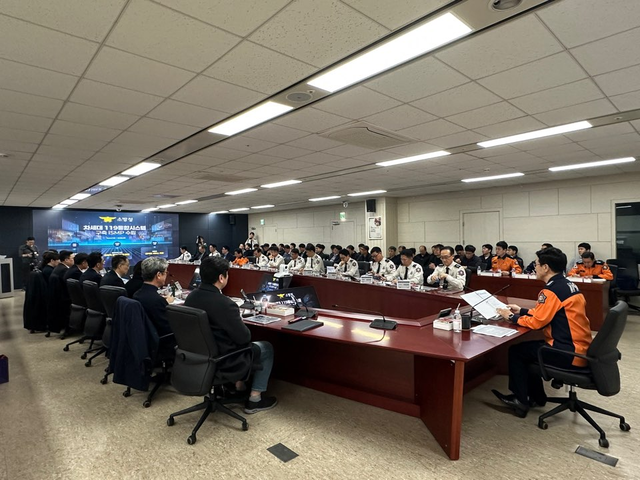
South Korea's National Fire Agency and KT consortium have begun designing an AI and cloud-based next-generation 119 emergency response system. The project aims to unify regional systems, automate emergency call analysis, and enhance disaster response nationwide, but no AI-related harm or malfunction has occurred yet.[AI generated]

Why's our monitor labelling this an incident or hazard?

The event involves the development and intended use of an AI system for emergency response, which could plausibly lead to significant impacts on public safety. However, since the system is still in the design and planning phase and no harm or malfunction has occurred, it represents a potential future risk rather than an actual incident. Therefore, it qualifies as an AI Hazard because the AI system's use could plausibly lead to harm if issues arise during deployment or operation, but no harm has yet materialized.[AI generated]
Industries
Government, security, and defenceIT infrastructure and hosting

Severity
AI hazard

Business function:
Citizen/customer service

AI system task:
Event/anomaly detectionGoal-driven organisation


Articles about this incident or hazard

Thumbnail Image

소방청, '차세대 119통합시스템' ISMP 수립 착수...AI·클라우드 기반 재난 대응 강화

2026-03-18
브릿지경제
Why's our monitor labelling this an incident or hazard?
The event involves the development and planned use of AI systems for disaster response, but it does not describe any realized harm or malfunction related to AI. There is no indication that the AI system has caused or contributed to injury, disruption, rights violations, or other harms. The article focuses on the planning and design phase, which is a preparatory step without direct or indirect harm. Therefore, this event is best classified as Complementary Information, as it provides context and updates on AI system development and governance in emergency response without reporting an incident or hazard.
Thumbnail Image

KT, 소방청 '차세대 119 통합시스템' 설계 착수...AX 기반 국가 재난대응 체계 만든다 - 매일경제

2026-03-18
mk.co.kr
Why's our monitor labelling this an incident or hazard?
The event involves the development and planned use of an AI system for national disaster response, specifically AI voice recognition and AI-based risk classification. However, the article does not report any actual harm, malfunction, or misuse of the AI system. It describes the design and planning phase, emphasizing future capabilities and improvements. Since no AI Incident or AI Hazard is described, and the main focus is on the strategic planning and integration of AI technologies for public safety, the classification aligns with Complementary Information, which covers updates and developments that enhance understanding of AI's role without reporting new harms or hazards.
Thumbnail Image

재난대응 체계도 인공지능 전환...차세대 119 통합 시스템 만든다 - 매일경제

2026-03-18
mk.co.kr
Why's our monitor labelling this an incident or hazard?
The event involves the development and intended use of an AI system for emergency response, which could plausibly lead to significant impacts on public safety. However, since the system is still in the design and planning phase and no harm or malfunction has occurred, it represents a potential future risk rather than an actual incident. Therefore, it qualifies as an AI Hazard because the AI system's use could plausibly lead to harm if issues arise during deployment or operation, but no harm has yet materialized.
Thumbnail Image

KT, 소방청 '차세대 119통합시스템 구축 ISMP' 설계...AI 기반 재난대응 체계 만든다

2026-03-18
이투데이
Why's our monitor labelling this an incident or hazard?
The event involves the development and planned use of an AI system for emergency response, but no harm or incident has occurred yet. The article focuses on the design and planning of the system, highlighting potential improvements in disaster response. Since the AI system's deployment is future and no direct or indirect harm has been reported or occurred, this constitutes a plausible future risk scenario where AI could lead to harm if failures occur, but currently it is a planned system. Therefore, it fits the definition of an AI Hazard rather than an AI Incident or Complementary Information.
Thumbnail Image

KT, 소방청과 AI·클라우드 기반 '차세대 119통합시스템' 구축

2026-03-18
아시아투데이
Why's our monitor labelling this an incident or hazard?
The event involves the development and planned use of an AI system for emergency response, but no actual harm or incident has occurred yet. The article focuses on the design and planning of the AI-enabled system, which could plausibly lead to improved emergency management but also carries potential risks if malfunction or misuse occurs in the future. Since no harm has materialized and the system is not yet deployed, this qualifies as an AI Hazard due to the plausible future impact of the AI system in a critical infrastructure context.
Thumbnail Image

KT, 소방청 '차세대 119통합시스템 구축 ISMP' 설계 맡는다

2026-03-18
뉴스핌
Why's our monitor labelling this an incident or hazard?
The article explicitly mentions the use of AI (AI voice recognition, automated emergency call classification) and cloud technologies in designing a national emergency response system. While the system's future deployment could impact public safety, the article only discusses the initial design and planning phase without any actual harm or malfunction. There is no indication of realized or imminent harm, nor warnings of plausible future harm. Thus, it does not meet the criteria for AI Incident or AI Hazard. Instead, it provides valuable information about AI system development and governance in a critical infrastructure context, fitting the definition of Complementary Information.
Thumbnail Image

KT, 소방청 '차세대 119통합시스템 구축 ISMP' 설계..."AX 기반 국가 재난대응 체계 기준 세운다"

2026-03-18
이코노뉴스
Why's our monitor labelling this an incident or hazard?
The event involves the development and planned use of an AI system for emergency response, which qualifies as an AI system under the definitions. However, since the system is still in the design and planning phase and no harm or incident has occurred or is described as likely to occur imminently, it does not meet the criteria for an AI Incident or AI Hazard. The article primarily provides information about the project initiation and intended capabilities, which is informative and contextual but does not report any harm or credible risk of harm. Thus, it fits best as Complementary Information, providing context on AI developments in disaster response without reporting an incident or hazard.
Thumbnail Image

"전국 119 신고 하나로" KT-소방청 '차세대 119통합시스템' 설계 착수

2026-03-18
데일리안
Why's our monitor labelling this an incident or hazard?
The event involves the development and planned use of an AI system for emergency response, which could plausibly lead to harm if the system malfunctions or fails during critical situations. However, as the article only discusses the design and planning phase without any actual harm or malfunction reported, it does not qualify as an AI Incident. Instead, it is an AI Hazard because the AI system's future deployment in critical infrastructure could plausibly lead to incidents if not properly managed. It is not merely complementary information since the focus is on the system's design and potential impact, not on updates or responses to past incidents.
Thumbnail Image

KT, 119 전면 개편 착수...AI로 재난 대응 속도 높여 - 전파신문

2026-03-18
jeonpa.co.kr
Why's our monitor labelling this an incident or hazard?
The article explicitly mentions the use of AI systems (AI voice recognition, automated emergency call processing) in the development and use of a disaster response platform. However, it does not report any harm or incident resulting from the AI system's malfunction or misuse. Instead, it describes a planned or ongoing development aimed at improving emergency response capabilities. Since no harm has occurred yet but the system's deployment could plausibly lead to improved or potentially problematic outcomes in the future, this event is best classified as Complementary Information, providing context on AI system development and deployment in critical infrastructure without reporting an incident or hazard.
Thumbnail Image

KT, 소방청과 차세대 119통합시스템 구축 사업 수주

2026-03-18
데일리한국
Why's our monitor labelling this an incident or hazard?
The event involves the development and planned use of AI systems in a critical emergency response infrastructure, which could plausibly lead to AI-related incidents if malfunctions or misuse occur in the future. However, as the system is still in the design and planning phase and no harm or malfunction has been reported, it does not qualify as an AI Incident. It is not merely general AI news or product launch because it concerns a significant national safety infrastructure project involving AI. Hence, it fits best as an AI Hazard, reflecting the plausible future risk associated with the AI system's deployment in emergency response.
Thumbnail Image

KT, '119통합시스템 구축 ISMP' 설계···"국가 재난대응 기준 세운다"

2026-03-18
이뉴스투데이
Why's our monitor labelling this an incident or hazard?
The article details the planning and design of an AI-based emergency response system but does not report any realized harm, malfunction, or misuse of the AI system. The system is intended to enhance national disaster response and safety, with no indication of current incidents or direct harm caused by AI. Therefore, it does not qualify as an AI Incident. However, since the system is still in the design phase and involves AI integration into critical infrastructure, there is a plausible risk that future deployment or malfunction could lead to harm if not properly managed. This makes it an AI Hazard rather than an Incident or Complementary Information. It is not unrelated because AI involvement is explicit and central to the system's design.
Thumbnail Image

KT 차세대 119통합시스템 수주, AI·클라우드 기반 국가재난대응 체계 구축

2026-03-18
비즈니스포스트
Why's our monitor labelling this an incident or hazard?
The article details the planned development and integration of AI systems for emergency response but does not report any realized harm, malfunction, or misuse of the AI system. There is no indication that the AI system has caused or directly contributed to any injury, rights violation, or disruption. The event is about the creation and planning of an AI-enabled system that could improve public safety, with no current or imminent harm described. Therefore, it does not qualify as an AI Incident or AI Hazard. It is best classified as Complementary Information as it provides context and updates on AI system development and governance related to disaster response.
Thumbnail Image

KT, 소방청과 맞손...AX 기반 국가 재난대응 체계 구축

2026-03-18
매일일보
Why's our monitor labelling this an incident or hazard?
The event involves the development and planned use of an AI system for national disaster response, but no actual harm or incident has occurred. The article discusses the potential benefits and design plans, indicating a plausible future impact but no realized harm. Therefore, this qualifies as an AI Hazard because the AI system's deployment could plausibly lead to improved or disrupted emergency responses, but no incident has yet taken place.
Thumbnail Image

KT, 소방청 '차세대 119통합시스템 구축 ISMP' 수주

2026-03-18
포인트데일리
Why's our monitor labelling this an incident or hazard?
While the system involves AI and is intended for critical emergency response, the article only discusses the planning and design phase without any mention of actual deployment, malfunction, or harm caused by the AI system. There is no indication that any injury, disruption, rights violation, or other harm has occurred or is imminent. Therefore, this event represents a plausible future risk scenario where AI could impact emergency response, but no harm has yet materialized. Hence, it qualifies as an AI Hazard rather than an Incident or Complementary Information.
Thumbnail Image

KT-소방청, '차세대 119통합시스템 구축 ISMP' 착수

2026-03-18
bikorea.net
Why's our monitor labelling this an incident or hazard?
The event involves the development and planned use of AI systems for emergency response, which could plausibly lead to improved outcomes and potentially reduce harm. However, since the system is still in the design and planning stage with no reported incidents or malfunctions causing harm, it does not qualify as an AI Incident or AI Hazard. The article primarily provides information about the project initiation and strategic planning, which fits the definition of Complementary Information as it enhances understanding of AI deployment in public safety without reporting actual or imminent harm.
Thumbnail Image

KT·소방청, AX 기반 '국가 재난대응 체계' 설계 - 신아일보

2026-03-18
신아일보
Why's our monitor labelling this an incident or hazard?
The article explicitly mentions the use of AI systems (AI voice recognition, automated urgency classification) in a national disaster response platform under design. However, it does not report any harm or malfunction caused by the AI system, nor does it describe any credible risk of harm occurring or imminent. The event is about the planning and design of an AI-enabled system intended to improve emergency response, which is a positive development and does not constitute an AI Incident or AI Hazard. It fits the definition of Complementary Information as it provides supporting information about AI system development and governance in a critical public infrastructure context.