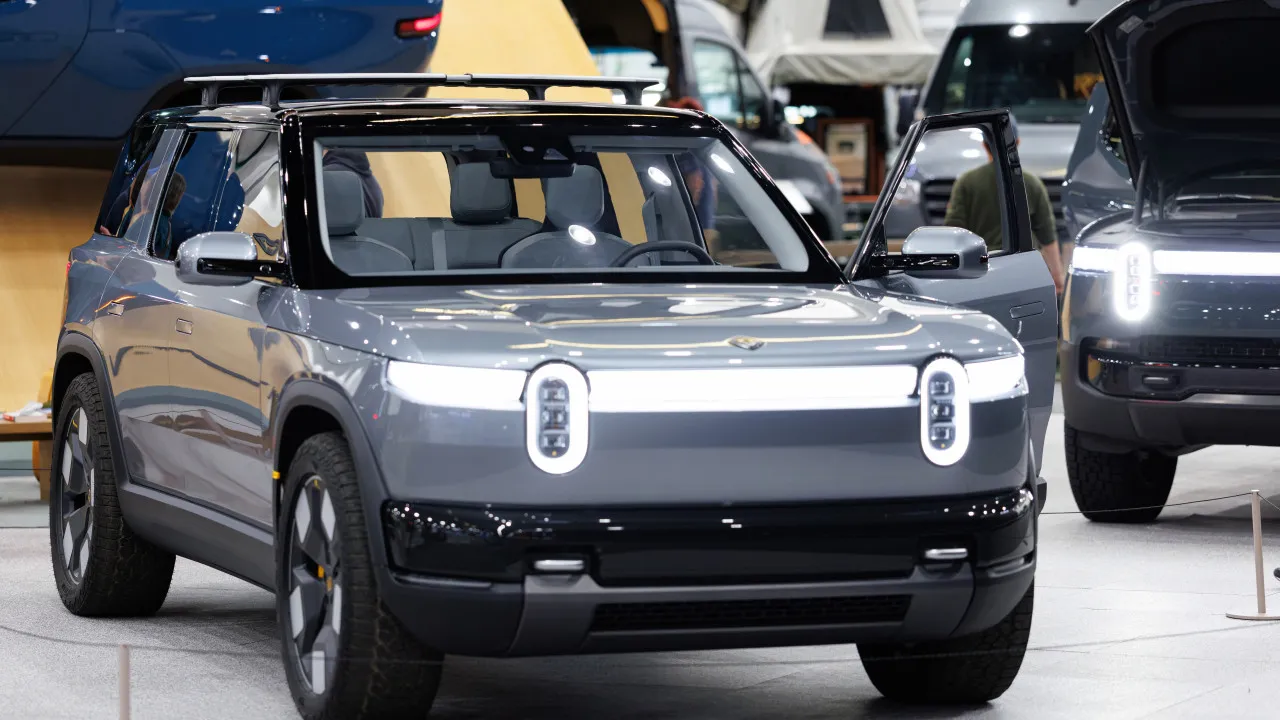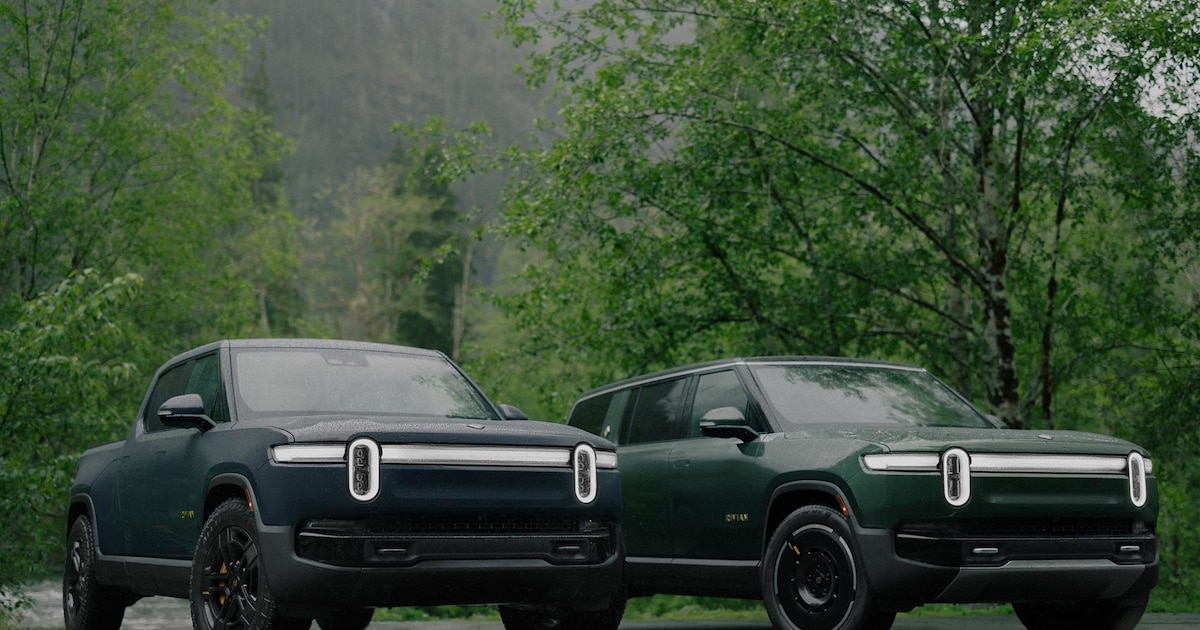
Uber and Rivian Announce Major Investment in Autonomous Robotaxi Fleet

Thumbnail Image

The information displayed in the AIM should not be reported as representing the official views of the OECD or of its member countries.

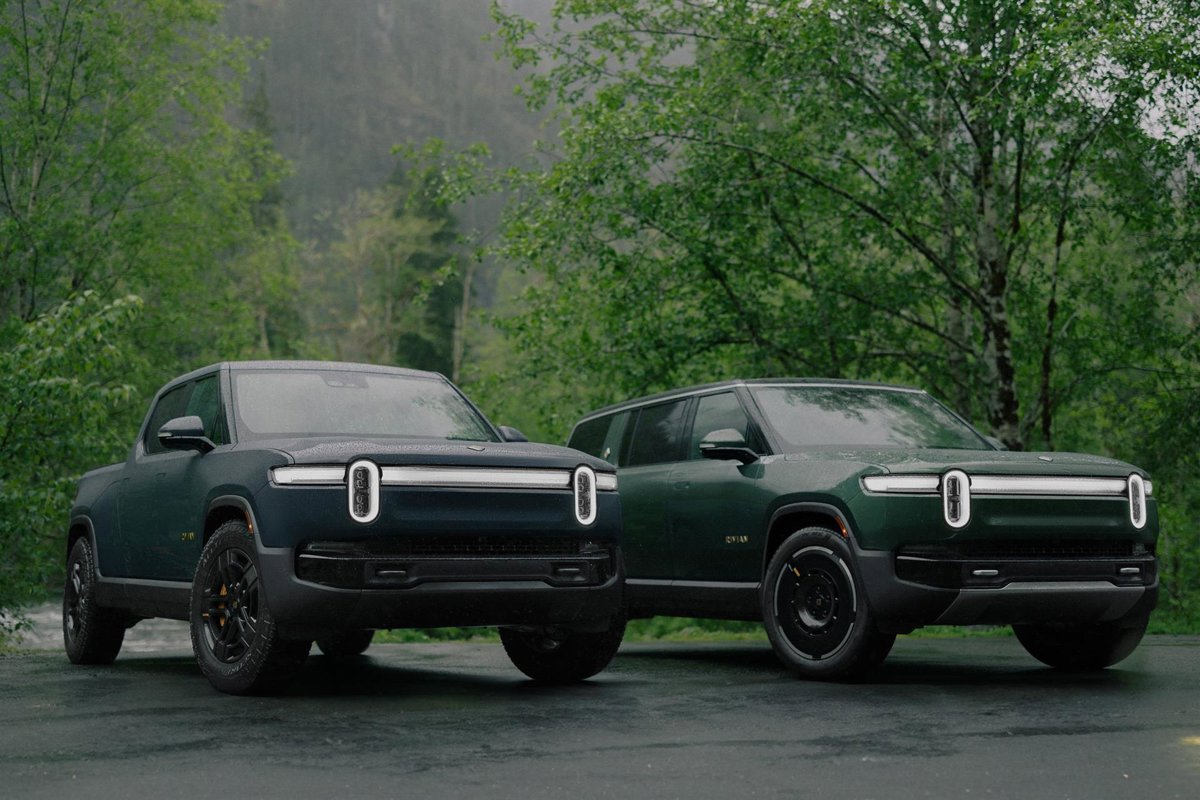
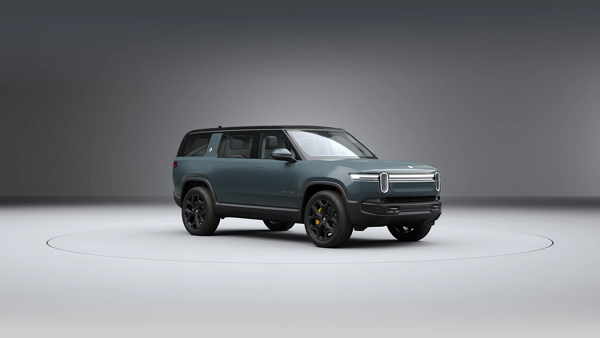
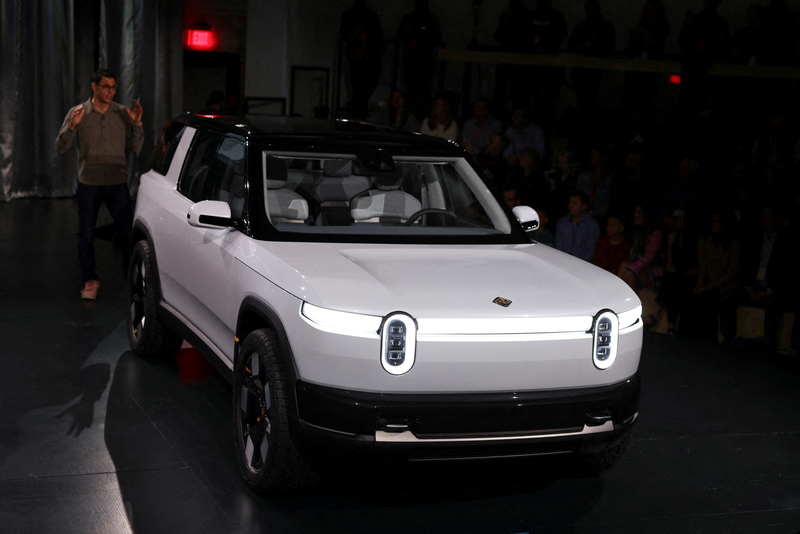
Uber will invest up to $1.25 billion in Rivian to deploy up to 50,000 AI-powered autonomous robotaxis by 2031, starting with 10,000 vehicles in San Francisco and Miami in 2028. The partnership aims to expand across 25 cities in the US, Canada, and Europe, raising future AI safety concerns.[AI generated]

Why's our monitor labelling this an incident or hazard?

The article explicitly discusses the development and investment in autonomous vehicle technology, which involves AI systems for self-driving capabilities. Although no incident or harm has occurred yet, the nature of autonomous vehicles means there is a credible risk of future harm (e.g., accidents, safety issues) related to AI system malfunction or misuse. Since the article focuses on investment and development without reporting any realized harm, it fits the definition of an AI Hazard rather than an AI Incident or Complementary Information.[AI generated]

AI principles
Safety

Industries
Mobility and autonomous vehicles

Affected stakeholders
General public

Harm types
Physical (injury)Physical (death)

Severity
AI hazard

Business function:
Other

AI system task:
Recognition/object detectionGoal-driven organisation


Articles about this incident or hazard

Thumbnail Image

Uber investirá até US$1,25 bilhão na Rivian como parte do acordo de táxis-robôs

2026-03-19
uol.com.br
Why's our monitor labelling this an incident or hazard?
The article explicitly discusses the development and investment in autonomous vehicle technology, which involves AI systems for self-driving capabilities. Although no incident or harm has occurred yet, the nature of autonomous vehicles means there is a credible risk of future harm (e.g., accidents, safety issues) related to AI system malfunction or misuse. Since the article focuses on investment and development without reporting any realized harm, it fits the definition of an AI Hazard rather than an AI Incident or Complementary Information.
Thumbnail Image

Uber investirá até US$1,25 bilhão na Rivian como parte do acordo de táxis-robôs

2026-03-19
Terra
Why's our monitor labelling this an incident or hazard?
The article explicitly discusses the development and planned use of AI-powered autonomous vehicles (robotaxis) by Uber and Rivian. Although no incident or harm has occurred yet, the large-scale deployment of fully autonomous vehicles inherently carries plausible risks of harm (e.g., accidents, safety failures). The event is about future deployment and investment, not about realized harm or ongoing incidents. Hence, it fits the definition of an AI Hazard, as the AI systems involved could plausibly lead to an AI Incident in the future.
Thumbnail Image

Uber investe mais de mil milhões em robotáxis da Rivian

2026-03-20
Notícias ao Minuto
Why's our monitor labelling this an incident or hazard?
The article clearly involves AI systems, specifically autonomous driving AI in robotaxis. However, it only discusses planned deployment and investment without any mention of accidents, malfunctions, or harms caused by these AI systems. Therefore, it does not qualify as an AI Incident. Since the deployment is planned for the future and the article does not highlight any immediate or imminent risks or hazards, it does not meet the threshold for an AI Hazard either. The article is best classified as Complementary Information because it provides important context about the evolution and scaling of AI autonomous vehicle technology and its ecosystem, which is relevant for understanding future AI impacts but does not describe any current harm or credible imminent risk.
Thumbnail Image

Uber investe mais de US$ 1 bilhão em rival da Tesla para ter frota de táxis autônomos

2026-03-19
TecMundo
Why's our monitor labelling this an incident or hazard?
The event involves the development and planned use of AI systems for autonomous driving, which fits the definition of an AI system. The article does not report any current harm or incident caused by these AI systems but highlights the potential for future deployment of robotaxis, which could plausibly lead to incidents such as accidents or other harms. The mention of a past fatal accident is background information and not the focus of this event. Hence, the event is a credible AI Hazard rather than an AI Incident or Complementary Information.
Thumbnail Image

Uber investirá até US$ 1,25 bilhão na Rivian como parte de acordo de robotáxis

2026-03-20
Valor Econômico
Why's our monitor labelling this an incident or hazard?
The event involves AI systems (autonomous driving AI) in development and planned use, but no actual harm or incident has occurred yet. The article focuses on investment and future deployment of autonomous robotaxis, which could plausibly lead to AI incidents in the future (e.g., accidents, safety issues), but these are not reported as having happened. Therefore, this qualifies as an AI Hazard due to the credible potential for future harm from the deployment of autonomous vehicles at scale.
Thumbnail Image

'Apesar do desafio, pode chegar antes do que imaginávamos', diz executivo da Uber sobre carros autônomos no Brasil

2026-03-20
O Globo
Why's our monitor labelling this an incident or hazard?
The article explicitly involves AI systems (autonomous driving technology) and discusses their use and development. However, it does not describe any realized harm or incident caused by these systems, nor does it report a credible imminent risk of harm. The focus is on the current state, future plans, safety protocols, and regulatory considerations. This fits the definition of Complementary Information, which includes updates and contextual information about AI systems and their ecosystem without reporting new incidents or hazards.
Thumbnail Image

Uber fecha acordo de US$ 1,25 bilhão com fabricante de táxis-rôbos | CNN Brasil

2026-03-20
CNN Brasil
Why's our monitor labelling this an incident or hazard?
The article clearly involves AI systems, specifically autonomous driving AI for robotaxis. However, it does not describe any actual harm, injury, rights violation, or disruption caused by these AI systems. The event is about future deployment and investment, which could plausibly lead to harm in the future but no harm has yet occurred. Therefore, it fits the definition of an AI Hazard, as the development and planned use of autonomous robotaxis could plausibly lead to incidents in the future, but no incident has yet materialized.
Thumbnail Image

A Uber investirá US$ 1,25 bilhão na Rivian e comprará até 50.000 veículos elétricos para táxis autônomos.

2026-03-20
avalanchenoticias.com.br
Why's our monitor labelling this an incident or hazard?
The event involves AI systems explicitly: autonomous driving software with multiple sensors and AI components for level 4 autonomy. The article references past fatal accidents linked to Uber's autonomous vehicle prototypes, showing that such AI systems have previously caused harm. Although no new harm is reported here, the large-scale planned deployment of autonomous taxis with AI driving systems inherently carries a credible risk of injury or harm to people. Hence, this is an AI Hazard, as the development and use of these AI systems could plausibly lead to an AI Incident in the future. There is no indication that harm has already occurred in this new investment and deployment plan, so it is not an AI Incident. It is more than just complementary information because it highlights the potential for future harm from AI use in autonomous vehicles.
Thumbnail Image

Uber e Rivian selam parceria bilionária para frota de robotáxis: 50 mil veículos autônomos chegam às ruas!

2026-03-19
Olhar Digital - O futuro passa primeiro aqui
Why's our monitor labelling this an incident or hazard?
The event involves AI systems (autonomous vehicles) and their planned use, but no harm or incident has occurred yet. The article centers on the announcement of a large-scale deployment plan and investment, which could plausibly lead to future AI-related incidents or hazards given the nature of autonomous vehicles, but no such harm is reported or implied as imminent. Therefore, this is best classified as an AI Hazard because the deployment of a large fleet of autonomous vehicles could plausibly lead to incidents in the future, but no incident has yet occurred. It is not Complementary Information because it is not an update or response to a past incident or hazard, nor is it unrelated since it clearly involves AI systems and their potential impact.
Thumbnail Image

Uber vai investir US$ 1,2 bi na americana Rivian para criar frotas de robotáxis

2026-03-19
O Globo
Why's our monitor labelling this an incident or hazard?
The article focuses on the announcement of a large-scale deployment of AI-powered autonomous robotaxis, which are AI systems by definition. There is no indication that harm has already occurred, so it is not an AI Incident. However, the scale and nature of the deployment imply credible potential for future harm (e.g., accidents, injuries) related to the AI systems' operation. The event is not merely general AI news or a product launch without risk, but a significant development with plausible future risks, fitting the definition of an AI Hazard.
Thumbnail Image

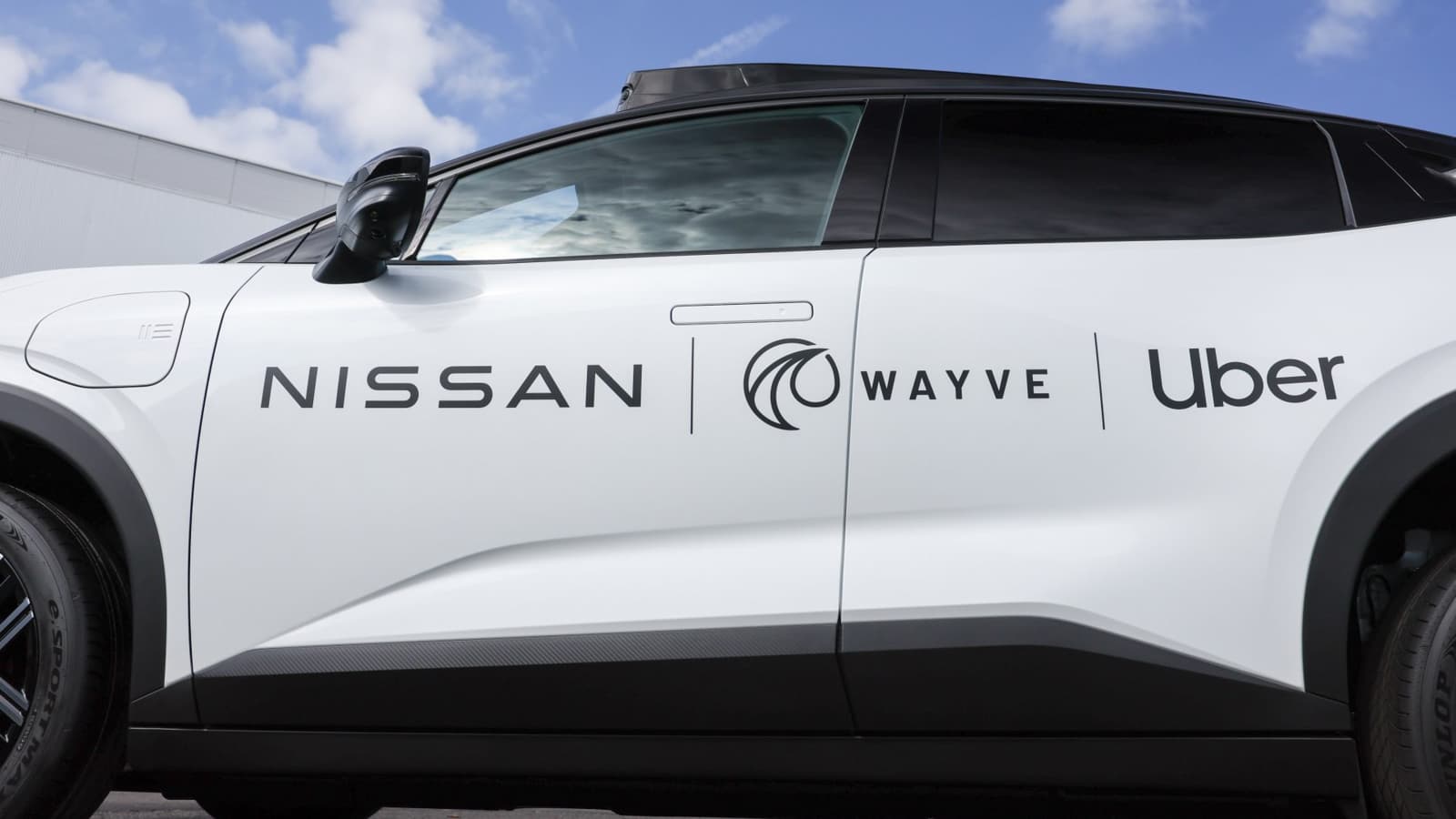
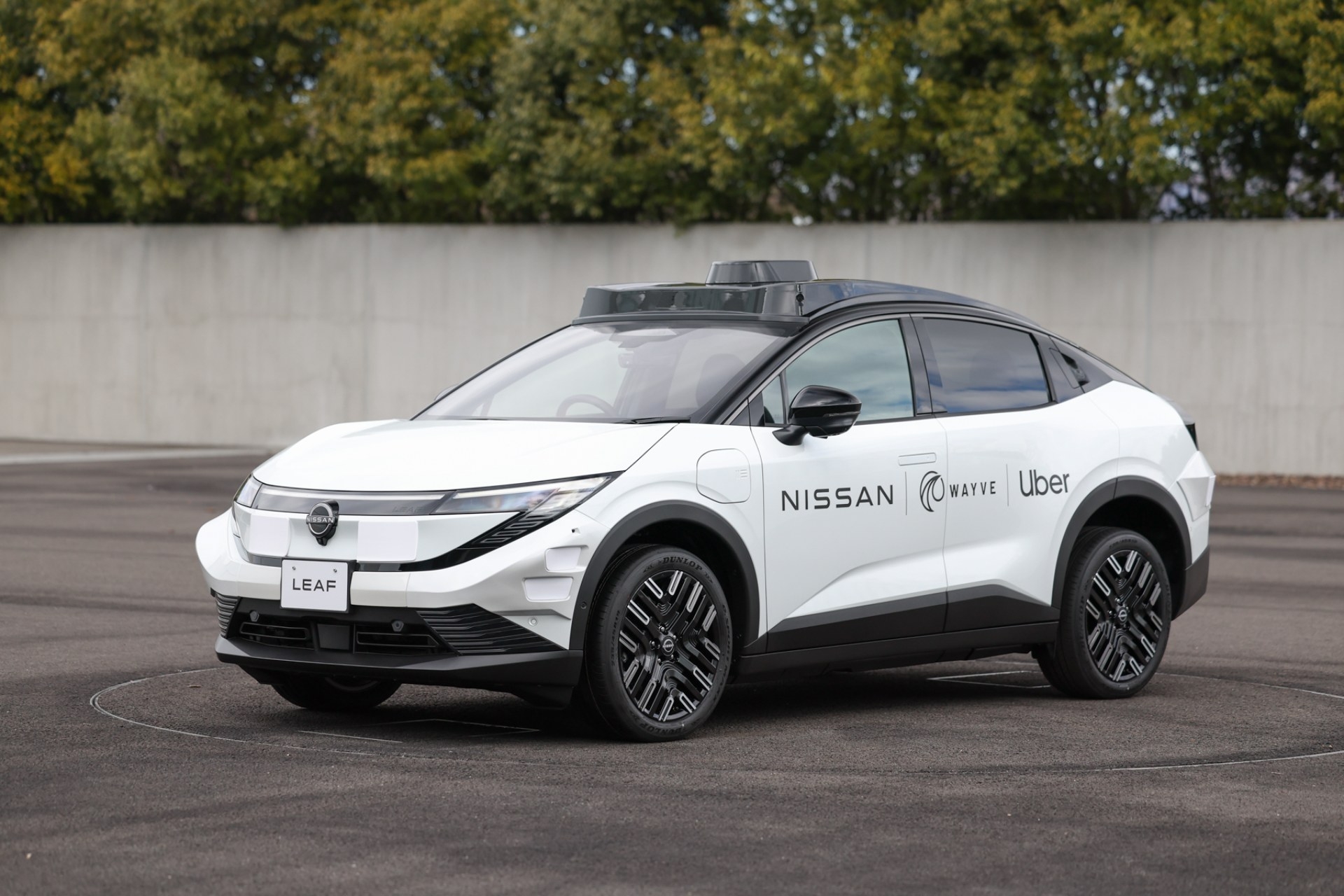
Wayve, Uber e Nissan anunciam intenção de desenvolver robotáxis

2026-03-16
Autos Segredos
Why's our monitor labelling this an incident or hazard?
The article details a planned deployment of an AI system (autonomous driving AI) but does not report any realized harm or incidents caused by the AI system. The presence of safety operators and the pilot nature of the project indicate risk mitigation measures. While autonomous vehicles have inherent risks, the article does not describe any actual or imminent harm or malfunction. Therefore, this event represents a potential future risk scenario but not an incident or immediate hazard. However, since the deployment is planned and the AI system is being integrated into real-world use, there is a plausible risk of future harm if the system malfunctions or is misused. Thus, it qualifies as an AI Hazard rather than an AI Incident or Complementary Information.
Thumbnail Image

Nissan, Wayve e Uber anunciam colaboração para robotáxis

2026-03-18
Pplware
Why's our monitor labelling this an incident or hazard?
The article explicitly mentions the use of an AI system (Wayve AI Driver) for autonomous driving, which qualifies as an AI system. However, the event is about a planned pilot project and collaboration announcement, with no harm or malfunction reported. There is no indication that the AI system has caused or could plausibly cause harm at this stage. The presence of a safety operator in the vehicle further reduces immediate risk. Thus, the event does not meet the criteria for AI Incident or AI Hazard. Instead, it provides relevant information about AI deployment and partnerships, fitting the definition of Complementary Information.
Thumbnail Image

Nissan, Uber e Wayve unem-se para levar robotáxis a Tóquio | TugaTech

2026-03-17
TugaTech
Why's our monitor labelling this an incident or hazard?
The event involves the use and development of an AI system (Wayve AI Driver) for autonomous vehicles, which is explicitly mentioned. However, the article does not report any realized harm or incidents caused by the AI system. Instead, it discusses the planned deployment, ongoing testing, and safety measures. Therefore, it does not qualify as an AI Incident or AI Hazard. It is not merely unrelated, as it concerns AI system deployment, but since it focuses on the project announcement and context without describing harm or credible risk of harm, it fits best as Complementary Information, providing context on AI ecosystem developments and governance efforts.
Thumbnail Image

Uber e Rivian se unem para ampliar frotas de robotáxis em cidades globais

2026-03-19
TradingView
Why's our monitor labelling this an incident or hazard?
The article explicitly involves AI systems in the form of autonomous driving technology and machine learning models for perception and inference. However, it focuses on the announcement of a partnership and future plans for large-scale deployment rather than any malfunction, misuse, or harm caused by these AI systems. The potential for future harm exists given the scale and complexity of autonomous vehicle deployment, but since no harm or incident is reported, this qualifies as an AI Hazard rather than an AI Incident. It is not merely complementary information because the main focus is on the potential implications and risks of the planned AI system deployment, not on responses or updates to past events.
Thumbnail Image

La plataforma Uber tiene pensado desembolsar hasta US$ 1.250 millones en Rivian en 5 años

2026-03-20
Montevideo Portal / Montevideo COMM
Why's our monitor labelling this an incident or hazard?
The deployment of fully autonomous robotaxis clearly involves AI systems for navigation and decision-making. While no harm has yet occurred, the large-scale introduction of autonomous vehicles carries plausible risks of harm such as injury to people, disruption of infrastructure, or other harms if the AI systems malfunction or are misused. Since the event describes planned future deployment and investment without any realized harm, it constitutes an AI Hazard due to the plausible future harm from the use of autonomous AI systems in robotaxis.
Thumbnail Image

Uber invertirá USD 1.250 millones en Rivian para desplegar 50.000 robotaxis en 25 ciudades de EEUU

2026-03-20
infobae
Why's our monitor labelling this an incident or hazard?
The event involves AI systems (level 4 autonomous driving technology) and their planned deployment, which could plausibly lead to AI incidents such as accidents or safety issues in the future. However, since the deployment is scheduled for the future and is contingent on regulatory approval and technological milestones, no direct or indirect harm has yet occurred. The article does not report any malfunction, misuse, or harm caused by the AI systems at this time. Thus, the event qualifies as an AI Hazard due to the credible potential for future harm from the use of autonomous vehicles, but not as an AI Incident or Complementary Information.
Thumbnail Image

Uber invertirá 1.089 millones de euros en Rivian para desplegar hasta 50.000 robotaxis autónomos

2026-03-19
El Periódico
Why's our monitor labelling this an incident or hazard?
The event involves AI systems (autonomous vehicles) and their planned use, but no actual harm or incident has occurred yet. The article focuses on investment, deployment plans, and the state of the robotaxi industry, which implies potential future risks but does not describe any specific AI incident or hazard event. Therefore, it is best classified as Complementary Information, providing context and updates on AI system deployment and ecosystem developments without reporting harm or imminent risk.
Thumbnail Image

Uber apuesta por los robotaxis: invierte 1.250 millones de dólares por unos 50.000 vehículos autónomos

2026-03-20
El Comercio Perú
Why's our monitor labelling this an incident or hazard?
The article explicitly involves AI systems in the form of fully autonomous robotaxis that Uber plans to deploy at scale. Although no actual harm or malfunction is reported, the deployment of tens of thousands of autonomous vehicles inherently carries plausible risks of causing injury, accidents, or other harms due to AI system failures or misuse. The event is about the planned investment and deployment, which could plausibly lead to AI incidents in the future. Hence, it fits the definition of an AI Hazard, as it describes a circumstance where AI system use could plausibly lead to harm, but no harm has yet occurred or been reported.
Thumbnail Image

Uber anunció alianza con popular firma de carros para aumentar su presencia: hará millonaria inversión

2026-03-20
Semana.com Últimas Noticias de Colombia y el Mundo
Why's our monitor labelling this an incident or hazard?
The article explicitly mentions the development and planned deployment of AI systems (fully autonomous robotaxis) and significant investment in their rollout. Autonomous vehicles are AI systems by definition. However, there is no mention of any actual harm, malfunction, or incident caused by these AI systems. The article focuses on future plans and investments, which implies a plausible risk of future harm but no current incident. According to the framework, this fits the definition of an AI Hazard, as the event involves AI system development and use that could plausibly lead to harm, but no harm has yet occurred. It is not Complementary Information because it is not an update or response to a past incident, nor is it unrelated since it clearly involves AI systems.
Thumbnail Image

Uber invertirá hasta 1.250 millones de dólares en Rivian para robotaxis Por Investing.com

2026-03-19
Investing.com Español
Why's our monitor labelling this an incident or hazard?
The article explicitly involves AI systems in the form of autonomous vehicles with advanced AI perception and computing capabilities. However, it only describes planned deployment and investment, with no current harm or malfunction reported. The potential for harm exists given the nature of autonomous vehicles, but it is not realized yet. Hence, this qualifies as an AI Hazard, reflecting plausible future harm from the use of AI systems in robotaxis.
Thumbnail Image

Uber invertirá hasta 1.250 millones de dólares en Rivian para comprar robotaxis Por EFE

2026-03-19
Investing.com Español
Why's our monitor labelling this an incident or hazard?
The article explicitly involves AI systems in the form of autonomous robotaxis equipped with advanced sensors and AI computing platforms. The investment and deployment plans indicate the use of AI for fully autonomous driving without supervision, which inherently carries risks of harm to people, property, or communities if malfunctions or failures occur. Since no actual harm or incident is reported yet, but the deployment is planned and contingent on achieving autonomy milestones, the event represents a plausible future risk (AI Hazard) rather than a realized incident. The article does not focus on responses, mitigation, or legal proceedings, so it is not Complementary Information. It is not unrelated because it clearly involves AI systems and their potential impacts.
Thumbnail Image

Morgan Stanley reitera calificación de Infraponderación en acciones de Rivian tras acuerdo de robotaxis Por Investing.com

2026-03-19
Investing.com Español
Why's our monitor labelling this an incident or hazard?
While the article involves AI systems (fully autonomous vehicles), it does not describe any incident or hazard involving harm or plausible harm. The focus is on the partnership, investment, and business outlook, which are typical developments and market news. There is no indication of realized harm or credible risk of harm from the AI systems described. Therefore, this is best classified as Complementary Information, providing context and updates on AI ecosystem developments without reporting an incident or hazard.
Thumbnail Image

Uber invertirá 1.000 millones en Rivian para desplegar hasta 50.000...

2026-03-19
europa press
Why's our monitor labelling this an incident or hazard?
The event involves the development and planned use of AI systems (autonomous vehicles) that will operate without human supervision. While no harm has yet occurred, the deployment of large-scale autonomous robotaxis carries plausible risks of harm such as accidents, injury, or disruption, given the complexity and safety-critical nature of autonomous driving AI. Therefore, this event represents a credible potential for future harm stemming from AI system use, qualifying it as an AI Hazard rather than an Incident or Complementary Information, since it focuses on future deployment and investment rather than harm already realized or responses to harm.
Thumbnail Image

Uber重金投資Rivian 擴大佈局自駕車業務

2026-03-20
工商時報
Why's our monitor labelling this an incident or hazard?
The article involves AI systems as it discusses fully autonomous vehicles, which rely on AI for navigation and decision-making. Since the deployment is planned for the future and no harm has yet occurred, this constitutes a plausible future risk rather than an actual incident. Therefore, it fits the definition of an AI Hazard, as the development and intended use of these autonomous vehicles could plausibly lead to AI incidents in the future.
Thumbnail Image

Uber 重金投資 Rivian 擴大布局自駕車業務

2026-03-20
TechNews 科技新報 | 市場和業內人士關心的趨勢、內幕與新聞
Why's our monitor labelling this an incident or hazard?
The event involves the development and planned use of AI systems for autonomous driving (Level 4 self-driving cars). Although no harm has yet occurred, the deployment of a large fleet of autonomous vehicles inherently carries plausible risks of harm such as injury, disruption, or other harms if the AI systems malfunction or are misused. Therefore, this event represents a credible future risk related to AI systems in autonomous vehicles. Since the article describes planned deployment and investment without reporting any realized harm, it qualifies as an AI Hazard rather than an AI Incident. It is not merely complementary information because the focus is on the investment and planned deployment, which could plausibly lead to harm in the future.
Thumbnail Image

Bye a choferes, invierte Uber $1,200 millones para robotaxi🎦

2026-03-19
Tiempo
Why's our monitor labelling this an incident or hazard?
The investment is focused on developing robotaxis, which inherently require AI systems for autonomous navigation and operation. Although no harm has yet occurred, the deployment of robotaxis could plausibly lead to AI incidents such as accidents or social harms like job losses. Since the article discusses future plans and investments without reporting actual harm or incidents, this qualifies as an AI Hazard rather than an AI Incident.
Thumbnail Image

Uber invertirá hasta US$ 1.250 millones en los robotaxis de Rivian | Diario Financiero

2026-03-19
Diario Financiero
Why's our monitor labelling this an incident or hazard?
The event involves the development and planned use of AI systems in autonomous vehicles (robotaxis). Although no harm has yet occurred, the large-scale deployment of robotaxis could plausibly lead to incidents involving injury, disruption, or other harms. The article focuses on the investment and plans for deployment rather than any realized harm or incident. Hence, it fits the definition of an AI Hazard, as it plausibly could lead to AI incidents in the future due to the nature of autonomous vehicle operation and associated risks.
Thumbnail Image

Uber invertirá 1.250 millones de dólares en vehículos de Rivian

2026-03-19
Estrategias de inversión
Why's our monitor labelling this an incident or hazard?
The event involves AI systems (Level 4 autonomous vehicles with AI-based perception and inference platforms) and their development and deployment plans. However, there is no indication of any harm occurring or any direct or indirect incident caused by these AI systems. The article focuses on investment, partnerships, and future deployment plans, which are typical of AI ecosystem developments. Therefore, this is best classified as Complementary Information, as it provides context and updates on AI system development and deployment without describing an AI Incident or AI Hazard.
Thumbnail Image

Uber y Rivian pactan robotaxis por hasta USD $1.250 millones con miras a 25 ciudades

2026-03-19
DiarioBitcoin
Why's our monitor labelling this an incident or hazard?
The event involves AI systems (autonomous driving AI) in development and planned use, with no current deployment or malfunction causing harm. The article highlights the potential for future harm given the complexity and scale of the project, including safety and operational risks inherent in autonomous vehicle deployment. Since no harm has yet materialized, but plausible future harm is credible, the classification as an AI Hazard is appropriate. It is not an AI Incident because no harm has occurred, nor is it Complementary Information or Unrelated as the focus is on the AI system's potential risks and deployment plans.
Thumbnail Image

2031年前上路5萬輛!Uber加碼自駕市場 砸12.5億美元聯手Rivian布局全球 | 鉅亨網 - 美股雷達

2026-03-19
Anue鉅亨
Why's our monitor labelling this an incident or hazard?
The event involves the development and planned use of AI systems (self-driving software) in a large fleet of vehicles, which inherently carries potential risks of harm such as accidents or operational failures. Since no harm has yet occurred, but the deployment of these AI systems could plausibly lead to incidents in the future, this qualifies as an AI Hazard. It is not an AI Incident because no harm has been reported, nor is it Complementary Information or Unrelated, as the focus is on the AI system's future deployment and associated risks.
Thumbnail Image

Uber se asocia con Rivian para avanzar con los taxis autónomos

2026-03-19
Dolarhoy.com
Why's our monitor labelling this an incident or hazard?
The event involves AI systems explicitly (autonomous driving technology in robotaxis) and concerns their development and planned use. However, there is no indication of any actual harm or incident caused by these AI systems at this stage. The article focuses on investment, strategic partnership, and future deployment plans, which could plausibly lead to AI-related harms in the future given the nature of autonomous vehicles, but no direct or indirect harm has materialized yet. Thus, this qualifies as an AI Hazard rather than an AI Incident or Complementary Information.
Thumbnail Image

Acciones de Rivian suben 10% por acuerdo de robotaxis con Uber Por Investing.com

2026-03-19
Investing.com México
Why's our monitor labelling this an incident or hazard?
The article focuses on a future commercial deployment of AI-powered autonomous robotaxis, which could plausibly lead to AI incidents such as accidents or disruptions if the systems malfunction or are misused. However, since the deployment is planned for the future (starting 2028) and no harm or malfunction has yet occurred, this qualifies as an AI Hazard rather than an AI Incident. The AI system's involvement is clear and central, and the potential for harm is credible given the nature of autonomous vehicles, but the event is prospective and conditional on meeting milestones and regulatory approval.
Thumbnail Image

叫車版圖再擴張!Zoox與Uber合作 專屬自駕計程車年底登陸拉斯維加斯

2026-03-21
udn科技玩家
Why's our monitor labelling this an incident or hazard?
The event involves AI systems explicitly (autonomous driving AI in Zoox vehicles) and their use in public transportation. However, there is no mention or implication of any injury, rights violation, disruption, or other harm caused or occurring due to the AI system. The article highlights ongoing deployment and strategic partnership without reporting any negative outcomes or risks materializing. Therefore, it does not qualify as an AI Incident or AI Hazard. It is best classified as Complementary Information because it provides context and updates on AI system deployment and ecosystem development without describing harm or plausible harm.
Thumbnail Image

우버, 전기차 리비안에 2조원 투자... 로보택시 5만대 확보 나선다

2026-03-20
기술로 세상을 바꾸는 사람들의 놀이터
Why's our monitor labelling this an incident or hazard?
The event involves the development and planned use of AI systems in autonomous vehicles (Level 4 autonomy) for robo-taxi services. Although no actual harm or incident has been reported, the large-scale deployment of such AI-enabled autonomous vehicles carries plausible risks of harm (e.g., accidents, safety issues). The article focuses on the investment and future deployment plans, indicating a credible potential for AI-related harm but no realized harm yet. Hence, it fits the definition of an AI Hazard rather than an AI Incident or Complementary Information.
Thumbnail Image

리비안, 우버와 협력해 자율주행 시장 진출...R2 SUV 기반 로보택시 개발

2026-03-19
디지털투데이 (DigitalToday)
Why's our monitor labelling this an incident or hazard?
The article explicitly mentions AI-based autonomous driving systems under development and planned deployment, confirming the presence of an AI system. However, it does not describe any harm, malfunction, or risk that has materialized or is imminent. The focus is on partnership, investment, and future deployment plans, which aligns with providing complementary information about AI ecosystem developments rather than reporting an incident or hazard. Hence, the classification as Complementary Information is appropriate.
Thumbnail Image

'LG엔솔 고객사' 리비안 우버에서 12억5천만 달러 투자 유치, R2 로보택시 출시 추진

2026-03-20
비즈니스포스트
Why's our monitor labelling this an incident or hazard?
The article involves AI systems (Level 4 autonomous driving technology in robo-taxis) and discusses their planned deployment and investment. However, it does not describe any actual or potential harm, malfunction, or legal violation caused by these AI systems. The focus is on business developments and future plans, which fits the definition of Complementary Information rather than an AI Incident or AI Hazard. There is no direct or indirect harm reported, nor a credible warning of imminent harm. Hence, the classification is Complementary Information.
Thumbnail Image

[헬로티 HelloT] 우버-리비안, R2 SUV 기반 대규모 로보택시 제작 위한 파트너십 체결

2026-03-20
hellot.net
Why's our monitor labelling this an incident or hazard?
The article explicitly mentions the use of AI-based autonomous driving systems (Level 4 autonomy) in the robo-taxi project, confirming the involvement of AI systems. There is no indication of any current harm, malfunction, or incident caused by these AI systems. The event concerns the development and planned deployment of AI-powered autonomous vehicles, which inherently carry credible risks of future harm (e.g., accidents, safety failures). Hence, it fits the definition of an AI Hazard rather than an AI Incident or Complementary Information. It is not unrelated because AI systems are central to the event.
Thumbnail Image

우버, 리비안에 최대 13억달러 투자...로보택시 5만대 확보 나선다 | 아주경제

2026-03-20
아주경제
Why's our monitor labelling this an incident or hazard?
The event involves the use and development of AI systems for fully autonomous vehicles (robo-taxis). While no harm has yet occurred, the deployment of large-scale autonomous vehicles could plausibly lead to AI incidents such as accidents, disruptions, or other harms related to autonomous driving. Therefore, this event represents a credible future risk (AI Hazard) rather than an incident or complementary information. The article does not report any realized harm or incident, nor does it focus on responses or updates to prior incidents, so it is not an AI Incident or Complementary Information.