AI Deepfake Scams Target Chinese Celebrities, Prompt Calls for Regulation

Thumbnail Image

The information displayed in the AIM should not be reported as representing the official views of the OECD or of its member countries.

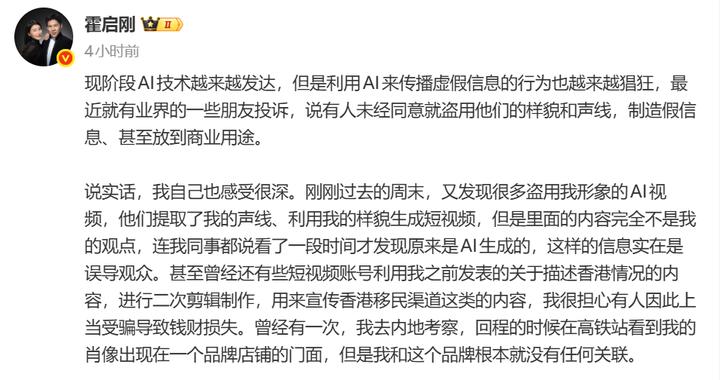
Chinese celebrities, including Huo Qigang, Yang Zi, and Wang Jinsong, have had their likenesses and voices stolen by AI systems to create deepfake videos and fraudulent content. These incidents have caused reputational harm and financial scams, leading to public calls for stricter regulation and legal protections against AI misuse.[AI generated]

Why's our monitor labelling this an incident or hazard?

The article explicitly mentions AI-generated videos and content that misuse the individual's image and voice without consent, causing harm to personal reputation and potential economic damage. The AI system's use in creating false information and impersonation directly leads to violations of rights and harm to the individual. The ongoing nature of the issue and the harm already experienced meet the criteria for an AI Incident rather than a hazard or complementary information.[AI generated]
AI principles
Privacy & data governanceRespect of human rights

Industries
Media, social platforms, and marketing

Affected stakeholders
Other

Harm types
ReputationalEconomic/Property

Severity
AI incident

AI system task:
Content generation


Articles about this incident or hazard

Thumbnail Image

霍启刚发文抵制AI侵权 呼吁加强监管

2026-03-23
中华网科技公司
Why's our monitor labelling this an incident or hazard?
The article explicitly mentions AI-generated videos and content that misuse the individual's image and voice without consent, causing harm to personal reputation and potential economic damage. The AI system's use in creating false information and impersonation directly leads to violations of rights and harm to the individual. The ongoing nature of the issue and the harm already experienced meet the criteria for an AI Incident rather than a hazard or complementary information.
Thumbnail Image

霍启刚自曝形象遭到AI盗用 虚假信息泛滥误导观众

2026-03-25
中华网科技公司
Why's our monitor labelling this an incident or hazard?
The article explicitly mentions AI-generated videos and audio that misuse the individual's likeness and voice to produce false content. This misuse has already caused harm by misleading viewers and potentially causing economic damage through scams. The AI system's use in generating these deepfakes is central to the harm described, fulfilling the criteria for an AI Incident involving violations of rights and harm to communities. Therefore, this event is classified as an AI Incident.
Thumbnail Image

面对AI侵权,霍启刚和杨紫等名人呼吁采取哪些法律和监管措施?

2026-03-23
k.sina.com.cn
Why's our monitor labelling this an incident or hazard?
The events involve AI systems generating deepfake content (AI short dramas, voice cloning) that directly infringe on individuals' rights (violation of intellectual property and personal rights) and cause harm including fraud and public deception. These harms have already occurred, making this an AI Incident. The article also outlines proposed legal and regulatory reforms, but the primary focus is on the realized harms caused by AI misuse, not just potential future risks or responses, so it is not merely Complementary Information or an AI Hazard.
Thumbnail Image

霍启刚遇到的AI侵权具体有哪些手段和形式?

2026-03-23
k.sina.com.cn
Why's our monitor labelling this an incident or hazard?
The event involves the use and misuse of AI systems (deepfake face-swapping, voice cloning, AI-generated content) that have directly led to violations of personal rights (肖像权, voice rights), commercial harm, and social misinformation. These harms fall under violations of human rights and harm to communities. The article details realized harms, not just potential risks, thus qualifying as an AI Incident. The involvement of AI in the creation and dissemination of these infringing materials is explicit and central to the harms described.
Thumbnail Image

霍启刚发文:实在是困扰

2026-03-24
新浪财经
Why's our monitor labelling this an incident or hazard?
The event involves AI systems explicitly used to generate deepfake videos and voice clones without consent, which directly leads to harm by misleading audiences and potentially causing financial scams. This fits the definition of an AI Incident because the AI's use has directly led to violations of rights (portrait and reputation rights) and harm to individuals (financial loss from scams). The presence of AI is clear, the harm is realized, and the misuse is ongoing, making this an AI Incident rather than a hazard or complementary information.
Thumbnail Image

霍启刚发文:实在是很让人困扰

2026-03-24
k.sina.com.cn
Why's our monitor labelling this an incident or hazard?
The article explicitly mentions AI-generated videos and voice cloning used without consent to create misleading content attributed to 霍启刚, which has caused harm by misleading viewers and potentially leading to financial scams. This constitutes a violation of personal rights and harm to individuals and communities. The AI system's use is central to the harm, fulfilling the criteria for an AI Incident.
Thumbnail Image

技术无罪但使用有度!AI明星视频正变成侵权重灾区

2026-03-24
k.sina.com.cn
Why's our monitor labelling this an incident or hazard?
The event involves AI systems used to generate unauthorized celebrity videos through face-swapping and voice simulation, which directly leads to violations of intellectual property and personality rights. This fits the definition of an AI Incident because the AI system's use has directly led to harm in the form of rights violations. The article highlights ongoing infringement rather than potential or future harm, so it is not a hazard or complementary information. Therefore, the classification is AI Incident.
Thumbnail Image

AI换脸的"技术巧合"挡不住法律的铁面审视

2026-03-24
k.sina.com.cn
Why's our monitor labelling this an incident or hazard?
The event explicitly involves AI systems such as large language models, text-to-image models, and video face replacement models used to generate and manipulate faces resembling a known actor. The misuse of these AI systems directly caused harm by infringing on the actor's portrait rights, a violation of fundamental personal rights under applicable law. The court ruling confirms the harm and legal responsibility, making this an AI Incident. The event is not merely a potential risk or a general discussion but a concrete case of AI misuse causing legal and personal harm.
Thumbnail Image

样貌、声线被盗用!霍启刚发文称形象遭AI盗用

2026-03-24
news.bjd.com.cn
Why's our monitor labelling this an incident or hazard?
The article explicitly mentions AI technology being used to steal the person's appearance and voice to create fake videos that spread false information and are used commercially, which has caused harm to the individual's reputation and risks financial harm to others. This fits the definition of an AI Incident because the AI system's use has directly led to harm to the individual (reputational harm) and potentially to others (financial harm through scams).
Thumbnail Image

人在家中坐,祸从天上来,郭晶晶没想到,霍启刚竟步入王劲松后尘_手机网易网

2026-03-24
m.163.com
Why's our monitor labelling this an incident or hazard?
The event involves the use and misuse of AI systems—specifically AI deepfake and voice synthesis technologies—to create unauthorized and deceptive content that has directly led to harm. The harms include violation of personal rights (unauthorized use of likeness and voice), reputational damage to public figures, and potential financial harm to victims of scams based on these AI-generated videos. The article documents realized harm (AI Incident) rather than just potential harm, as the fake videos have been widely disseminated and caused distress and risk of fraud. Therefore, this qualifies as an AI Incident under the OECD framework.
Thumbnail Image

霍启刚发声:已经处理了几千条,实在很让人困扰_手机网易网

2026-03-24
m.163.com
Why's our monitor labelling this an incident or hazard?
The article explicitly mentions AI technologies (AI face swapping, deep synthesis, voice cloning) being used without authorization to create and distribute videos that infringe on the legal rights of individuals (portrait and reputation rights). This constitutes a violation of human rights and legal protections, which fits the definition of an AI Incident. The harm is realized as the unauthorized use and dissemination of AI-generated content has already occurred, prompting legal responses.
Thumbnail Image

2026-03-25
guancha.cn
Why's our monitor labelling this an incident or hazard?
The article explicitly mentions generative AI systems (deepfake technology) and their potential misuse leading to significant harms including violations of rights, harm to communities, and threats to national security. Since no actual harm has been reported but credible risks and warnings are detailed, this fits the definition of an AI Hazard. The article also includes governance and societal response information, but the main focus is on the plausible risks posed by AI misuse, not on a specific incident or complementary information about past events.
Thumbnail Image

国家安全机关提示:谨防深度伪造魔改陷阱

2026-03-25
China News
Why's our monitor labelling this an incident or hazard?
The article explicitly references generative AI and deepfake technologies as AI systems capable of producing manipulated video and audio content. It details how the malicious use of these AI systems has already or could plausibly lead to harms including fraud, misinformation, political destabilization, and data breaches. Although it primarily serves as a warning and guidance from national security authorities, the described harms are concrete and ongoing risks tied directly to AI system misuse. Therefore, this qualifies as an AI Hazard because it focuses on plausible future harms and risks from AI misuse rather than reporting a specific realized incident. It is not Complementary Information since the main focus is not on responses to a past incident but on alerting to potential harms. It is not unrelated because it clearly involves AI systems and their societal impacts.
Thumbnail Image

国家安全机关提示:谨防深度伪造魔改陷阱

2026-03-26
china.org.cn/china.com.cn(中国网)
Why's our monitor labelling this an incident or hazard?
The article explicitly discusses AI systems (deepfake and generative AI technologies) and their potential malicious uses that could lead to harms including violations of rights, harm to communities, and threats to national security. However, it does not describe any actual event where harm has occurred; rather, it is a cautionary advisory about plausible future harms and the need for vigilance and legal compliance. Therefore, it fits the definition of an AI Hazard, as it highlights credible risks that could plausibly lead to AI Incidents if exploited maliciously.
Thumbnail Image

谨防深度伪造魔改陷阱 国家安全机关发布提示

2026-03-25
华龙网
Why's our monitor labelling this an incident or hazard?
The article does not report an actual incident where harm has occurred due to AI misuse but rather highlights credible risks and potential harms that could plausibly result from the malicious use of AI-generated deepfake technologies. It serves as a warning and guidance to prevent AI-related harms, fitting the definition of an AI Hazard. There is no description of a realized harm or incident, so it is not an AI Incident. It is more than general AI news or product information, so it is not Unrelated. It is not a follow-up or response to a past incident, so it is not Complementary Information.
Thumbnail Image

法眼观察|用刚性执法震慑仿声侵权

2026-03-26
法制日报
Why's our monitor labelling this an incident or hazard?
The event involves the use and misuse of AI voice cloning systems that directly lead to violations of personality rights, a form of human rights infringement. The article describes actual harm occurring through unauthorized AI-generated voice content used commercially without consent, constituting an AI Incident under the framework. It also discusses regulatory responses and enforcement challenges but the primary focus is on the realized harm from AI misuse in voice cloning.
Thumbnail Image

AI换脸"神似"知名演员,构成侵权

2026-03-25
新浪财经
Why's our monitor labelling this an incident or hazard?
The event explicitly involves the use of AI deepfake technology to create unauthorized content that infringes on the actor's portrait rights, a form of violation of fundamental and intellectual property rights. The harm has materialized as the public was misled into believing the actor participated in the short drama, causing reputational and economic damage. The court ruling confirms the infringement and assigns liability, demonstrating direct harm caused by the AI system's use. Therefore, this qualifies as an AI Incident.
Thumbnail Image

霍启刚称个人形象遭AI盗用:提取了声线和样貌,内容却完全不是我的观点!连同事都说看了一段时间才发现是AI生成的

2026-03-25
k.sina.com.cn
Why's our monitor labelling this an incident or hazard?
The event involves AI systems that extract voice and facial features to generate fake videos without consent, which directly leads to harm by misleading audiences and potentially causing financial scams. This fits the definition of an AI Incident because the AI-generated content has already caused harm to the individual's reputation and poses risks of financial harm to others. The use of AI in this manner is a direct cause of the harm described.
Thumbnail Image

人在家中坐,祸从天上来,郭晶晶没想到,霍启刚或步入王劲松后尘_手机网易网

2026-03-25
m.163.com
Why's our monitor labelling this an incident or hazard?
The event involves the use of AI systems (AI face-swapping technology) to create unauthorized and deceptive videos of public figures, which has directly caused harm such as reputational damage, potential fraud, and violation of rights. The article details actual incidents where AI-generated content has been used maliciously, fulfilling the criteria for an AI Incident. The harms are realized, not just potential, and the AI system's misuse is pivotal to the incident. Therefore, this is classified as an AI Incident.
Thumbnail Image

人在家中坐,祸从天上来,郭晶晶没想到,霍启刚竟步入王劲松后尘_手机网易网

2026-03-25
m.163.com
Why's our monitor labelling this an incident or hazard?
The article explicitly mentions AI technology being used to generate fake videos and audio impersonating public figures, which has directly led to harm including reputational damage and potential financial loss due to scams. The AI system's misuse is central to the incident, fulfilling the criteria of an AI Incident as the harm is realized and directly linked to the AI-generated content. The event is not merely a warning or potential risk but describes actual harm caused by AI misuse.
Thumbnail Image

白岩松预言应验!霍启刚遭殃,全红婵、孙颖莎、王楚钦都是受害者_手机网易网

2026-03-25
m.163.com
Why's our monitor labelling this an incident or hazard?
The event involves AI systems explicitly used to clone voices and images of public figures without consent, producing fake videos and audio that mislead the public and cause financial and reputational harm. The article details actual realized harms such as unauthorized commercial use, false information dissemination, and financial scams. The AI system's misuse is central to these harms, making this an AI Incident rather than a hazard or complementary information. The harms include violations of personal rights and property, fitting the AI Incident definition.
Thumbnail Image

向AI维权不应止于"发声"丨头条热评

2026-03-26
新浪财经
Why's our monitor labelling this an incident or hazard?
The article centers on the ongoing problem of AI-enabled copyright infringement and the need for legal and platform-level responses. It does not describe a concrete AI Incident (harm realized) or a specific AI Hazard (a particular event with plausible future harm). Rather, it provides complementary information about societal and governance responses to AI-related copyright and ethical issues. Therefore, it fits the category of Complementary Information, as it enhances understanding of AI harms and responses without reporting a new incident or hazard.