AI Delivery Robots Cause Property Damage in Chicago

Thumbnail Image

The information displayed in the AIM should not be reported as representing the official views of the OECD or of its member countries.

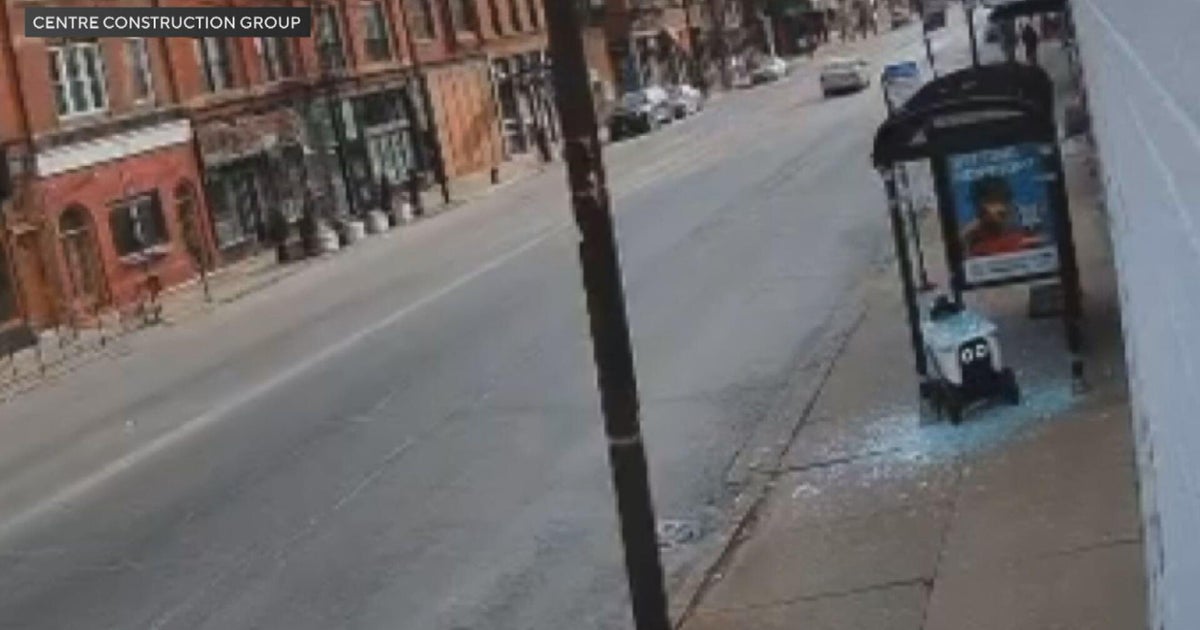
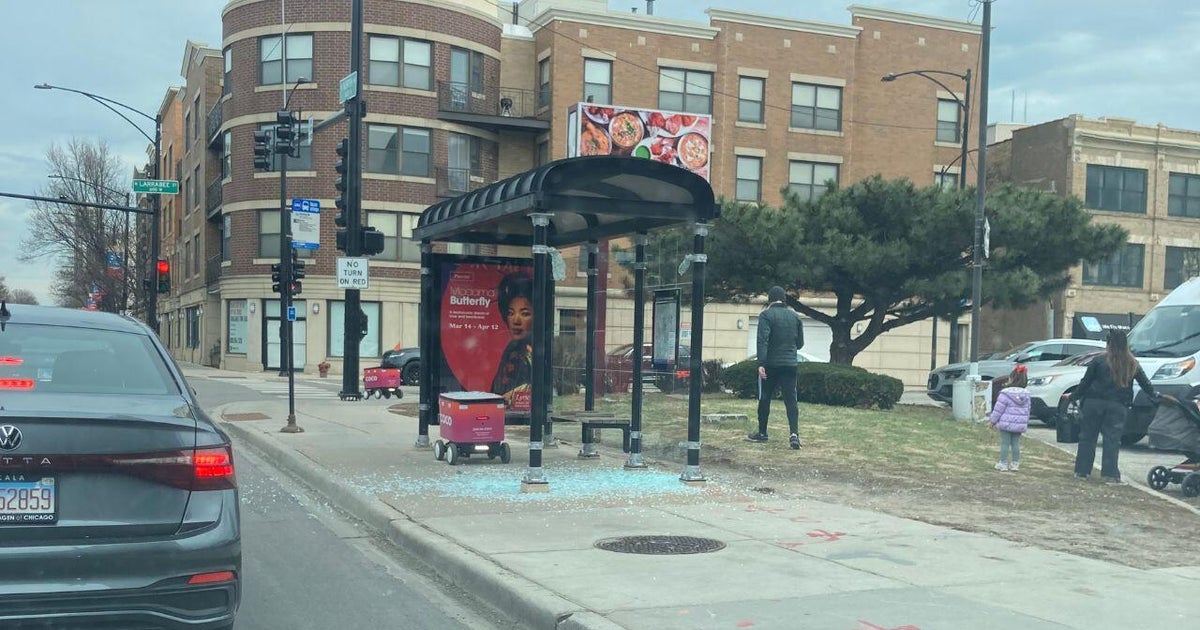
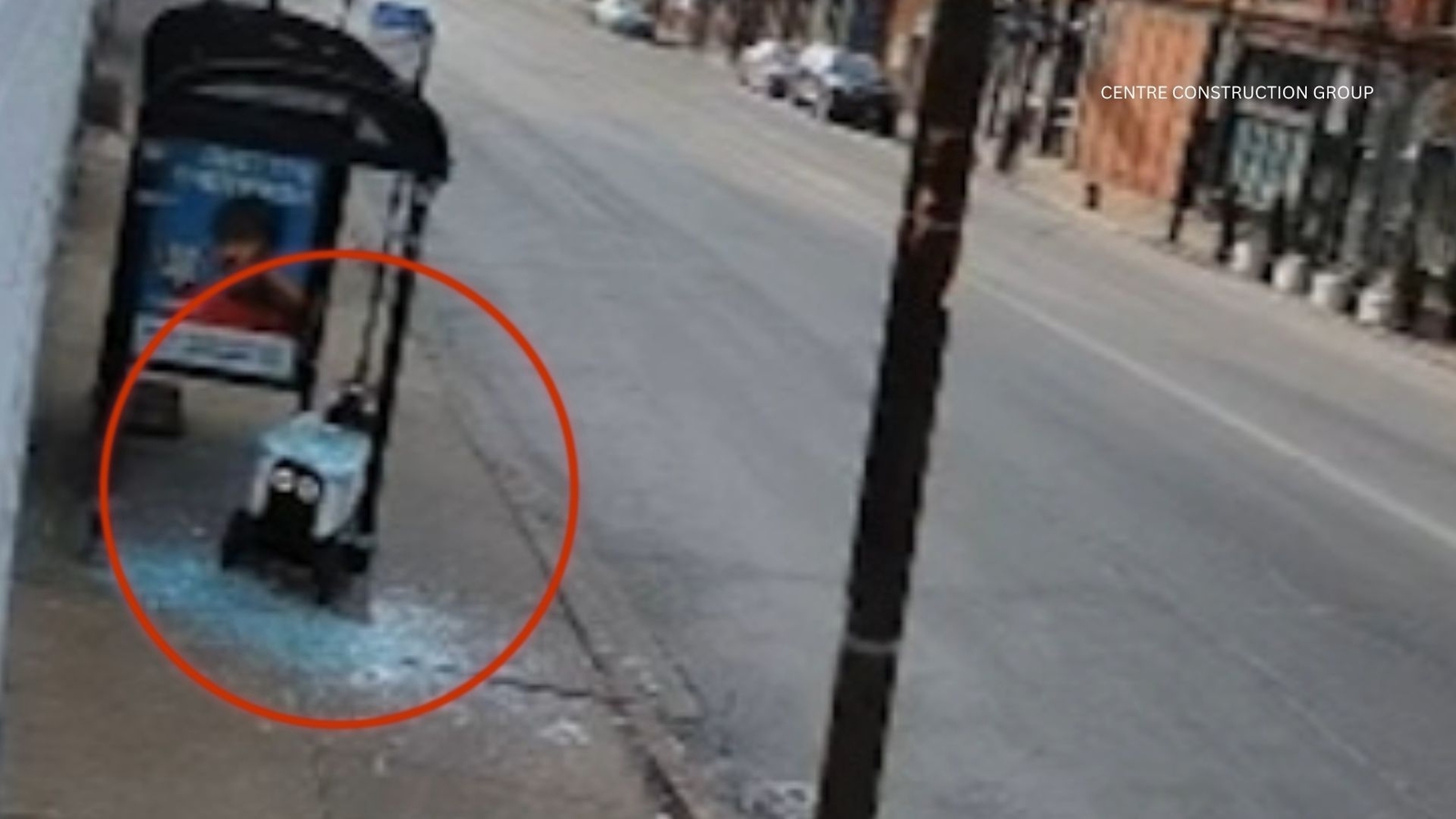
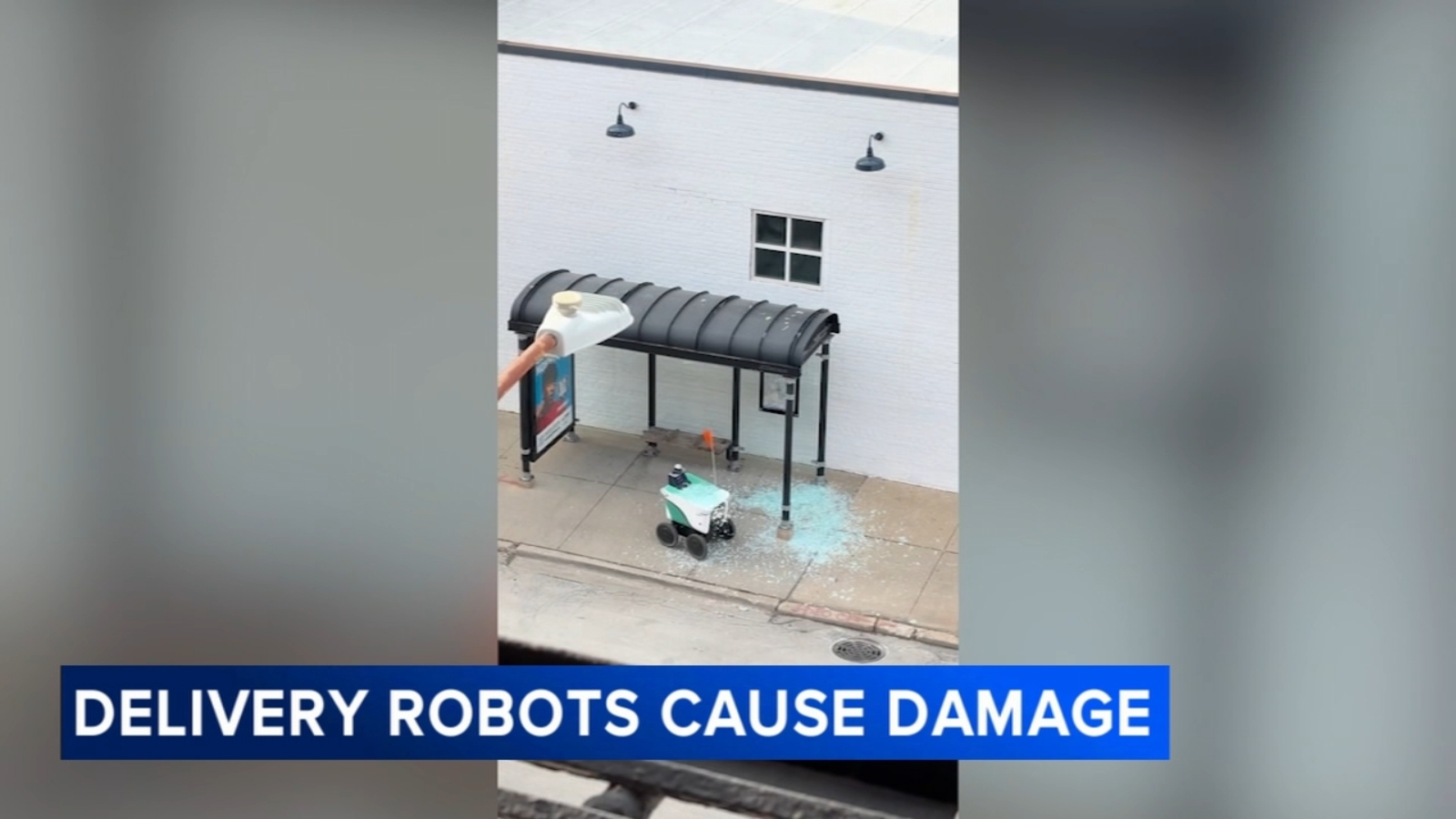
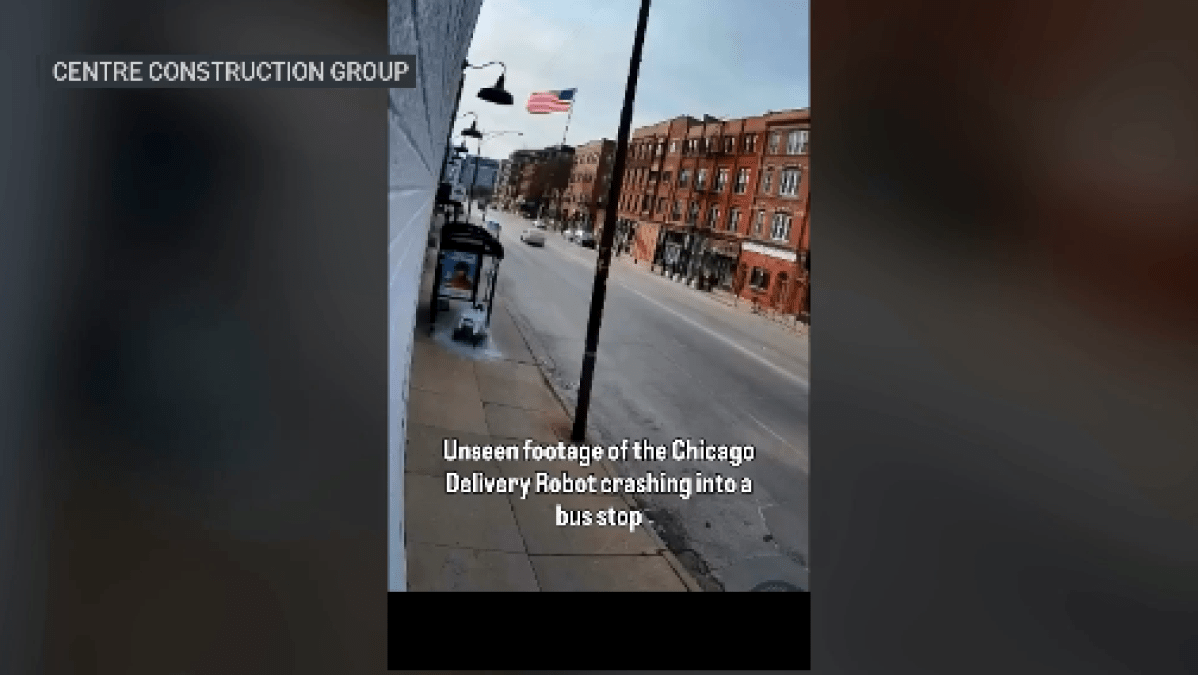
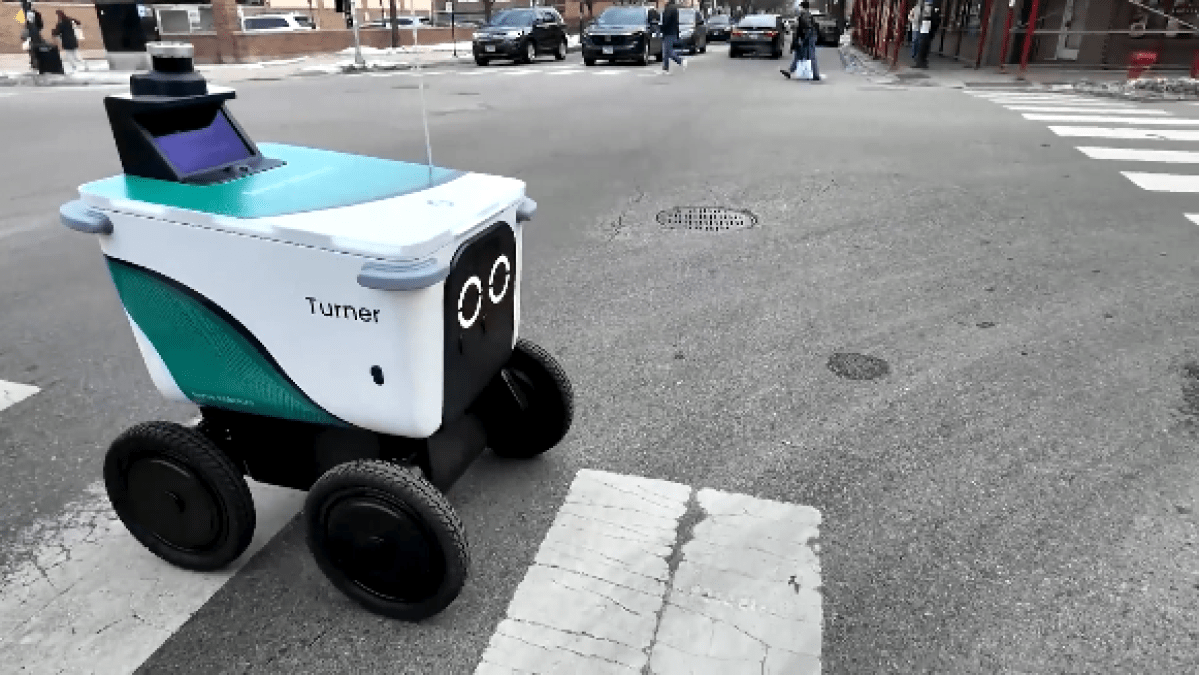
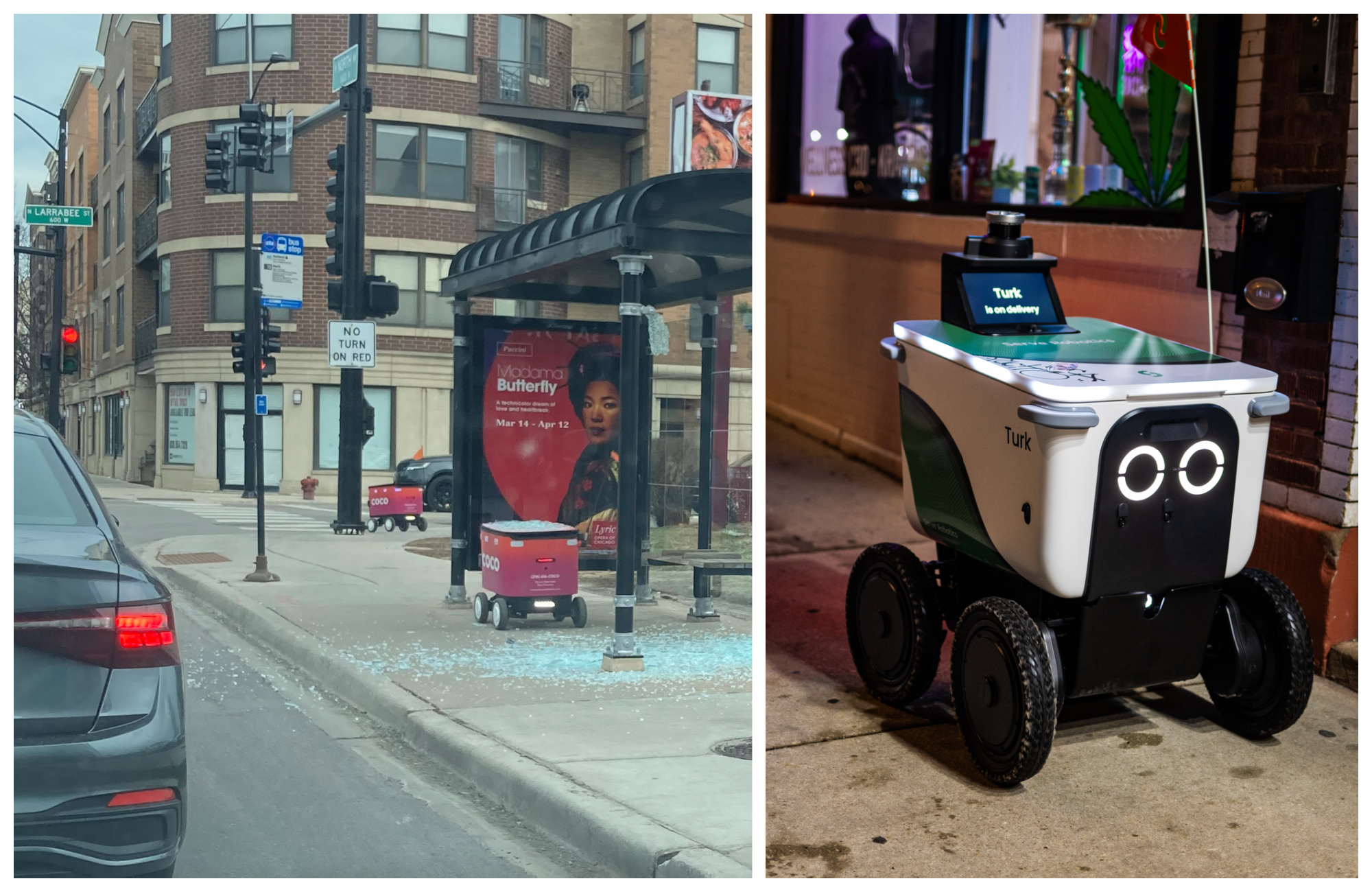
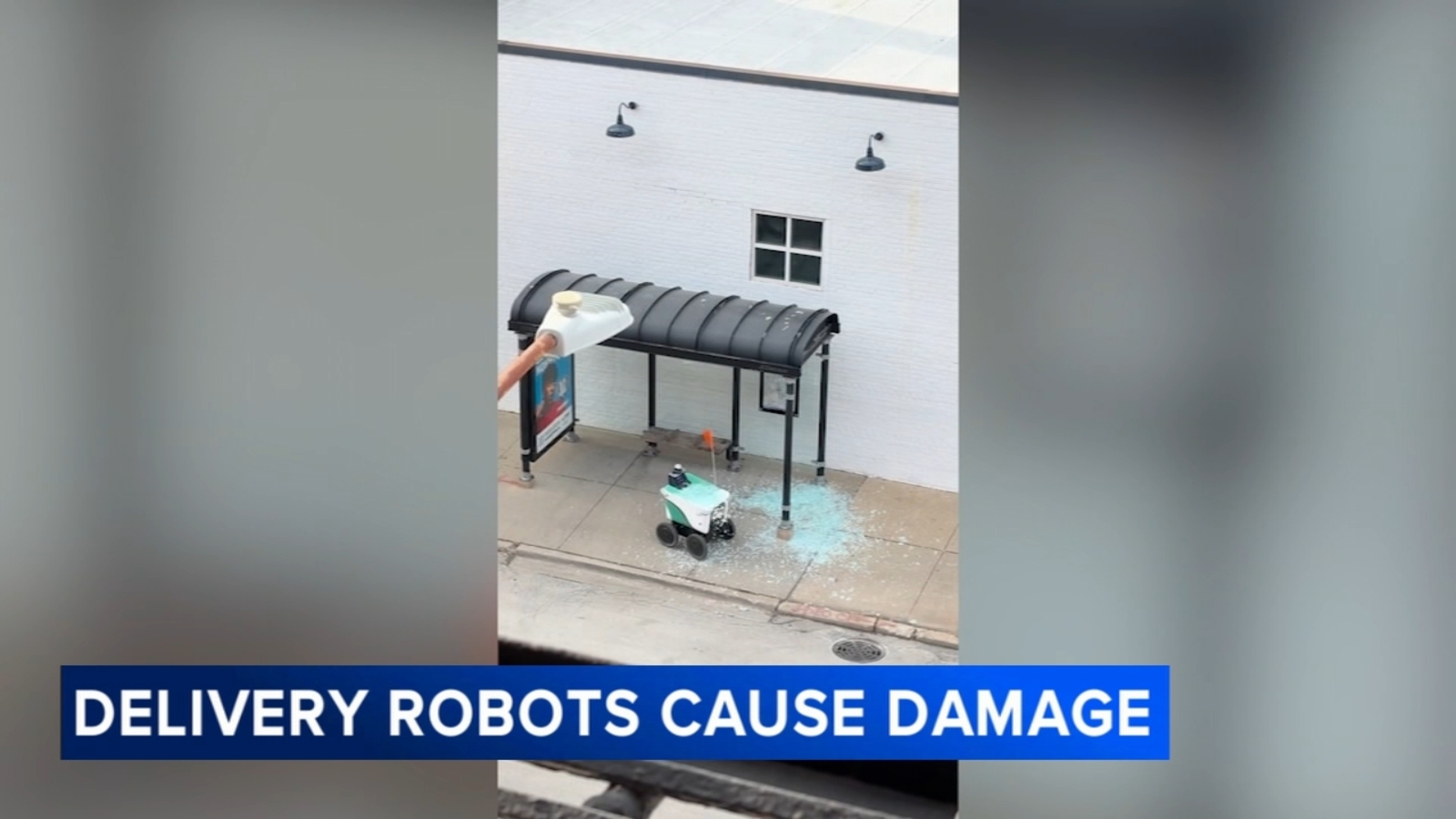
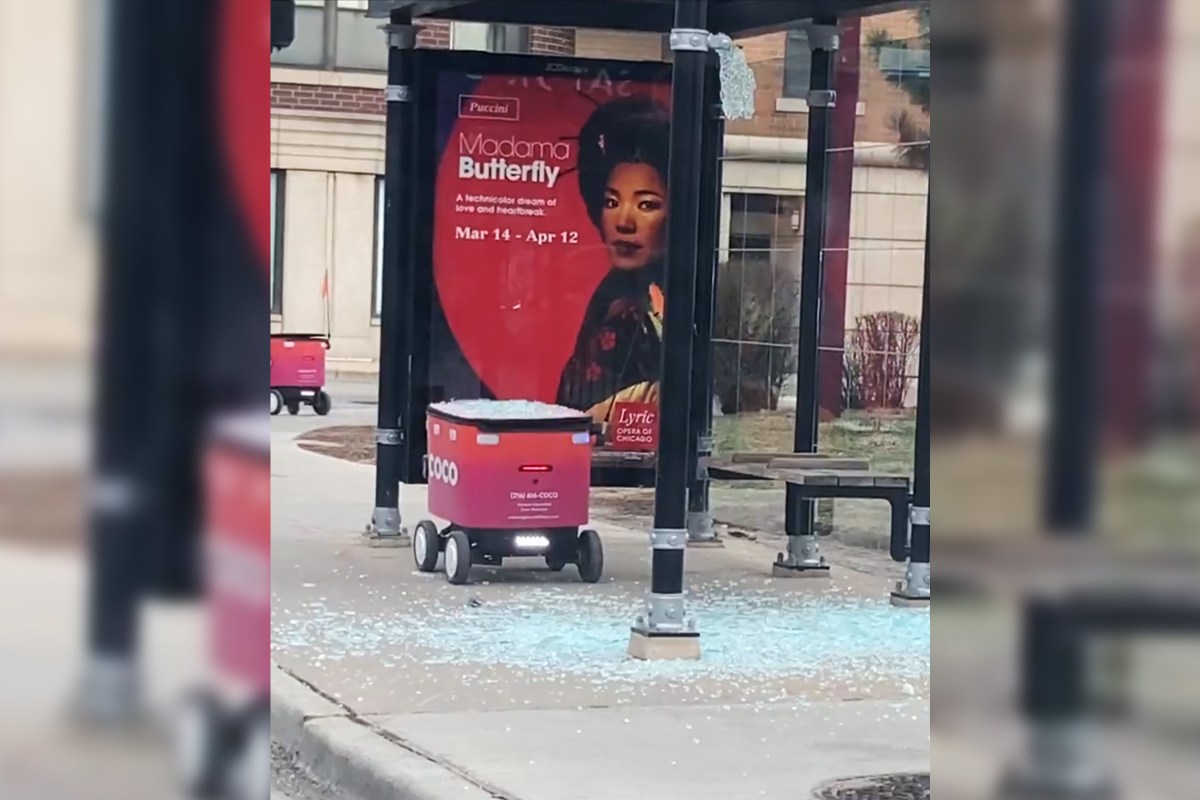
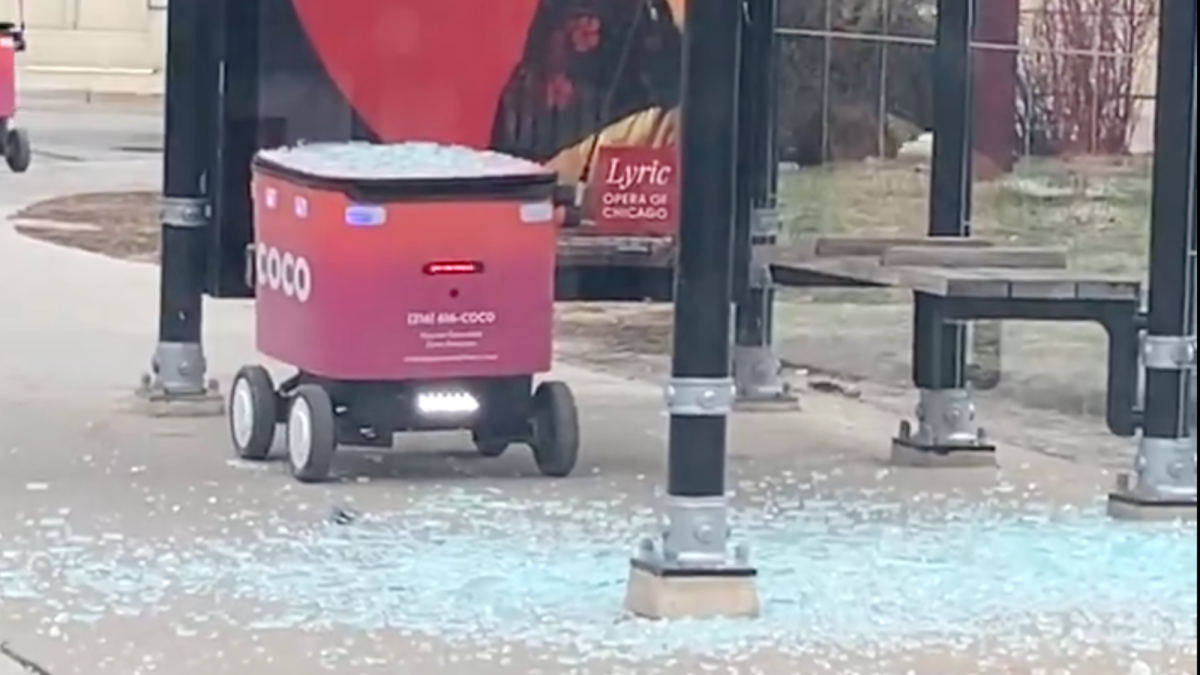
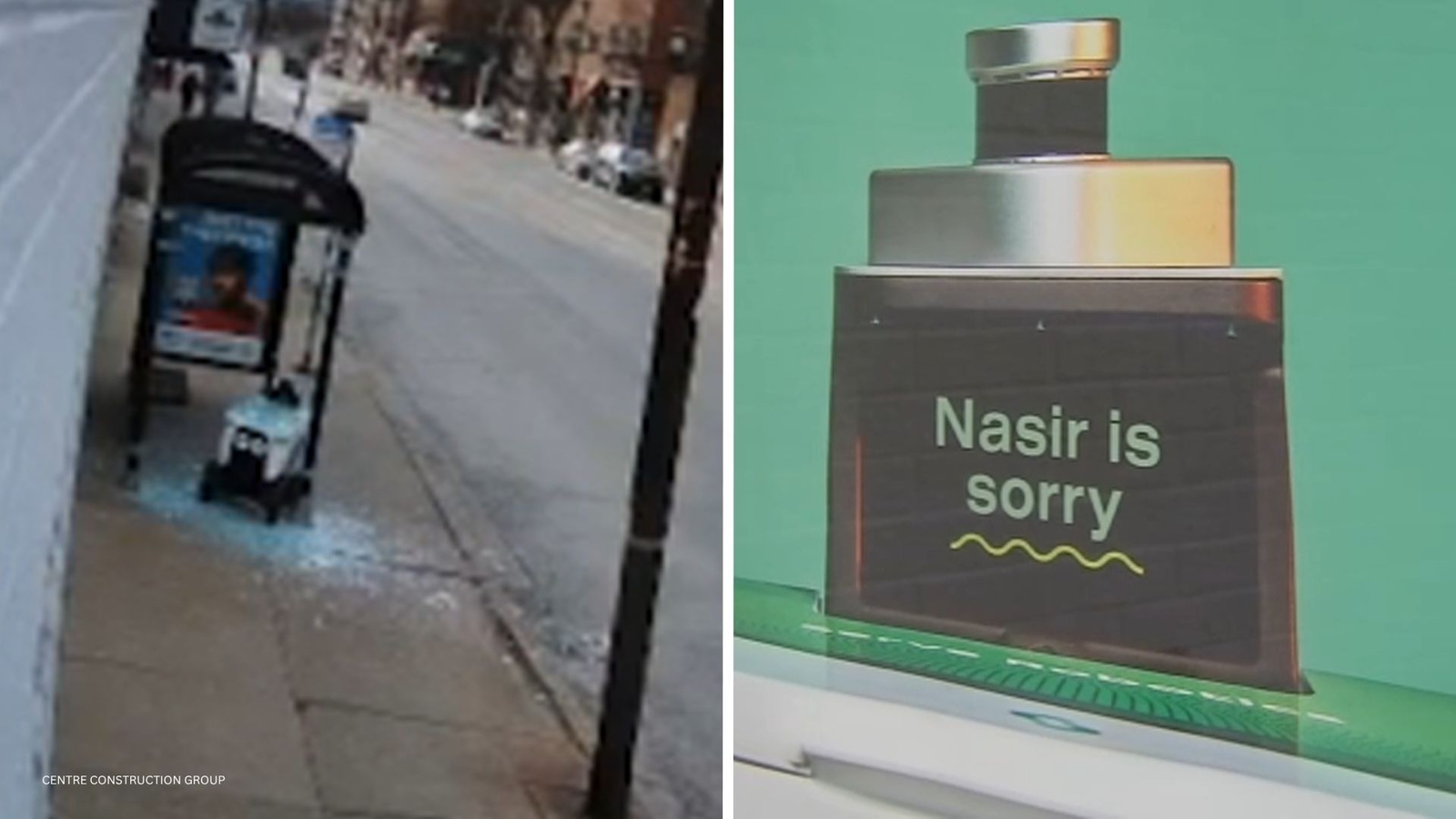
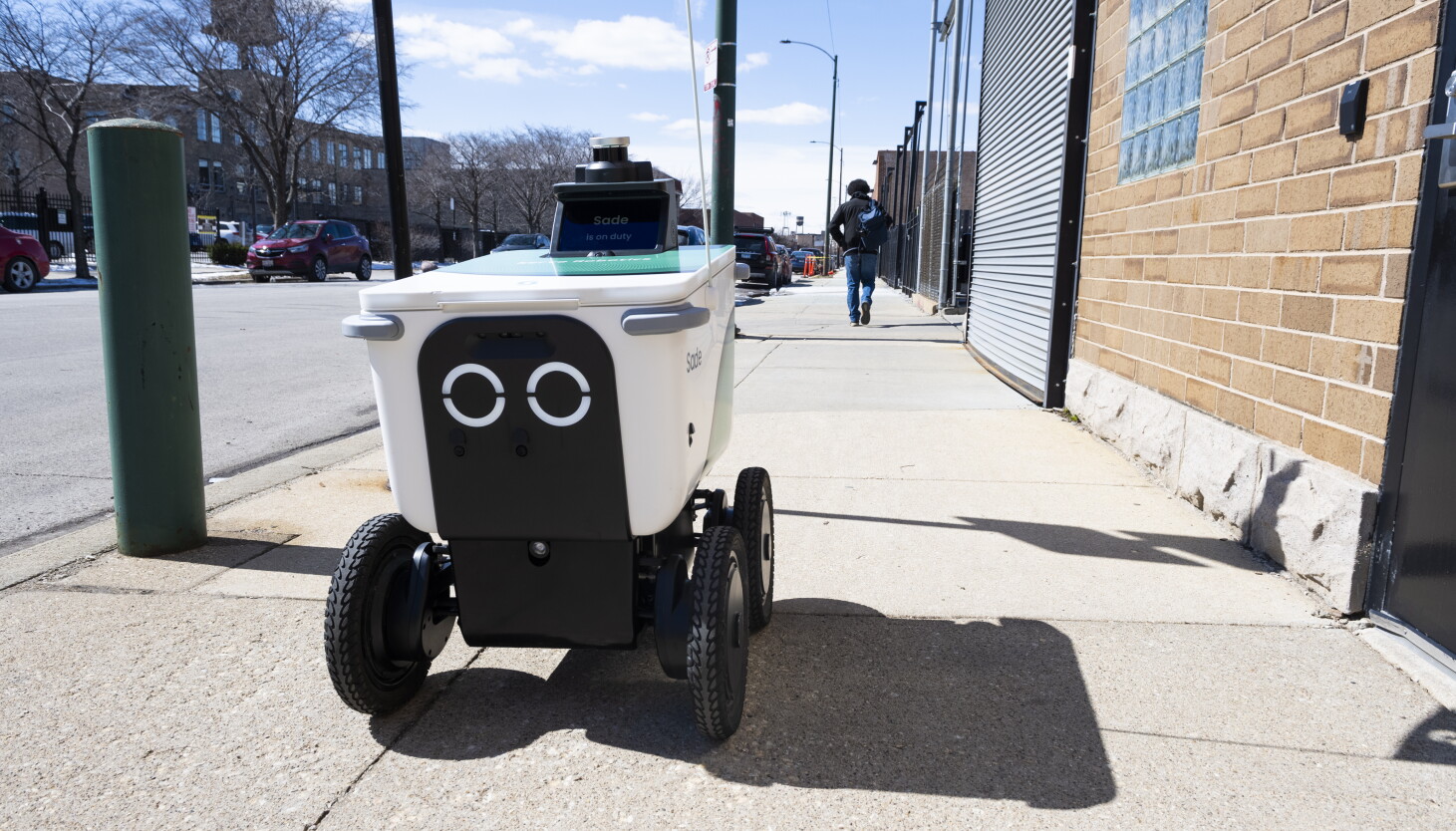
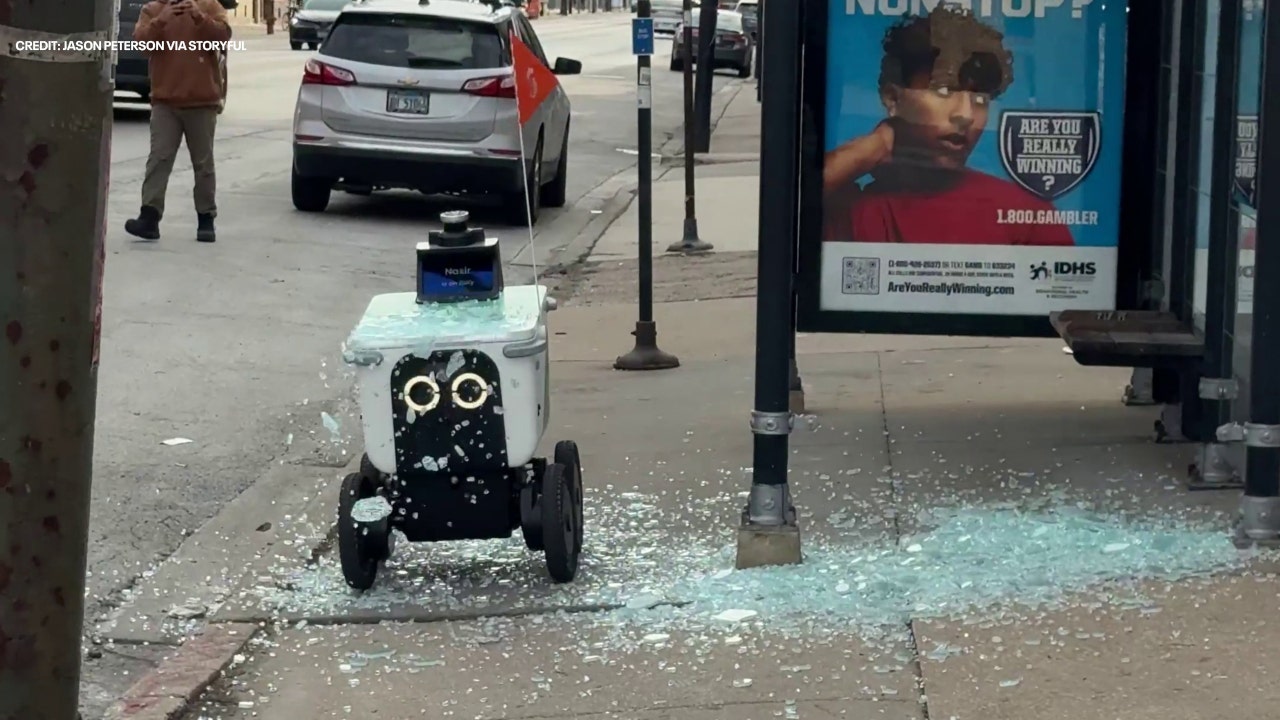
In Chicago, AI-powered delivery robots from Serve Robotics and Coco collided with two CTA bus shelters in separate incidents, shattering glass panels and causing property damage. Videos of the crashes went viral, raising concerns about the safety and oversight of autonomous delivery systems in urban environments. No injuries were reported.[AI generated]

Why's our monitor labelling this an incident or hazard?

The delivery robots are autonomous AI systems responsible for navigation and delivery tasks. Their collisions with bus shelters have caused physical damage, and their interactions with pedestrians have created safety hazards. The companies acknowledge these incidents and are investigating, indicating the AI systems' malfunction or operational failure. Since harm to property has occurred and there is a credible risk of injury, this event meets the criteria for an AI Incident rather than a hazard or complementary information.[AI generated]
AI principles
SafetyAccountability

Industries
Mobility and autonomous vehiclesLogistics, wholesale, and retail

Affected stakeholders
Government

Harm types
Economic/Property

Severity
AI incident

Business function:
Logistics

AI system task:
Recognition/object detectionGoal-driven organisation


Articles about this incident or hazard

Thumbnail Image

Rogue delivery robots are plowing into Chicago bus shelters, 'bumping' into pedestrians

2026-03-25
New York Post
Why's our monitor labelling this an incident or hazard?
The delivery robots are autonomous AI systems responsible for navigation and delivery tasks. Their collisions with bus shelters have caused physical damage, and their interactions with pedestrians have created safety hazards. The companies acknowledge these incidents and are investigating, indicating the AI systems' malfunction or operational failure. Since harm to property has occurred and there is a credible risk of injury, this event meets the criteria for an AI Incident rather than a hazard or complementary information.
Thumbnail Image

Viral video shows Chicago delivery robot after shattering glass at CTA bus shelter

2026-03-25
FOX 32 Chicago
Why's our monitor labelling this an incident or hazard?
The delivery robot likely uses AI for autonomous movement and navigation. The crash caused physical damage to public property (the bus shelter's glass). This constitutes harm to property directly linked to the AI system's malfunction or failure to navigate properly. Therefore, this event qualifies as an AI Incident due to realized harm caused by the AI system's use.
Thumbnail Image

Delivery robot seen smashing glass of bus stop in Chicago

2026-03-25
Daily Mail Online
Why's our monitor labelling this an incident or hazard?
The delivery robot is an AI system as it operates autonomously for delivery tasks. The robot's malfunction or rogue behavior directly caused physical damage to public property (the glass bus shelter). This fits the definition of an AI Incident because the AI system's malfunction led to harm to property. Although no injuries occurred, the property damage and public safety concerns are significant harms. The company's response and investigation are complementary information but do not negate the incident classification.
Thumbnail Image

Delivery robot goes viral after crashing into West Town bus shelter, shattering glass onto sidewalk

2026-03-24
CBS News
Why's our monitor labelling this an incident or hazard?
The delivery robot is an AI system performing autonomous navigation and delivery tasks. Its crash into the bus shelter caused physical damage to property, which is a form of harm defined under AI Incidents. The event describes a direct consequence of the AI system's malfunction or operational failure. Although no injuries occurred, the property damage and ensuing public safety concerns meet the criteria for an AI Incident. The article also discusses responses and monitoring but the primary focus is the incident itself, not just complementary information.
Thumbnail Image

Second delivery robot crashes into bus shelter, this time in Old Town

2026-03-24
CBS News
Why's our monitor labelling this an incident or hazard?
The delivery robots are AI systems performing autonomous navigation and delivery tasks. The crashes caused physical damage to public property (bus shelters), which qualifies as harm to property. The repeated incidents and public reaction indicate realized harm, not just potential harm. Hence, this is an AI Incident due to the direct harm caused by the AI systems' malfunction or failure in operation.
Thumbnail Image

Video shows delivery robot crash into CTA bus shelter in West Town

2026-03-24
ABC7 Chicago
Why's our monitor labelling this an incident or hazard?
The delivery robot is explicitly stated to be powered by artificial intelligence, fulfilling the AI system involvement criterion. The crash into the bus shelter represents harm to property, which is one of the defined harms for an AI Incident. Since the AI system's use directly led to this harm, this qualifies as an AI Incident.
Thumbnail Image

Chicago leaders speak out after delivery robots cause damage at CTA bus shelters

2026-03-25
ABC7 Chicago
Why's our monitor labelling this an incident or hazard?
Delivery robots are AI systems that autonomously navigate sidewalks to deliver food. The reported incidents involve these AI systems malfunctioning or losing control, resulting in physical damage to public property, which qualifies as harm to property. Since the harm has already occurred and is directly linked to the use of AI systems, this event meets the criteria for an AI Incident. The discussion of regulatory responses and public concern is complementary but does not change the classification of the primary event.
Thumbnail Image

Delivery robot goes viral after shattering West Town bus shelter glass

2026-03-25
NBC Chicago
Why's our monitor labelling this an incident or hazard?
The delivery robot is an AI system as it largely drives itself with human intervention only when necessary. The robot's autonomous behavior directly caused property damage by breaking the bus shelter glass, which constitutes harm to property. The incident is a realized harm, not just a potential risk, thus qualifying as an AI Incident. The involvement of city officials and the company's response further confirm the significance of the event as an AI Incident rather than a hazard or complementary information.
Thumbnail Image

Delivery robot smashes into Old Town bus shelter in second crash of the week

2026-03-26
NBC Chicago
Why's our monitor labelling this an incident or hazard?
The delivery robots are AI systems operating autonomously in public spaces. Their collisions with bus shelters caused physical damage to property, which fits the harm category (d) "Harm to property, communities, or the environment." The incidents are directly caused by the AI systems' malfunction or failure to avoid obstacles. The companies' investigations and public responses confirm the AI systems' involvement. Therefore, this event meets the criteria for an AI Incident rather than a hazard or complementary information.
Thumbnail Image

Viral videos show Chicago delivery robots after shattering glass at CTA bus shelters

2026-03-25
FOX 4 News Dallas-Fort Worth
Why's our monitor labelling this an incident or hazard?
The delivery robots are AI systems as they autonomously navigate urban environments to perform deliveries. The crashes caused direct harm to property (bus shelters) and involved the AI systems' malfunction or failure to avoid obstacles. No injuries were reported, but the property damage qualifies as harm under the AI Incident definition. Therefore, this event is an AI Incident due to realized harm caused by AI system malfunction during use.
Thumbnail Image

Food delivery robot crashes through West Side bus shelter

2026-03-25
WGN-TV
Why's our monitor labelling this an incident or hazard?
The delivery robot is an AI system as it autonomously navigates sidewalks using sensors and cameras. Its malfunction caused direct harm to property by shattering a glass panel of a bus shelter. The harm is realized and directly linked to the AI system's operation. Hence, the event meets the criteria for an AI Incident.
Thumbnail Image

Robots Gone Wild: Food Delivery Robots Smash 2 Bus Shelters In Chicago

2026-03-25
Block Club Chicago
Why's our monitor labelling this an incident or hazard?
The delivery robots are AI systems as they autonomously navigate sidewalks to deliver food. The collisions with bus shelters caused physical damage to property, which is a direct harm resulting from the AI systems' malfunction or failure. Although no injuries occurred, the property damage qualifies as harm under the AI Incident definition. Therefore, this event is classified as an AI Incident due to realized harm caused by the AI systems' malfunction during their use.
Thumbnail Image

Chicago Officials Address Damage to CTA Bus Shelters Caused by Serve and Coco Robotics Delivery Robots - Internewscast Journal

2026-03-26
Internewscast Journal
Why's our monitor labelling this an incident or hazard?
The delivery robots are AI systems as they autonomously navigate sidewalks to deliver goods. The collisions with bus shelters caused direct harm to public property, fulfilling the harm criterion for an AI Incident. The incidents stem from the use and possible malfunction or operational errors of these AI systems. The article explicitly states damage occurred and responses are underway, confirming realized harm rather than potential harm. Hence, the event is best classified as an AI Incident.
Thumbnail Image

Food delivery robots shatter two Chicago bus shelters. 'Two in seven days is not great,' alderman says.

2026-03-26
Chicago Tribune
Why's our monitor labelling this an incident or hazard?
The delivery robots are AI systems operating autonomously on sidewalks. Their collisions with bus shelters caused physical damage, which is harm to property and communities. The incidents are directly linked to the AI systems' use and malfunction or operational failure. The harm is realized, not just potential. Hence, this is an AI Incident rather than a hazard or complementary information.
Thumbnail Image

There's Something Incredibly Weird About Two Delivery Robots Crashing Through Glass Bus Shelter in Chicago Within a Few Days of Each Other

2026-03-26
Futurism
Why's our monitor labelling this an incident or hazard?
The delivery robots are AI systems performing autonomous navigation and delivery tasks. Their collisions with glass bus shelters have caused physical damage and created hazardous conditions on public sidewalks, posing risks to pedestrians. The incidents have already occurred, so the harm is realized, not just potential. Therefore, this qualifies as an AI Incident due to direct harm caused by the AI systems' malfunction or failure in operation.
Thumbnail Image

Delivery robots keep crashing into bus shelters

2026-03-26
Popular Science
Why's our monitor labelling this an incident or hazard?
The delivery robots are autonomous AI systems responsible for navigation and delivery tasks. Their crashes into bus shelters caused physical damage to property and alarmed residents, which constitutes harm to property and communities. The incidents are directly linked to the AI systems' malfunction or failure to navigate properly. The article also mentions ongoing investigations and responses by the companies, but the primary event is the realized harm caused by the AI systems' malfunction. Hence, this is an AI Incident rather than a hazard or complementary information.
Thumbnail Image

Delivery robots smash Chicago bus shelters in two separate incidents - UPI.com

2026-03-26
UPI
Why's our monitor labelling this an incident or hazard?
The delivery robots are AI systems as they autonomously navigate and perform delivery tasks. The crashes caused direct harm to property (shattered glass bus shelters). Although no injuries occurred, the property damage qualifies as harm under the AI Incident definition. The incidents are directly linked to the malfunction or failure of the AI systems in controlling the robots safely. Therefore, this event is an AI Incident due to realized harm to property caused by AI system malfunction.
Thumbnail Image

Amazon Eyes Delivery Robots as MIT Tackles Warehouse Bottlenecks | PYMNTS.com

2026-03-26
PYMNTS.com
Why's our monitor labelling this an incident or hazard?
The article explicitly mentions AI-enabled robots for delivery and warehouse management, indicating AI system involvement. However, it does not describe any harm or malfunction caused by these systems, nor does it suggest plausible future harm. The focus is on technological progress, efficiency gains, and strategic business moves. This fits the definition of Complementary Information, as it enhances understanding of AI developments and their ecosystem impact without reporting new incidents or hazards.
Thumbnail Image

Food Delivery Robots Shatter Bus Shelters in Chicago

2026-03-26
Government Technology
Why's our monitor labelling this an incident or hazard?
The delivery robots are AI systems as they autonomously navigate sidewalks to deliver food. The collisions with bus shelters caused direct harm to public property, fulfilling the harm to property criterion. The incidents are not hypothetical but have already occurred, with damage confirmed and cleanup underway. The AI systems' malfunction or failure to avoid collisions is a direct factor in the harm. Therefore, these events meet the definition of AI Incidents.
Thumbnail Image

Food delivery robots shatter 2 Chicago bus shelters. 'Two in seven days is not great,' alderman says

2026-03-26
Eagle-Tribune
Why's our monitor labelling this an incident or hazard?
The food delivery robots are AI systems as they autonomously navigate public spaces to deliver food. Their collisions with bus shelters have directly caused physical damage to public property, fulfilling the criteria for harm to property. Therefore, this event qualifies as an AI Incident due to the realized harm caused by the AI systems' operation.
Thumbnail Image

A Delivery Robot Just Plowed Through a Bus Shelter in Los Angeles -- And Nobody's Laughing

2026-03-26
WebProNews
Why's our monitor labelling this an incident or hazard?
The delivery robot is an AI system as it involves remote operation with video feed and likely AI-assisted navigation. The incident caused direct harm to property (the bus shelter) and posed a risk of injury to people, fulfilling the criteria for harm under the AI Incident definition. The robot's malfunction or operator error in controlling the AI system directly led to the crash. The event is not merely a potential hazard or complementary information but a realized incident with tangible harm. Hence, the classification as AI Incident is appropriate.
Thumbnail Image

Chicago Delivery Robots Are Vandalizing Downtown

2026-03-27
ROCK 92.9 Rocks
Why's our monitor labelling this an incident or hazard?
The delivery robots are AI systems performing autonomous navigation tasks. Their failure to detect and avoid bus stop glass shelters has directly caused property damage. This harm fits the definition of an AI Incident as the AI system's malfunction has led to harm to property. The companies' response indicates recognition of the issue but does not negate the occurrence of harm. Therefore, the event is classified as an AI Incident.
Thumbnail Image

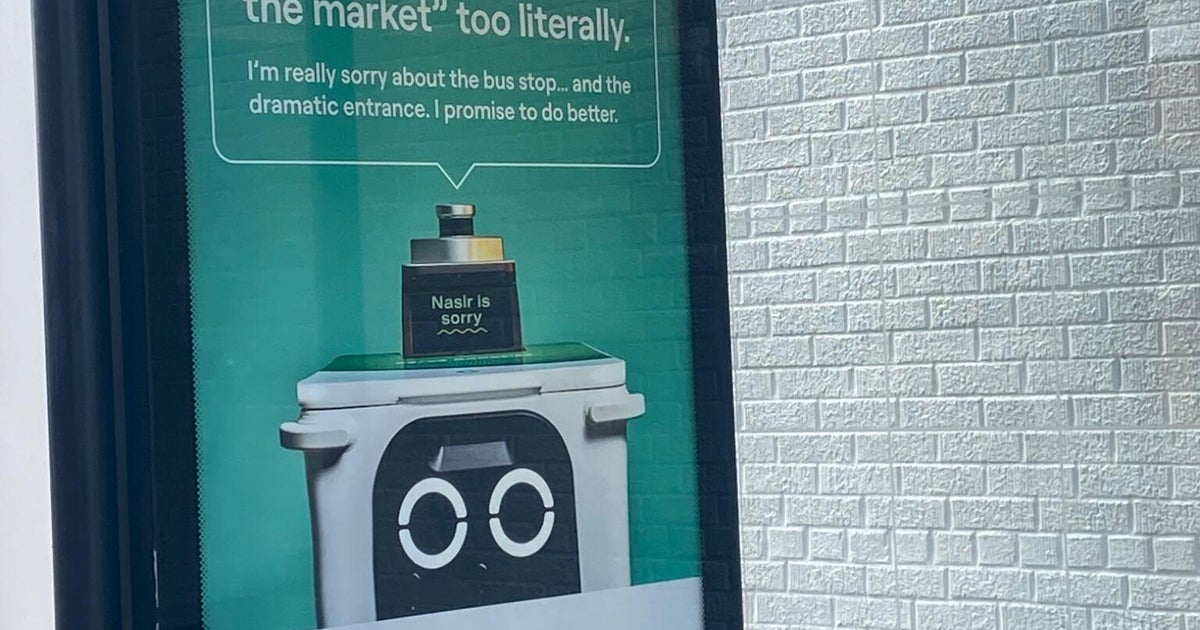
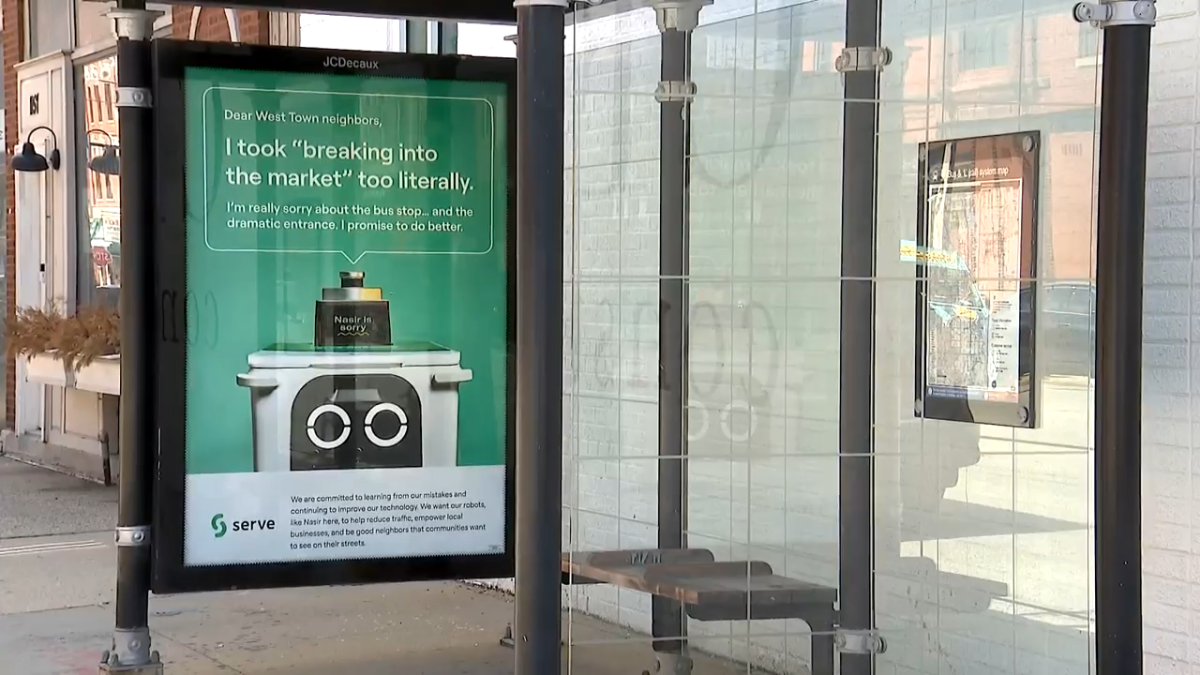
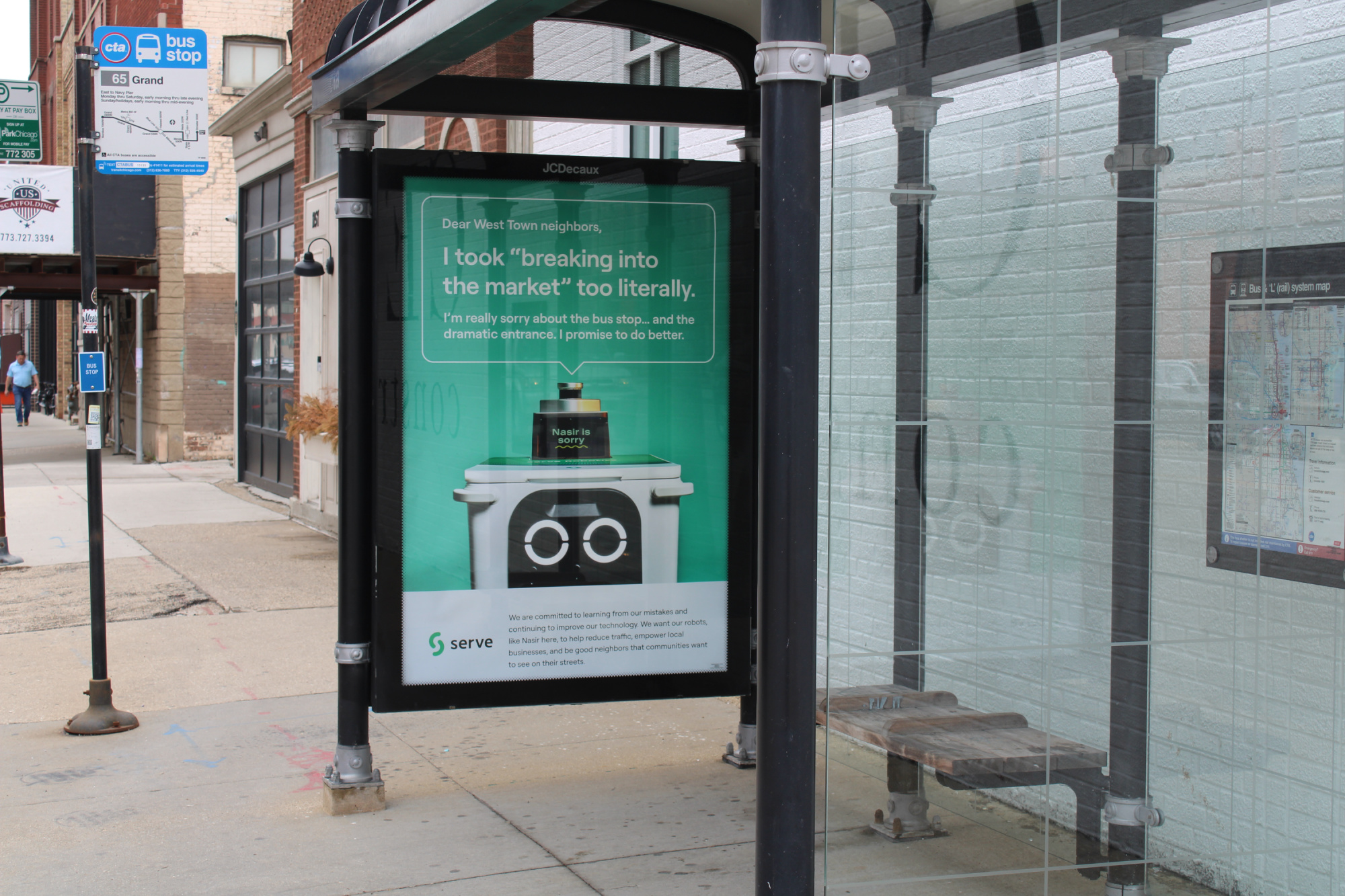
Delivery robot apologizes for breaking CTA bus shelter: "Nasir is sorry"

2026-04-14
CBS News
Why's our monitor labelling this an incident or hazard?
The delivery robot is an AI system performing autonomous navigation and delivery tasks. Its crashing into the bus shelter caused direct harm to property, fulfilling the criteria for an AI Incident. The company's apology and commitment to improve technology further confirm the AI system's involvement in the harm. Although there are concerns about safety and accessibility, the article primarily reports a realized harm rather than just potential future harm, so this is classified as an AI Incident rather than an AI Hazard or Complementary Information.
Thumbnail Image

Bus shelter displays apologetic ad after viral video shows delivery robot crash: 'Nasir is sorry'

2026-04-14
ABC7 Chicago
Why's our monitor labelling this an incident or hazard?
The delivery robots are AI systems performing autonomous navigation and delivery tasks. Their crashing into bus shelters caused harm to property, which fits the definition of an AI Incident. The company's response and apology do not negate the fact that harm occurred due to the AI system's malfunction or failure. Therefore, this event qualifies as an AI Incident.
Thumbnail Image

Robotics company offers lighthearted apology after delivery robot crashes into bus shelter

2026-04-15
NBC Chicago
Why's our monitor labelling this an incident or hazard?
The delivery robots are AI systems as they autonomously navigate urban environments. Their crashing into bus shelters caused property damage, which is a form of harm. Although no injuries occurred, the property damage harm is sufficient to classify this as an AI Incident. The company's apology and commitment to improvements indicate recognition of the AI system's malfunction leading to harm.
Thumbnail Image

Food Delivery Robot Says Sorry For Smashing Bus Shelter In New Ad

2026-04-14
Block Club Chicago
Why's our monitor labelling this an incident or hazard?
The event explicitly involves AI systems (autonomous food delivery robots) whose malfunction (sensor failure to detect glass) directly caused physical harm to property (bus shelter damage). This fits the definition of an AI Incident as the AI system's malfunction led directly to harm. The article describes realized harm, not just potential harm, and the AI system's role is pivotal. Therefore, the classification is AI Incident.
Thumbnail Image

Delivery robot apologizes in new bus shelter ad after shattering glass in West Town

2026-04-14
Chicago Sun-Times
Why's our monitor labelling this an incident or hazard?
The delivery robots use AI for autonomous navigation, and their failure to detect glass bus shelters caused physical damage. This is a direct harm to property caused by the AI system's malfunction. The event is not merely a potential risk but an actual incident with realized harm. The company's response and improvements are complementary information but do not change the classification of the original event as an AI Incident.