

























AI-Generated Deepfake Videos Target Belgian Crown Princess Elisabeth

Thumbnail Image

The information displayed in the AIM should not be reported as representing the official views of the OECD or of its member countries.

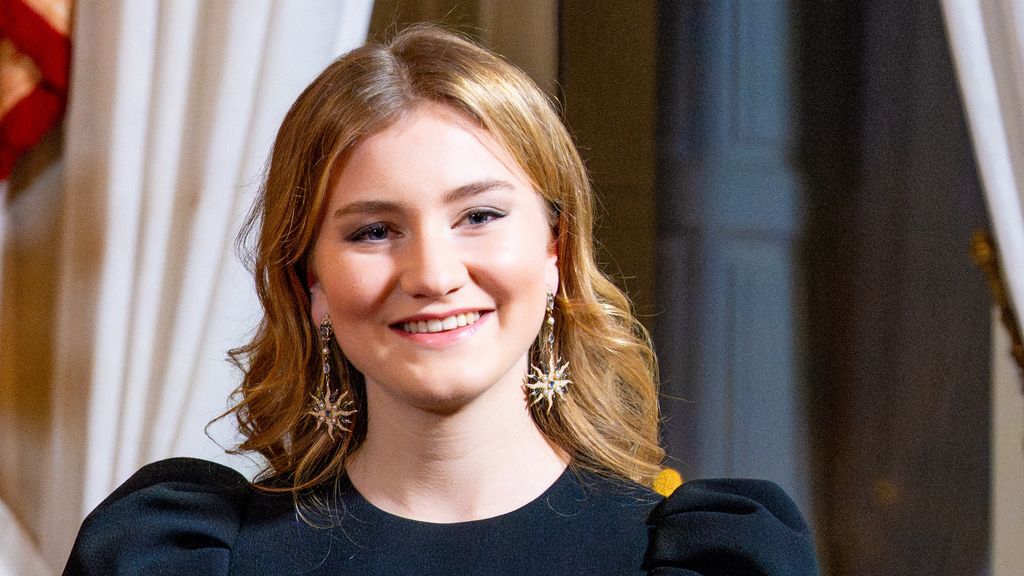
AI-generated deepfake videos and images of Belgian Crown Princess Elisabeth circulated widely on Facebook via a fake profile, causing reputational harm and public distress. The Royal Palace intervened to report and remove the content, highlighting the risks of AI-driven impersonation and misinformation.[AI generated]

Why's our monitor labelling this an incident or hazard?

The event clearly involves AI systems, specifically generative AI used to create deepfake content. The circulation of such manipulated media can cause harm to the individual's reputation and dignity, which can be considered harm to the person or community. The Royal Palace's intervention to remove the content indicates recognition of harm caused. Therefore, this qualifies as an AI Incident due to realized harm from AI-generated content.[AI generated]
AI principles
Transparency & explainabilityAccountability

Industries
Media, social platforms, and marketing

Affected stakeholders
WomenGeneral public

Harm types
ReputationalPsychological

Severity
AI incident

AI system task:
Content generation


Articles about this incident or hazard

Thumbnail Image

Deepfake-video's van Belgische kroonprinses op Facebook

2026-03-29
NOS
Why's our monitor labelling this an incident or hazard?
The event involves AI systems generating deepfake content, which is a clear AI system involvement. The use of these deepfakes on a fake profile could plausibly lead to harm such as misinformation or reputational damage, but the article does not report any actual harm or incident resulting from this. Therefore, this situation fits the definition of an AI Hazard, as it plausibly could lead to harm but no harm is confirmed yet.
Thumbnail Image

Deepfakevideo's van kroonprinses Elisabeth circuleren op Facebook, het Paleis neemt nodige maatregelen | VRT NWS Nieuws

2026-03-28
vrtnws.be
Why's our monitor labelling this an incident or hazard?
The event clearly involves AI systems, specifically generative AI used to create deepfake content. The circulation of such manipulated media can cause harm to the individual's reputation and dignity, which can be considered harm to the person or community. The Royal Palace's intervention to remove the content indicates recognition of harm caused. Therefore, this qualifies as an AI Incident due to realized harm from AI-generated content.
Thumbnail Image

Deepfake-video van kroonprinses Elisabeth circuleert online, Paleis 'deed het nodige' om beelden te rapporteren

2026-03-28
De Standaard
Why's our monitor labelling this an incident or hazard?
The article explicitly mentions the use of AI to generate deepfake videos and images that impersonate the Crown Princess, causing reputational harm and misinformation. The AI system's use directly led to the creation and dissemination of harmful content, which is a violation of personal rights and can be considered harm to the individual. The palace's intervention confirms the harm is recognized and ongoing. Hence, this is an AI Incident involving harm to rights and communities through AI-generated misinformation and impersonation.
Thumbnail Image

Deepfakevideo's van Belgische prinses Elisabeth circuleren op sociale media, paleis grijpt in

2026-03-28
Provinciale Zeeuwse Courant
Why's our monitor labelling this an incident or hazard?
The event involves AI systems explicitly used to generate deepfake videos that impersonate a public figure in inappropriate contexts. These videos have been widely circulated, causing reputational harm and distress, which qualifies as harm to communities and a violation of personal rights. The palace's intervention to remove the content confirms the harm is realized. Hence, the event meets the criteria for an AI Incident due to the direct harm caused by the AI-generated content.